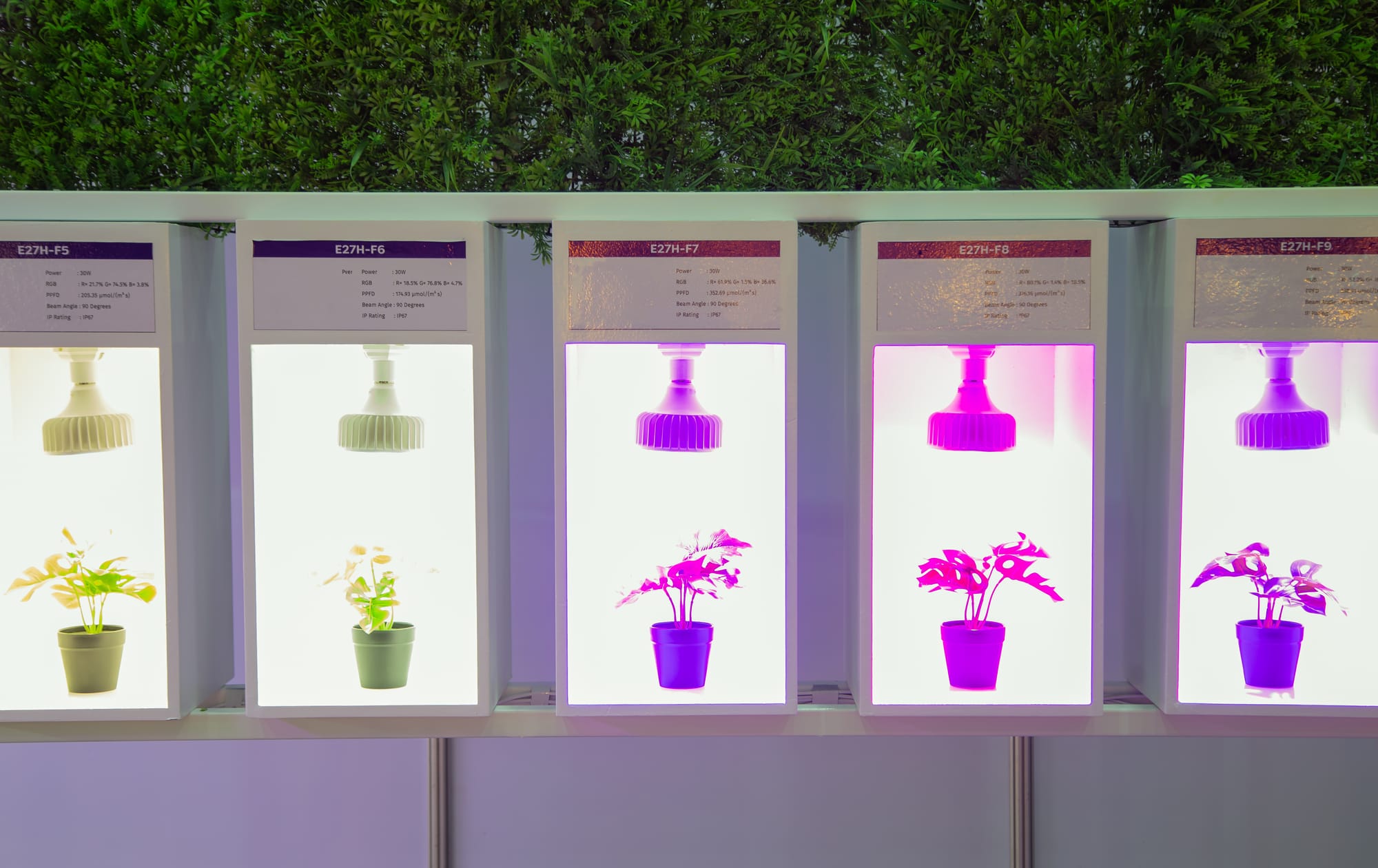
Long Read: The Influence of Different Light Wavelengths on Plant Growth
The technology of controlled environment agriculture (CEA) is fast developing and is increasingly recognised as an important component of future

The technology of controlled environment agriculture (CEA) is fast developing and is increasingly recognised as an important component of future
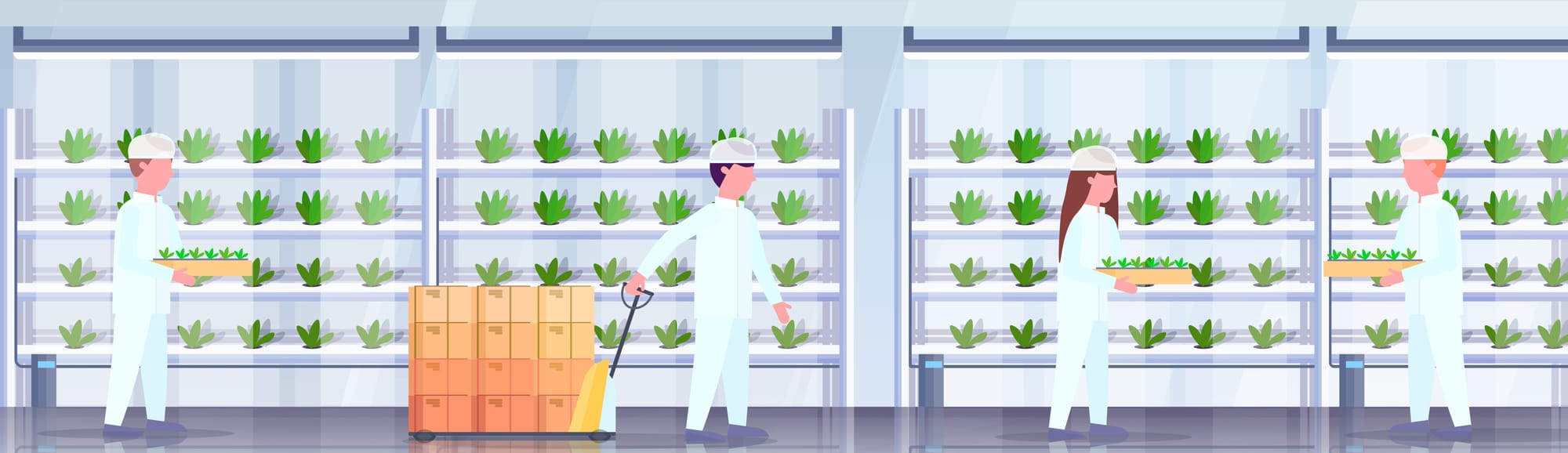
* Vertical farming potentially addresses many of the growing issues with food security due to decreased land use and better protection
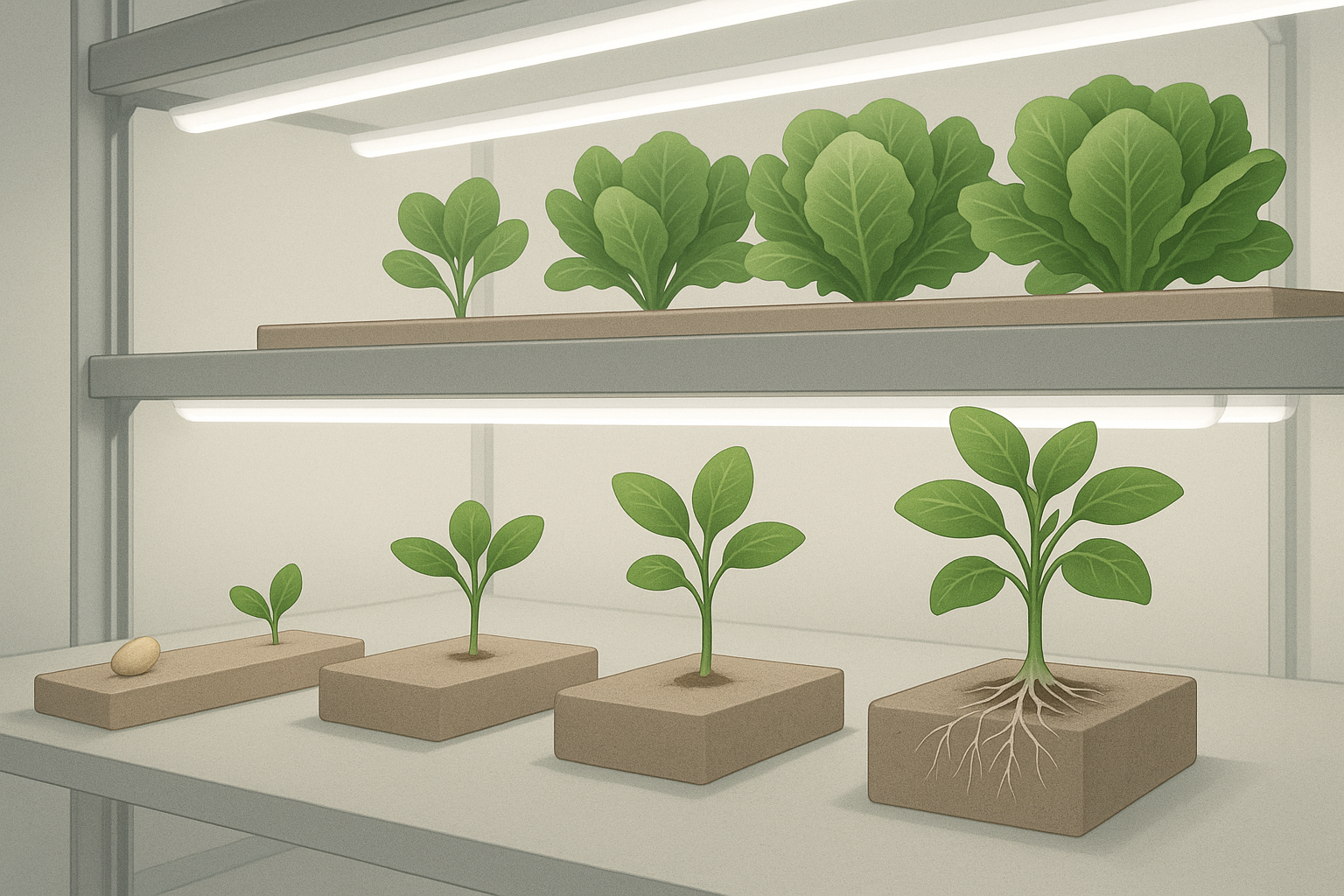
Crop growth cycles are central to how indoor production systems function and to their promise of consistent, high-quality harvests.
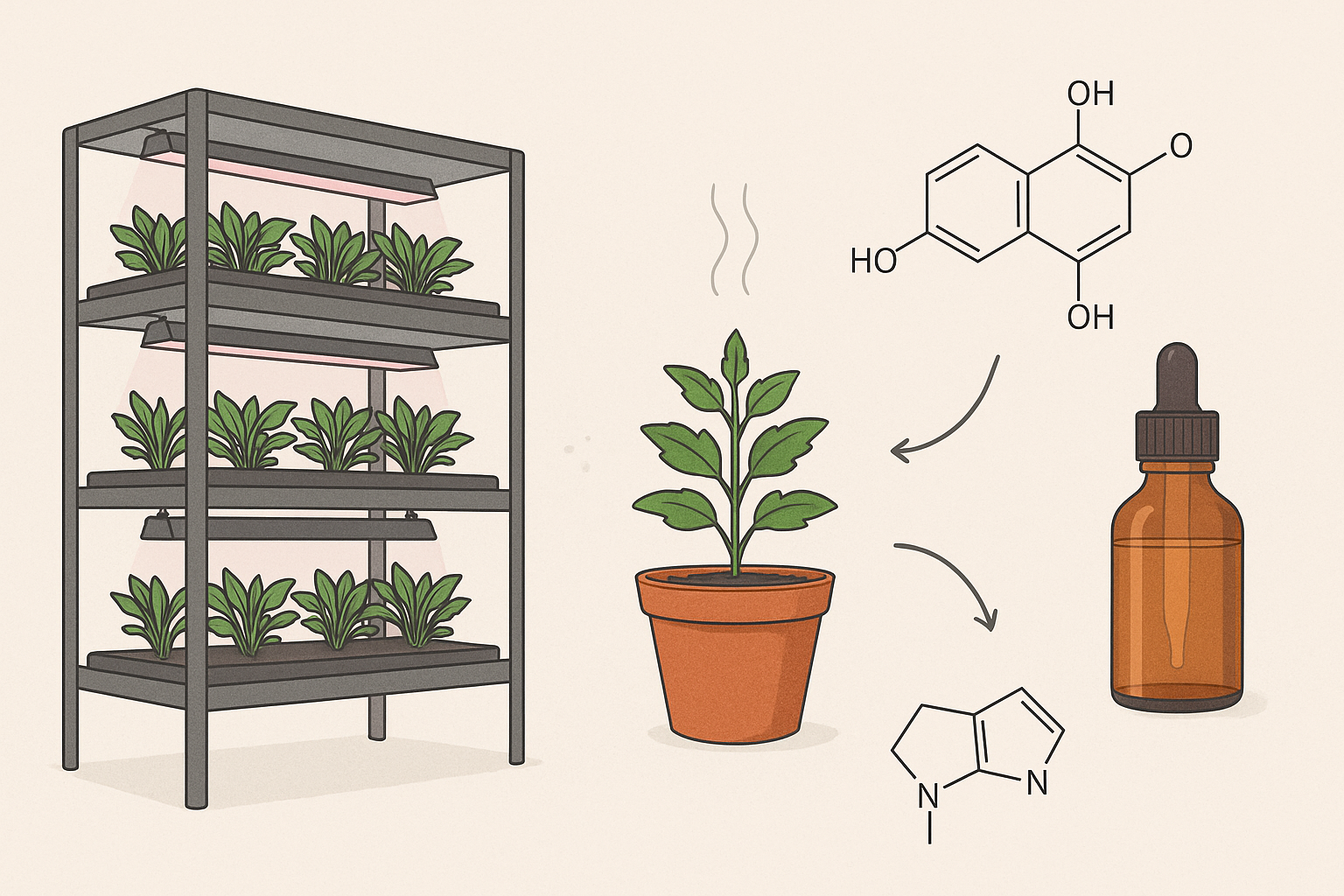
Using stress to initiate the production of novel compounds in plants has become a subject of significant interest within Controlled
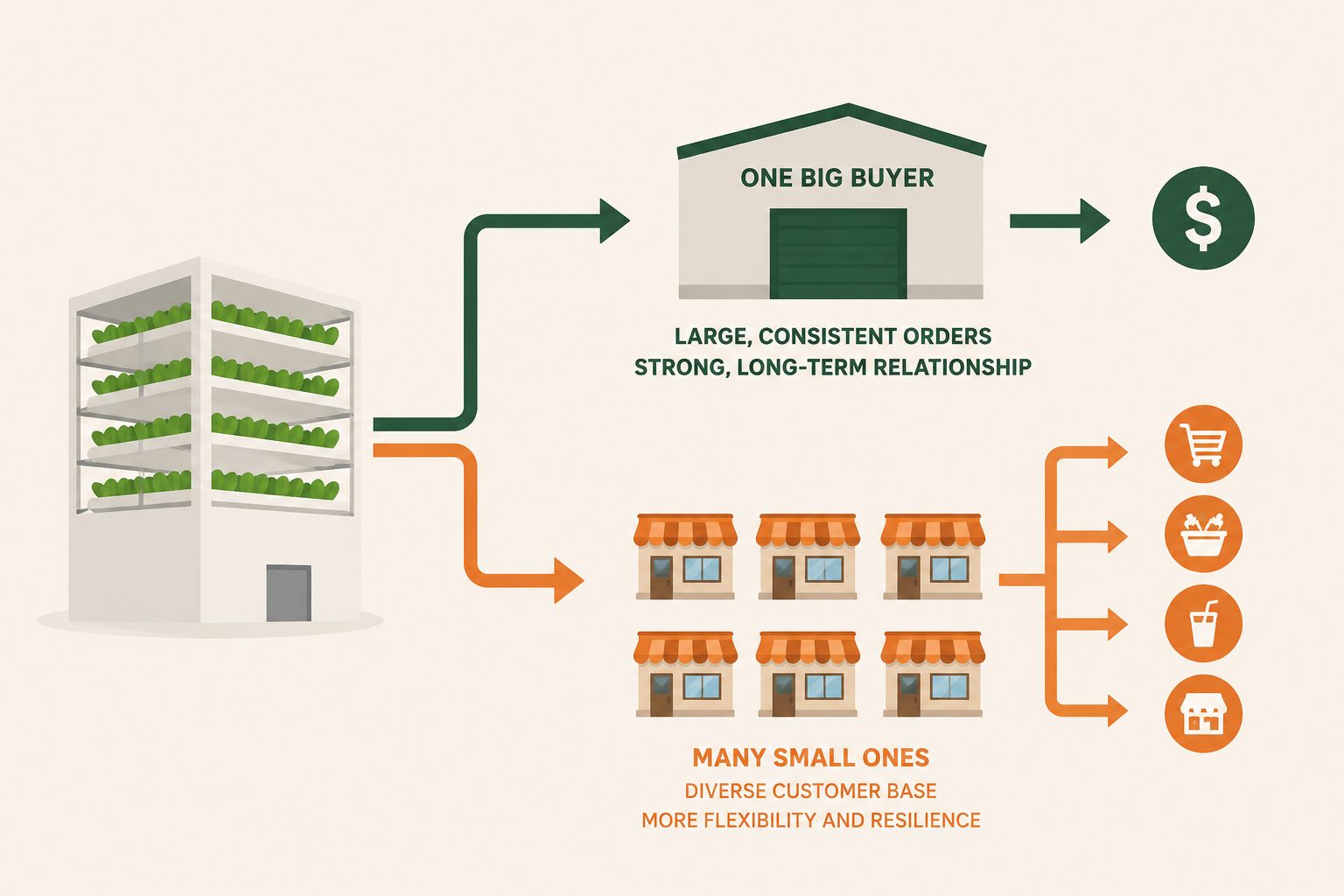
Designing a vertical farm customer strategy is as critical as perfecting the growing system itself. For many prospective growers, the

Asking the Core Question Many aspiring growers, investors, or innovators in agriculture today find themselves asking: should I start vertical
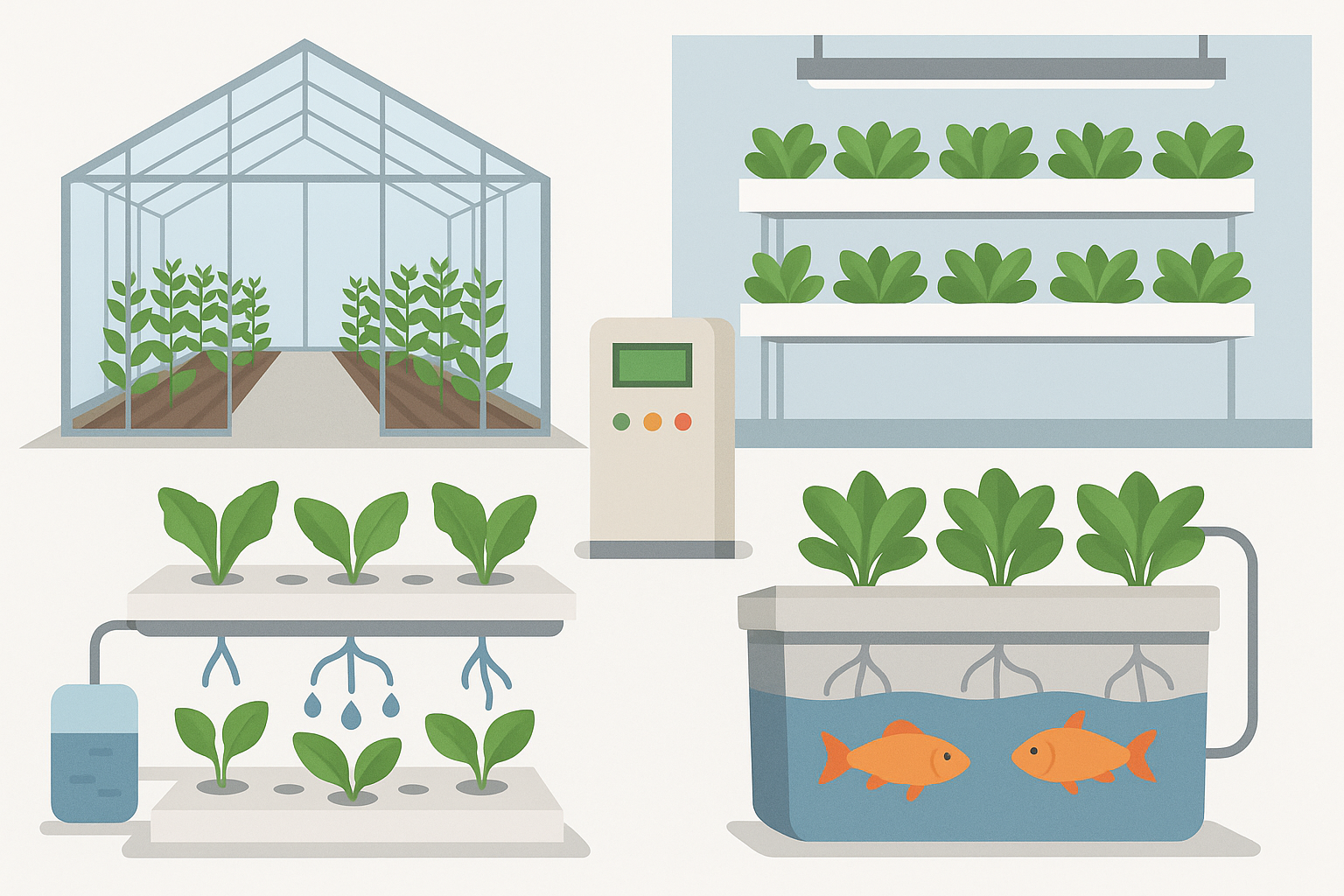
Introduction to Controlled Environment Agriculture Controlled Environment Agriculture (CEA) refers to a broad range of advanced agricultural systems and practices
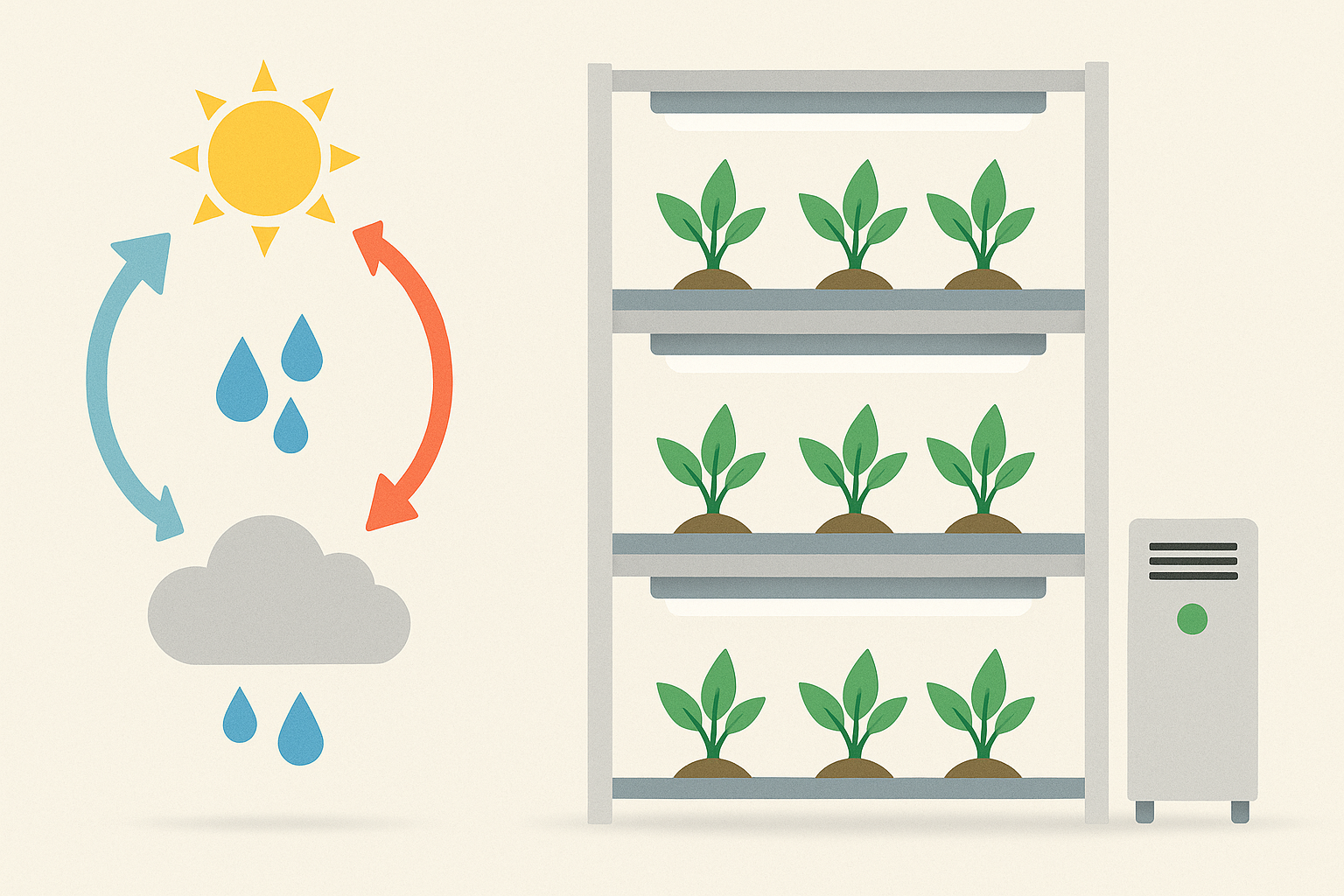
Controlled Environment Agriculture (CEA), including vertical farming, relies on finely tuned parameters to optimise plant health and productivity. Among the
Indoor farming or Controlled Environment Agriculture (CEA), refers to a modern farming approach that utilises technology and controlled conditions to optimise plant
A growing population means that food production is a major challenge facing all nations. The global population is expected to grow from
The technology of controlled environment agriculture (CEA) is fast developing and is increasingly recognised as an important component of future food production.
The choice of which artificial lighting approach is one of the most critical decisions in controlled environment agriculture (CEA). Nowhere is this
Selecting the right growing system is one of the most significant decisions for anyone developing a controlled environment agriculture (CEA) facility. Growing
Harvesting is the defining stage that marks the transition from plant growth to food production. In controlled environment agriculture (CEA) and vertical
Choosing chard as an indoor farming crop is increasingly common, as growers look for leafy crops alternatives to lettuce. Chard, also known
Amaranth (Amaranthus spp) is a resilient and versatile plant that has been cultivated for thousands of years, prized for both its nutrient-
Plant breeding and genomic selection of crops for indoor farming is rapidly becoming a core objective in the evolution of controlled environment
Regulatory considerations for indoor food production systems are central to the successful development of Controlled Environment Agriculture (CEA) and vertical farming. These
Selecting what to grow is undoubtedly a critical decision for any controlled environment agriculture (CEA) enterprise. The choice of crop directly affects
Marketing produce grown through Controlled Environment Agriculture (CEA) systems can present some unique opportunities and challenges. Effective marketing strategies should highlight the

Wheatgrass has a slight grassy flavour but is incredibly nutritious and has numerous health benefits,
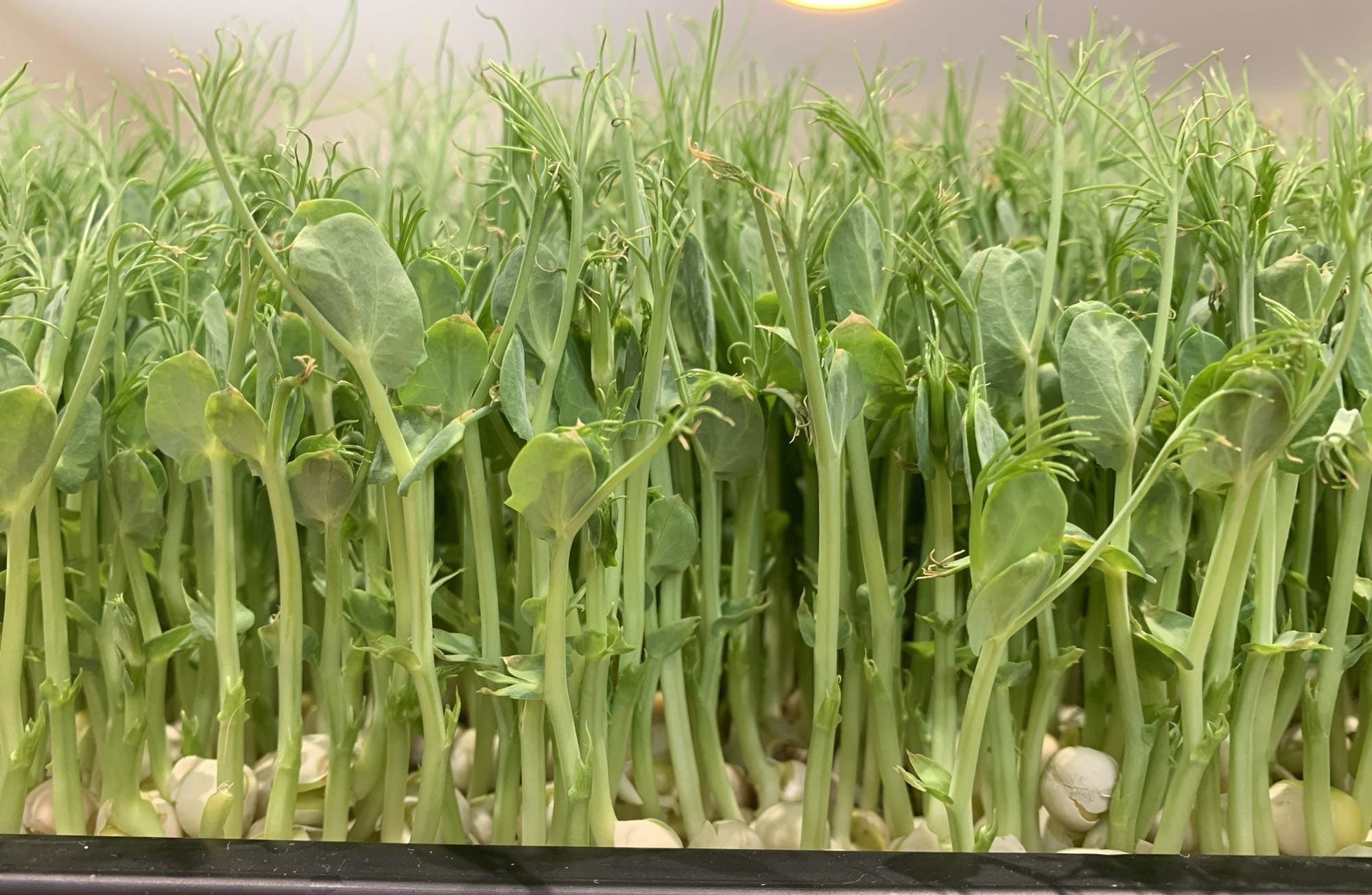
Peas (Pisum sativum) are an annual plant, meaning they complete their entire life cycle within one year, within the family Fabaceae. This
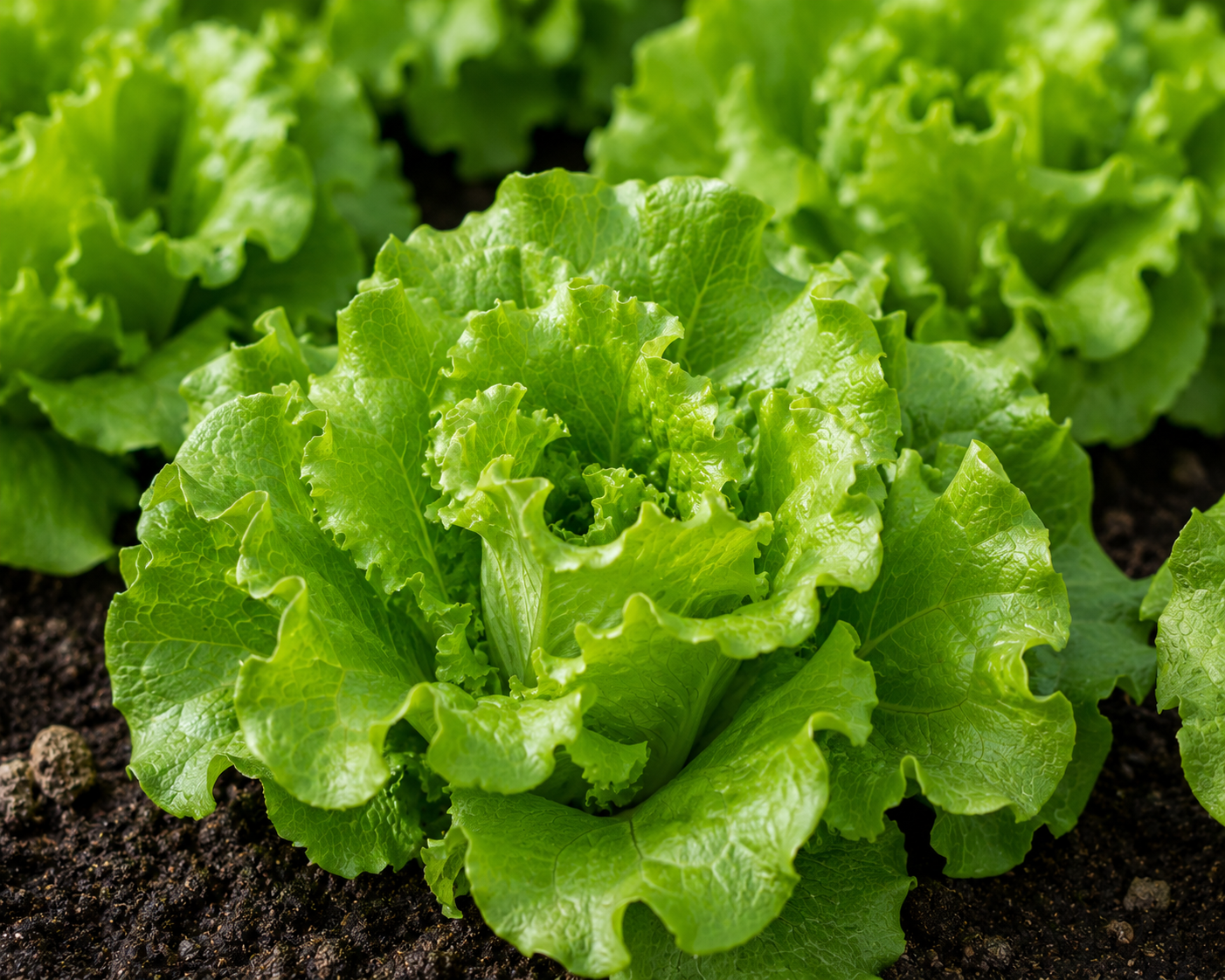
Lettuce is an annual plant, which is believed to have originated from a wild ancestor in the Caucasus. It was then brought
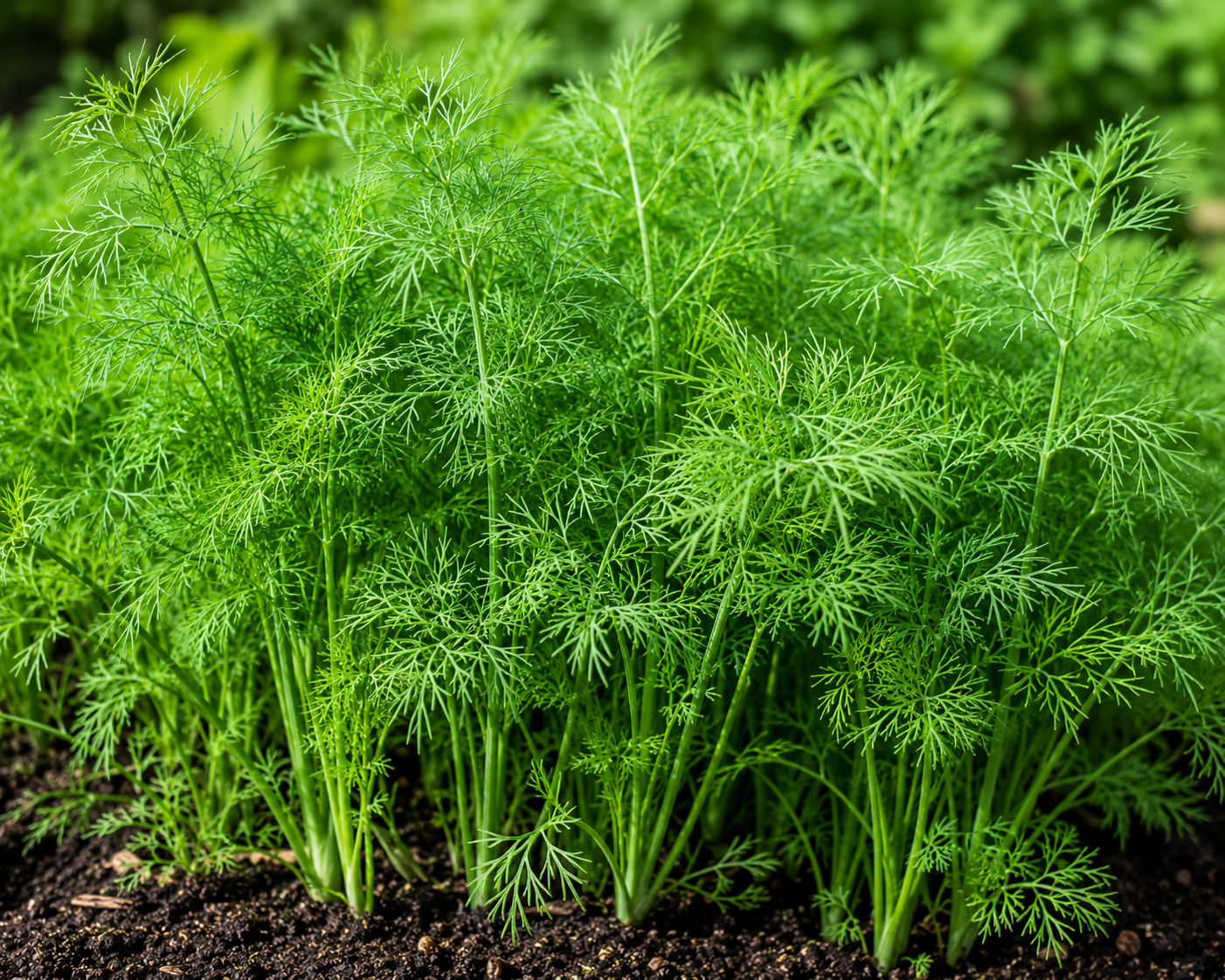
Dill (Anethum graveolens) is an annual herb, which is in the same family as celery, coriander, parsnips and fennel. It is native
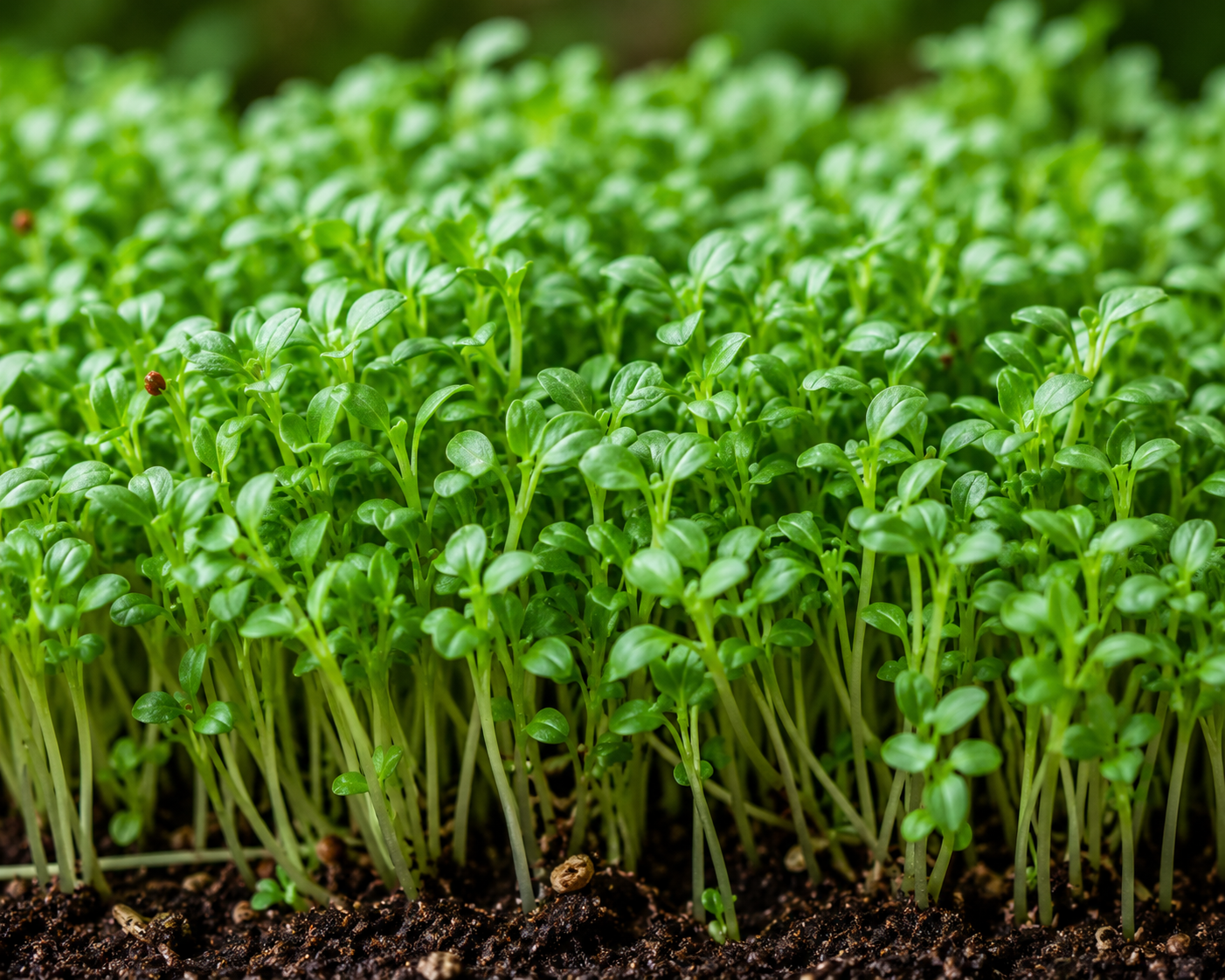
Cress (Lepidium sativum) is a fast growing annual herb. It is often referred to as Garden Cress to avoid confusion with Watercress
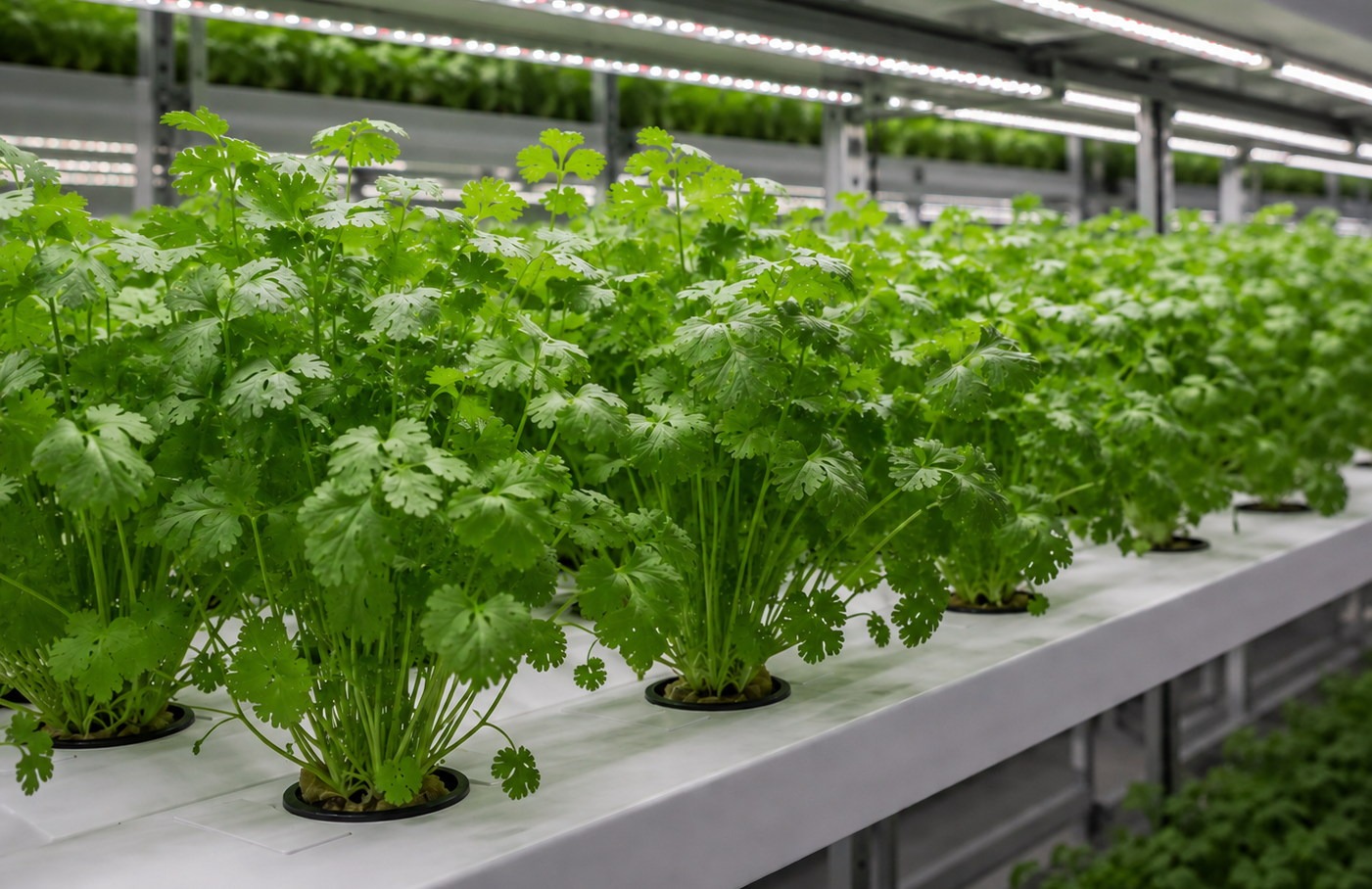
Coriander (Coriandrum sativum) - known as Cilantro in the US - is a small herb with an annual life cycle. It grows as a
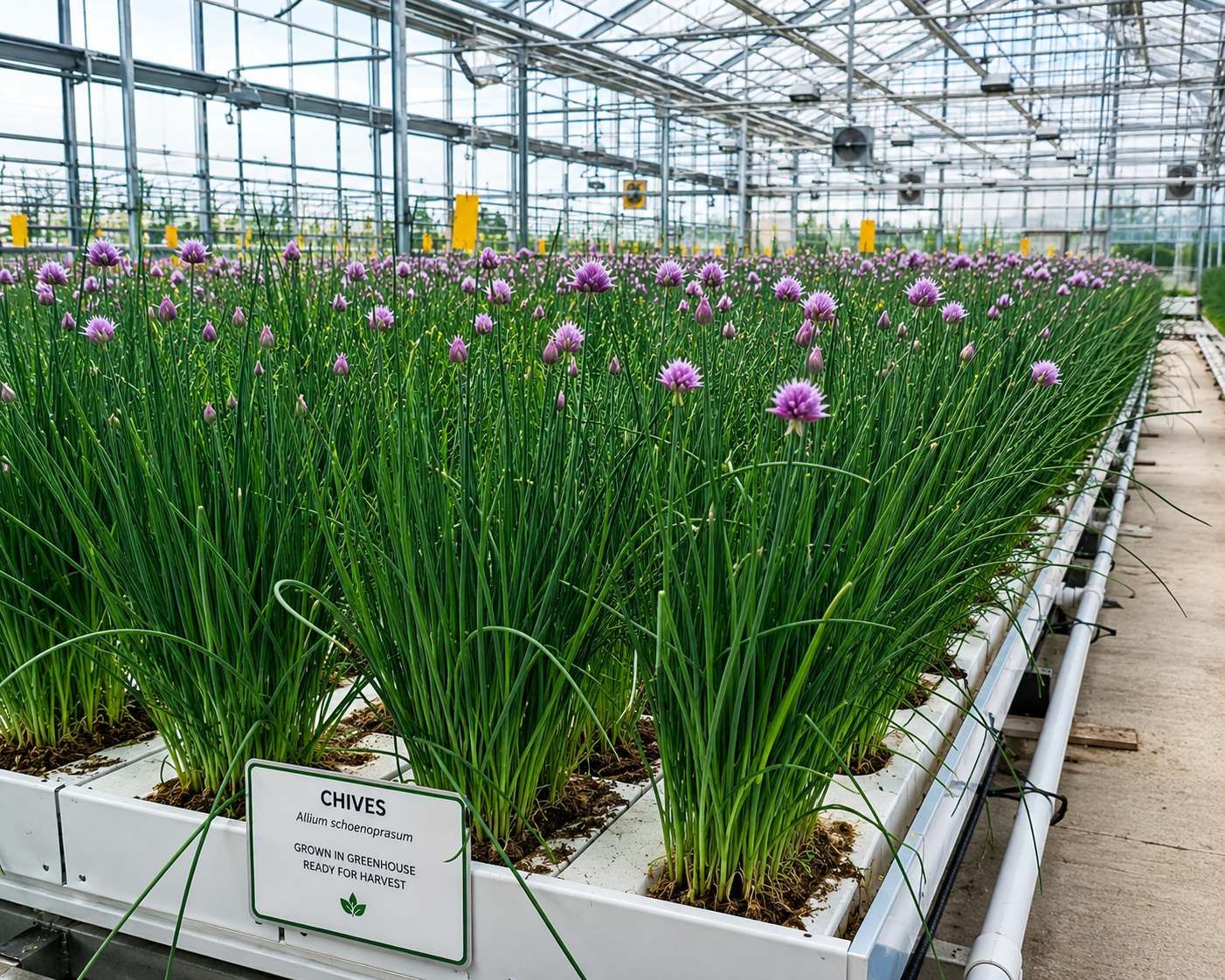
Chives (Allium schoenoprasum) is a perennial plant, meaning its lifespan lasts longer than 2 years, found in the wild across North America
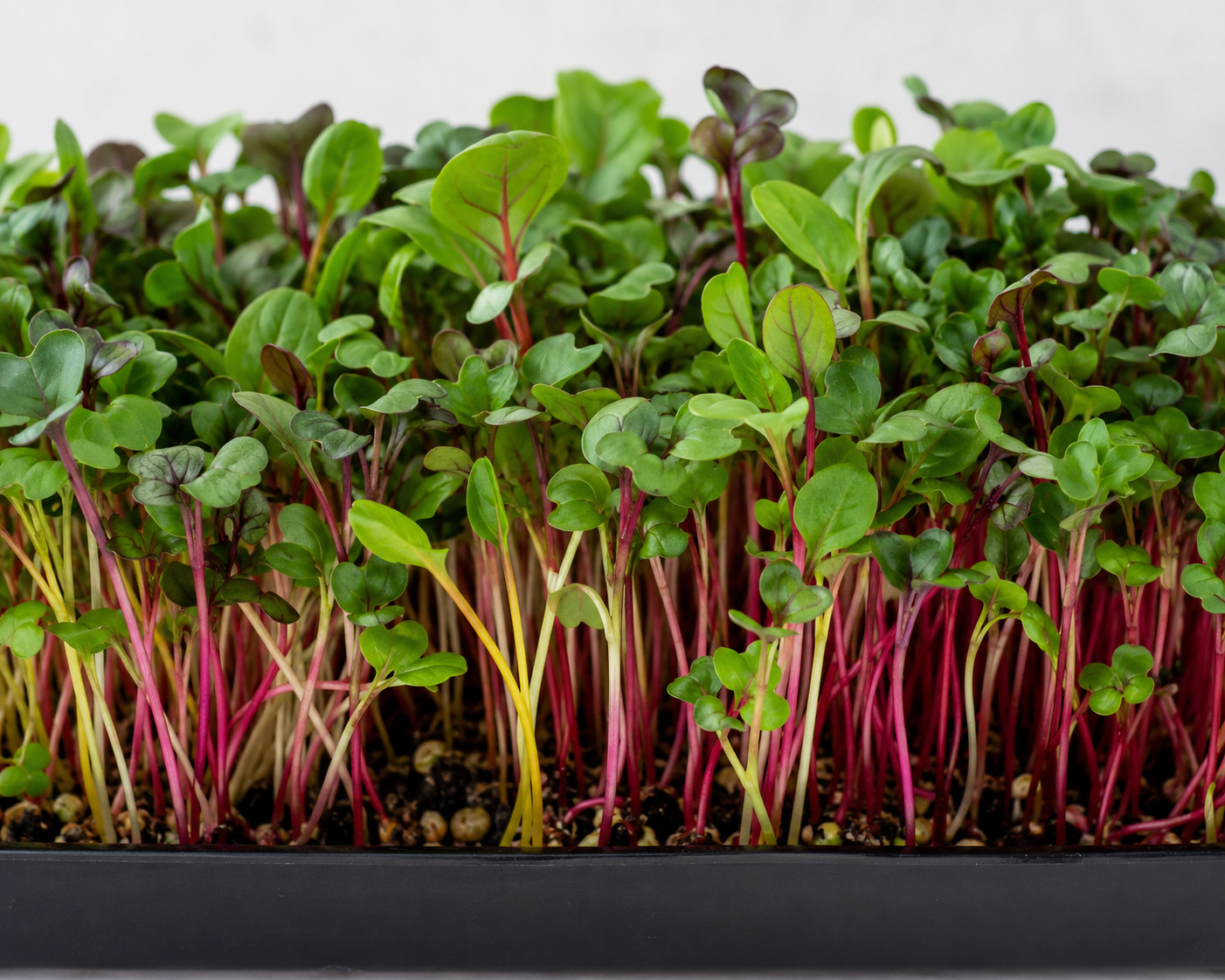
Choosing chard as an indoor farming crop is increasingly common, as growers look for leafy crops alternatives to lettuce. Chard, also known
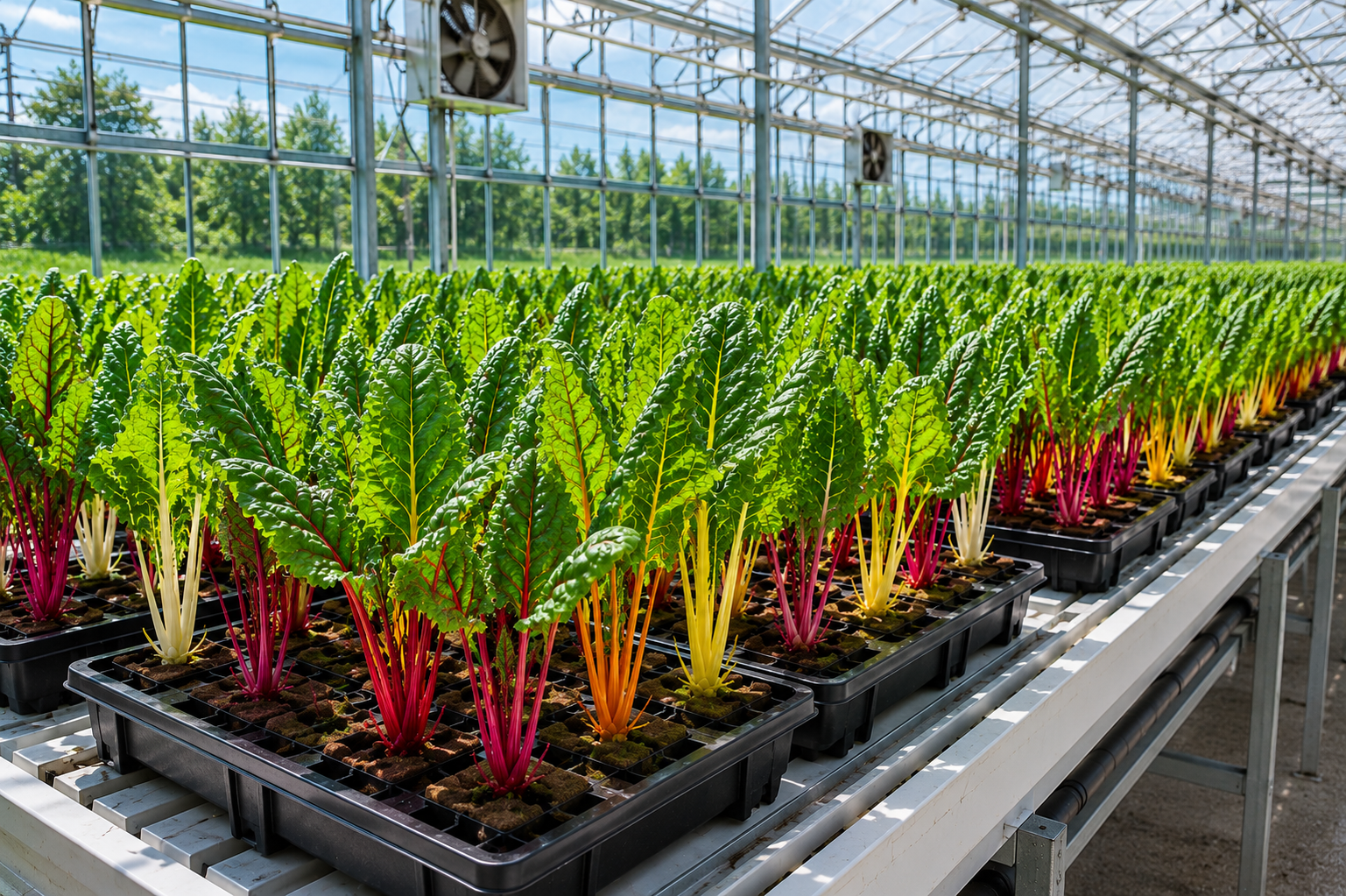
Chard, also known as Swiss Chard, is the name given to the leafy vegetables of the plant Beta vulgaris, specifically of the
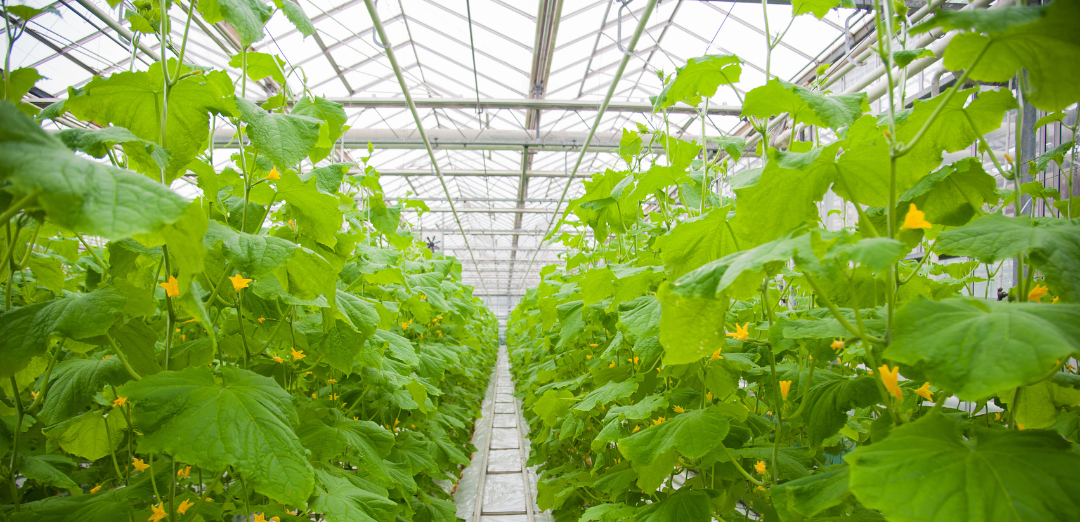
Indoor farming or Controlled Environment Agriculture (CEA), refers to a modern farming approach that utilises technology and controlled conditions to optimise plant
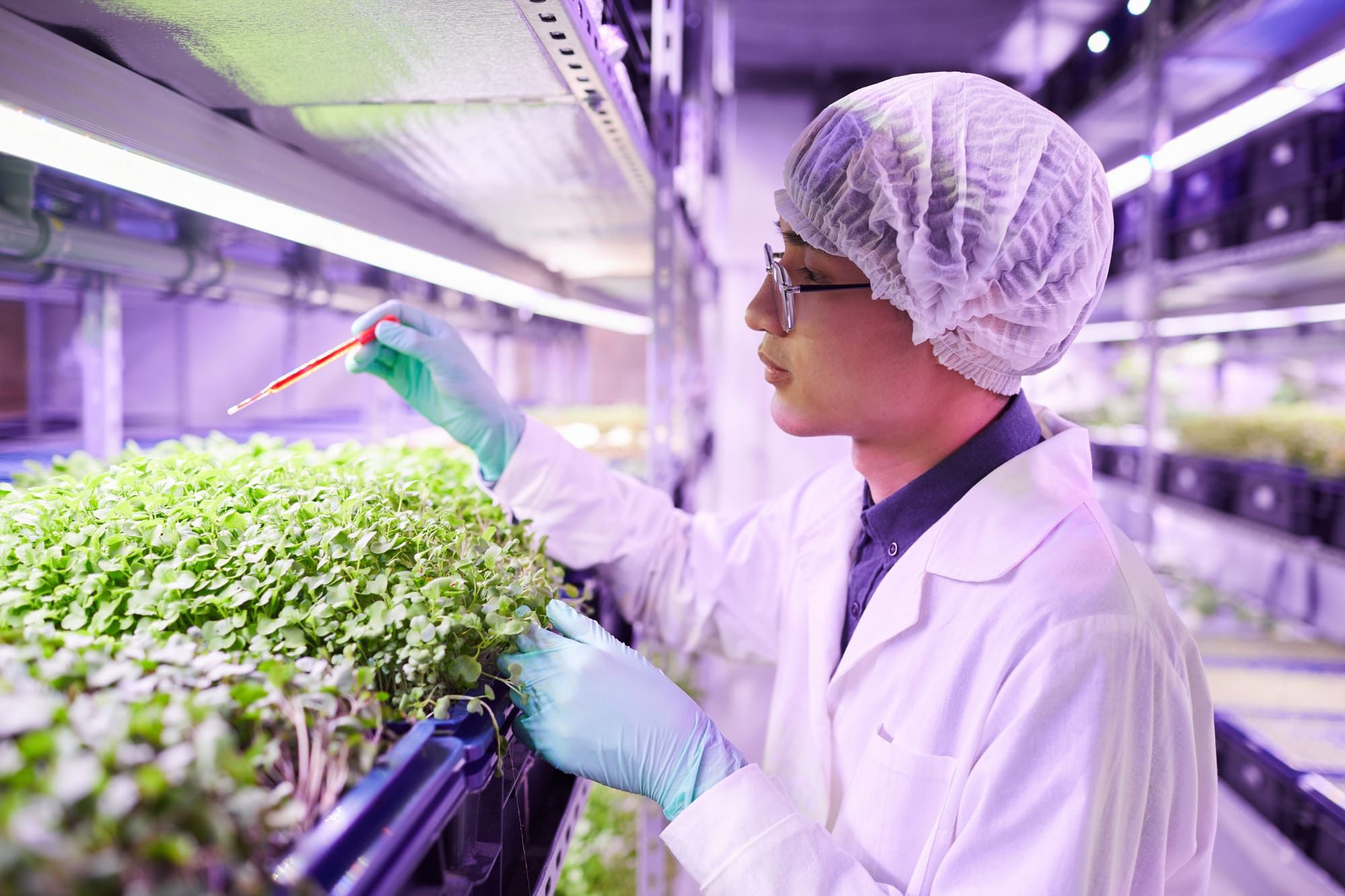
A growing population means that food production is a major challenge facing all nations. The global population is expected to grow from
The technology of controlled environment agriculture (CEA) is fast developing and is increasingly recognised as an important component of future food production.
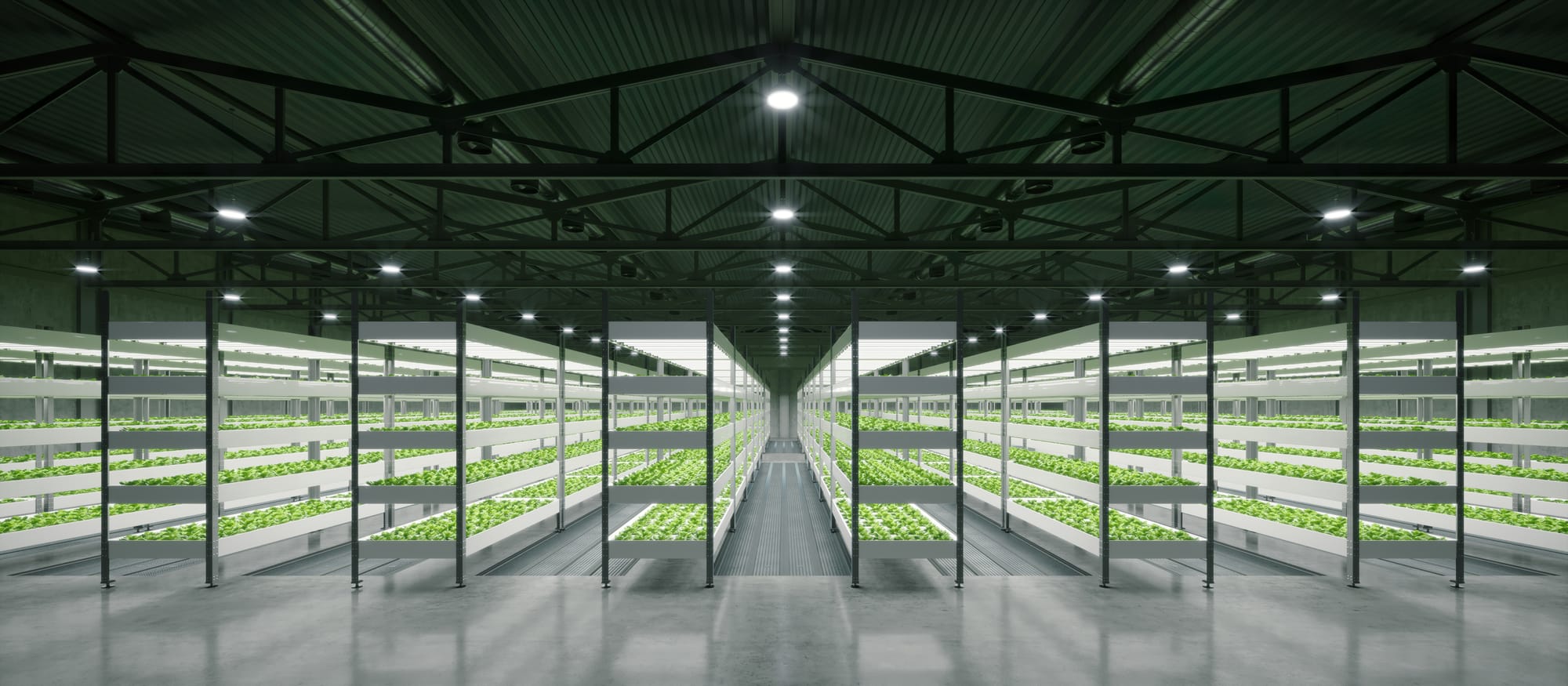
* There are many plants which can be used in the production of pharmaceutical products, and vertical farming could be useful in their
* Vertical farming potentially addresses many of the growing issues with food security due to decreased land use and better protection against extreme
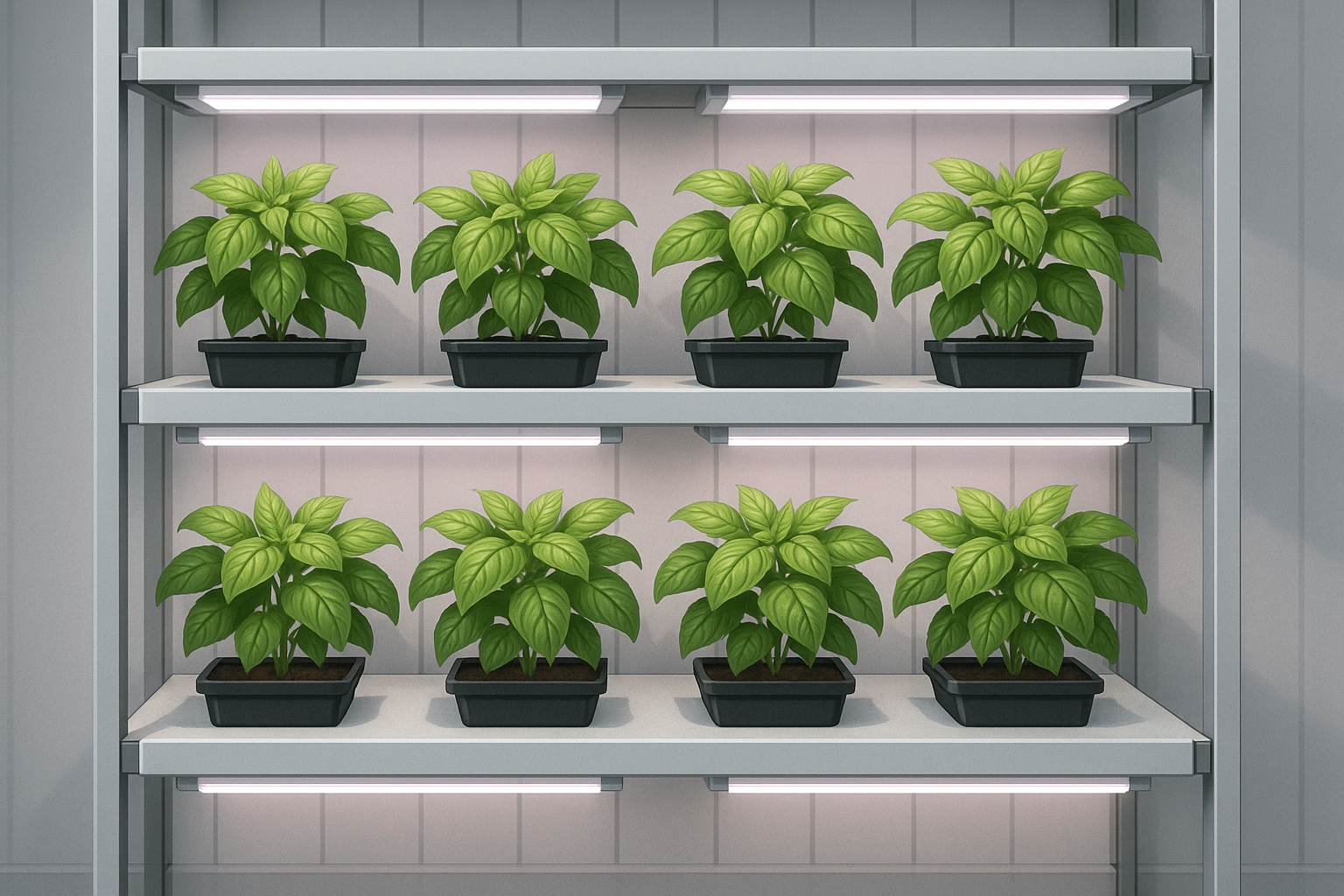
Basil (Ocimum basilicum) is one of the most widely cultivated herbs in the world, prized for its aromatic leaves, rapid growth, and
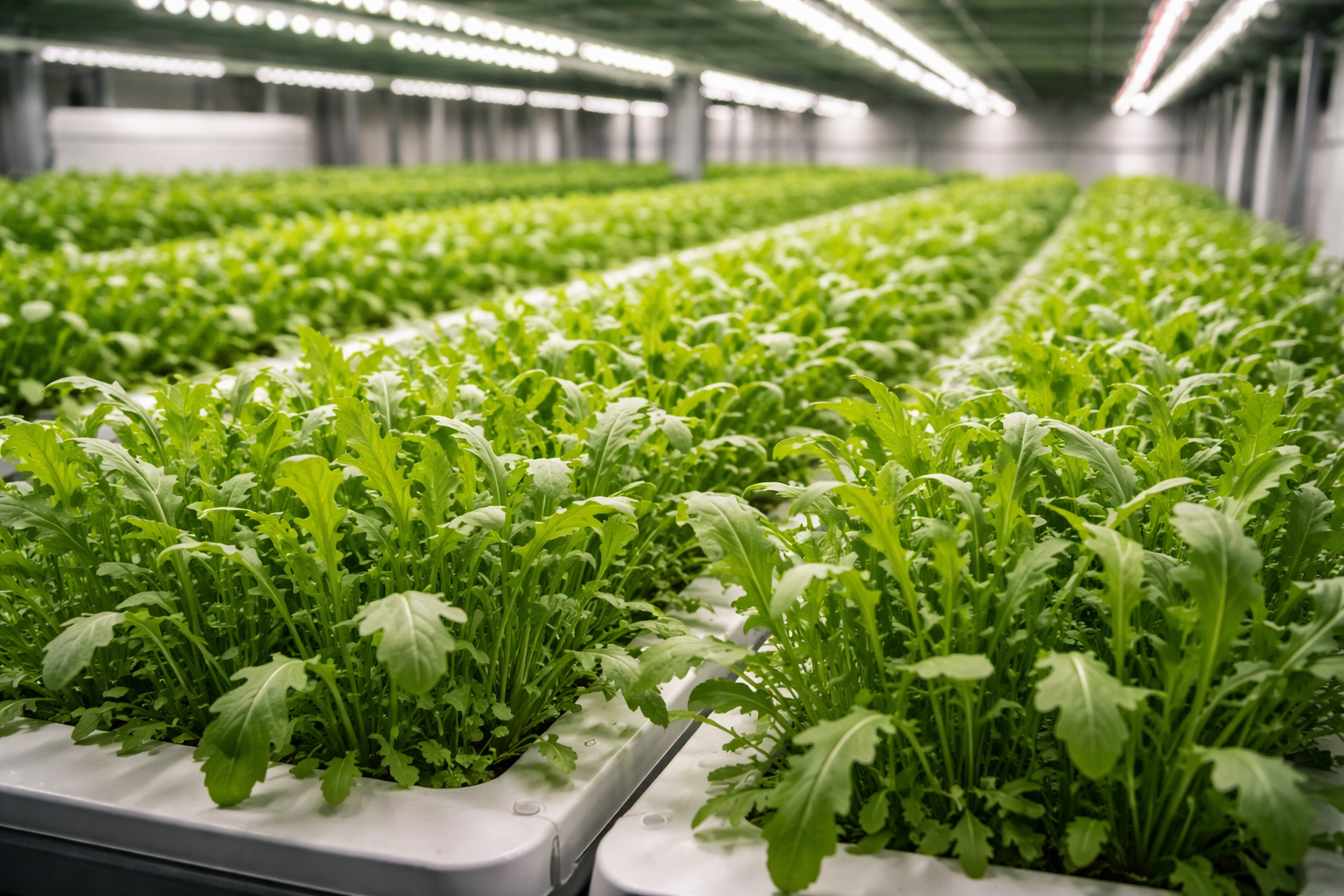
Rocket (Eruca sativa), also known as arugula, is a leafy green belonging to the Brassicaceae family. It is prized for its peppery
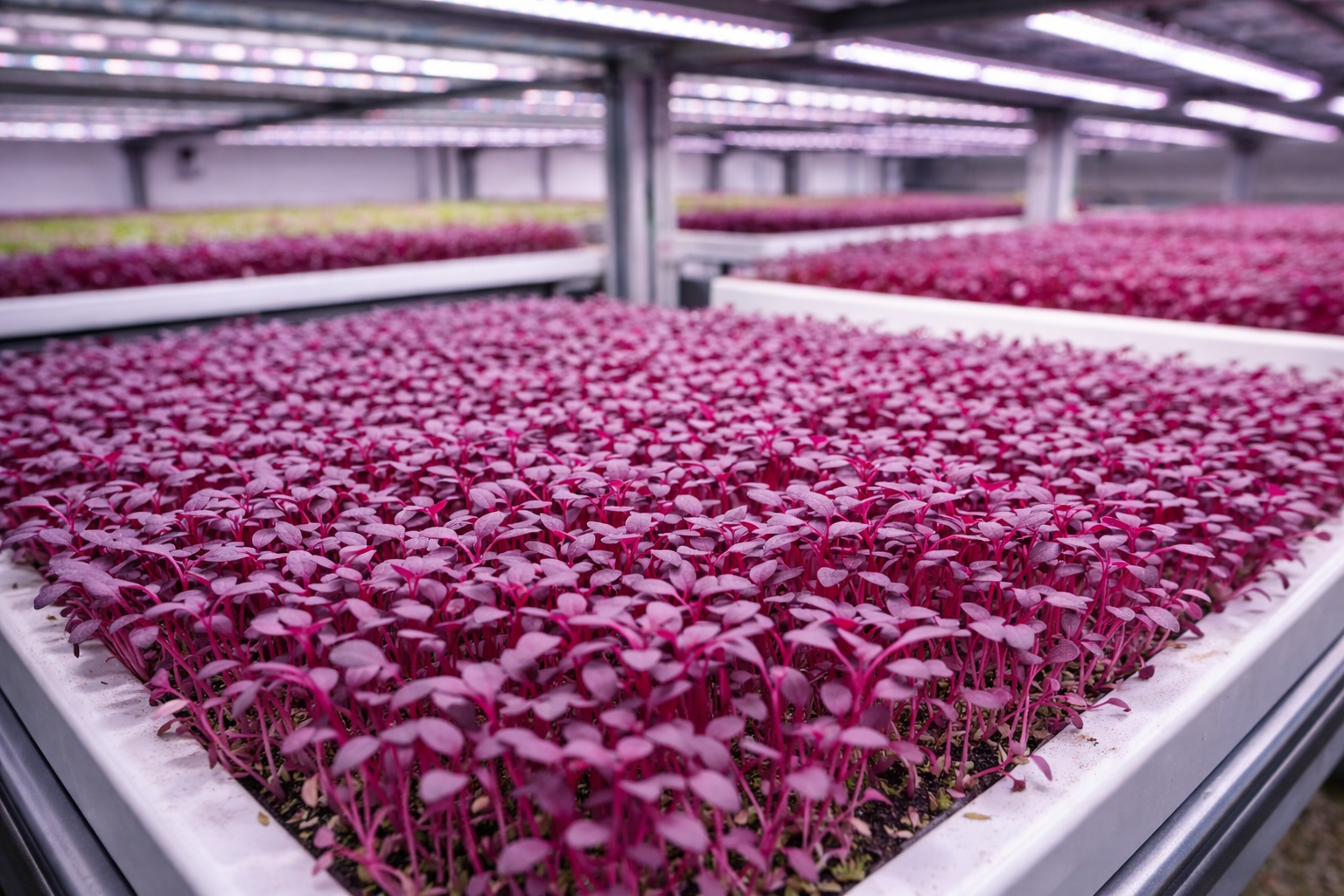
Amaranth (Amaranthus spp) is a resilient and versatile plant that has been cultivated for thousands of years, prized for both its nutrient-
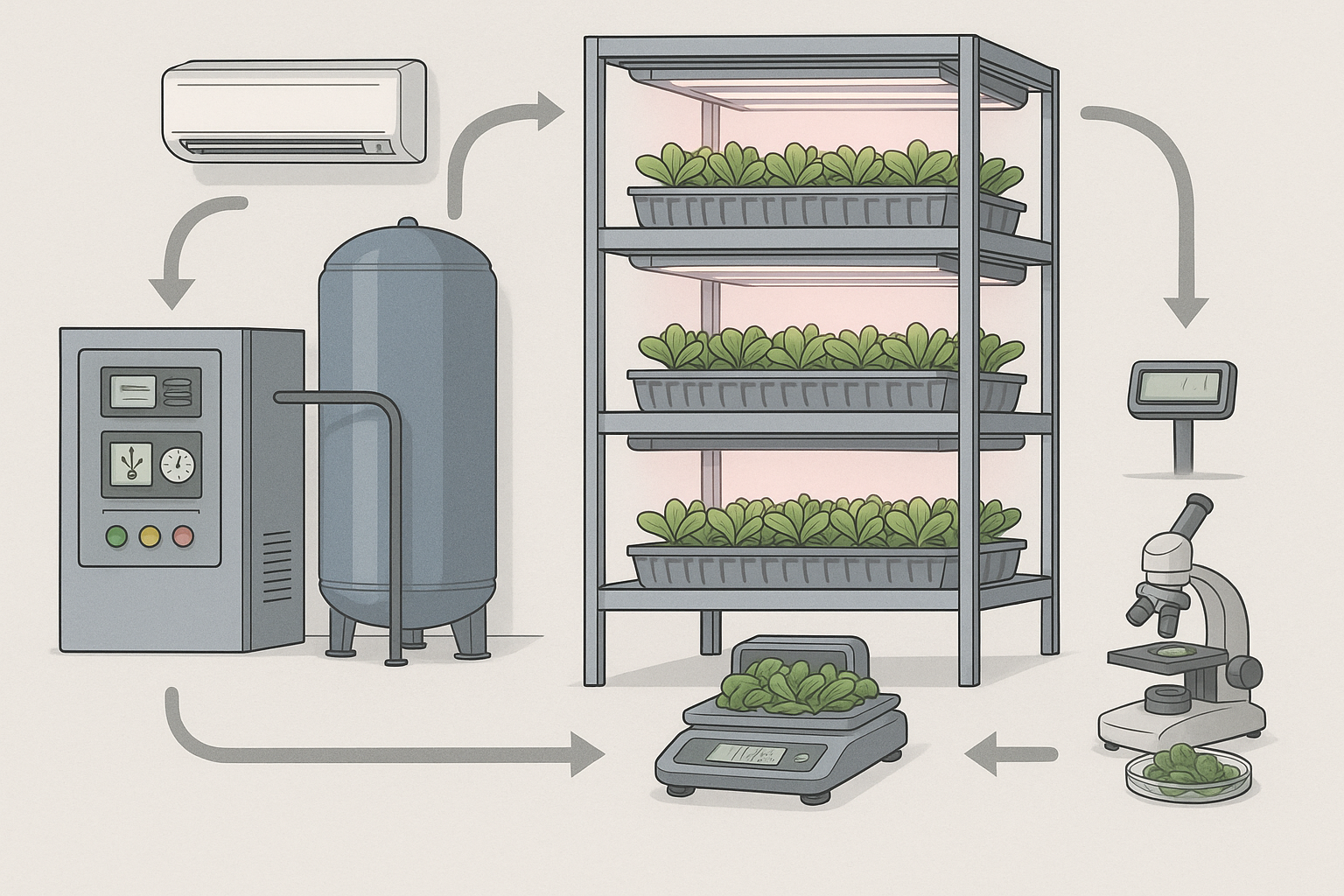
Yield optimisation in controlled environment agriculture (CEA) is one of the most discussed and researched aspects of indoor food production. The principal
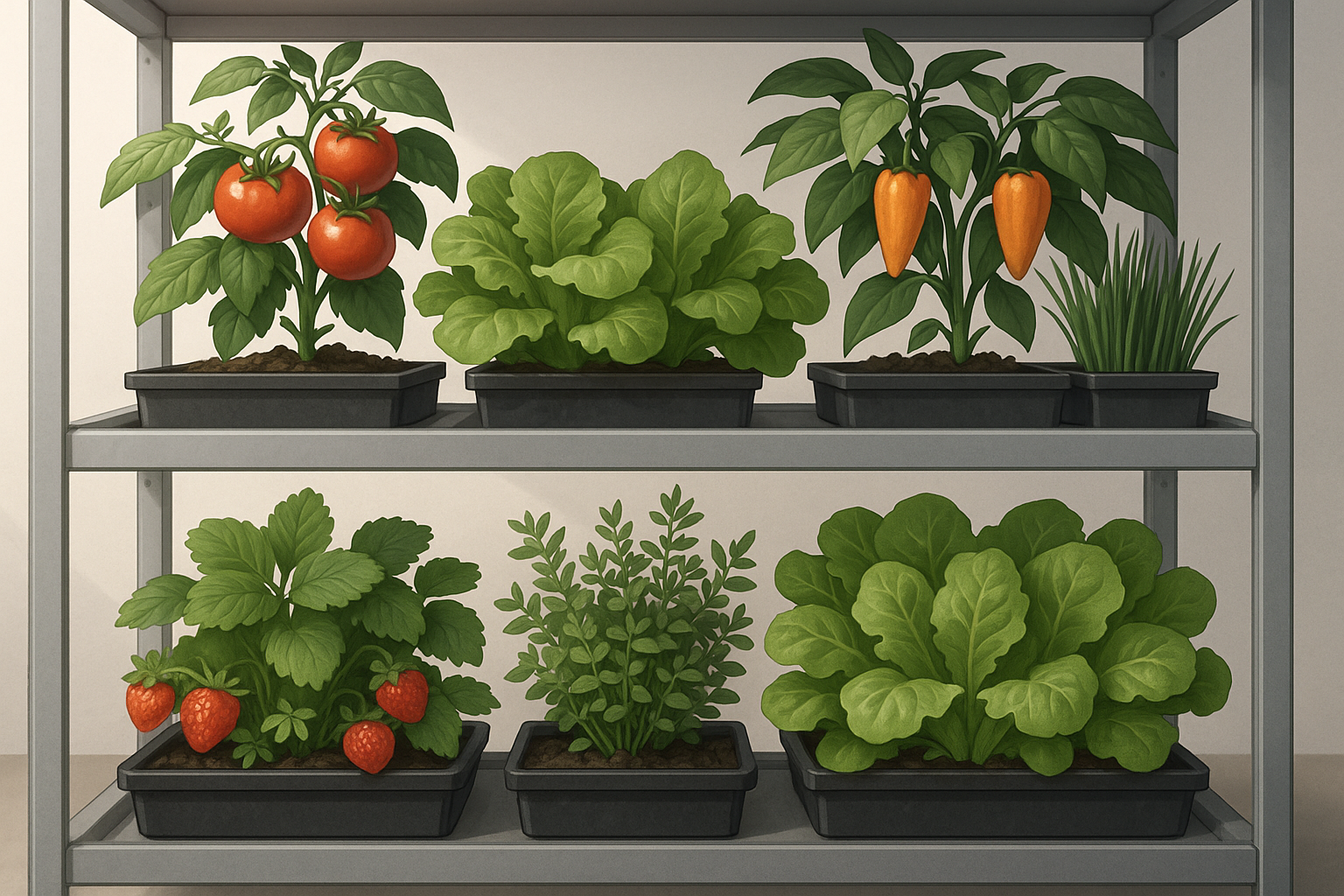
Companion planting in CEA (Controlled Environment Agriculture) offers a thoughtful approach to crop design in indoor farm systems. While the practice is
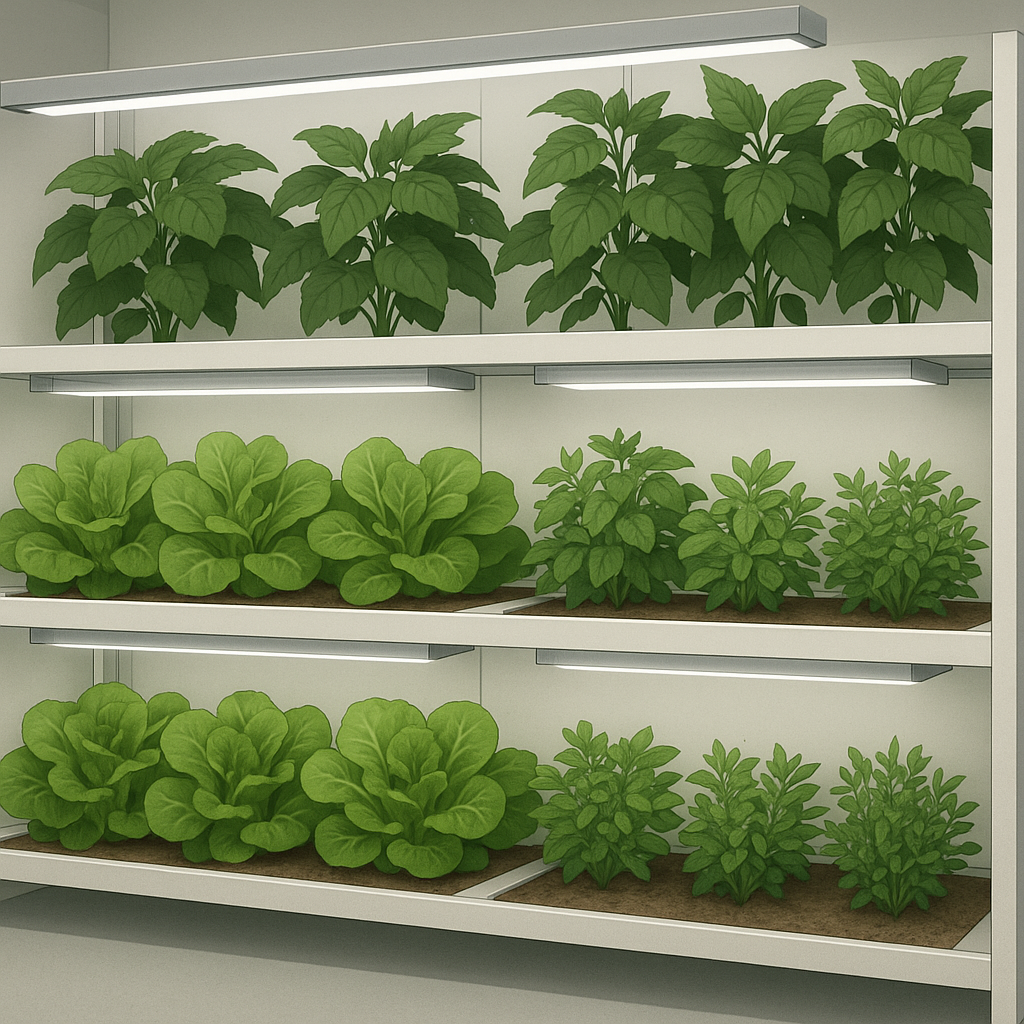
Intercropping in indoor farming is an approach that aims to cultivate two or more crop species within the same controlled space, either
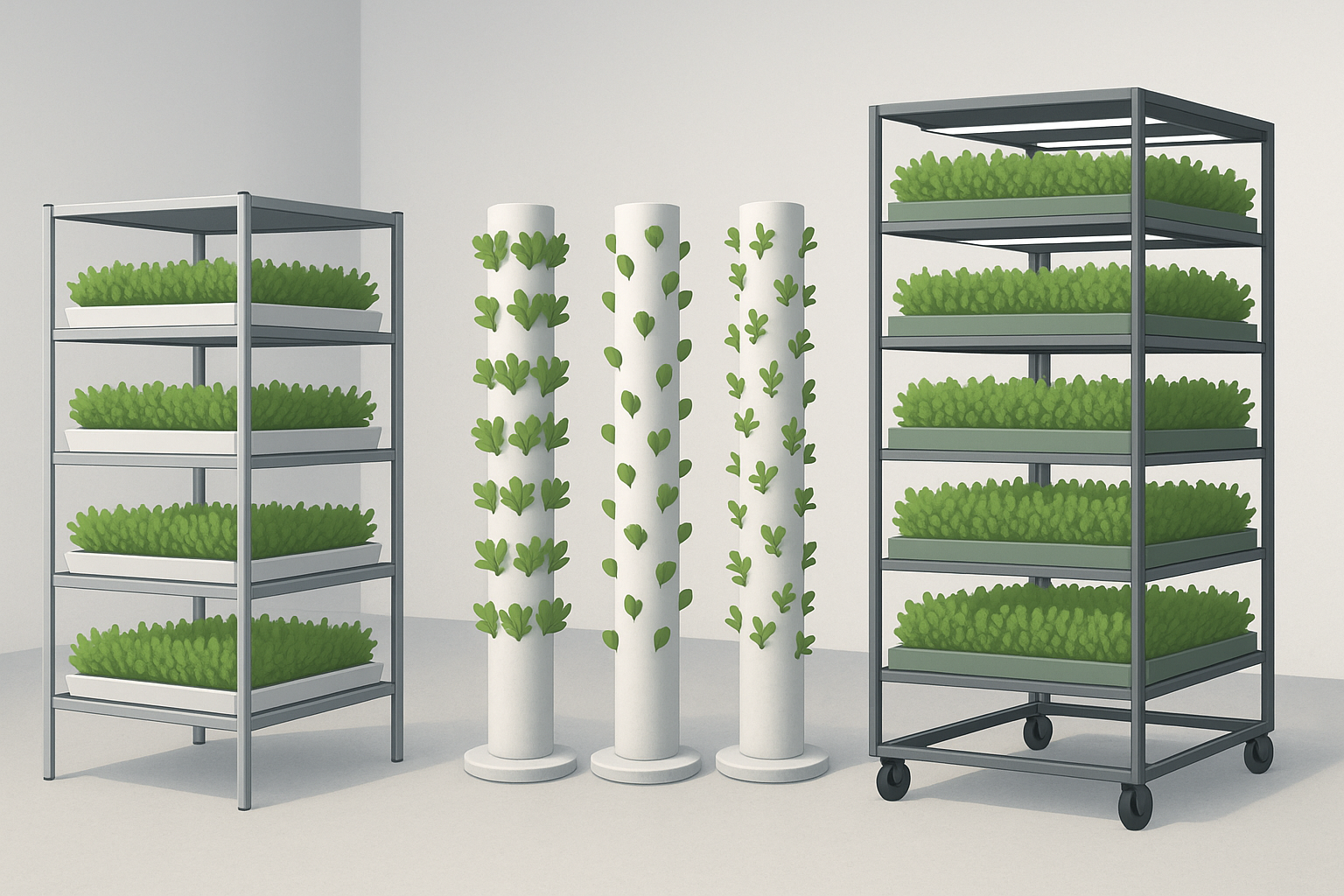
The practice of vertically stacking crops has become central to the design and operation of modern indoor farming systems. By arranging plants
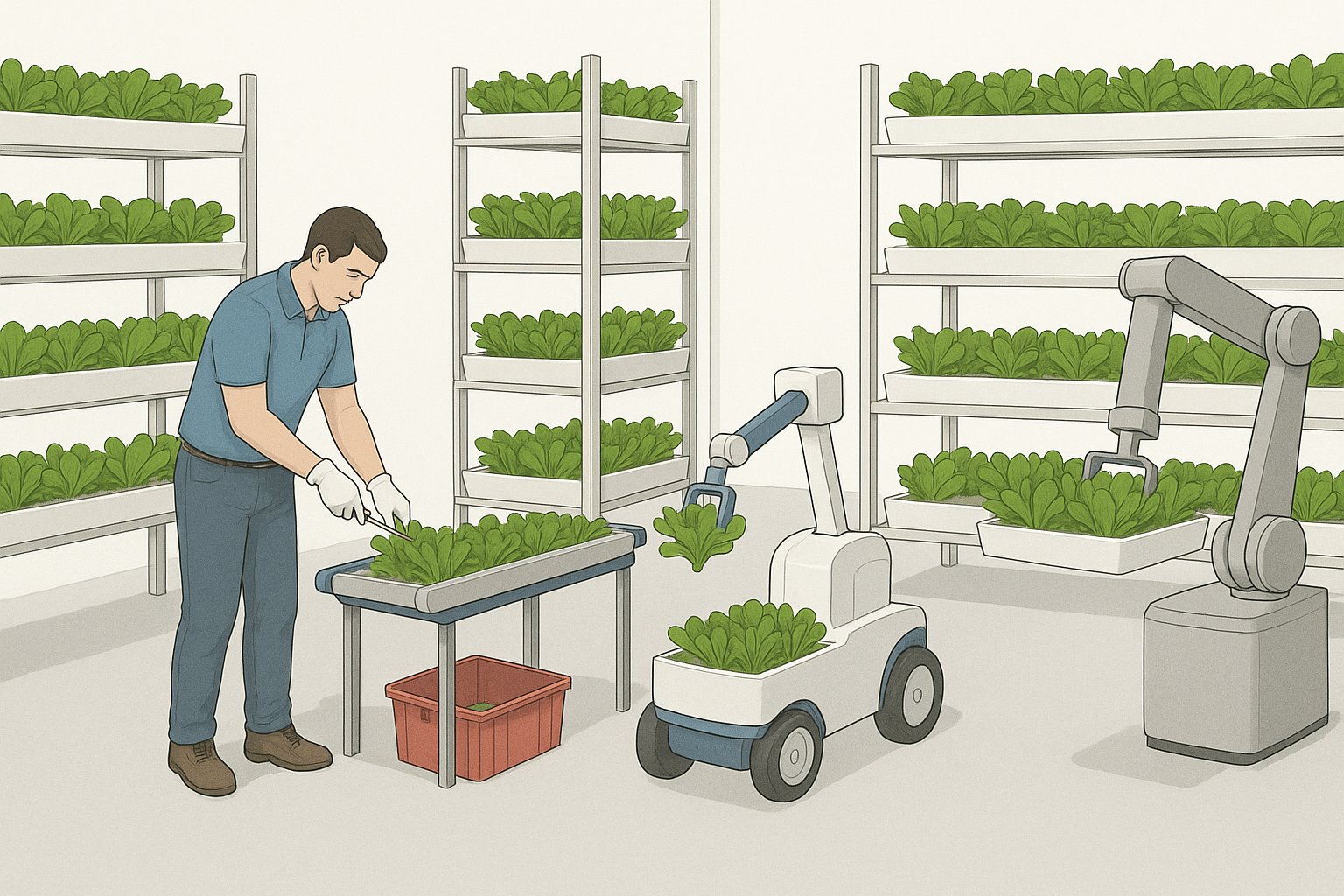
Harvesting is the final stage in the production cycle of indoor crops, yet its importance is often underappreciated in discussions of Controlled
Crop growth cycles are central to how indoor production systems function and to their promise of consistent, high-quality harvests. Unlike open-
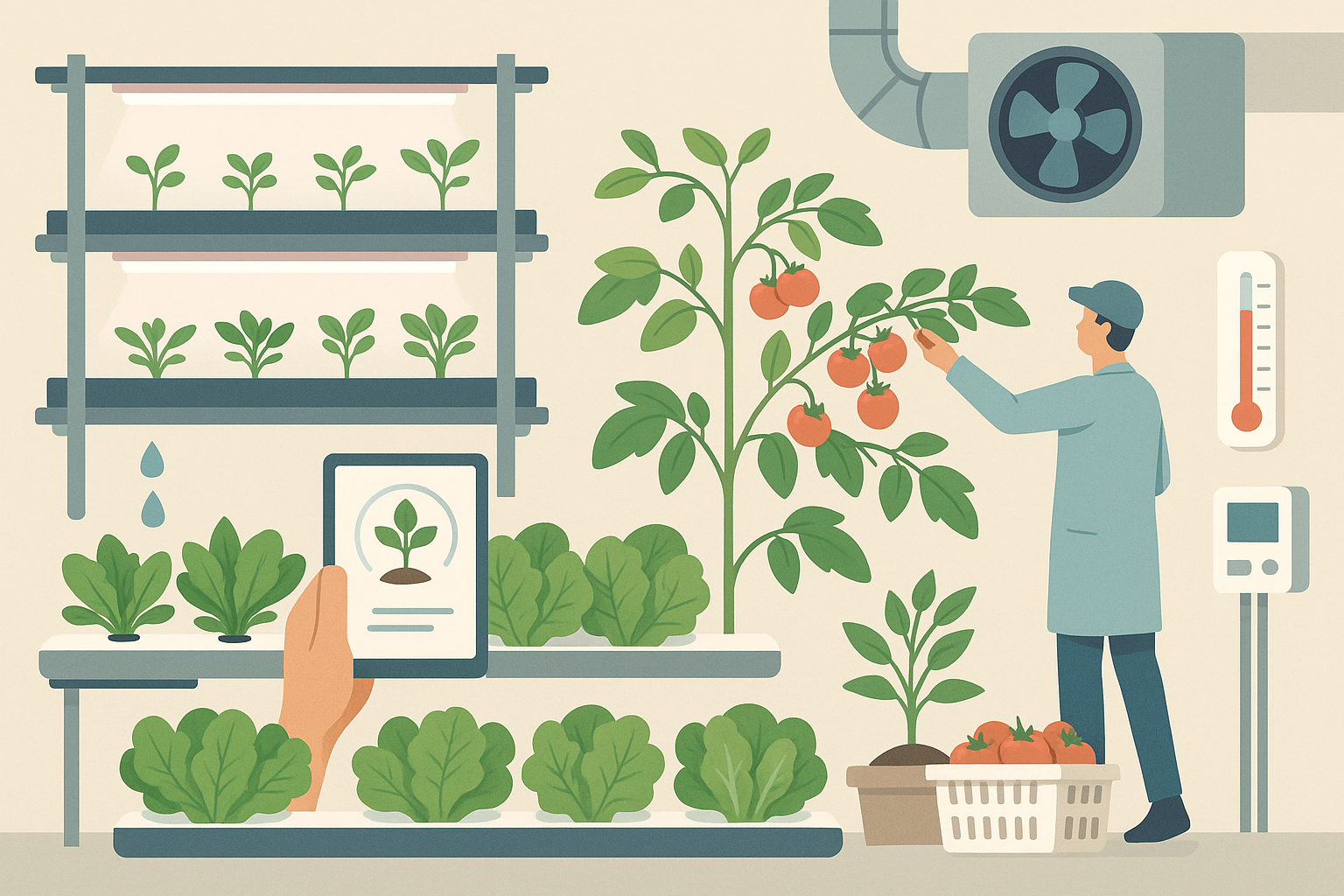
Crop management in vertical farming is both an art and a science. Unlike open-field agriculture, where environmental conditions are largely dictated
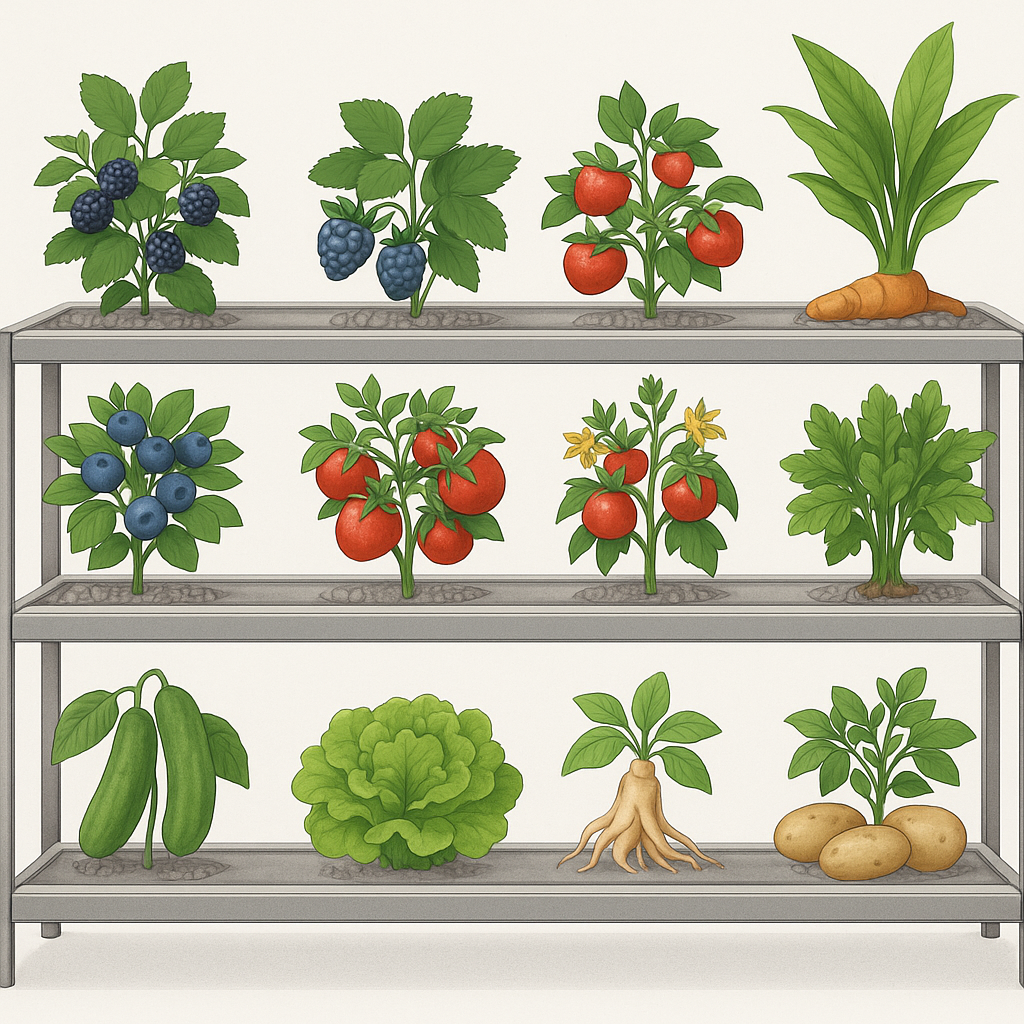
Controlled Environment Agriculture (CEA) has largely been associated with leafy greens, herbs, and microgreens: crops that deliver rapid turnover, predictable yields, and
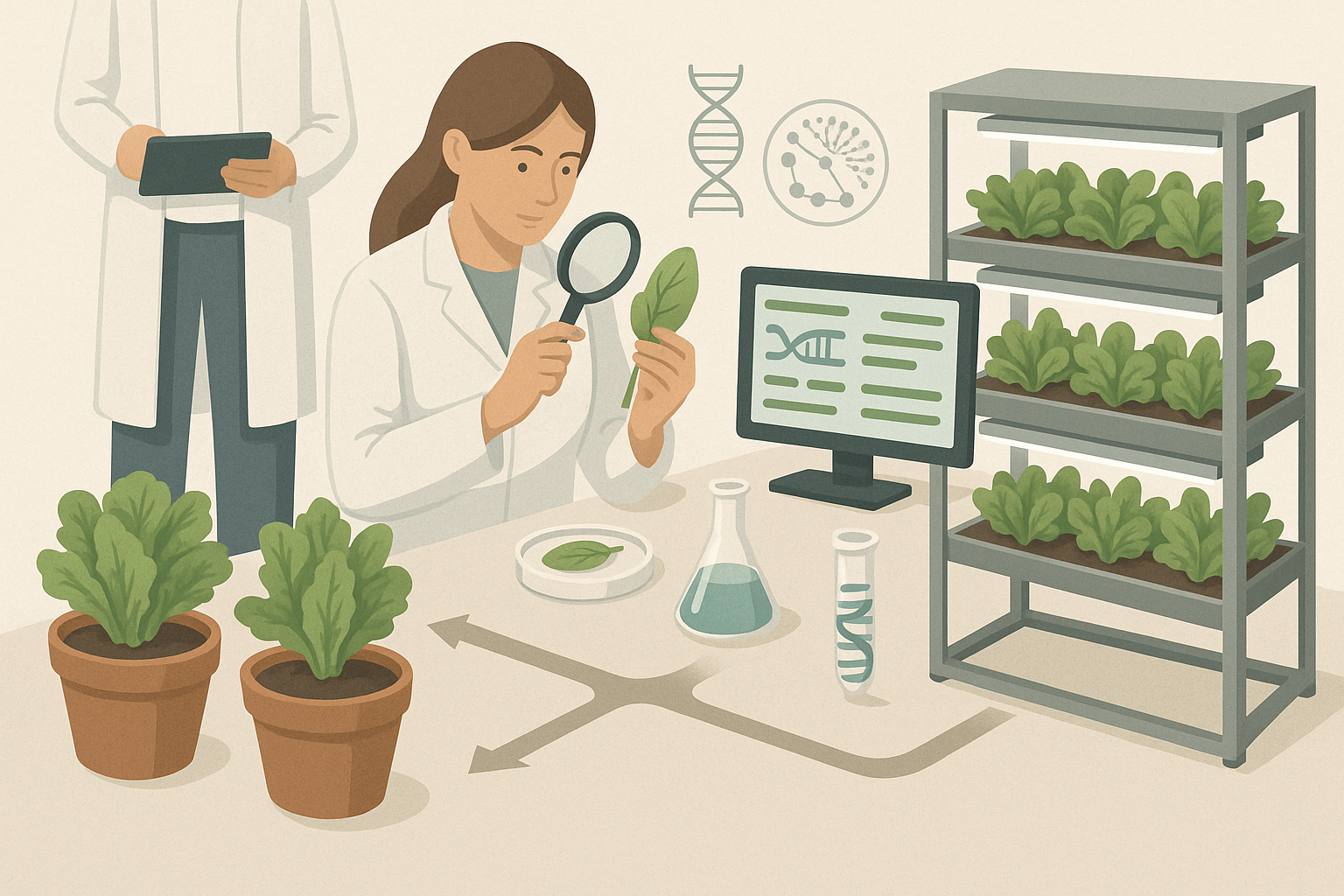
Plant breeding and genomic selection of crops for indoor farming is rapidly becoming a core objective in the evolution of controlled environment
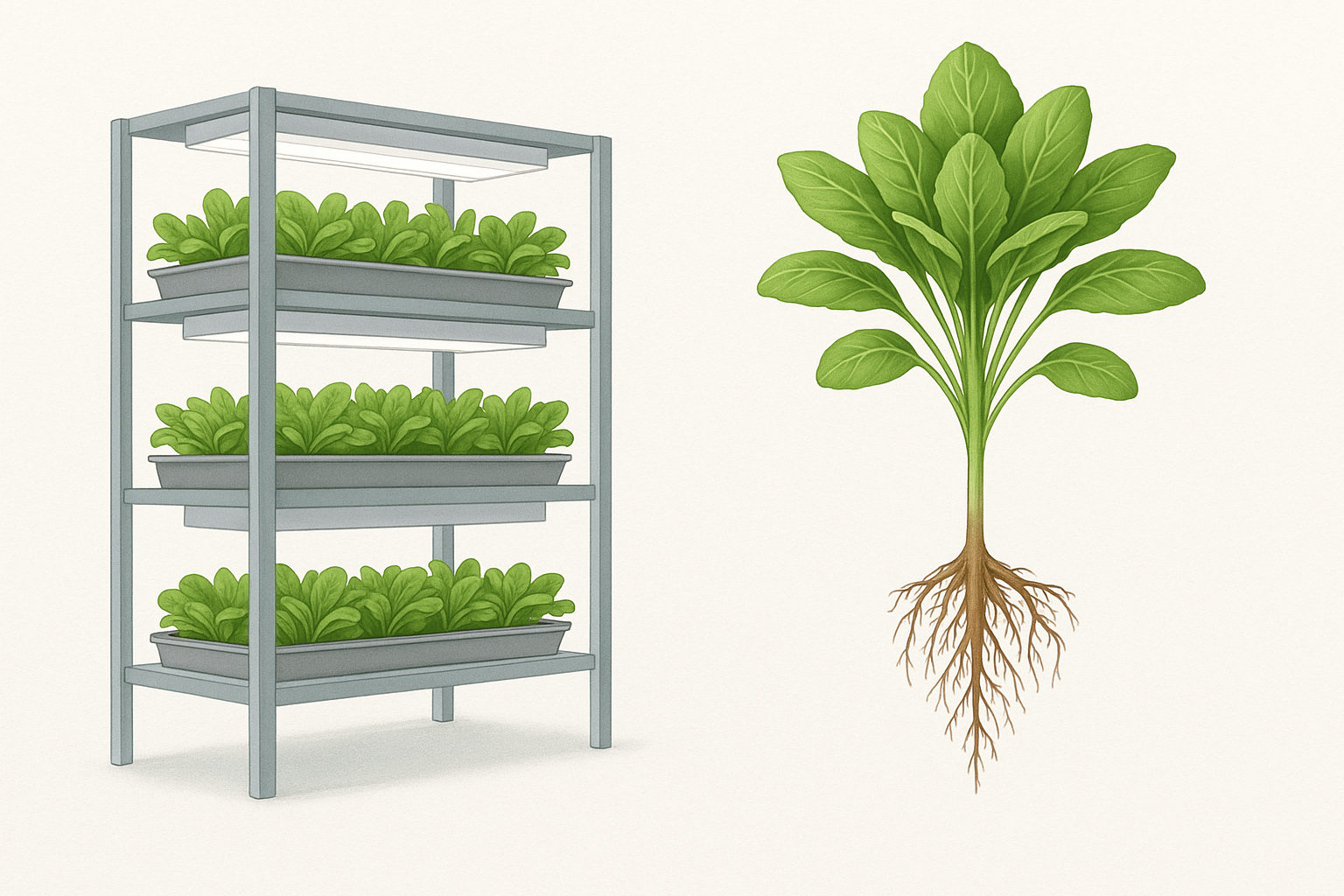
Optimised crop traits for CEA production are increasingly important as vertical farming moves from niche innovation towards a mainstream contributor to modern
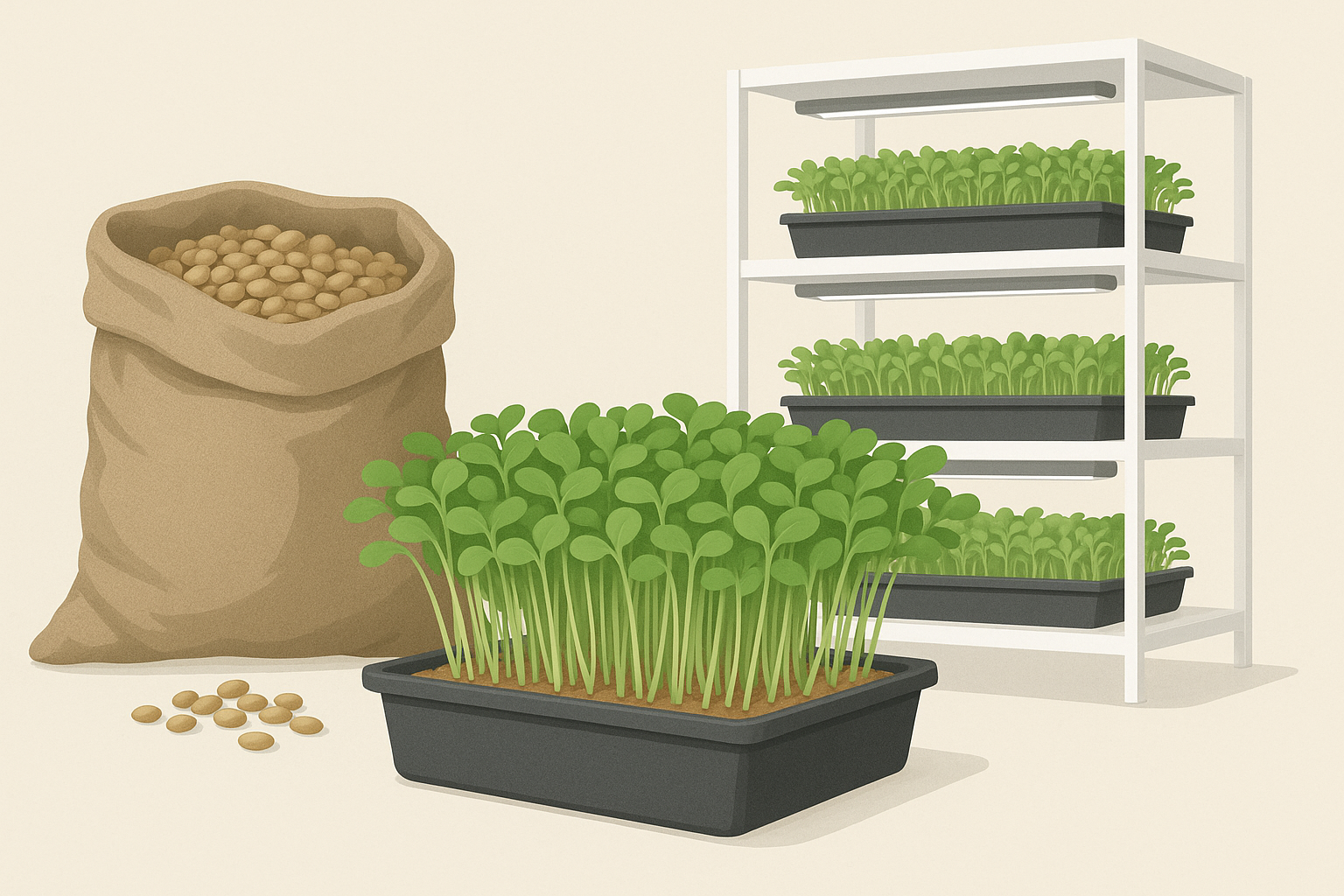
In Controlled Environment Agriculture (CEA), every harvest begins with seed, yet the demands of indoor farming expose a profound inefficiency: many systems,
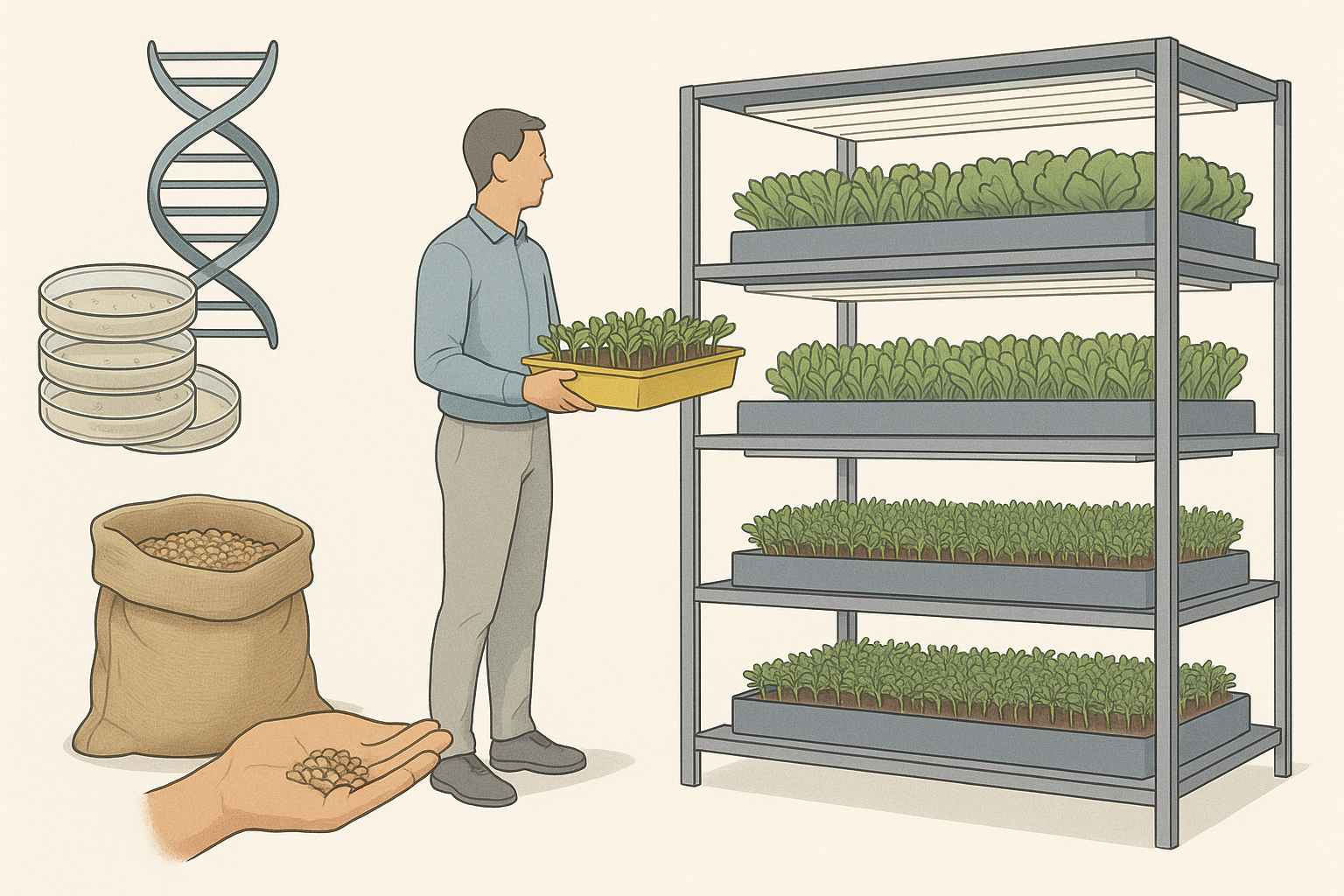
The success of Controlled Environment Agriculture (CEA) depends not only on advanced infrastructure, energy systems, and management strategies, but also on something
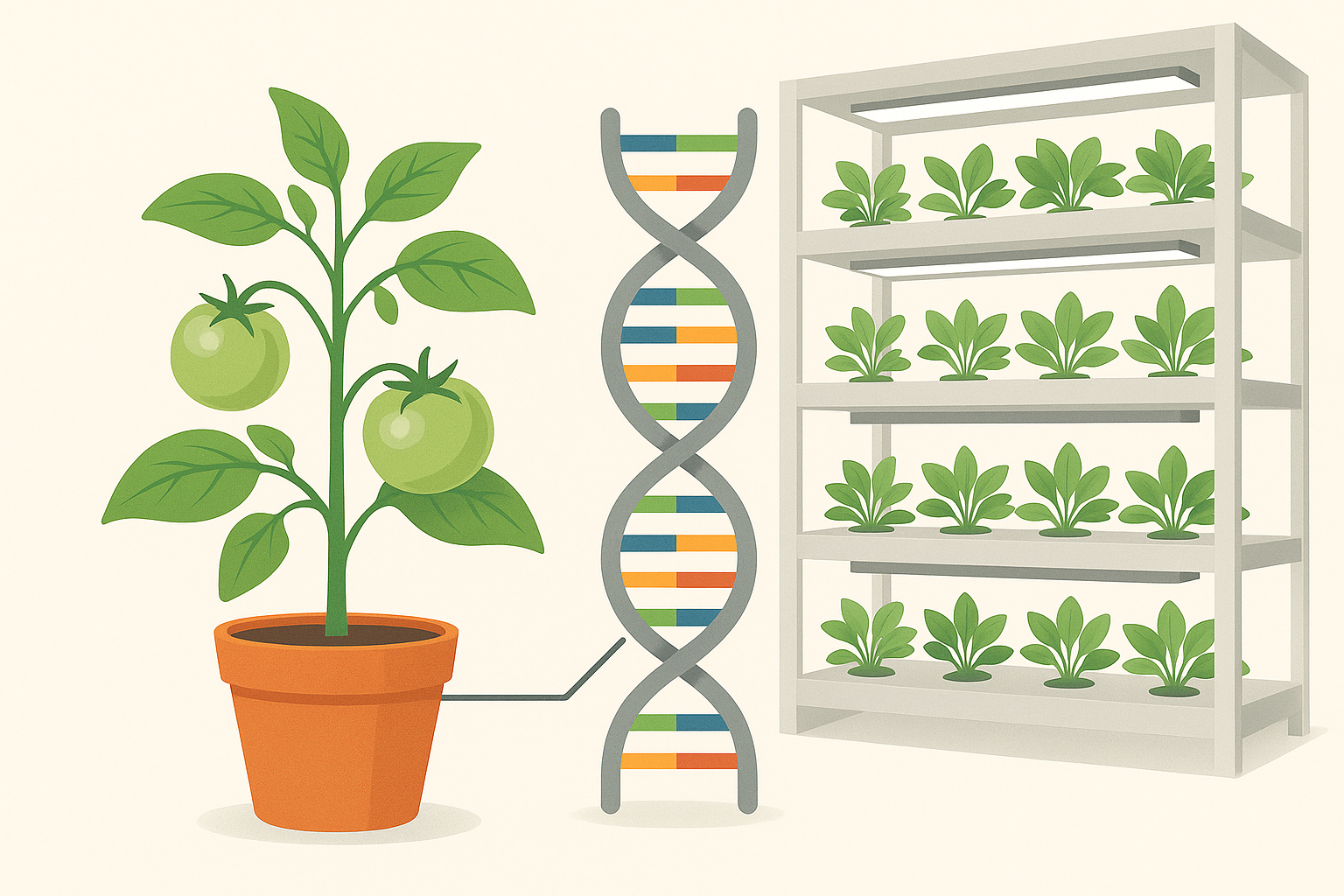
The potential of genetic modification of crop plants for CEA and vertical farming lies in its ability to align plant traits with
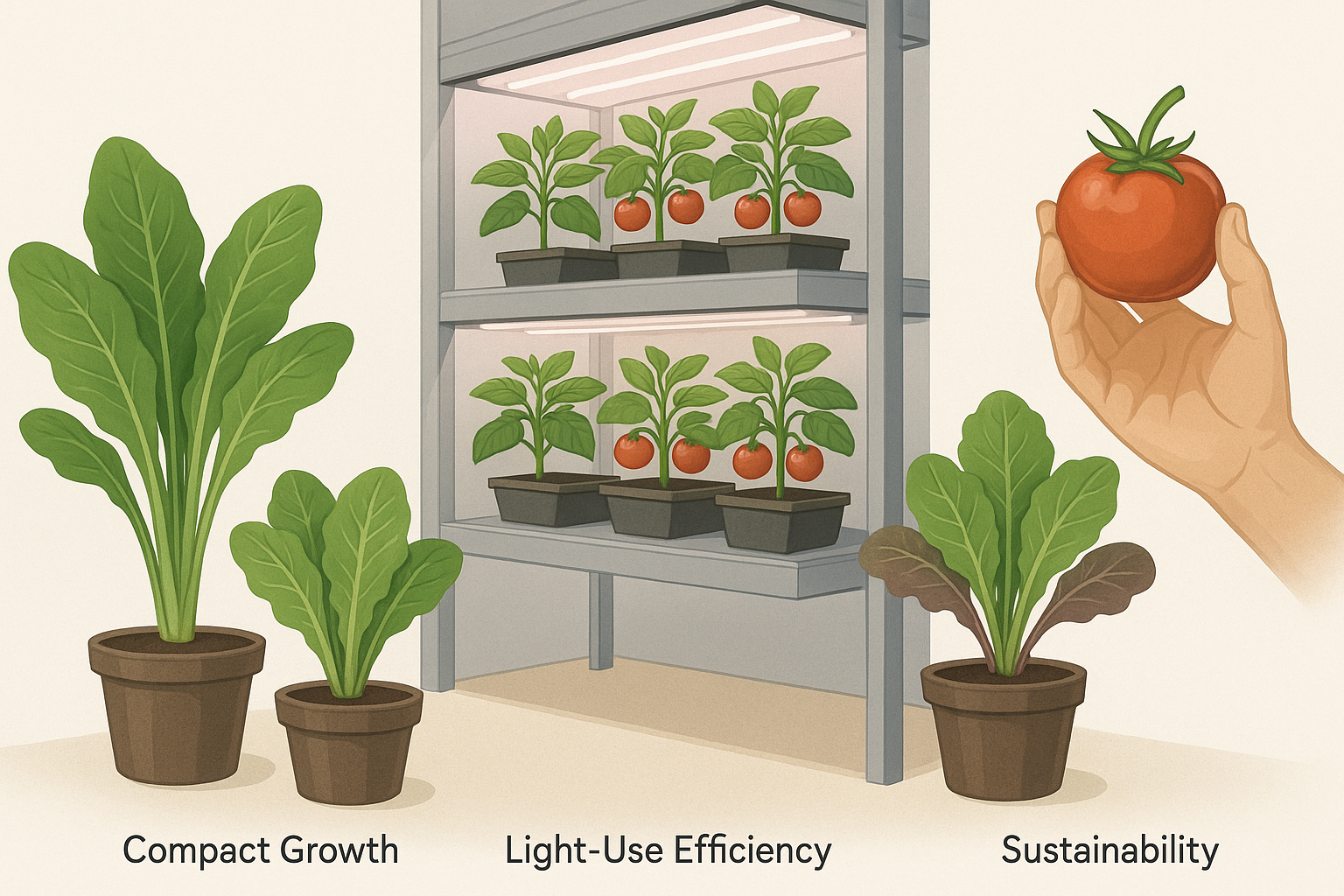
Plant breeding goals for vertical farming are distinct from those developed for conventional agriculture. Traditional breeding has historically prioritised yield, pest resistance,
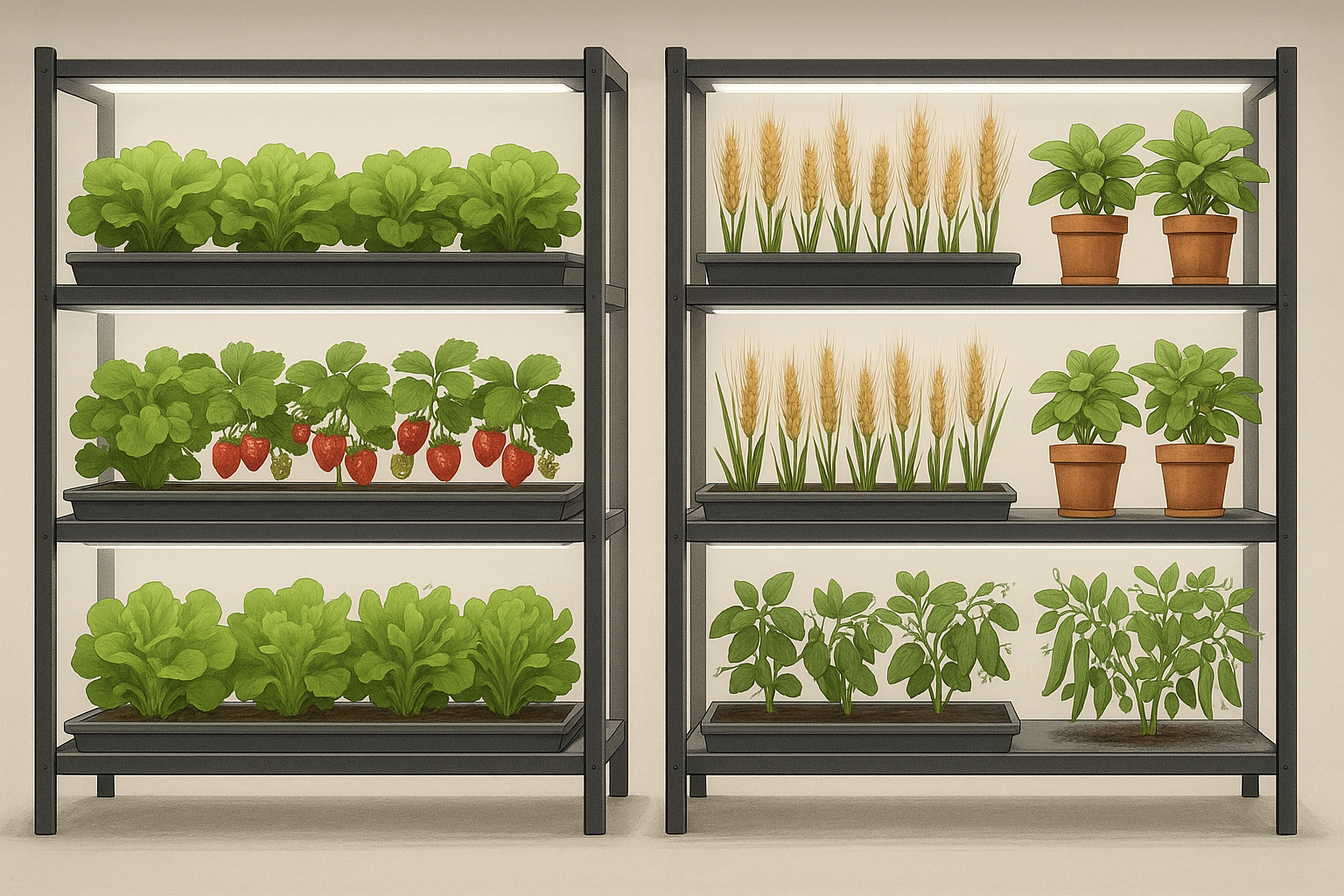
The idea of emerging crops in vertical farming is no longer limited to leafy greens and herbs; researchers, entrepreneurs, and policy-makers
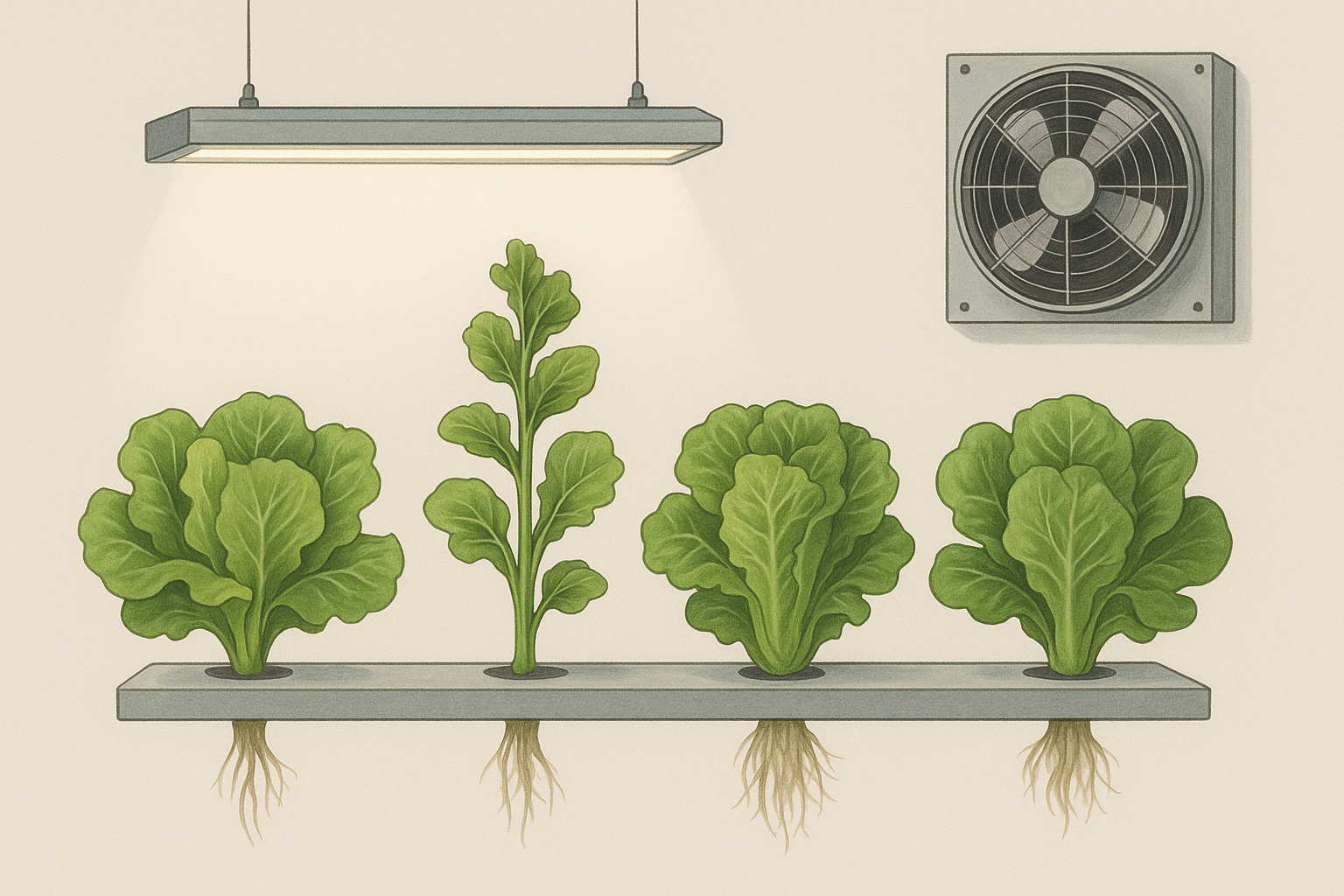
In nature, plant morphology is not a fixed outcome, it is a highly plastic and variable response shaped by environmental variables. In
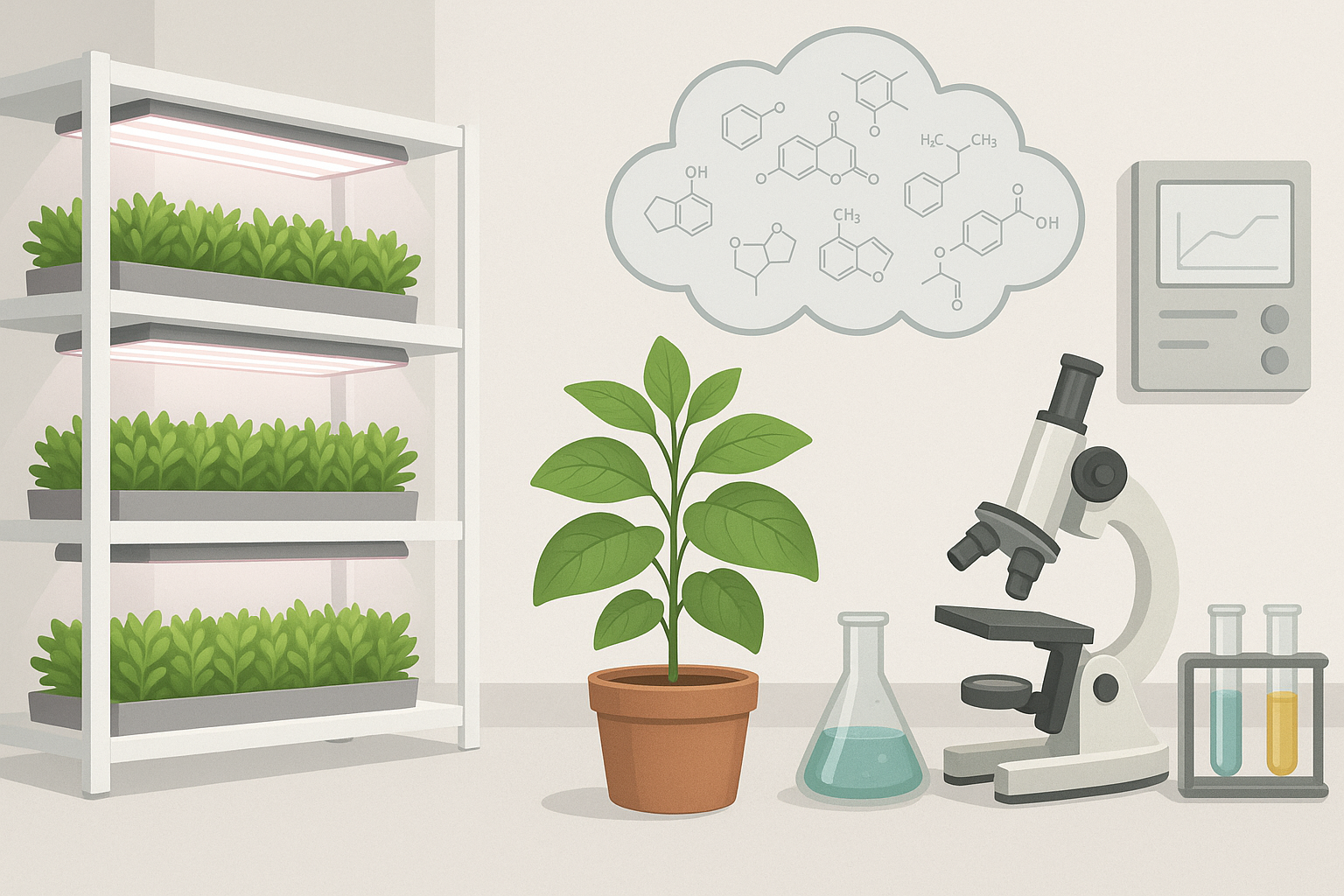
Secondary metabolites are organic compounds produced by plants and other organisms that are not essential for normal growth, development, or reproduction but
Using stress to initiate the production of novel compounds in plants has become a subject of significant interest within Controlled Environment Agriculture
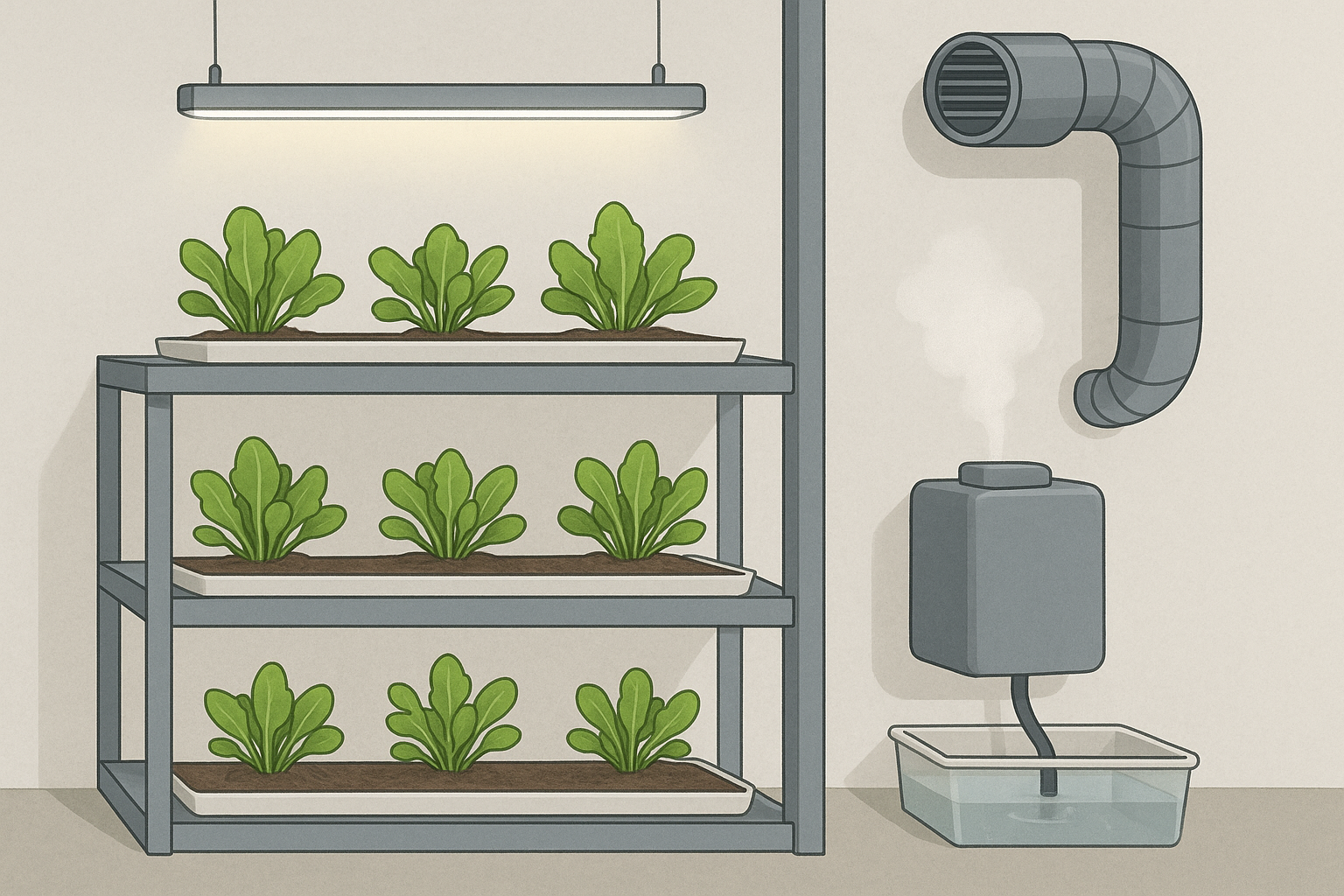
The ability to manage or introduce stress to plants for production goals is the reason why Controlled Environment Agriculture (CEA) systems have
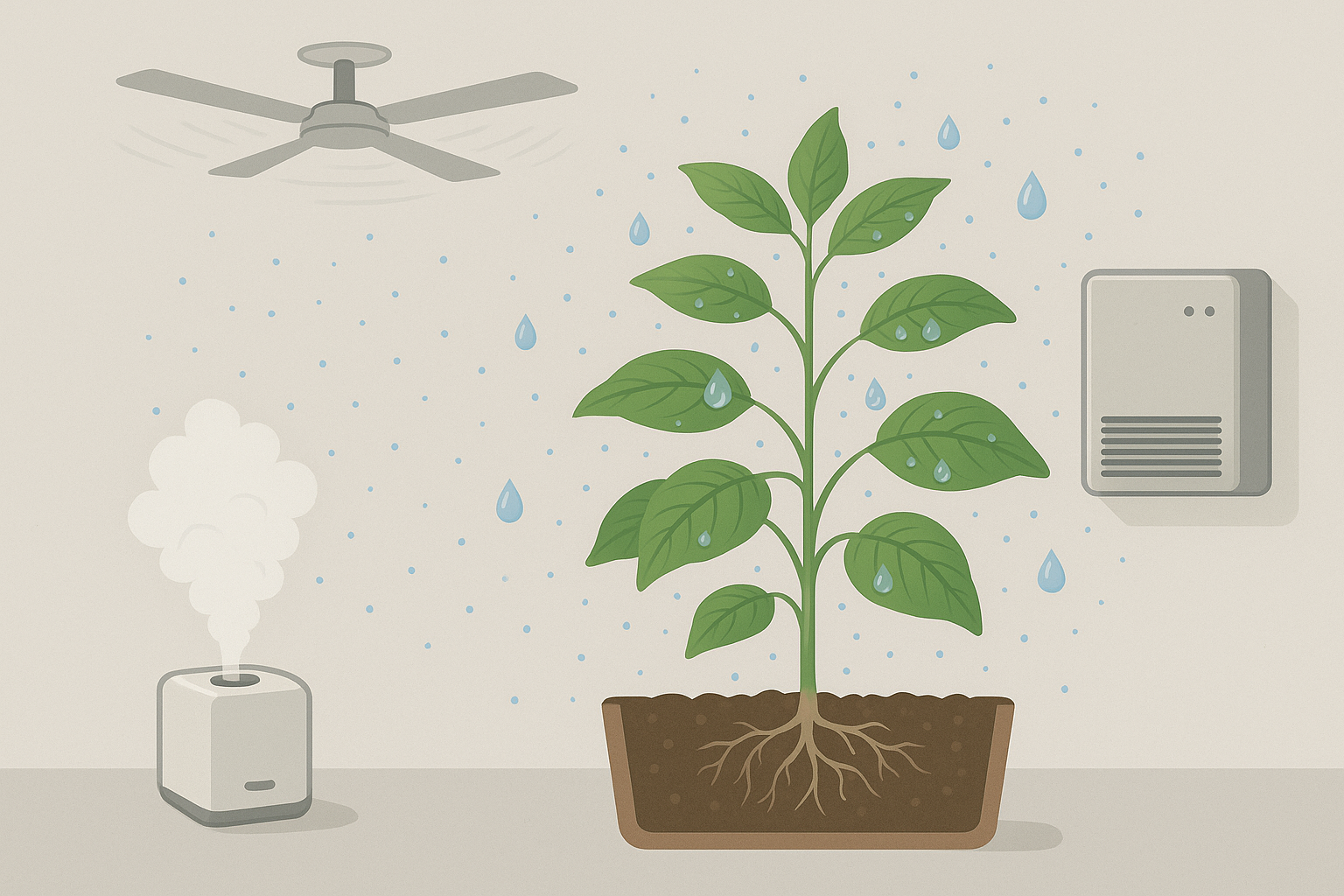
Humidity and plant health in CEA are closely linked, yet humidity is often less discussed than light, nutrients, or temperature. In indoor
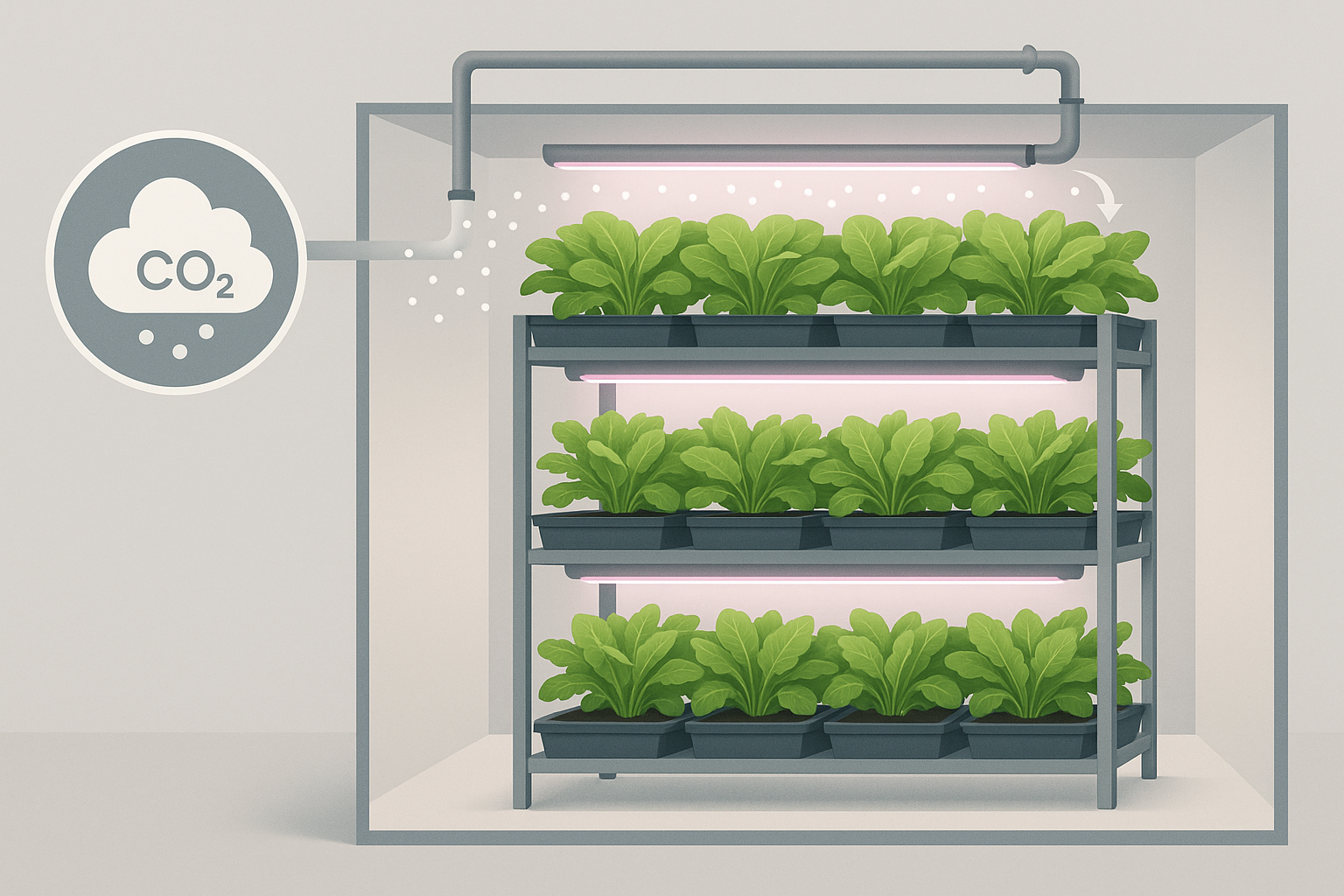
Carbon dioxide is central to plant growth and productivity, and its management is particularly relevant in controlled environment agriculture (CEA) systems. CO2
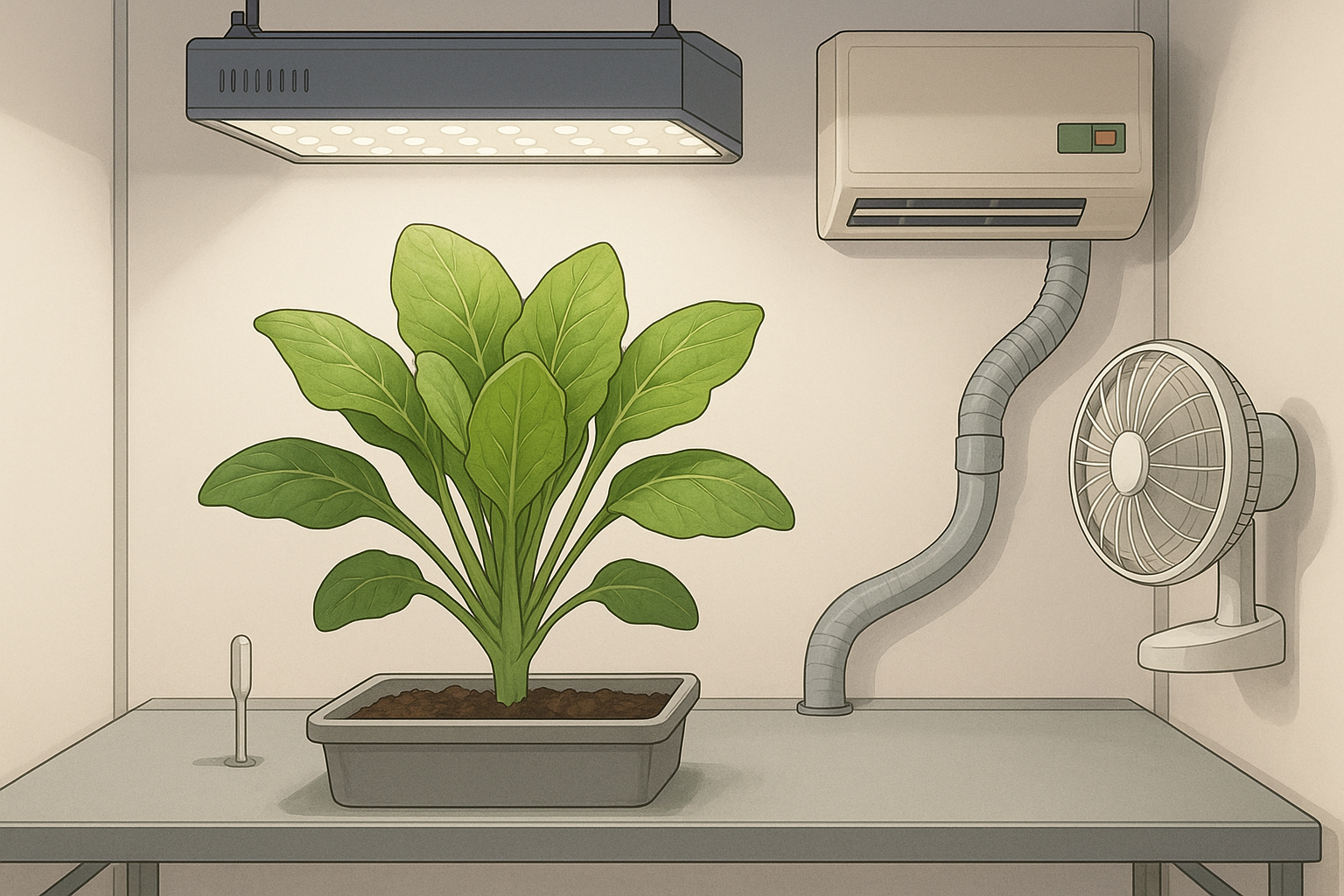
Temperature is one of the most fundamental abiotic factors shaping plant growth and development. In controlled environment agriculture (CEA) systems, growers must
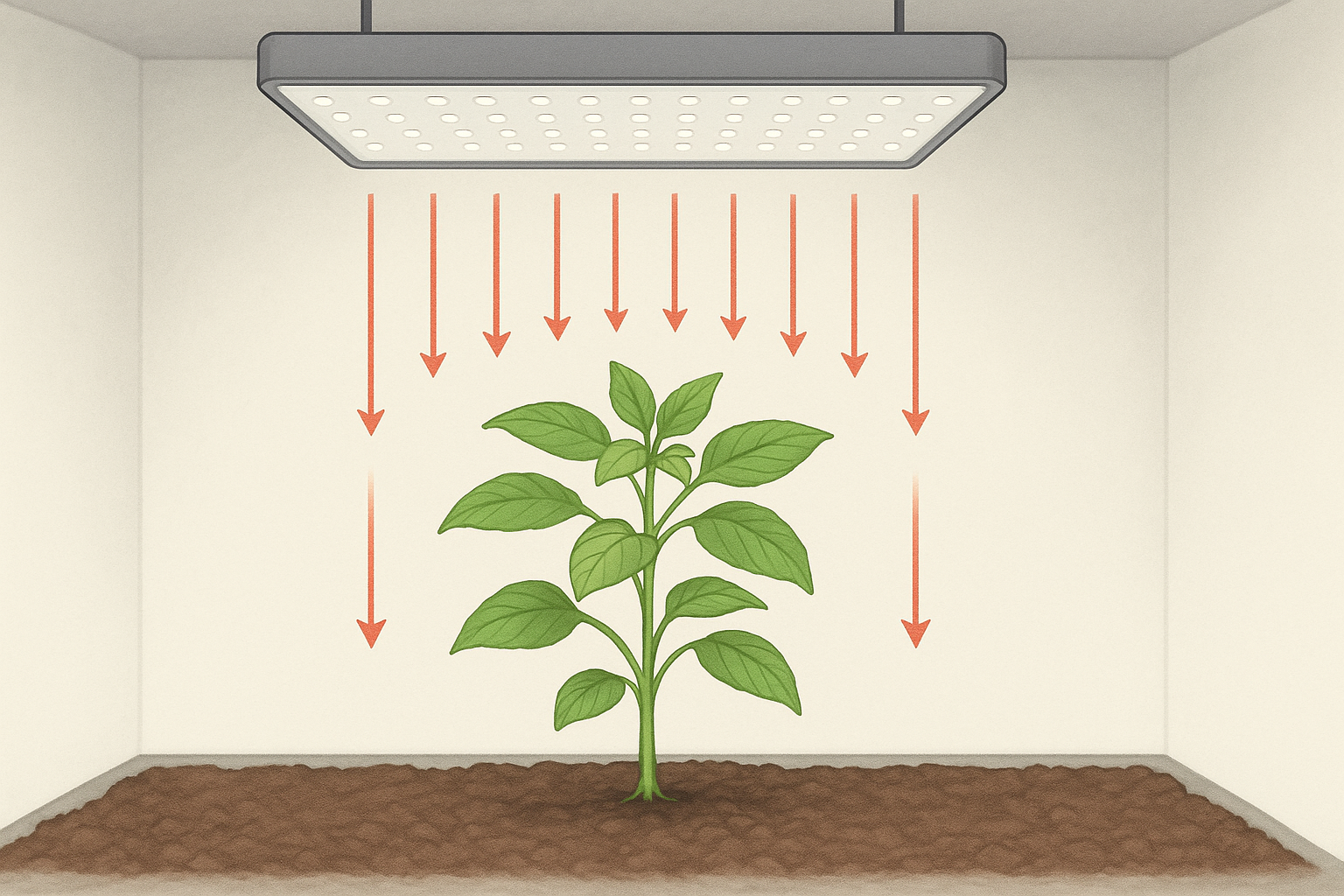
Understanding how plants perceive and respond to light is central to the practice of Controlled Environment Agriculture (CEA). Light is not only
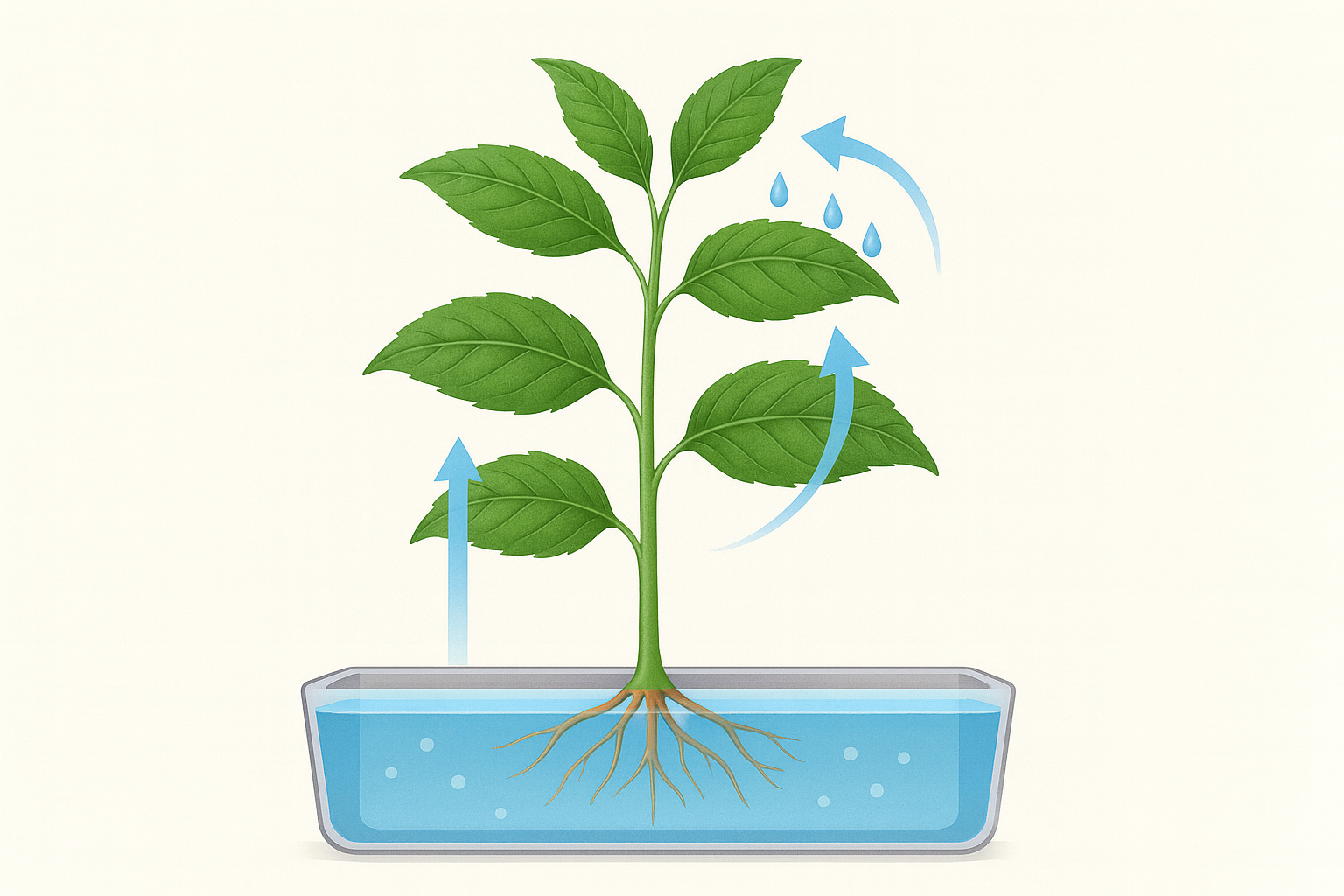
Introduction Managing plant transpiration in indoor farming is one of the most significant yet often overlooked aspects of controlled environment agriculture (CEA)
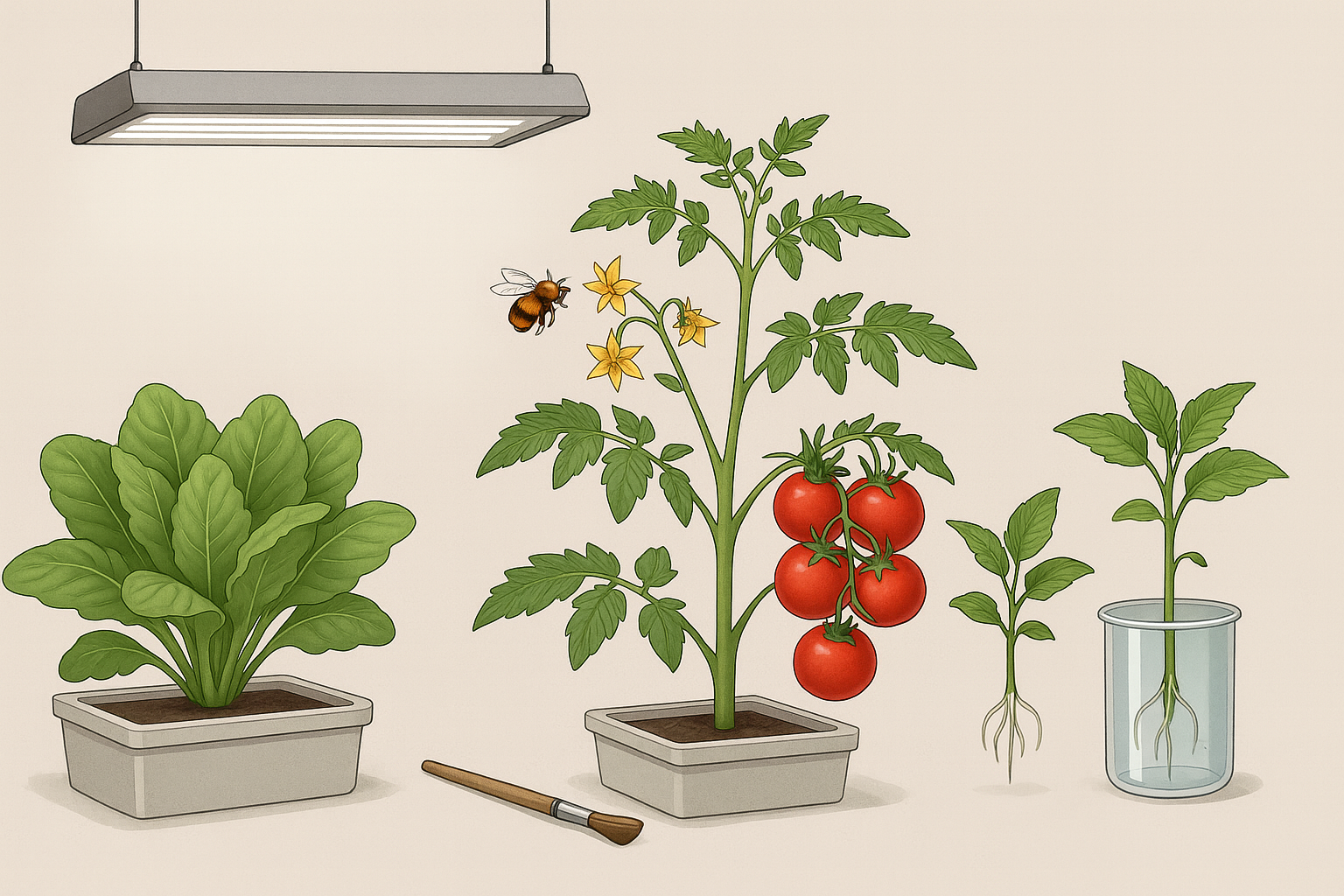
Plant reproduction is a central process in food production, and managing plant reproduction in indoor farming is important for both productivity and
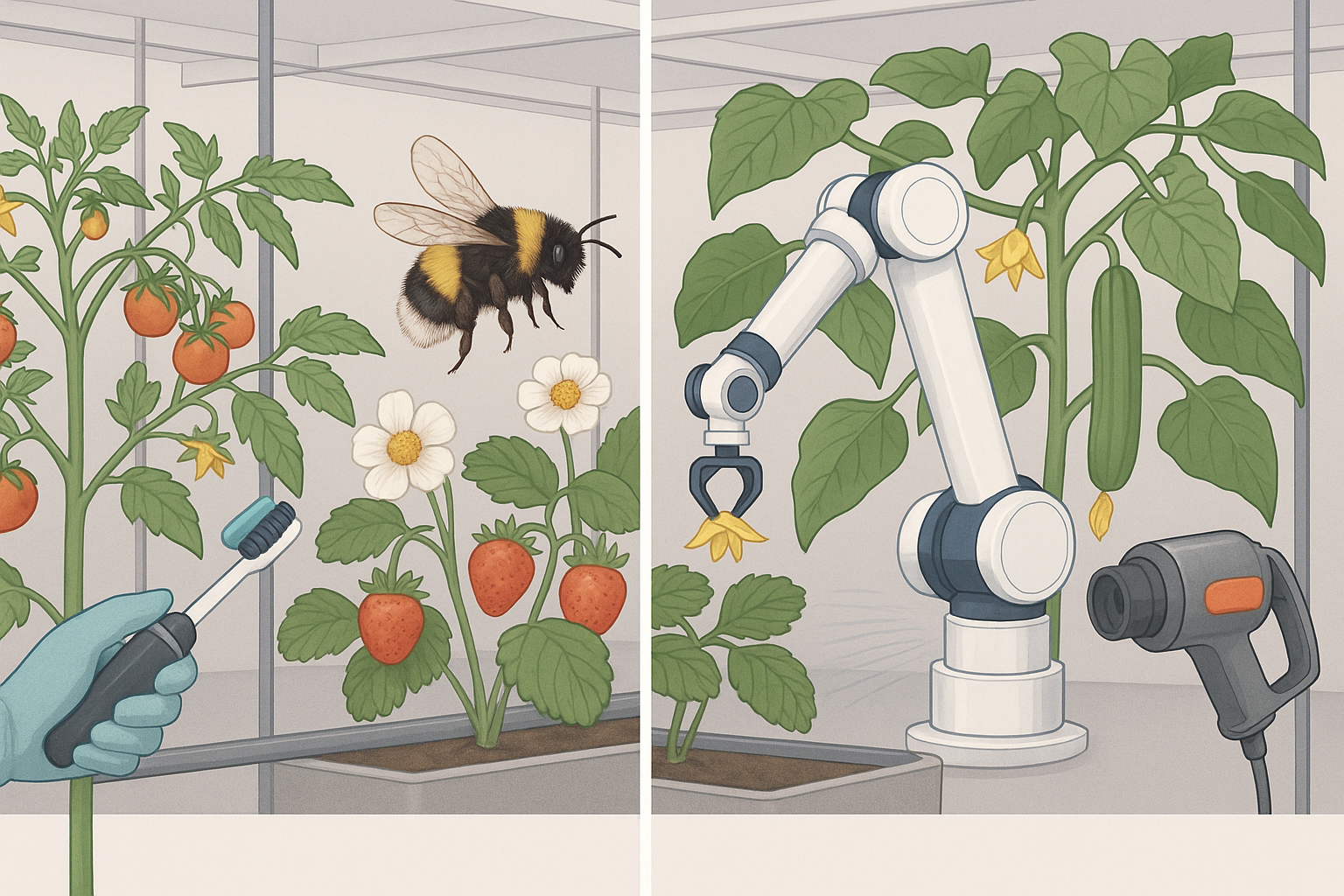
Pollination is a critical process in plant reproduction and crop productivity, yet it presents unique challenges in controlled environment agriculture (CEA). In

Photoperiodism is the mechanism by which plants sense and respond to the relative lengths of day and night, with consequences for growth,
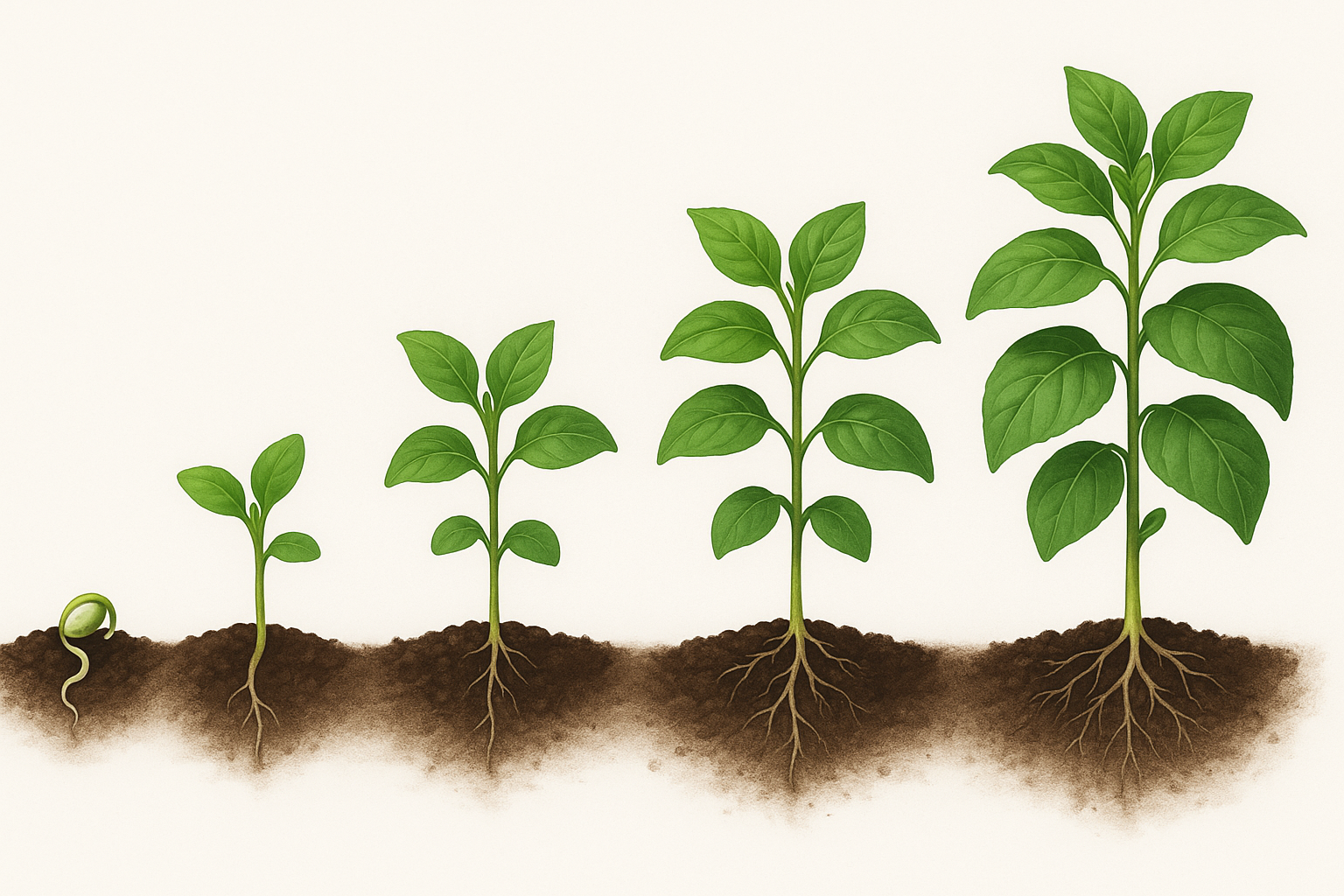
Understanding how plants progress through the different growth stages is a necessary skill for any grower in a controlled environment agriculture (CEA)
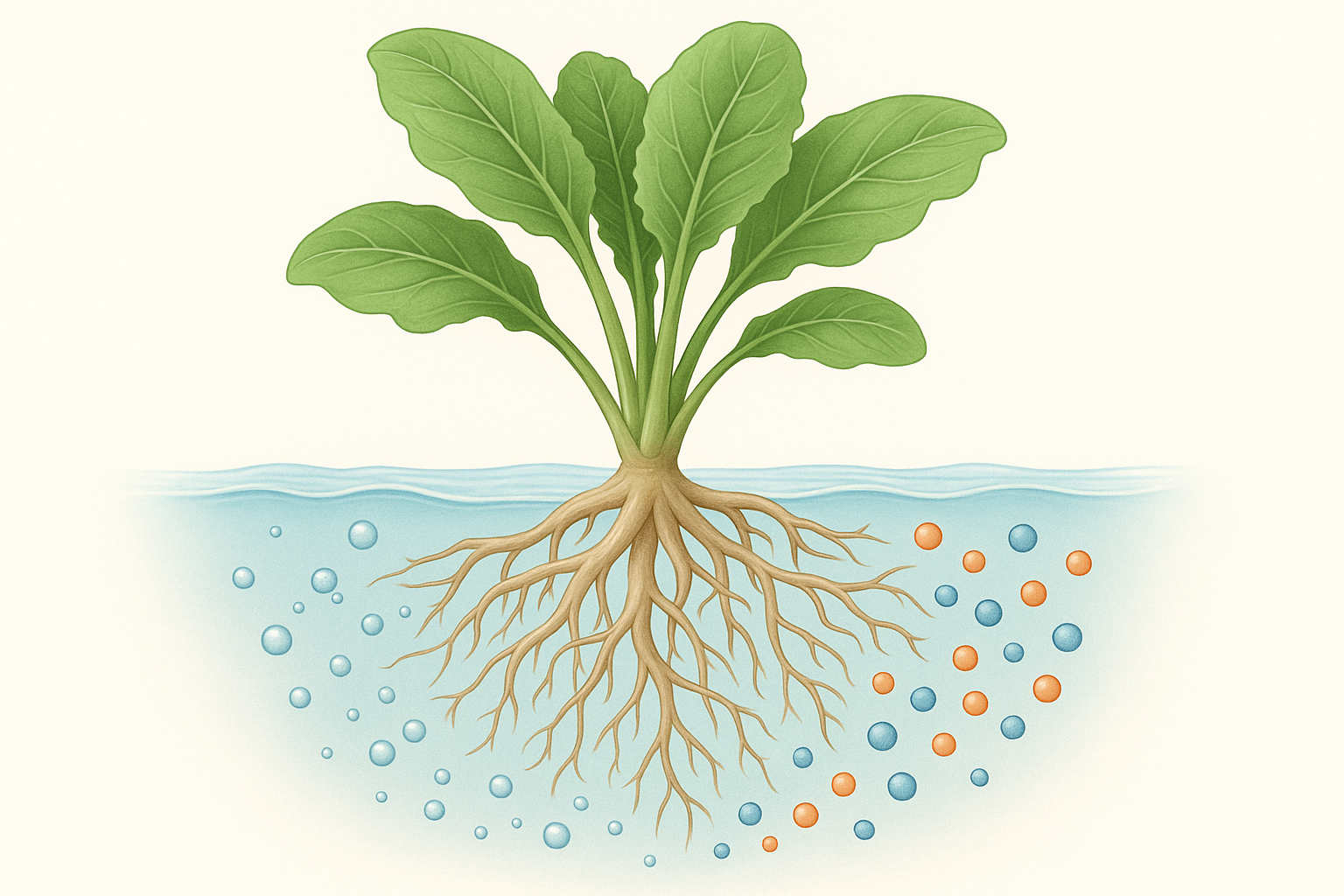
Understanding nutrient uptake in hydroponics is fundamental to designing and managing any successful controlled environment agriculture (CEA) or vertical farming operation. At

Understanding the role of plant stomata and the process of gas exchange in plants is a requirement of modern Controlled Environment Agriculture
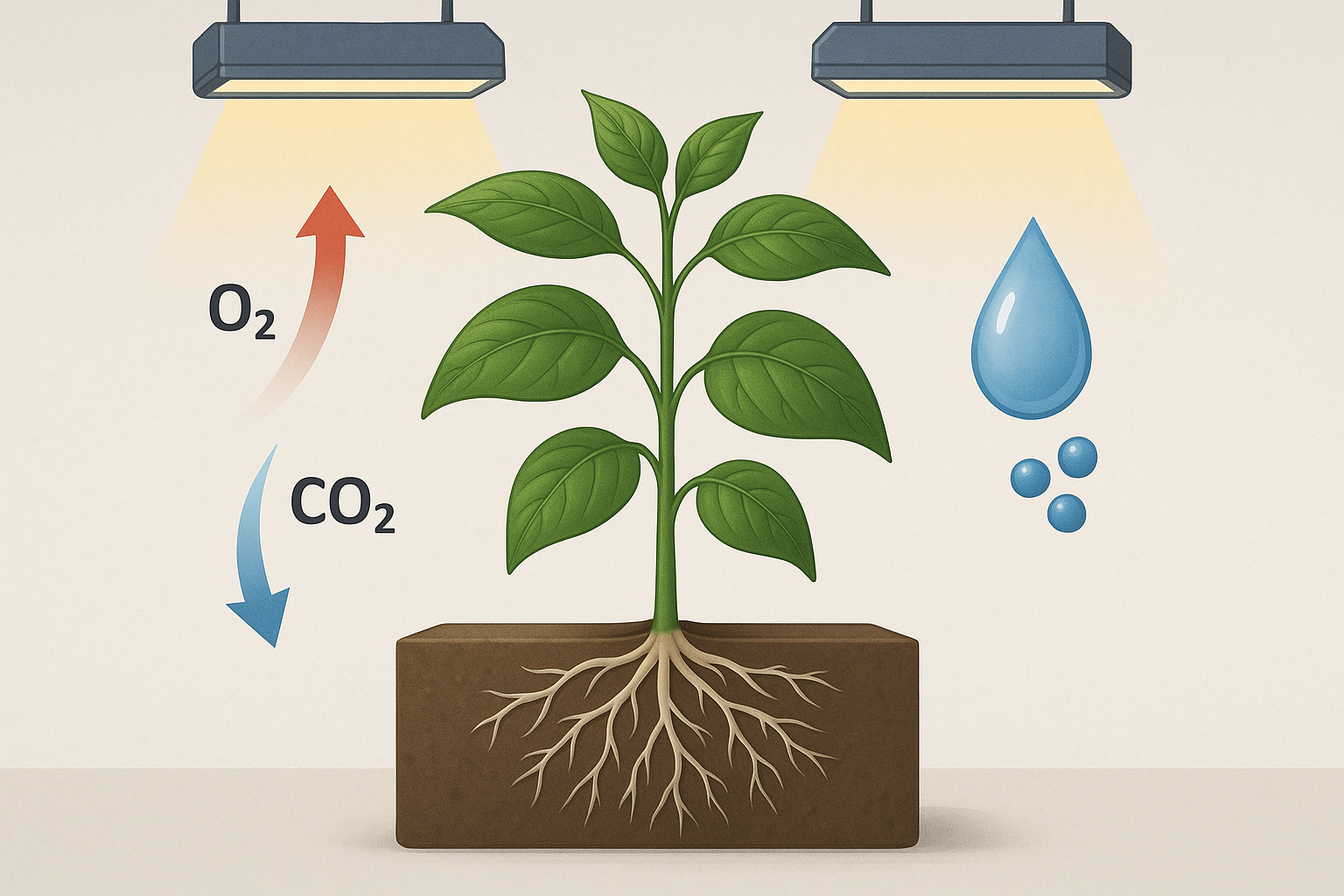
Understanding plant biology basics is essential for anyone interested in growing in vertical farms or other controlled environment systems. Plants are the
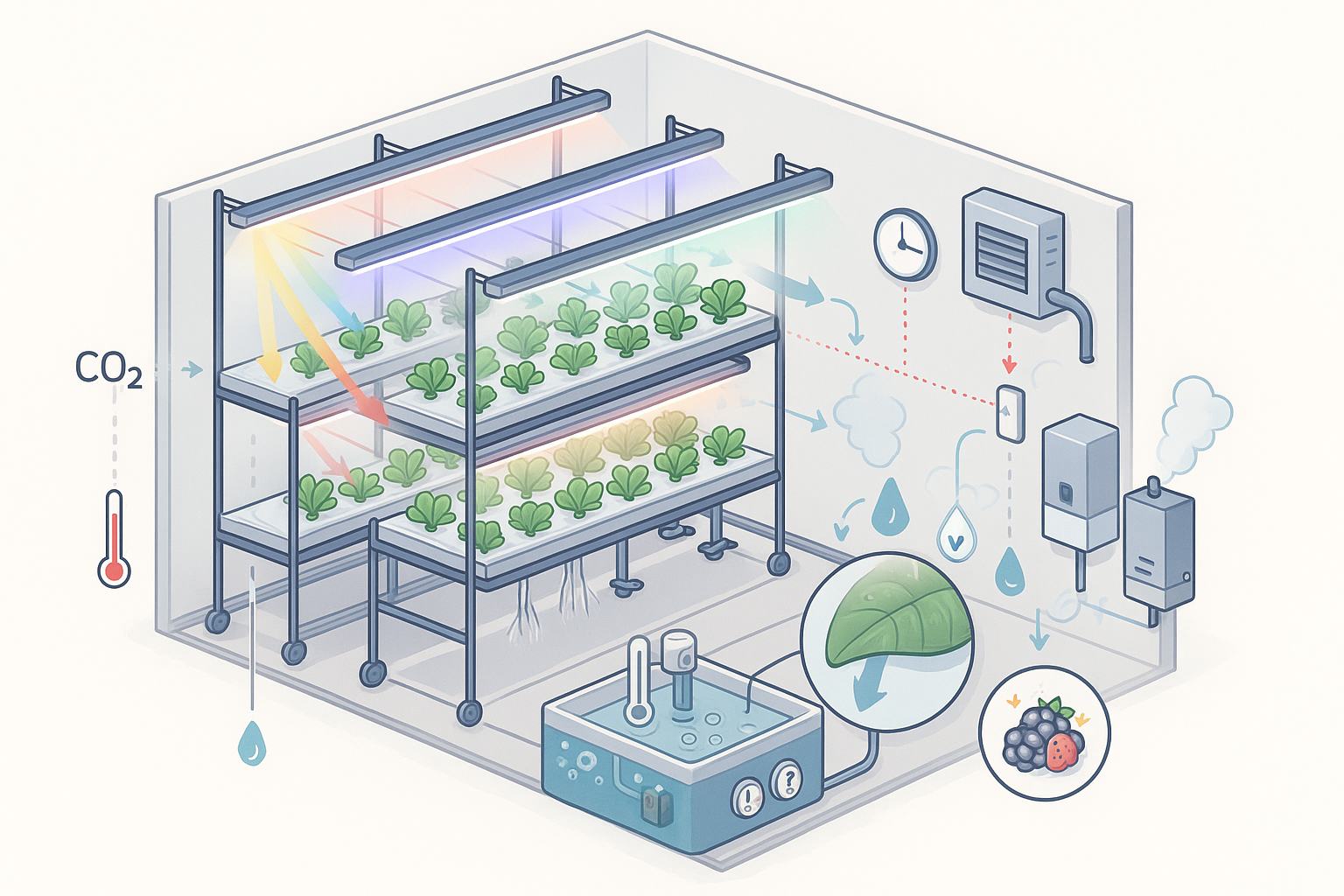
Introduction: why physiology matters in CEA Plant physiology in CEA is not an abstract academic subject: it is the operating manual for
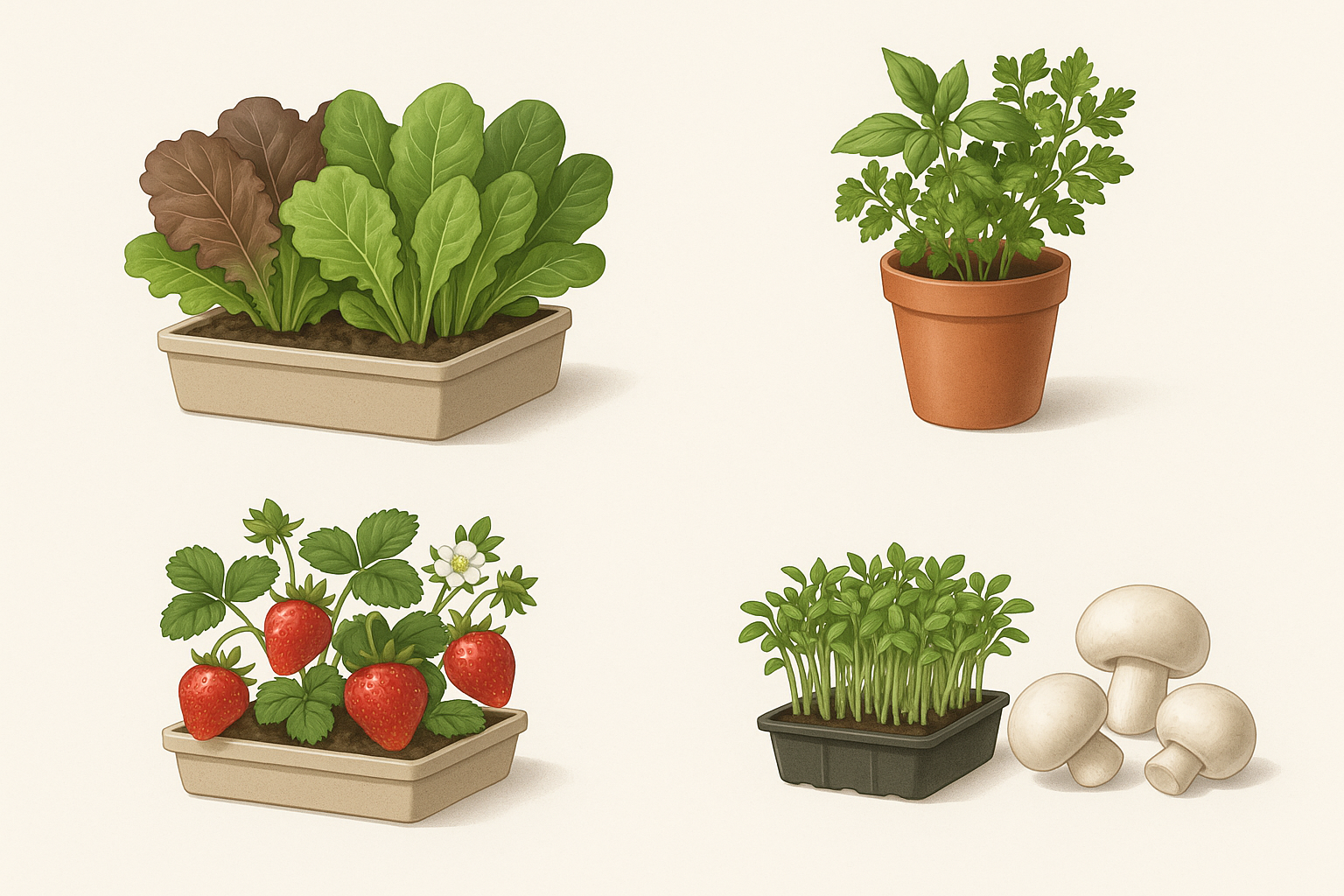
Determining which crops are best for indoor farming systems is an area of much current philosophical and practical debate. In principle any
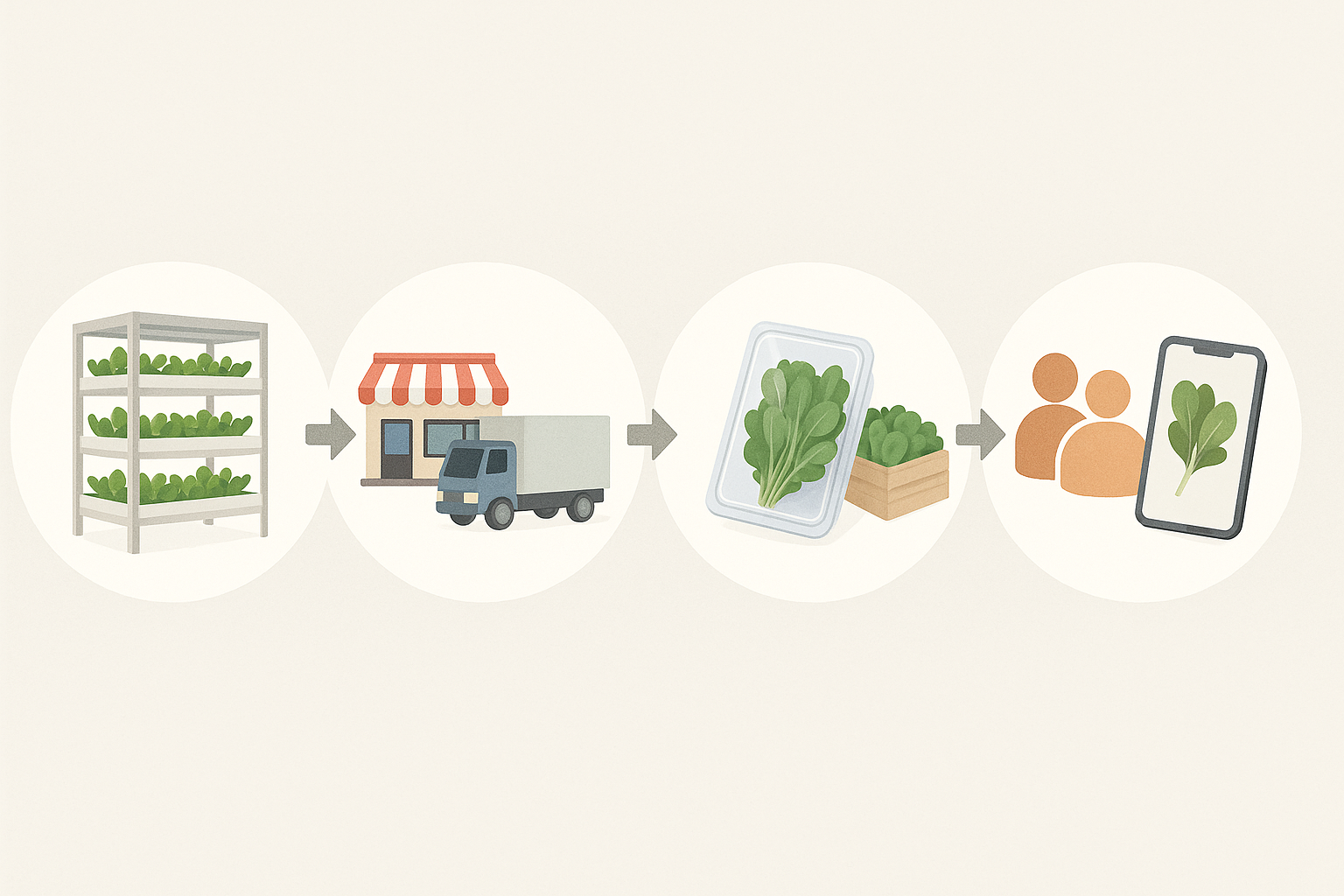
The future of food production is not only shaped by technology but also by how produce reaches consumers. Controlled Environment Agriculture (CEA)
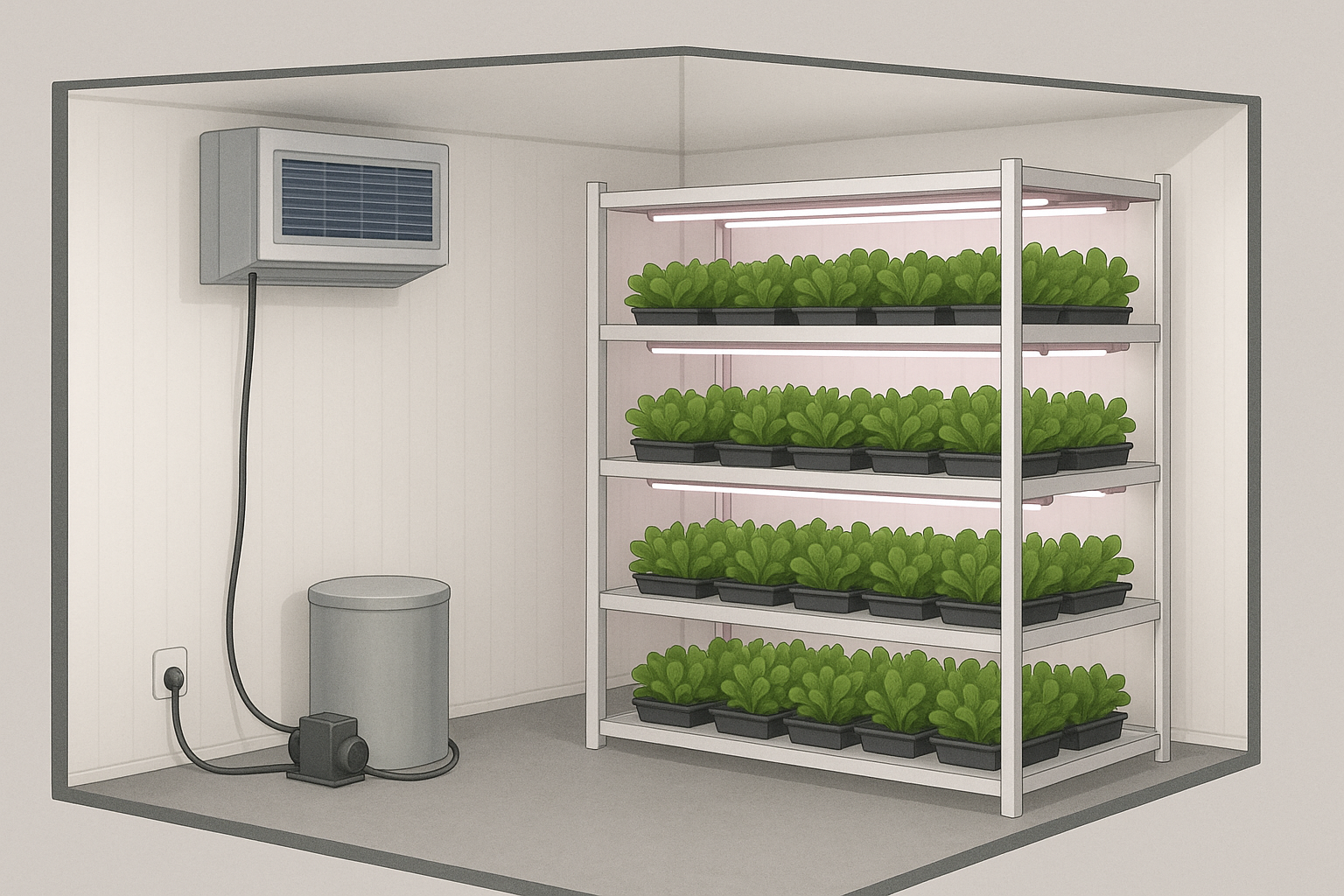
Introduction: why start small The idea of a minimum viable product vertical farm system is rooted in the recognition that the barriers
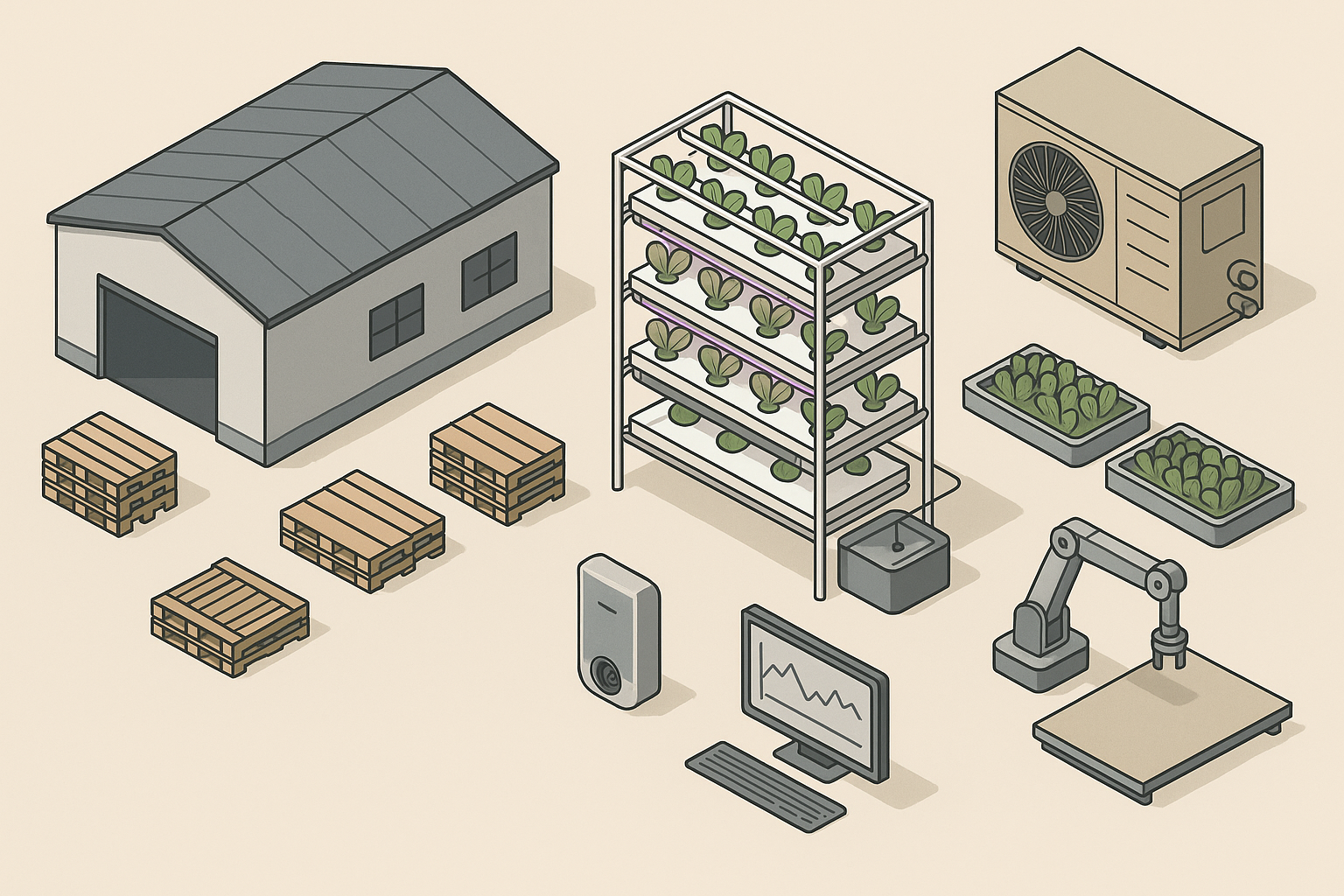
Understanding indoor farm start-up costs is a central concern for anyone considering entry into Controlled Environment Agriculture (CEA). Whether a project
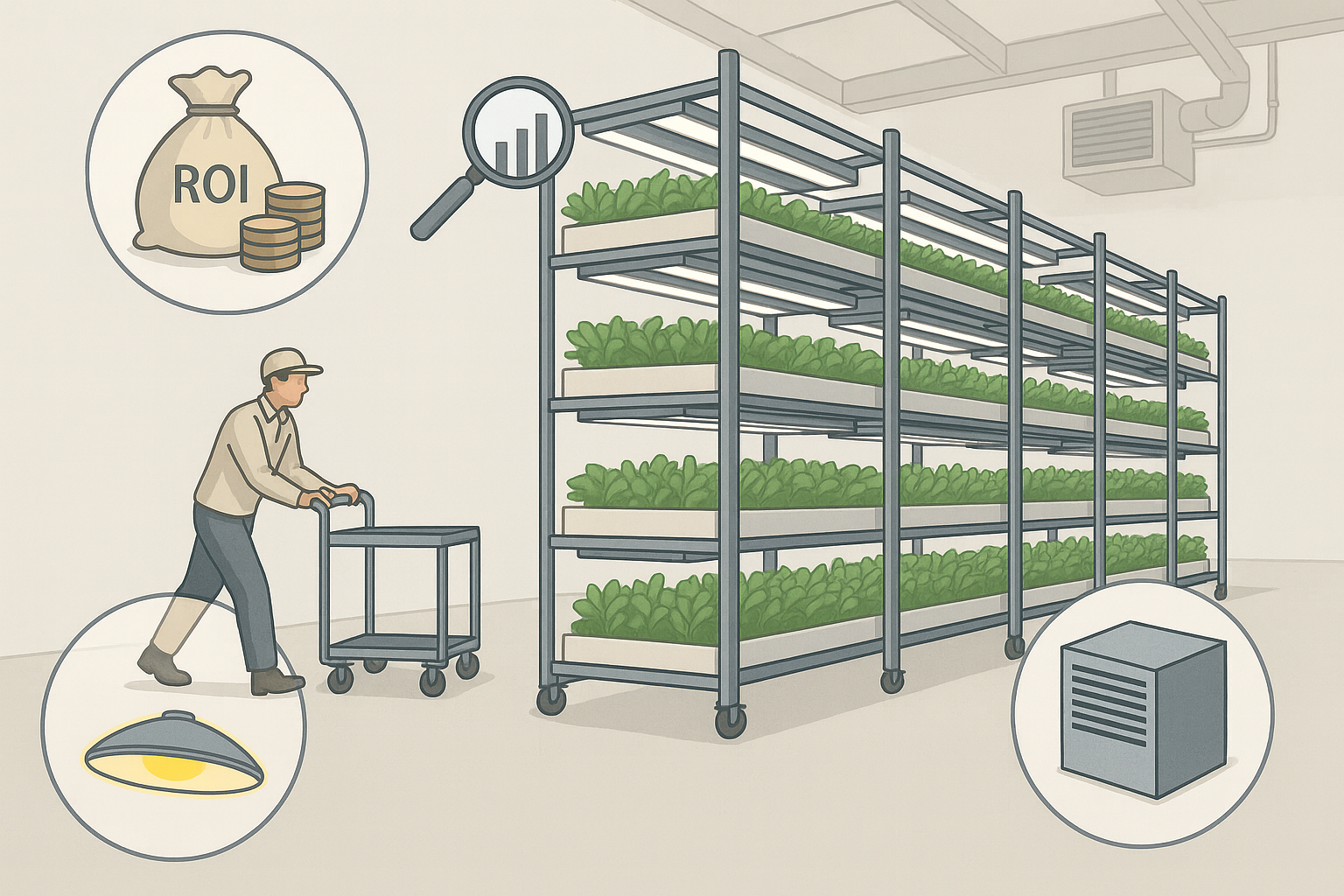
Introduction: The importance of financial performance in CEA Controlled Environment Agriculture (CEA) and vertical farming are often promoted for their potential to
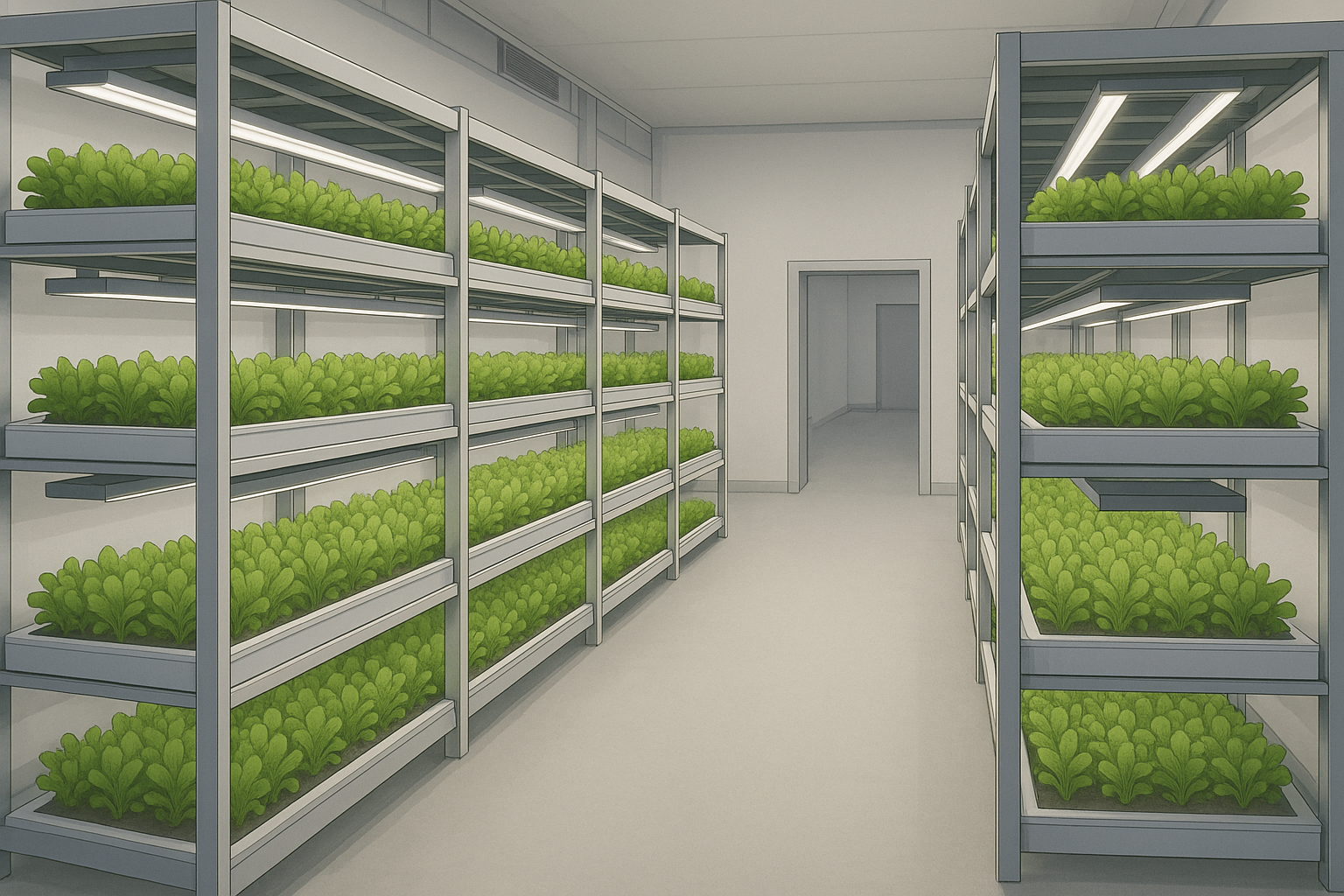
Designing an indoor farm is not simply a matter of fitting racks into a room. The way in which space is organised
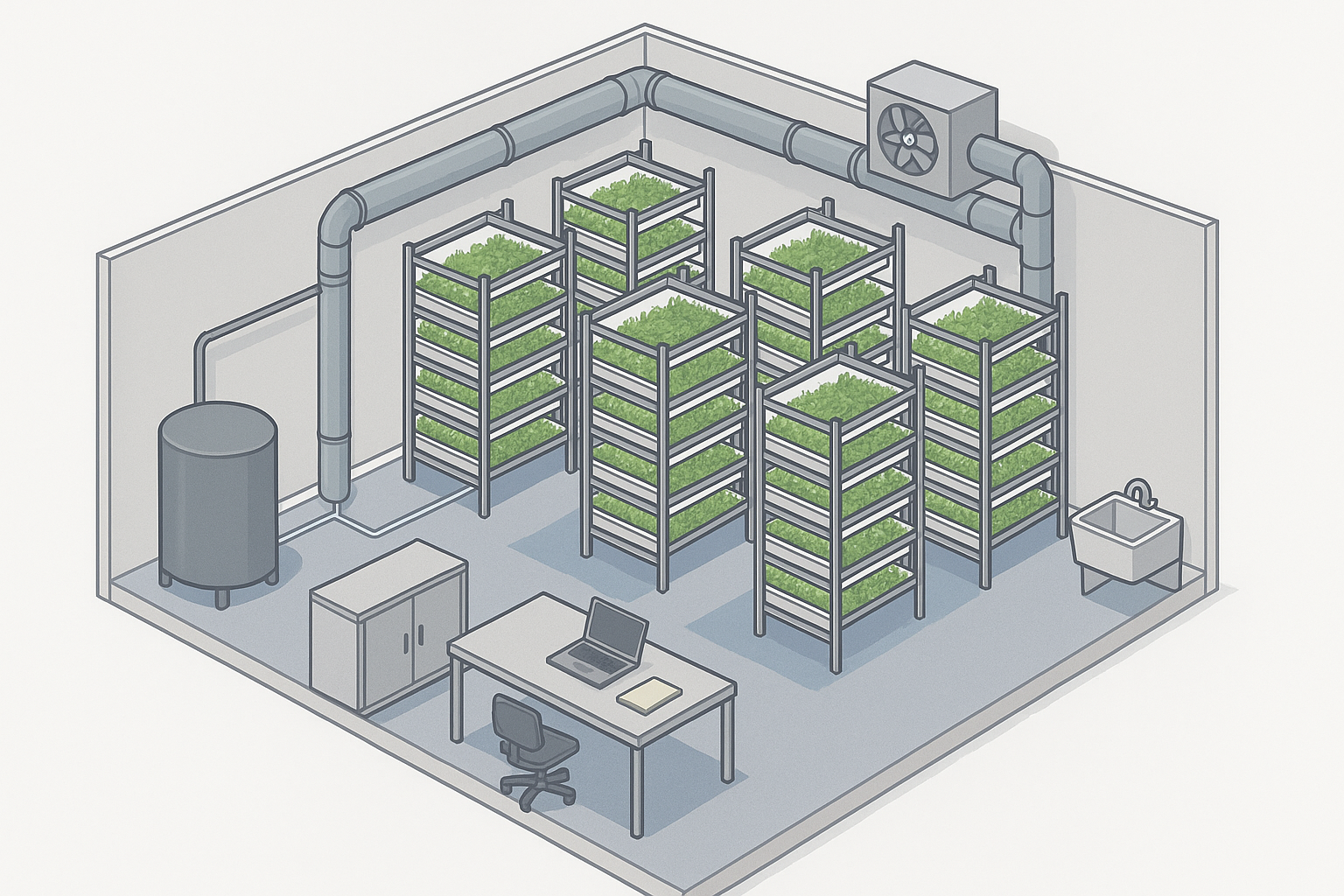
Designing an indoor plant production system is as much about spatial strategy as it is about technology. An optimal vertical farm layout
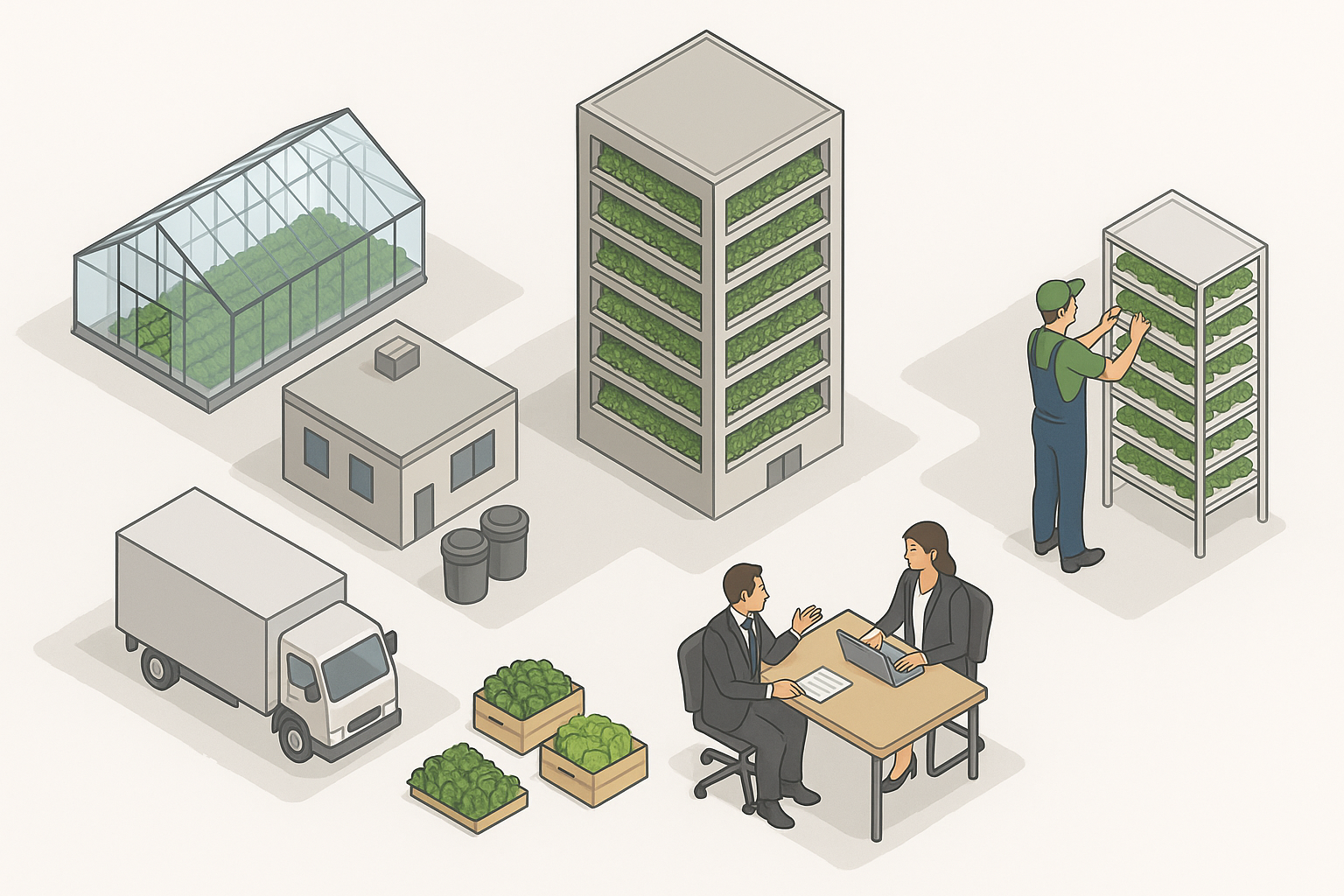
Regulatory considerations for indoor food production systems are central to the successful development of Controlled Environment Agriculture (CEA) and vertical farming. These
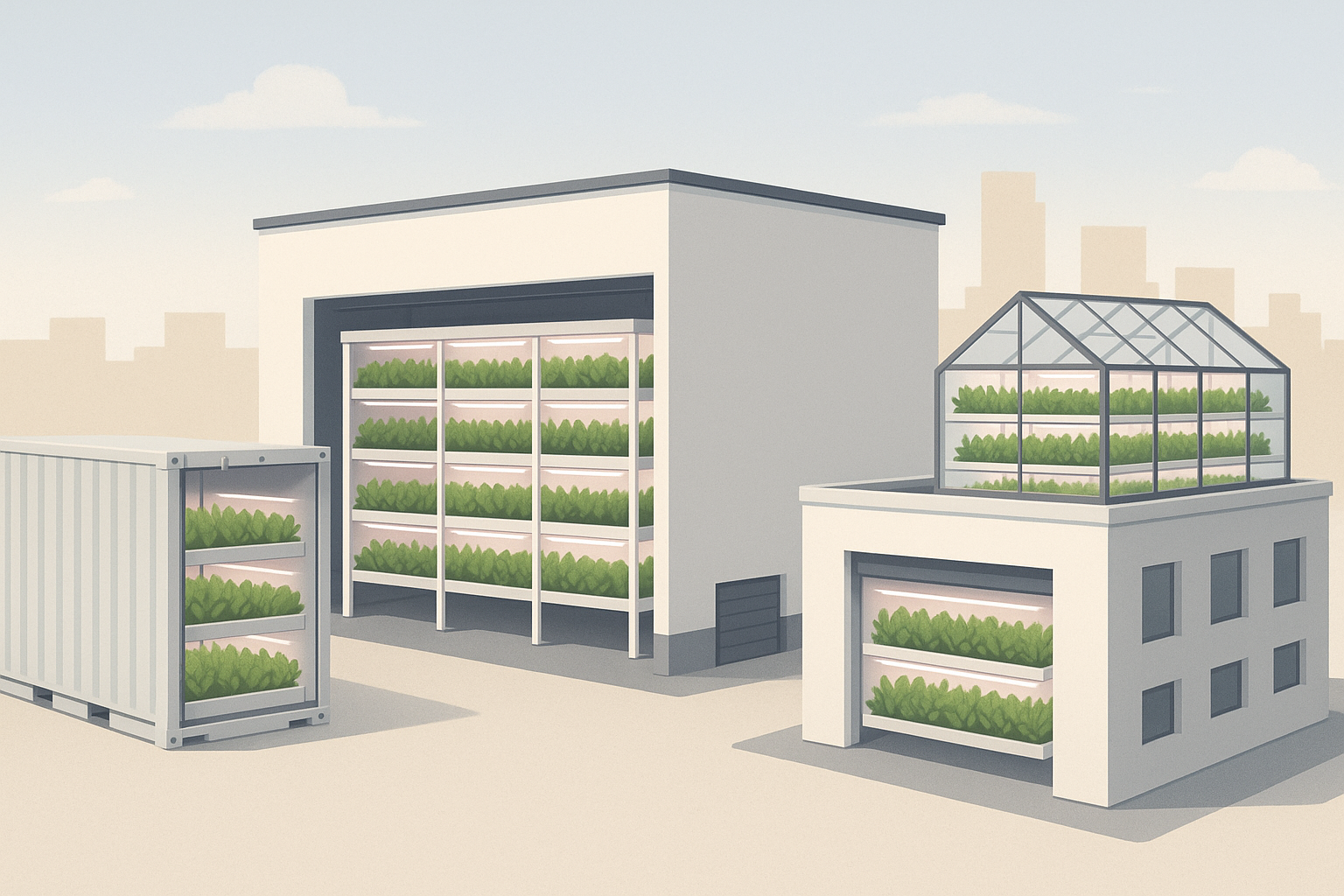
Understanding the relative advantages and limitations of different indoor farming models is one of the most important steps when planning a controlled
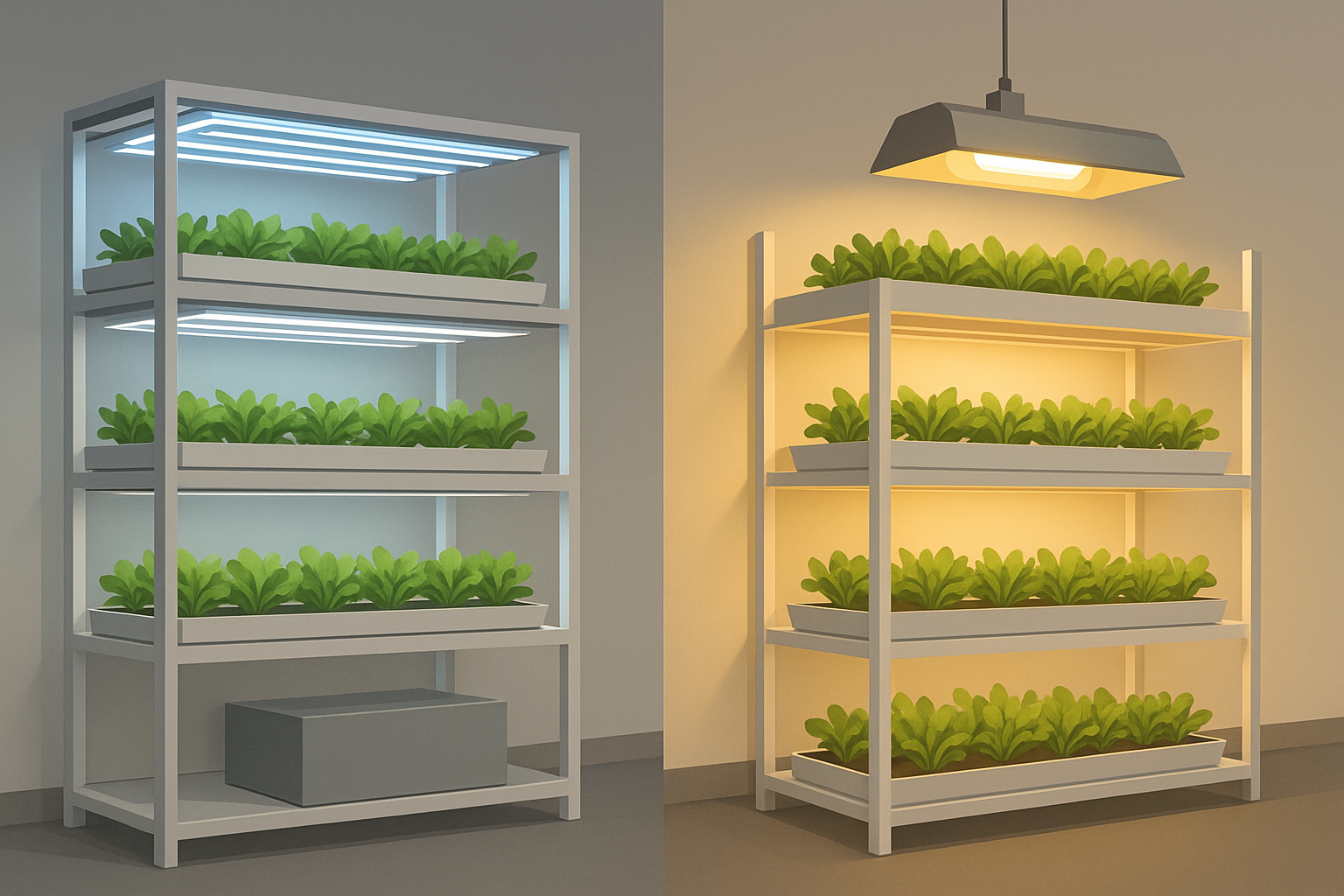
The choice of which artificial lighting approach is one of the most critical decisions in controlled environment agriculture (CEA). Nowhere is this
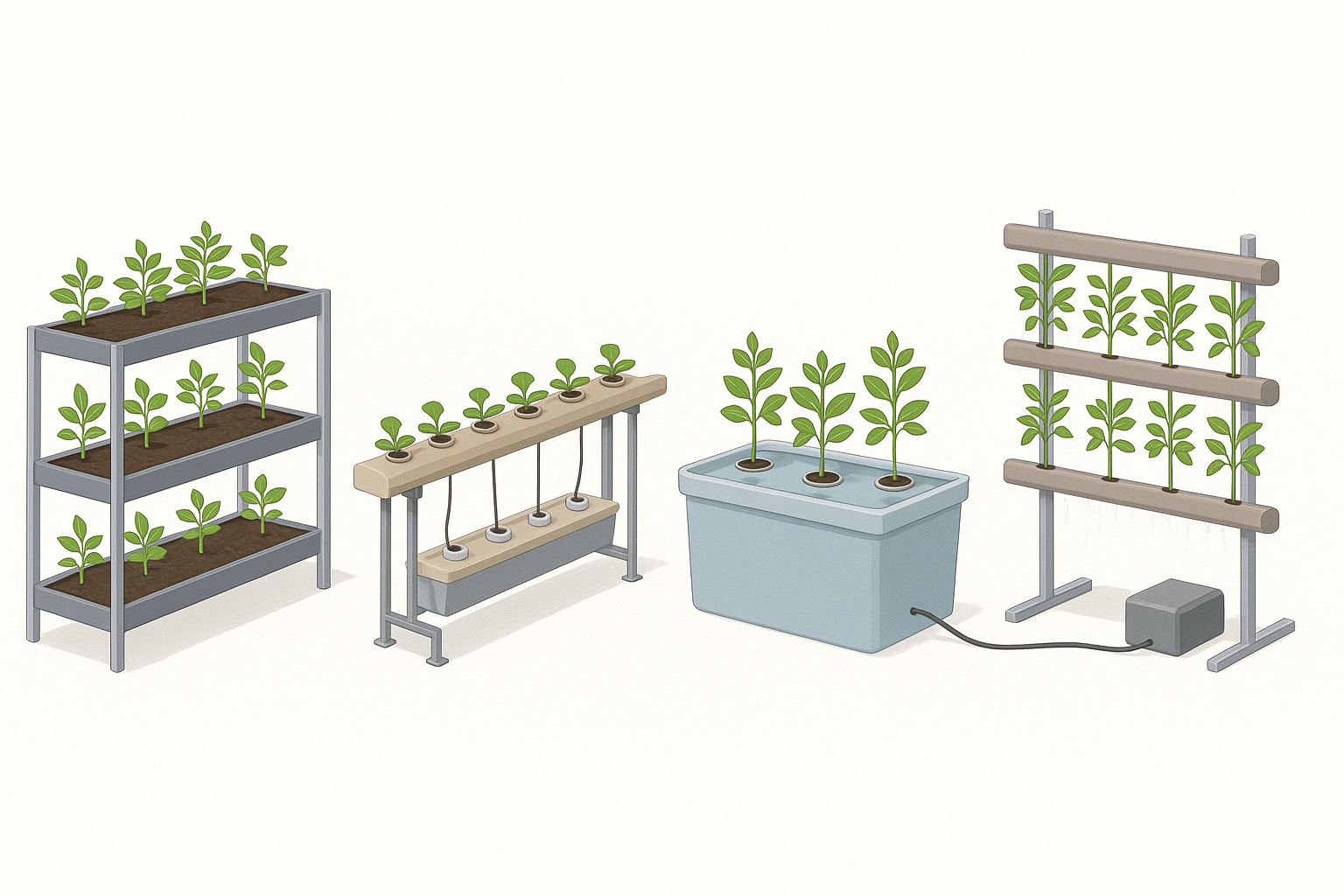
Selecting the right growing system is one of the most significant decisions for anyone developing a controlled environment agriculture (CEA) facility. Growing
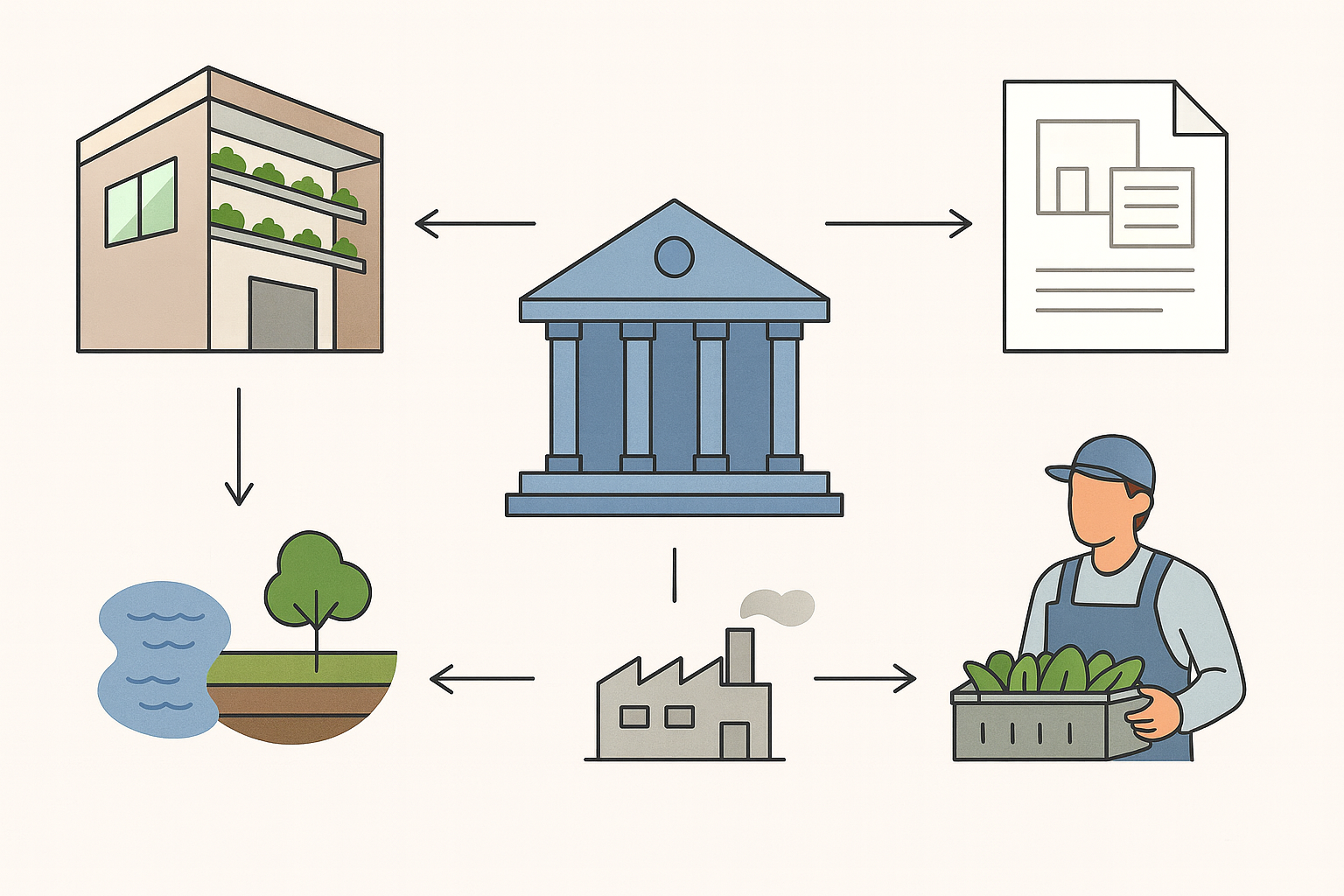
The development of controlled environment agriculture (CEA) and vertical farm systems is often portrayed primarily as a technical or commercial challenge: growers
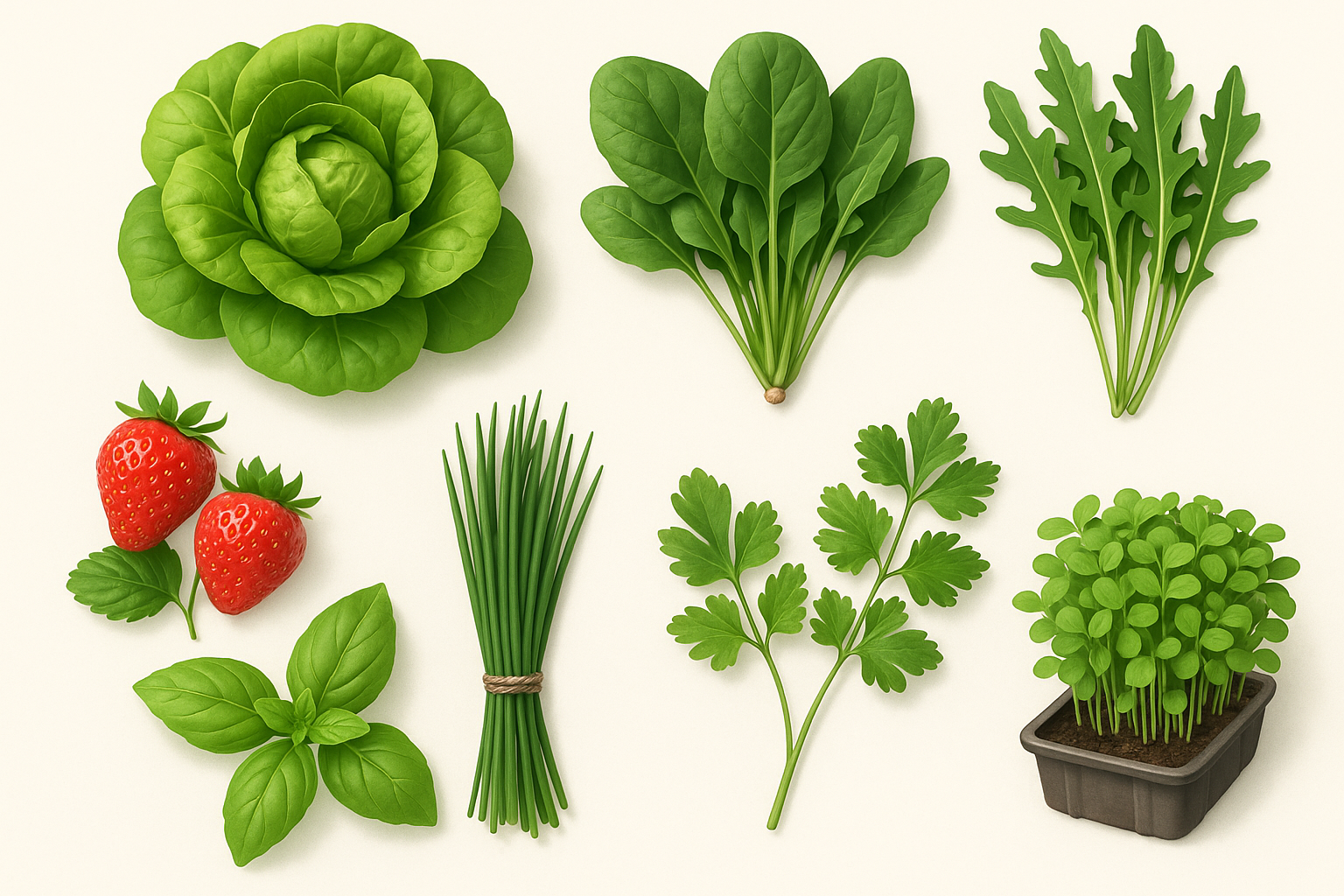
Selecting what to grow is undoubtedly a critical decision for any controlled environment agriculture (CEA) enterprise. The choice of crop directly affects
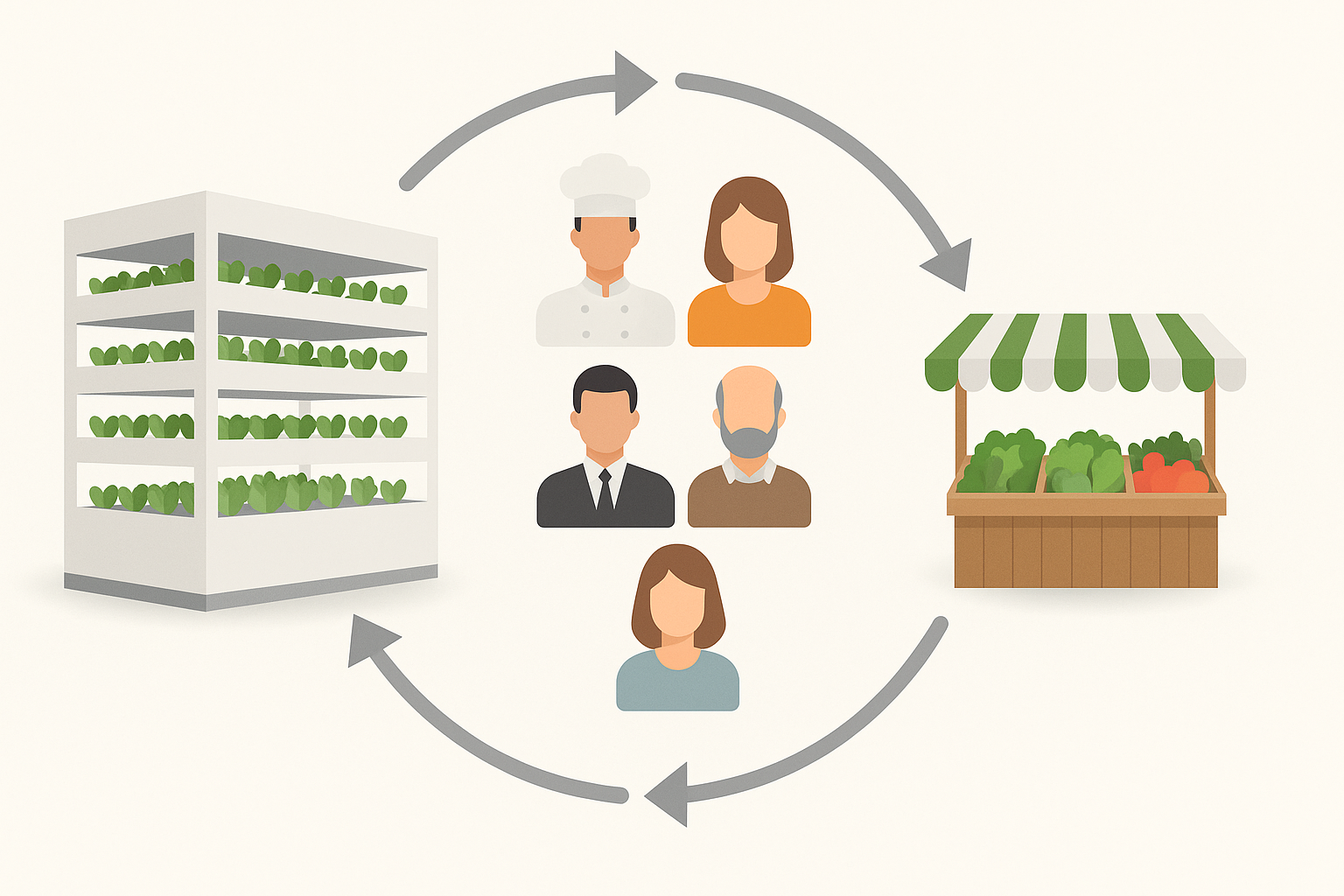
Why Customer Research Matters in Indoor Farming Customer research for an indoor farm is one of the most decisive factors in determining
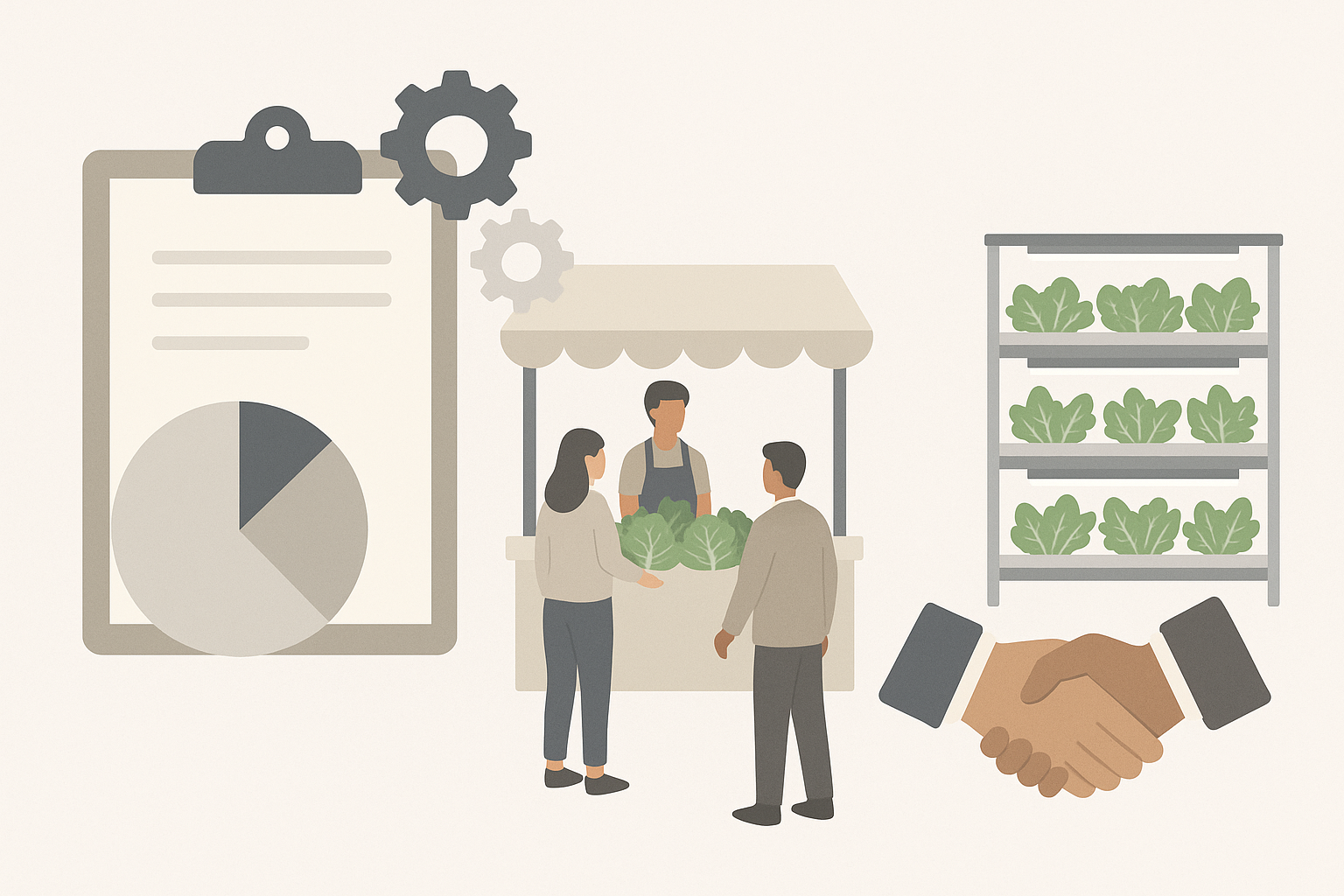
Understanding the market is as vital to the success of an indoor farm as choosing the right growing system or designing efficient
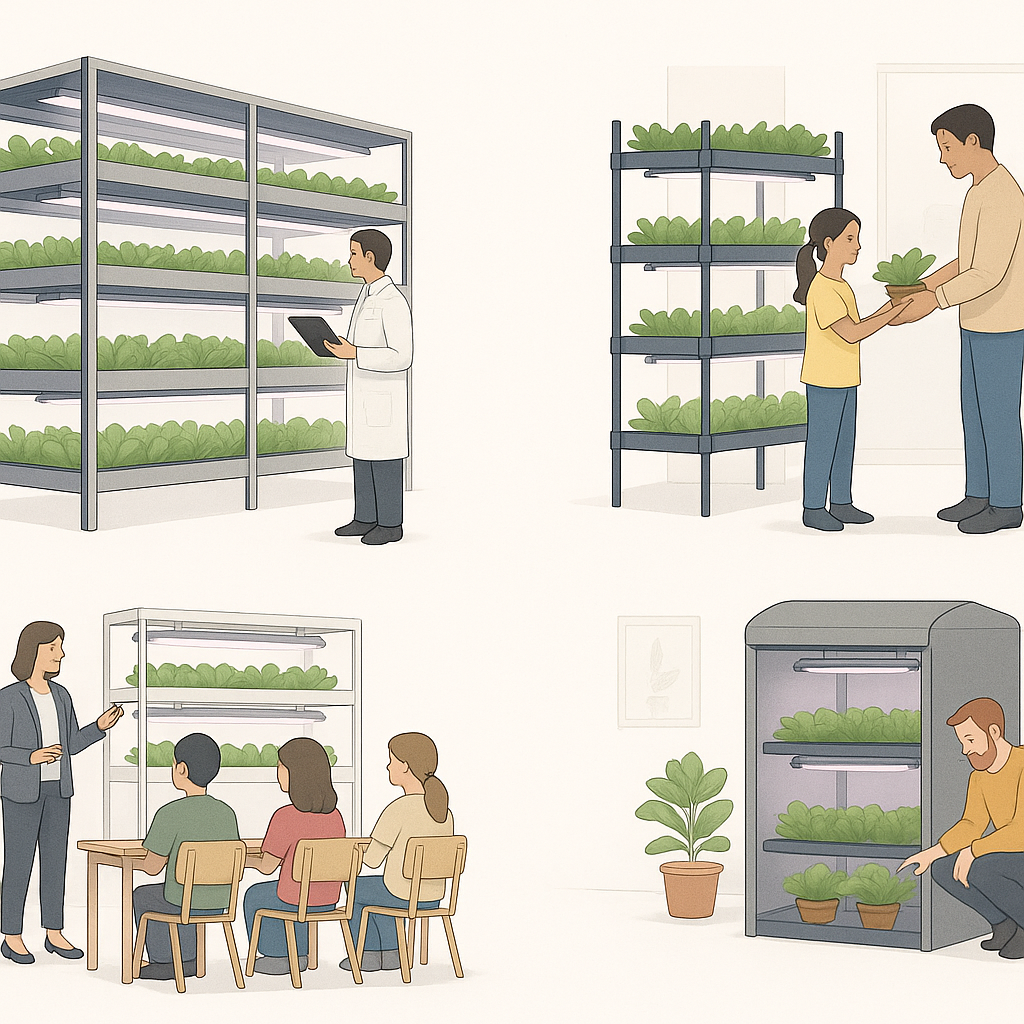
Establishing a clear purpose is the foundation of any controlled environment agriculture (CEA) project. Whether the ambition is to build a large-
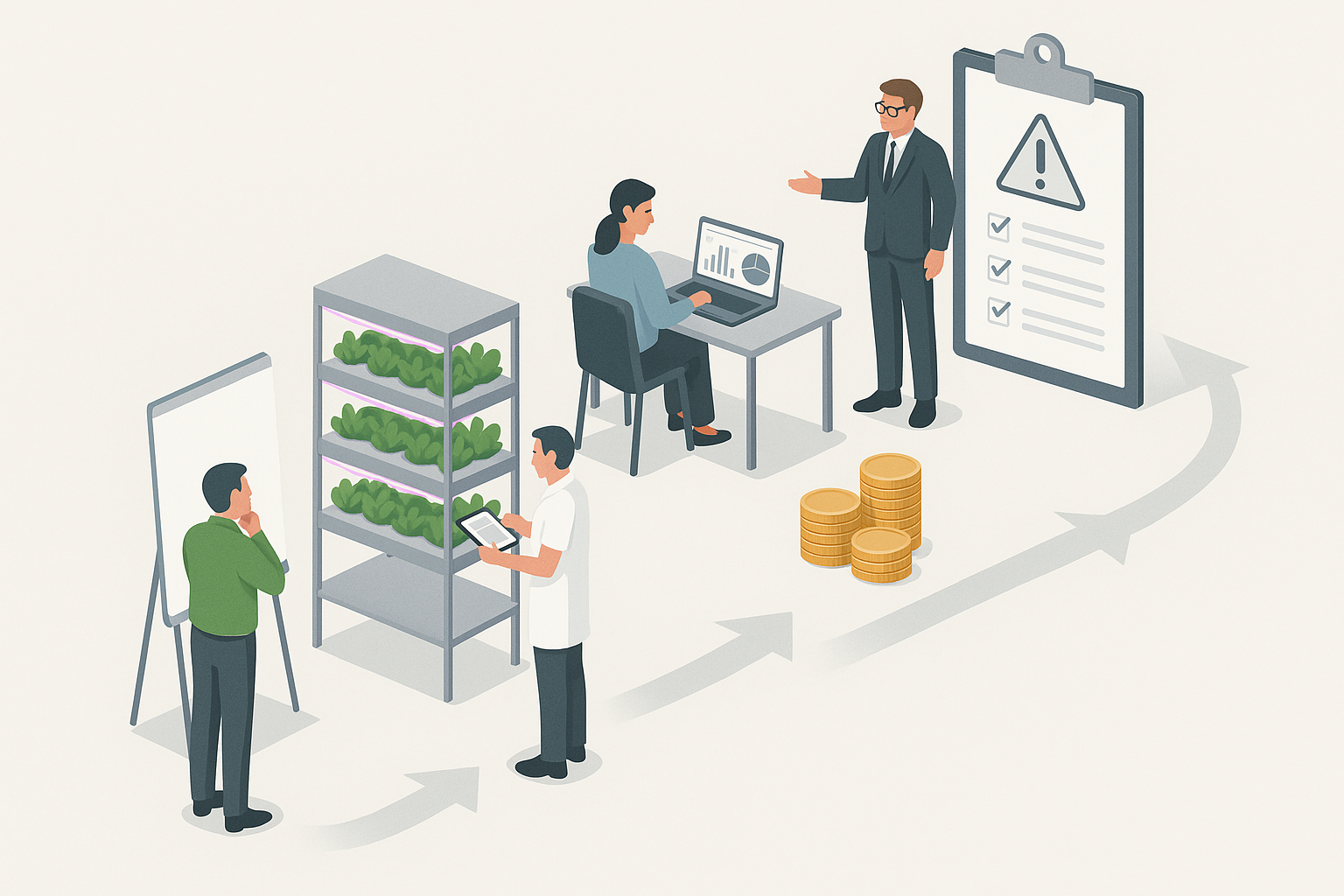
Effective project planning is essential for anyone seeking to build a viable business or research initiative in controlled environment agriculture (CEA). While
Designing a vertical farm customer strategy is as critical as perfecting the growing system itself. For many prospective growers, the central dilemma
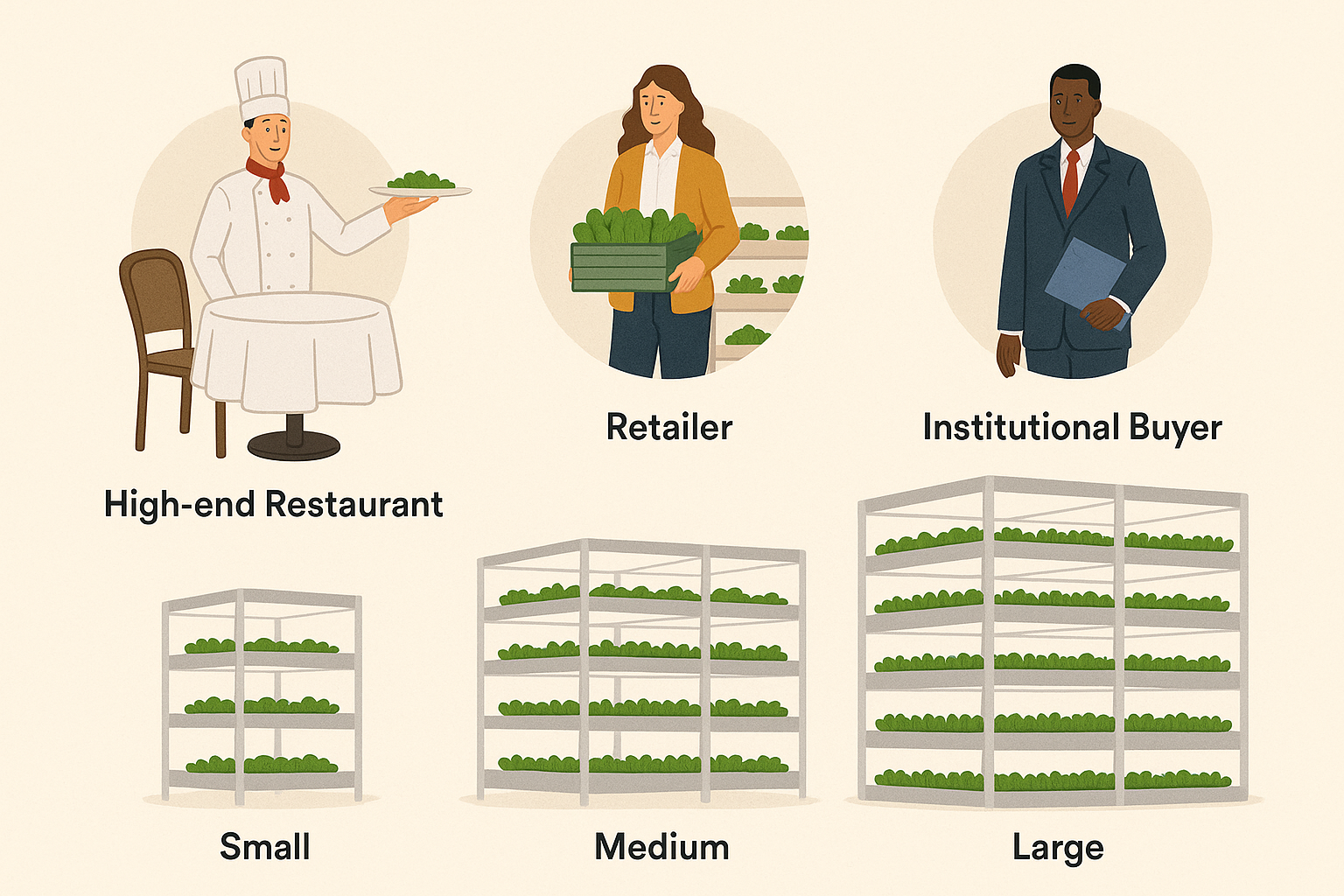
Understanding who to sell to is one of the most important decisions for any controlled environment agriculture (CEA) or vertical farming venture.

The ability to connect directly with consumers has never been more important for agricultural businesses. For vertical farms and other controlled environment
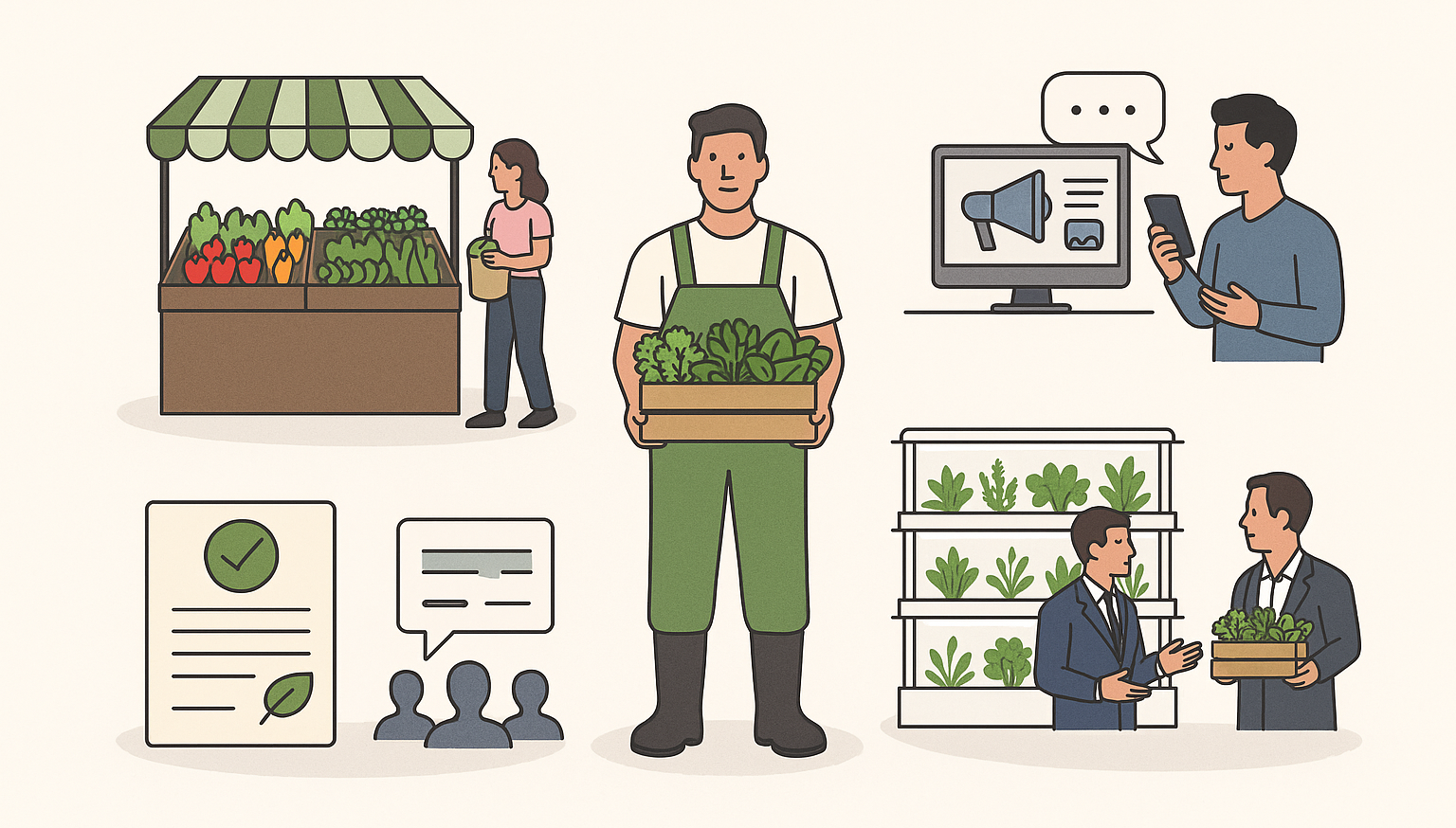
Marketing produce grown through Controlled Environment Agriculture (CEA) systems can present some unique opportunities and challenges. Effective marketing strategies should highlight the
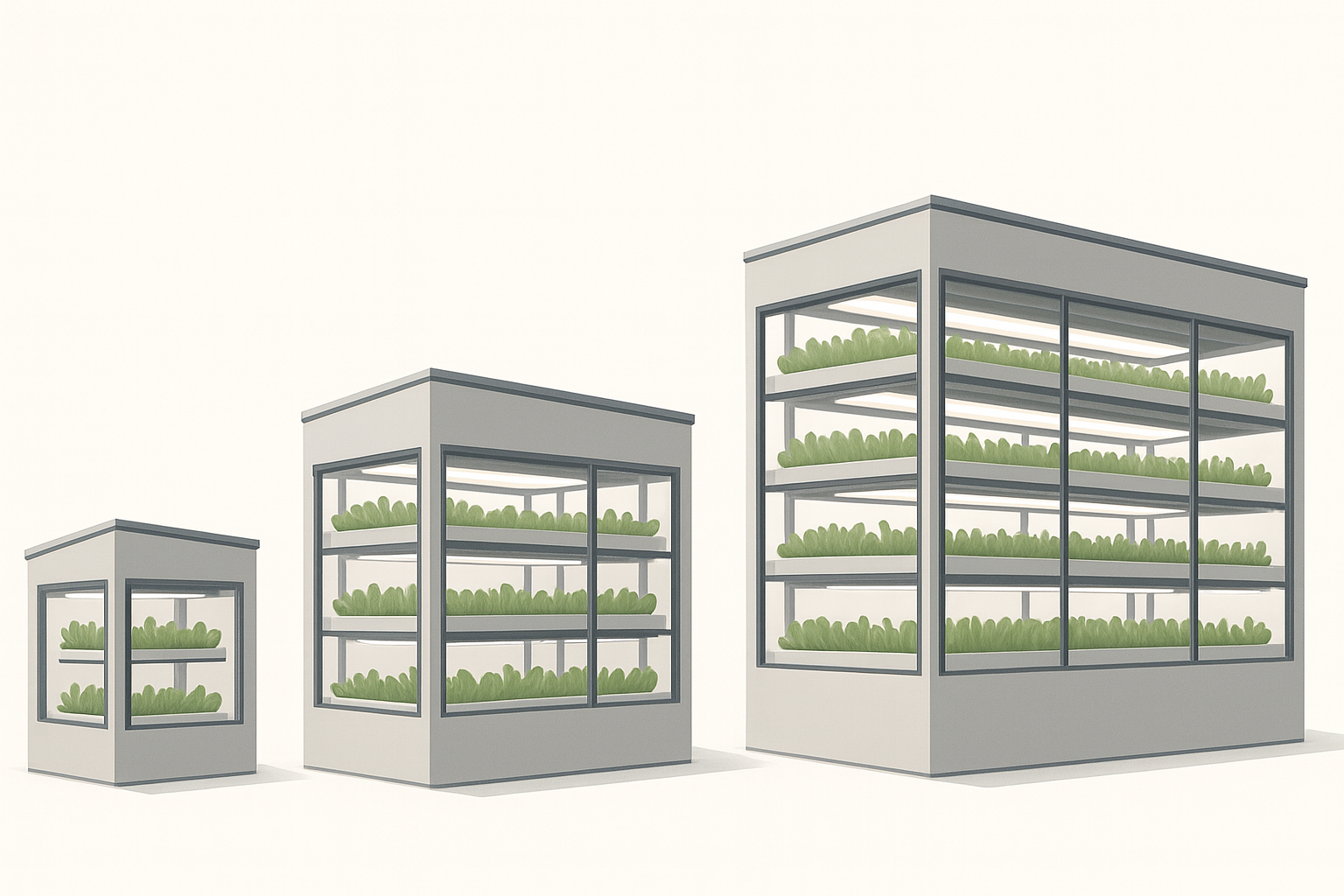
Introduction: the central challenge of scale One of the most persistent questions in the development of controlled environment agriculture (CEA) is how
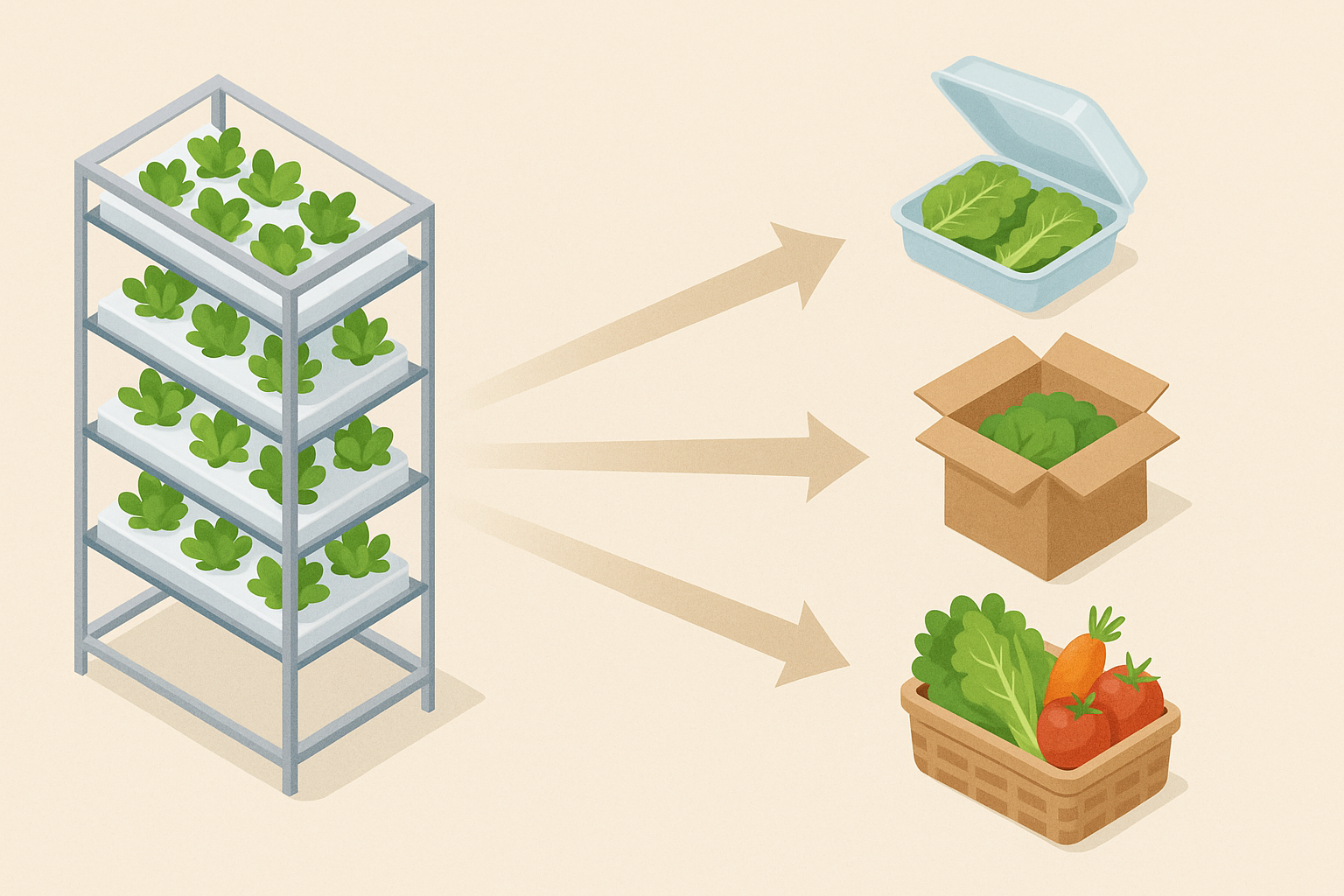
The success of a Controlled Environment Agriculture (CEA) or vertical farming enterprise depends not only on technical efficiency and yield but also
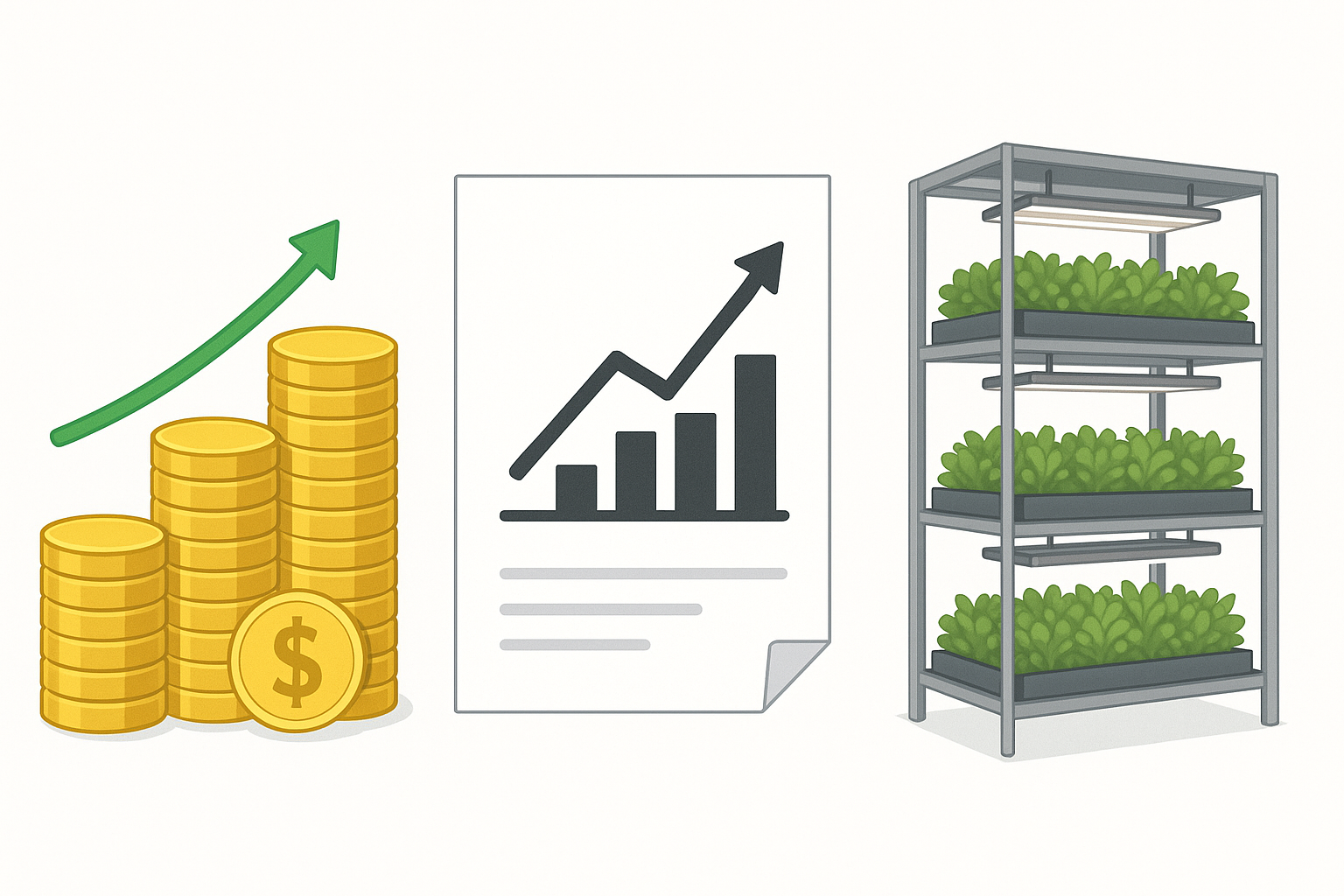
Understanding the potential for return on investment (ROI) for an indoor farming system is a central concern for anyone considering entering the
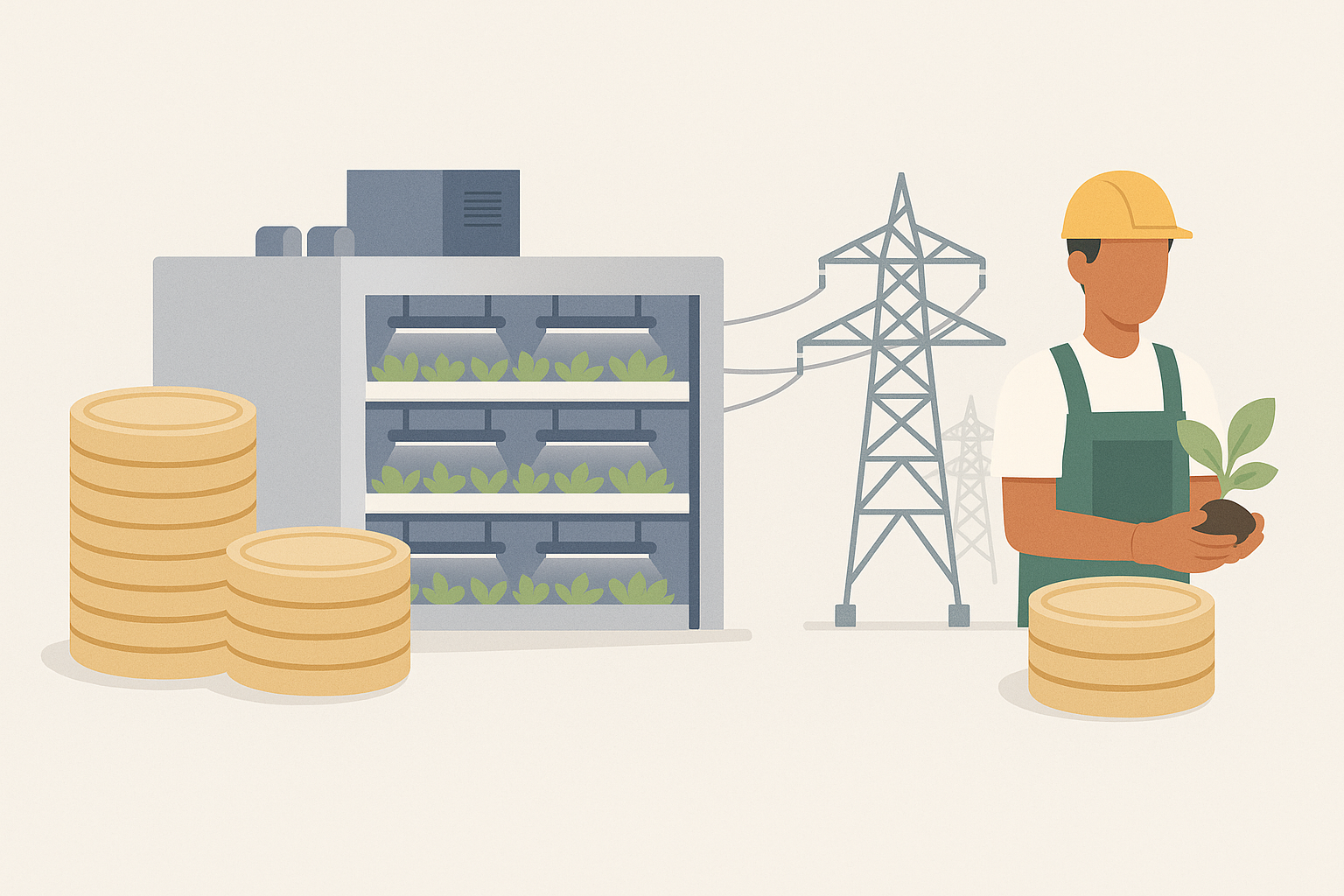
Controlled Environment Agriculture (CEA) and vertical farming are often presented as modern solutions to the challenges of food production in an era
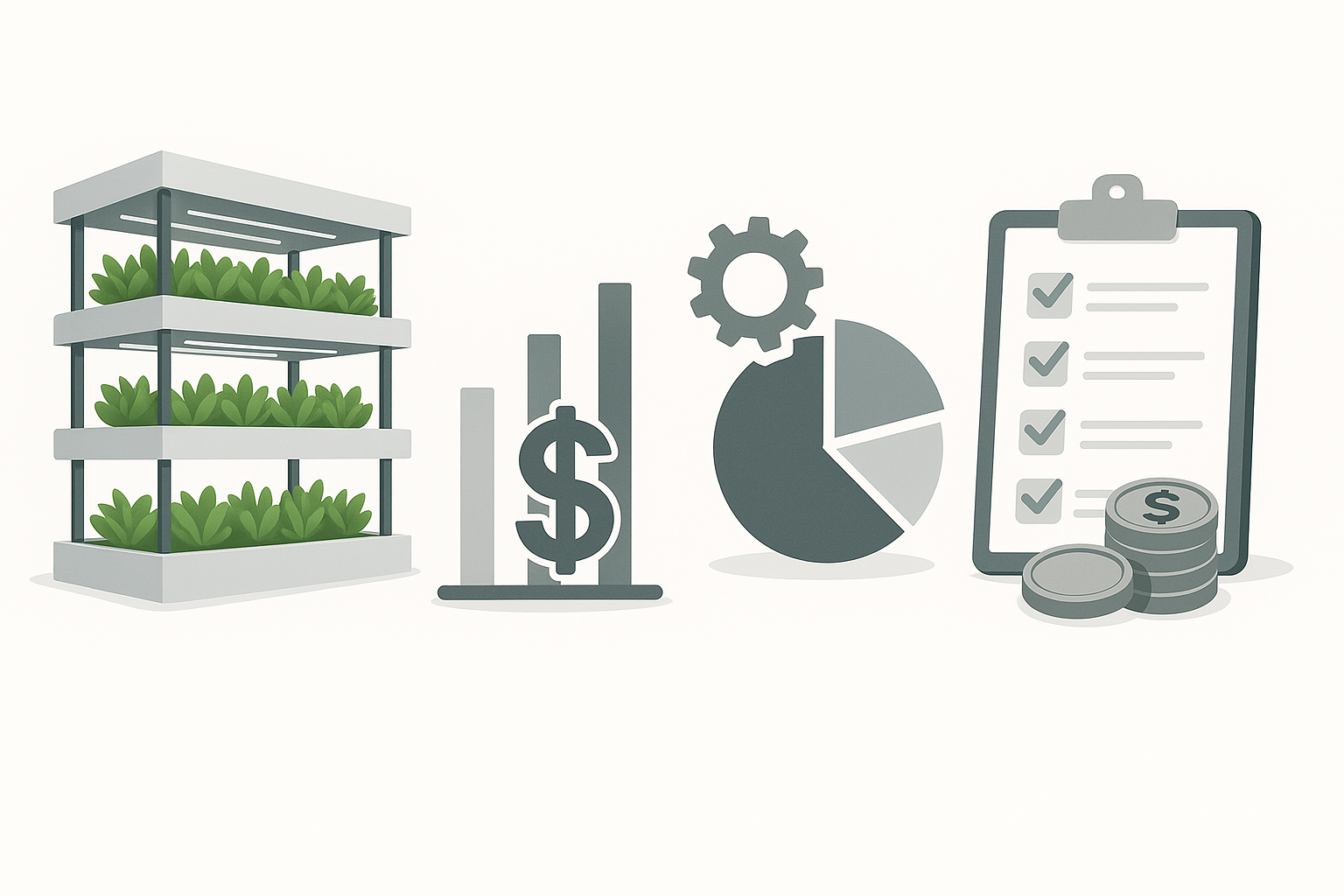
Introduction: Why Economics Matter in Indoor Farming Developing a viable and successful economic model for a vertical farm or CEA system is
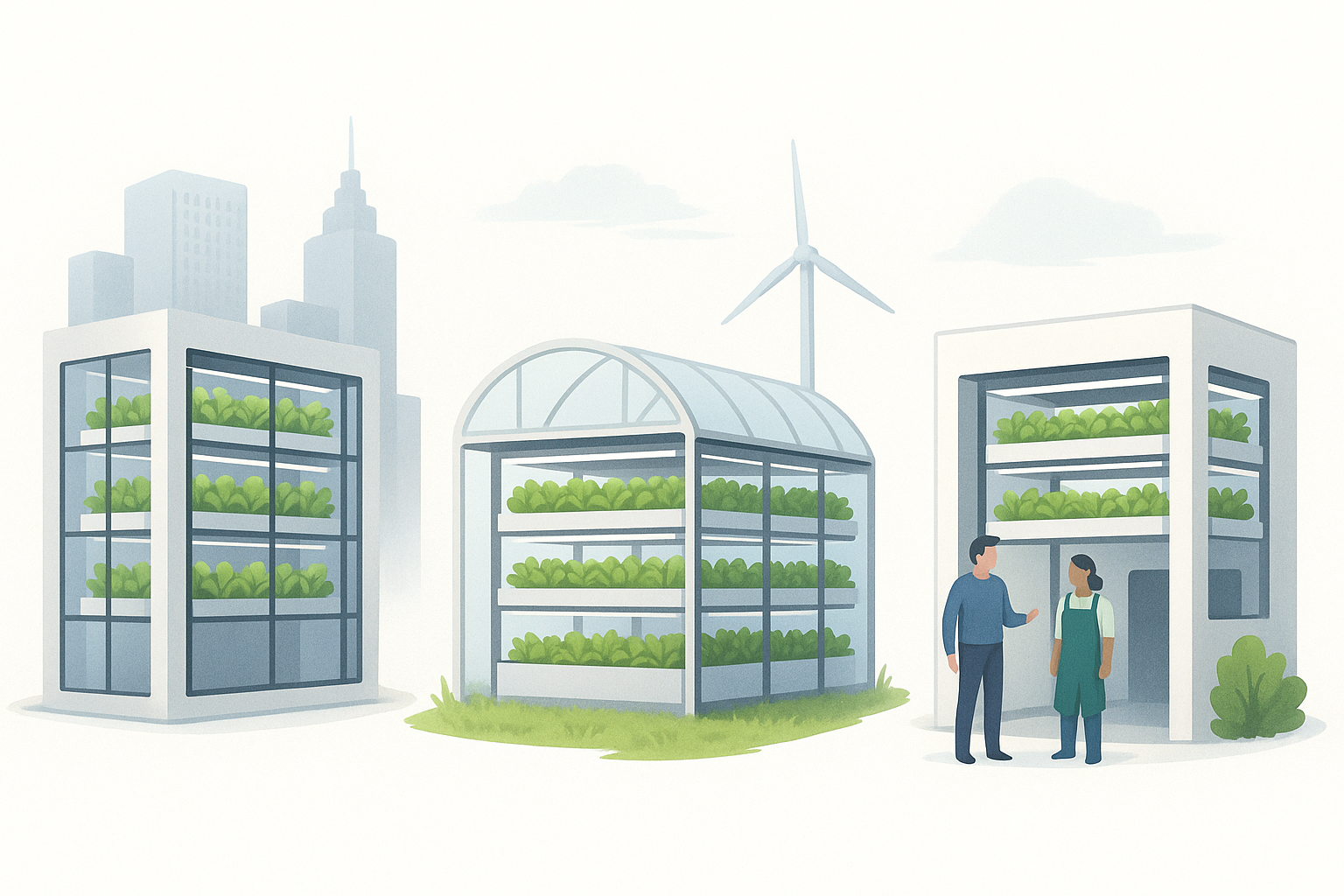
Understanding the range of different vertical farm types is useful for anyone interested in how controlled environment agriculture (CEA) adapts to its

Understanding what motivates people to start indoor farming is central to appreciating the rapid growth in the controlled environment agriculture (CEA) and
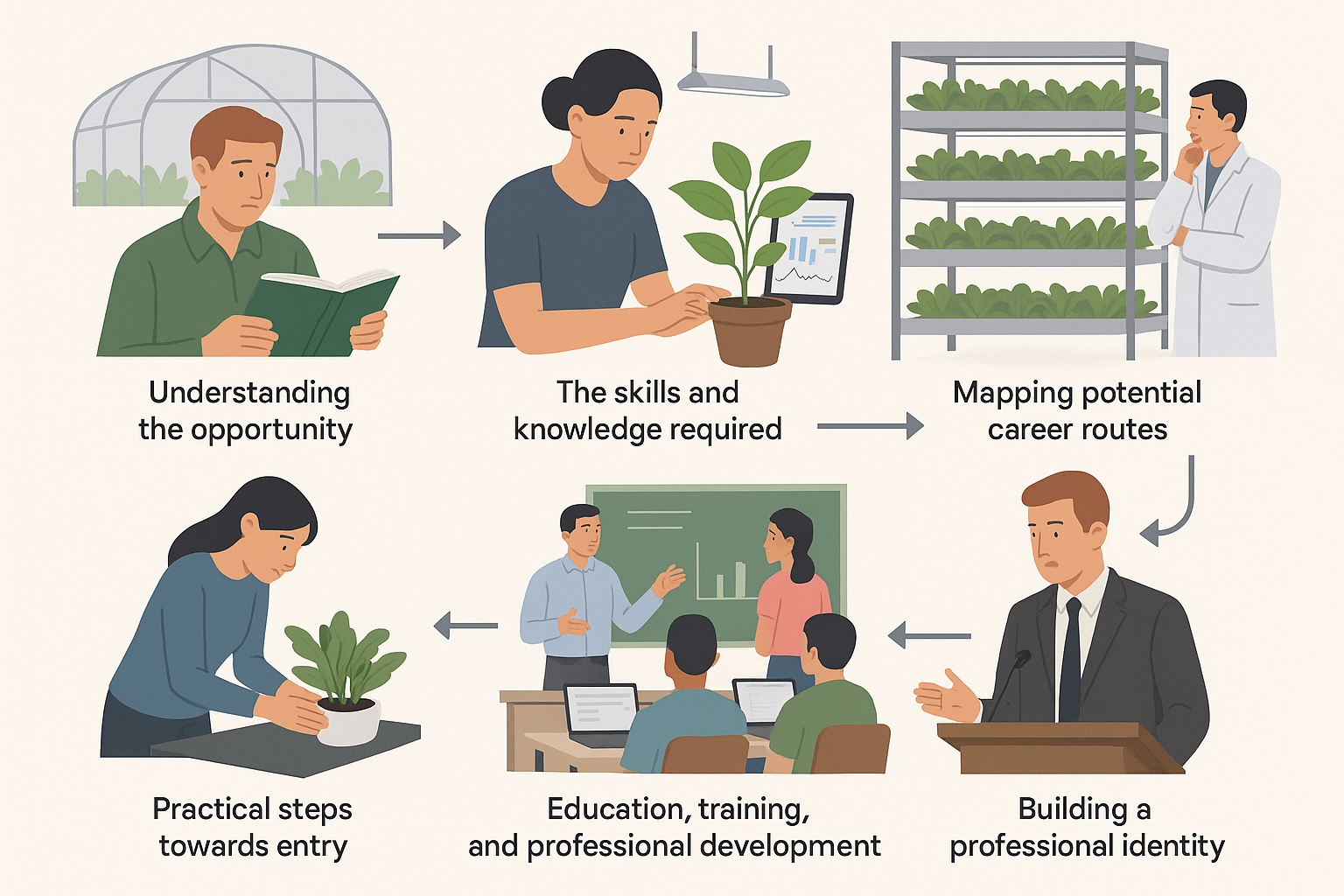
Understanding the opportunity For those wondering what steps to take for a career in indoor farming, the first stage is to appreciate
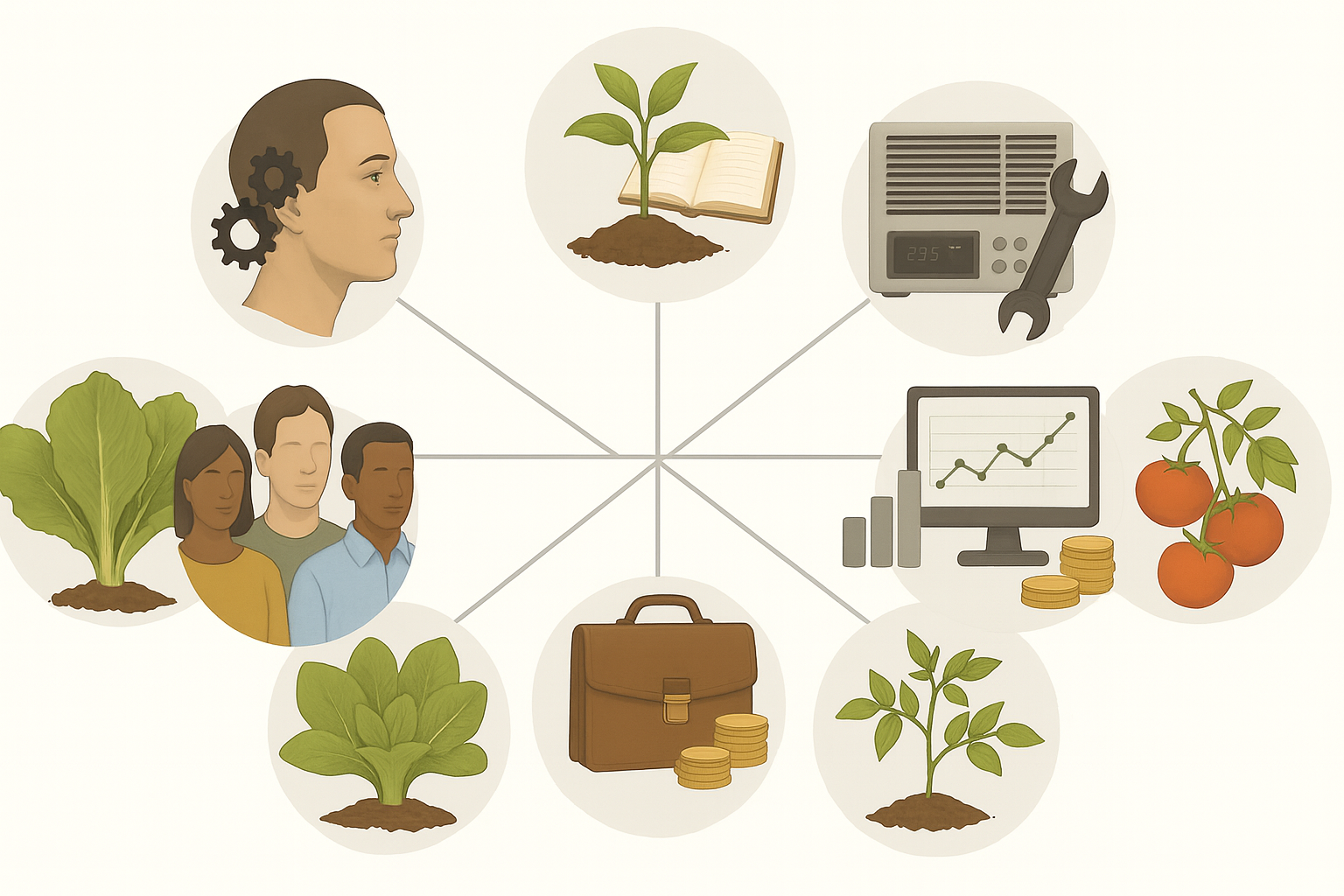
The question of what skills are needed for indoor farming has become increasingly relevant as vertical farming and other controlled environment agriculture
Asking the Core Question Many aspiring growers, investors, or innovators in agriculture today find themselves asking: should I start vertical farming? The

Introduction A well-structured business plan is one of the most important tools for anyone considering entering the field of controlled environment
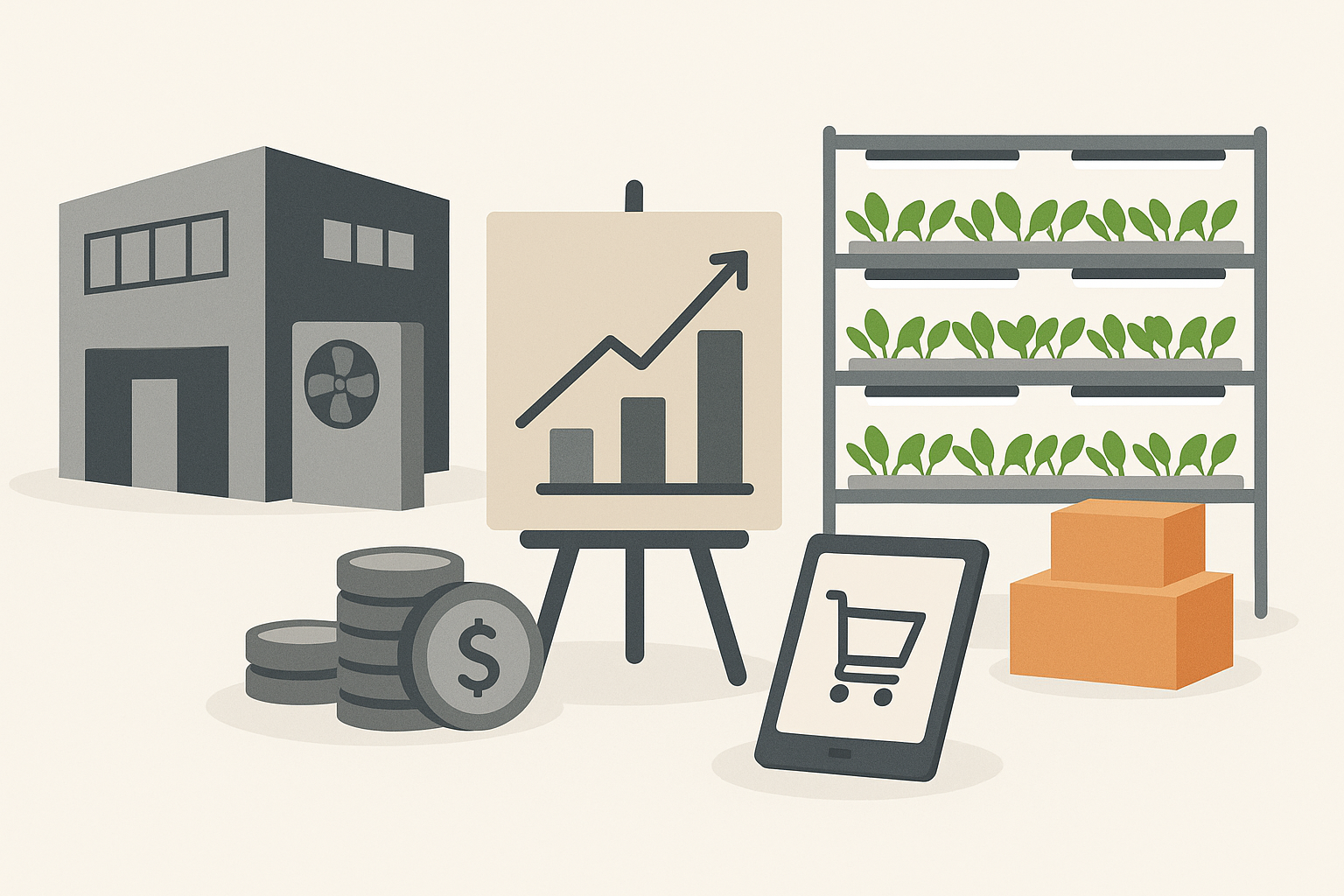
Introduction Business planning for Controlled Environment Agriculture (CEA) and vertical farming operations is a financial and strategic challenge that requires careful consideration
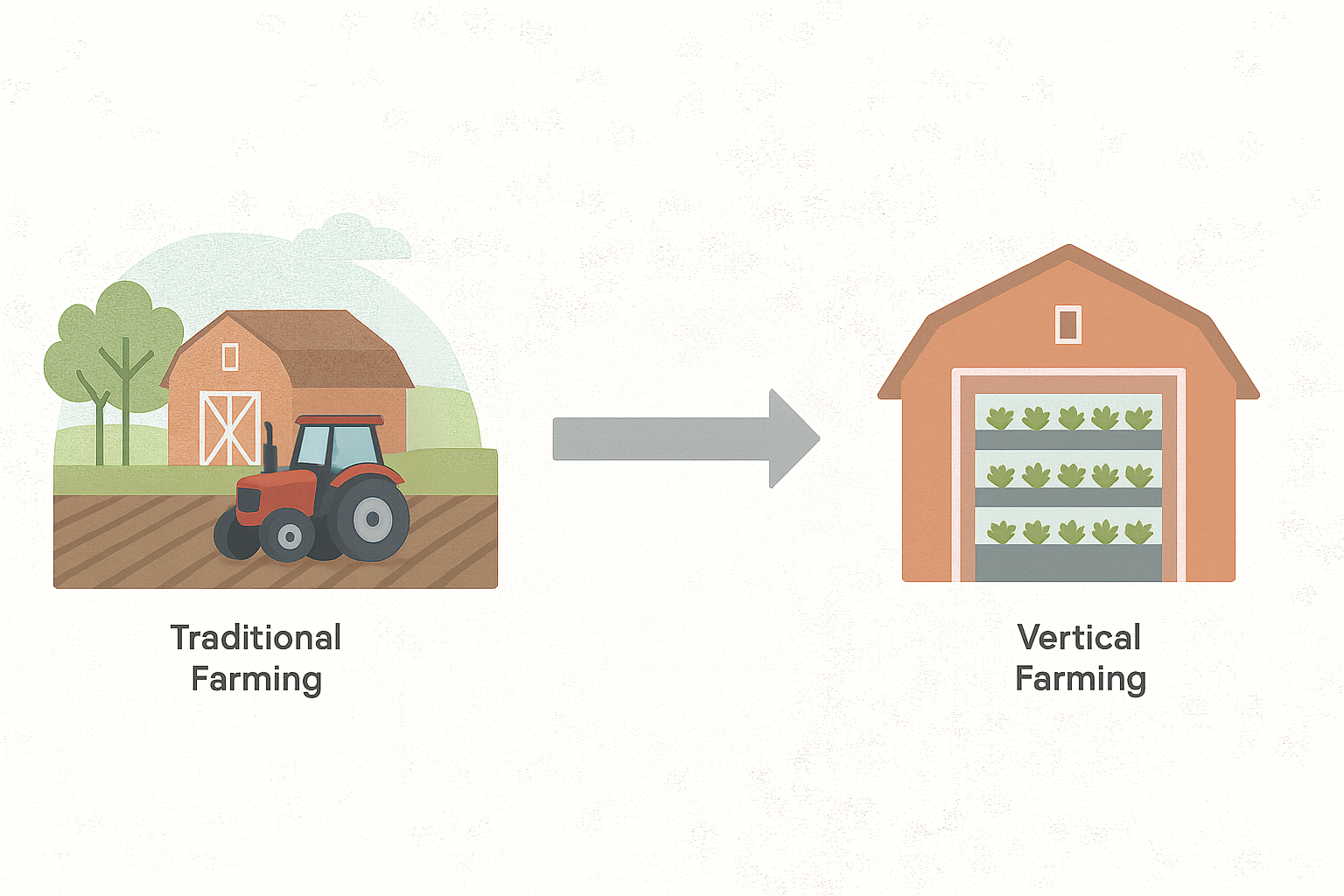
Introduction Across Europe and beyond, many conventional farmers are exploring ways to adapt to increasingly volatile markets, changing weather patterns, and shifting
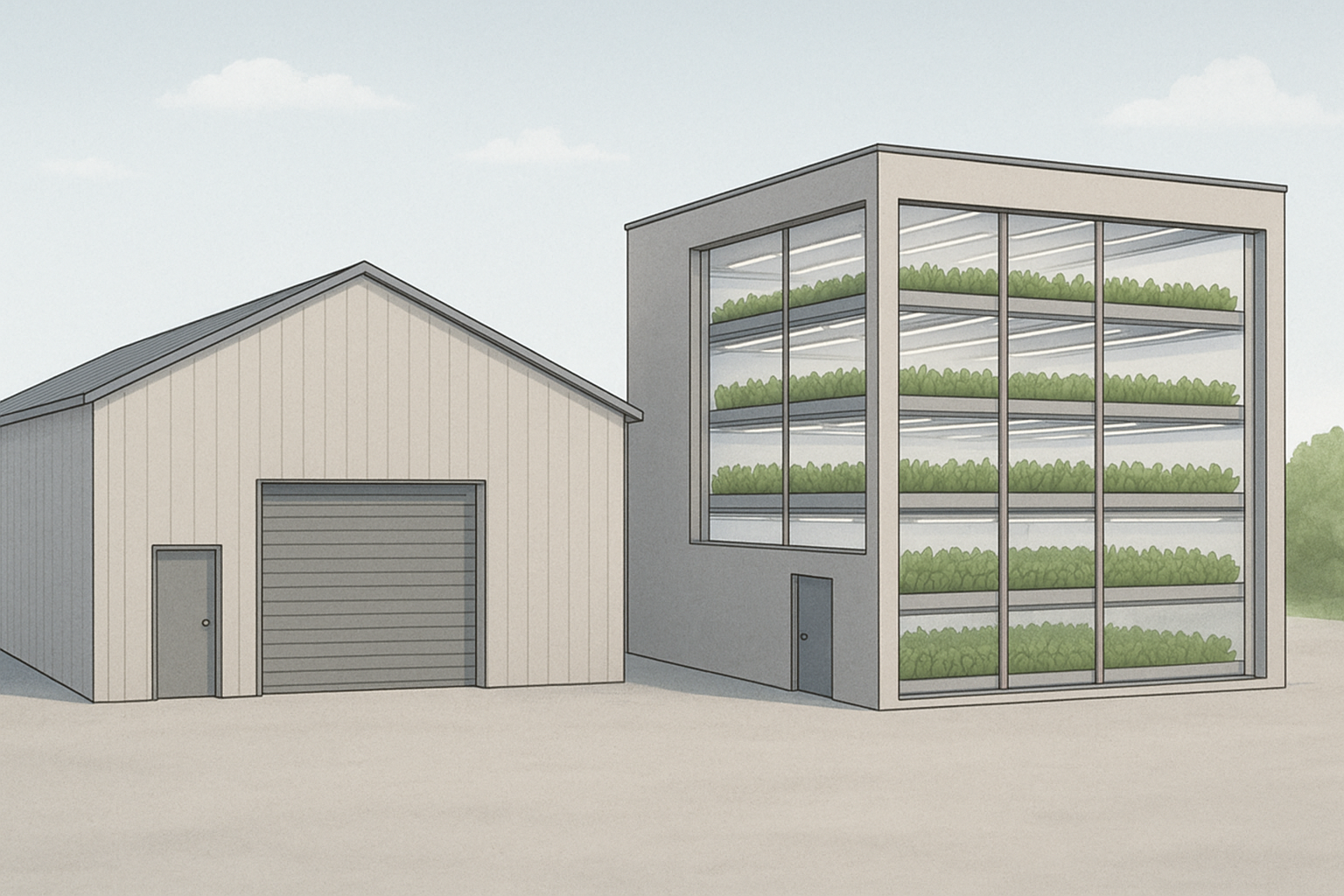
Introduction The rapid expansion of Controlled Environment Agriculture (CEA) and vertical farming has prompted an important debate: should we retrofit old buildings
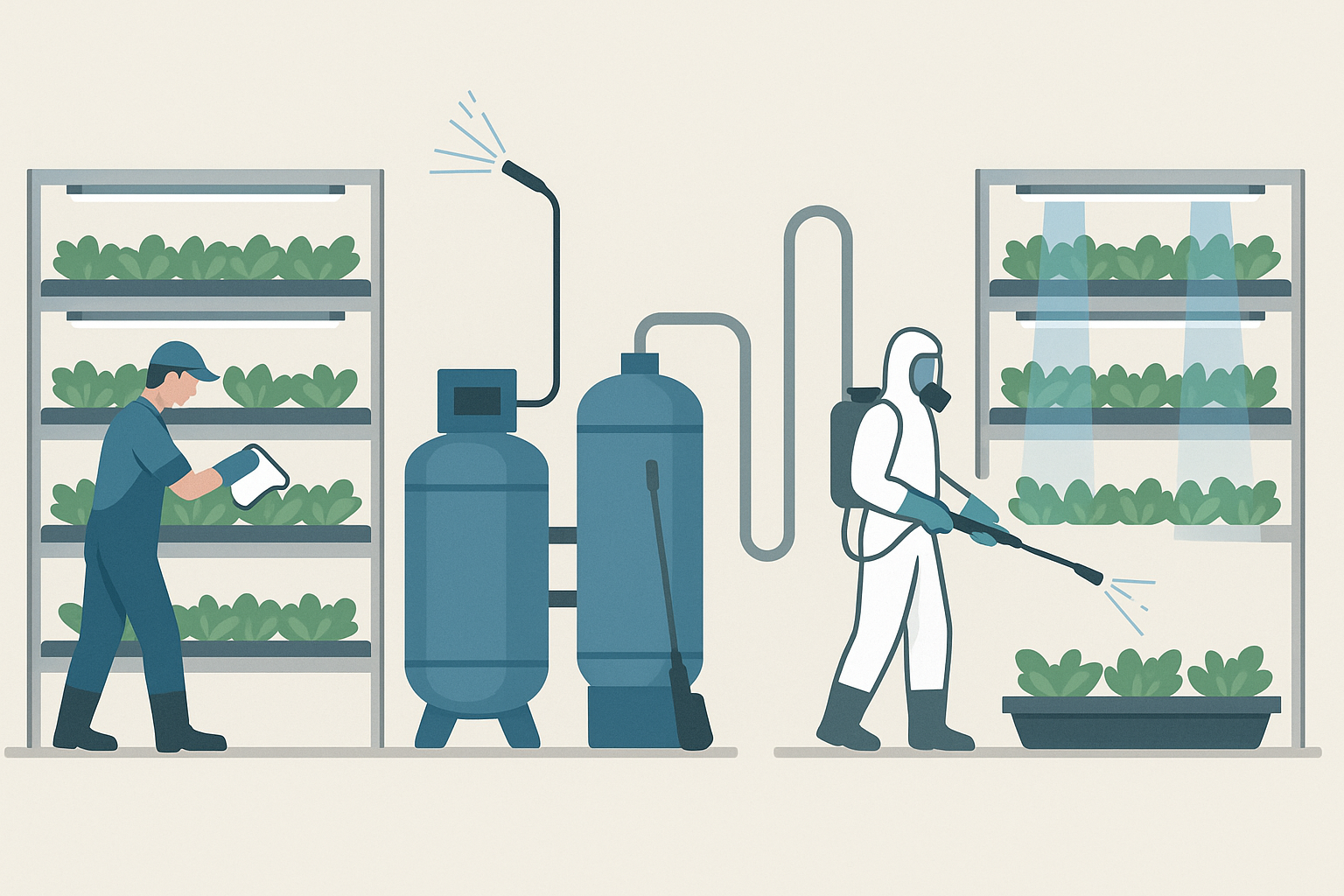
Introduction In controlled environment agriculture (CEA) and vertical farming, the effectiveness of cleaning and preparation has a direct influence on plant health,
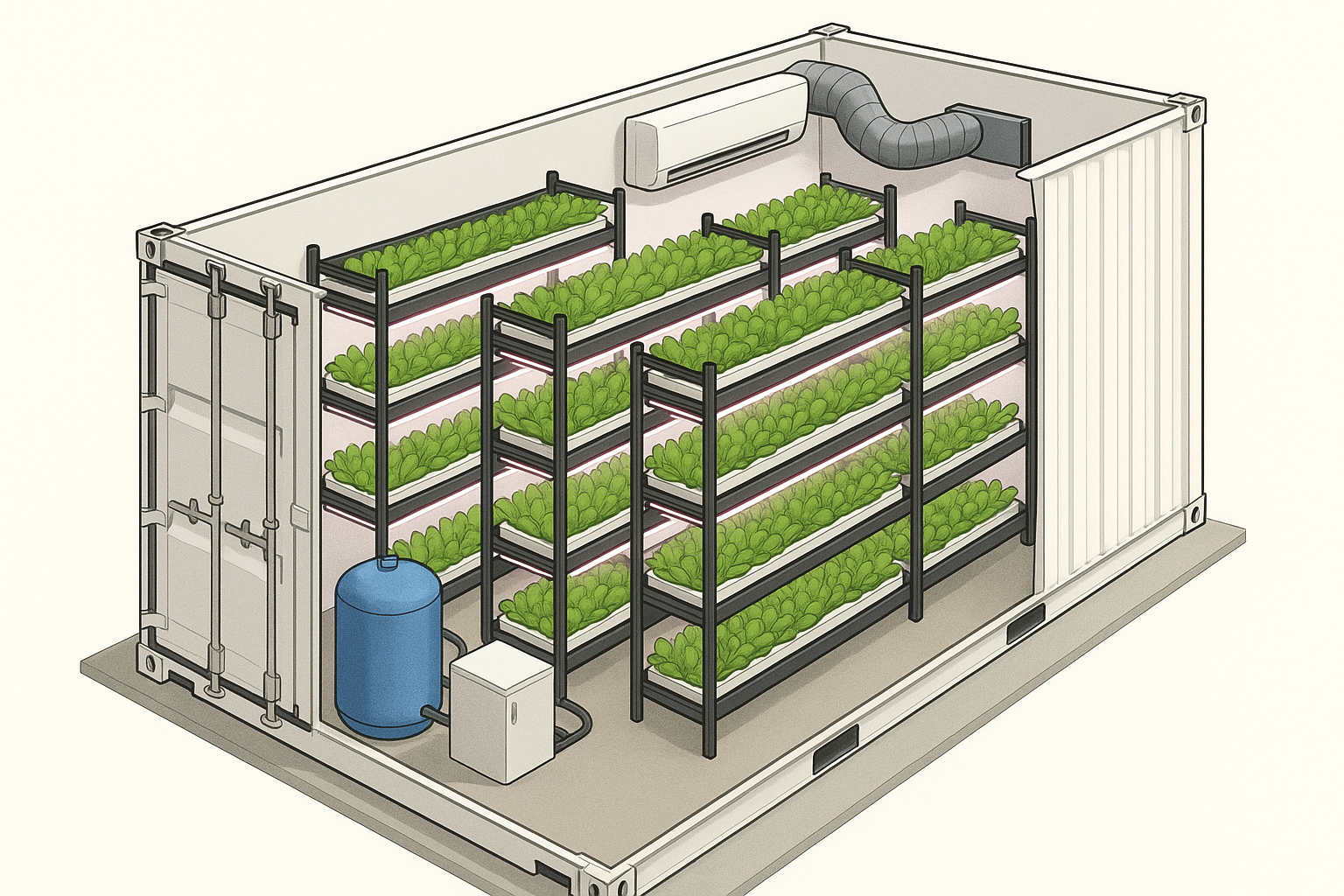
Introduction to Using Container Farms for Indoor Farming Using container farms for indoor farming has become an increasingly visible approach within the
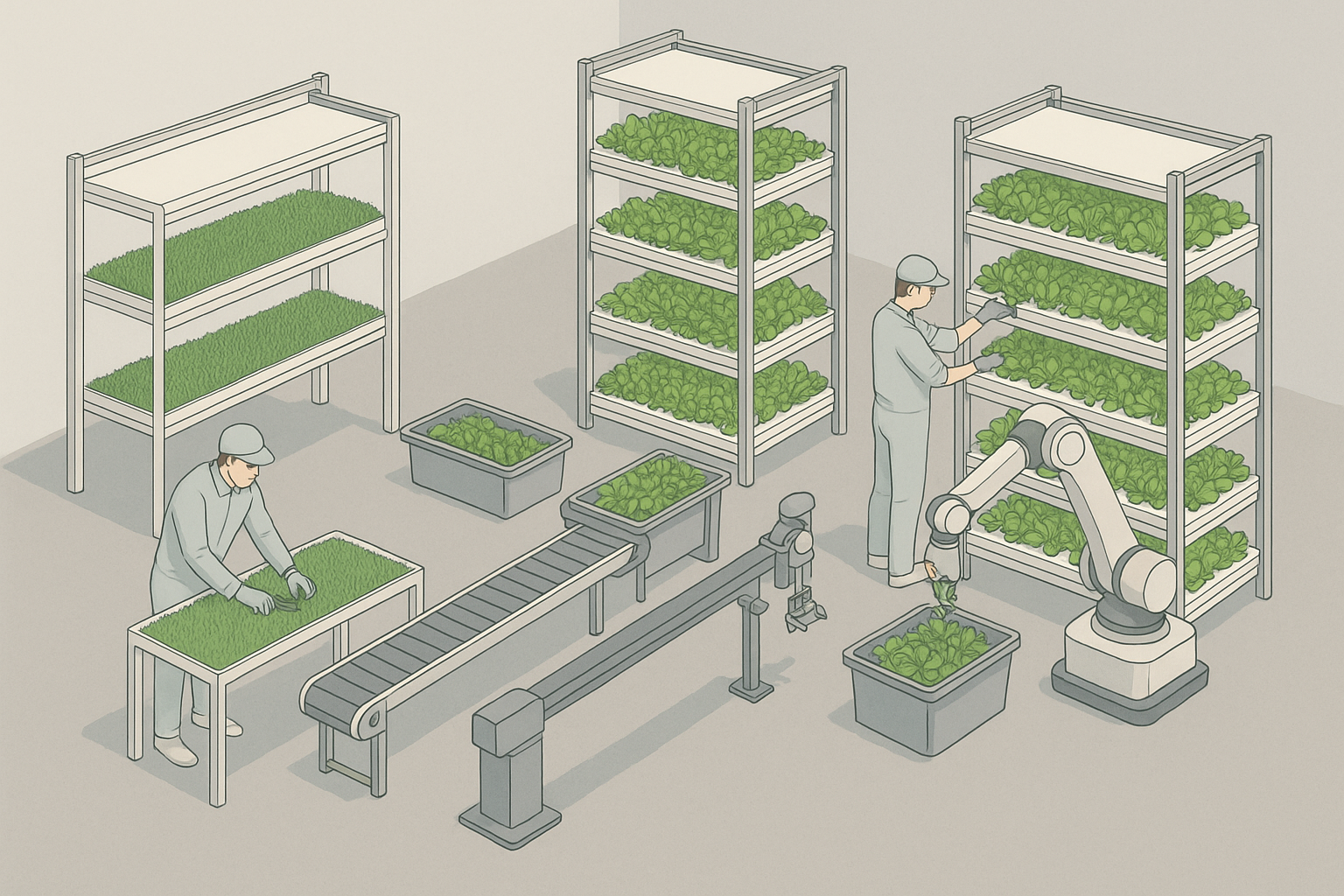
Harvesting is the defining stage that marks the transition from plant growth to food production. In controlled environment agriculture (CEA) and vertical
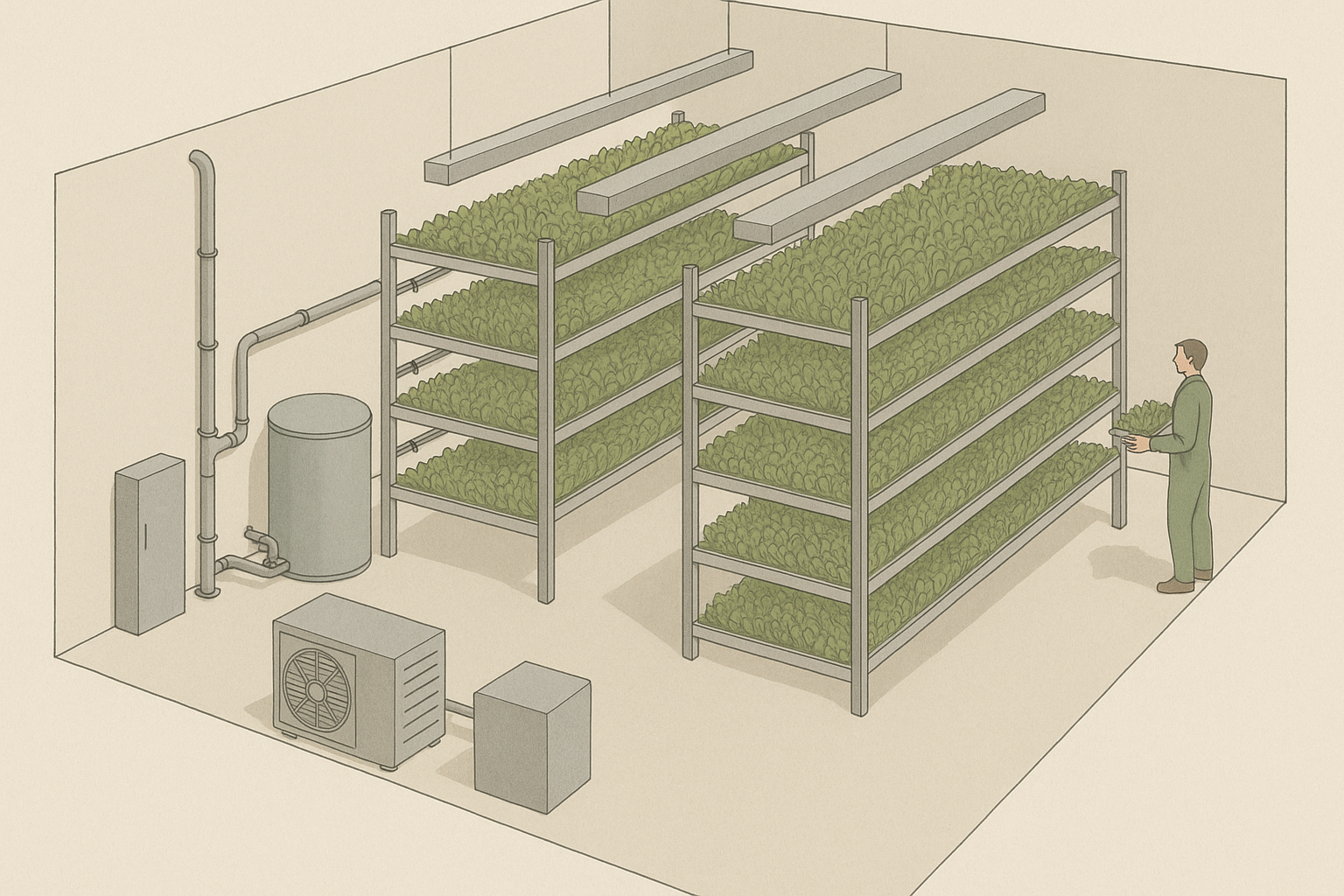
Designing an efficient farm layout is one of the most decisive factors in determining the success of controlled environment agriculture (CEA) and
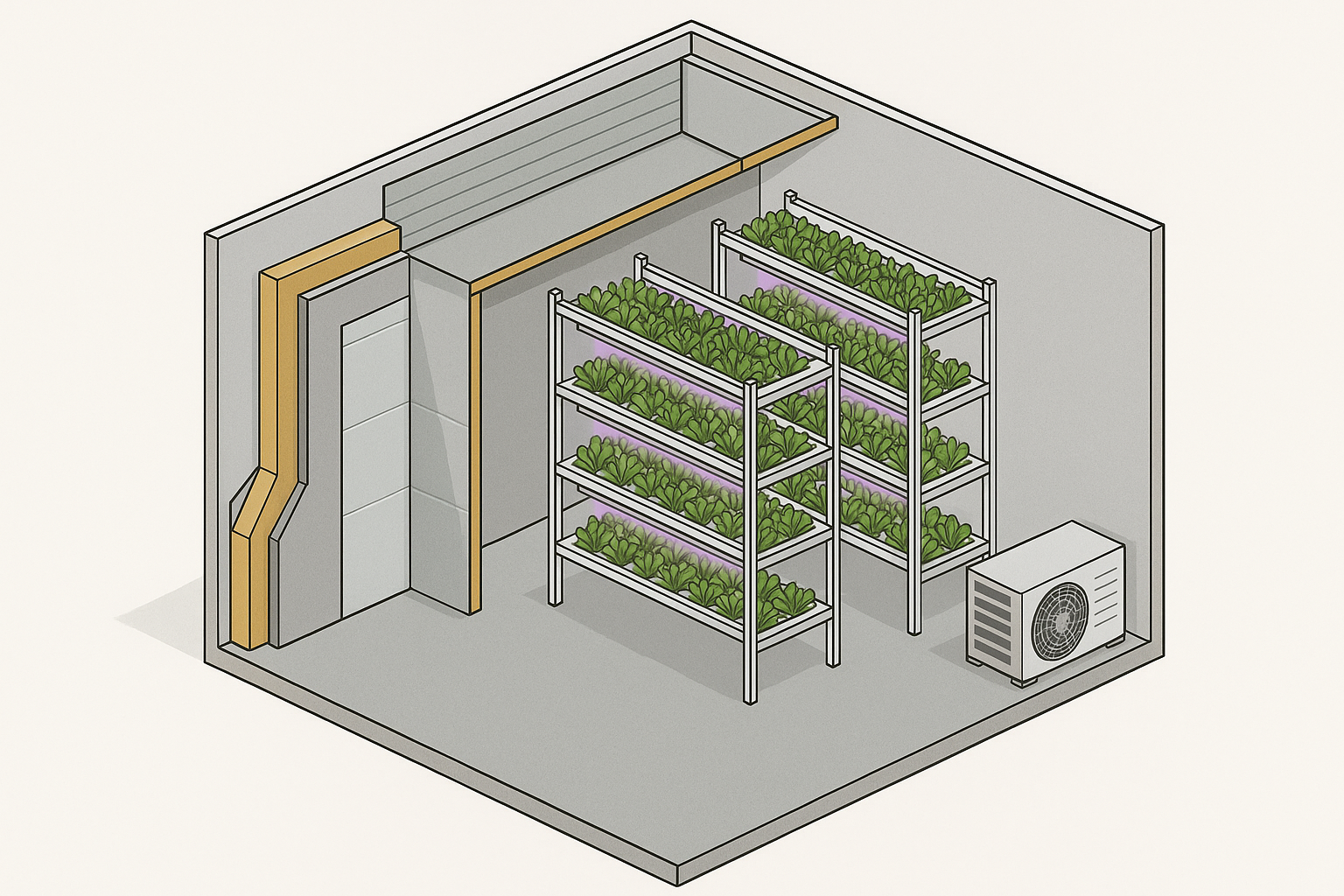
Introduction Insulation requirements for effective production in indoor farming are fundamental to the success of controlled environment agriculture (CEA) and vertical farming.
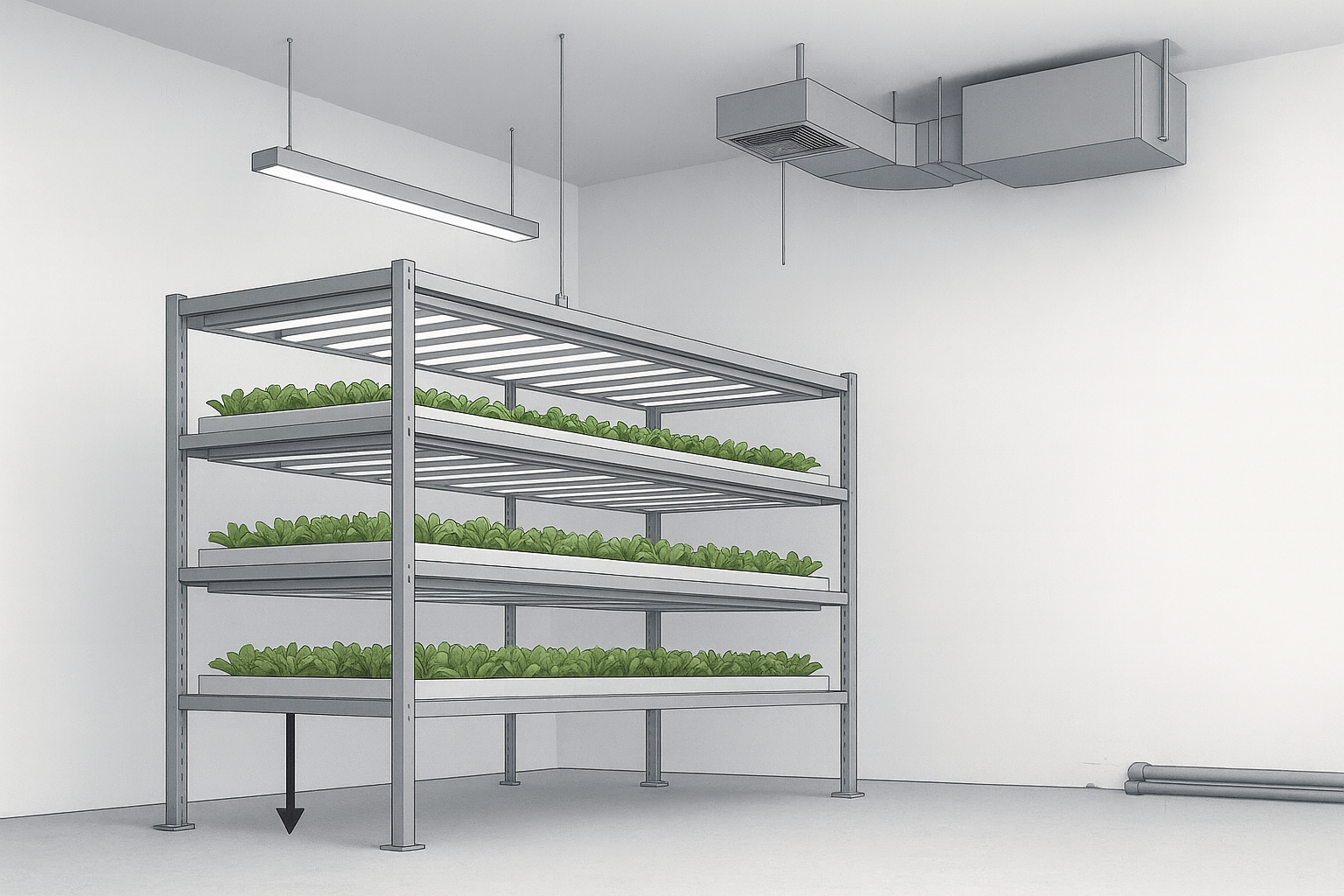
Designing a successful vertical farm requires careful consideration of how much weight a structure can safely carry. Load-bearing consideration for vertical
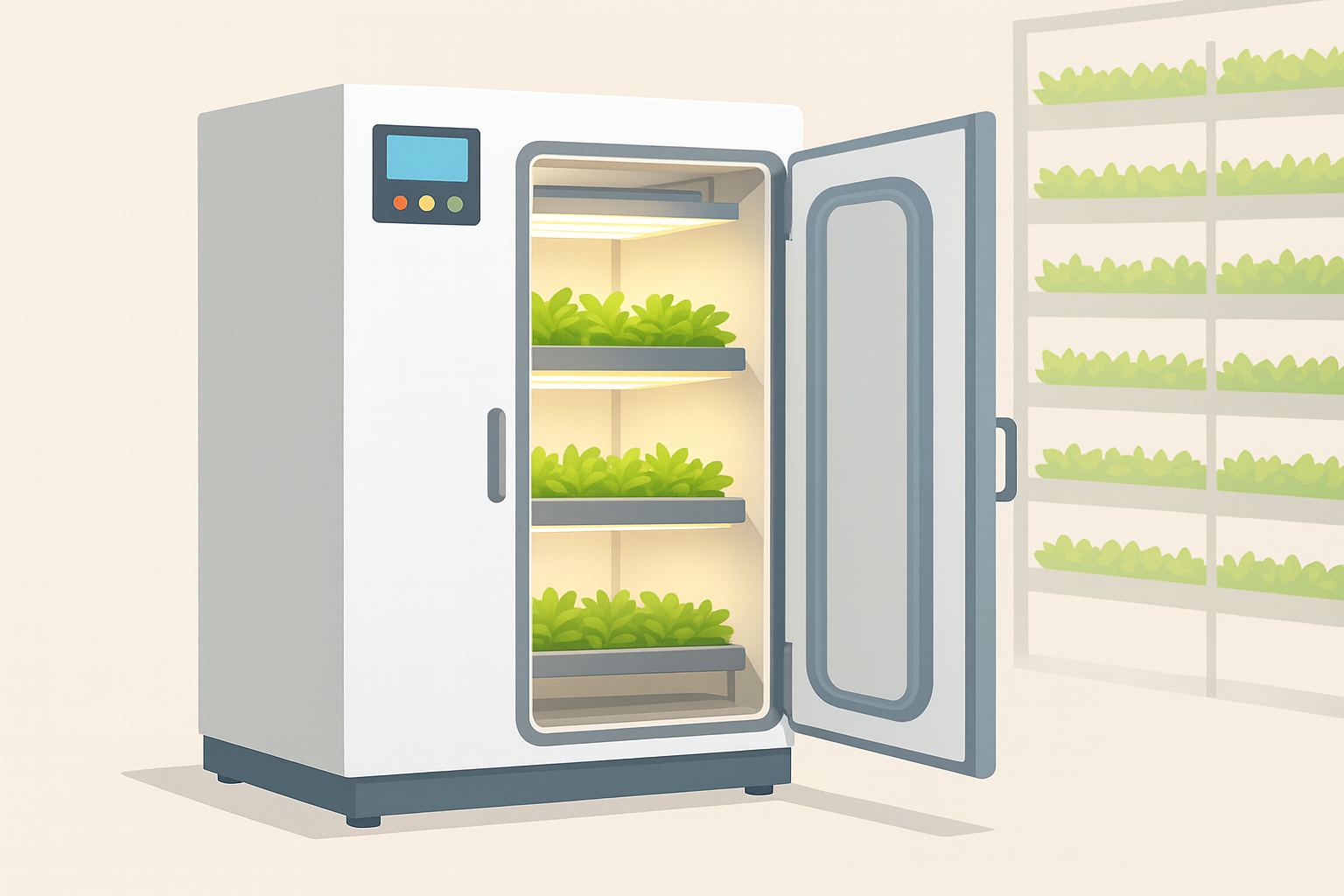
Using growth chambers for indoor farming provides a precise, repeatable, and controllable method of cultivating plants within fully enclosed environments. These chambers
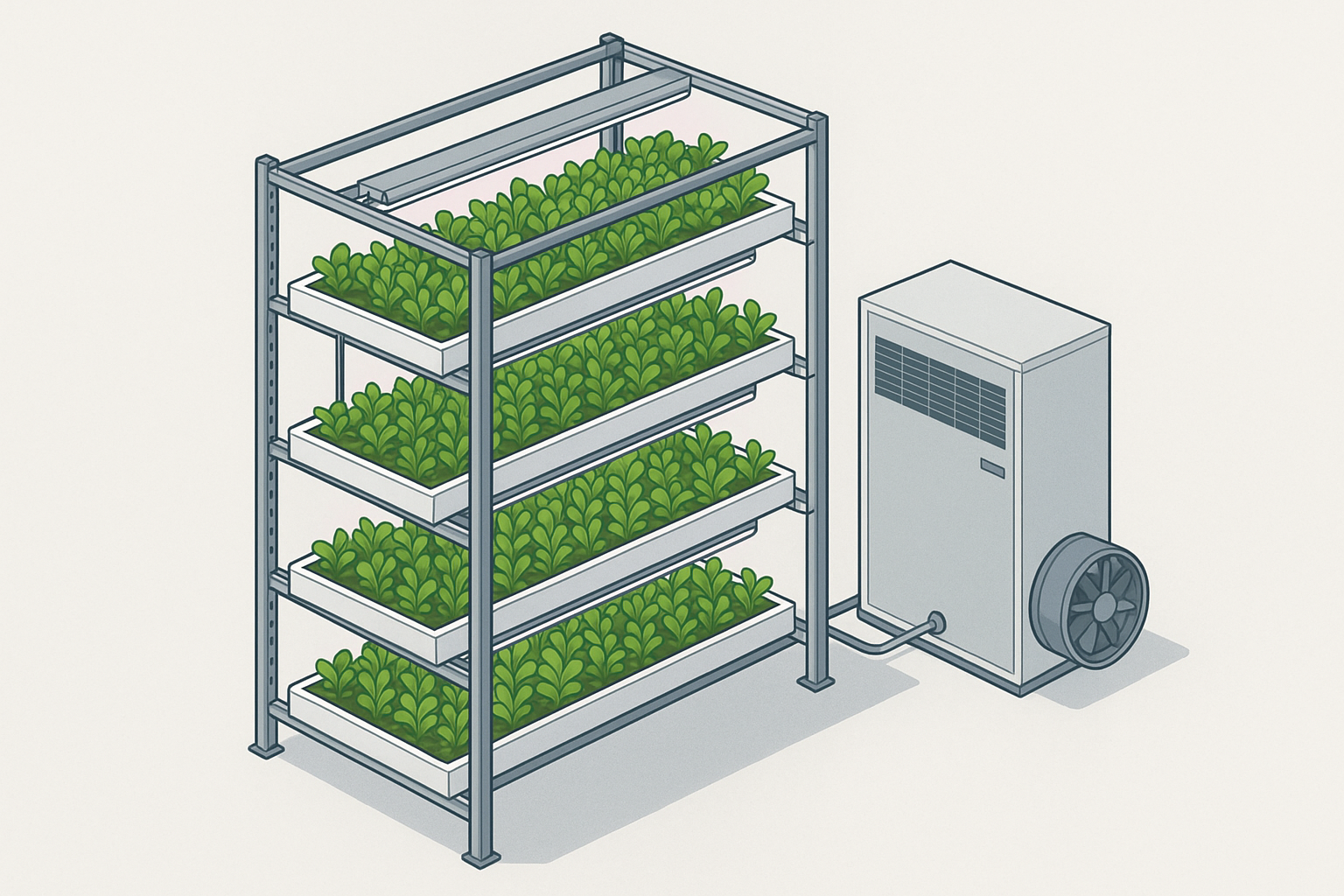
Introduction to Vertical Farming Racks in Indoor Agriculture Using vertical farming racks for indoor farming is a core design choice in many
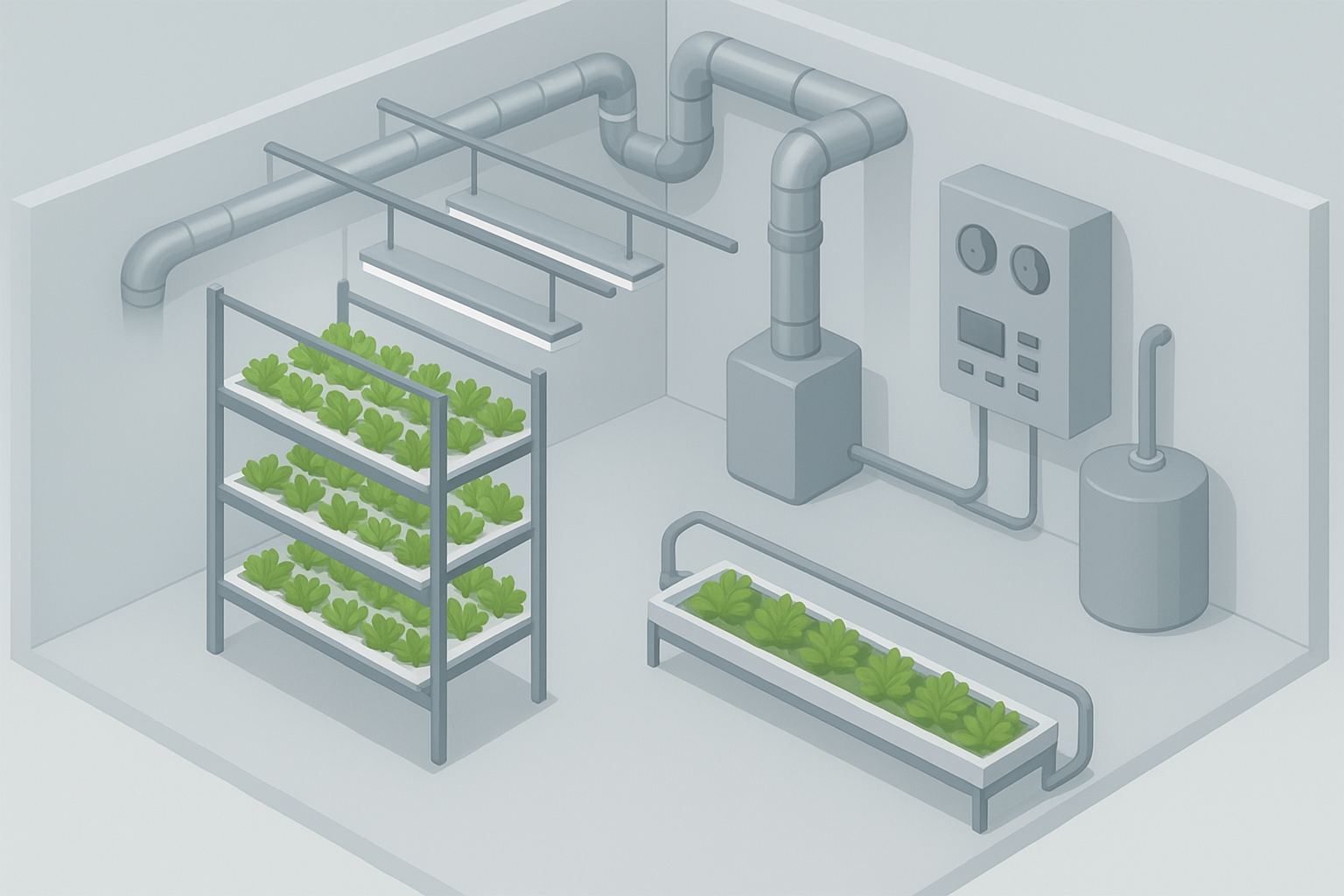
Introduction to System Design in Indoor Farming System designs which are optimised for maximum efficiency in space and energy use are essential

Here is the information for all to see, general intro etc.
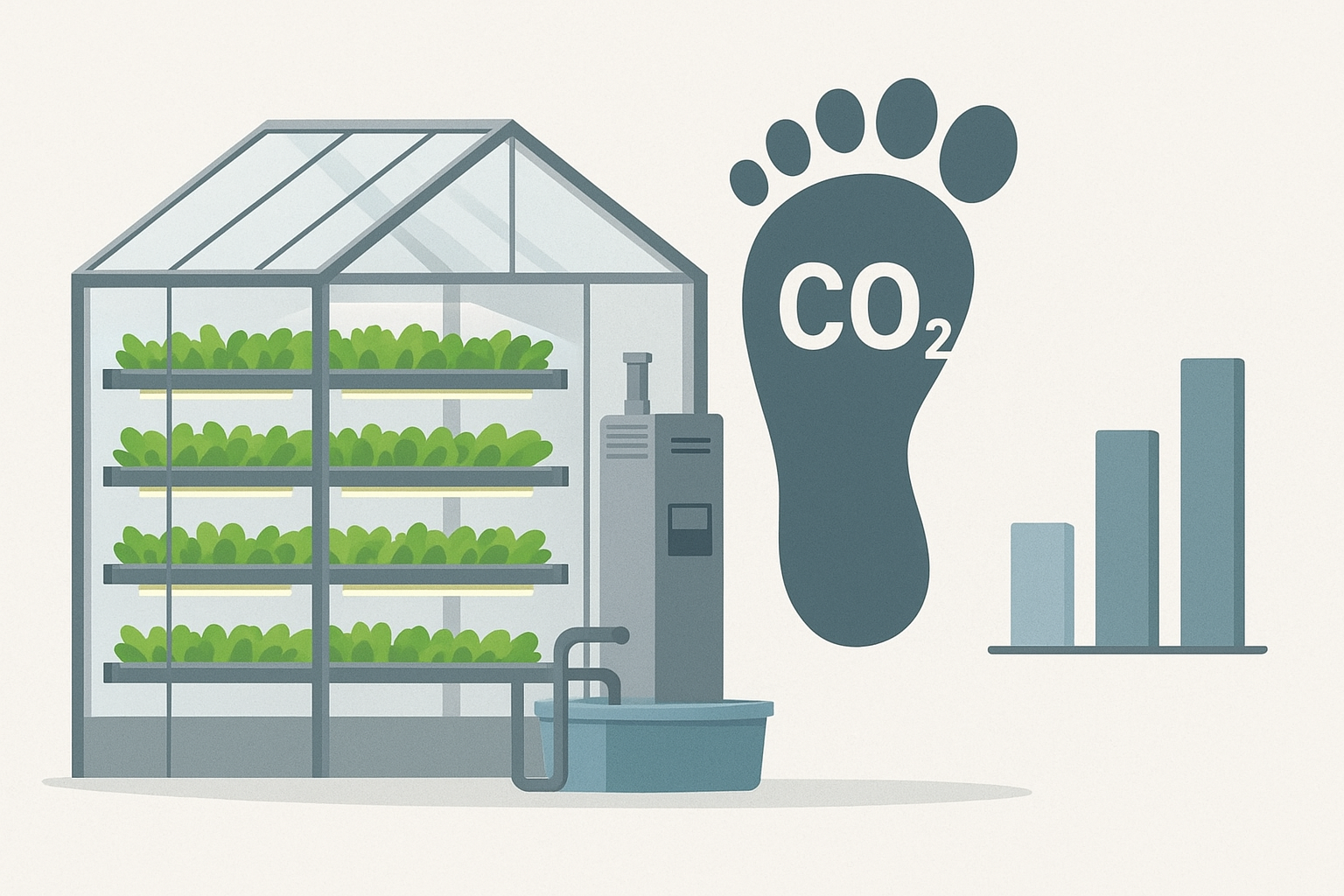
Understanding Life Cycle Assessment in Indoor Farming Determining the carbon footprint of indoor farming systems, via approaches such as life cycle assessment
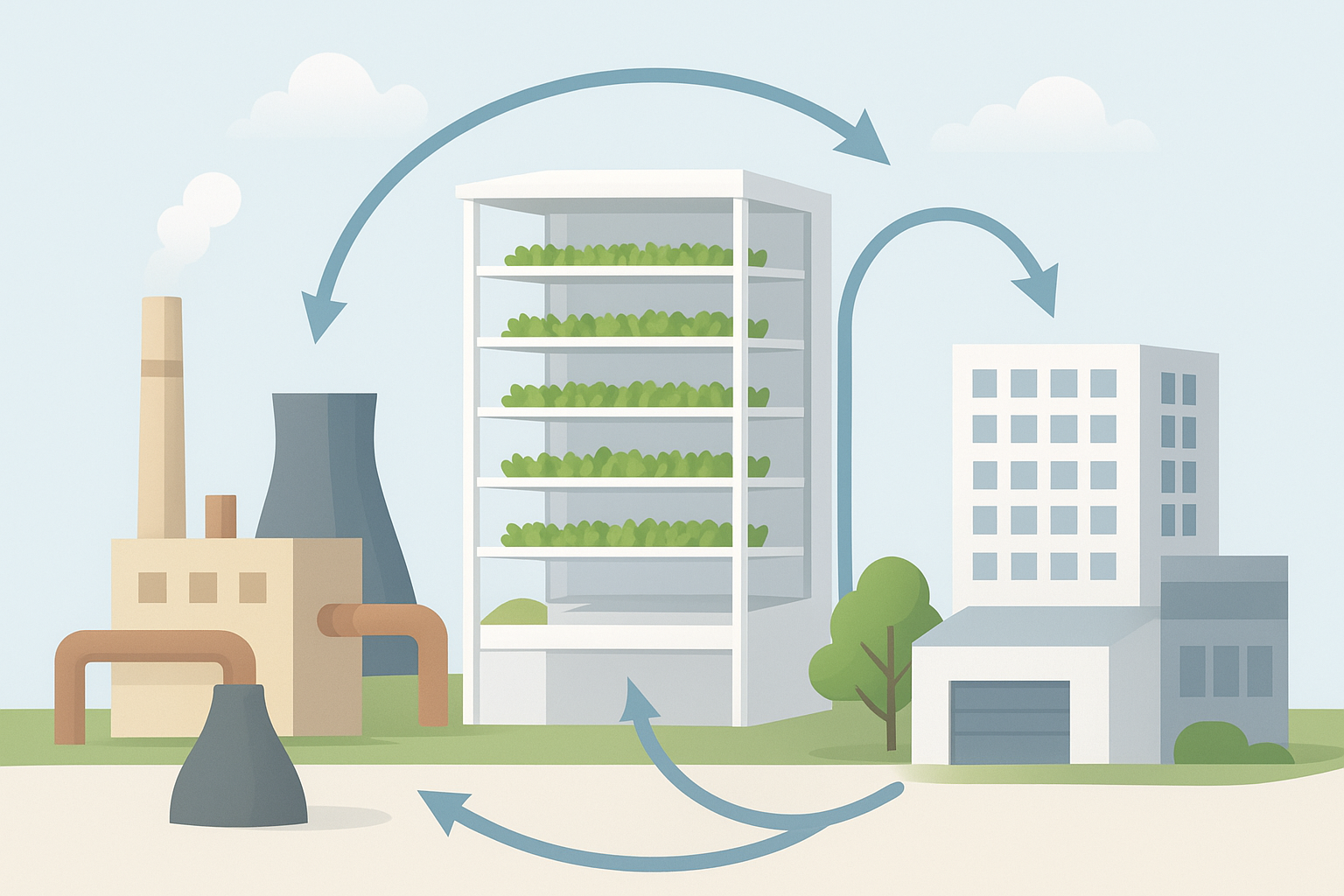
Introduction: Defining Co-location Opportunities for Indoor Farming Systems Co-location as an action refers to the strategic siting of controlled environment
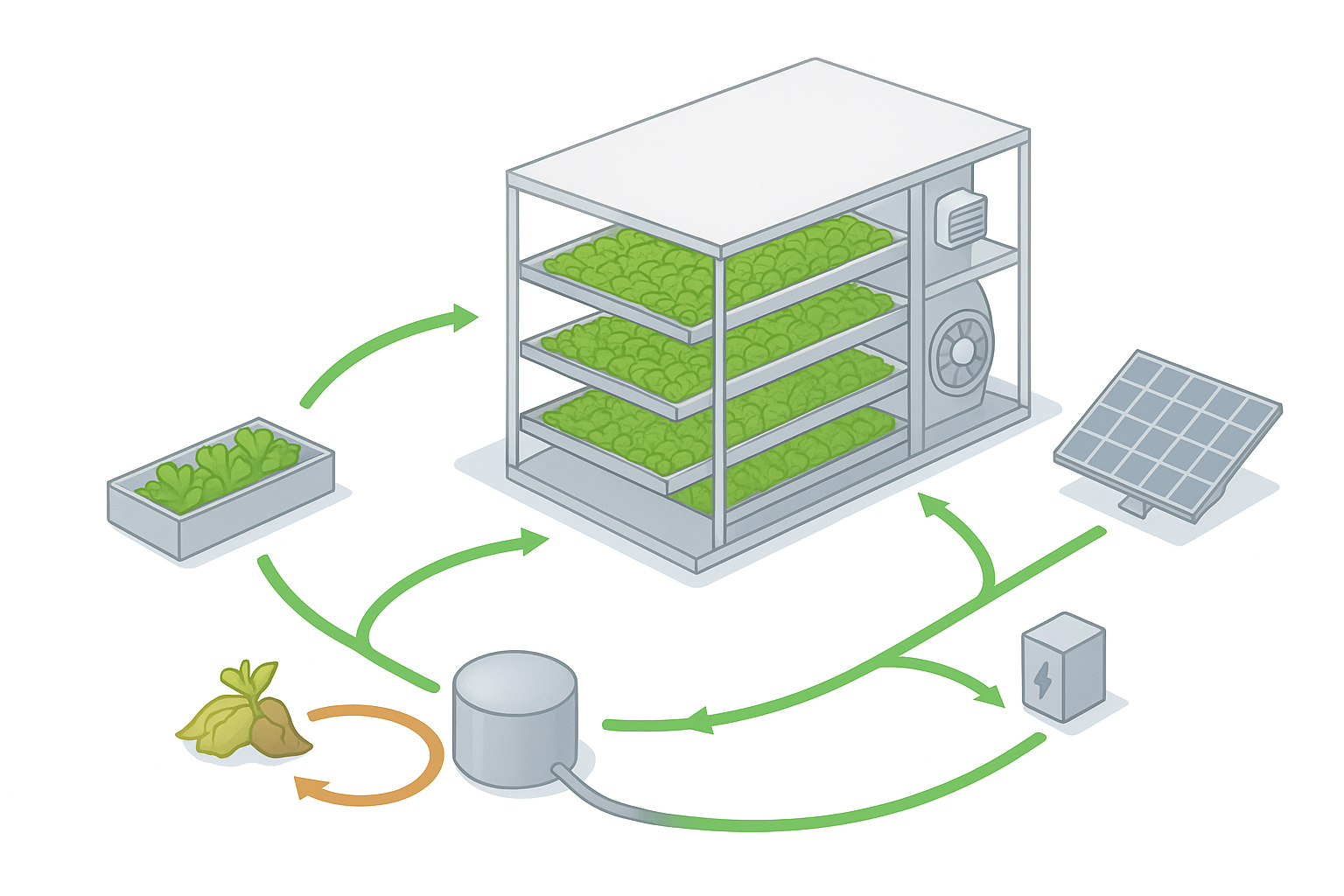
Introduction: Linking Circular Economies and Indoor Farming Circular economies in indoor farming represent a systematic shift from the traditional linear model of
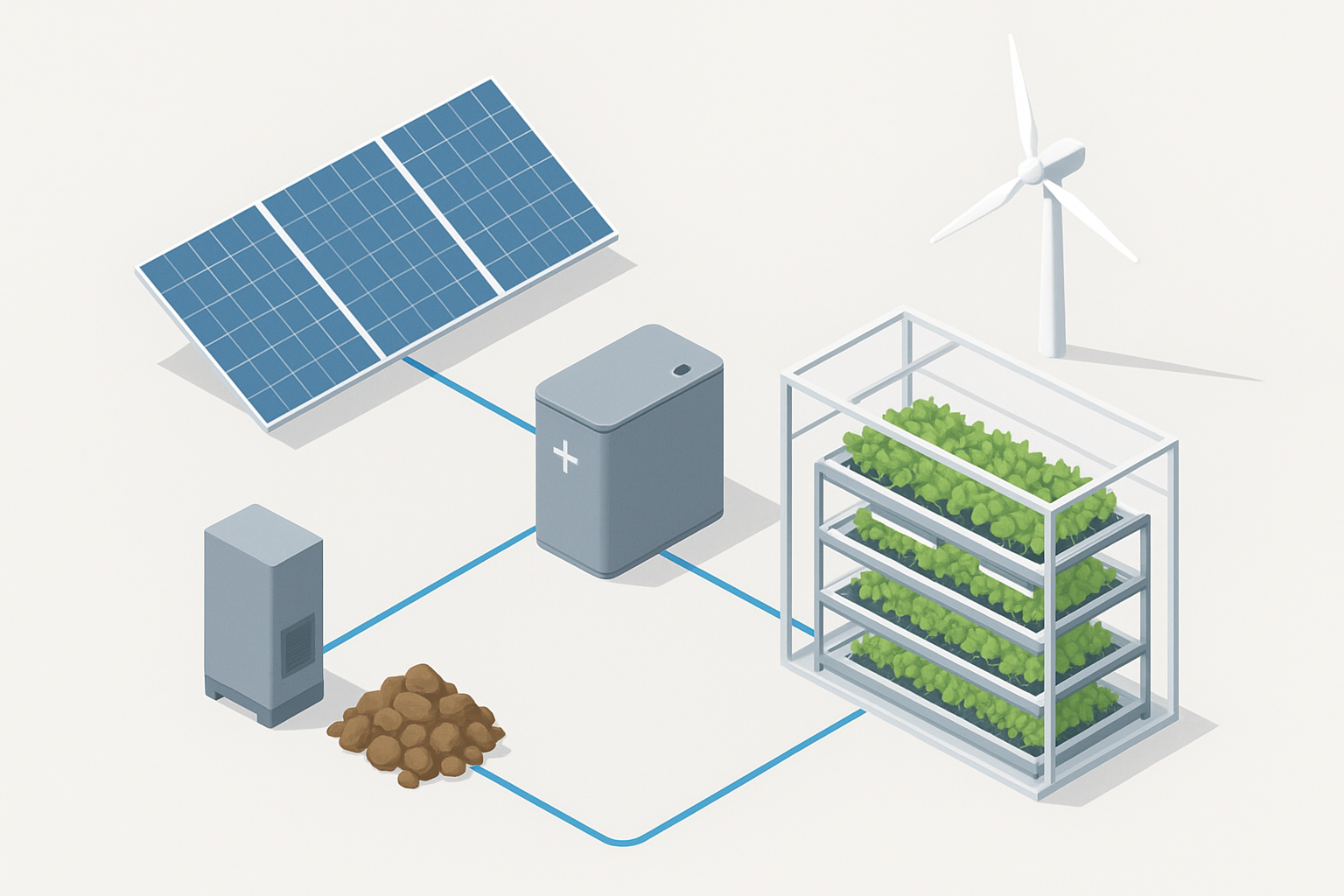
Introduction: The Role of Renewable Energy in Indoor Farming Renewable energy integration is expected to be a critical component in the development
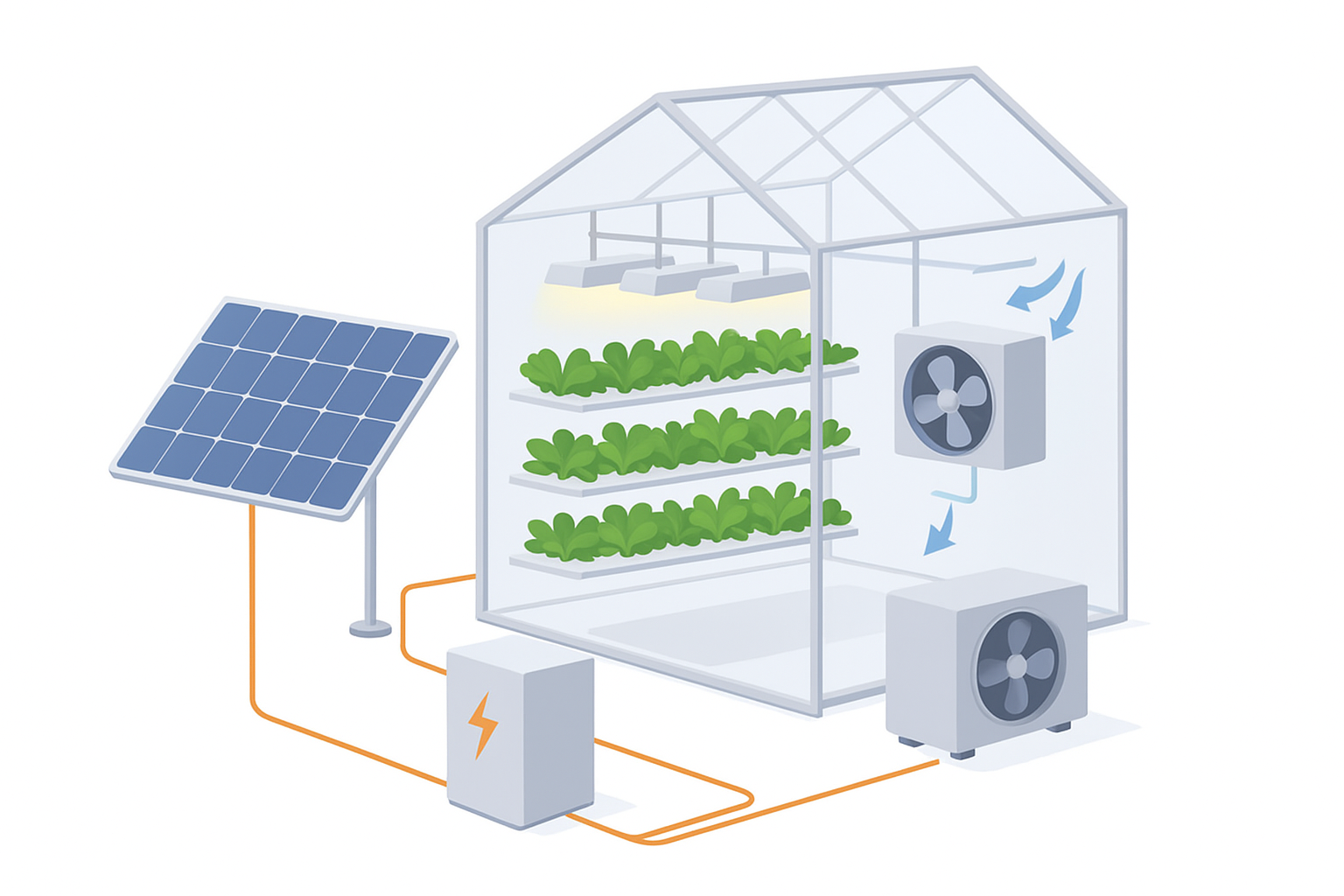
Energy modelling and efficiency in CEA and vertical farming are essential steps to make indoor plant production both economically viable and environmentally
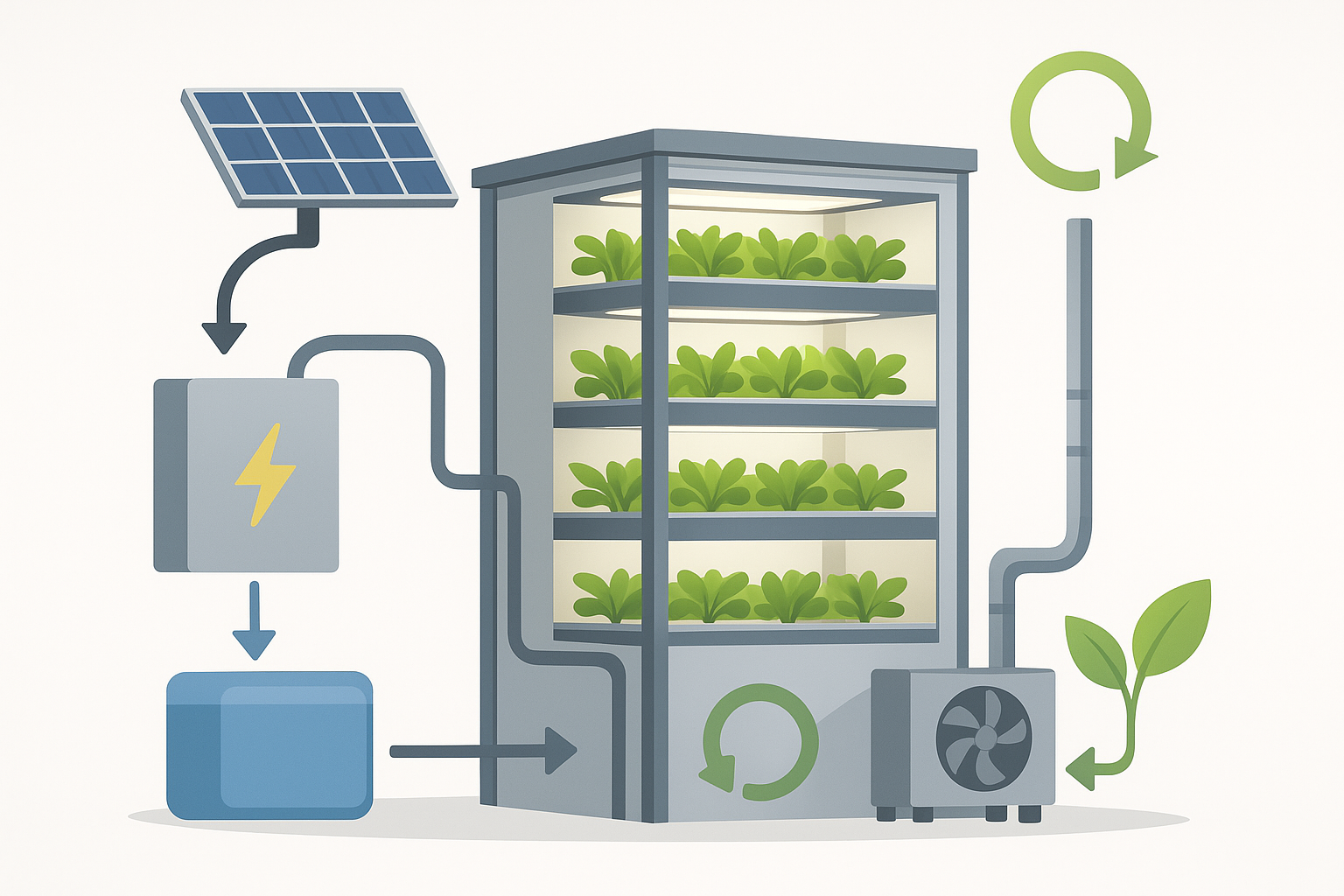
Energy use and sustainability are central considerations in determining the environmental and economic viability in Controlled Environment Agriculture (CEA) and vertical farming
Choosing chard as an indoor farming crop is increasingly common, as growers look for leafy crops alternatives to lettuce. Chard,
The technology of controlled environment agriculture (CEA) is fast developing and is increasingly recognised as an important component of future
Basil (Ocimum basilicum) is one of the most widely cultivated herbs in the world, prized for its aromatic leaves, rapid
Harvesting is the final stage in the production cycle of indoor crops, yet its importance is often underappreciated in discussions