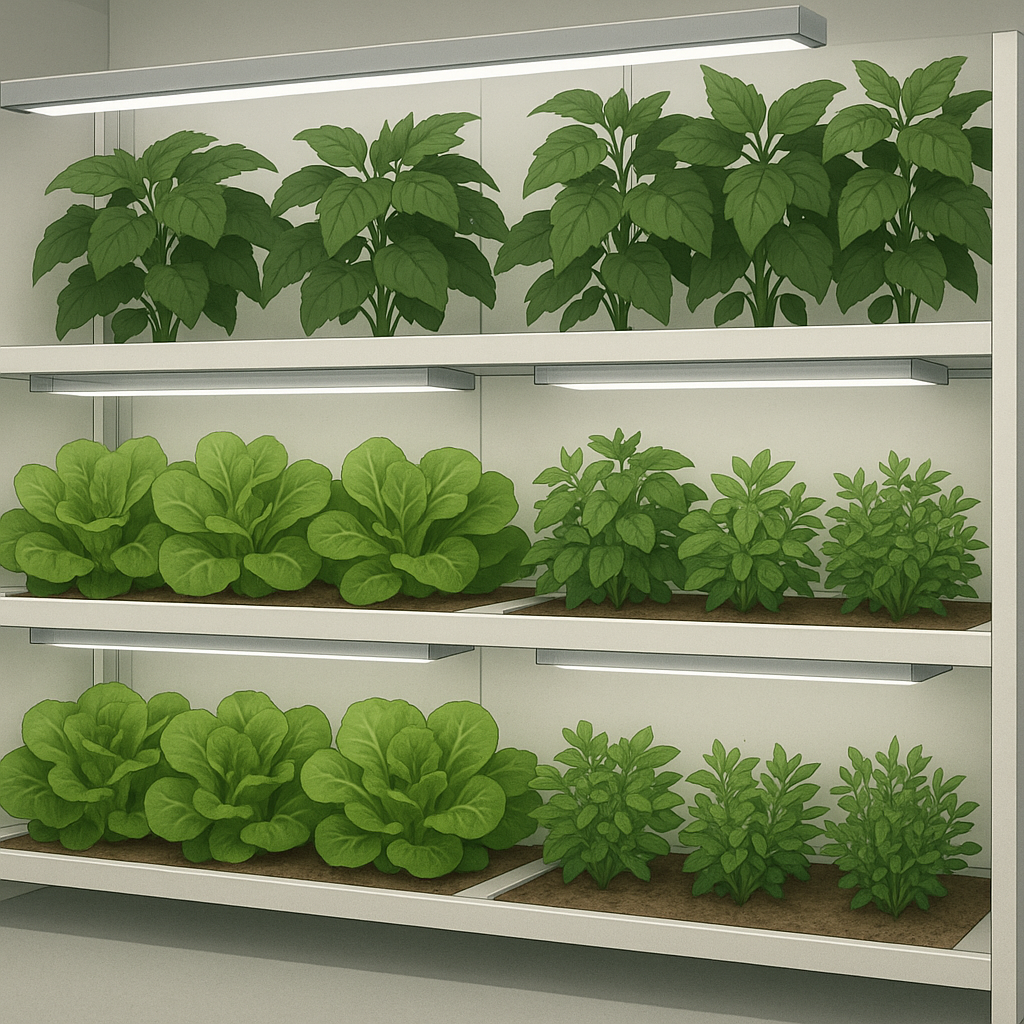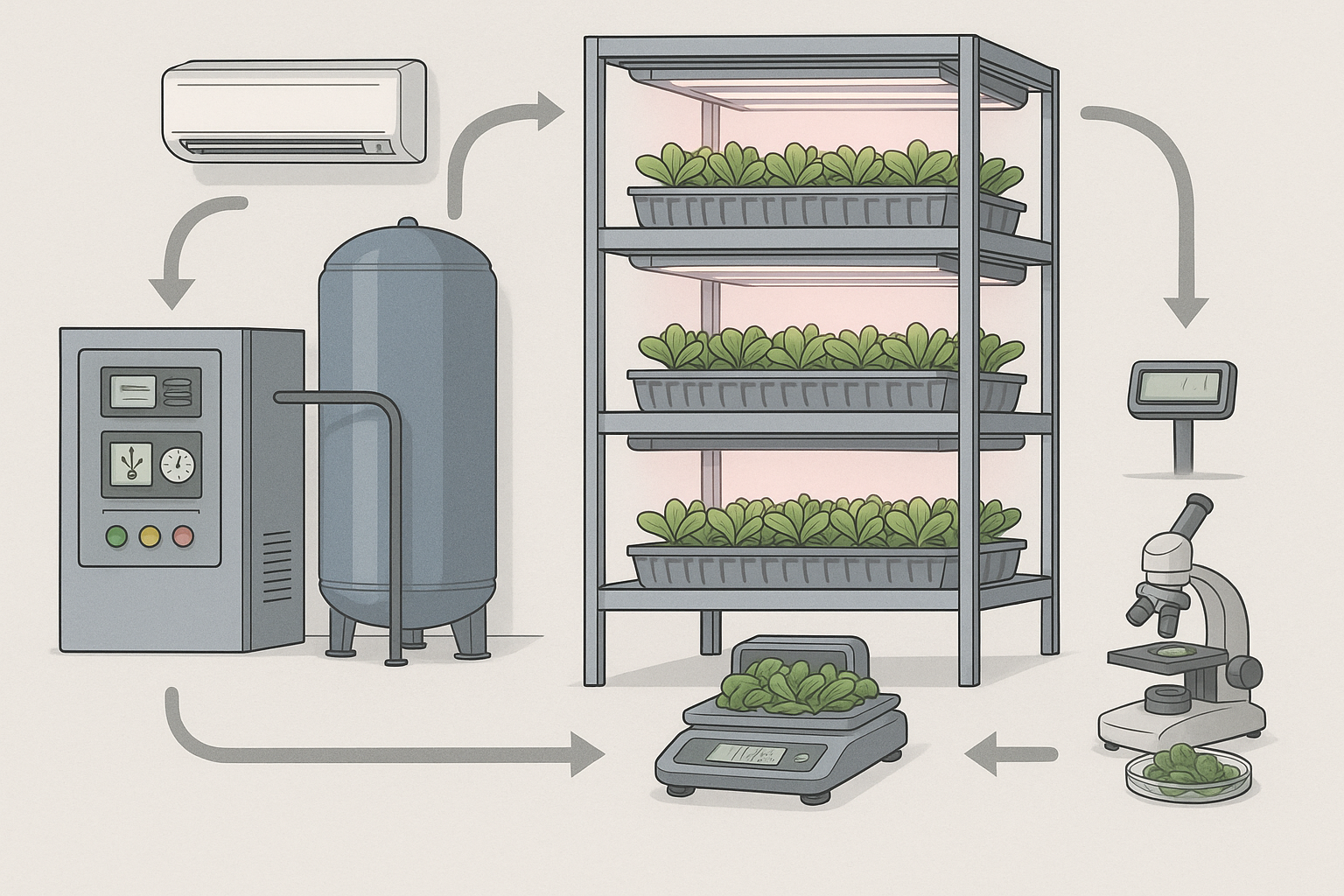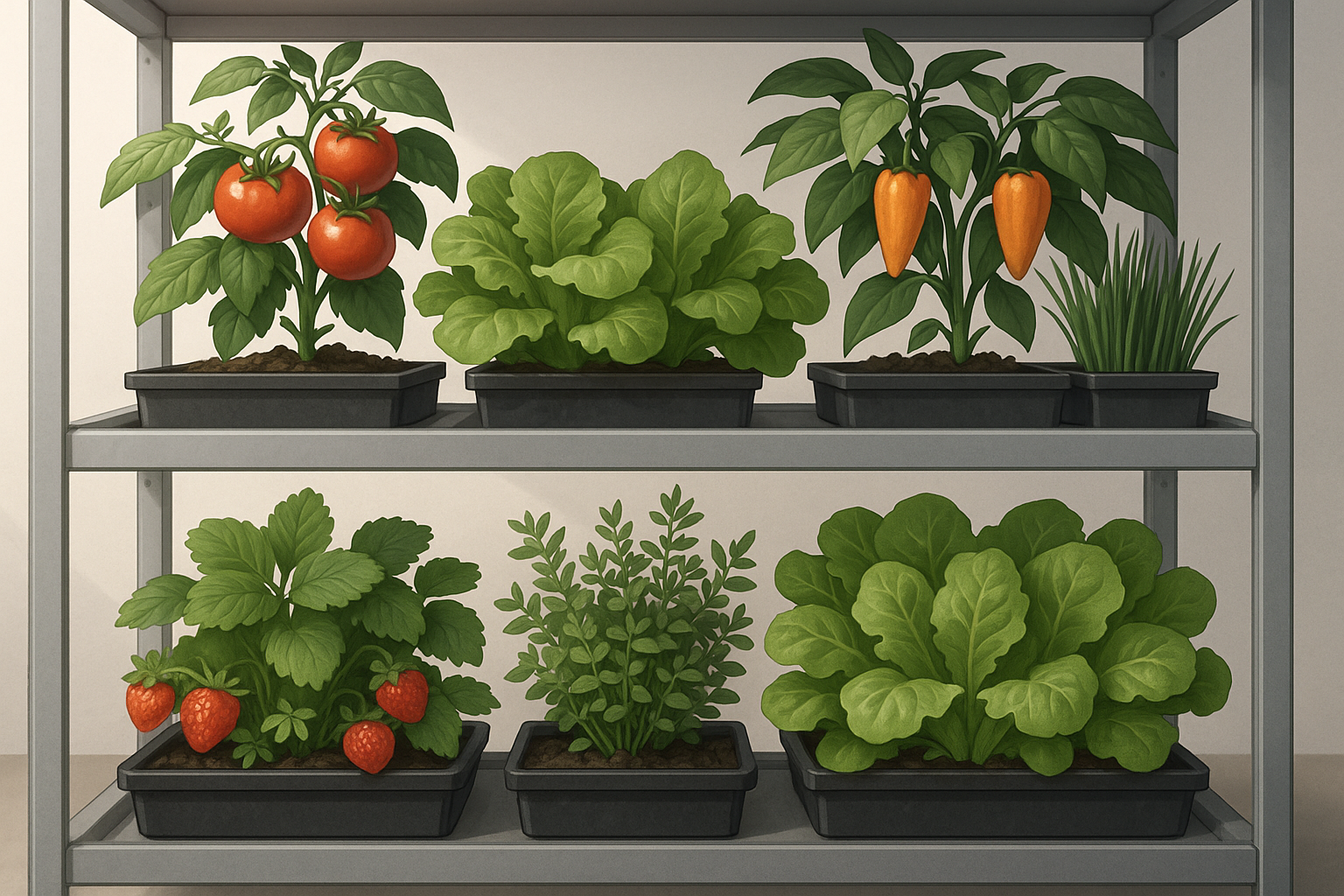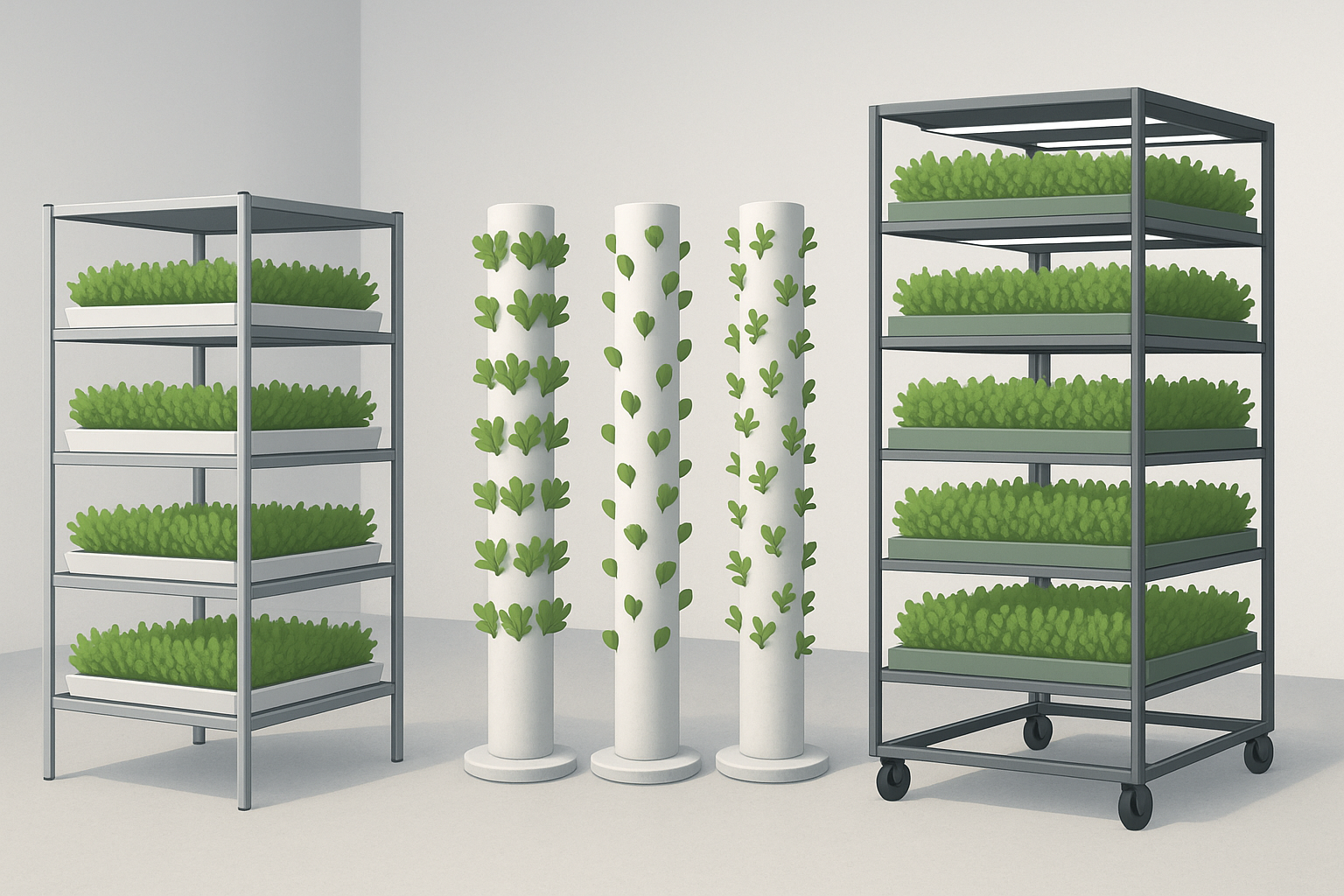
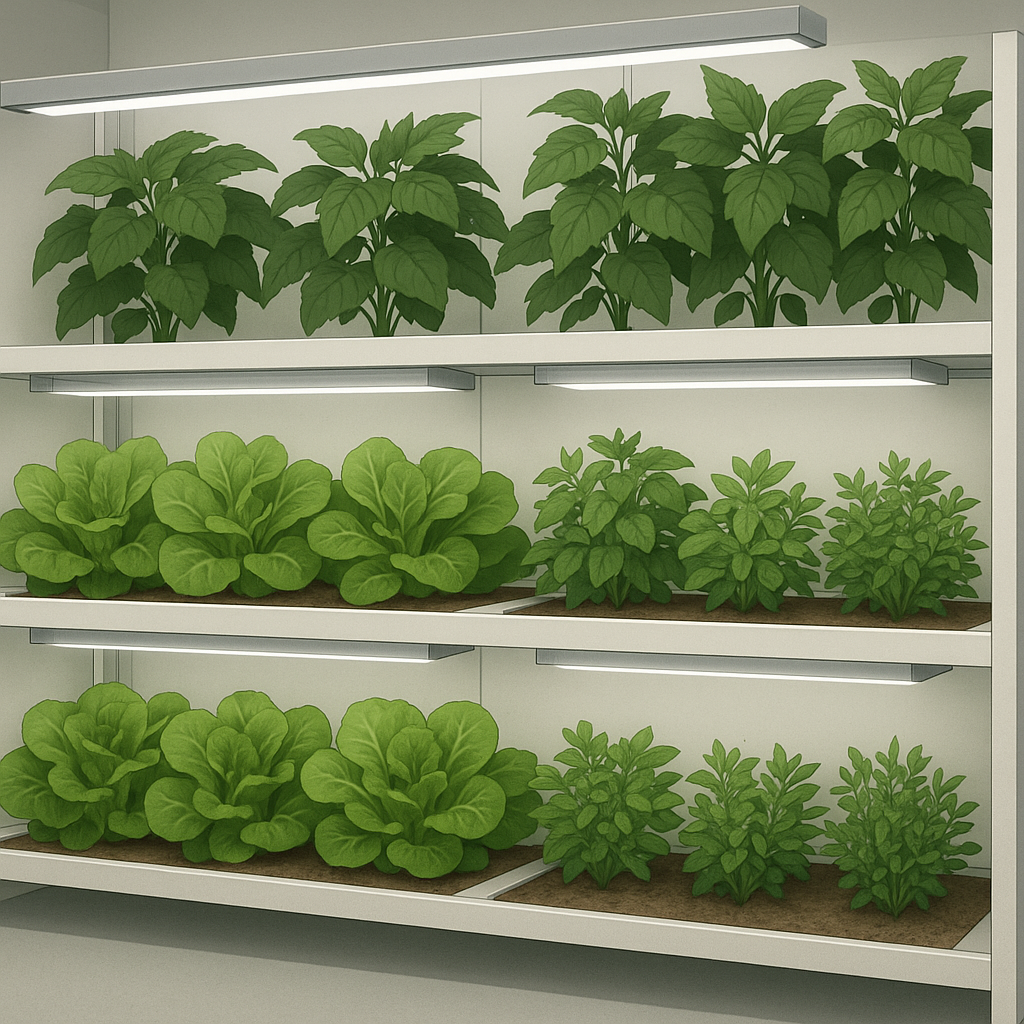
Intercropping in indoor farming is an approach that aims to cultivate two or more crop species within the same controlled space, either for enhanced space use or to capitalise on underlying biological relationships or synergies that are beneficial to production. While intercropping has long been associated with traditional field agriculture, its application within controlled environment agriculture (CEA) and vertical farming systems is a newer and increasingly interesting area of development. The principles are the same: by pairing compatible crops, growers can optimise resource use, improve resilience, and in some cases achieve higher yields or better-quality produce. What sets indoor systems apart is the precision with which environmental variables such as light, humidity, nutrient delivery, and airflow can be managed, allowing growers to test and refine intercropping strategies under conditions that are rarely possible outdoors.
Historical context and transferability of practice
Conventional intercropping is deeply rooted in traditional agriculture, where smallholders have long combined cereals with legumes or vegetables to maximise land productivity. In the indoor context, the objectives are slightly different. Instead of maximising field space, intercropping is used to exploit three-dimensional growth environments, staggered crop cycles, and highly controlled planting densities. This transfer of knowledge from open-field systems to CEA illustrates how time-tested agricultural principles can be adapted to modern food production technologies.
Potential benefits of intercropping indoors
The advantages of intercropping in indoor farming are diverse. Nutrient use efficiency can be enhanced when plants with complementary demands share a hydroponic or aeroponic system; for example, a leafy green with high nitrogen requirements may be paired with a slower-growing herb that has lower nutrient uptake. Light distribution can also be improved if tall, narrow crops are grown alongside low, broad-leaved species, reducing wasted photons and supporting more complete canopy utilisation. Intercropping may additionally contribute to pest management: although pest pressure is lower indoors, crop diversity can help mitigate the risk of outbreaks by disrupting monoculture vulnerabilities. Furthermore, mixed cropping can provide market resilience; producing a variety of crops simultaneously allows growers to respond to fluctuating consumer demand without redesigning an entire system.
Practical challenges and considerations
Despite its potential, intercropping in indoor farming presents notable challenges. Crop compatibility is not simply a matter of pairing species with different shapes or growth rates; it requires careful management of root-zone interactions, nutrient balance, and photoperiod responses. Some crops compete aggressively for resources, leading to reduced yields if not balanced correctly. In addition, indoor farms rely heavily on predictable and standardised production cycles. Introducing multiple species complicates scheduling, labour inputs, and harvesting logistics. Equipment calibration, from nutrient delivery systems to light spectrum settings, may need to be tailored to multiple crops simultaneously, which can increase operational complexity.
Research and emerging approaches
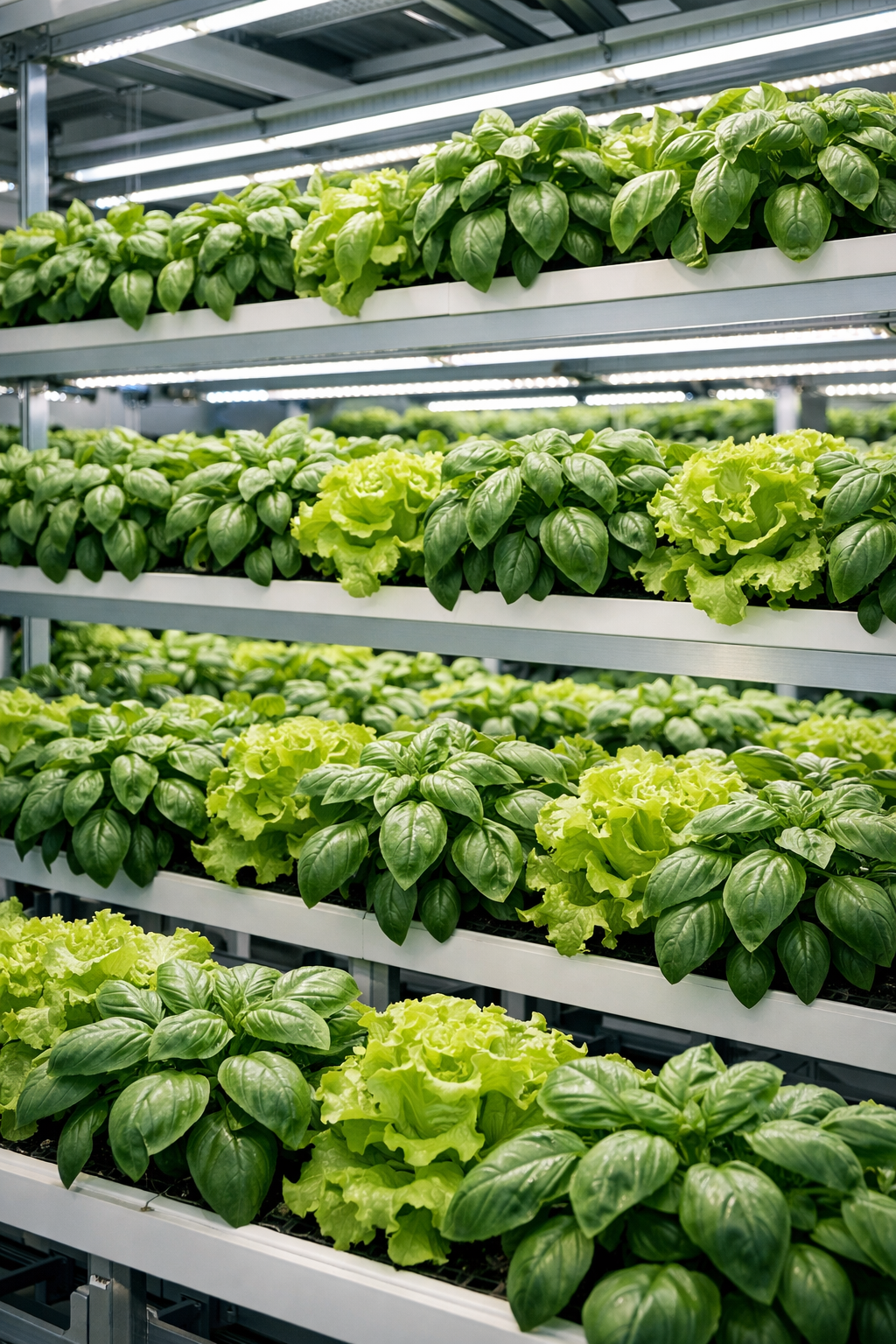
Recent research has begun to explore systematic frameworks for intercropping in CEA. Studies have examined pairings such as lettuce with basil, or microgreens with slower-growing leafy crops, highlighting the potential for higher overall productivity without compromising quality. There is also interest in combining food crops with non-food species that offer functional benefits: for instance, flowering plants that attract beneficial insects in greenhouse CEA systems, or species that help regulate humidity levels through evapotranspiration. The role of computational models is expanding as well, with digital twins and simulation tools being used to predict growth outcomes before physical trials are undertaken.
Commercial and sustainability perspectives
From a commercial standpoint, intercropping allows vertical farms to diversify product ranges while maintaining efficiency. A farm producing only lettuce may struggle to differentiate itself in a competitive market; introducing complementary crops such as herbs or edible flowers can create value-added offerings. From a sustainability perspective, intercropping aligns with resource-use efficiency and circular economy principles. By reducing nutrient waste, balancing light absorption, and improving labour scheduling, intercropping strategies may help make CEA more economically and environmentally viable at scale.
Policy and research needs
Intercropping in indoor farming is still at an early stage of development compared with field agriculture. More applied research is required to identify optimal species combinations, quantify yield benefits, and assess economic feasibility. Policy frameworks and funding programmes that support innovation in sustainable food production should recognise the potential of intercropping as a pathway to both resource efficiency and resilience. Universities, research institutes, and commercial farms are beginning to collaborate in this area, but there remains scope for further interdisciplinary work connecting plant science, engineering, and market analysis.
Conclusion
Intercropping in indoor farming demonstrates how ancient agricultural principles can be re-imagined in modern, high-technology food systems. By diversifying crops within carefully managed environments, growers can harness complementary traits to optimise resource use, reduce risk, and expand market opportunities. While practical challenges remain, particularly in scheduling and system design, the potential benefits are substantial. Continued research and innovation will determine the role intercropping plays in the next generation of CEA systems, but it is clear that the practice has much to contribute to the efficiency, sustainability, and resilience of vertical farming.