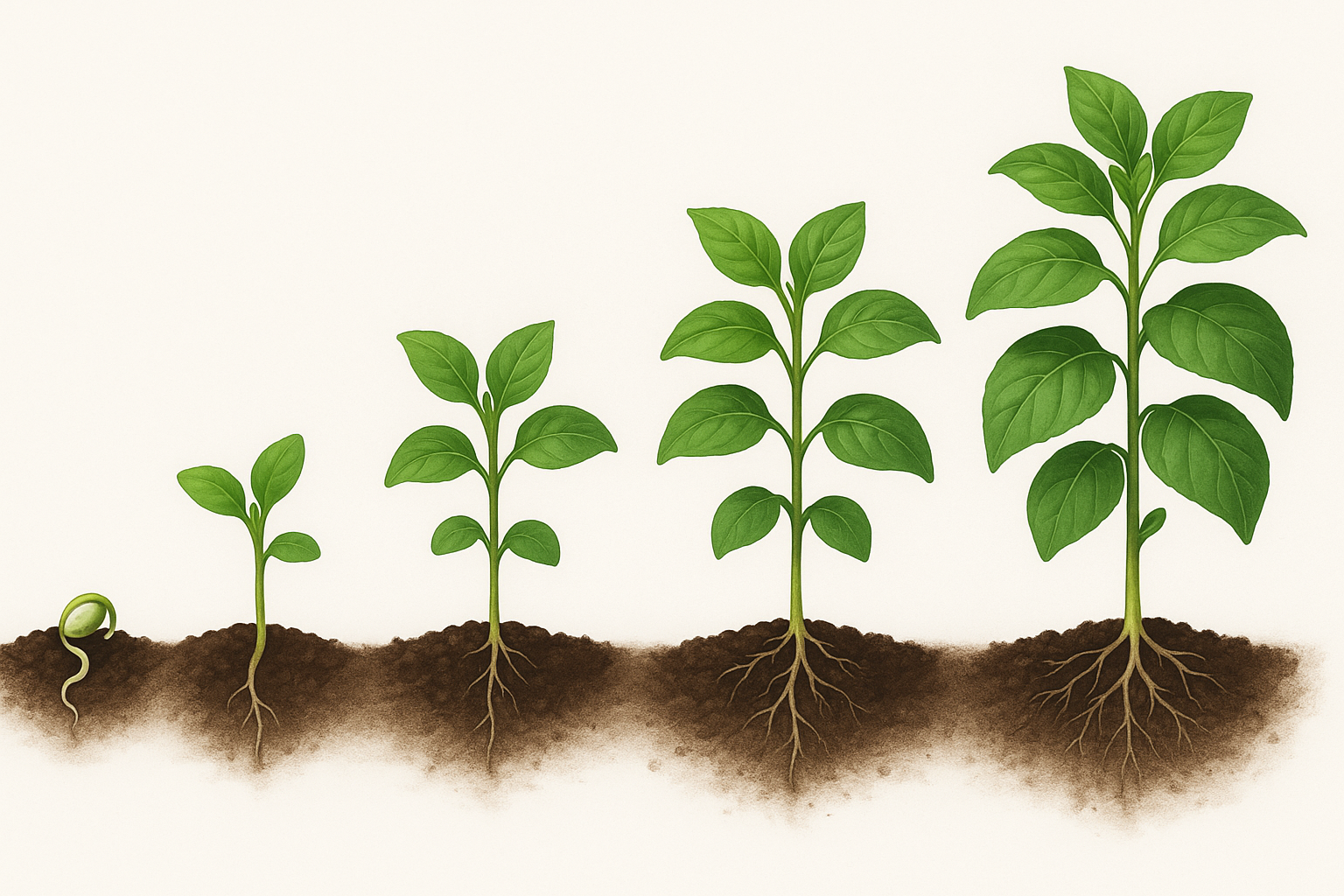
Understanding how plants progress through the different growth stages is a necessary skill for any grower in a controlled environment agriculture (CEA) or vertical farming enterprise. Each stage in the plant life cycle places different demands on lighting, nutrients, temperature, and humidity; tailoring these factors appropriately can mean the difference between poor yields and reliable, high-quality harvests. In indoor farming systems, where every environmental variable is managed with precision, knowledge of plant growth stages provides the framework for designing cultivation strategies that maximise efficiency and plant health.
The stages of plant growth and development are usually described in a sequence that reflects both structural and physiological changes. While the exact number and naming of stages can vary slightly by species and context, a general framework widely used in plant science is as follows (Nb – not all plants grown in indoor systems will reach each growth stage before harvest):
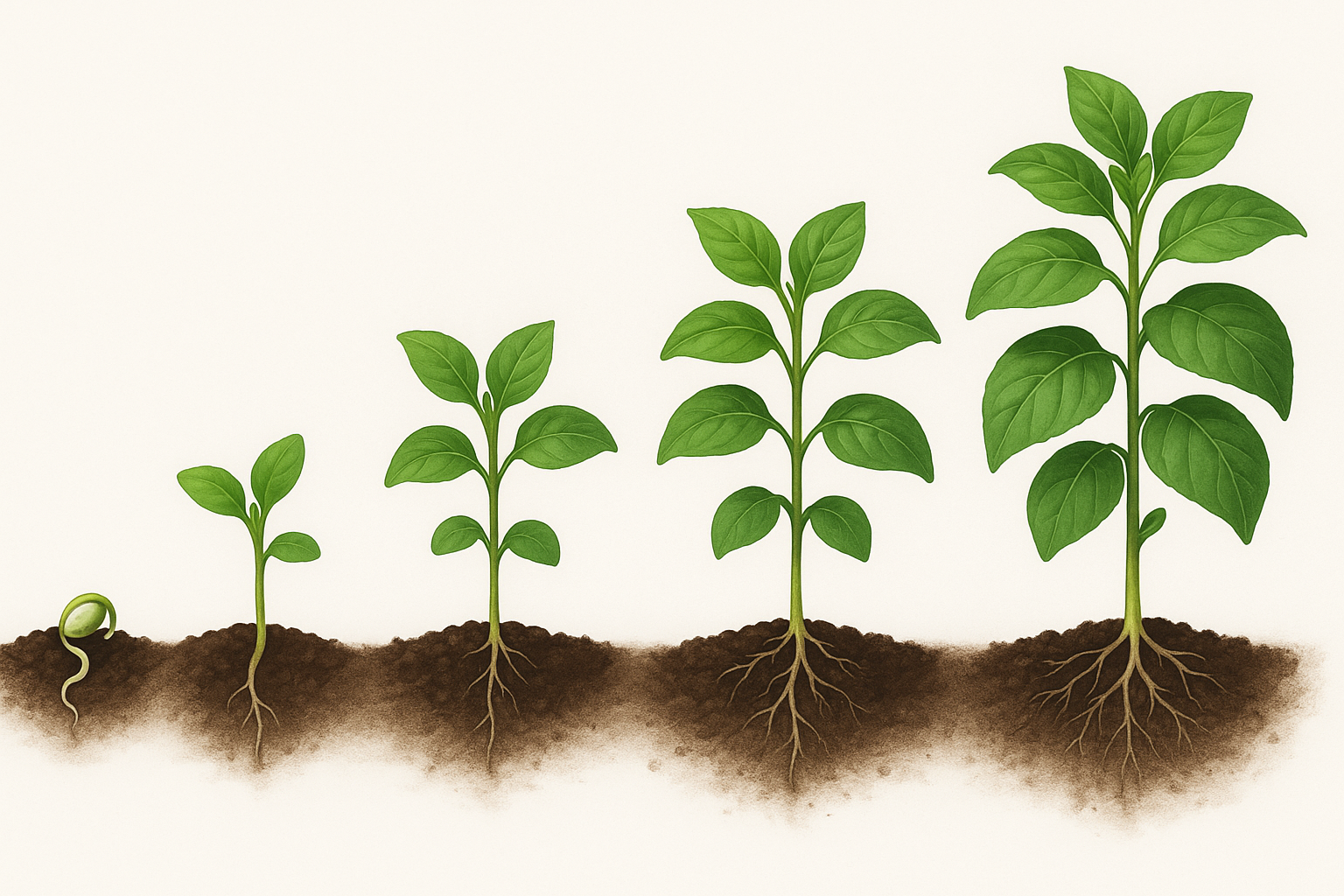
- Germination The process by which a seed absorbs water, activates metabolic processes, and begins to sprout. The radicle (first root) emerges, followed by the shoot. Conditions such as moisture, temperature, and oxygen are critical.
- Seedling establishment The young plant develops its first true leaves and begins photosynthesis. Root systems expand, and the plant becomes independent from seed reserves. This stage is particularly sensitive to environmental stresses.
- Vegetative growth Rapid expansion of stems, leaves, and roots occurs. Biomass accumulation is driven by photosynthesis. In CEA and vertical farming, light quality and nutrient supply are carefully managed to maximise uniform vegetative development.
- Transition phase Physiological and hormonal changes prepare the plant to move from vegetative to reproductive growth. This is often influenced by photoperiod, temperature, or internal age-related signals.
- Reproductive development (flowering) The plant produces flowers, involving the differentiation of meristems into floral organs. Pollination and fertilisation may follow in fruiting crops. Controlled lighting schedules in indoor systems can be used to trigger or delay this stage.
- Fruit and seed development Once fertilisation occurs, fruits develop and seeds mature. Nutrient allocation shifts towards reproductive structures, with increased demand for potassium and phosphorus.
- Ripening and maturation Fruits undergo physiological and biochemical changes such as colour development, sugar accumulation, and texture softening. For leafy crops, the equivalent final stage may be the attainment of full vegetative maturity.
- Senescence The natural ageing process during which metabolic activity slows, tissues degrade, and the plant completes its life cycle. In agriculture, crops are generally harvested before significant senescence to preserve quality.
Why Plant Growth Stages Matter in Indoor Farming
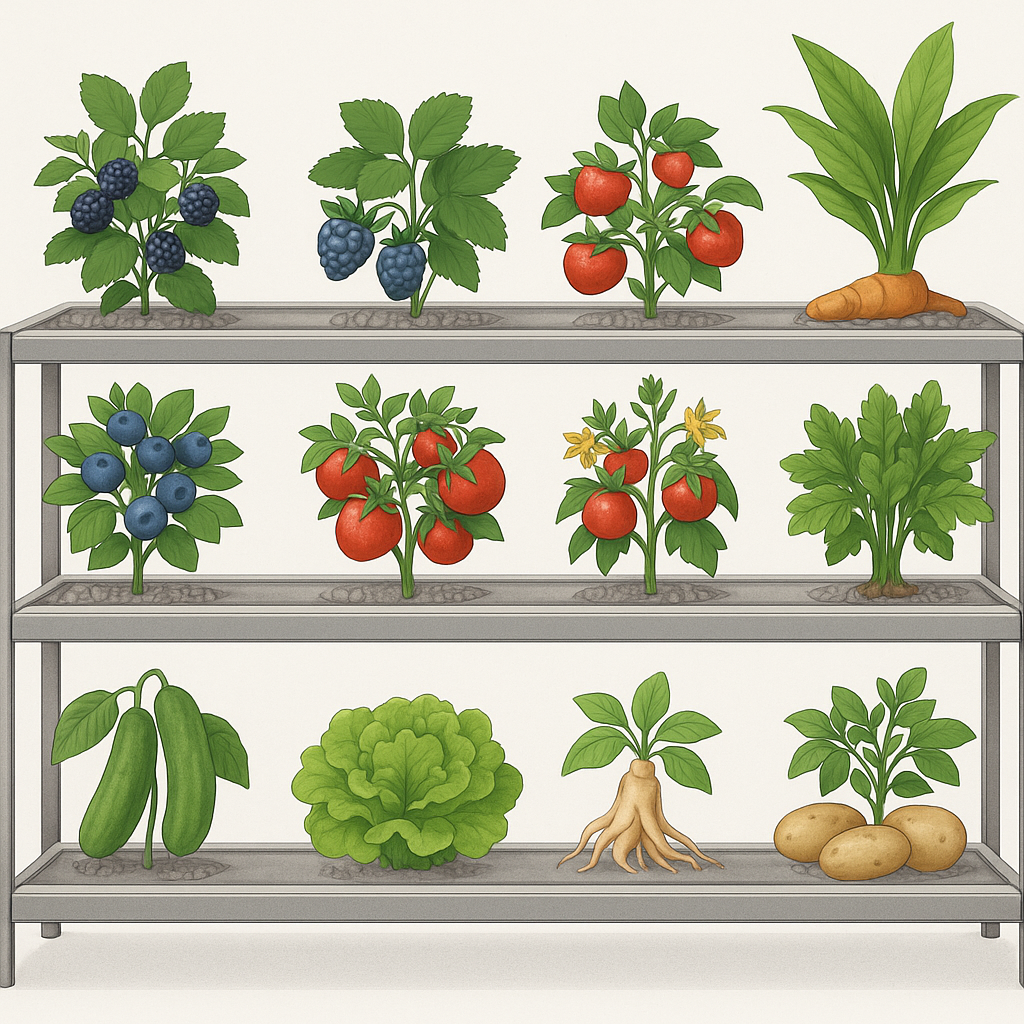
Plants grown in natural ecosystems experience day length, temperature fluctuations, soil conditions, and water cycles that guide their development. In an indoor farm, these cues are deliberately engineered. Understanding plant growth stages allows growers to replicate and optimise the critical signals that determine root establishment, vegetative expansion, flowering, and fruiting. The concept is not merely academic: commercial crops such as lettuce, basil, strawberries, and tomatoes all require specific environmental adjustments at different phases. For example, leafy greens may never need a reproductive phase if harvested before flowering, whereas fruiting crops depend on environmental cues, such as timing of photoperiods and nutrient formulation to trigger flowering and maximise fruit set.
The Foundations of Plant Development
The earliest stages begin with germination, when a seed absorbs water, swells, and activates metabolic pathways. This process depends on sufficient moisture, oxygen availability, and in some species a particular temperature range or exposure to light. The next stage, seedling establishment, is particularly sensitive to controlled environments; inadequate humidity or excess light intensity can cause stress, while well-balanced conditions promote strong root and shoot formation. Once established, plants enter a vegetative phase characterised by rapid leaf and stem growth, where nutrient uptake and photosynthetic efficiency become critical drivers.
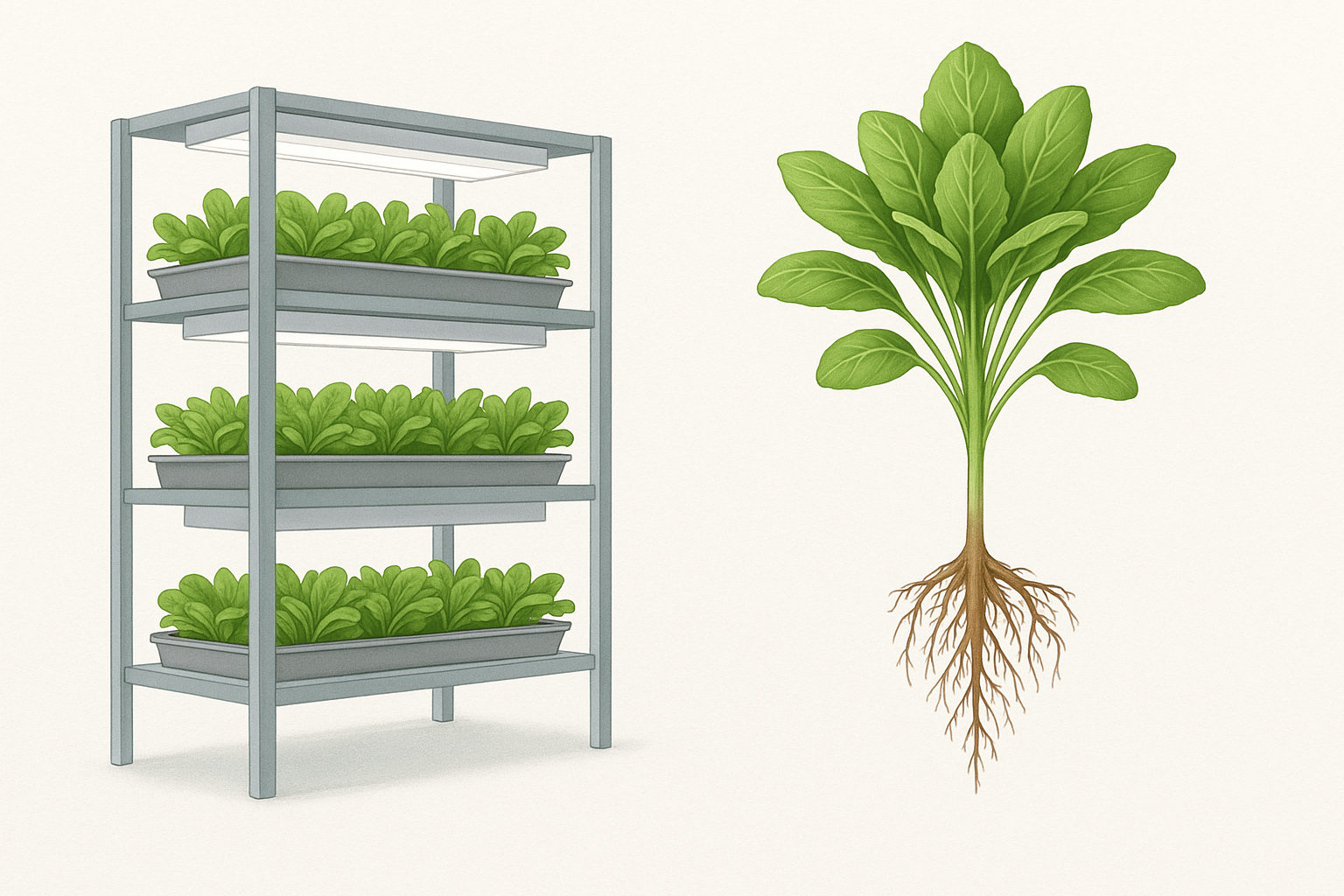
In indoor farming, this vegetative period is often managed with high levels of photosynthetically active radiation (PAR) from LED systems, alongside nutrient solutions rich in nitrogen to encourage biomass accumulation. The vegetative phase sets the structural foundation upon which later stages depend, making it especially important in vertical farming systems where space is constrained and crop uniformity is essential.
Transition to Reproductive Growth
Many crops grown indoors are harvested before flowering; yet for those that require fruit or seed, the transition to reproductive development is pivotal. This phase is governed by both internal signals, such as hormonal balance, and external cues like photoperiod length or changes in nutrient composition. For instance, tomatoes and peppers have been reported to require a reduction in nitrogen and an increase in potassium and phosphorus to support flowering and fruit development.
Manipulating these signals in indoor farms requires careful scheduling. Photoperiodic crops respond to the length of light and dark periods, which can be tightly controlled using programmable lighting systems. Short-day plants like strawberries may initiate flowering when day length falls below a threshold, whereas long-day plants like spinach require extended illumination to avoid premature bolting. Understanding and managing these developmental responses ensures that crops reach their full productive potential within the timeframes dictated by farm economics.
Maturation and Harvest Timing
The final stages of plant growth involve fruit ripening, seed maturation, or the completion of vegetative biomass depending on the crop type. In leafy greens such as lettuce or herbs, the optimal harvest window often falls before the onset of reproductive development, as this ensures maximum tenderness and flavour. In fruiting crops, however, achieving consistent ripening involves balancing temperature, humidity, and nutrient delivery to promote uniform colour development, sugar accumulation, and shelf life.
Indoor farming systems give growers unparalleled control at this stage. Automated climate control, fertigation, and monitoring systems allow precise adjustments that reduce variability between plants. Yet this control also requires expertise: harvesting too early can compromise yield, while harvesting too late can diminish quality. For investors and growers alike, understanding plant growth stages therefore provides both a biological and a commercial roadmap.
Integrating Plant Growth Knowledge into System Design
Recognising plant growth stages is not simply about monitoring biology; it is integral to designing and operating controlled environments. Each growth phase carries implications for energy demand, nutrient cycling, water use, and even labour scheduling. For example, germination may require high humidity chambers with relatively low energy input, while vegetative and reproductive stages demand more intensive lighting and cooling systems. Similarly, knowing when crops will mature allows for planning of market supply chains, staffing, and facility cleaning cycles between successive harvests.
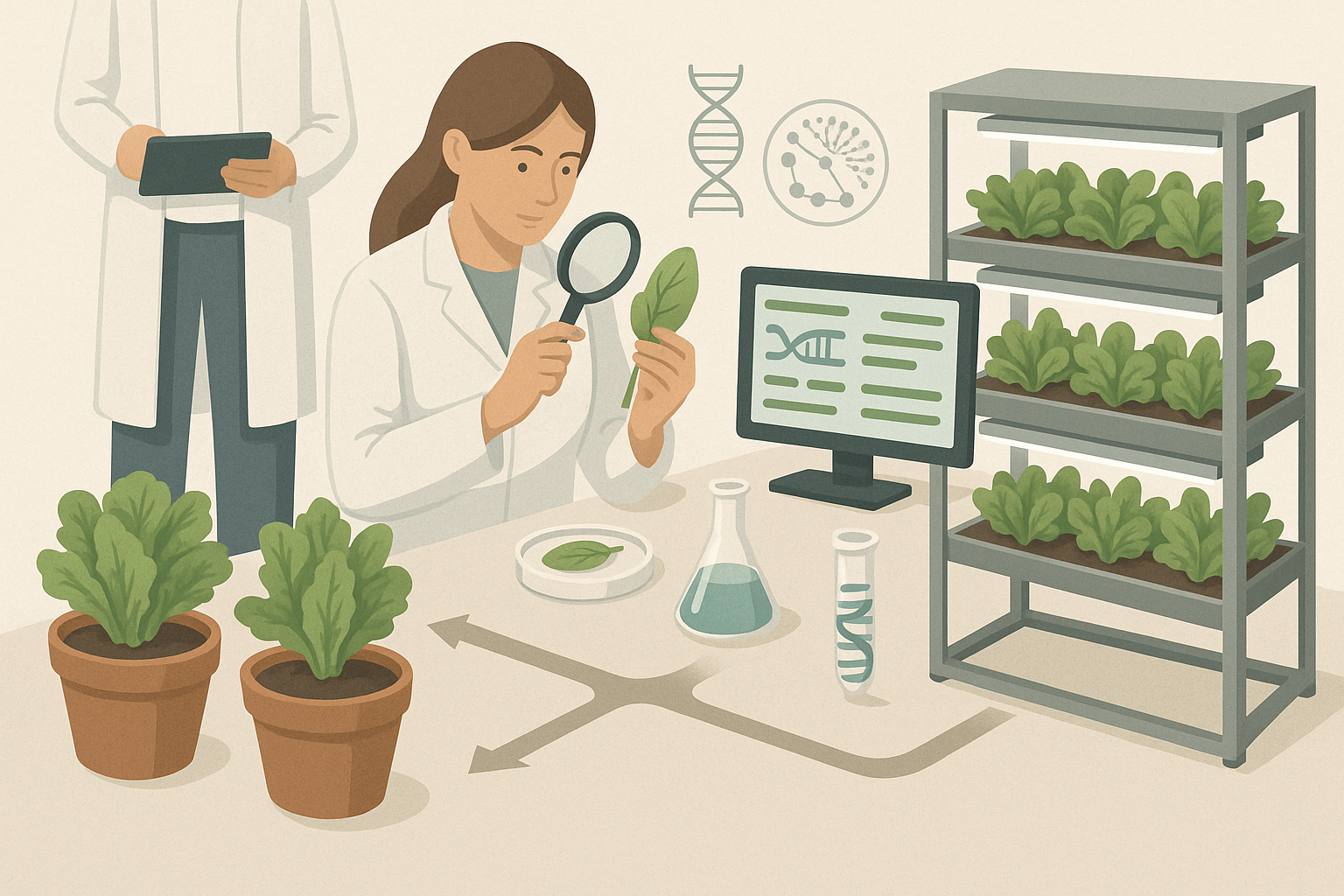
From a research perspective, understanding plant growth stages also underpins innovations in plant breeding and digital agriculture. Breeders may select cultivars that complete key developmental stages more efficiently under artificial light, while engineers develop monitoring technologies that detect subtle shifts in growth stage through imaging or sensor data. This convergence of plant science and technological precision highlights why a firm grasp of developmental biology is essential in modern CEA.
Conclusion
Plant growth stages provide the essential blueprint for cultivation in indoor farming systems. From germination and vegetative development to flowering, fruiting, and harvest, each phase demands tailored environmental conditions that affect both biological outcomes and economic performance. Mastering these stages enables growers, researchers, and investors to align biological processes with technological capabilities, ensuring that crops thrive under controlled conditions. For policy-makers and educators, this framework also demonstrates the broader significance of indoor farming as a knowledge-driven sector where biology and engineering intersect.
By placing plant growth stages at the centre of system design and farm management, indoor agriculture can achieve not only consistent yields but also resource efficiency and adaptability across a range of crop types. As such, the study of plant development remains as fundamental to vertical farming as any technical innovation in lighting, automation, or data analytics.