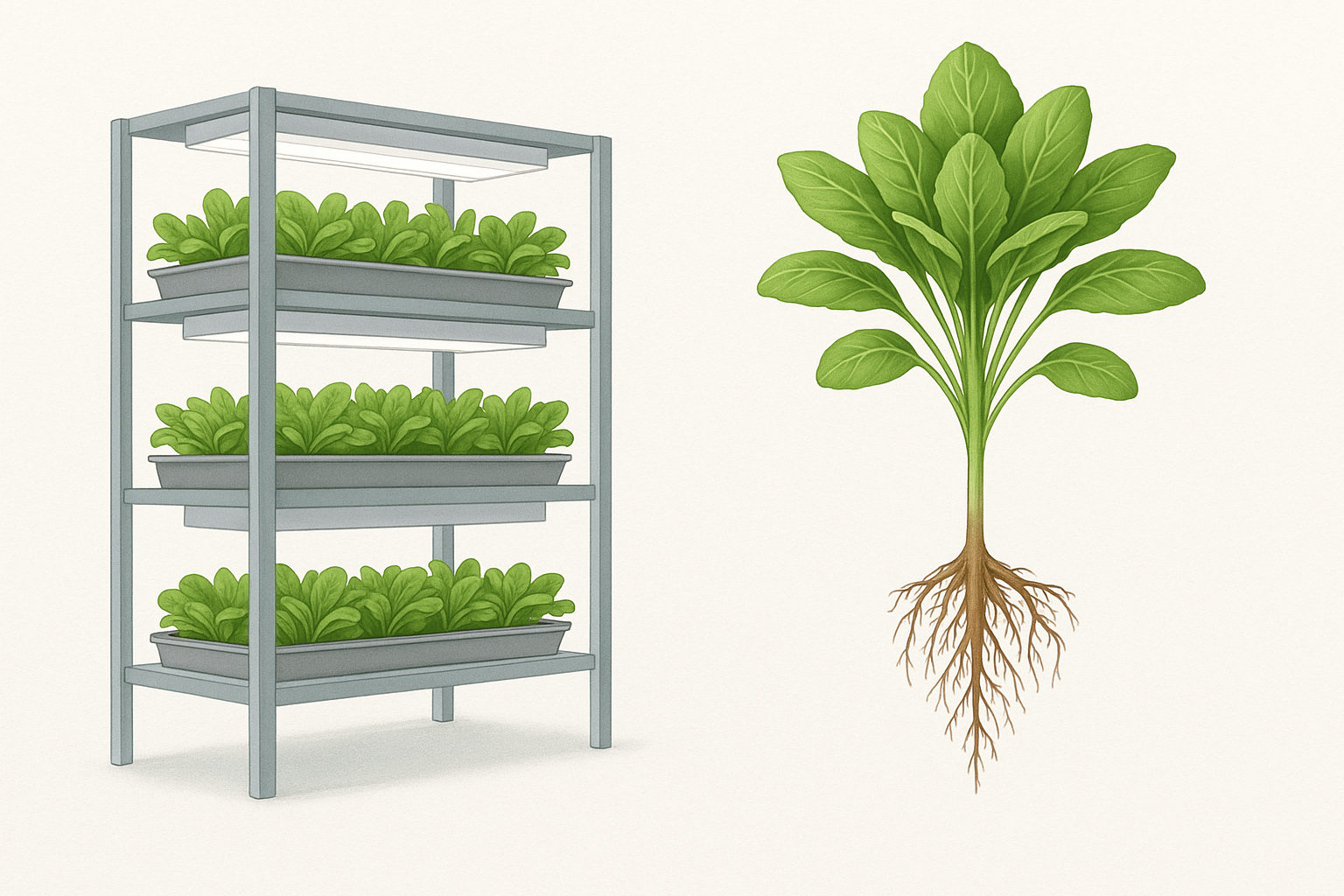
Optimised crop traits for CEA production are increasingly important as vertical farming moves from niche innovation towards a mainstream contributor to modern food systems. Unlike traditional open-field cultivation, crops in controlled environments are exposed to highly specific conditions of light, temperature, humidity, carbon dioxide and nutrient delivery. This creates opportunities for remarkable precision, but also imposes constraints that only certain crops can meet efficiently. Identifying the traits that make a crop truly suited to vertical farming is therefore essential for growers, breeders and policy-makers who want to maximise productivity, profitability and sustainability within these systems.
The Importance of Selecting the Right Crop Traits
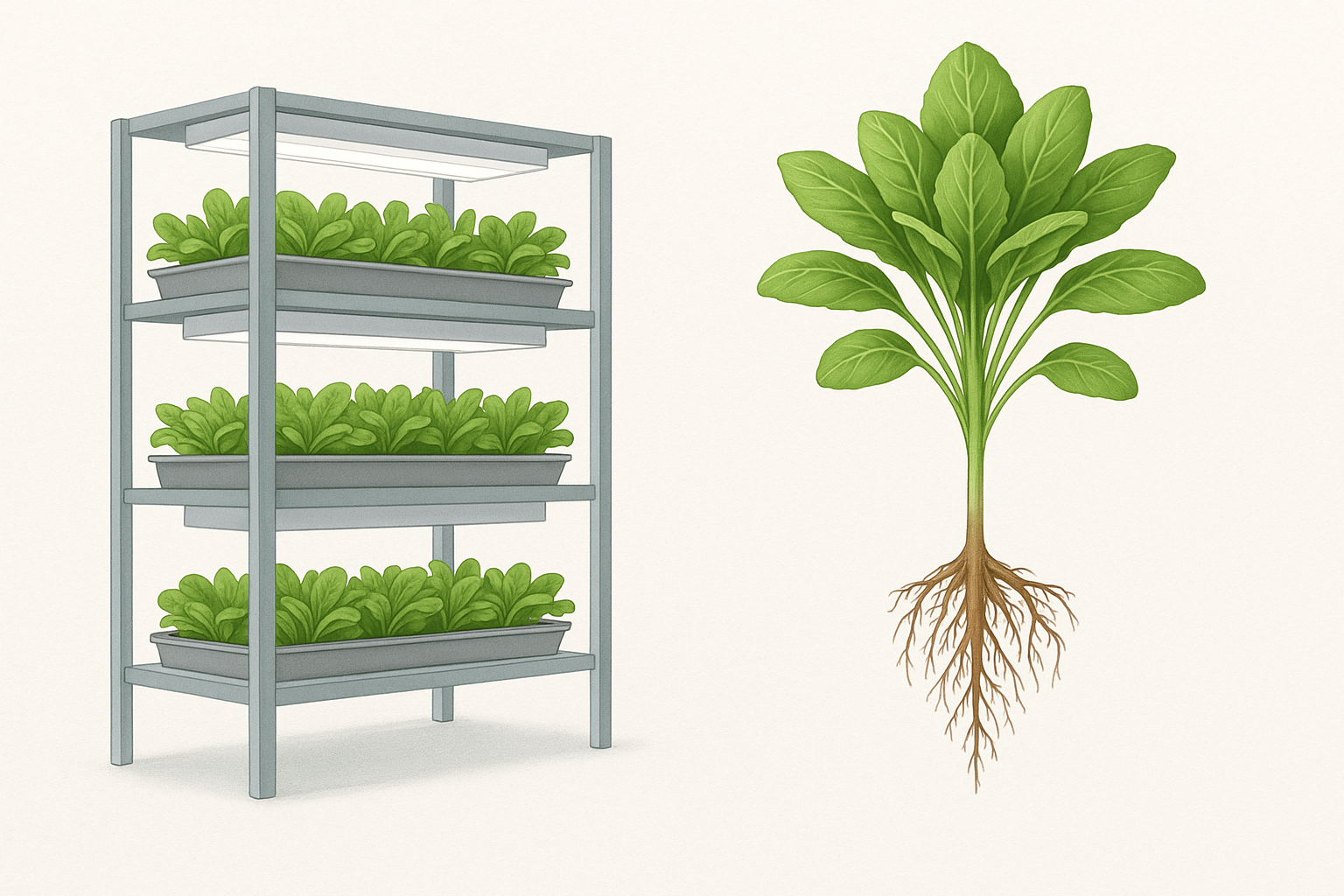
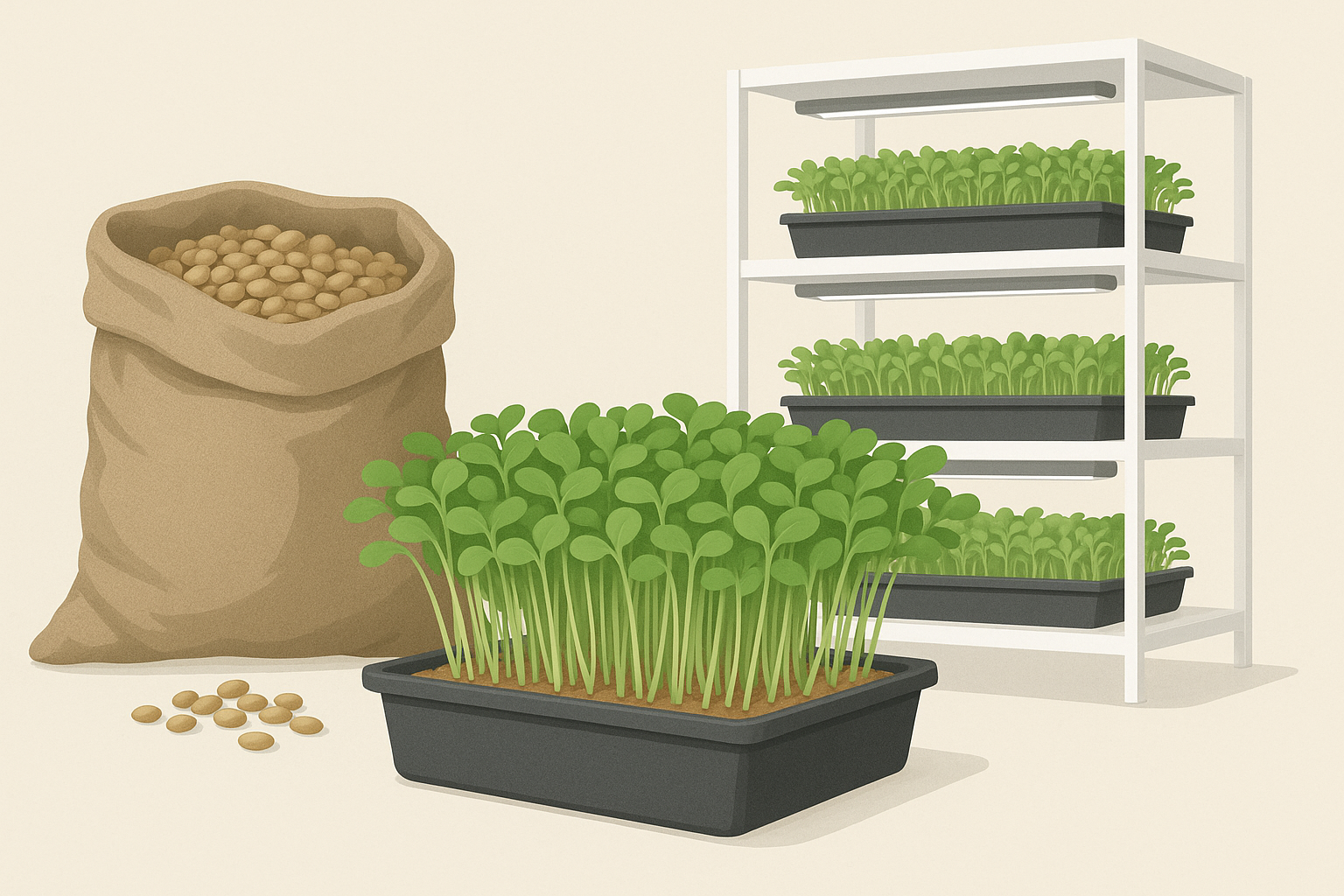
The economics of vertical farming are shaped by energy consumption, labour efficiency, and the space available for plant growth. Crops that perform well in soil may not translate effectively into stacked, hydroponic or aeroponic systems. For instance, cereals such as wheat or maize demand large surface areas, long growth cycles, and high energy inputs, which currently render them less viable. By contrast, leafy greens, herbs, and microgreens thrive in compact, high-density arrangements with short harvest cycles. This contrast demonstrates that the inherent biological characteristics of a crop largely determine its suitability for CEA. In this context, breeders and researchers are beginning to prioritise traits that align with the unique physical and economic boundaries of vertical farming.
Growth Cycle and Harvestability
A key factor in determining crop suitability is the duration of its growth cycle. Shorter cycles allow for more crop turns per year, leading to faster revenue generation and more efficient use of controlled resources. Lettuce varieties, for example, can be harvested within 30 days, whereas fruiting crops such as tomatoes require longer cycles and more complex pollination management. Traits such as uniform germination, rapid juvenile development, and predictable flowering times are therefore highly valued in CEA. Furthermore, crops that can be harvested mechanically or with minimal handling reduce labour costs and risks of contamination, which are critical in tightly managed indoor facilities.
Compact Morphology and Spatial Efficiency
Space is a key limitation of vertical farming. Crops that have compact canopies, limited vertical growth, or the capacity to be ‘trained’ to grow as desired are significantly more efficient than sprawling or climbing plants. Breeding for reduced internode length, enhanced leaf-to-stem ratios, or dwarf growth forms can substantially increase yield per square metre. Examples include basil cultivars that produce abundant leaves relative to stem biomass, and tomato varieties specifically bred for high fruit load on shorter plants. This alignment of plant architecture with vertical infrastructure underscores how morphology becomes a decisive trait in crop optimisation.

Photosynthetic Efficiency and Light Utilisation
Light provision is one of the greatest costs in vertical farming. LEDs enable precise control of spectrum and intensity, but energy efficiency remains critical. Crops that exhibit strong photosynthetic performance under artificial light are more desirable than those requiring full-spectrum sunlight. High quantum efficiency, capacity to tolerate high planting densities, and adaptability to targeted light wavelengths (such as red-blue or supplemented far-red) all contribute to improved resource use. Research has shown that lettuce, spinach and basil varieties bred or selected for strong growth under limited spectral conditions can outperform conventional cultivars indoors. Optimised crop traits for CEA production therefore include photosynthetic resilience and adaptability to non-natural light regimes.
Nutrient Uptake and Water Use
Hydroponic and aeroponic systems depend on precise nutrient formulations and recirculation loops. Crops with efficient nutrient uptake, tolerance to fluctuations, and resistance to root-zone diseases are more suited to these systems than those with complex soil-based symbiotic requirements. Additionally, water-use efficiency becomes a trait of strategic importance, especially where closed-loop systems recycle more than 90% of applied water. Leafy greens and herbs demonstrate exceptional performance in this regard, whereas crops with high transpiration demands or extensive root systems may prove challenging. Advances in breeding for root-zone efficiency could expand the range of feasible crops in CEA over time.
Quality Traits and Market Demand
Optimising crop traits is not limited to agronomy. Market expectations for flavour, nutritional content, shelf-life, and visual uniformity all shape what is considered an ideal CEA crop. Enhanced concentrations of vitamins, antioxidants or bioactive compounds can be achieved by manipulating stress conditions such as UV exposure or nutrient modulation. Likewise, traits such as delayed senescence or thicker cuticles can improve post-harvest durability, reducing losses during distribution. A successful vertical farming crop must therefore combine production efficiency with consumer-driven quality characteristics that justify its market price.
Breeding and Biotechnological Pathways
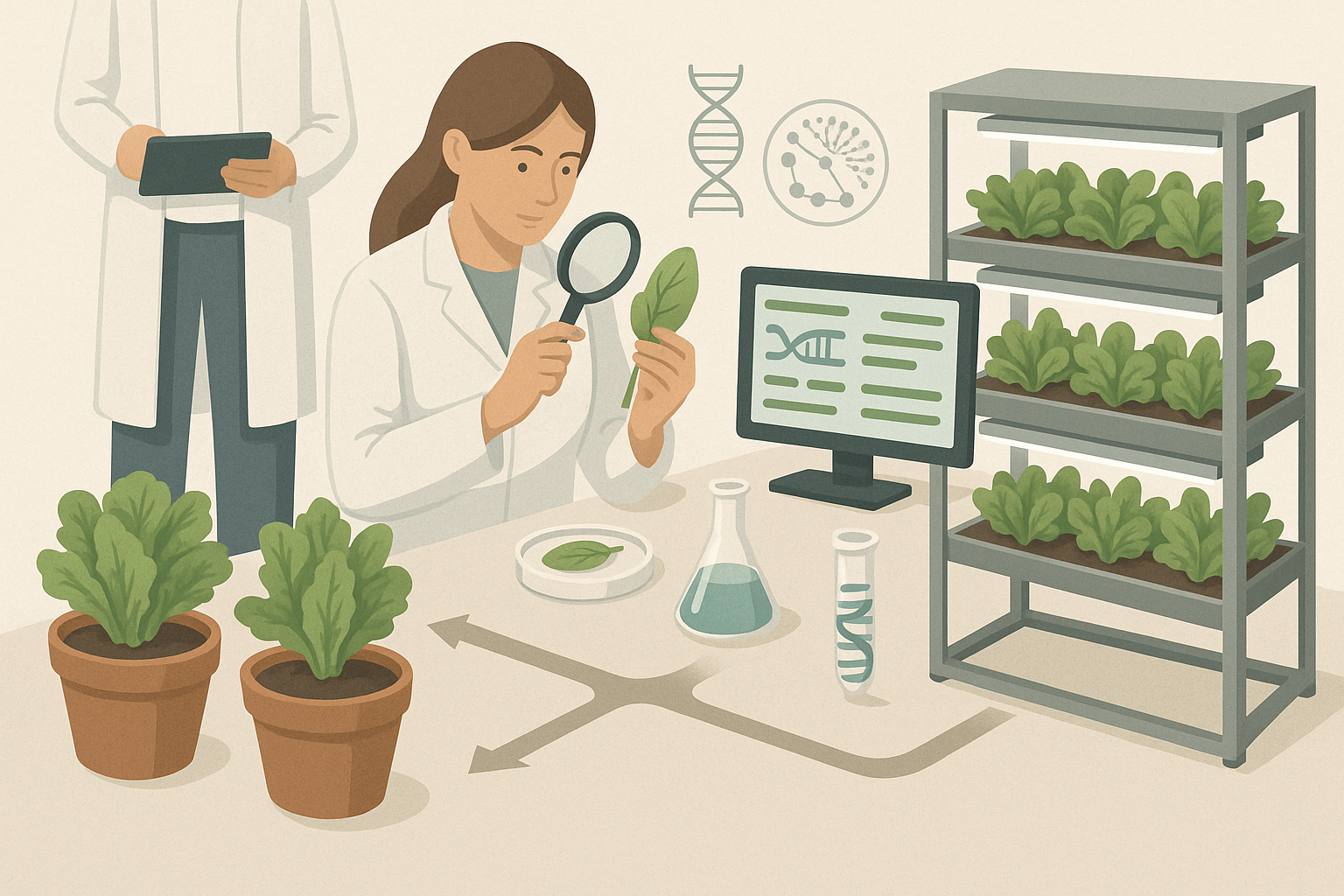
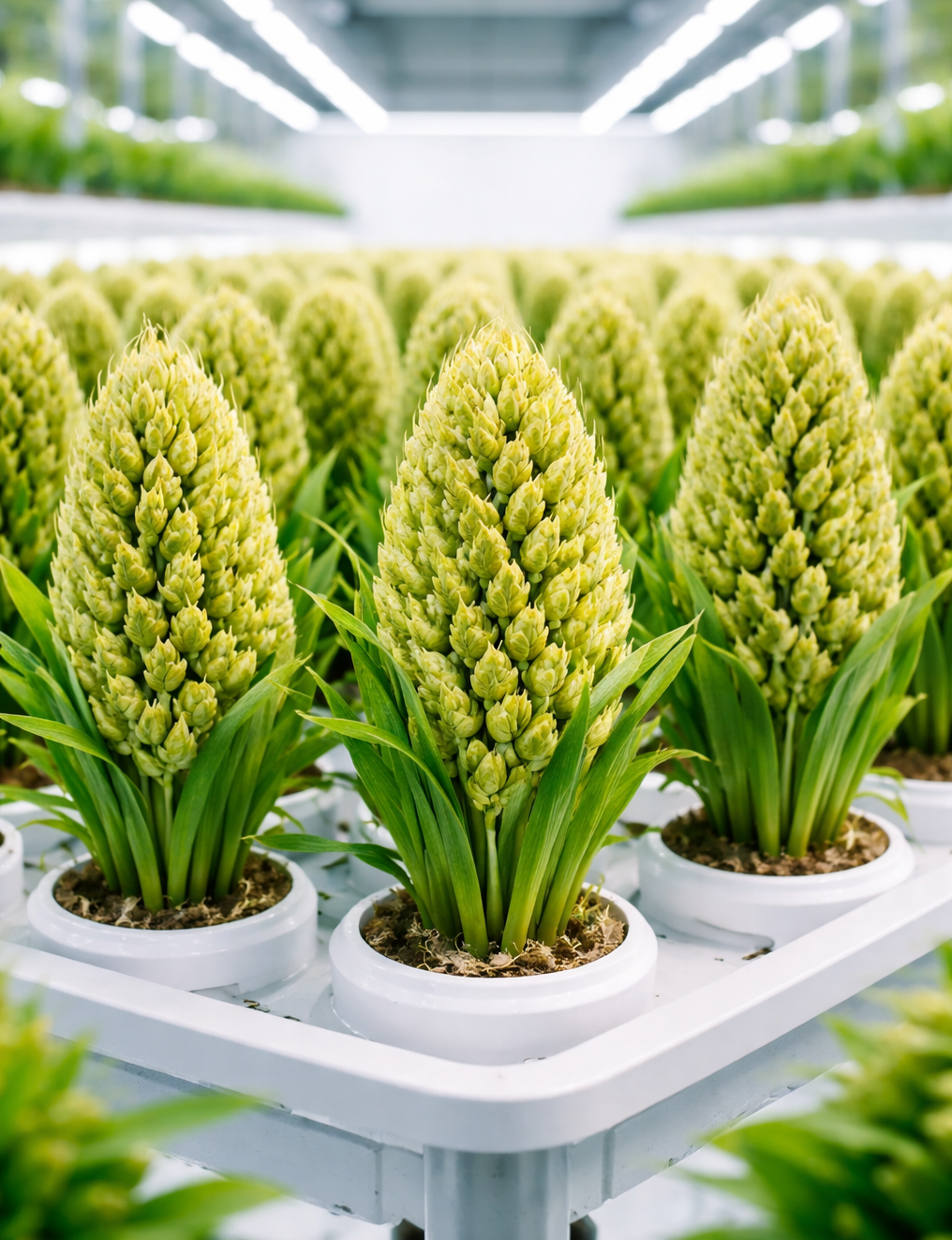
Traditional plant breeding, marker-assisted selection, and more recently genetic modification and gene editing all provide tools to align crop traits with CEA environments. Already, companies and research programmes are developing cultivars specifically designed for indoor systems. These include dwarf tomatoes with compact canopies, lettuce varieties with rapid regrowth for multiple harvests, and strawberries with improved flowering under LED light regimes. Biotechnology also opens the door to traits such as disease resistance tailored to the unique microclimates of vertical farms. While such innovations raise ethical and regulatory questions, they also demonstrate that vertical farming is beginning to shape breeding priorities in ways that diverge from field agriculture.
Food Security and Sustainability Implications
Identifying and developing crops with optimised traits for CEA production extends beyond commercial benefits. Global food systems face challenges of climate change, urbanisation, and population growth. Crops tailored to vertical farming offer pathways to decentralised production, reduced land use, and lower pesticide inputs. However, limitations in seed supply, crop diversity, and energy demand highlight that careful prioritisation of traits will be central to scaling these systems sustainably. Aligning breeding goals with broader sustainability frameworks, such as reducing greenhouse gas emissions or conserving biodiversity, will be vital for CEA to contribute effectively to food security.
Conclusion
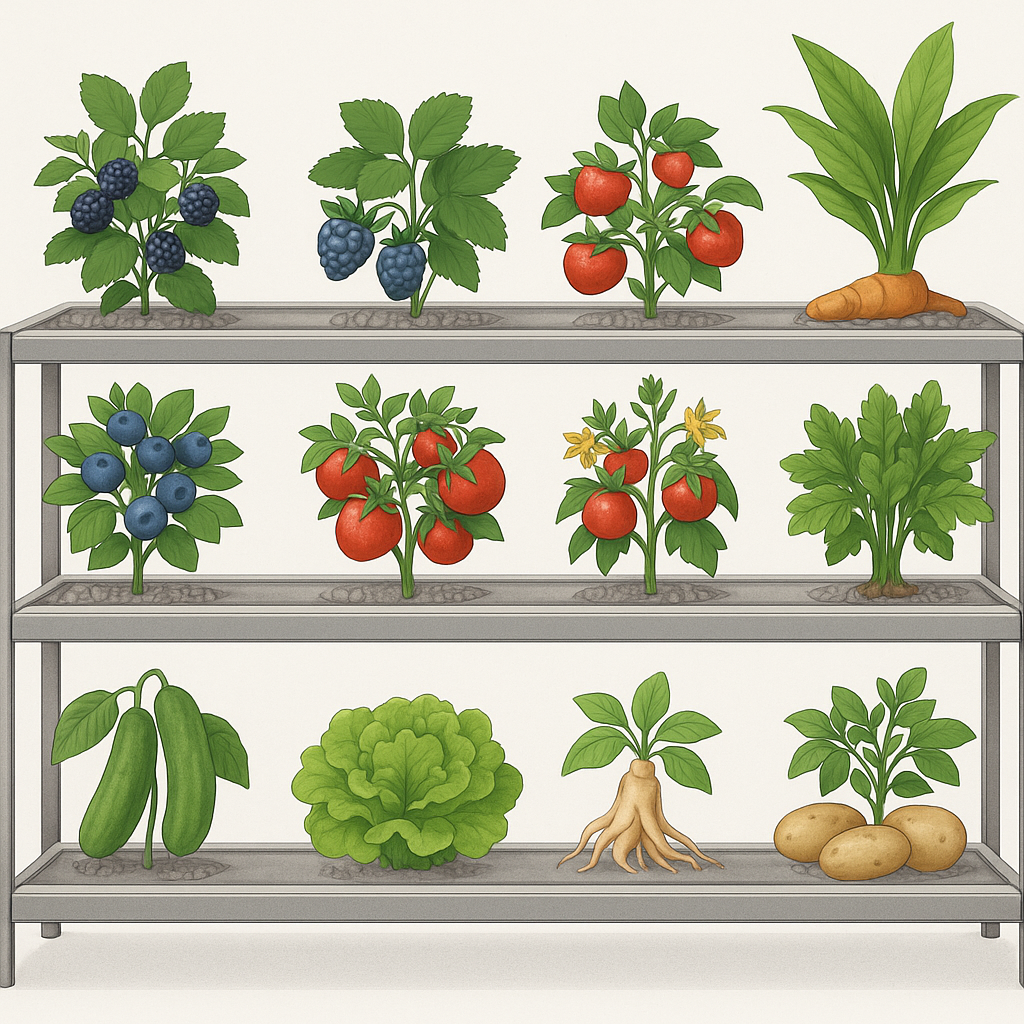
The search for ideal crops in vertical farming is not about finding a single perfect species, but rather about defining the traits that align plant biology with technological and economic realities. Growth cycle length, morphology, light-use efficiency, nutrient uptake, and quality traits all converge to create a profile of crop suitability. As research, breeding, and biotechnology continue to evolve, the portfolio of crops optimised for CEA production will expand, moving beyond leafy greens and herbs to encompass fruiting crops, root vegetables, and even protein-rich plants. Ultimately, the future of vertical farming depends not only on engineering and energy systems, but also on the deliberate shaping of plant traits to thrive in controlled environments.