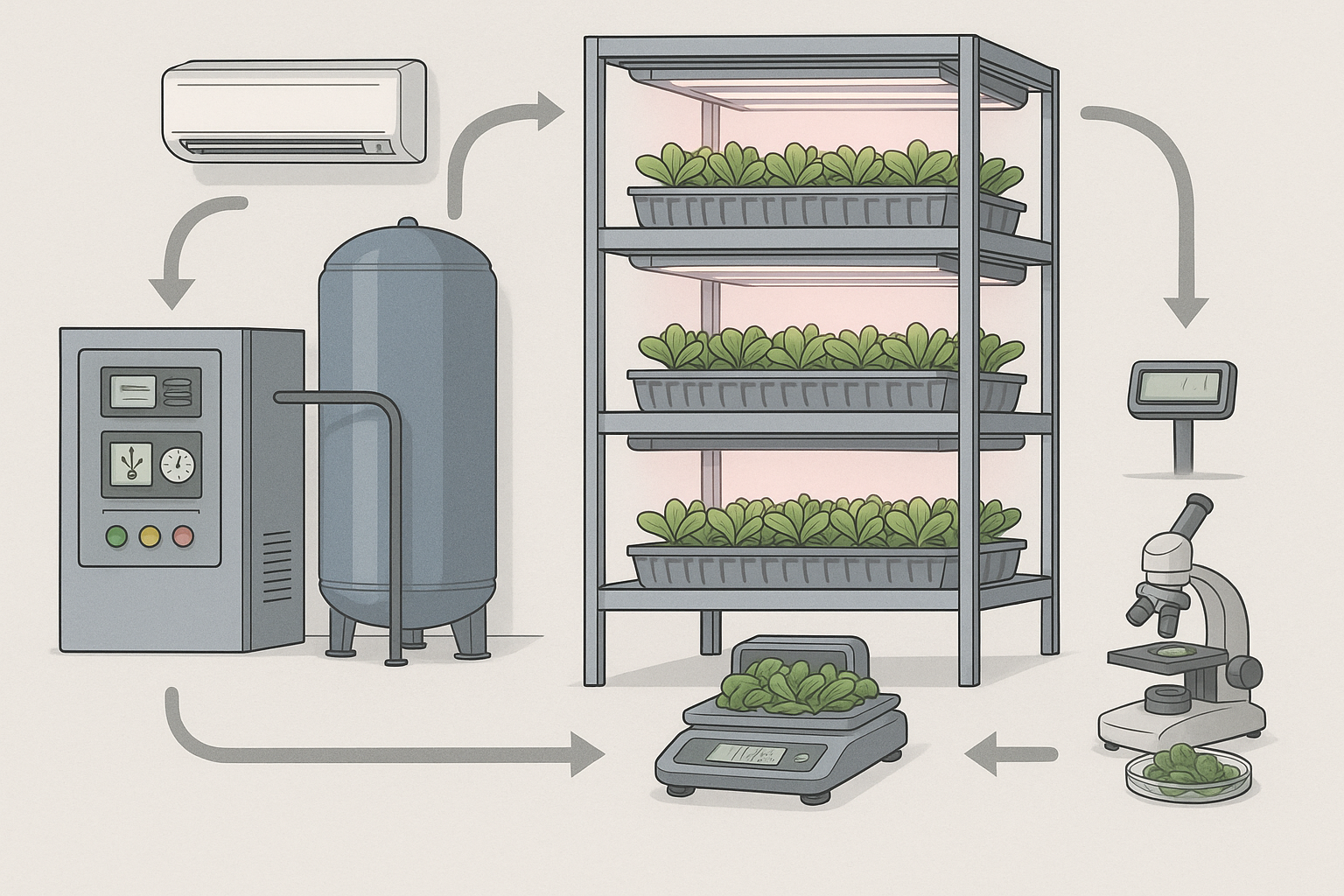
How to Maximise Yield and Quality in Controlled Environment Agriculture
Yield optimisation in controlled environment agriculture (CEA) is one of the most discussed and researched aspects of indoor food production. The principal
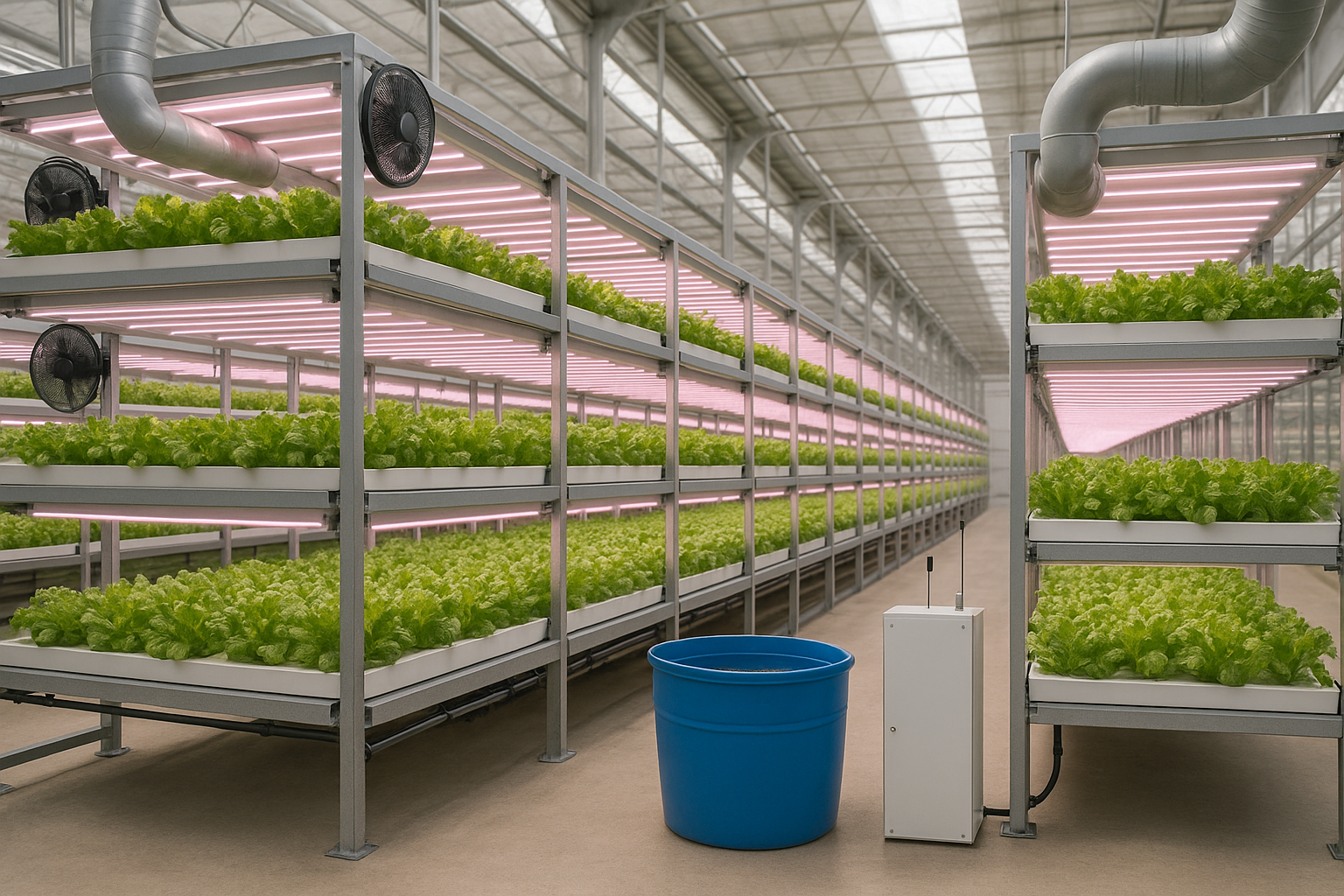
To effectively manage crops within an indoor farm, you must understand how plants respond to precisely regulated conditions and how growers can use those conditions to guide reliable, high quality production outcomes. In IPP systems plant performance is shaped by a close relationship between physiology and technology. Light, temperature, humidity, carbon dioxide, water supply and nutrients can be set and adjusted with considerable accuracy.
Yield optimisation in controlled environment agriculture (CEA) is one of the most discussed and researched aspects of indoor food production. The principal
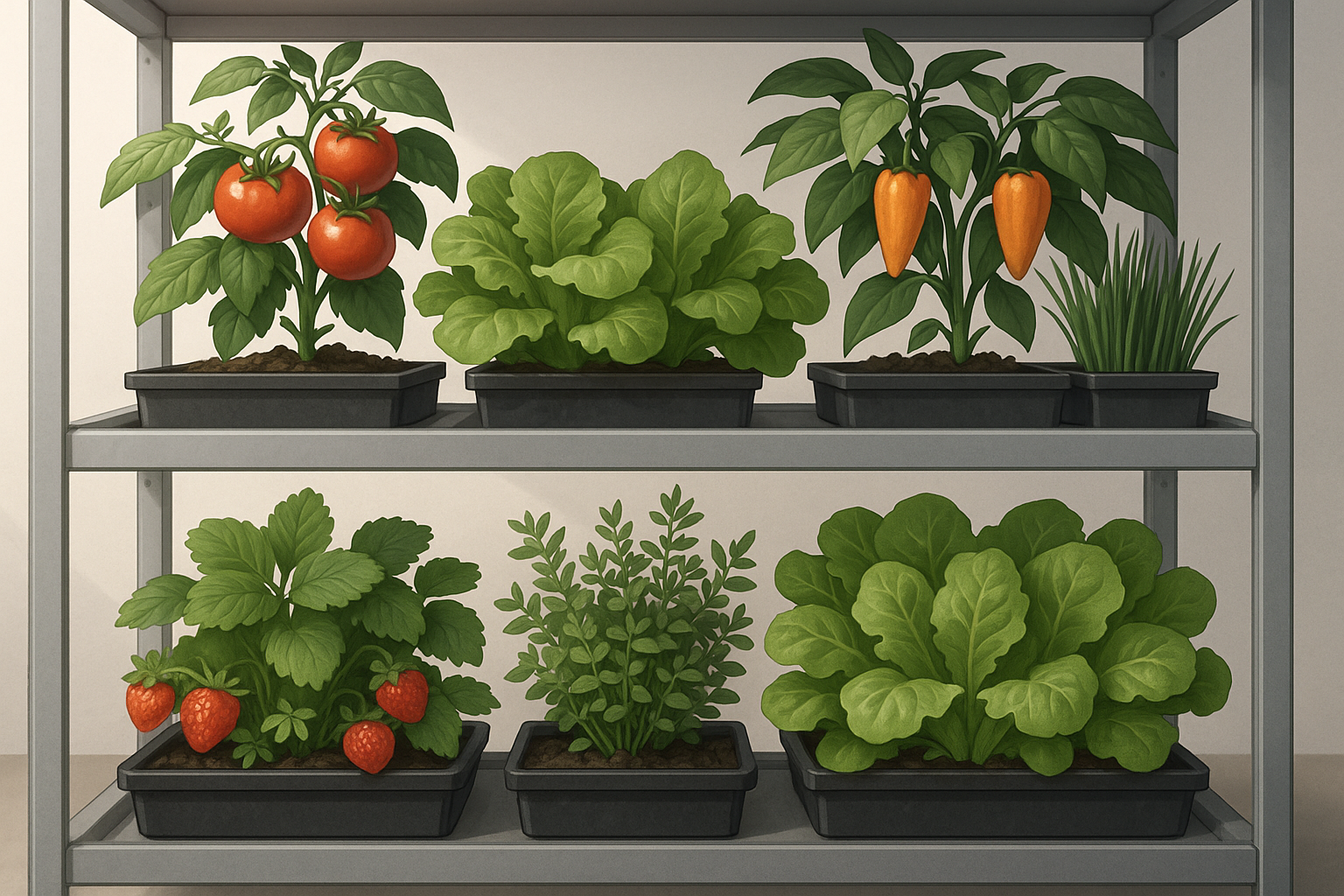
Companion planting in CEA (Controlled Environment Agriculture) offers a thoughtful approach to crop design in indoor farm systems. While the practice is
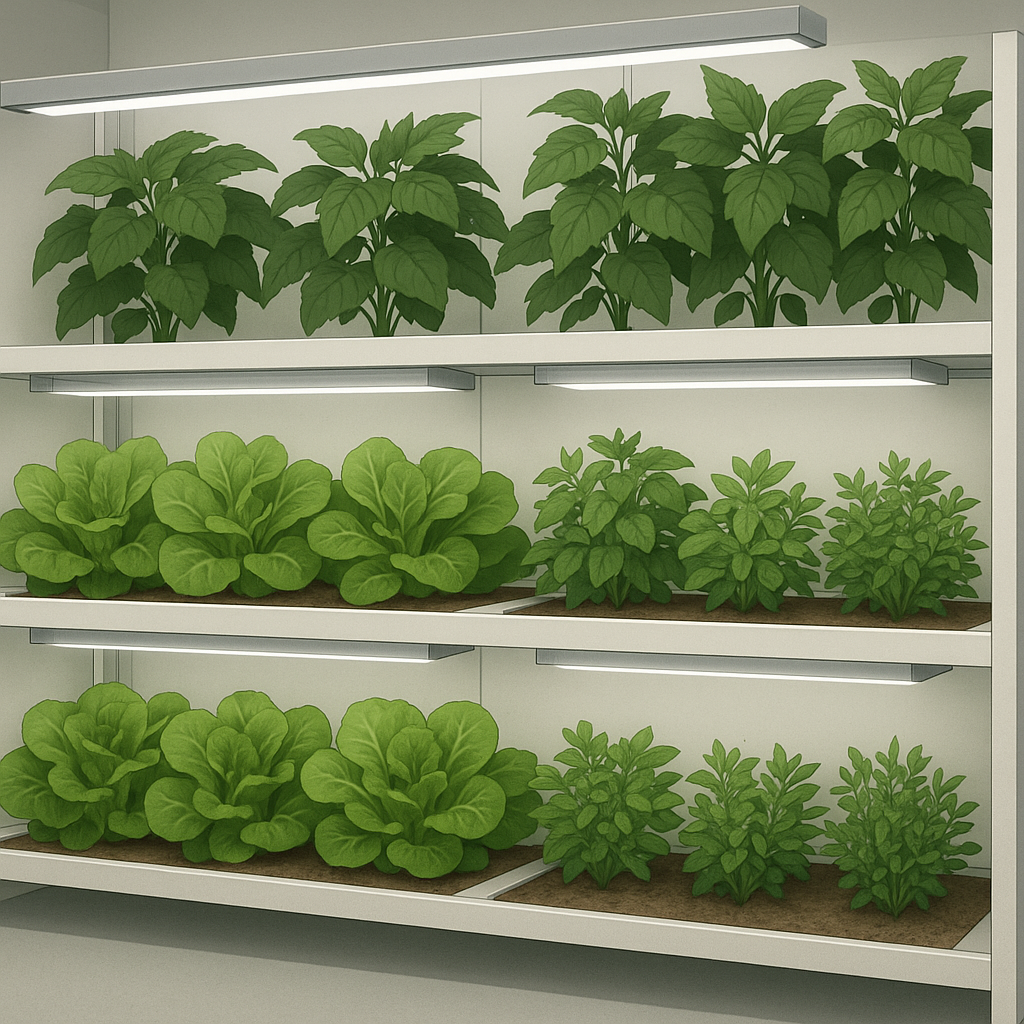
Intercropping in indoor farming is an approach that aims to cultivate two or more crop species within the same controlled space, either
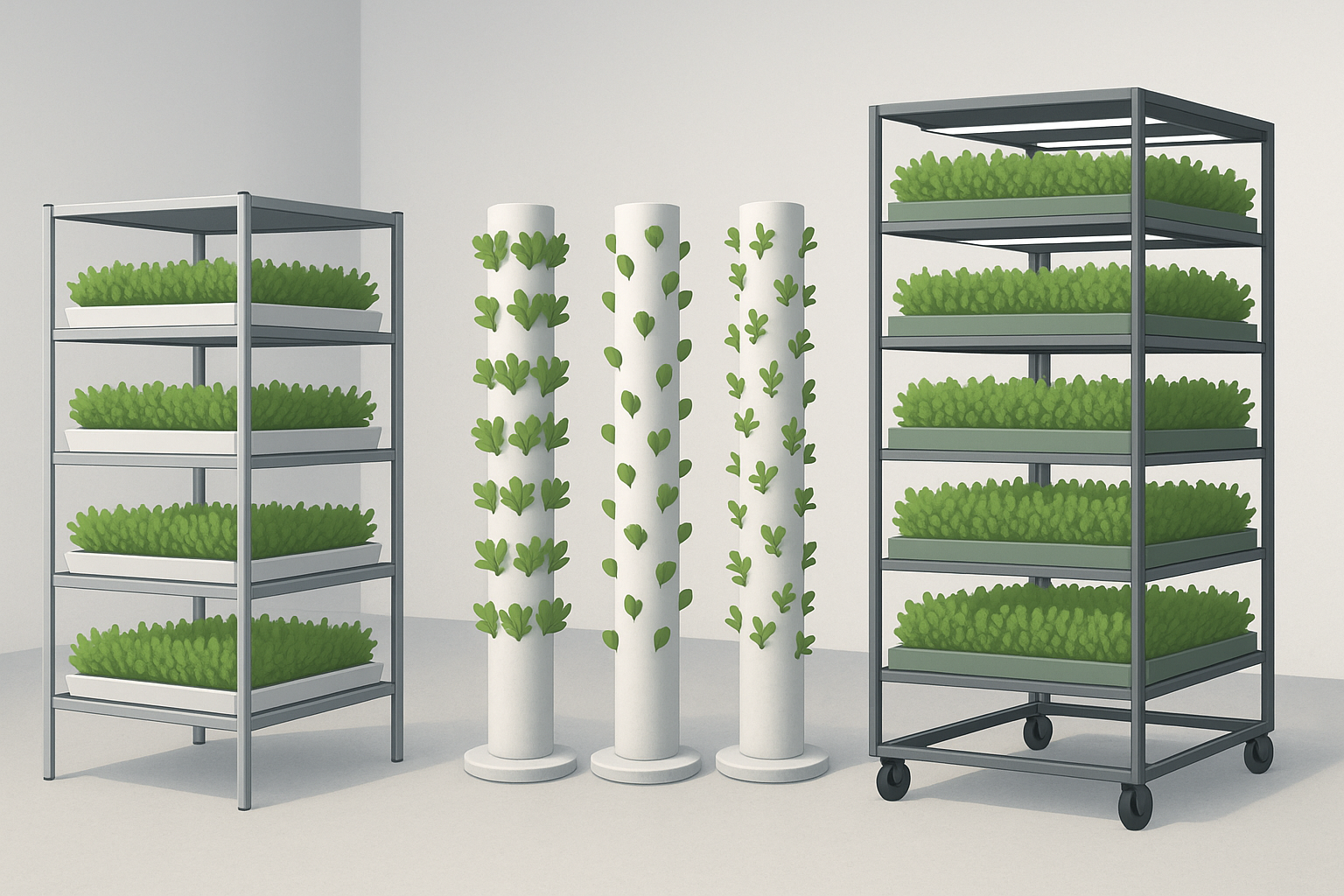
The practice of vertically stacking crops has become central to the design and operation of modern indoor farming systems. By arranging plants
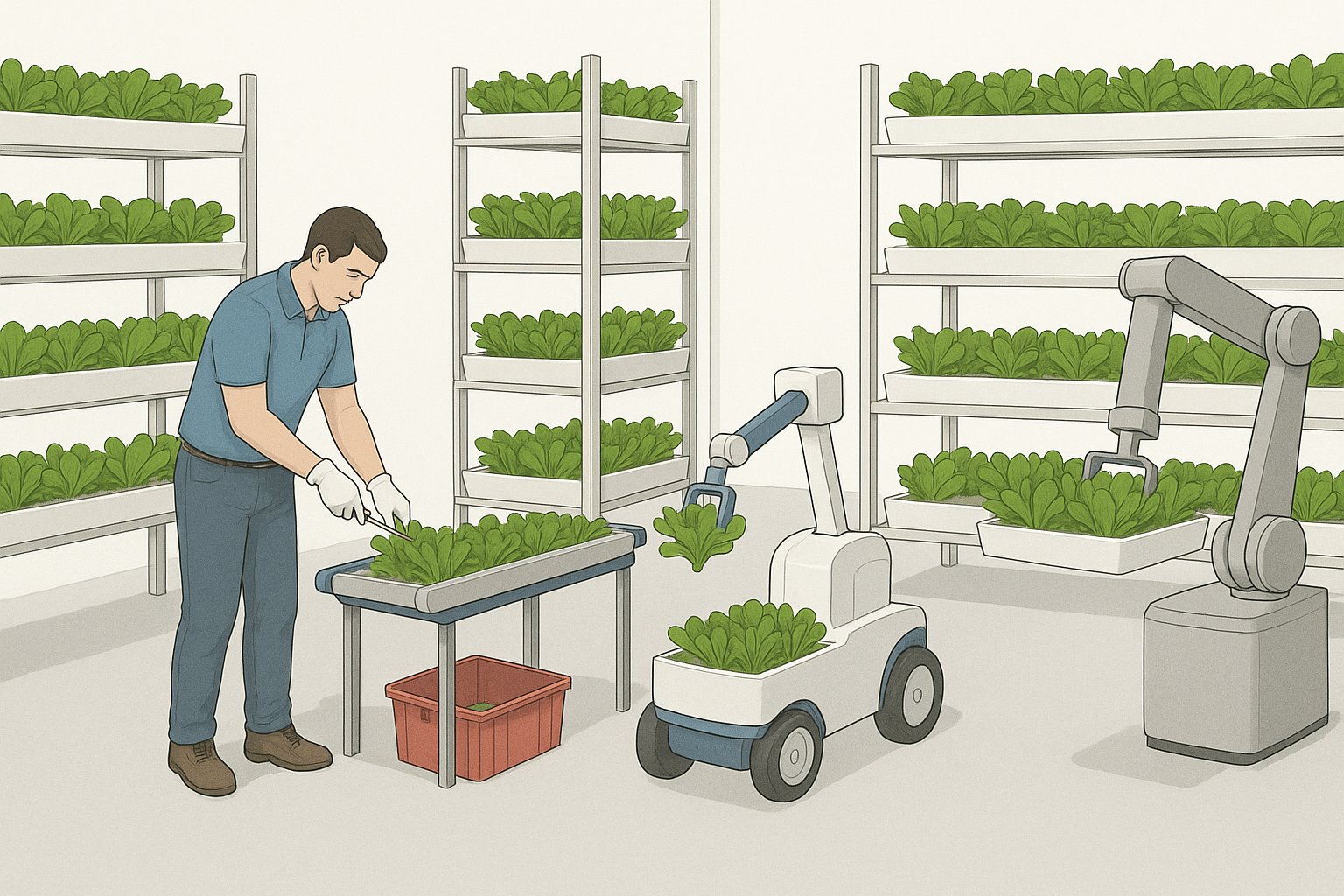
Harvesting is the final stage in the production cycle of indoor crops, yet its importance is often underappreciated in discussions of Controlled
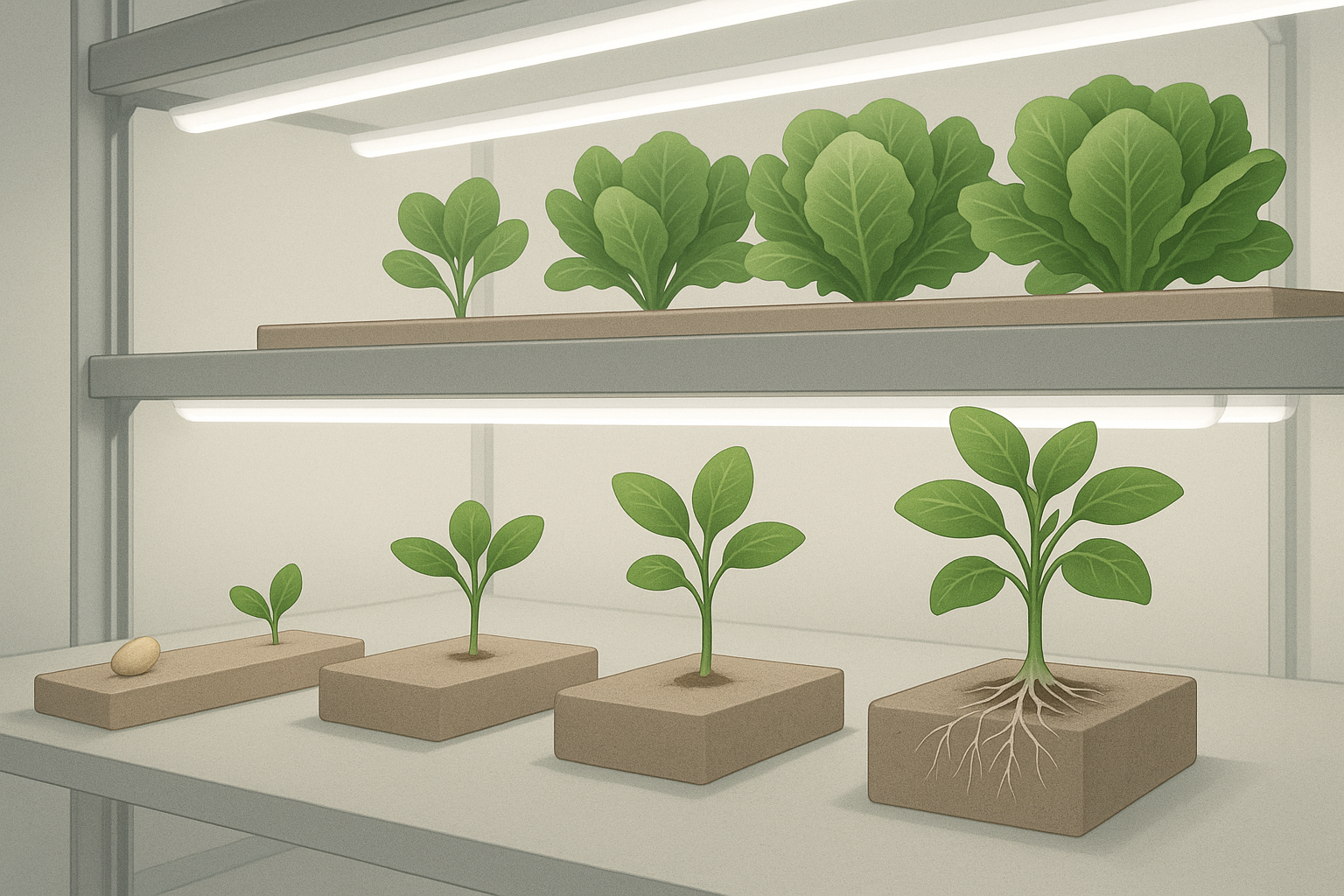
Crop growth cycles are central to how indoor production systems function and to their promise of consistent, high-quality harvests. Unlike open-
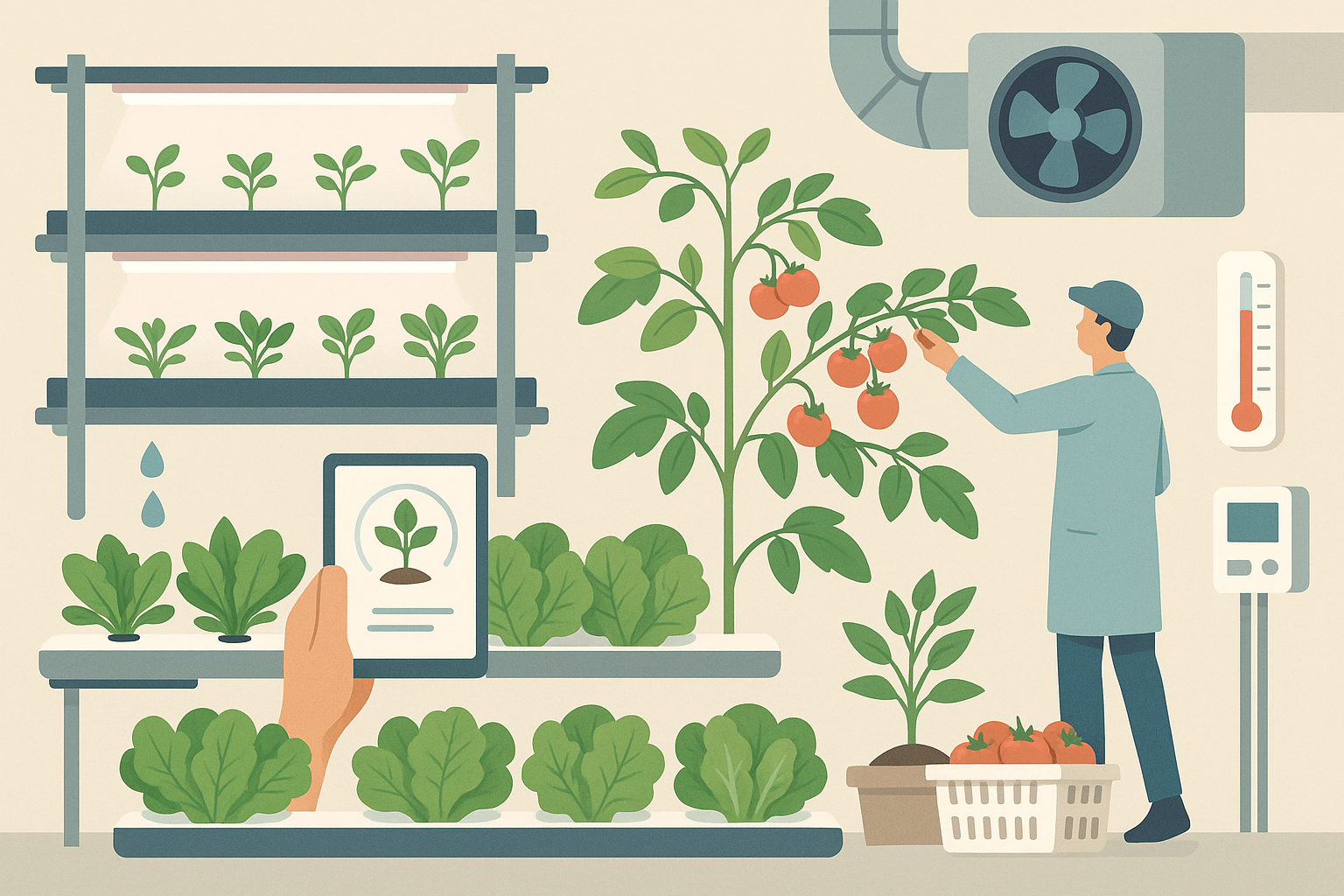
Crop management in vertical farming is both an art and a science. Unlike open-field agriculture, where environmental conditions are largely dictated