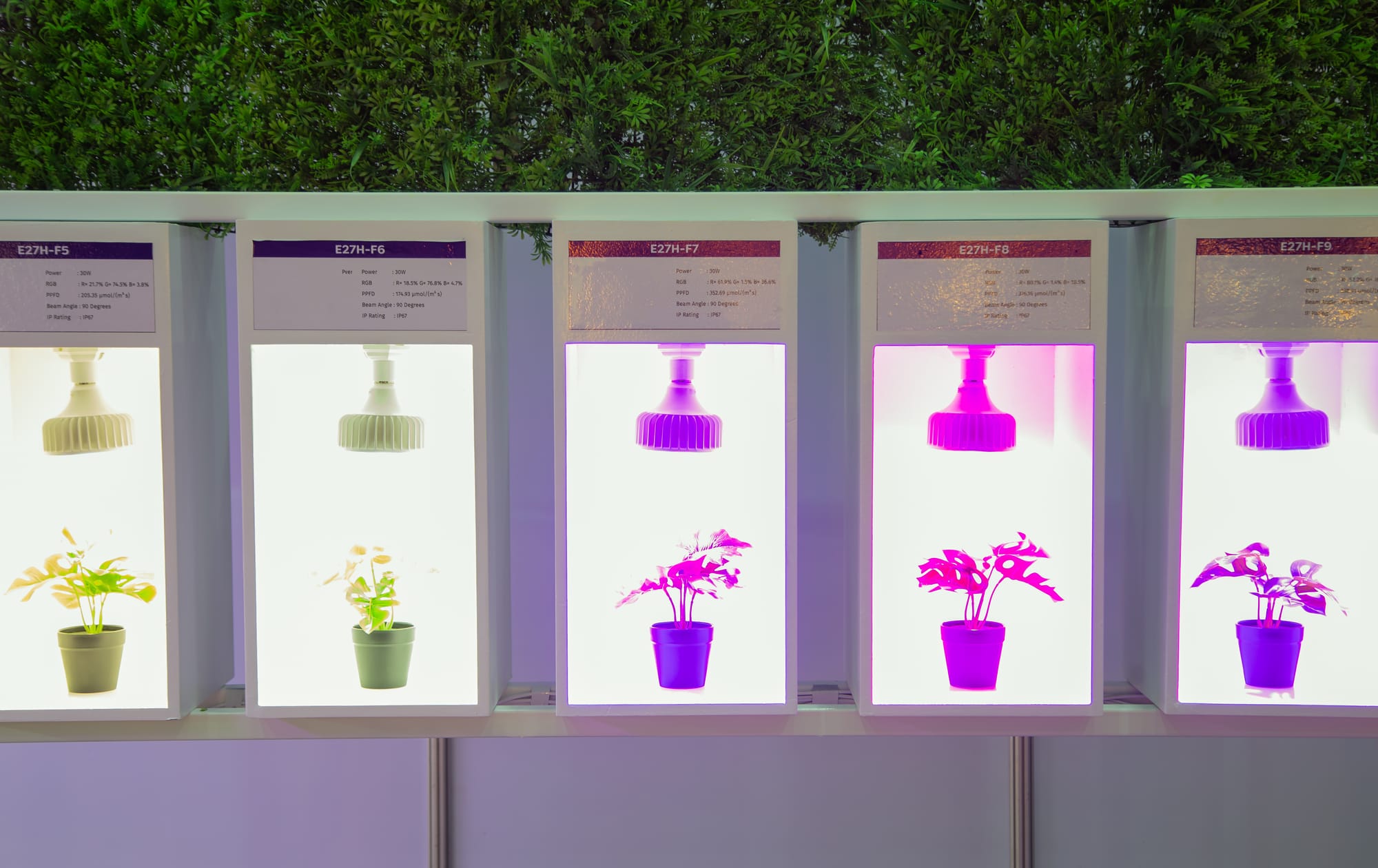
Long Read: The Influence of Different Light Wavelengths on Plant Growth
The technology of controlled environment agriculture (CEA) is fast developing and is increasingly recognised as an important component of future food production.

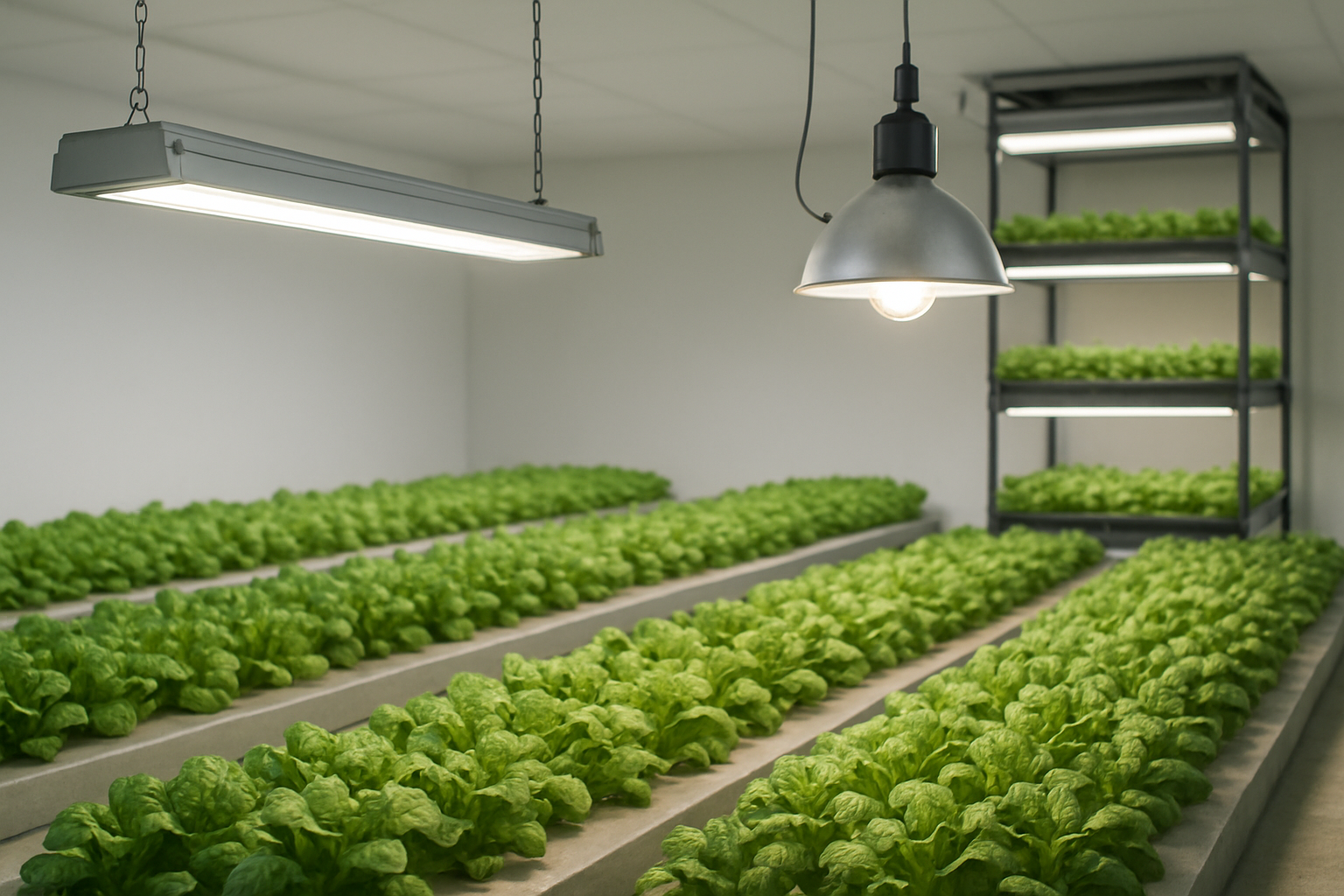
Lighting is a key driver of plant growth in vertical farming and controlled environment agriculture, influencing photosynthesis, form, yield, and quality. In indoor systems, artificial lighting must be precisely specified and managed. This section outlines core principles and practical considerations, supporting technology choice, system design, and alignment with crop and economic objectives.
The technology of controlled environment agriculture (CEA) is fast developing and is increasingly recognised as an important component of future food production.
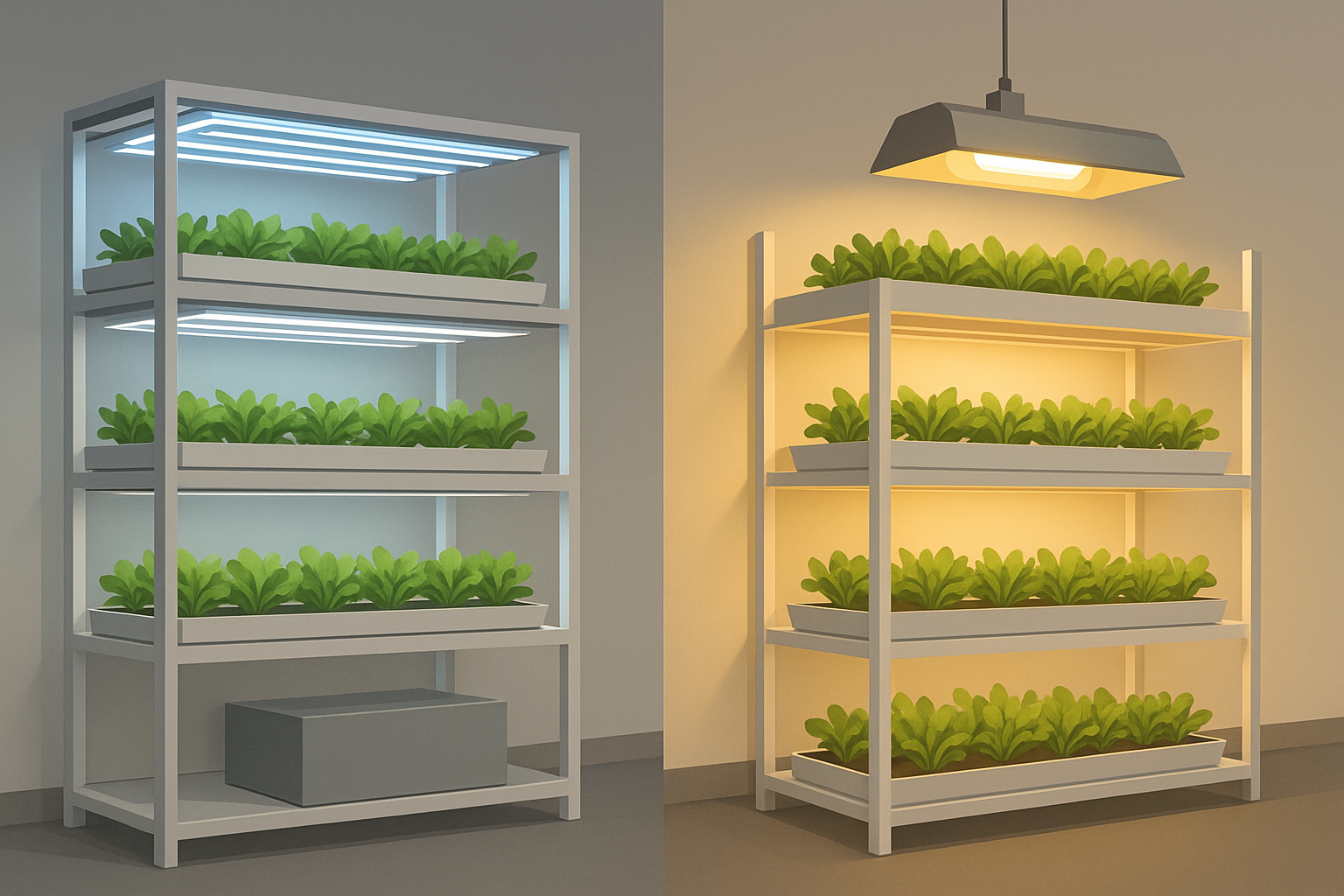
The choice of which artificial lighting approach is one of the most critical decisions in controlled environment agriculture (CEA). Nowhere is this
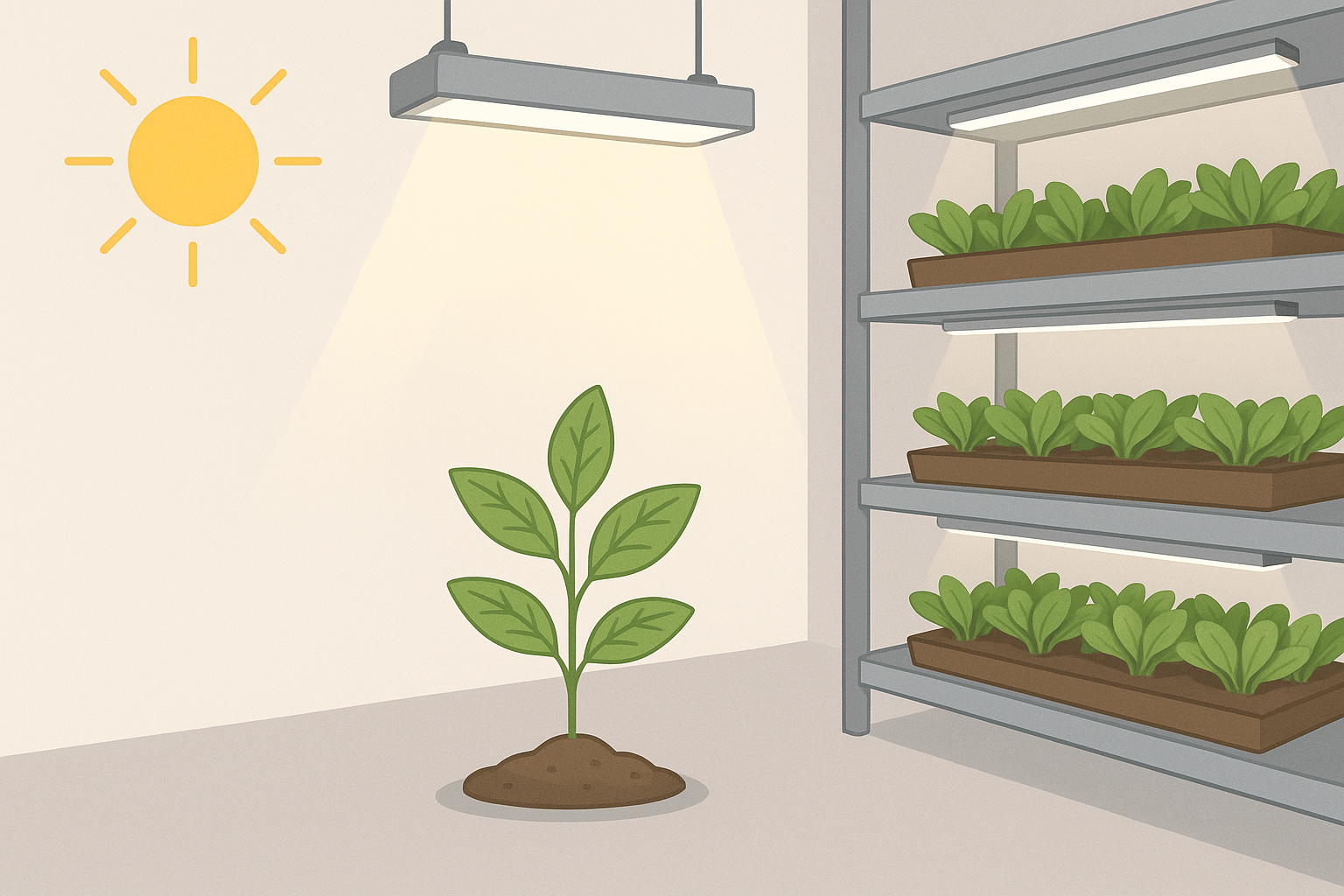
Controlled Environment Agriculture (CEA) relies heavily on precise environmental control to optimise plant growth. Central to this approach is the use of
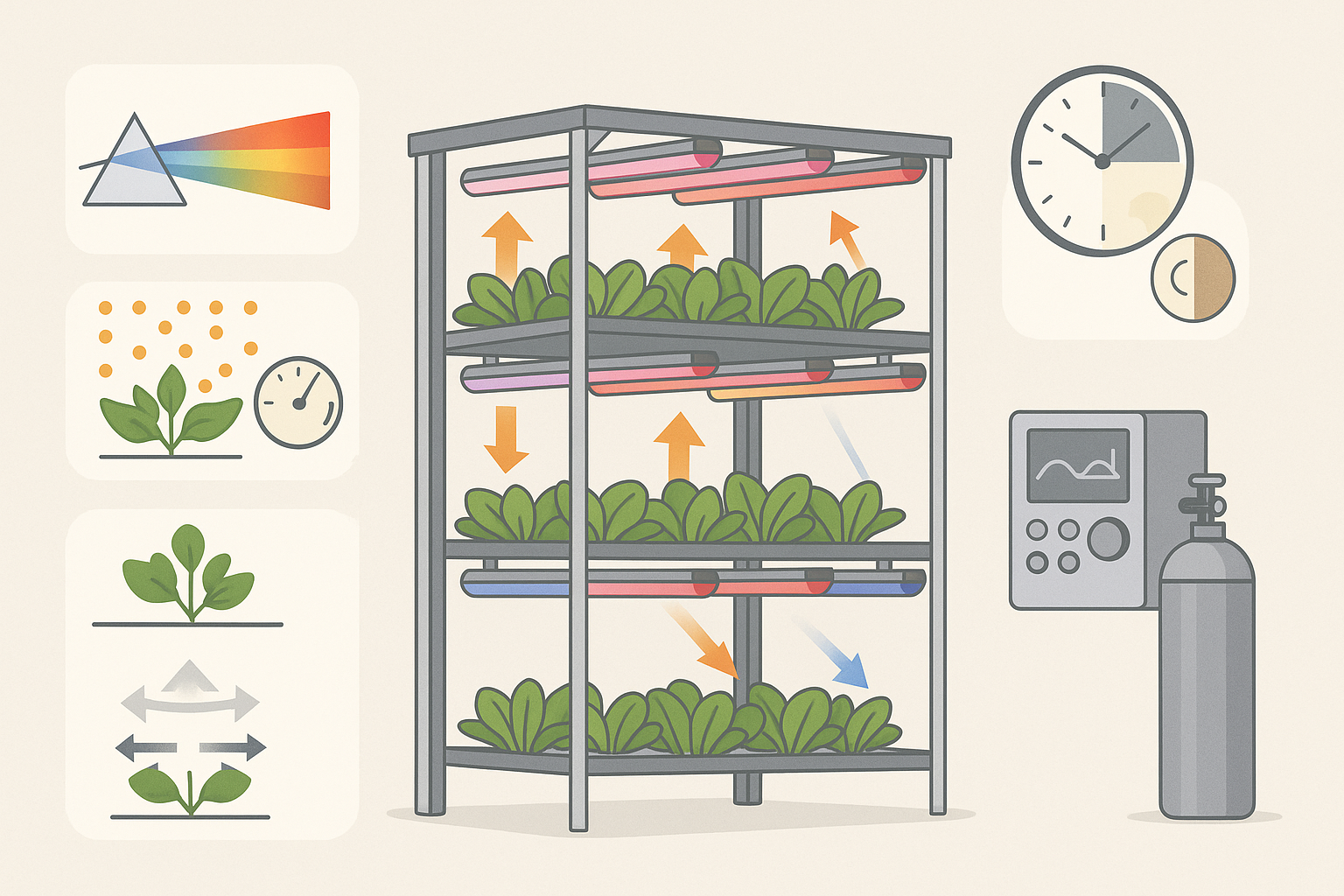
Illuminating the Role of Light in Indoor Crop Production In Controlled Environment Agriculture (CEA) and vertical farming, photobiology (the study of how
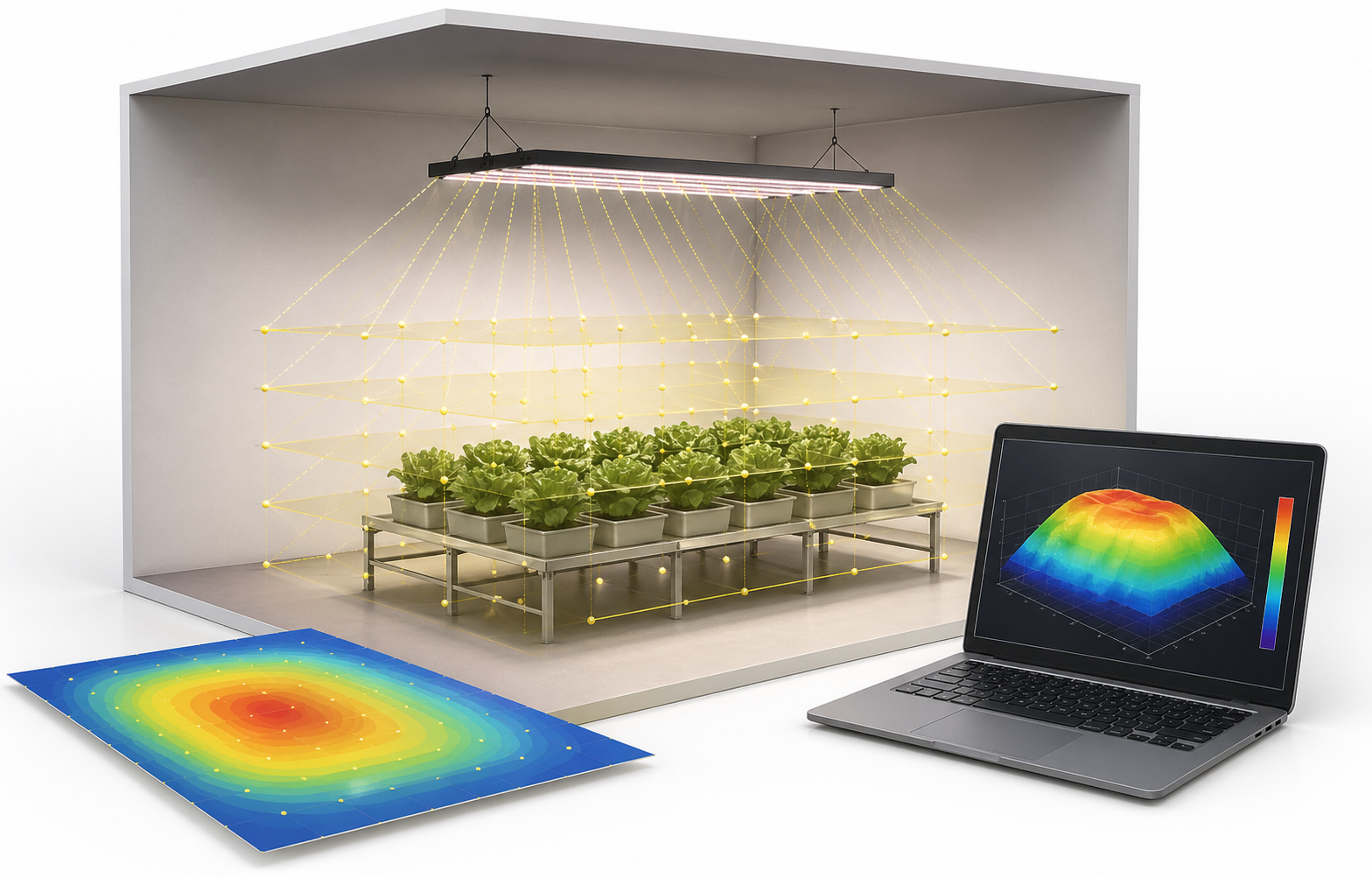
Understanding how to calculate PAR, PPF, PPE, and PPFD in lighting is fundamental to the design and optimisation of any controlled environment
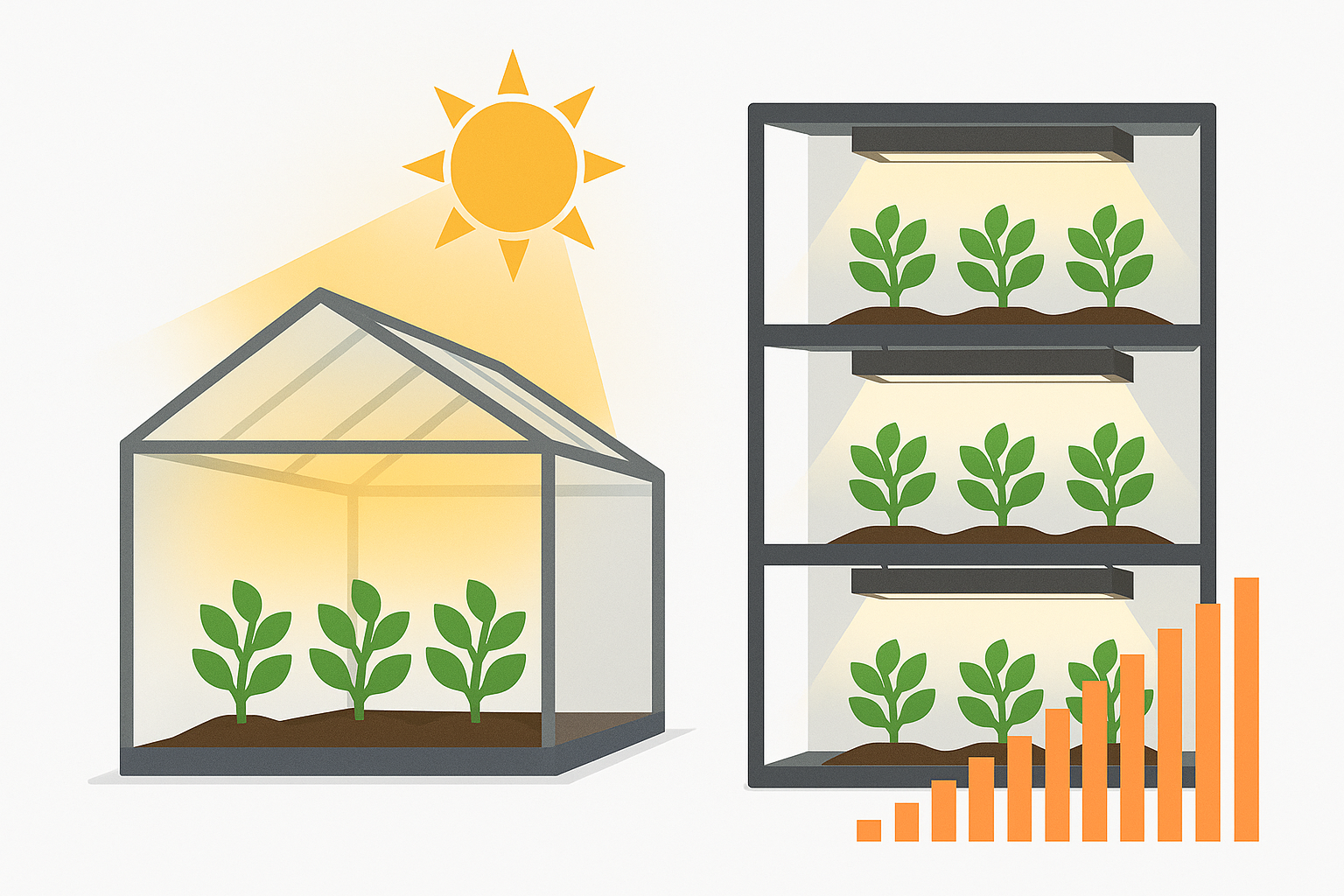
What is Daily Light Integral and Why Does It Matter? The concept of daily light integral (DLI) is foundational to designing effective
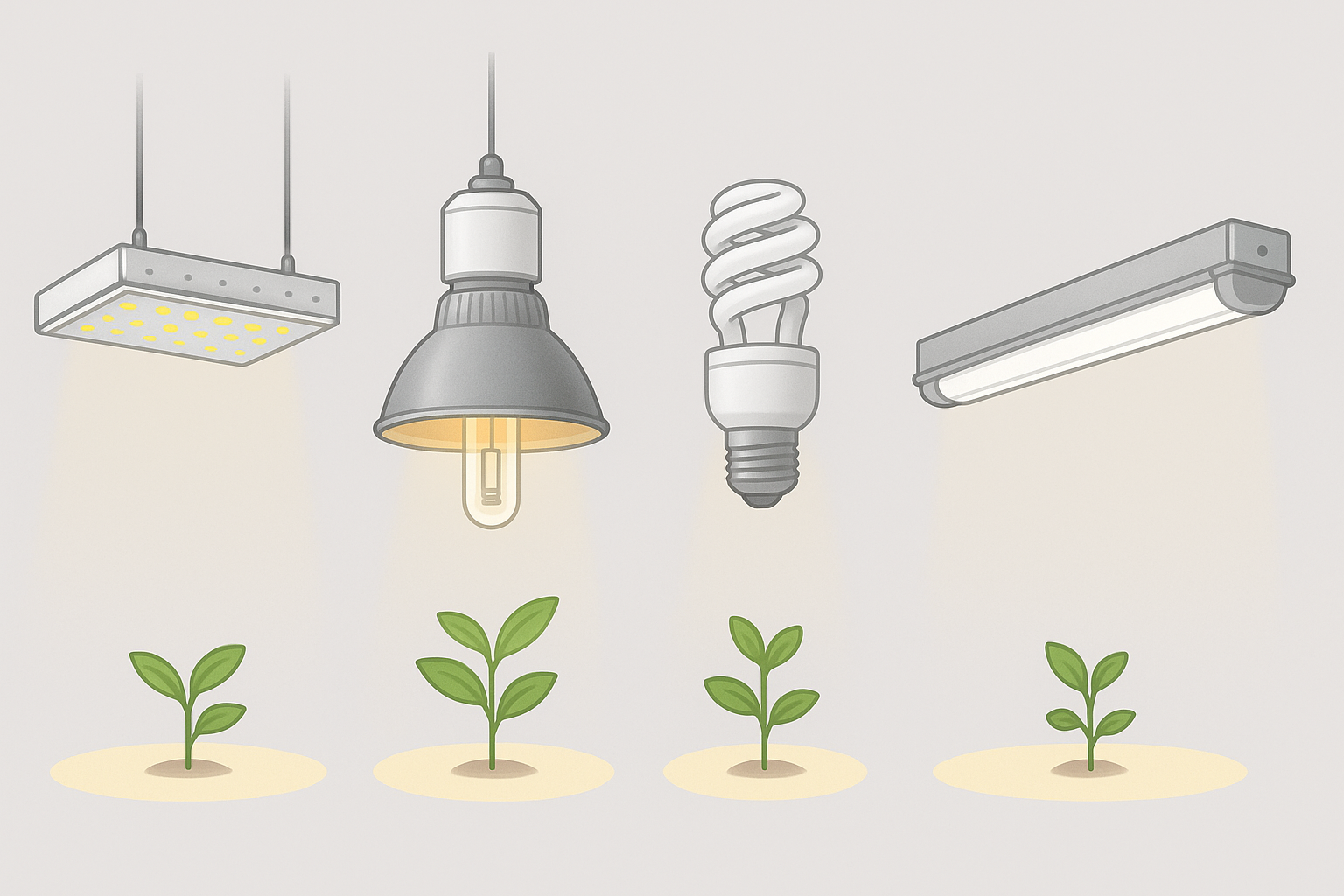
Understanding the nuances of LED vs HPS and other lighting in vertical farming and CEA systems is central to designing efficient and
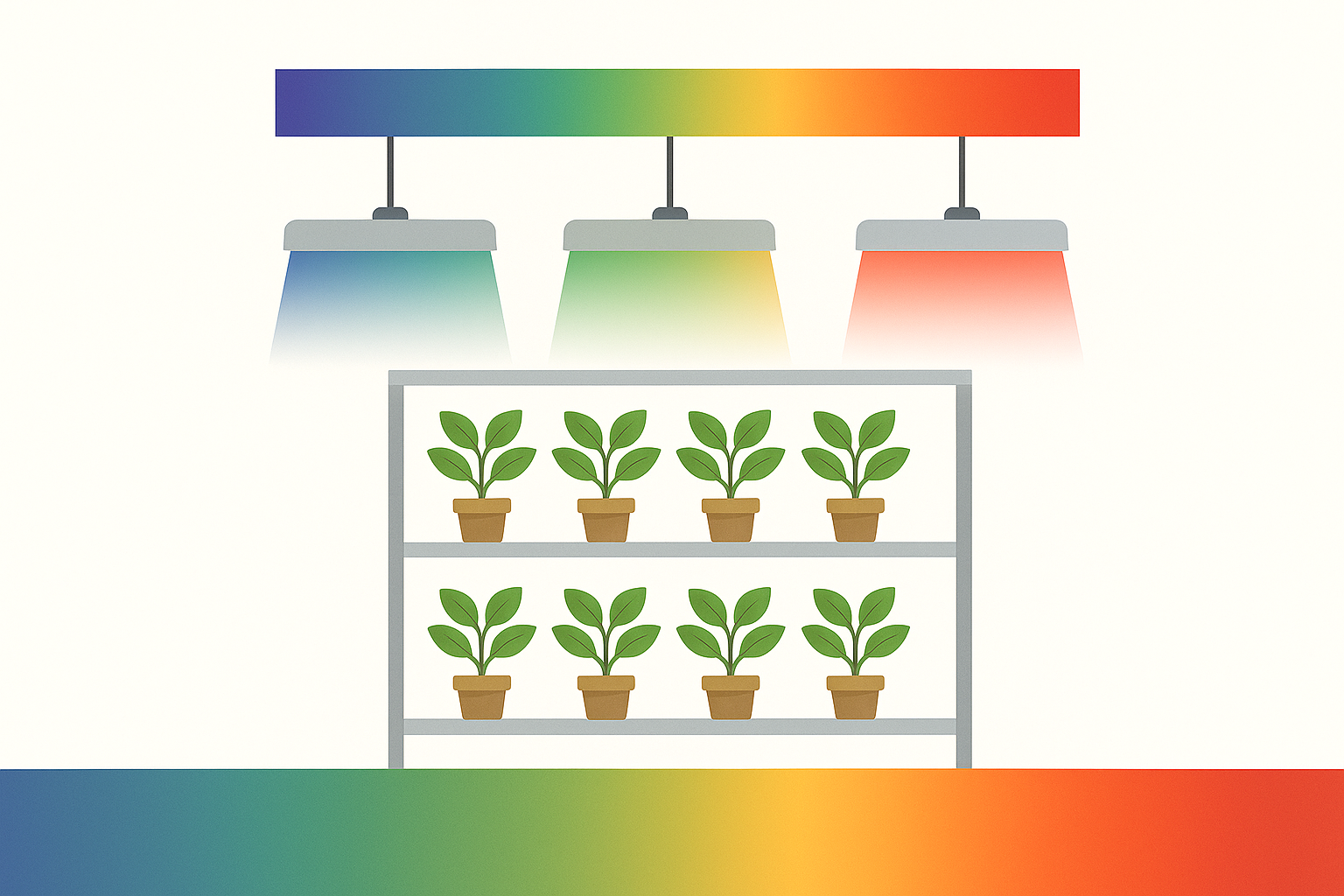
Understanding the effect of light spectrum on crop production is central to the optimisation of Controlled Environment Agriculture (CEA), particularly within vertical
Understanding how plants respond to light is fundamental in Controlled Environment Agriculture (CEA). One of the most critical aspects of this relationship