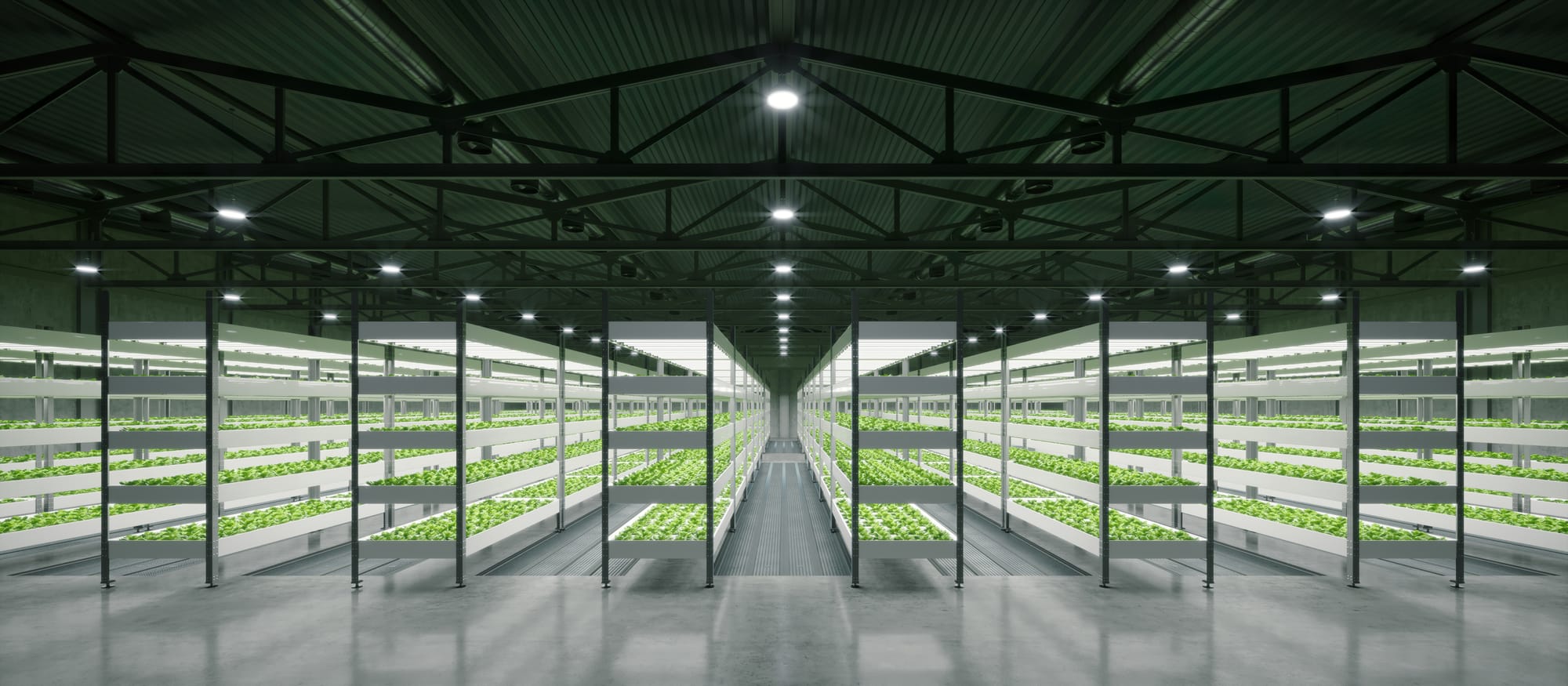
Long Read: Growing Pharmaceutical Plants in Vertical Farms
* There are many plants which can be used in the production of pharmaceutical products, and vertical farming could be useful in their

* There are many plants which can be used in the production of pharmaceutical products, and vertical farming could be useful in their
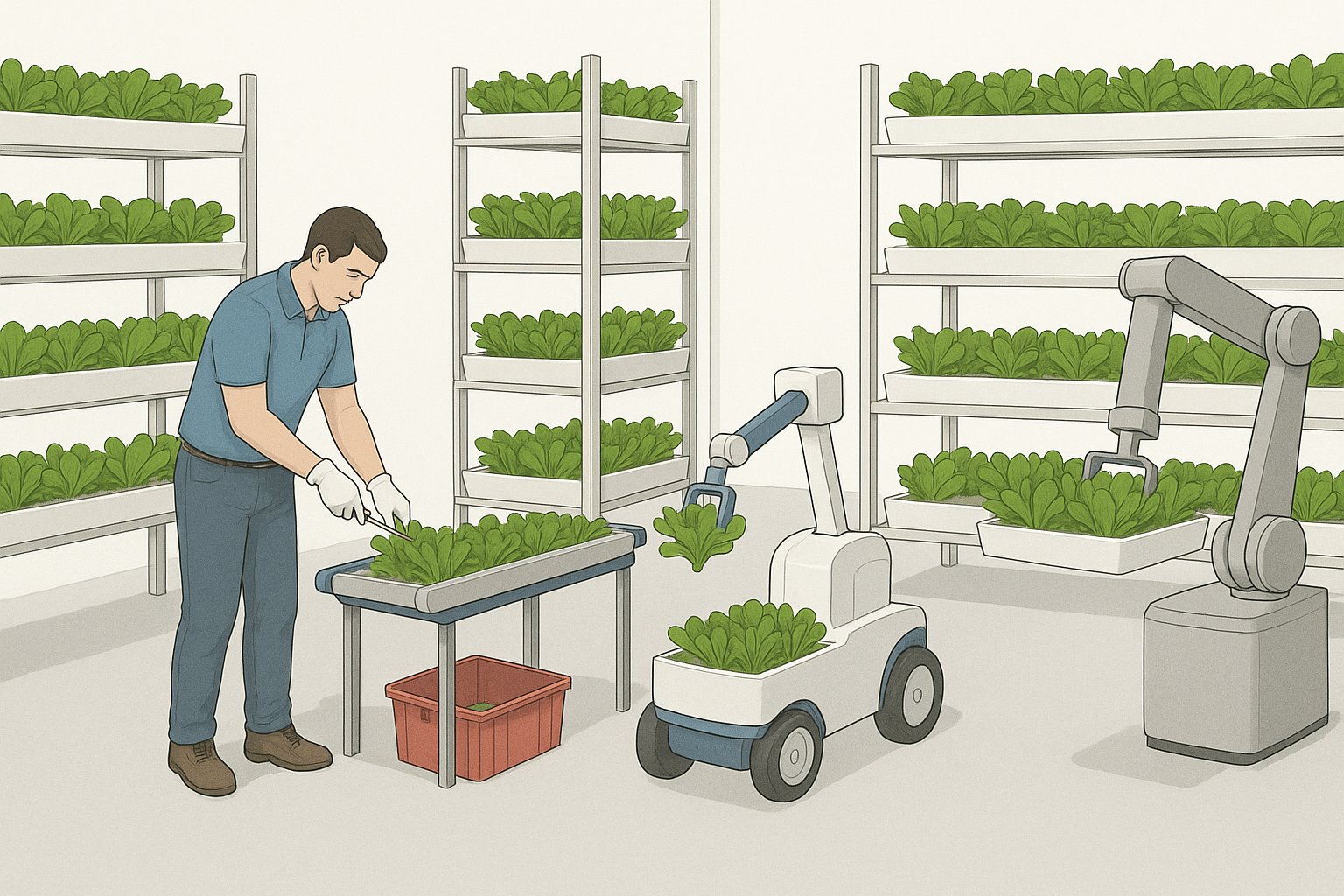
Harvesting is the final stage in the production cycle of indoor crops, yet its importance is often underappreciated in discussions of Controlled
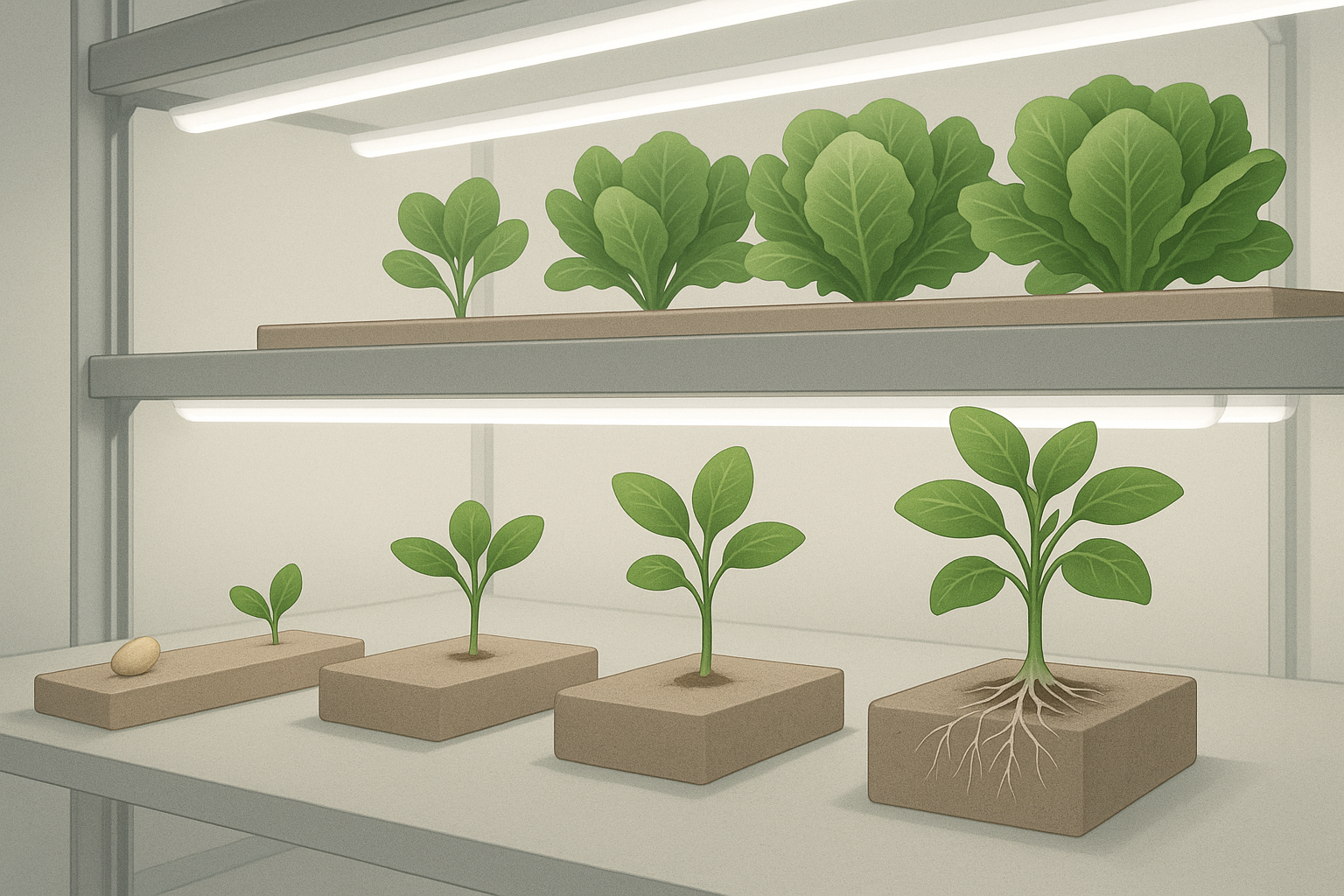
Crop growth cycles are central to how indoor production systems function and to their promise of consistent, high-quality harvests. Unlike open-
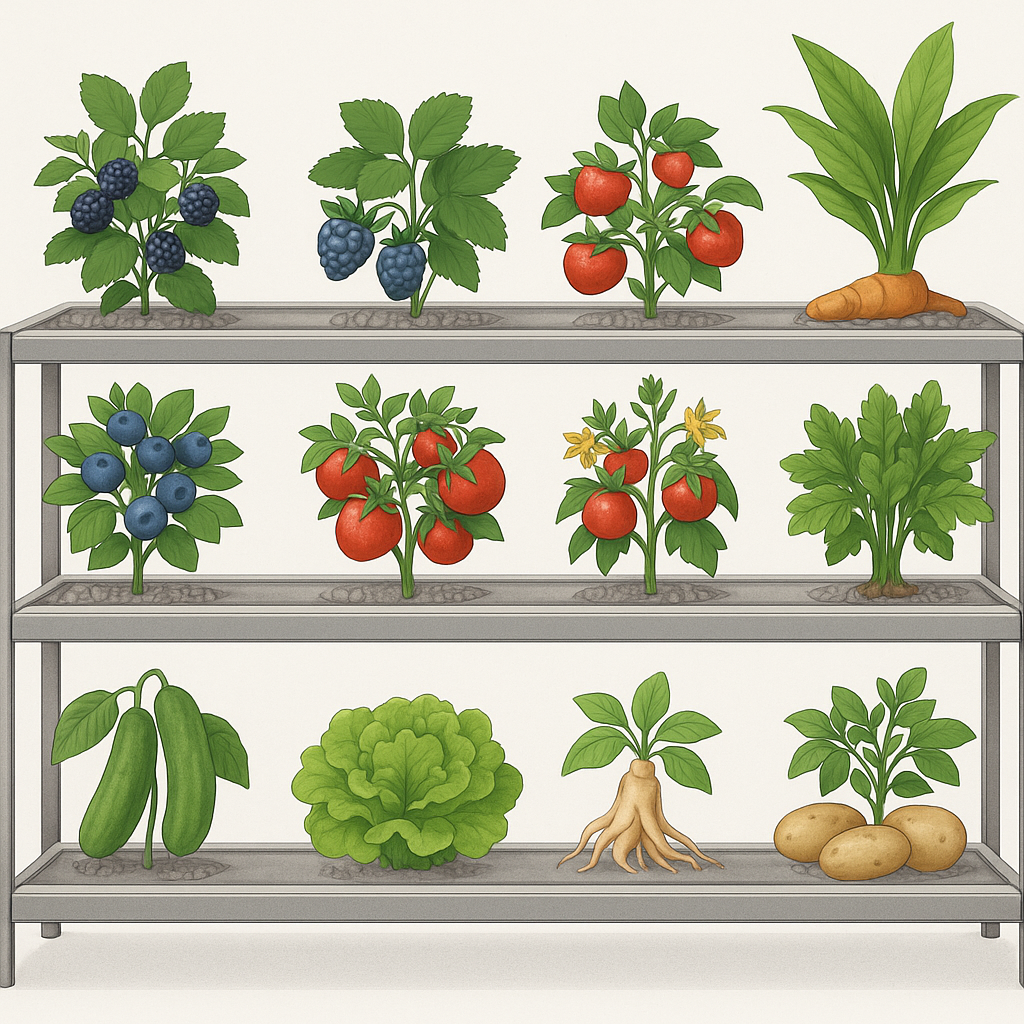
Controlled Environment Agriculture (CEA) has largely been associated with leafy greens, herbs, and microgreens: crops that deliver rapid turnover, predictable yields, and
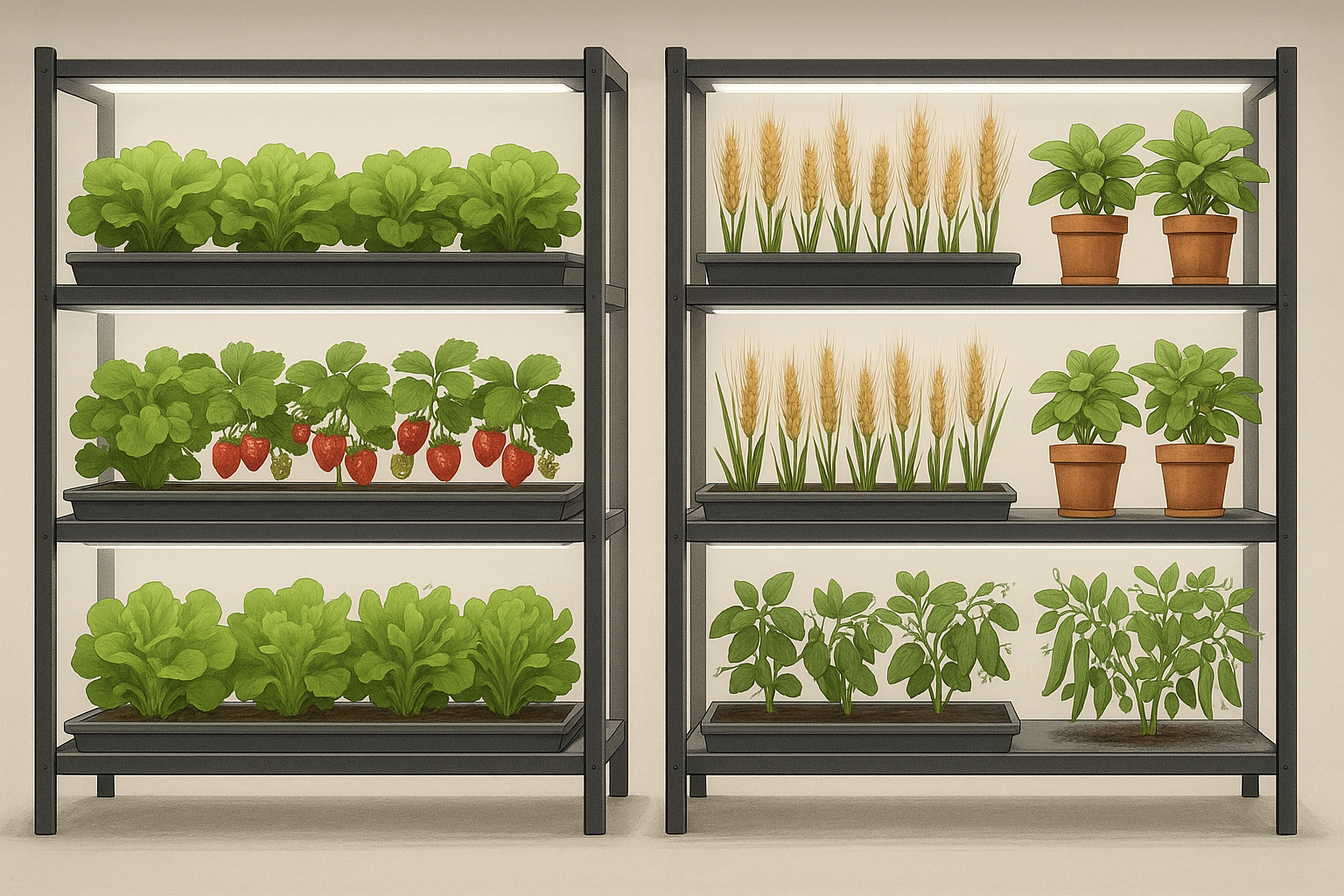
The idea of emerging crops in vertical farming is no longer limited to leafy greens and herbs; researchers, entrepreneurs, and policy-makers
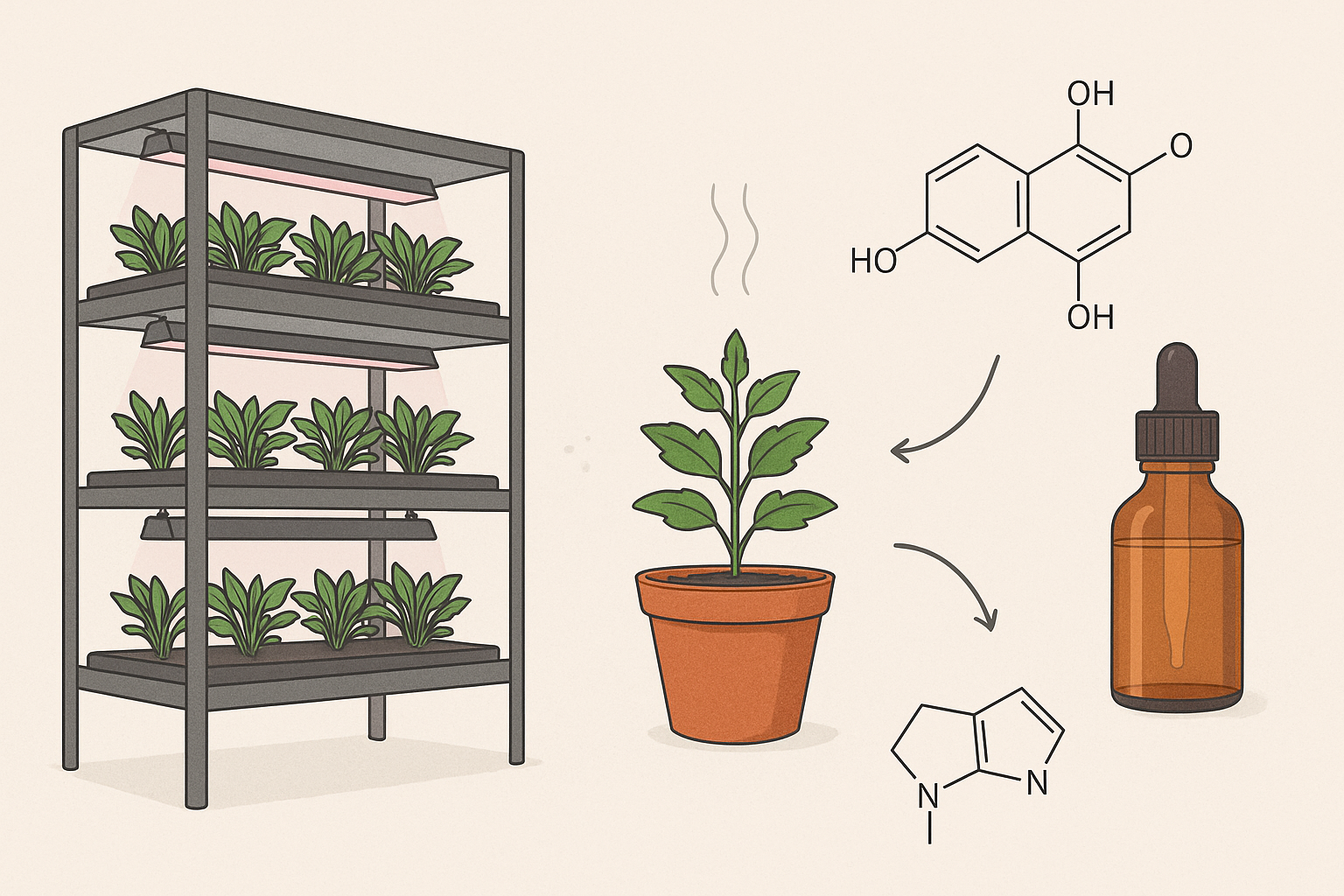
Using stress to initiate the production of novel compounds in plants has become a subject of significant interest within Controlled Environment Agriculture
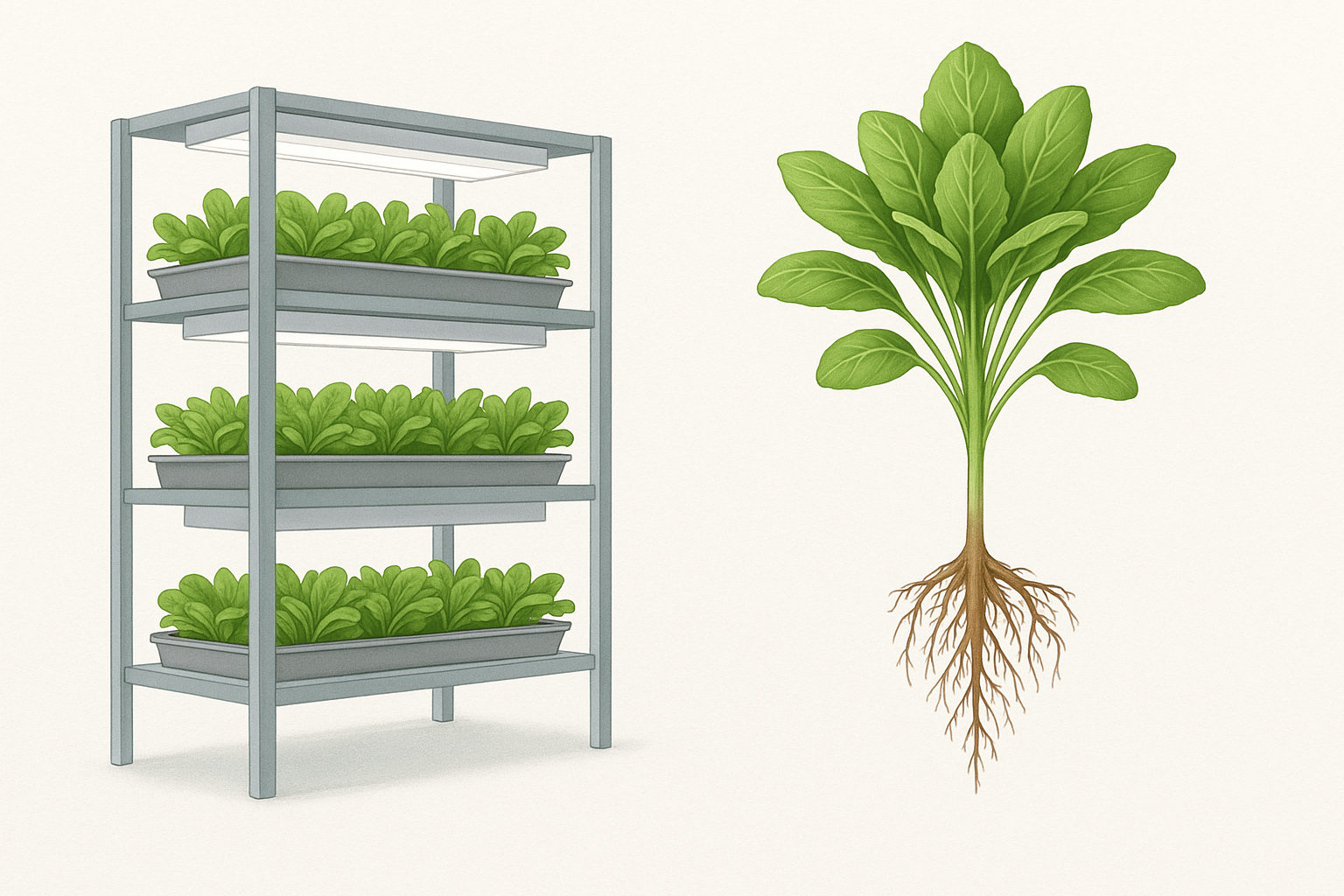
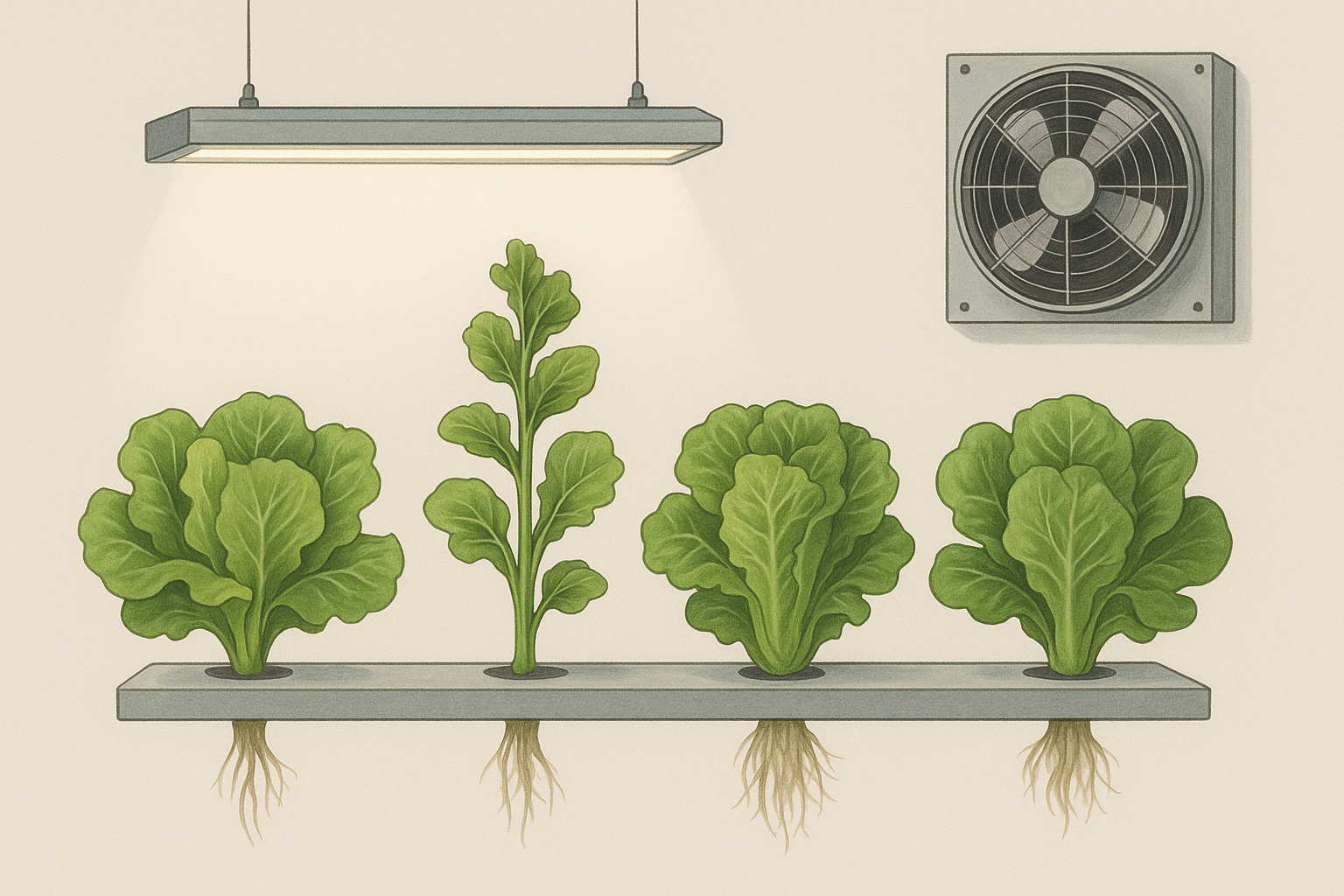
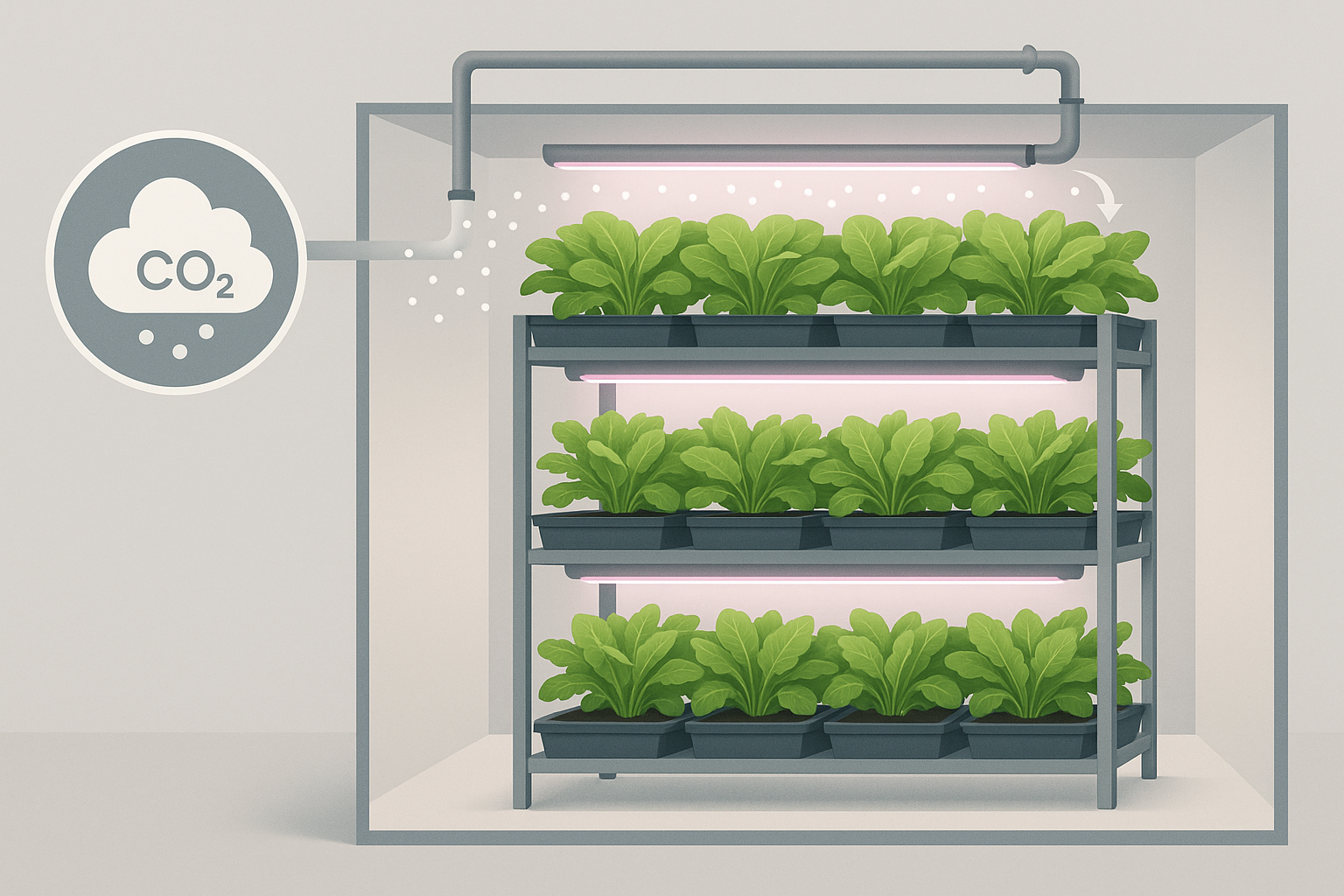
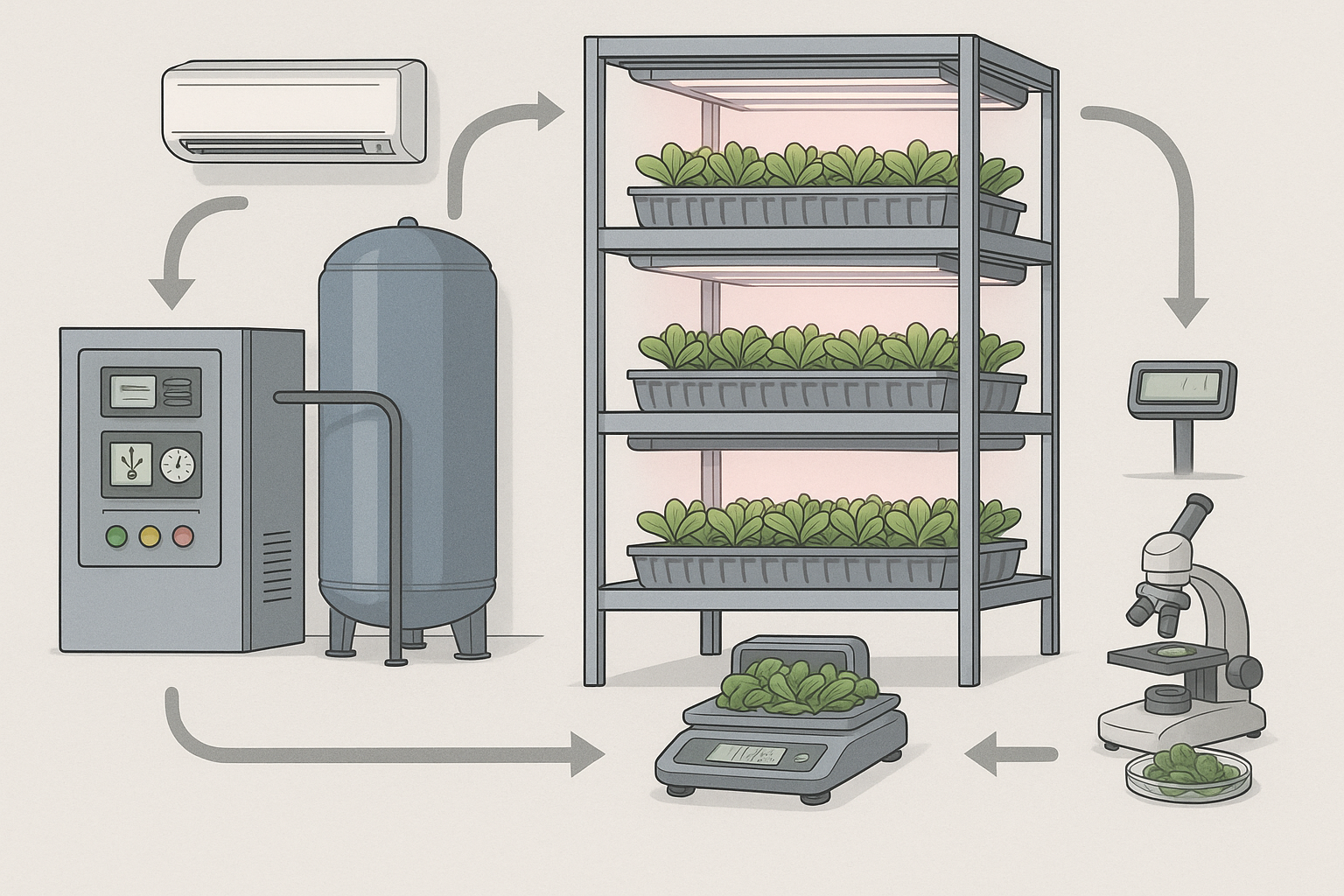
Yield optimisation in controlled environment agriculture (CEA) is one of the most discussed and researched aspects of indoor
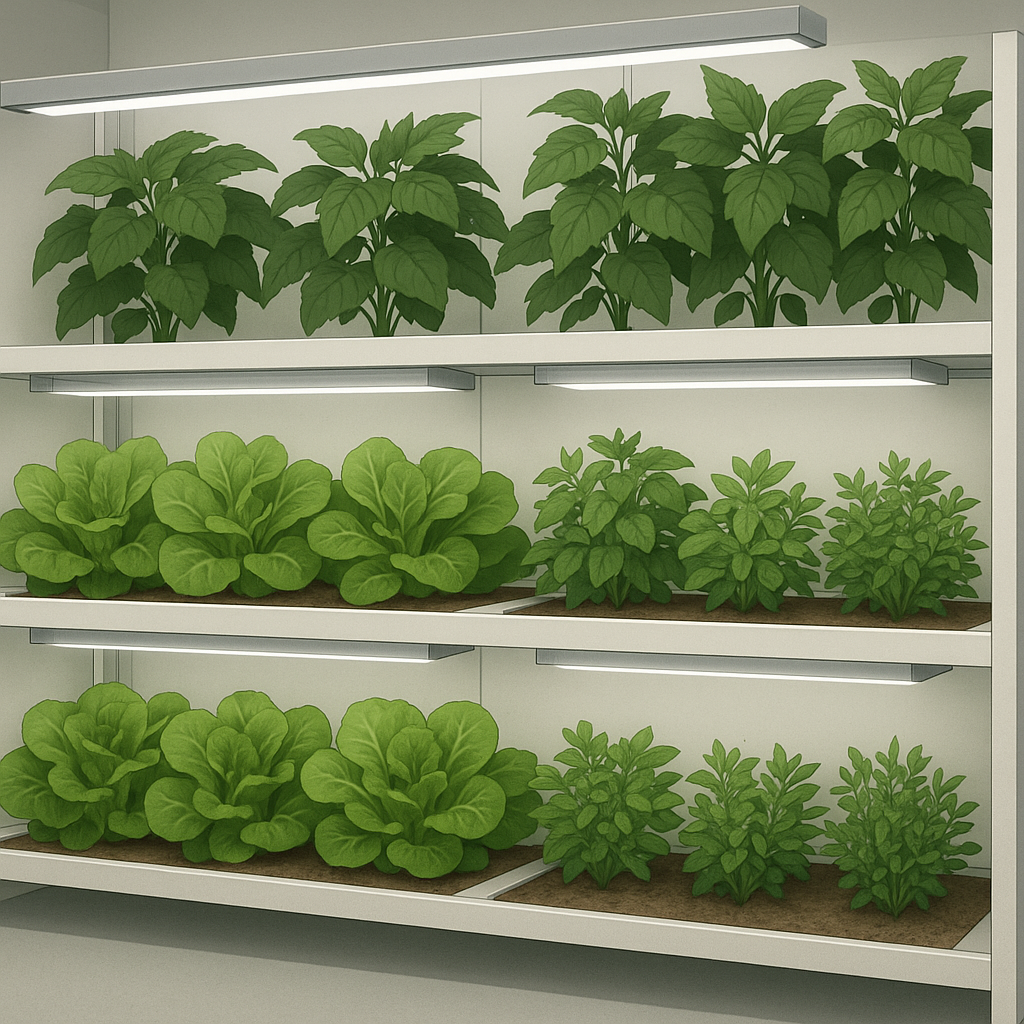
Intercropping in indoor farming is an approach that aims to cultivate two or more crop species within the
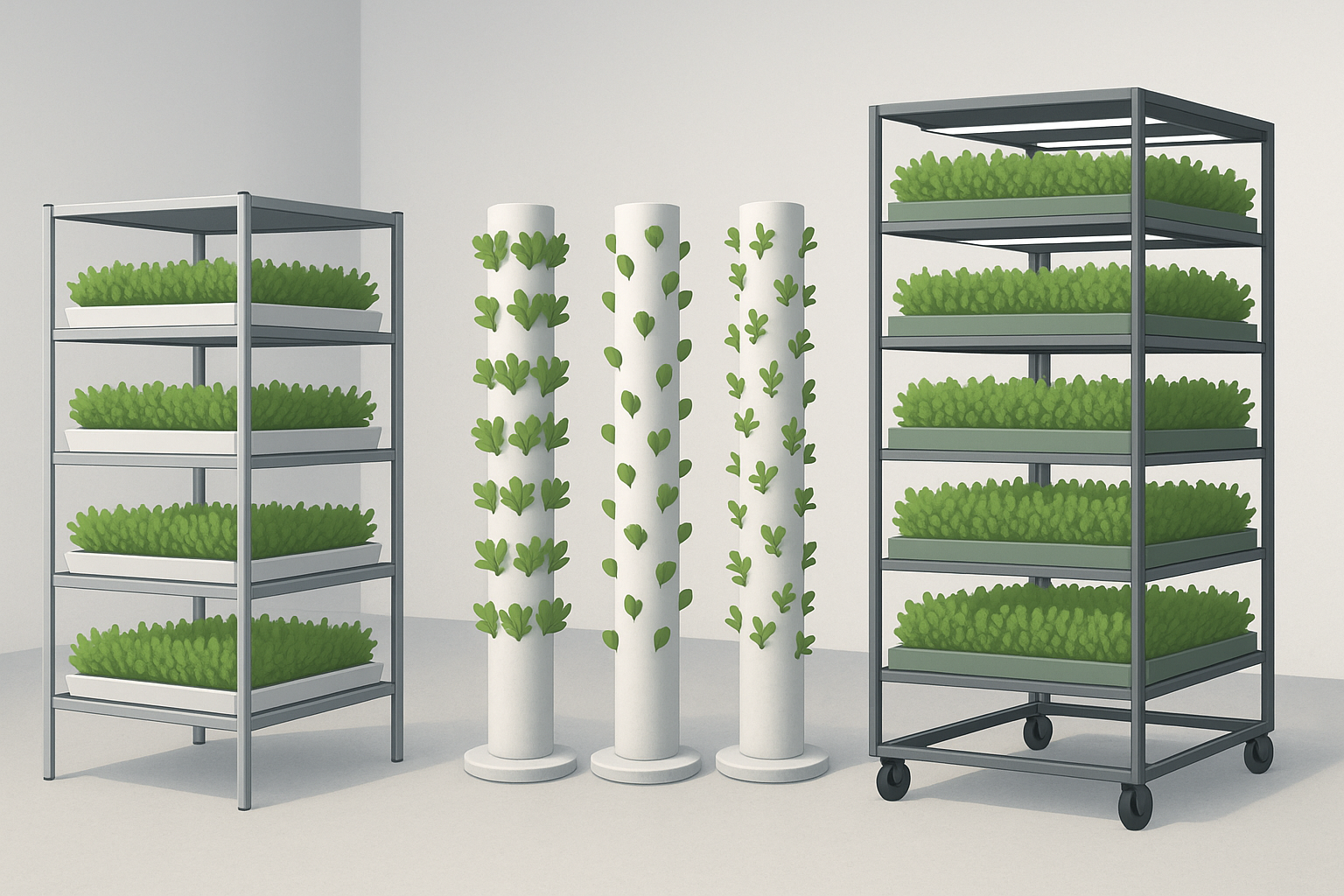
The practice of vertically stacking crops has become central to the design and operation of modern indoor farming
Harvesting is the final stage in the production cycle of indoor crops, yet its importance is often underappreciated

Wheatgrass has a slight grassy flavour but is incredibly nutritious and has numerous health benefits,
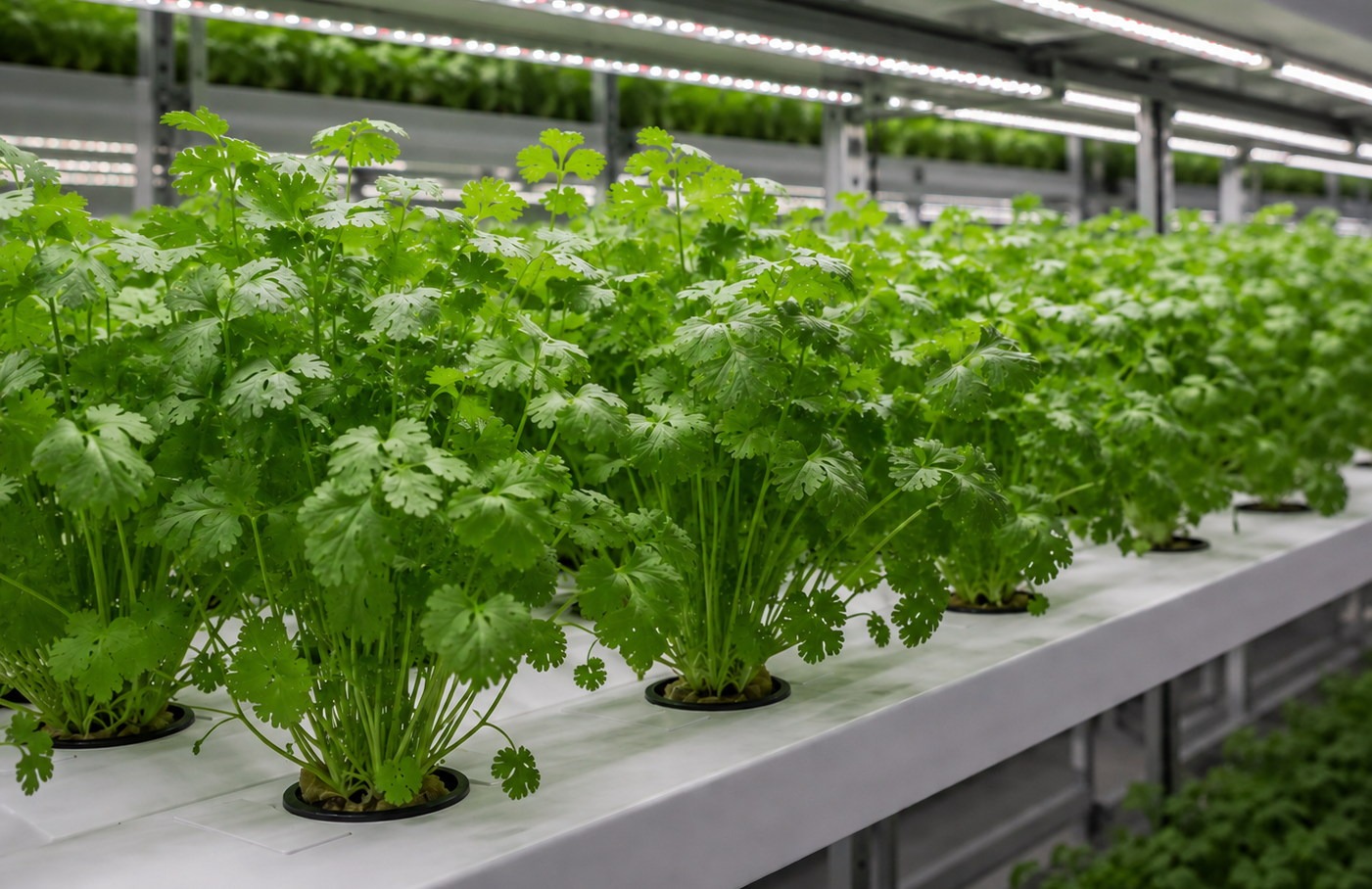
Coriander (Coriandrum sativum) - known as Cilantro in the US - is a small herb with an annual life cycle.
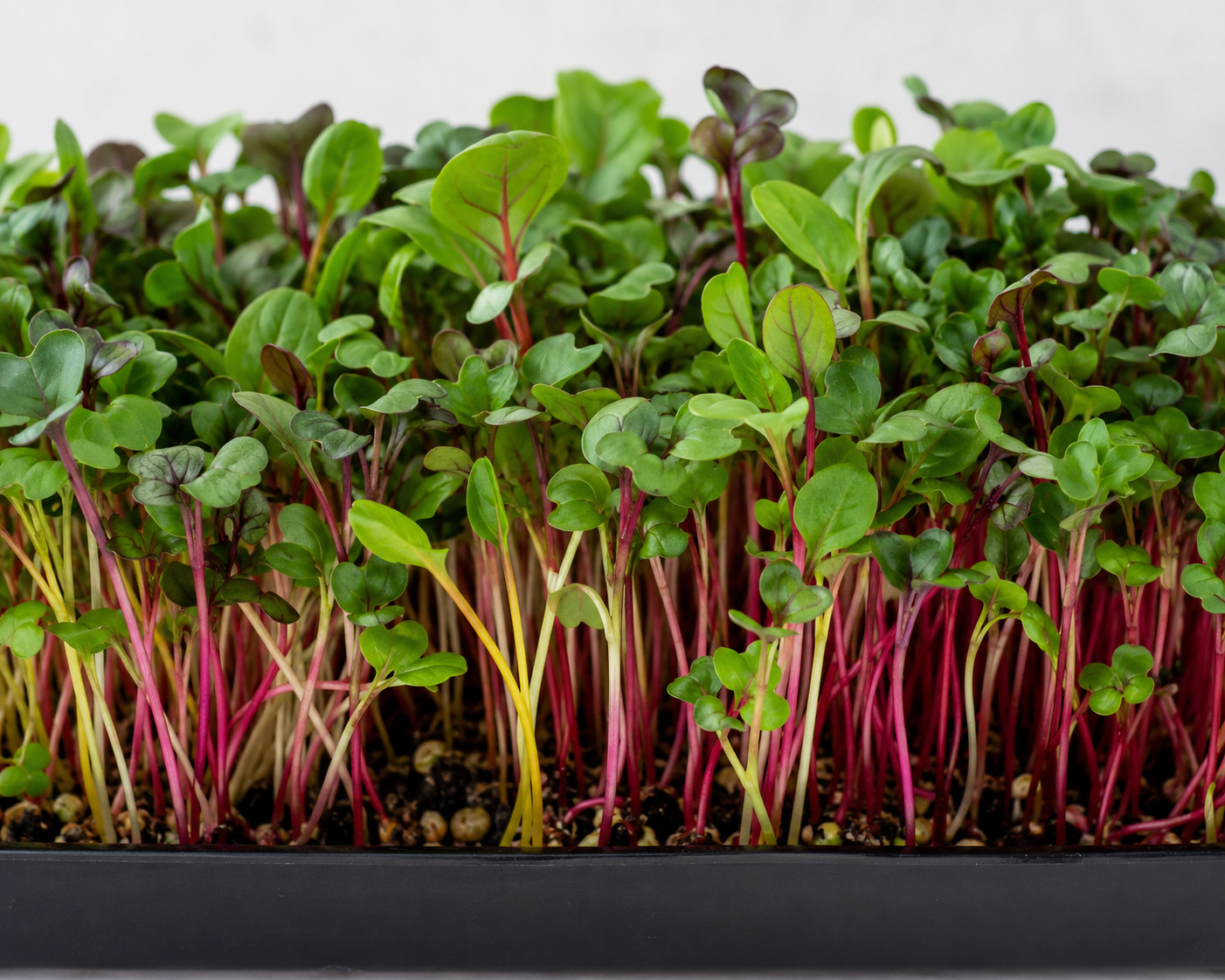
Choosing chard as an indoor farming crop is increasingly common, as growers look for leafy crops alternatives to
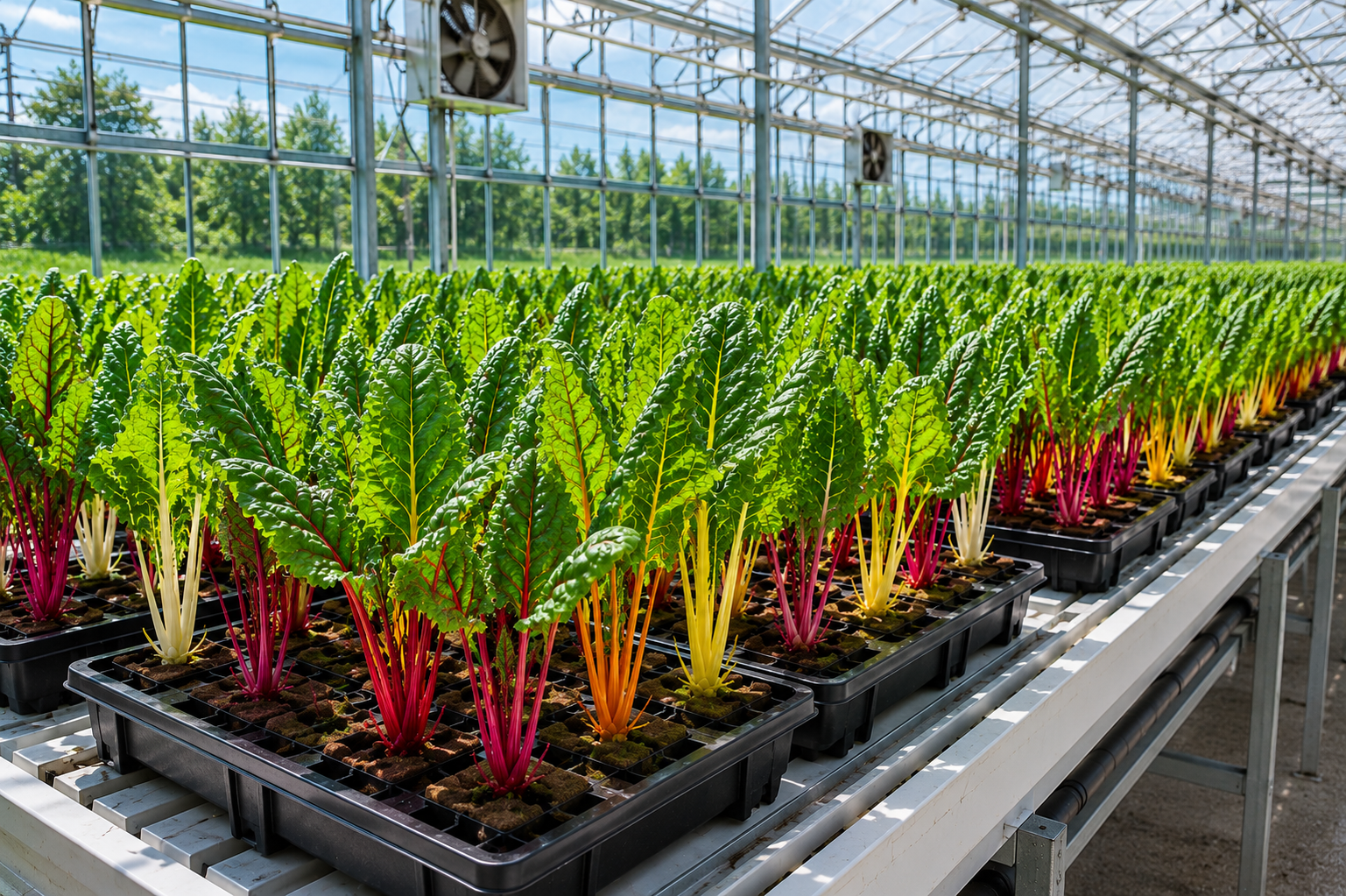
Chard, also known as Swiss Chard, is the name given to the leafy vegetables of the plant Beta
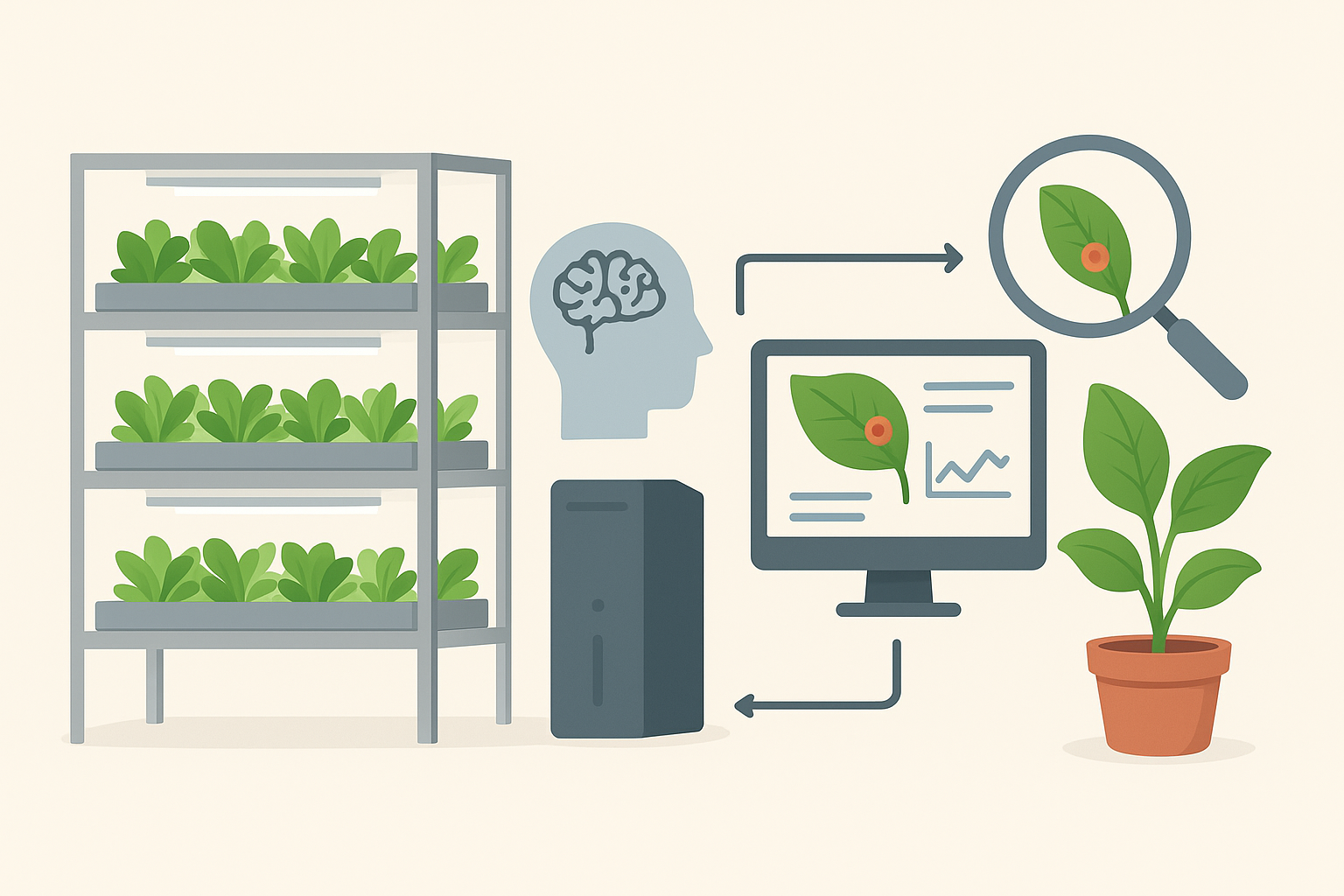
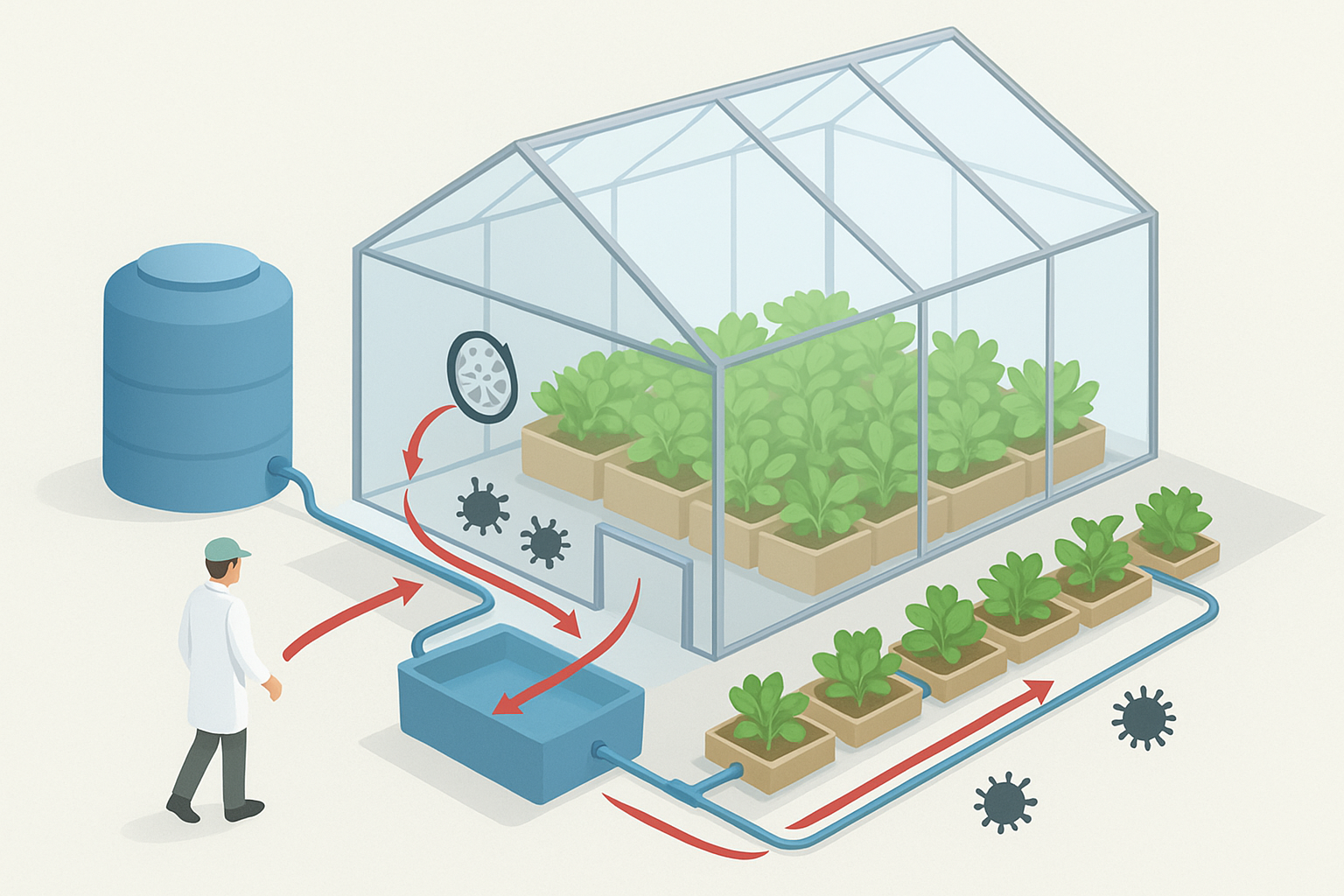
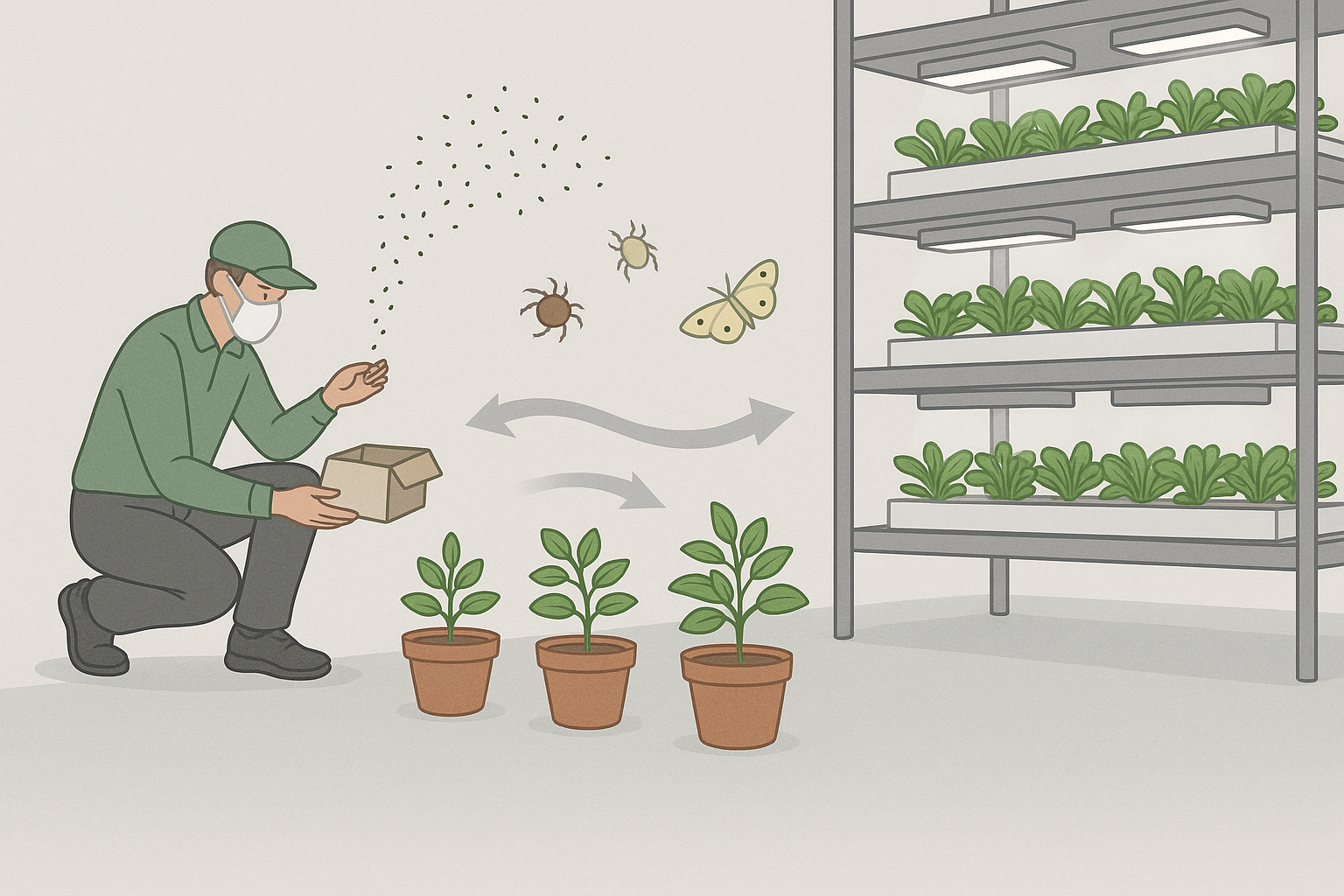
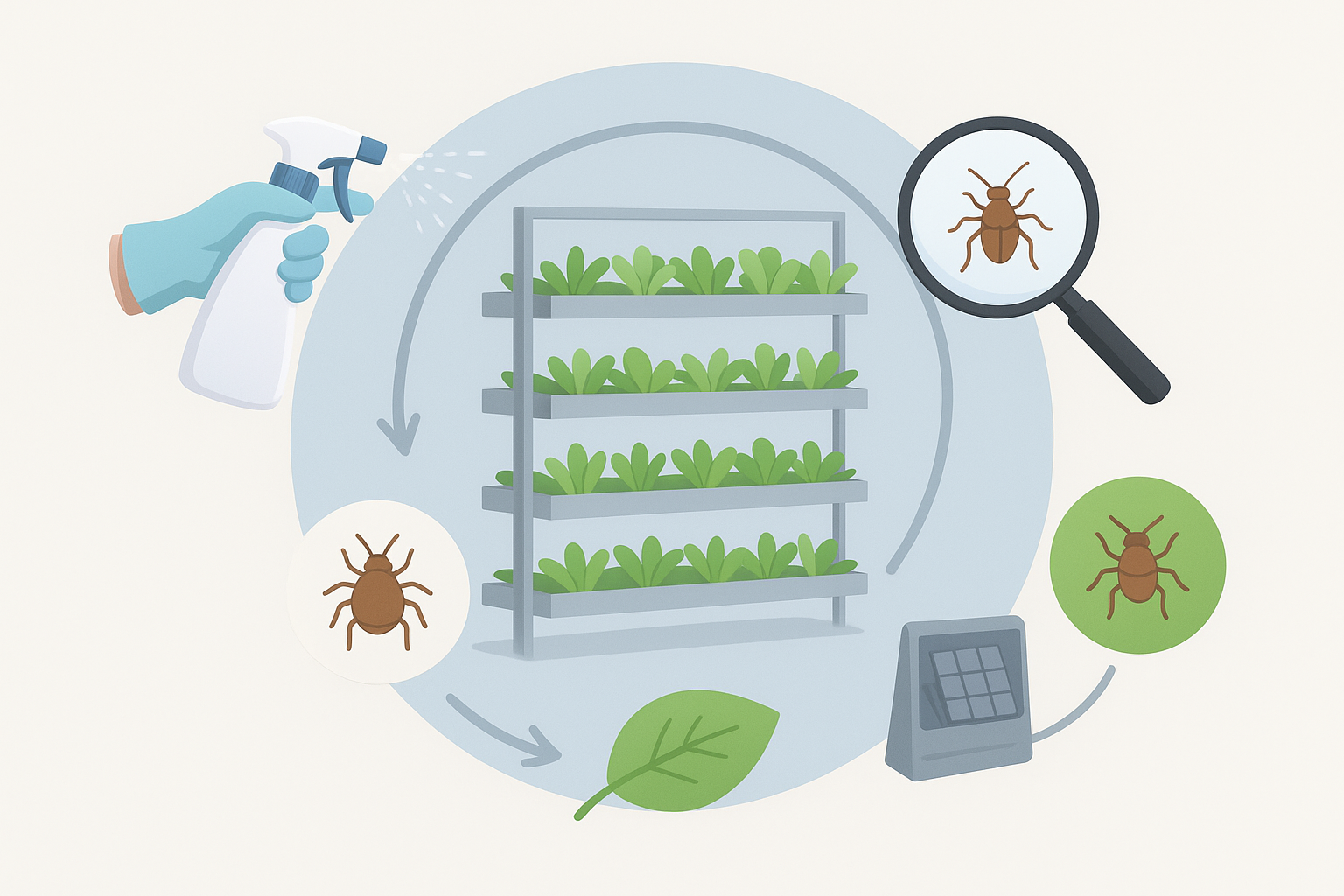
* There are many plants which can be used in the production of pharmaceutical products, and vertical farming could
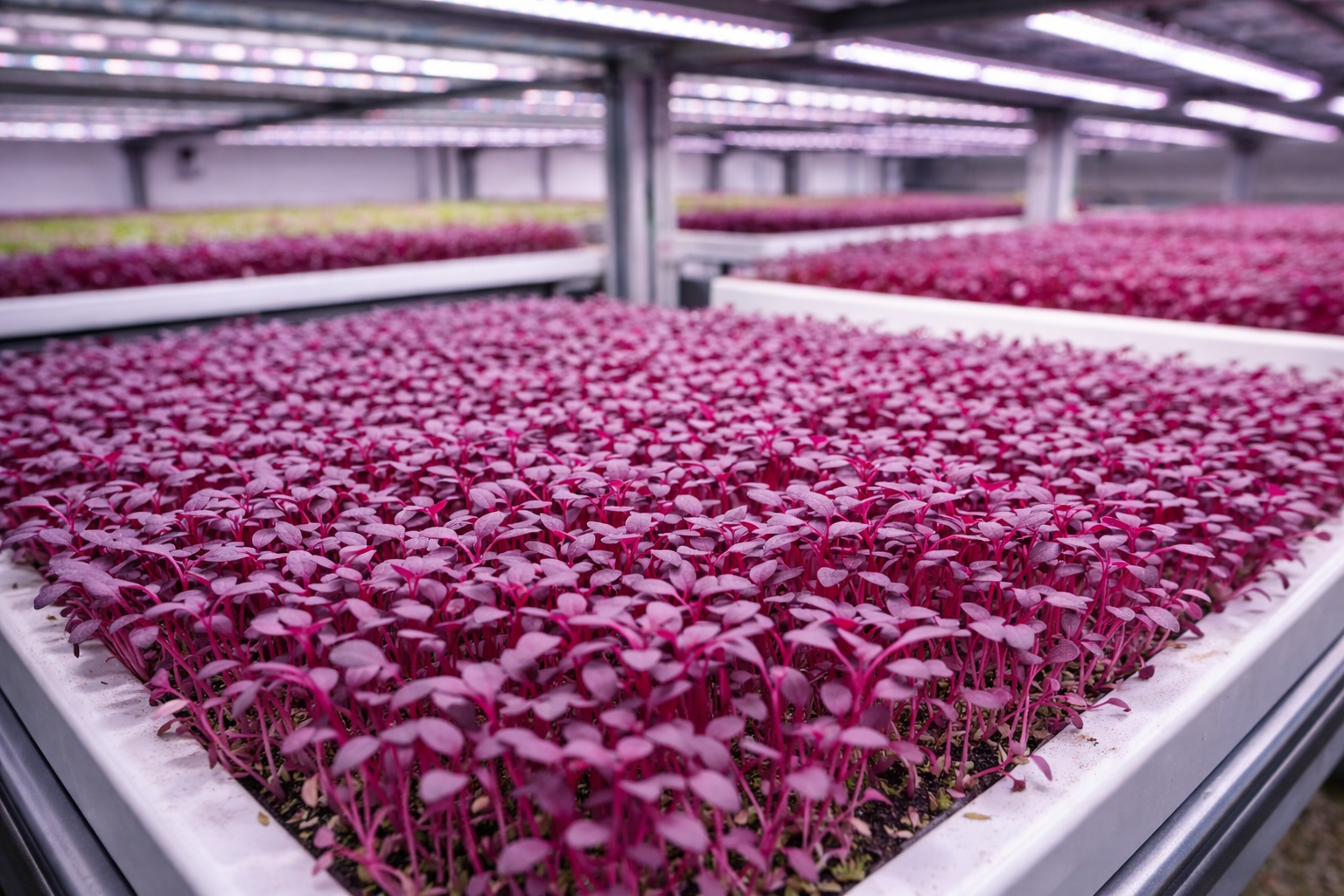
Amaranth (Amaranthus spp) is a resilient and versatile plant that has been cultivated for thousands of years, prized
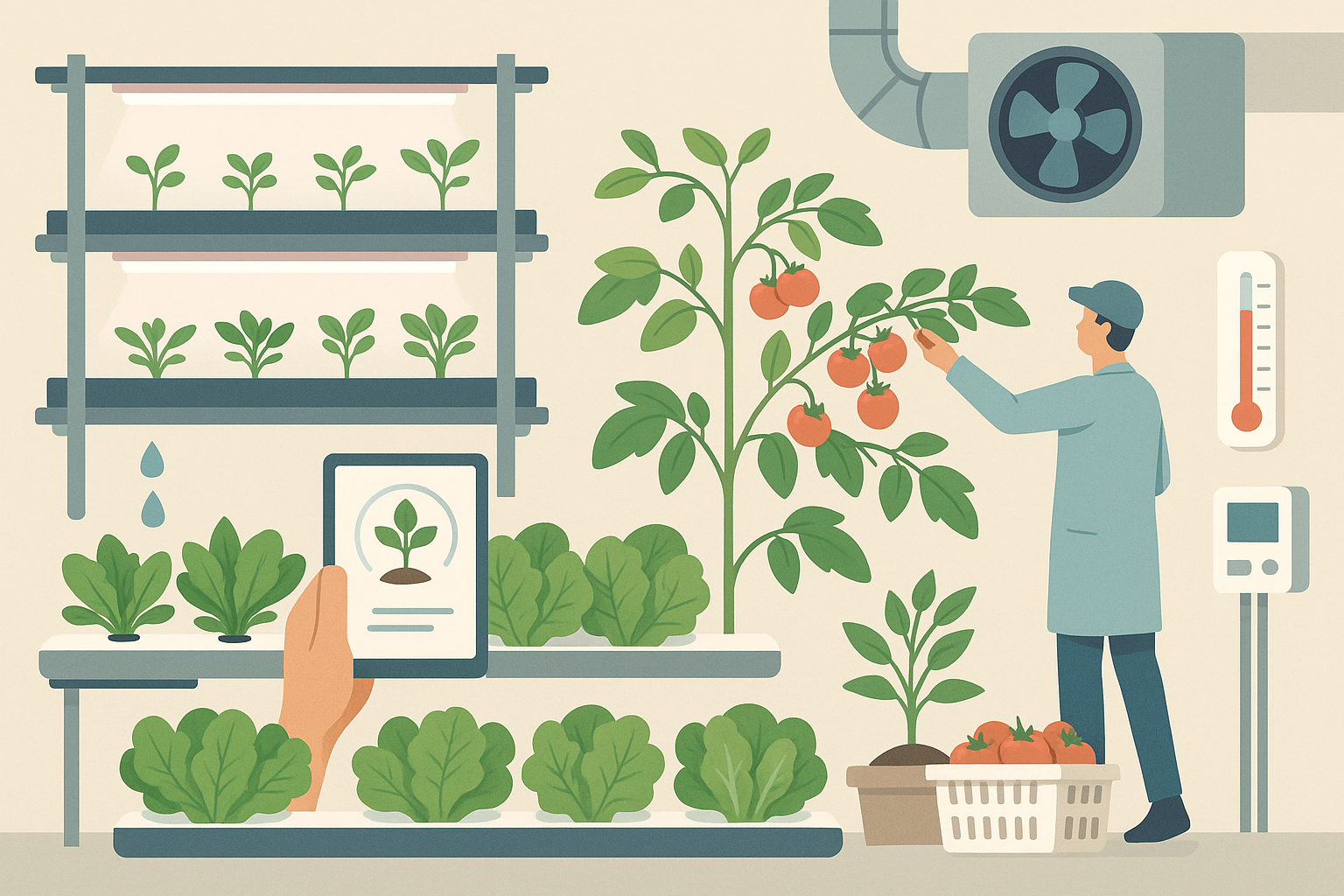
Crop management in vertical farming is both an art and a science. Unlike open-field agriculture, where environmental
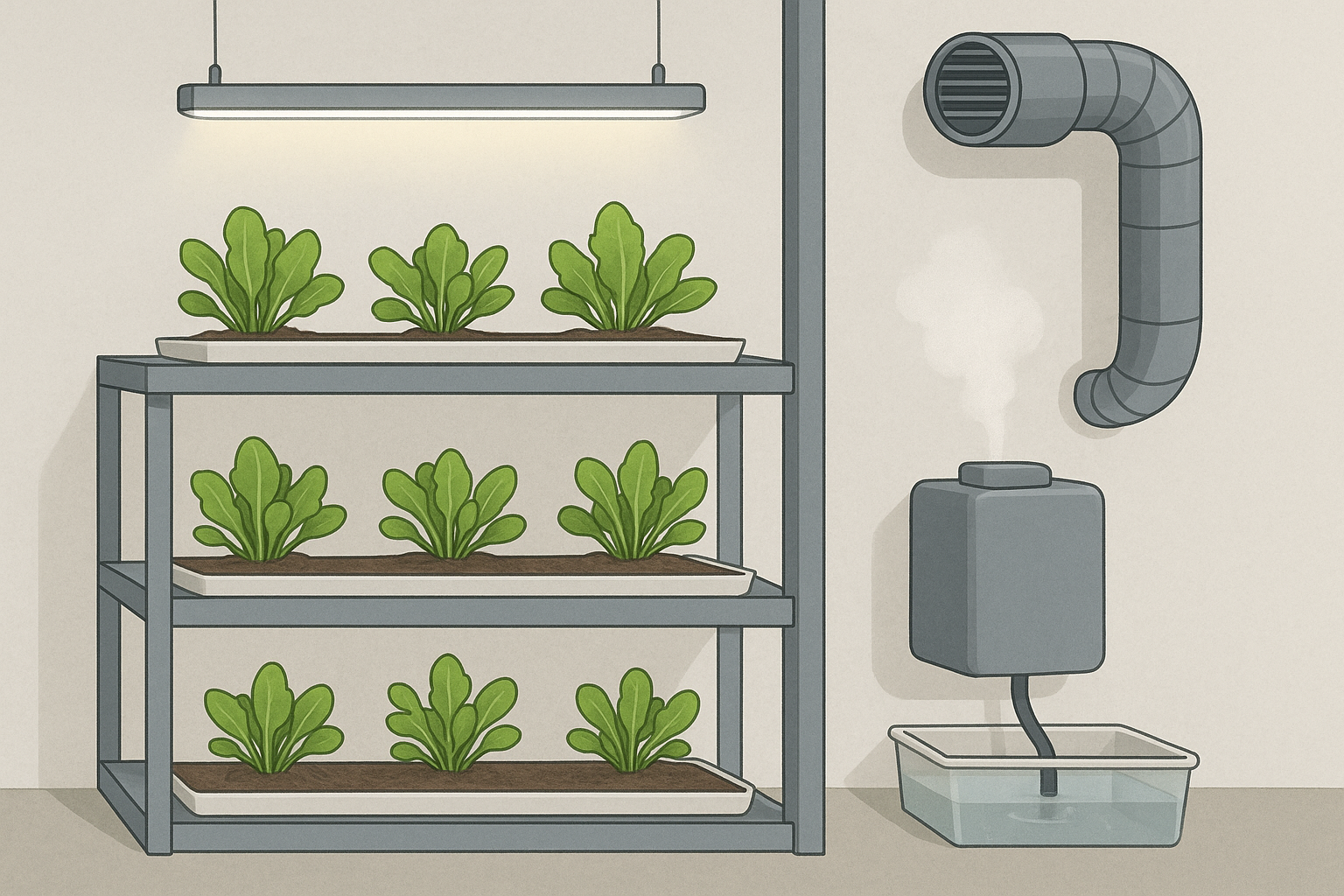
The ability to manage or introduce stress to plants for production goals is the reason why Controlled Environment
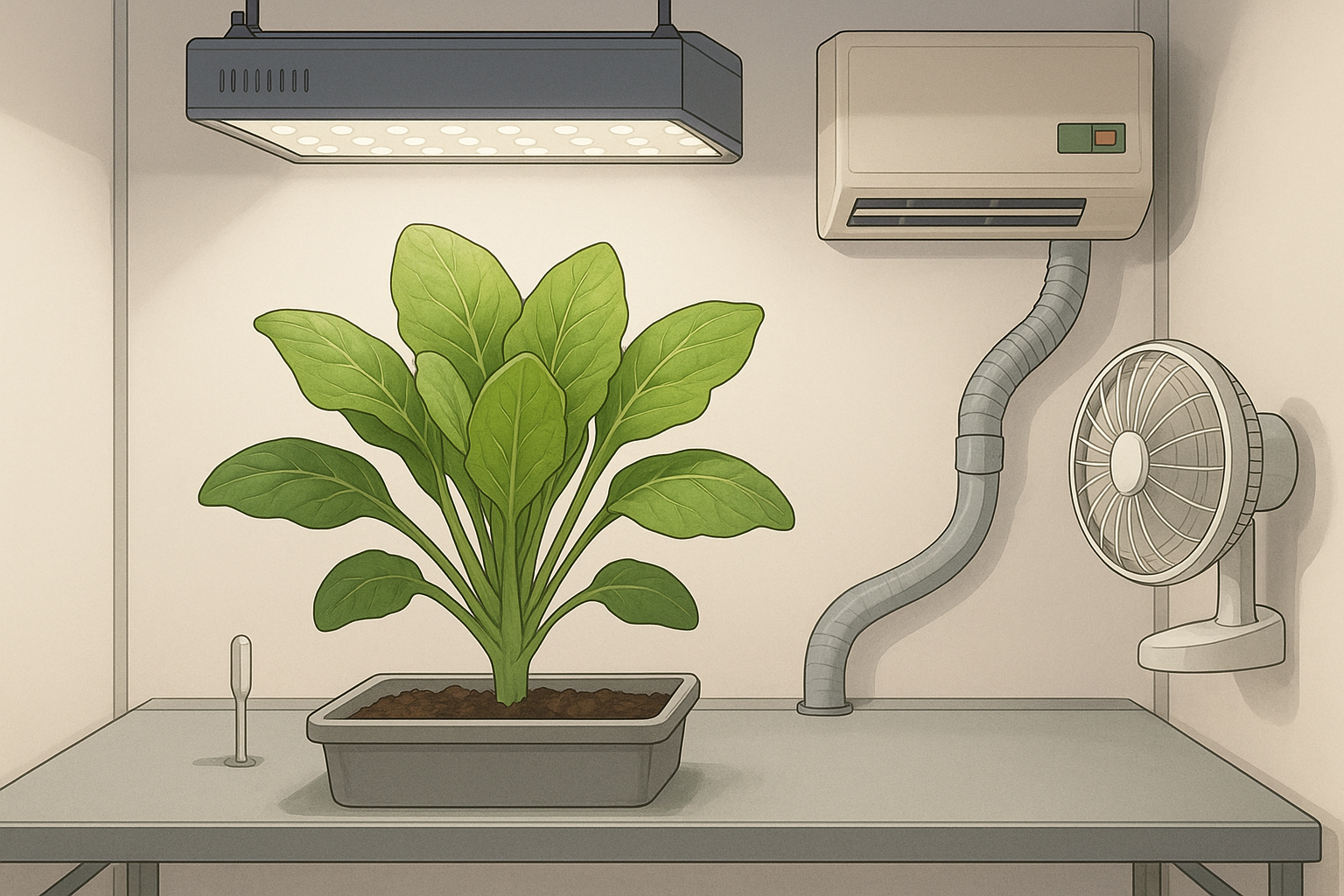
Temperature is one of the most fundamental abiotic factors shaping plant growth and development. In controlled environment agriculture
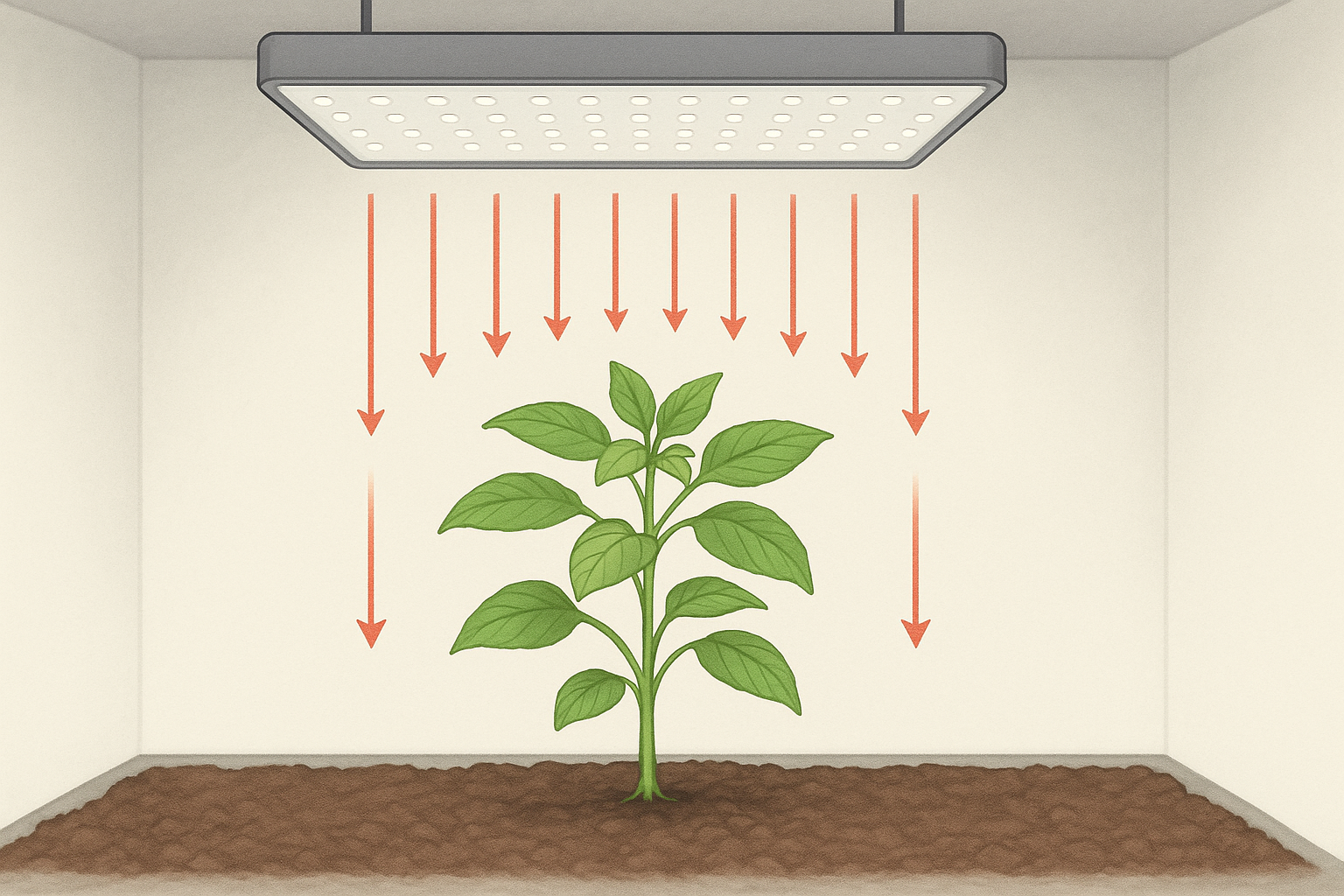
Understanding how plants perceive and respond to light is central to the practice of Controlled Environment Agriculture (CEA)
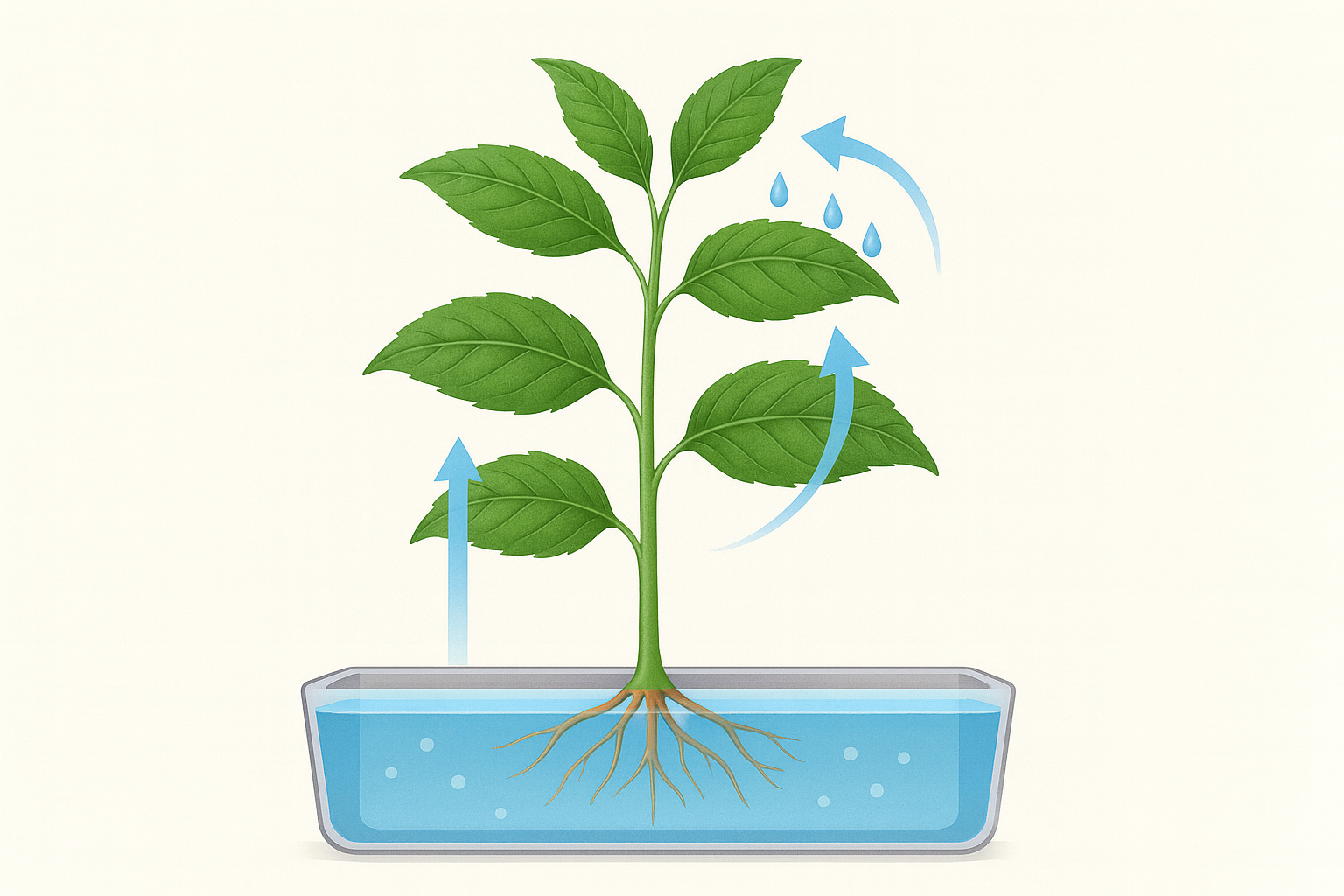
Introduction Managing plant transpiration in indoor farming is one of the most significant yet often overlooked aspects of
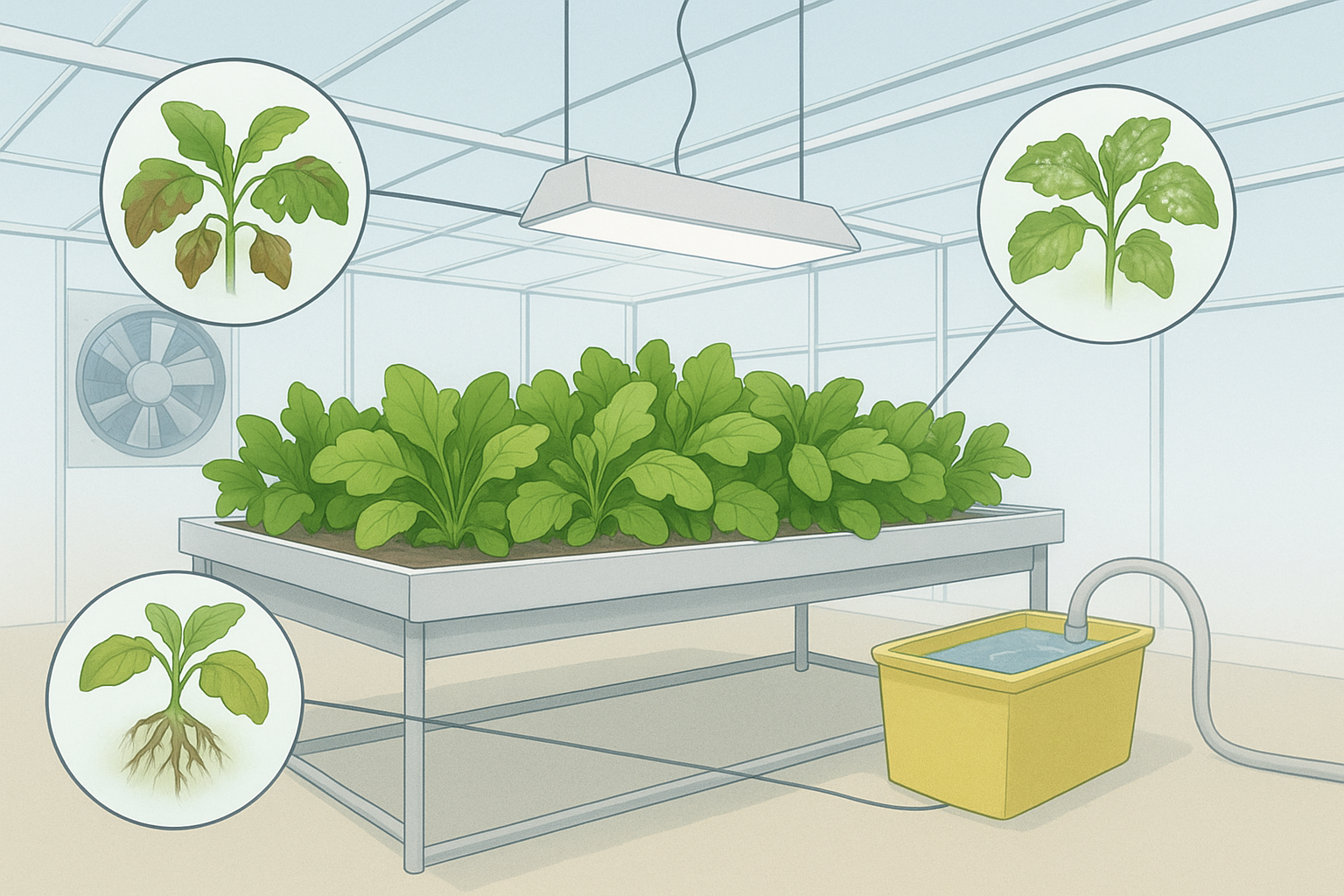
Pest and disease management in indoor farming is a critical aspect of maintaining healthy crops, consistent yields, and