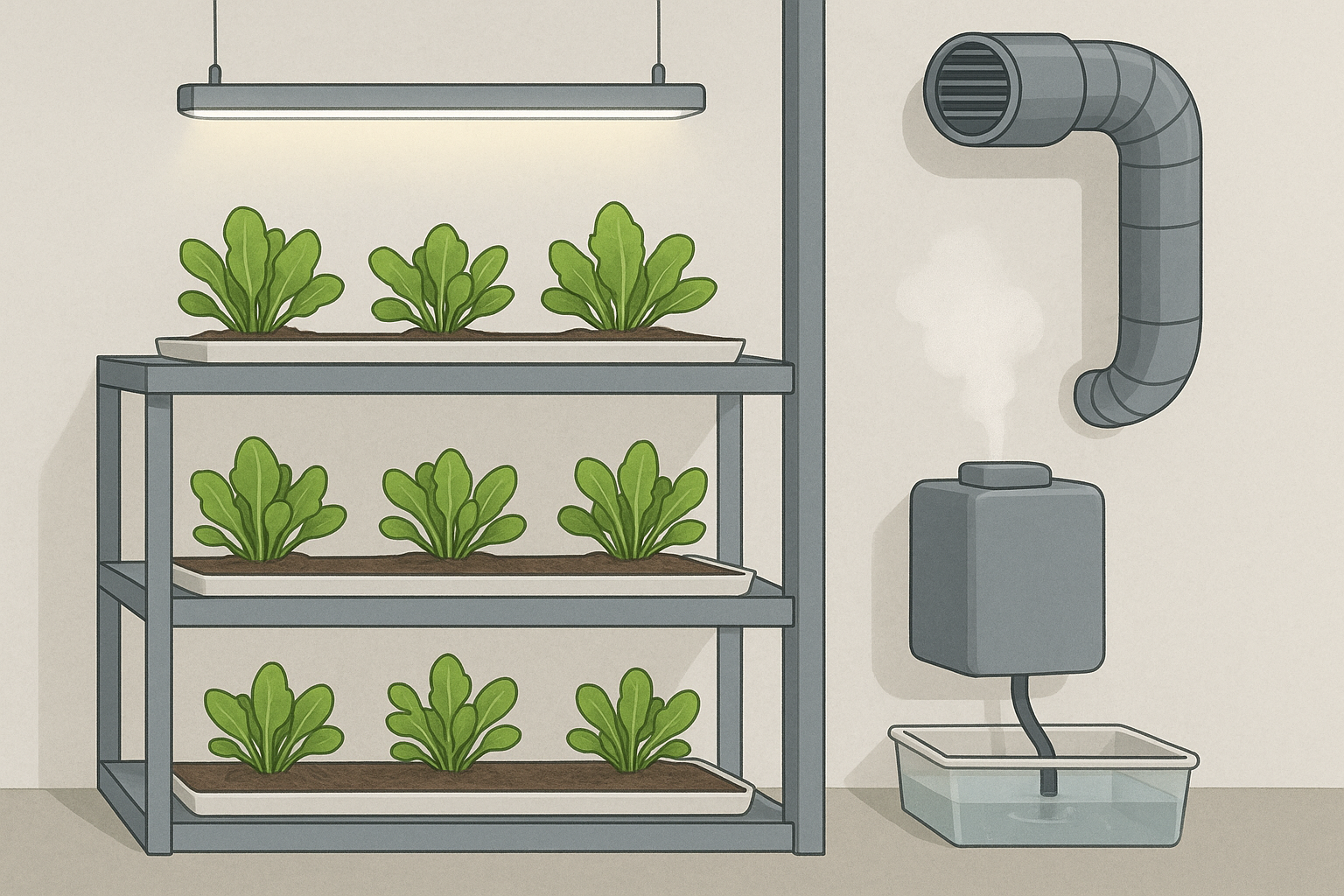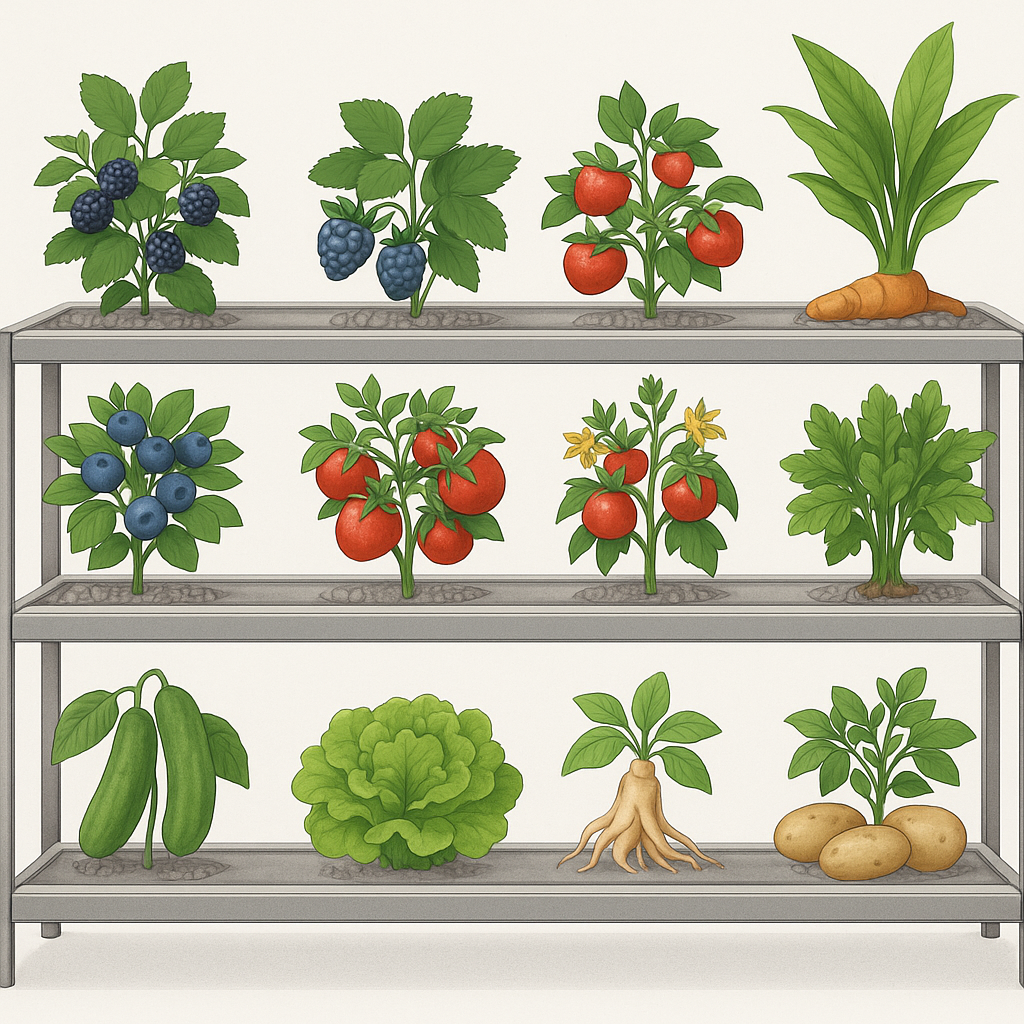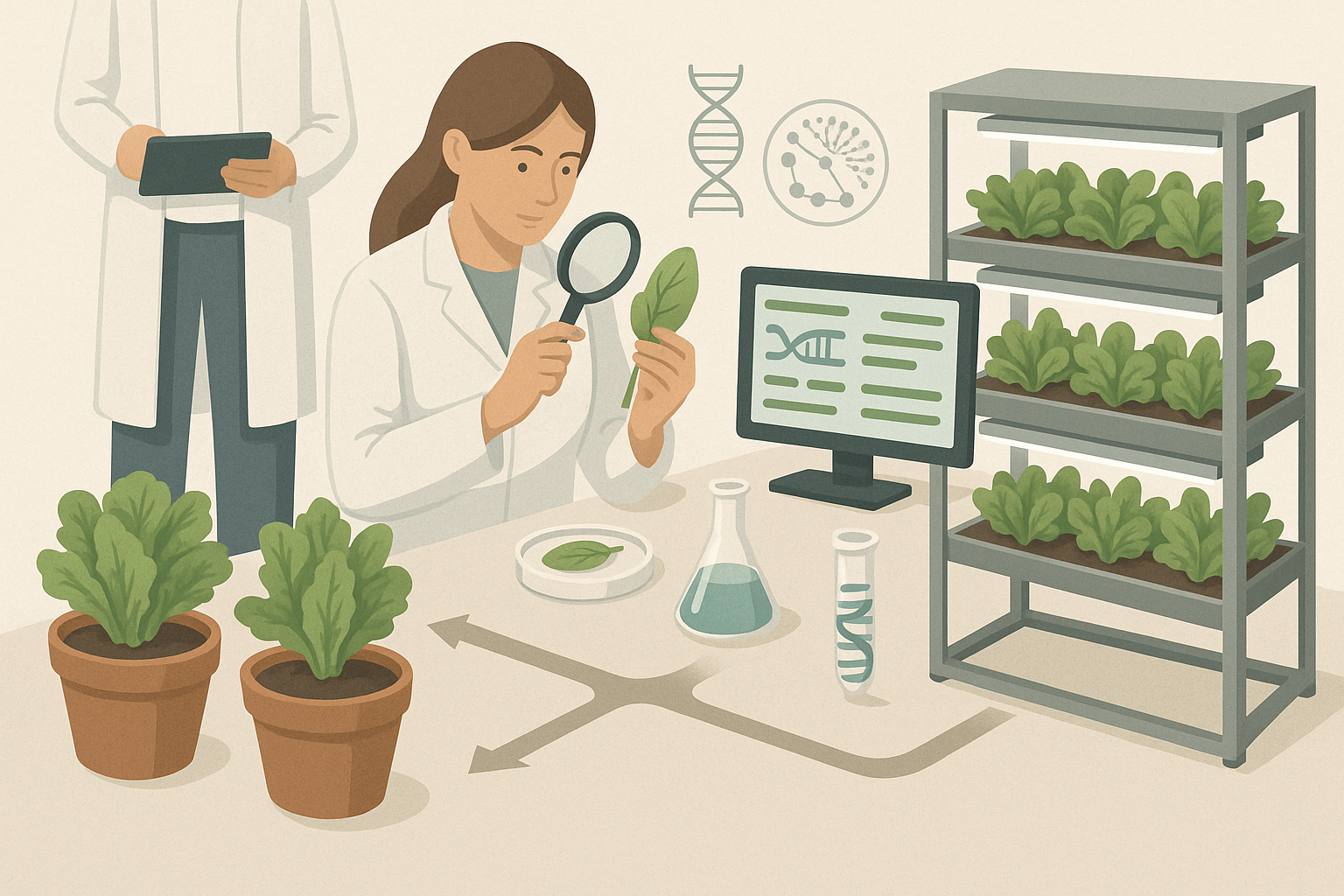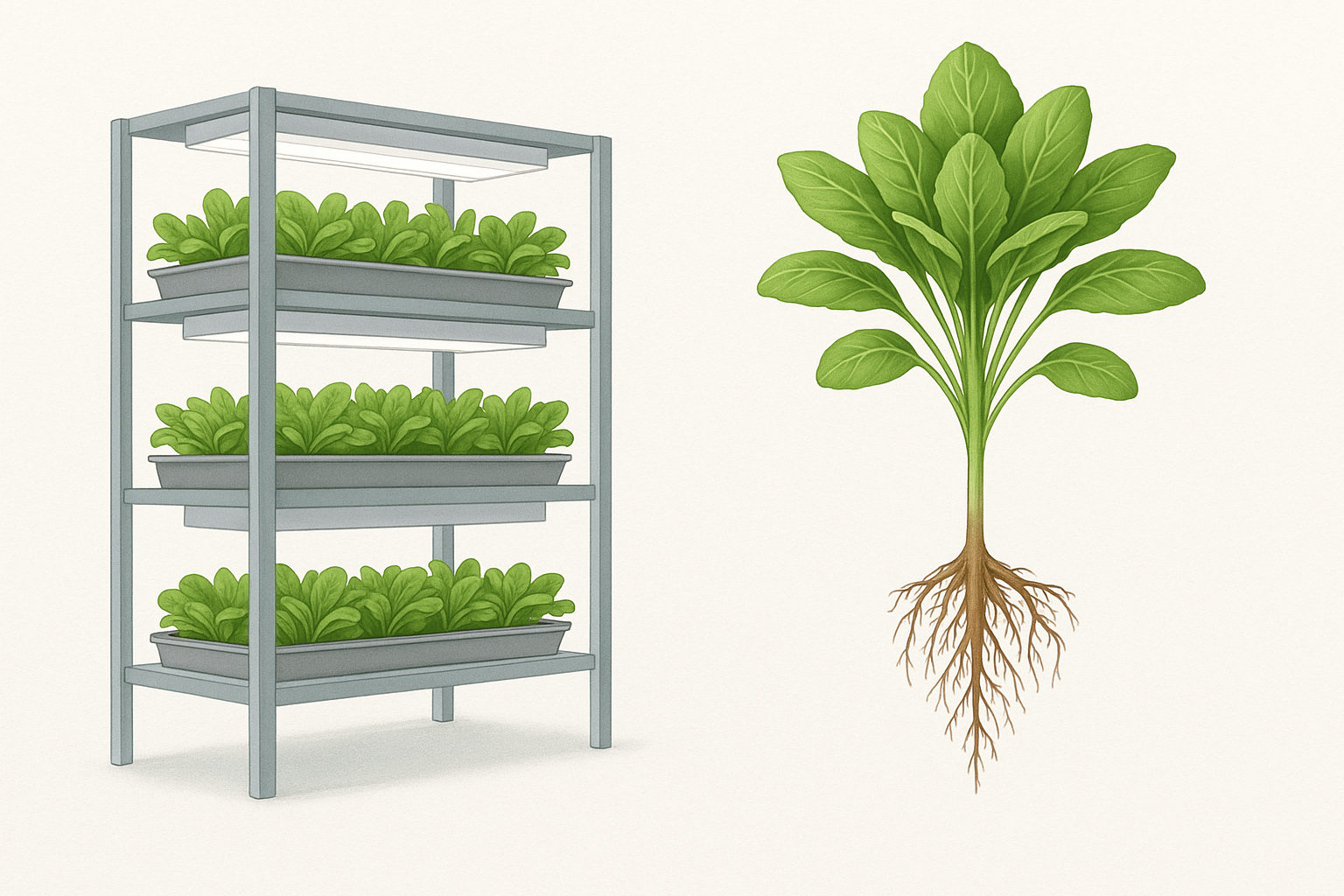
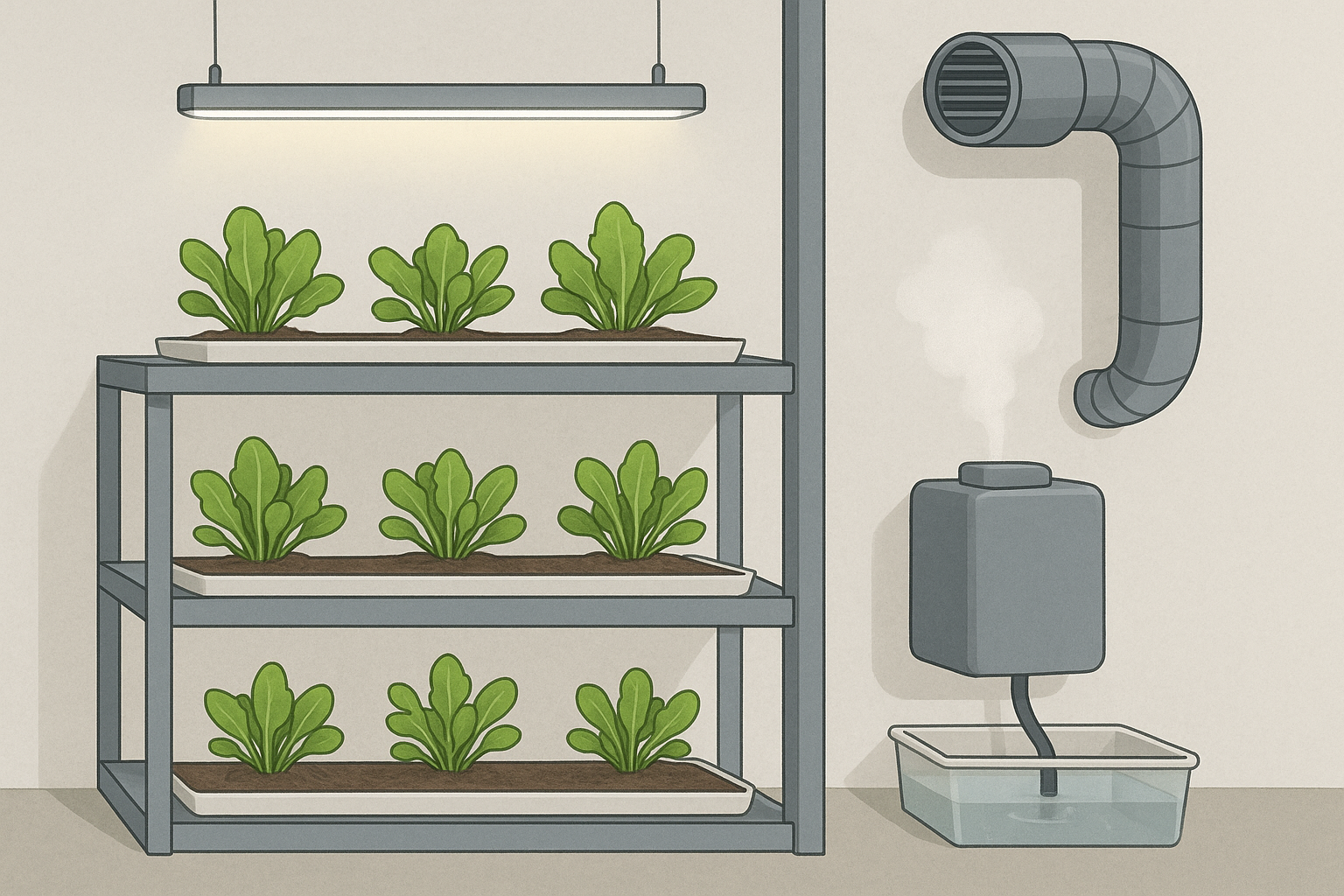
The ability to manage or introduce stress to plants for production goals is the reason why Controlled Environment Agriculture (CEA) systems have the capacity to not just maximise yield, but to also fine-tune quality, nutritional content, flavour, and post-harvest resilience. Whereas traditional open-field farming often seeks to reduce stress as much as possible, indoor farming can apply carefully calibrated stressors to plants within defined "production recipes". These recipes combine lighting, temperature, humidity, carbon dioxide, nutrient delivery, and sometimes mechanical or water-related interventions to guide plants towards desired growth or development outcomes. In this way, stress ceases to be seen purely as a negative factor and becomes a tool to shape crop performance.
Understanding Plant Stress in Context
In plant physiology, stress refers to any external condition that deviates from the optimal range for growth. Excessive stress may be considered as a factor that reduces productivity, leading to wilting, reduced biomass, or crop failure. However, controlled stress can stimulate beneficial responses such as enhanced secondary metabolite production, improved flavour compounds, thicker cuticles for longer shelf life, or adjusted morphology for more efficient space use in vertical farms. For example, short periods of elevated light intensity or reduced irrigation can increase anthocyanin concentration in leafy greens; this improves both colour and antioxidant value.
Stress as a Production Tool in Indoor Systems
The appeal of CEA lies in the grower's ability to regulate every environmental parameter. Unlike field farming, where weather imposes uncontrollable variables, indoor systems allow stress to be applied with precision and repeatability. This is the basis of "production recipes": codified sets of environmental conditions that include not only the baseline parameters for growth, but also the moments when stress is introduced to trigger desirable physiological changes. For instance, tomatoes grown under slightly reduced humidity at key stages can develop thicker skins and more concentrated flavour, while lettuce exposed to mild nutrient restriction in later stages can accumulate higher levels of secondary metabolites without yield loss.
Examples of Stress-Driven Outcomes
Horticultural research has demonstrated that manipulating stress at specific points in the growth cycle can have distinct outcomes. In leafy crops such as spinach and kale, controlled water stress can enhance bioactive compounds like flavonoids and carotenoids. In herbs such as basil, modulation of light quality and intensity has been shown to influence volatile oils responsible for aroma. Even strawberries in indoor farms have been subjected to photoperiod stress to encourage sweeter fruits. Each of these examples illustrates that the combination of stress intensity, timing, and duration determines whether stress is damaging or productive.
Integrating Stress into Growth Recipes
Developing production recipes requires a systems-based approach. Baseline conditions such as nutrient supply and climate parameters must first establish healthy plant growth. Only then can growers incorporate stress episodes in a manner that is predictable and non-lethal. Digital twins, machine learning, and sensor-driven feedback loops are increasingly being applied to simulate and refine these recipes. Recipes can also vary depending on market needs: one grower may aim for maximum yield of uniform lettuce heads, while another may emphasise antioxidant content for premium health-focused markets. Both rely on controlled stress, but their recipes differ fundamentally in design.
Balancing Risks and Benefits
There is always a fine line between beneficial stress and damaging stress. The same water restriction that boosts flavonoids in lettuce can also cause tip burn if extended too long. Similarly, light stress that enhances pigmentation may risk photoinhibition if not carefully calibrated. This is why recipes are often developed through iterative testing and adaptation to specific cultivars and facilities. Indoor farms that succeed in applying plant stress for production goals are those that monitor responses closely, learn from each cycle, and gradually codify knowledge into repeatable protocols.
Research and Industry Perspectives
Academic and industry research has confirmed the viability of stress-based production strategies. Studies published in journals such as Frontiers in Plant Science and Horticultural Science report measurable increases in antioxidant concentrations, volatile compound profiles, and texture quality through targeted stress application. Industry actors, particularly in Japan, the Netherlands, and the United States, have been at the forefront of integrating stress-modulated recipes into vertical farm operations. Their work shows that plant stress is not an incidental by-product of controlled farming, but an intentional design feature with commercial and nutritional implications.
Conclusion
In CEA, the idea of eliminating all plant stress is giving way to a more nuanced understanding: stress, when applied intentionally and managed carefully, is a valuable instrument for shaping crop outcomes. Production recipes built around this principle are not universal; they are context-dependent and crop-specific. Nevertheless, the framework offers a new way for growers to link agronomy with market demands, whether that be yield, taste, nutrition, or shelf life. For policy-makers, investors, and researchers, plant stress for production goals represents a crucial bridge between plant science and food system innovation. Indoor farming, in this light, is not simply about removing variability: it is about mastering variability to create reliable, differentiated, and sustainable outcomes.