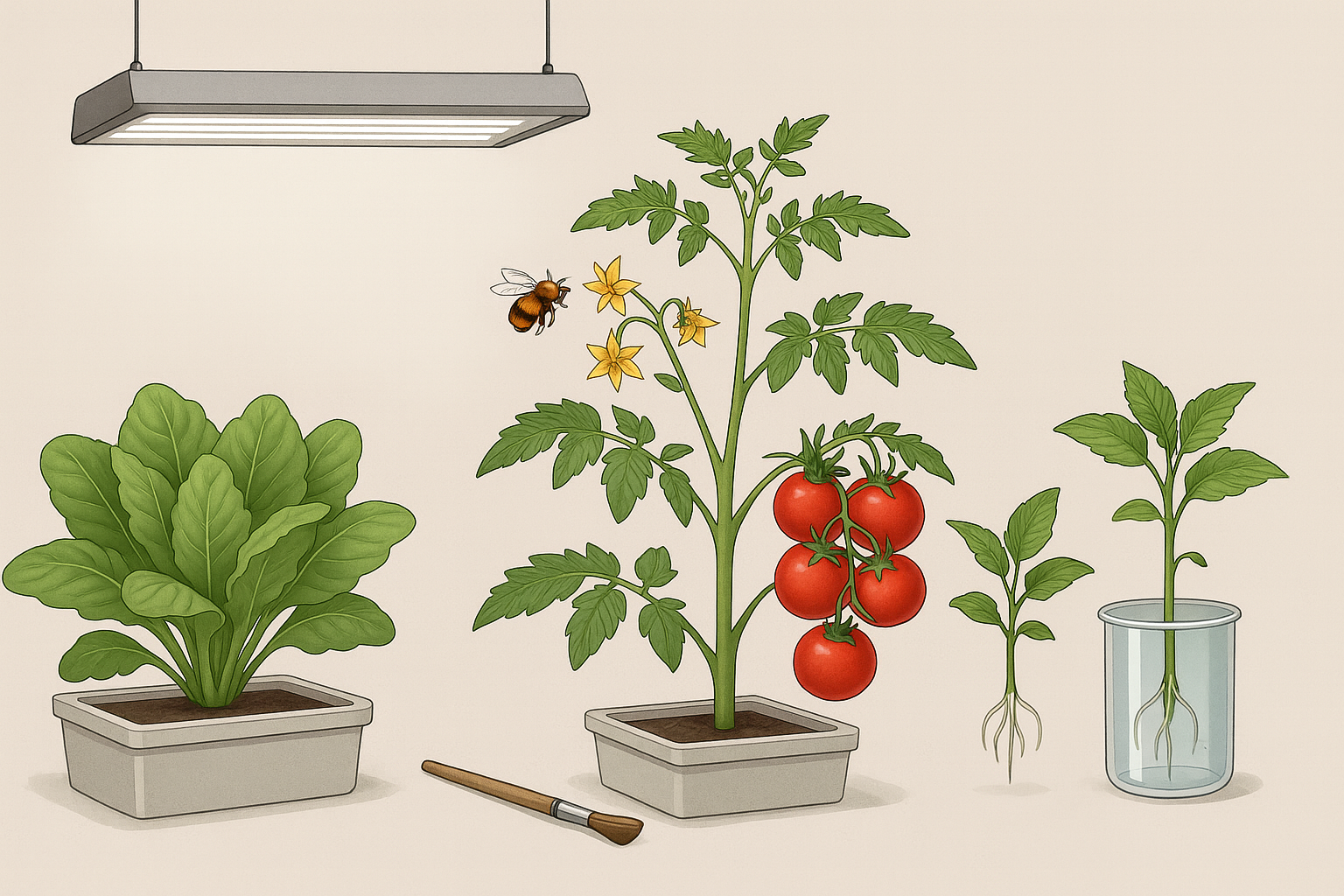
Plant reproduction is a central process in food production, and managing plant reproduction in indoor farming is important for both productivity and long-term system design, where fruiting crops are being cultivated. In controlled environments, where conditions such as light, humidity, nutrient supply, and airflow are carefully regulated, reproduction is a managed process. It forms part of production-based decisions for whether to encourage vegetative growth, or stimulate flowering and fruit set. Understanding this process is crucial for growers, researchers, investors, and policy-makers seeking to grasp the full potential and limitations of Controlled Environment Agriculture (CEA).
The role of reproduction in plant life cycles
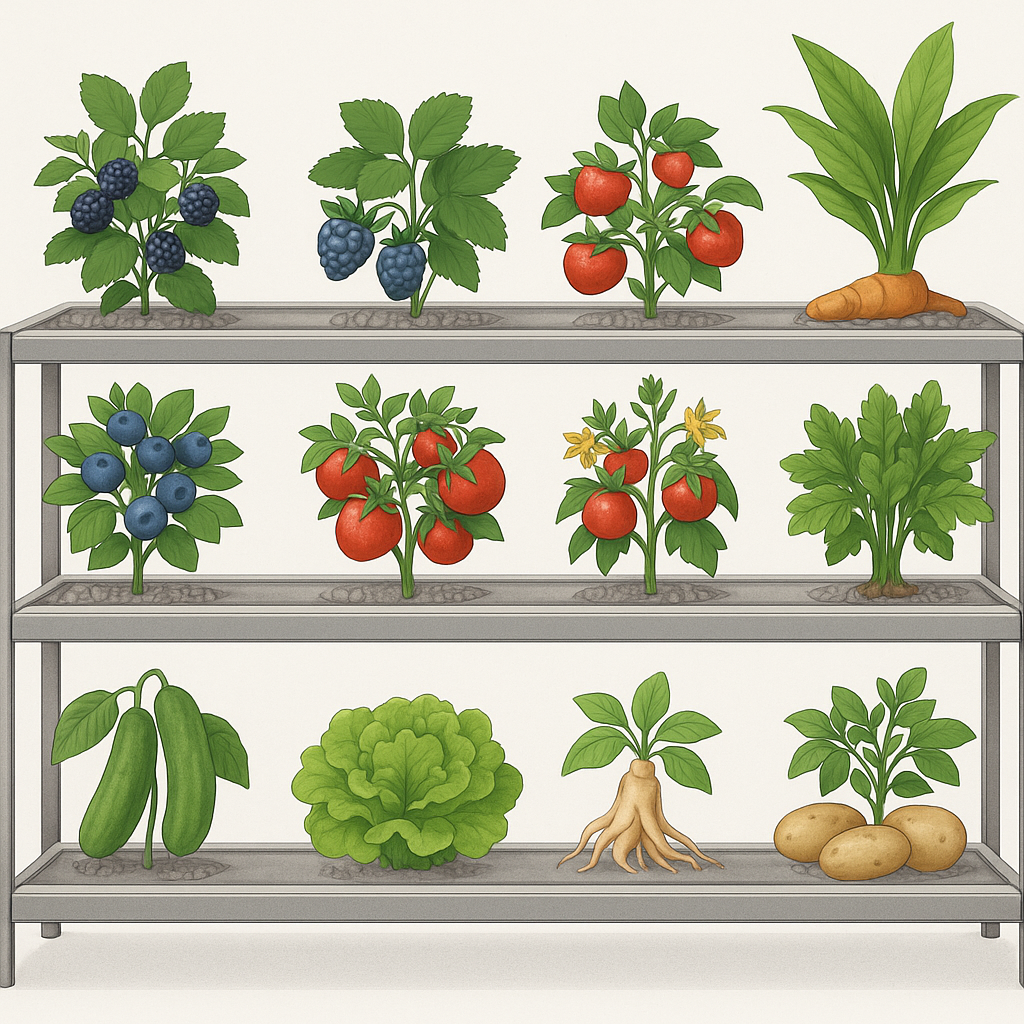
All plants move through a life cycle that includes both vegetative and reproductive stages. In conventional outdoor farming, reproduction is influenced by seasonal cycles, temperature patterns, and the presence of natural pollinators. In indoor systems, however, the grower assumes control. For some crops, particularly leafy greens, the reproductive phase is undesirable since flowering (bolting) reduces quality and market value. For others, such as fruiting crops like tomatoes, peppers, and strawberries, reproduction is essential to yield.
By understanding when and how plants initiate reproductive processes, indoor farmers can manipulate growth to suit commercial aims. Light quality, photoperiod, and temperature cues often act as triggers. In a vertical farm, these cues can be carefully managed to maintain plants in a vegetative state or encourage them into flowering at precise times.
Managing reproduction in leafy crops versus fruiting crops
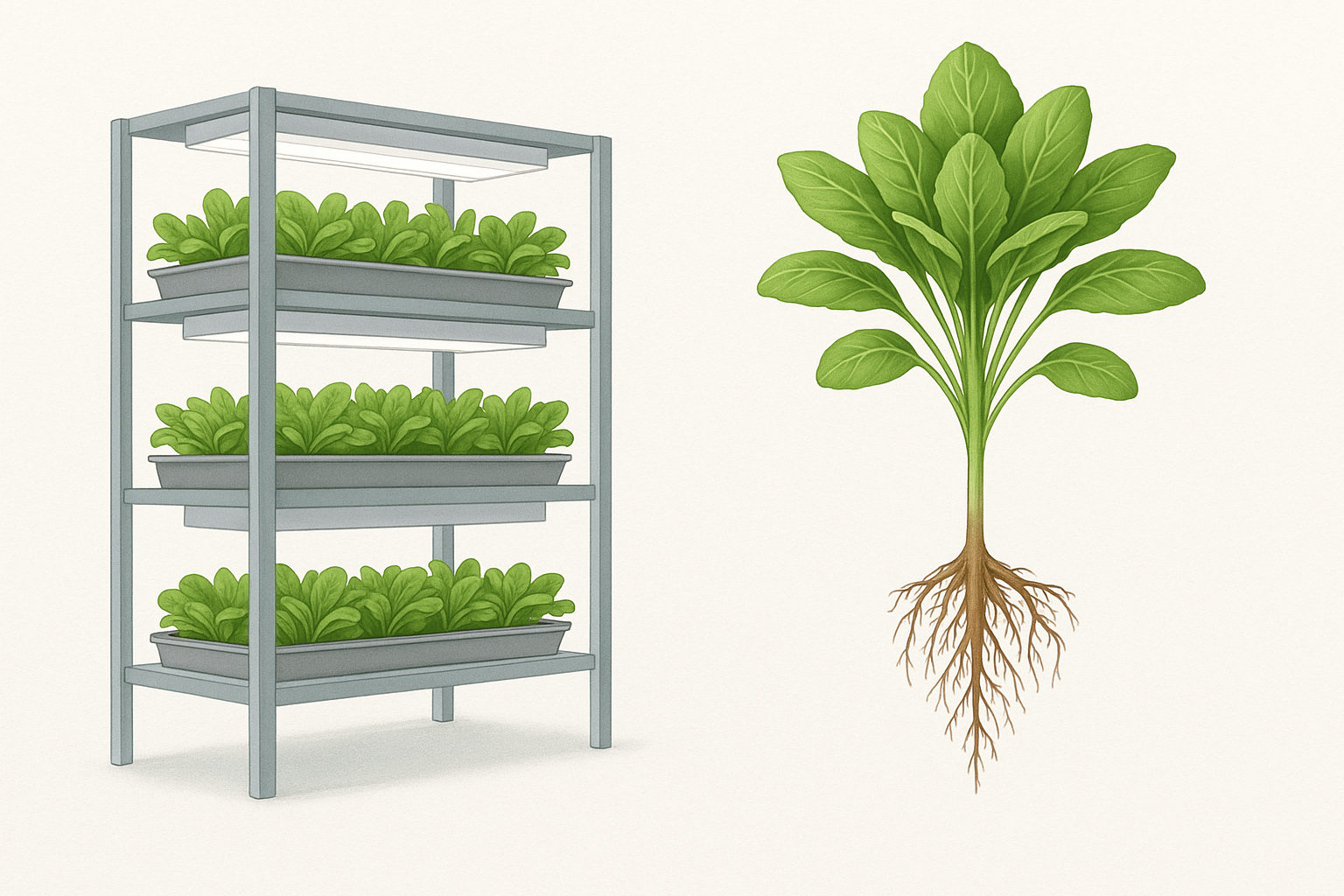
For fast-growing leafy crops such as lettuce, basil, or microgreens, the main objective is to avoid reproduction. Here, management involves providing stable conditions that prevent stress and reduce the likelihood of premature bolting. Temperature spikes, nutrient imbalances, or inappropriate light regimes can all trigger reproductive development.
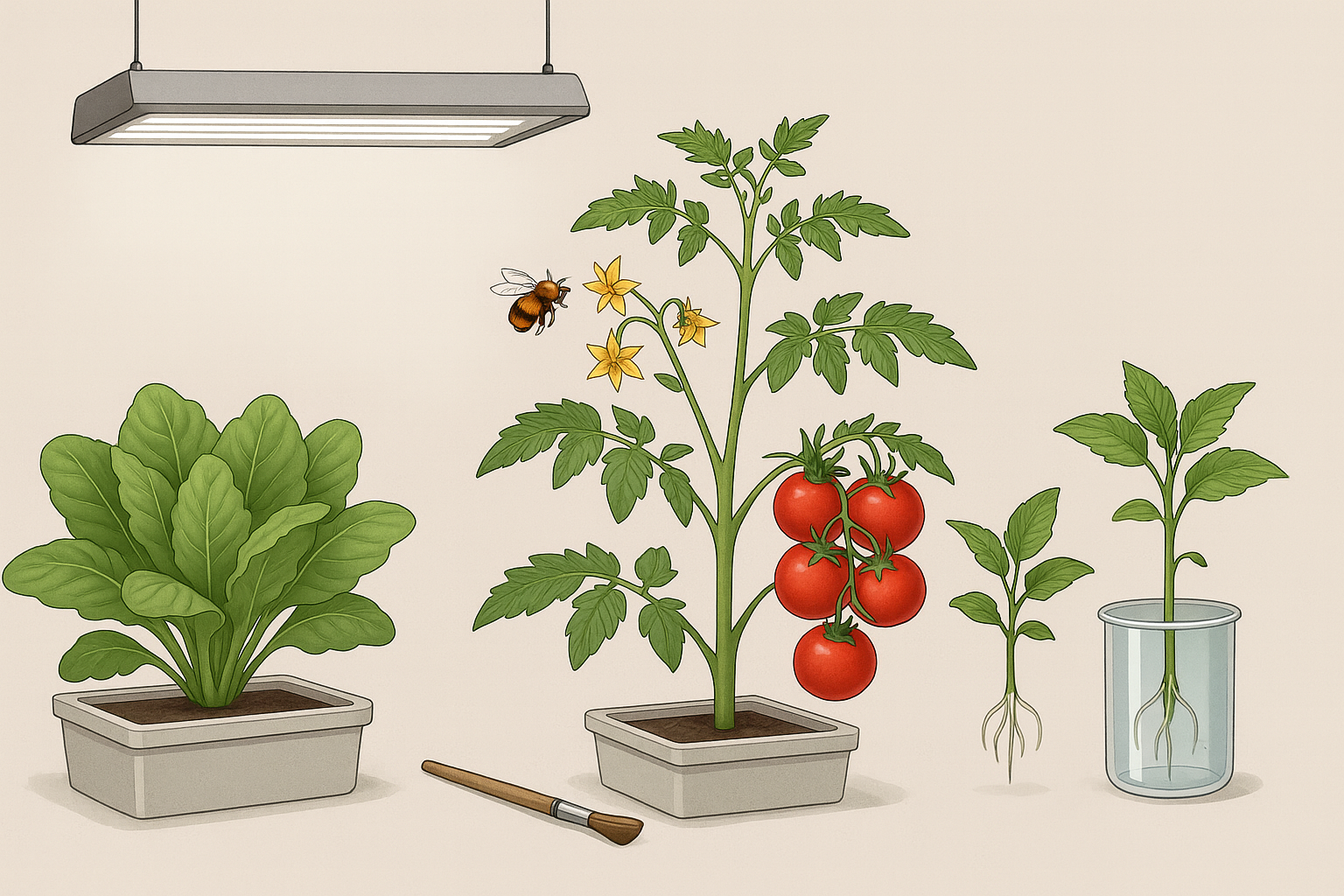
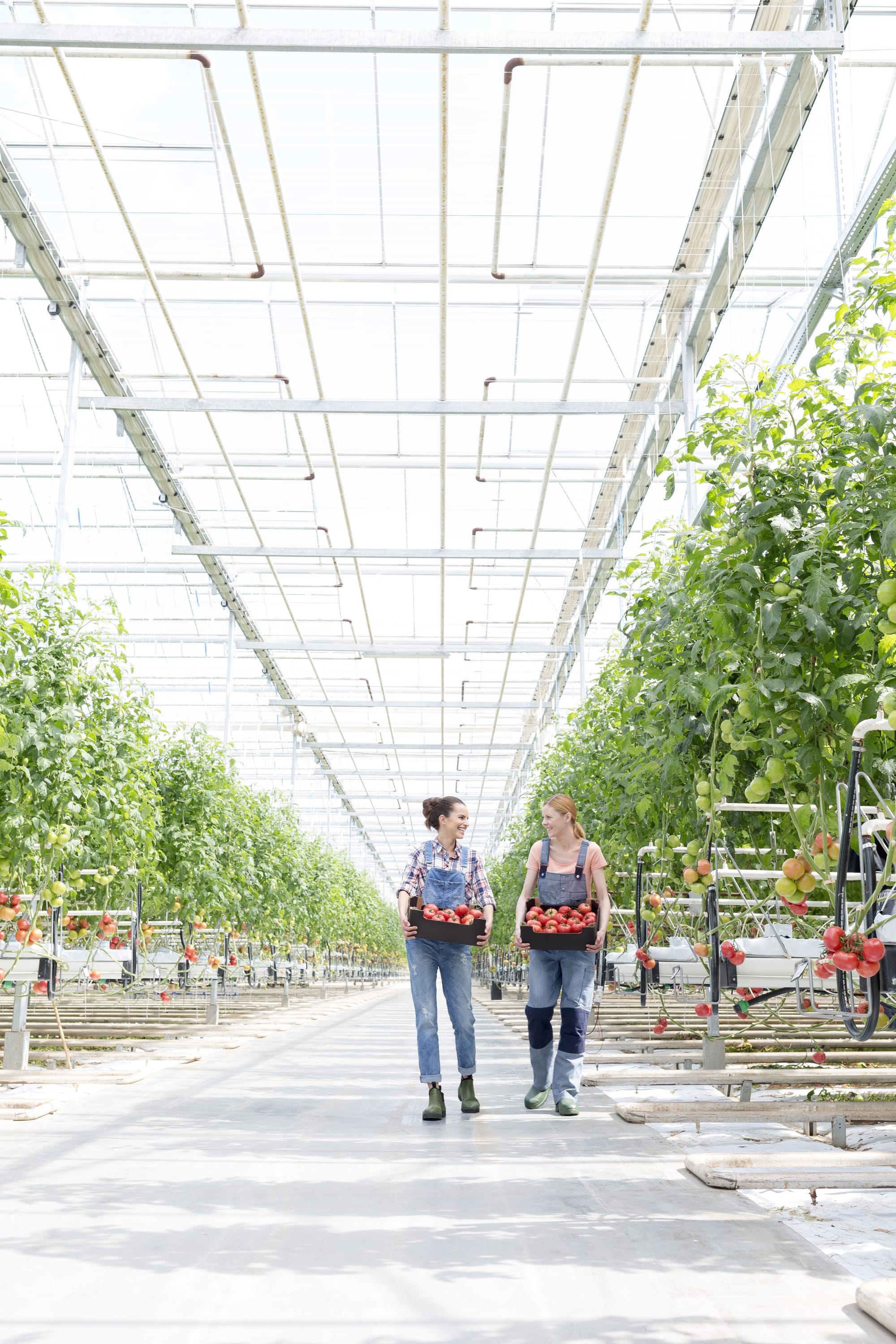
Fruiting crops, by contrast, require a successful transition from vegetative to reproductive phases, followed by pollination and fruit set. Indoor growers must ensure that plants receive the right cues, usually through manipulation of photoperiod and temperature. A tomato crop, for example, may require a long-day light schedule and slightly elevated temperatures to stimulate flowering. Once flowering begins, pollination must be secured, which is often achieved using bumblebees in greenhouses or manual and mechanical pollination in vertical farm systems.
Pollination strategies in controlled environments
Pollination is the transfer of pollen from the male anther to the female stigma, enabling fertilisation. Outdoors, this is usually carried out by insects or wind. Indoors, growers must provide a substitute. Several strategies exist, including manual pollination with brushes, mechanical vibration of plants, or the use of air circulation to encourage pollen movement. Some facilities introduce managed pollinators such as bumblebees, though this approach is more common in greenhouse settings than in fully enclosed vertical farms.
For crops like strawberries, which have flowers highly responsive to bee pollination, managed pollinators can dramatically improve fruit set and uniformity. For self-pollinating species such as tomatoes, simpler methods such as vibrating the flower trusses are often sufficient. The choice of strategy depends on crop type, scale, and the level of automation within the farm.
Vegetative propagation and clonal reproduction
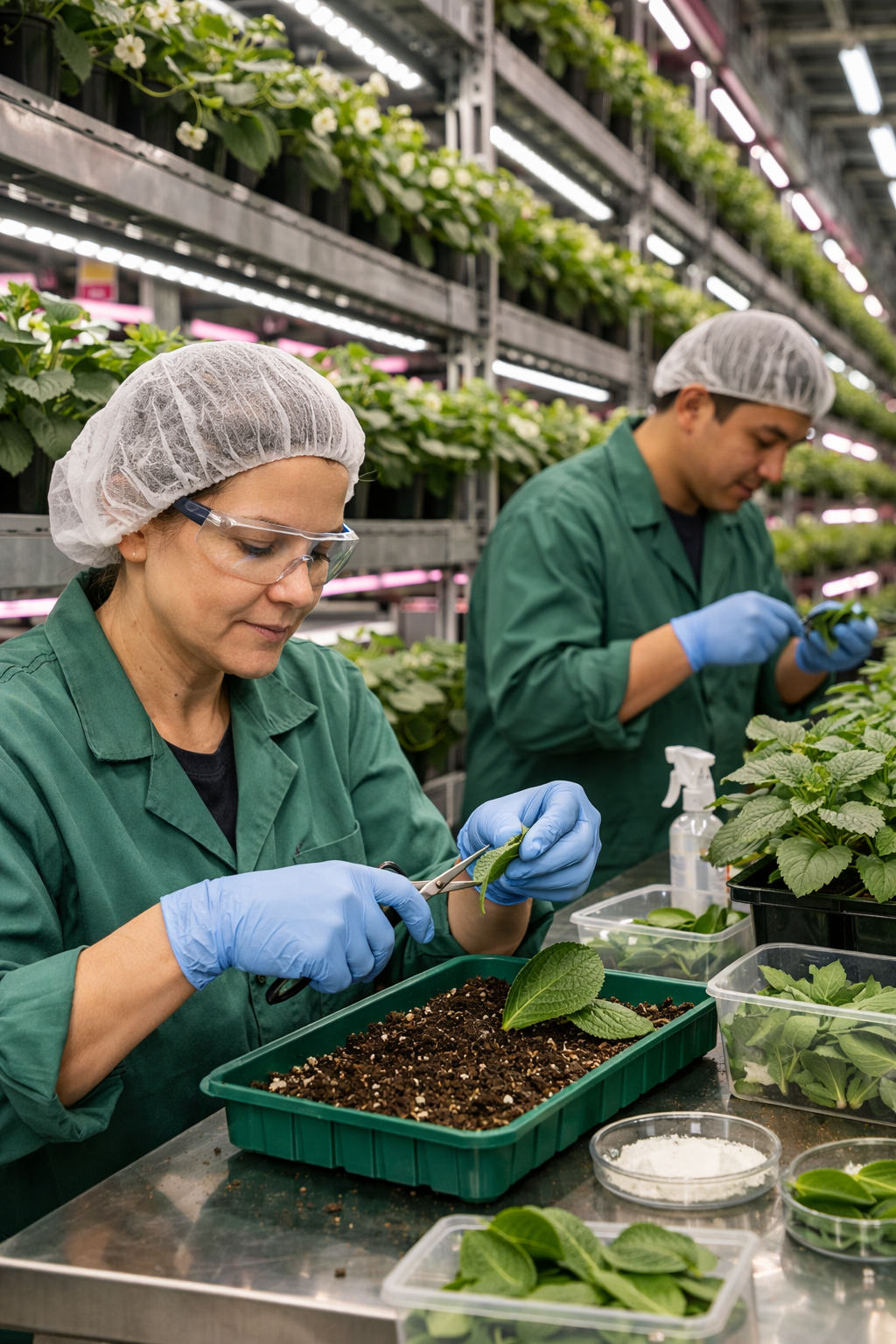
Not all reproduction in indoor farming involves seeds. Many systems rely on vegetative propagation through cuttings, grafting, or tissue culture. This approach ensures uniformity and allows rapid scaling of high-performing genotypes. Clonal propagation is particularly common in high-value crops where consistency of flavour, yield, and growth characteristics is paramount.
In addition, tissue culture techniques allow disease-free plantlets to be produced under sterile conditions, which can then be transplanted into hydroponic or aeroponic systems. Such techniques underpin seedling supply chains for many commercial indoor farms.
Genetic stability and breeding considerations
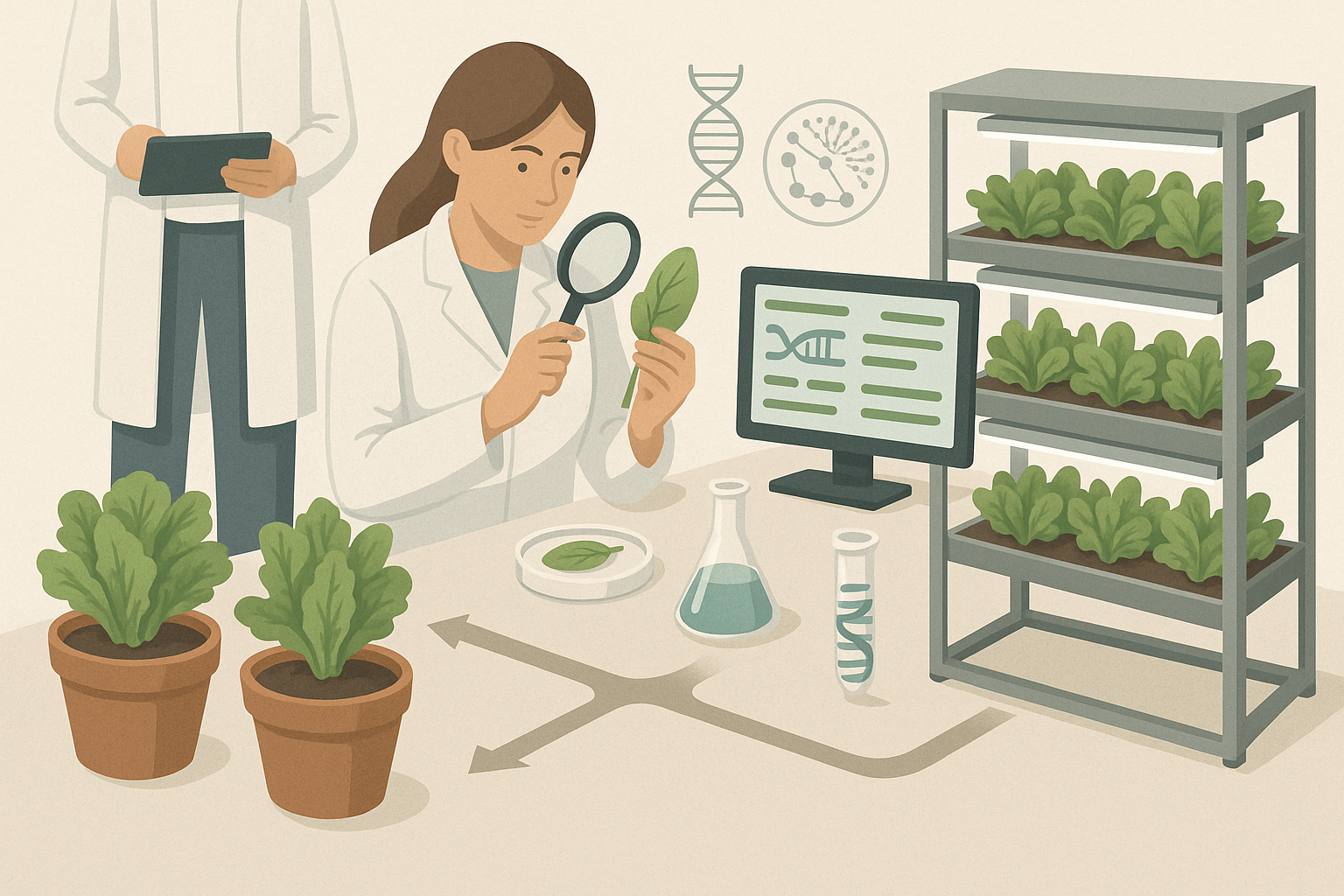
Managing plant reproduction in indoor farming is not only a matter of immediate crop performance but also of long-term genetic stability. Repeated clonal propagation can risk genetic drift or the accumulation of somaclonal variation. Equally, breeding programmes designed for controlled environments may prioritise traits such as compact growth form, uniform flowering, or responsiveness to LED light spectra.
Research in this field is advancing rapidly. Plant breeders are beginning to develop cultivars specifically for vertical farms, with optimised reproductive traits such as shortened flowering times or improved fruit set under low UV conditions. This trend is expected to accelerate as indoor farming becomes a more significant part of global horticulture.
Economic and operational implications
Reproduction has direct economic consequences for indoor farms. For crops harvested before flowering, reproduction is a risk factor to be suppressed. If lettuce bolts prematurely, it can lead to entire batches being downgraded. For fruiting crops, reproduction is the key determinant of yield and therefore revenue. The cost of labour for manual pollination, the need for specialist pollination equipment, or the introduction of managed pollinators all add to operating costs.
Investors and policy-makers should therefore view reproduction management not simply as a technical issue but as a driver of economic performance. Reliable control of reproductive processes can mean the difference between a consistently profitable harvest and unpredictable outcomes.
Reproduction in the wider context of CEA systems
Reproductive control sits within a broader framework of crop management in CEA. It intersects with light management, since different spectra influence flowering; with nutrient management, as imbalances can cause reproductive stress; and with environmental control, since humidity and temperature directly affect pollen viability. Indoor farms that integrate sensors, automated pollination devices, and data-driven monitoring of reproductive development can reduce risk and improve predictability.
Reproduction also has implications for sustainability. By enabling controlled seed-to-seed cycles indoors, farms can maintain in-house seed supply chains, reducing reliance on external suppliers. Conversely, when reproduction is suppressed, energy and resources are directed entirely into vegetative yield, which may improve resource-use efficiency for leafy crops.
Conclusion
Plant reproduction is not an incidental process in indoor farming; it is a central element of crop management that affects quality, yield, and profitability. Whether the aim is to suppress flowering in leafy greens or to encourage and support pollination in fruiting crops, successful indoor farms must develop a nuanced understanding of how reproduction works in controlled environments.
Managing plant reproduction in indoor farming involves balancing biological processes with technological interventions. As CEA expands, it is likely that greater integration of breeding, automation, and environmental control will refine how reproduction is managed, offering both consistency and efficiency. For those interested in the science, practice, and economics of vertical farming, mastering the principles of plant reproduction is essential.