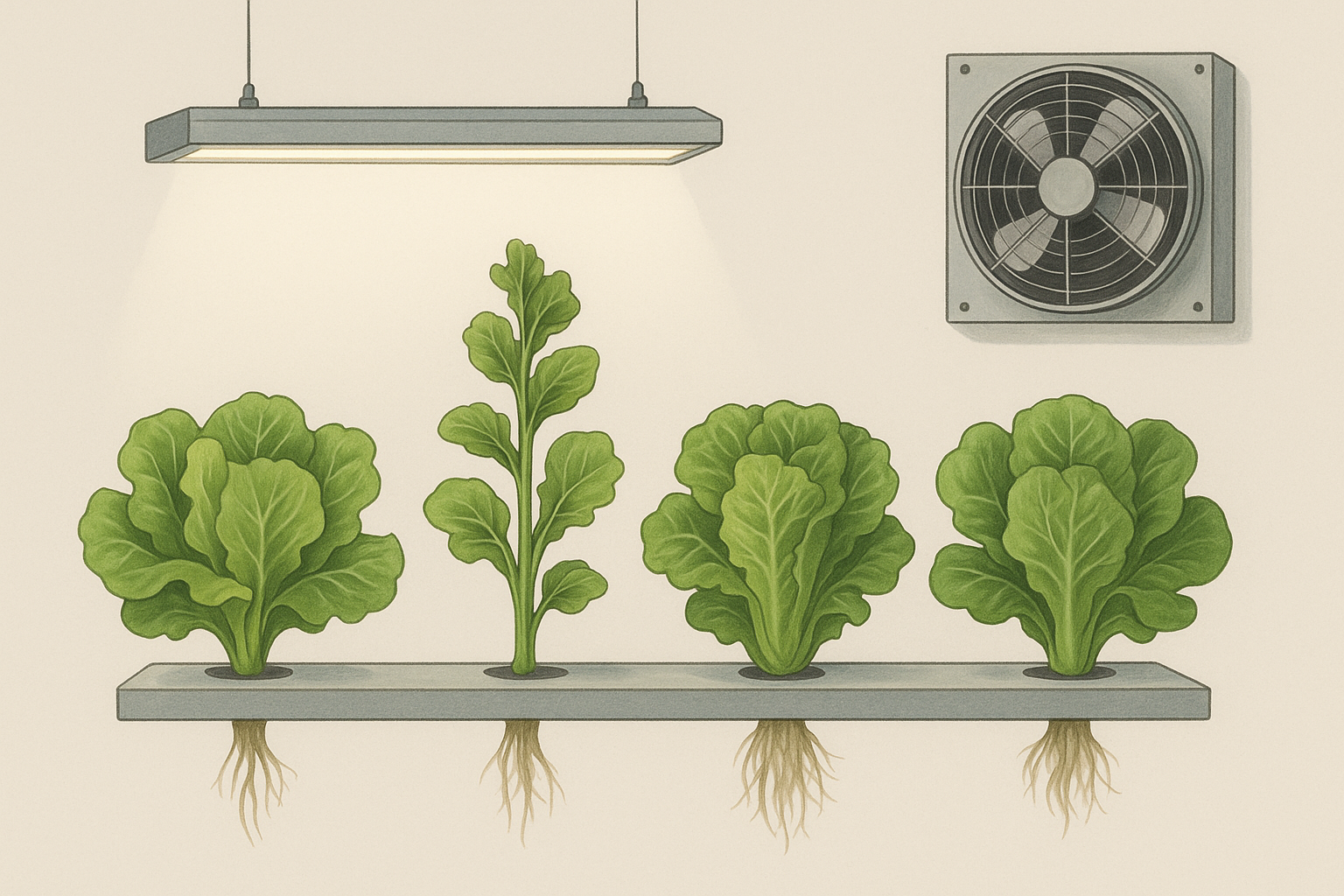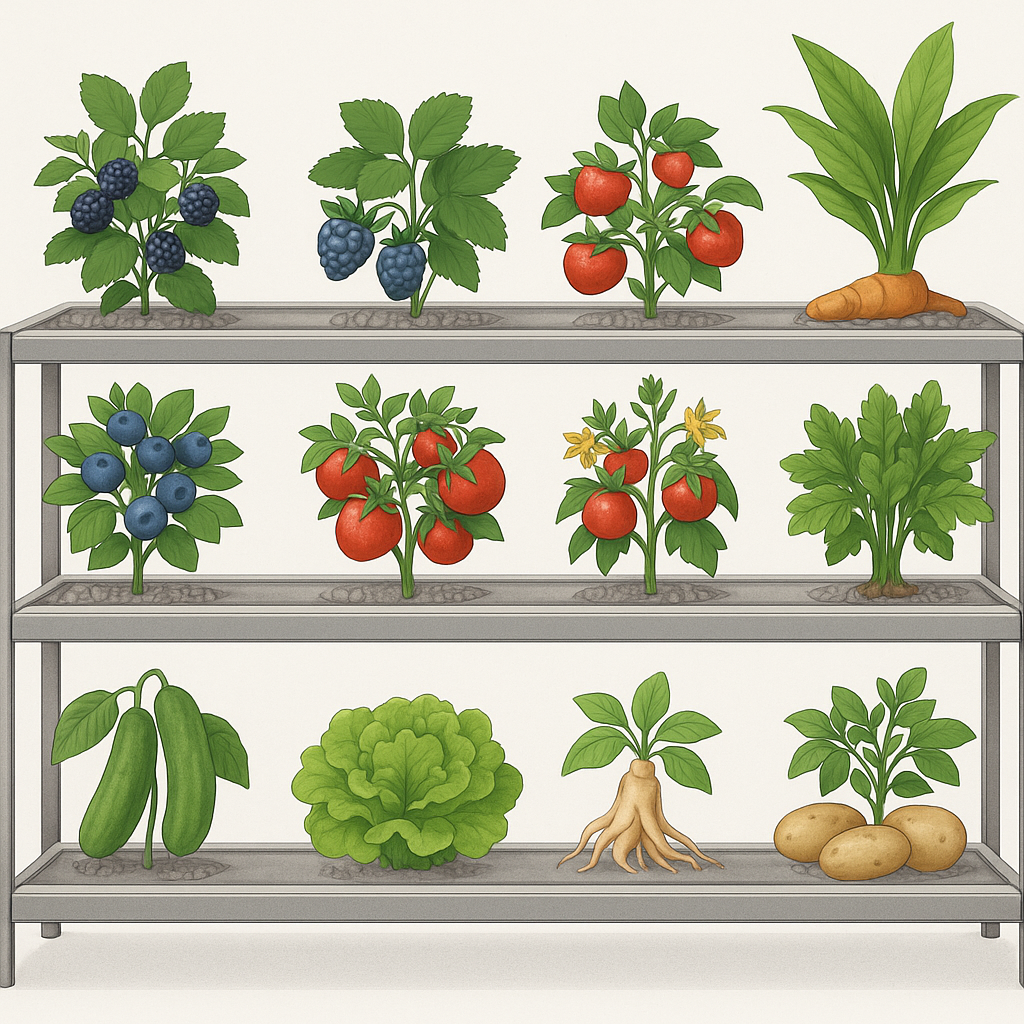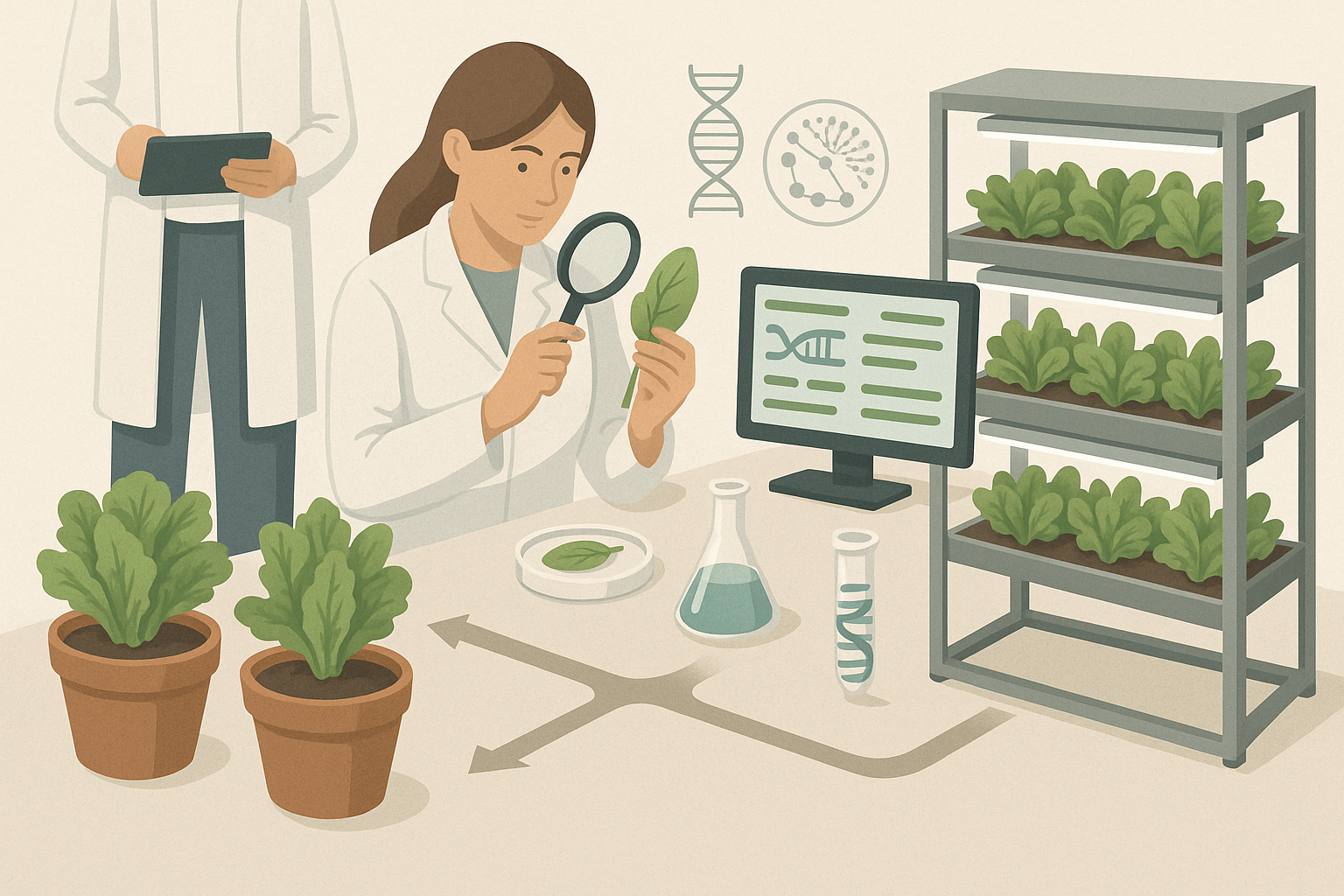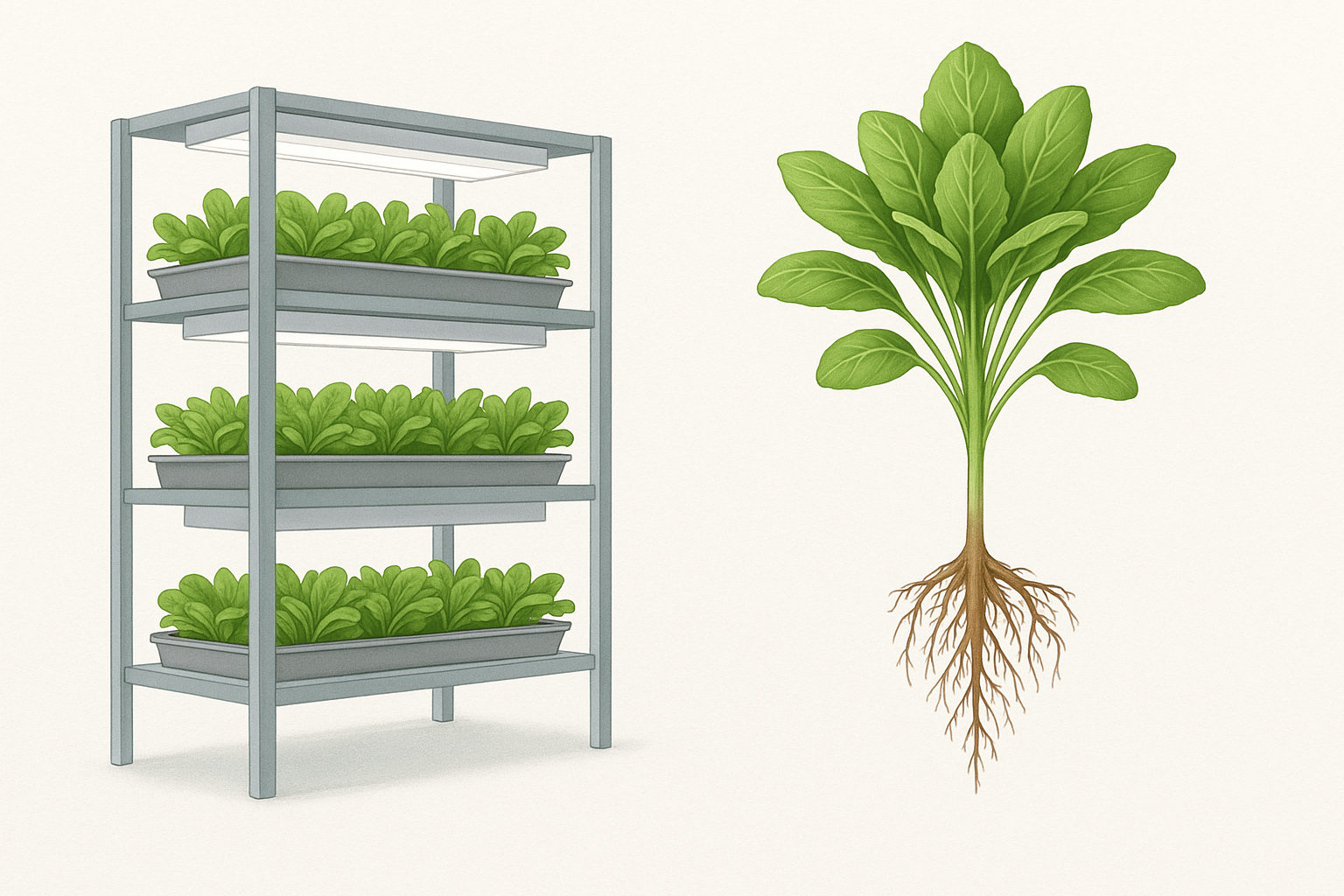
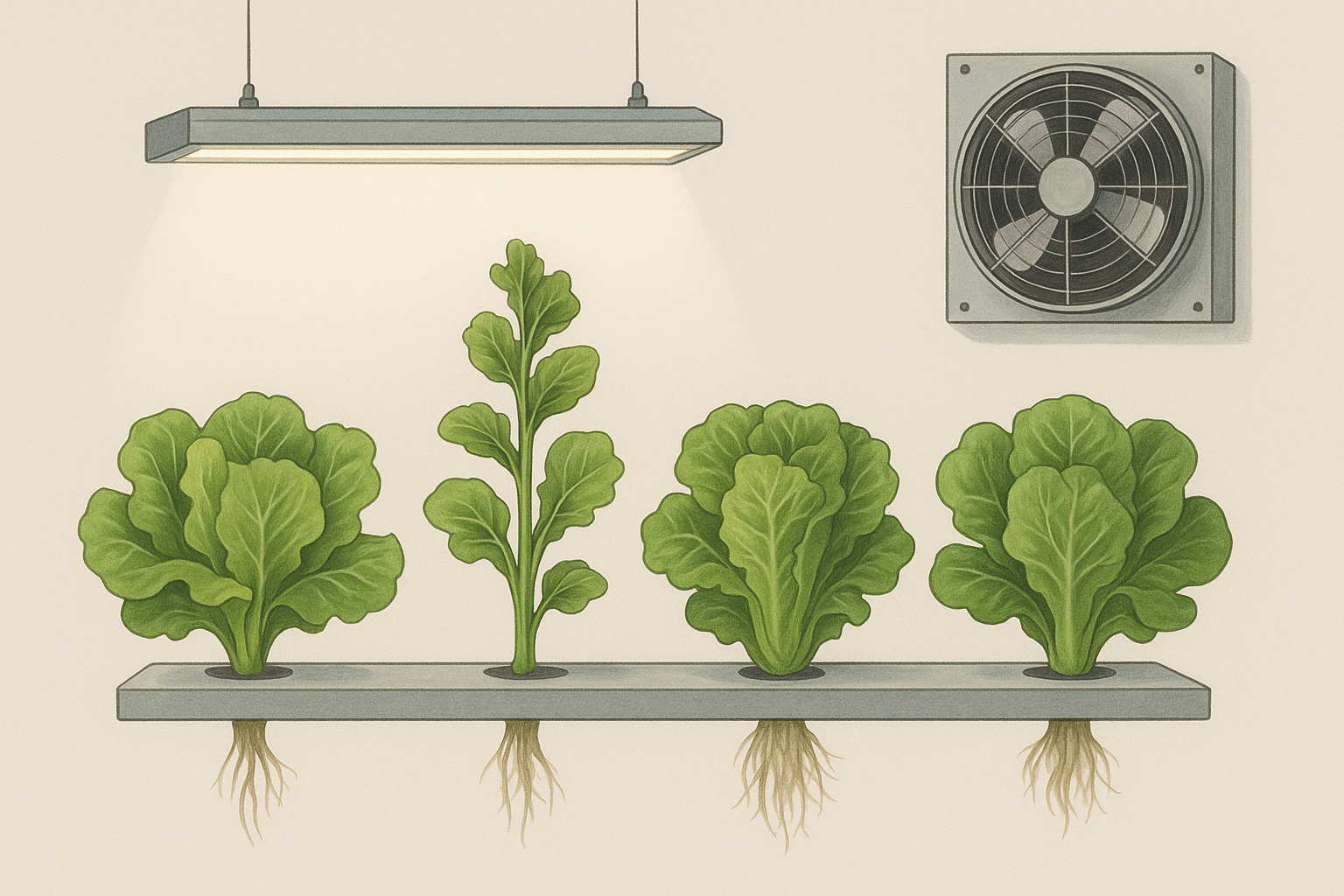
In nature, plant morphology is not a fixed outcome, it is a highly plastic and variable response shaped by environmental variables. In controlled environment indoor systems, the environmental parameters are regulated meaning the outcome in terms of plant morphology is much more predictable. Utilising CEA technologies it is also possible to expand this concept to allow growers to produce the morphologies which are determined to be desirable. The physical form of plants, from leaf size and stem thickness, to branching patterns and root development, can be deliberately altered through the careful application of stress. Understanding how stress influences morphology is an intriguing area of both scientific enquiry and commercial innovation, since it opens pathways to developing crops with novel shapes, improved yields, or unique properties that are valuable for food, pharmaceutical, and ornamental markets.
Stress as a Driver of Morphological Change
In natural ecosystems, plants routinely face stresses such as fluctuating temperatures, drought, ultraviolet radiation, or mechanical pressure. These stressors act as selective pressures, leading plants to adapt in ways that confer survival advantages. In CEA, growers can replicate or modulate these stresses in precise and reproducible ways, producing deliberate changes in plant form. For example, mild water stress may induce deeper root formation, while increased ultraviolet-B exposure can trigger smaller, thicker leaves with higher concentrations of protective compounds. The difference between indoor farming and traditional field agriculture lies in control: in a CEA facility, stresses can be introduced carefully, timed precisely, and adjusted dynamically without risking the loss of a crop.
Morphological Pathways in CEA
The most significant morphological changes induced by stress in indoor systems fall into several categories. Architectural changes include altered stem elongation, branching, and leaf angle, all of which can affect light capture efficiency in multi-tiered systems. Leaf-level changes such as cuticle thickening or trichome development often follow stress exposures and can have commercial implications in crops bred for flavour intensity, nutraceutical content, or even aesthetic appeal. Root morphology also responds strongly to stress: for instance, nutrient limitation may drive finer, more highly branched root systems, which in hydroponics can influence nutrient uptake dynamics. Collectively, these morphological pathways are tools that growers and researchers can manipulate to design plants that are more suited to high-density indoor farming.
Practical Examples of Stress-Induced Morphologies
Several case studies illustrate the practical applications of stress to manipulate plant morphology in CEA. Short-duration cold stress has been used to increase stem robustness in seedlings, producing transplants that withstand handling and transplantation more effectively. Mechanical stimulation, such as airflow, can reduce stem elongation in tomato seedlings, producing sturdier plants better adapted to vertical growth supports. Similarly, light stress or modulation, through altered spectra, such as an increased proportion of far-red or blue wavelengths, can generate more compact or more expansive leaf morphologies, depending on the production goal. These approaches highlight the versatility of stress as a design tool for plant form, allowing farmers to tune morphology for specific operational or market needs.
Research Implications
For researchers, stress-induced morphology represents an important frontier in plant science. It provides a controlled way to study fundamental processes such as cell wall reinforcement, hormonal signalling, and the integration of stress perception into developmental pathways. For example, the interplay of auxin, gibberellins, and abscisic acid under stress directly influences whether a plant elongates or compacts its shoots. Controlled experiments in CEA systems, free from the variability of weather or soil, enable more precise dissection of these mechanisms. Beyond basic research, the implications for applied science are equally profound: understanding morphology under stress can inform breeding programmes aimed at producing varieties inherently suited to indoor farming environments. Experiments with plant morphology variation allows cultivars or individual plants to be identified, which can form the basis of selective breeding targets, to enhance or augment a favourable natural response into a crop variety that is more production efficient.
Commercial and Policy Relevance
From a commercial perspective, the ability to control plant morphology in CEA contributes to both efficiency and product differentiation. Compact crops with short internodes may allow denser stacking in vertical systems, while unique leaf structures or pigmentation patterns can offer premium products in niche markets. Policy-makers may also find relevance here: as sustainable farming schemes evolve, the capacity of CEA to reduce environmental inputs while producing high-value crops with distinctive traits could shape subsidy frameworks and investment priorities. Research funding in the UK and EU increasingly recognises morphology as a key trait in sustainable production, linking directly to broader agendas on resource efficiency and food system resilience.
Challenges and Ethical Considerations
Manipulating morphology through stress is not without risks. Over-application or poorly timed stress may reduce yields, compromise plant health, or increase susceptibility to pathogens. Ethical debates may also emerge, particularly in relation to consumer transparency: if stress-induced morphologies result in changes to nutritional profiles or shelf life, clear communication becomes necessary. The challenge for practitioners is therefore to balance innovation with responsibility, ensuring that stress is applied as a fine-tuned instrument rather than a blunt tool.
Conclusion
Plant morphology in CEA is far more than a passive outcome of growth under artificial conditions. It is an actively manageable trait, shaped by the controlled application of stress in ways that can generate new forms and new opportunities. By understanding and harnessing stress-induced morphologies, growers can adapt plants for denser cultivation, researchers can uncover the mechanisms of development under pressure, and investors and policy-makers can recognise the potential of CEA to produce crops that are not only efficient but also novel. The intersection of stress biology and plant morphology thus represents one of the most promising and intellectually rich areas of modern indoor farming research.
Bibliography and further reading:
- Chaves, M.M., Maroco, J.P., & Pereira, J.S. (2003). Understanding plant responses to drought: from genes to the whole plant. Functional Plant Biology, 30, 239-264.
- Poorter, H., Fiorani, F., Pieruschka, R. et al. (2016). Pampered inside, pestered outside? Differences and similarities between plants growing in controlled conditions and in the field. New Phytologist, 212, 838-855.
- Demotes-Mainard, S., Péron, T., Corot, A. et al. (2016). Plant responses to red and far-red light, applications in horticulture. Environmental and Experimental Botany, 121, 4-21.