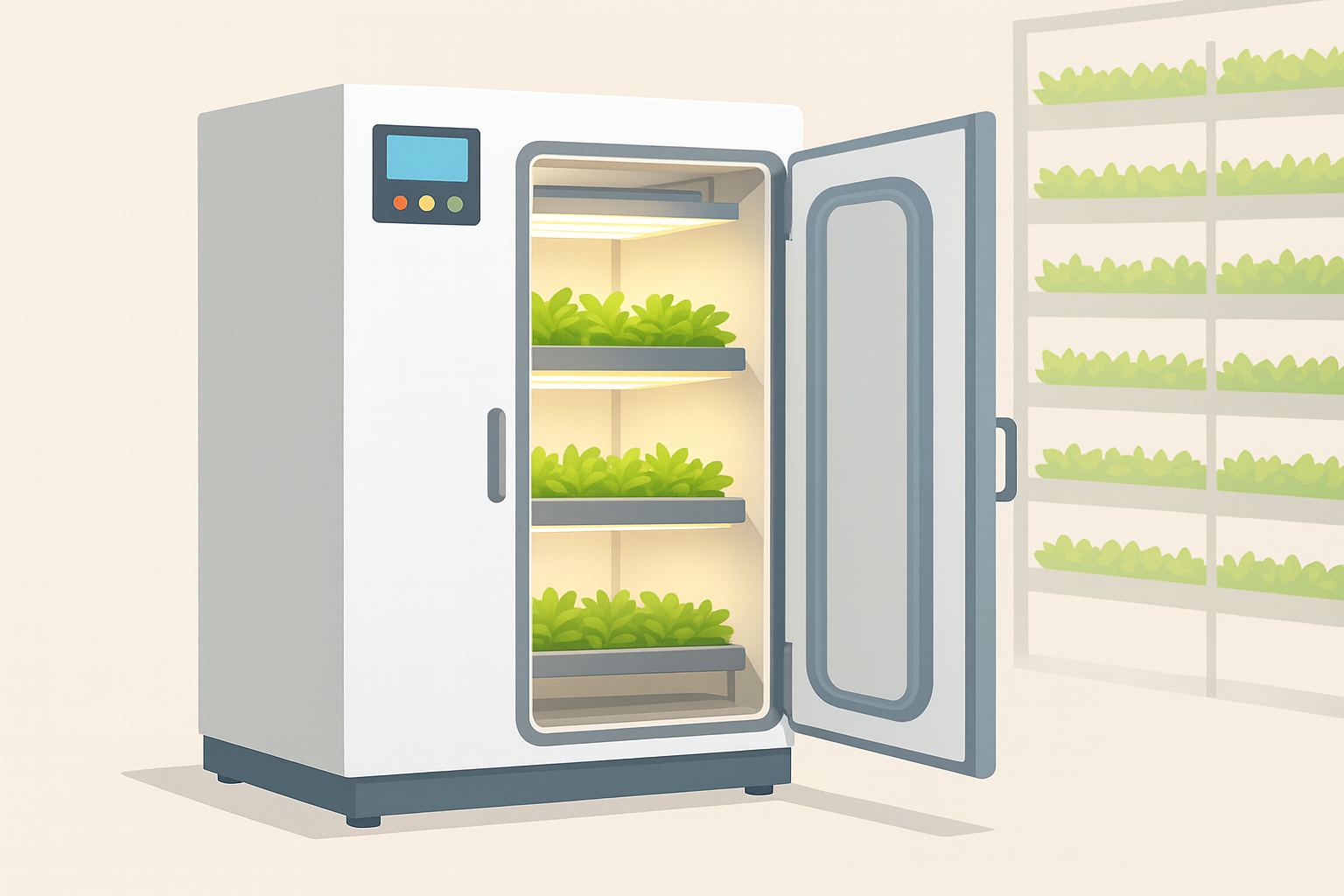
Using growth chambers for indoor farming provides a precise, repeatable, and controllable method of cultivating plants within fully enclosed environments. These chambers are purpose-built units designed to maintain specific environmental conditions regardless of the external climate. They allow for the accurate regulation of light, temperature, humidity, carbon dioxide concentration, and, in many cases, airflow and nutrient delivery. For controlled environment agriculture (CEA) practitioners, growth chambers represent both a research tool and a production platform, bridging the gap between laboratory experimentation and commercial-scale cultivation.
Defining Growth Chambers in the Context of CEA
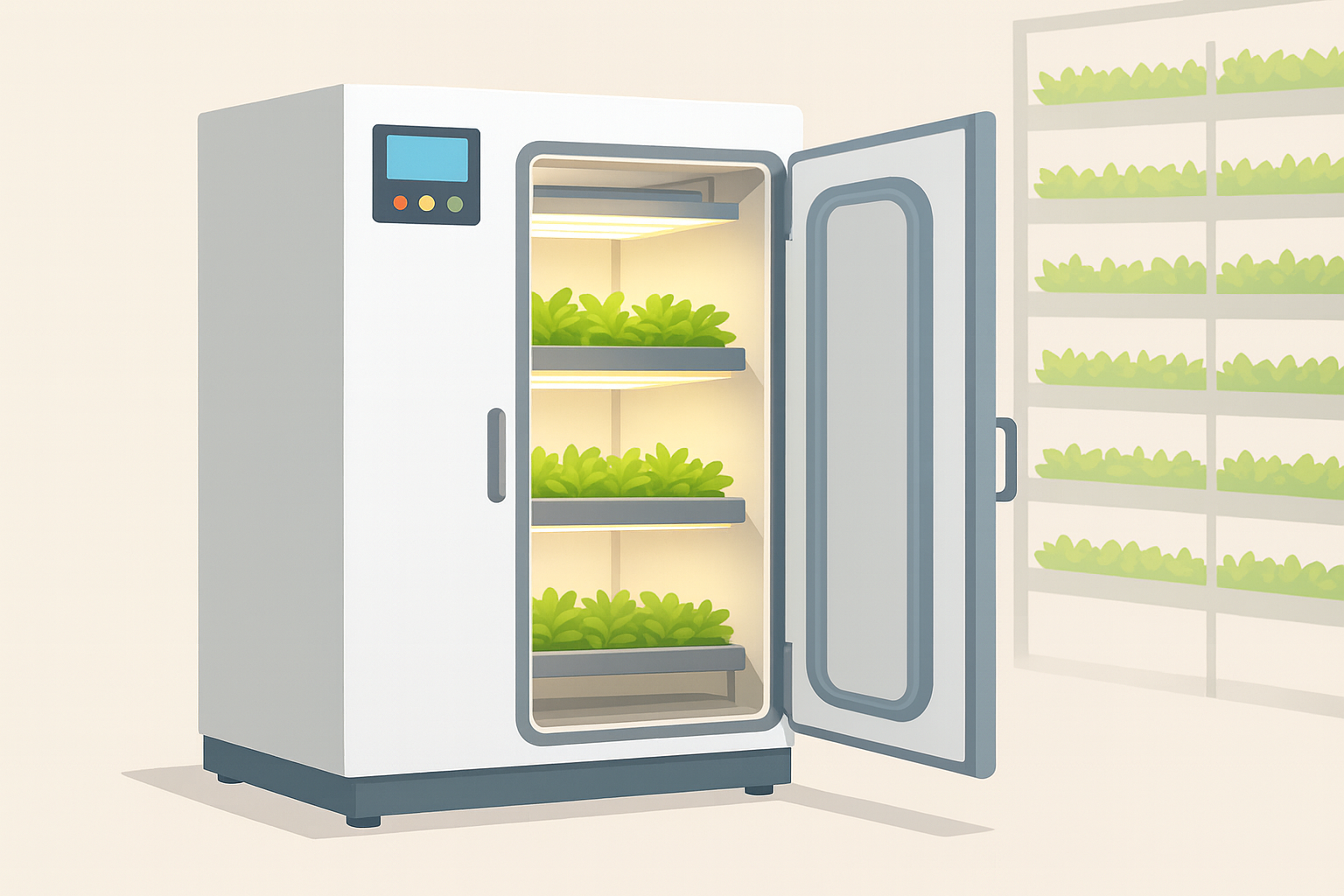
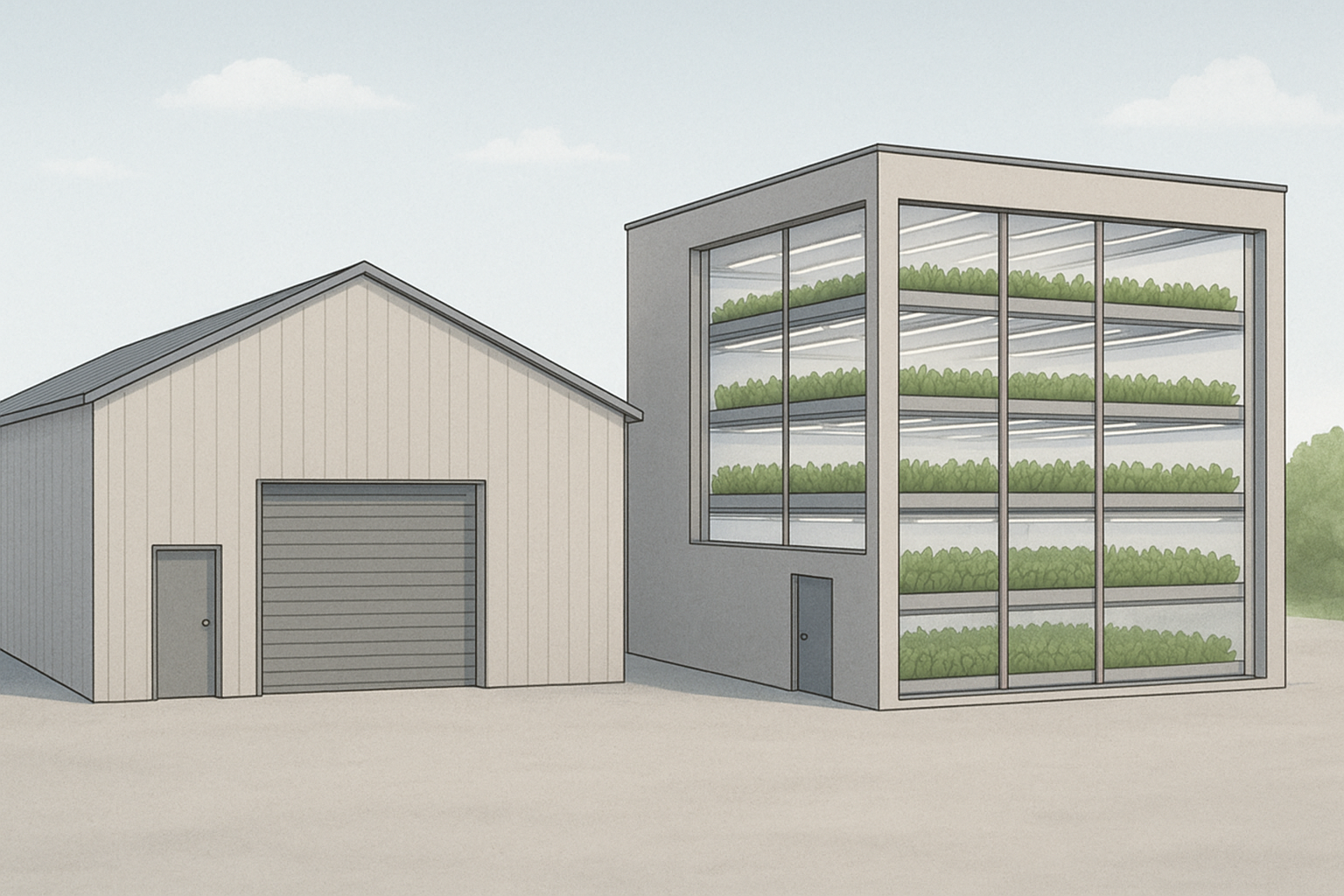
A growth chamber is essentially a self-contained, insulated enclosure equipped with integrated climate control systems. While similar in concept to larger plant factories or vertical farms, growth chambers operate at smaller scales and offer higher precision. They are widely used by universities, research institutes, and agricultural technology companies to study plant growth responses, evaluate crop varieties, and optimise cultivation protocols before scaling to larger systems. In indoor farming applications, they provide a way to refine parameters such as photoperiod length, light intensity, nutrient formulation, and air exchange rates without the variability found in greenhouse or open-field environments.
Environmental Control and Crop Performance
The defining feature of a growth chamber is its capacity to replicate and sustain tightly controlled conditions. Light is provided through programmable LED arrays or, in some cases, high-intensity discharge lamps, allowing full control over spectrum and photoperiod. Temperature regulation is achieved through integrated heating and cooling systems, often combined with dehumidification and humidification units to manage relative humidity precisely. Carbon dioxide enrichment systems enable experimentation with elevated concentrations, often in the range of 600 to 1200 ppm, which can significantly influence photosynthetic rates and biomass accumulation.
In indoor farming contexts, these capabilities mean that growth chambers can produce data of exceptional reliability. Researchers can isolate the effects of a single variable on crop performance, enabling the refinement of growing protocols that can later be applied to larger vertical farming facilities. For commercial growers, chambers can serve as nurseries for seedlings or high-value crops requiring meticulous care, or allow experimentation with production variables without affecting the wider production system.
Applications in Research and Commercial Production
Growth chambers are indispensable in plant physiology and breeding research. They enable controlled trials for cultivar selection, nutrient optimisation, and pest or pathogen resistance assessment. In CEA, they are often used as pre-commercial testing environments: for example, a new plant cultivar can be evaluated in a growth chamber to determine the optimal combination of light spectrum, nutrient concentration, and environmental settings before transitioning to a larger-scale vertical farm.
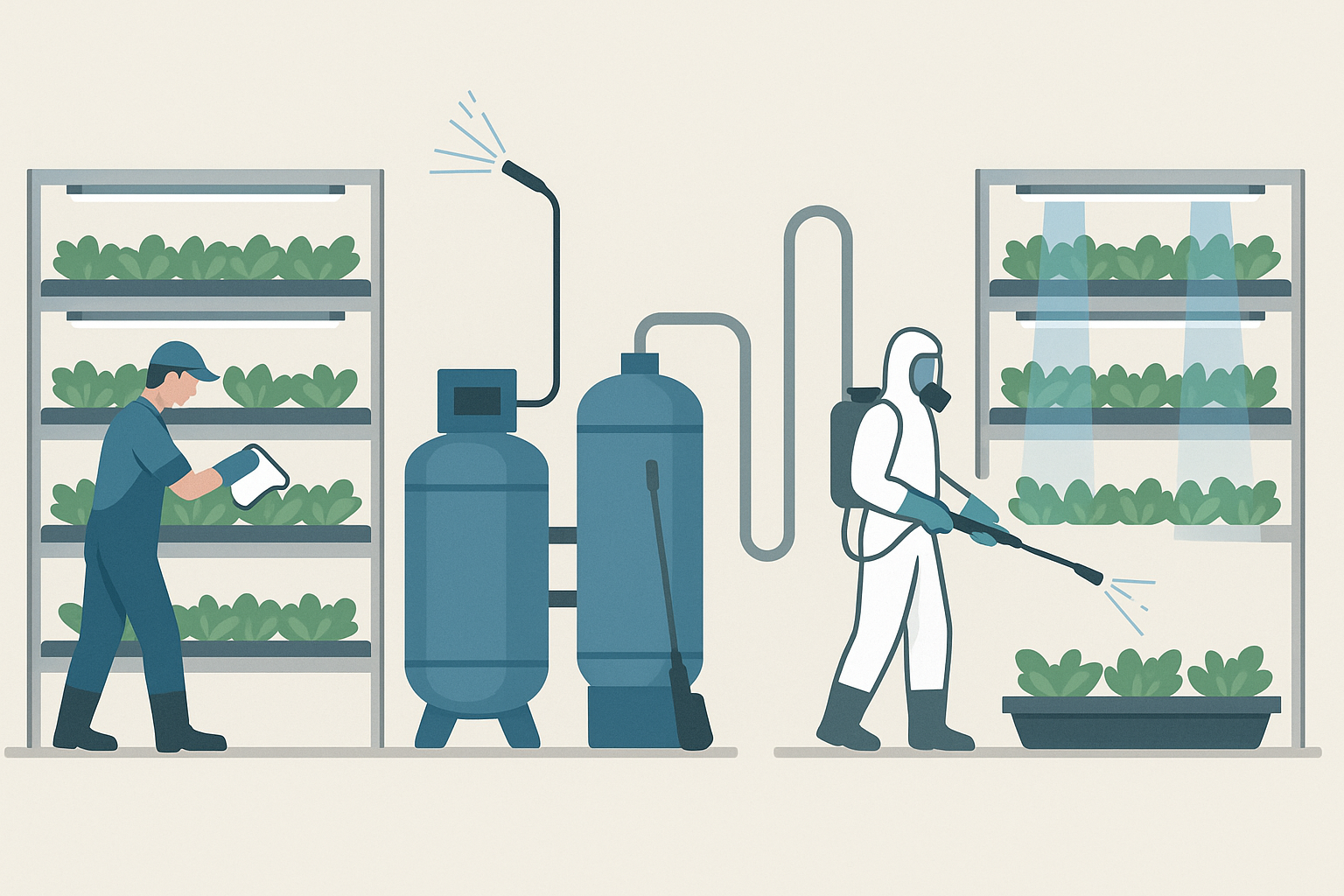
Commercial indoor farms may also deploy growth chambers for specialised crops where market value justifies the relatively high operational costs. Microgreens, pharmaceutical plants, and experimental horticultural products often fall into this category. In addition, the ability to isolate and quarantine plants makes growth chambers valuable for biosecurity and disease management.
Technical Considerations and Limitations
Although growth chambers offer unmatched control, they are capital- and energy-intensive. The size of the chamber limits total production capacity, making them less suited to bulk crop output. Operational costs can be high, particularly when maintaining extreme environmental settings or when high-intensity lighting is required for extended photoperiods. Temperature uniformity can be a challenge in larger units, and the sophistication of the equipment requires regular calibration and maintenance.
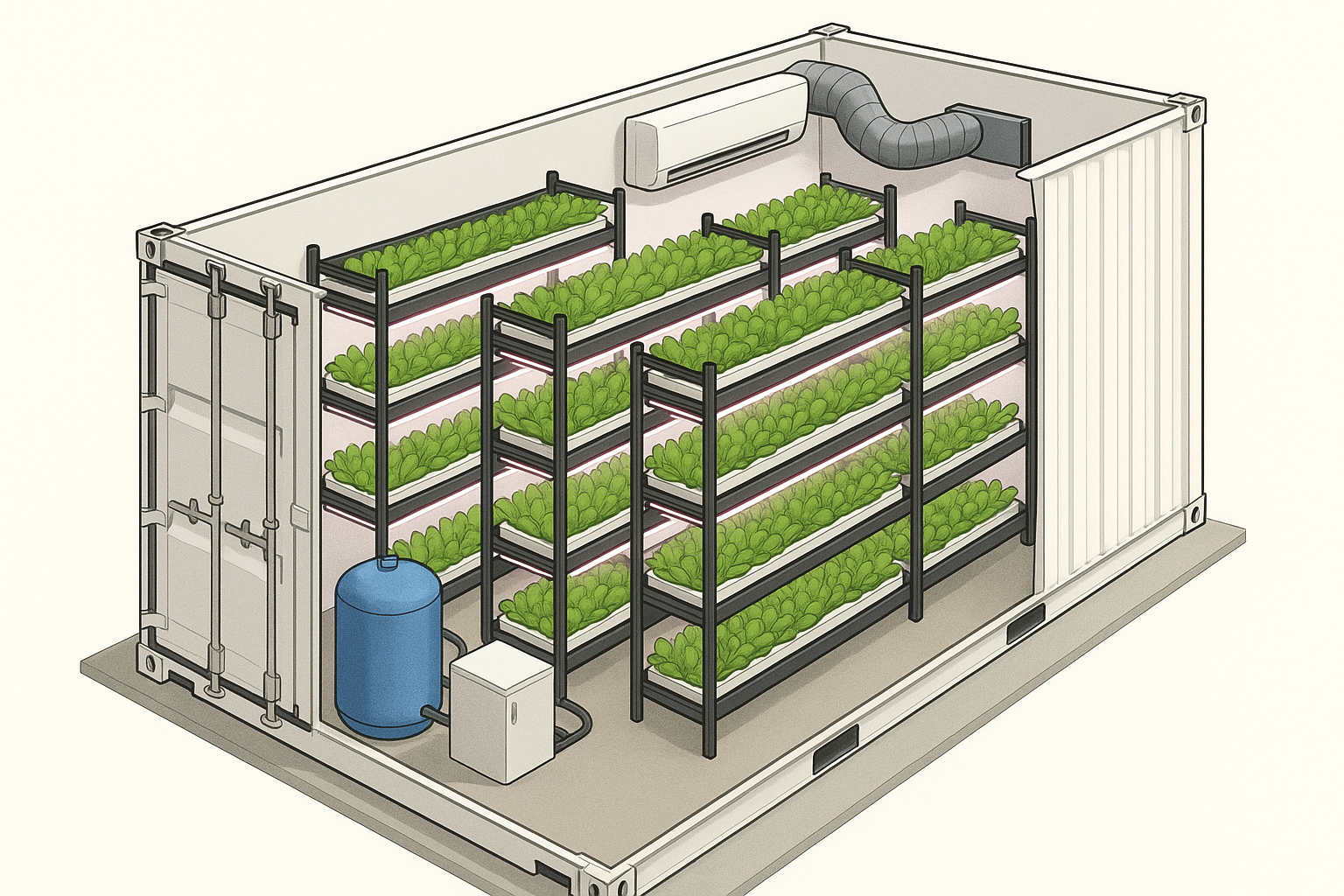
From an engineering perspective, airflow design is critical. Without careful distribution, microclimates can develop within the chamber, leading to uneven growth or increased disease risk. Additionally, the smaller space is more susceptible to thermal gain from lighting and other technological heat output, requiring monitoring and management intervention. Energy efficiency has become a focus for modern designs, with newer chambers incorporating high-efficiency LEDs, advanced insulation, and heat recovery systems.
Integration with Broader CEA Strategies
In a well-planned CEA operation, growth chambers are often used in conjunction with other systems. For example, they may be linked to seedling propagation rooms, hydroponic benches, or vertical rack systems. Data gathered from growth chamber trials can directly inform settings in larger plant production systems, reducing the trial-and-error period and increasing the predictability of yields. For academic and commercial research facilities, they form part of a wider technology stack that may also include greenhouses, plant factories, and environmental simulation rooms.
Future Directions
The role of growth chambers in indoor farming is likely to expand as automation, data analytics, and remote sensing technologies advance. Integration with AI-driven climate control software is already emerging, enabling chambers to run autonomous experiments that adjust environmental parameters in real time based on plant responses. Furthermore, the miniaturisation of sensor technologies and the development of more energy-efficient environmental control systems may reduce operational costs, making growth chambers more accessible beyond research institutions.
In addition, their capacity to simulate extreme or unusual environments means they have potential beyond Earth-based agriculture. Space agencies already use growth chambers to explore plant cultivation under microgravity or extraterrestrial atmospheric conditions, knowledge that feeds back into terrestrial CEA practices.
Conclusion
Using growth chambers for indoor farming combines scientific precision with horticultural flexibility. While they are not a replacement for full-scale production facilities, their ability to produce consistent and replicable results makes them an invaluable component of modern CEA strategies. By offering an environment where every parameter can be meticulously tuned and monitored, they accelerate crop development cycles, improve yield predictability, and provide the knowledge base necessary to scale up to commercial operations. For growers, researchers, investors, and policy-makers seeking to understand or shape the future of indoor agriculture, growth chambers offer a clear view into the controlled and data-rich world of CEA