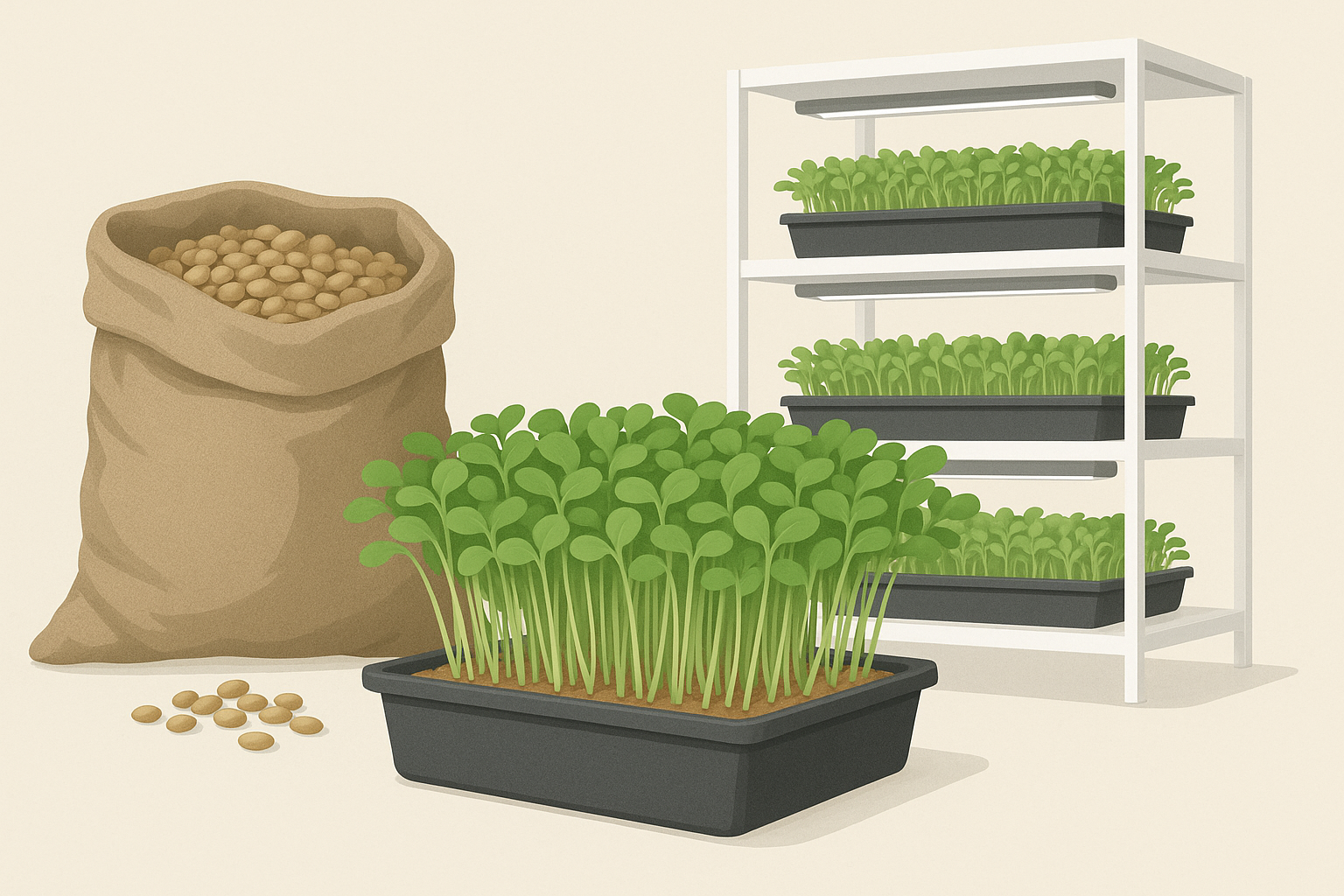
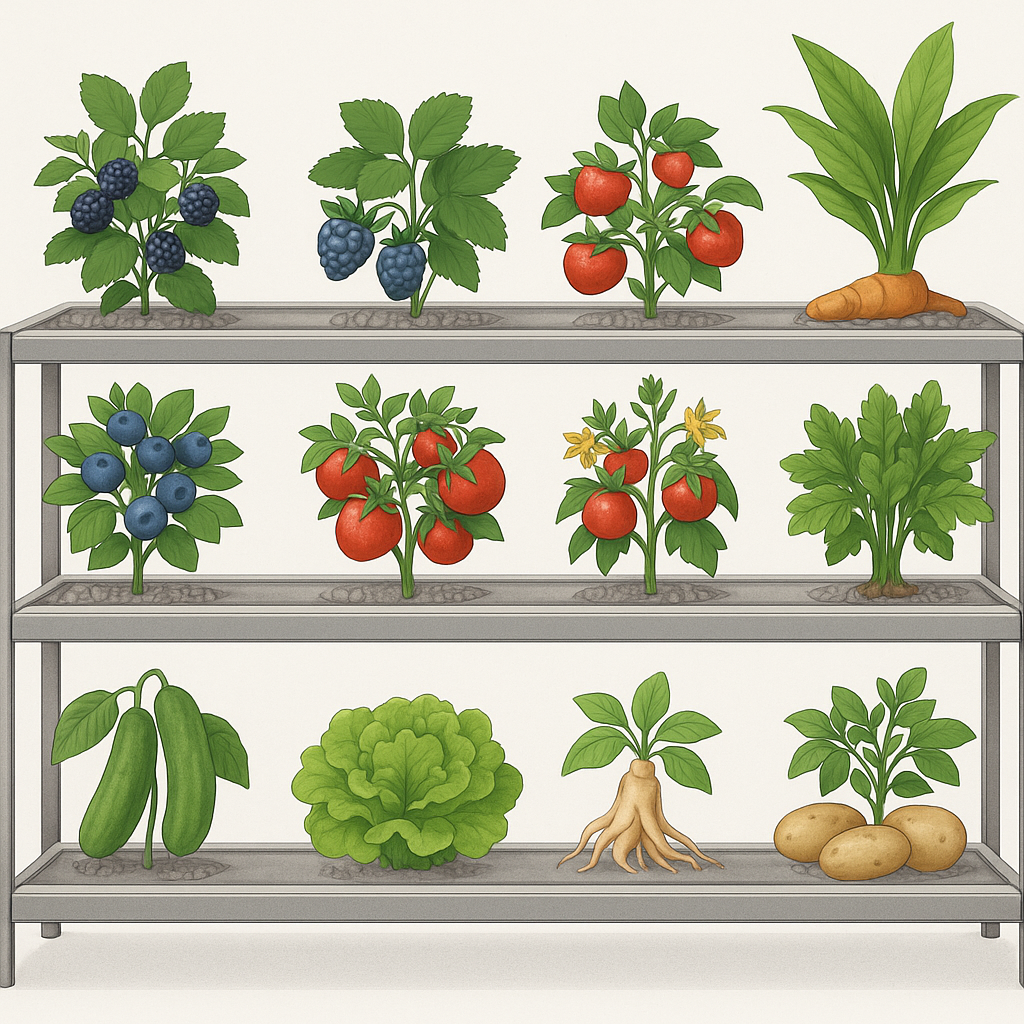
Controlled Environment Agriculture (CEA) has largely been associated with leafy greens, herbs, and microgreens: crops that deliver rapid turnover, predictable yields, and relatively straightforward cultivation requirements. These early choices made sense for building a new industry, as they provided investors and growers with sensible and reliable economic models. Yet the next stage of development is characterised by a widening portfolio of emerging crops for CEA systems. From fruiting vegetables and staple foods to medicinal and nutraceutical plants, researchers and growers are exploring the extent to which highly controlled environments can support more diverse agricultural outcomes. This expansion has profound implications for food security, dietary diversity, and the economics of indoor farming.
Why Explore Emerging Crops?
The rationale for expanding beyond leafy greens is twofold: nutritional diversity and market potential. Leafy crops, while profitable, do not supply the caloric density or range of nutrients required to underpin a truly resilient food system. By contrast, staples such as rice, wheat, or potatoes contribute the majority of global caloric intake, while fruits and legumes deliver essential vitamins, proteins, and bioactive compounds. Exploring how CEA might accommodate these categories raises questions about energy use, cost efficiency, and genetics, but it also opens opportunities to reframe indoor farming as more than a niche provider of high-value salad leaves.
Emerging crops also hold appeal for premium markets. Medicinal plants, including those producing alkaloids or secondary metabolites of pharmacological interest, could be cultivated in tightly regulated environments where purity, consistency, and traceability are paramount. Similarly, exotic fruits and speciality crops may justify the higher production costs of CEA if they enable year-round availability and quality control unattainable through open-field cultivation.
Fruits and Fruiting Vegetables
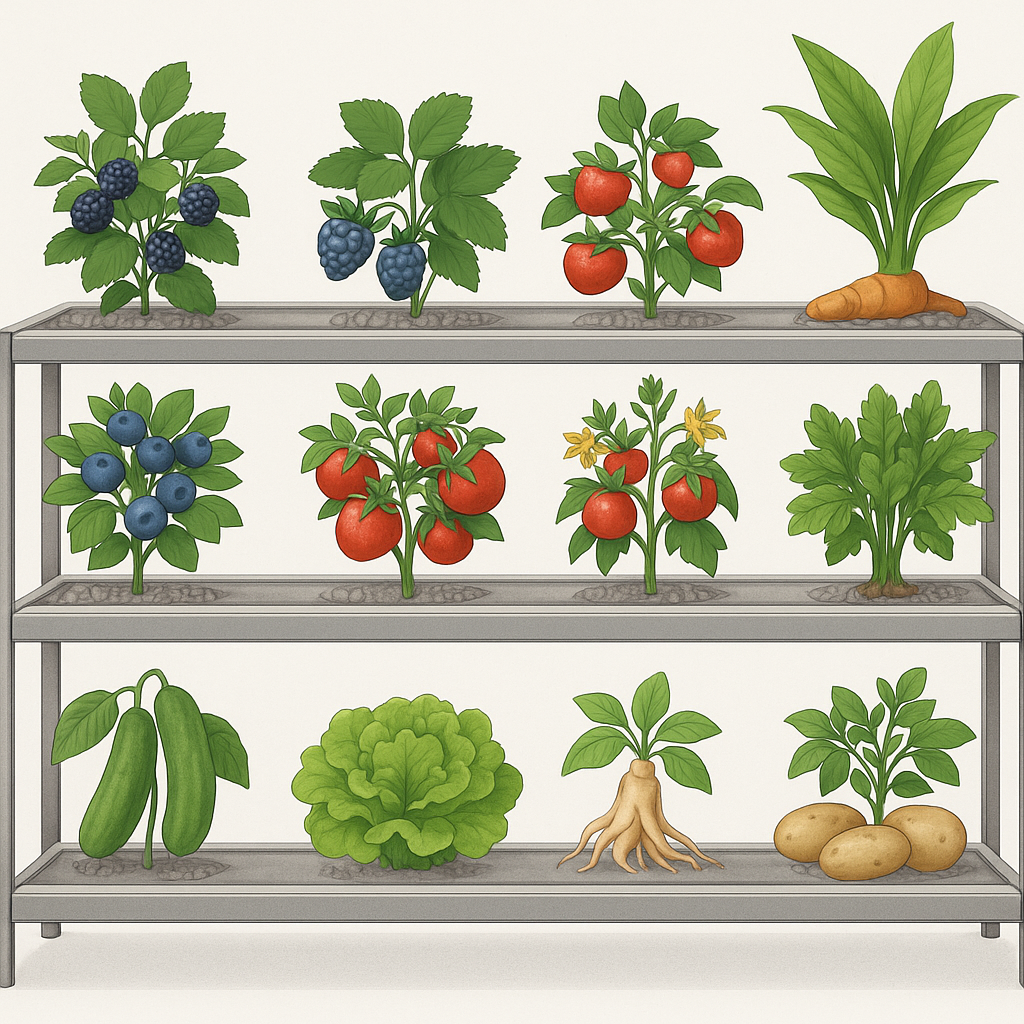
Tomatoes, peppers, cucumbers, and strawberries represent the most established fruiting crops in CEA, especially in high-tech greenhouses. However, vertical farming approaches push the boundaries further by attempting to produce compact cultivars in stacked systems with artificial lighting. Strawberries, for instance, have been widely trialled in vertical systems because of their high value, compact size, and consumer demand. The challenge lies in optimising pollination, light spectra, and nutrient delivery to achieve consistent yields in multi-layer farms.
Beyond these, blueberries, dwarf citrus, and even bananas have been researched at pilot scale. The controlled environment allows precise management of photoperiod and chilling requirements that are difficult to achieve in traditional horticulture. Nonetheless, energy costs remain a significant barrier, and careful economic analysis is essential before such systems can scale commercially.
Staple Crops and Caloric Density
Perhaps the most ambitious exploration within emerging crops for CEA systems is the cultivation of staple grains and tubers. Rice, wheat, and potatoes are the global dietary foundation, yet they are also land- and energy-intensive in traditional agriculture. Studies have examined dwarf wheat lines in growth chambers to understand photosynthetic efficiency under LED spectra, while aeroponic and hydroponic potatoes have been trialled by space agencies as part of life-support systems.
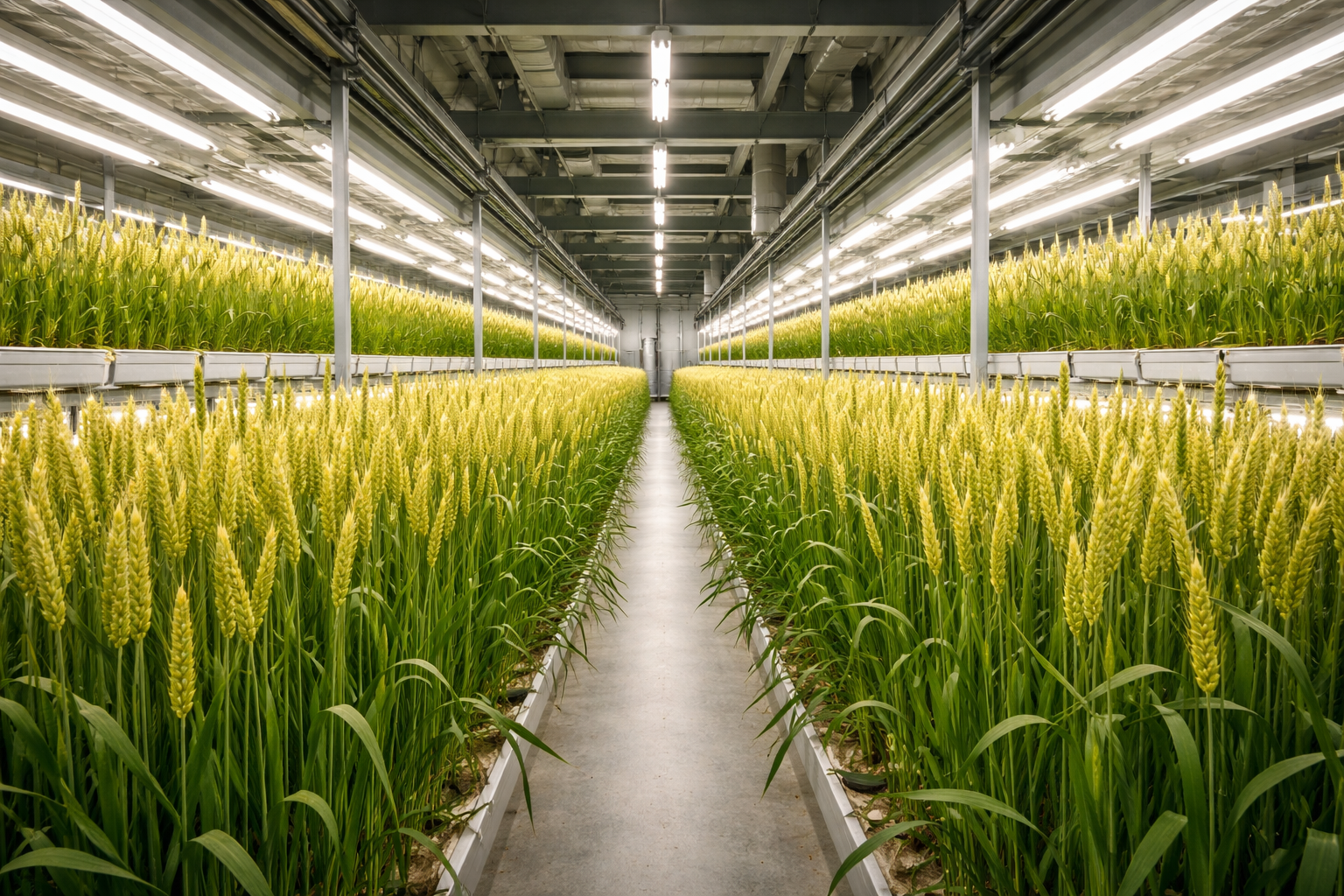
The significance of such research is not limited to space exploration, it offers insights into whether CEA might contribute to urban food resilience. Although the economics are currently prohibitive, advances in genetics, energy efficiency, and automation may gradually reduce costs. In the meantime, the ability to produce limited quantities of staple crops indoors could prove vital in regions where climate instability undermines field production.
Medicinal and Nutraceutical Plants
A third frontier involves medicinal plants and those valued for secondary metabolites. Alkaloid-producing species such as Catharanthus roseus (source of vincristine and vinblastine) or Artemisia annua (source of artemisinin) have been investigated under controlled conditions. These compounds are highly sensitive to environmental variables, making them well suited to cultivation in CEA systems where light, temperature, and nutrient stress can be precisely modulated to enhance metabolite yields.
Nutraceutical crops such as turmeric, ginseng, or functional herbs are similarly promising. Consumer demand for consistent, high-quality bioactive compounds suggests that CEA could provide a supply chain solution with traceability from seed to extract. However, the regulatory frameworks governing medicinal crop production add complexity that growers must navigate with care.
Technical and Economic Challenges
The primary barriers to diversification remain technical and economic. Fruiting and staple crops often require longer growth cycles, greater plant height, or more energy-intensive conditions than leafy greens. Pollination can be problematic in closed systems, necessitating manual intervention or artificial techniques. Furthermore, yields must be high enough to offset electricity and infrastructure costs, which remain substantial in vertical farming.
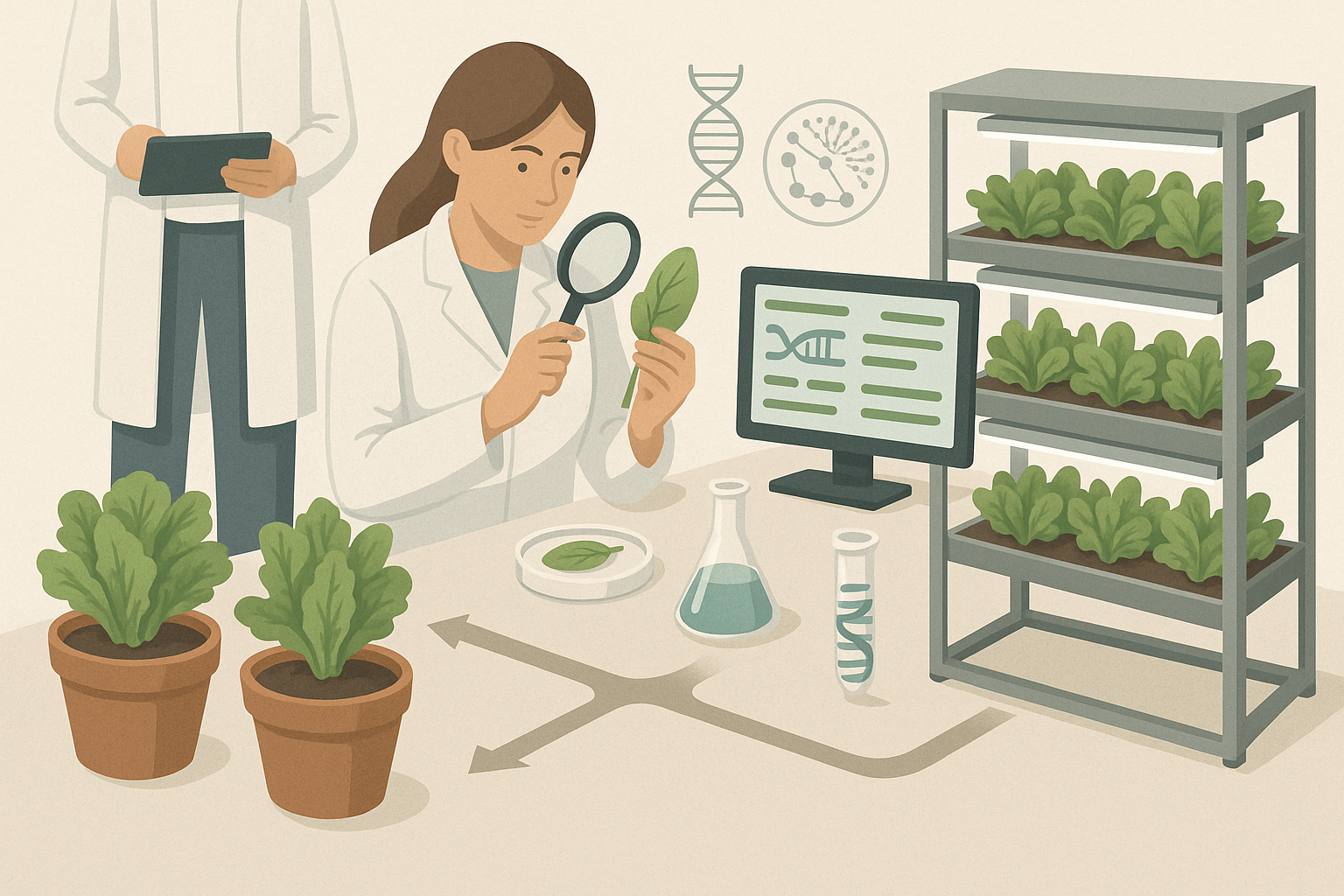
Breeding and genomics are central to overcoming these barriers. Dwarfing genes, altered photoperiod sensitivities, and optimised root systems are all targets for crop improvement that align with CEA requirements. Just as leafy greens were selected and refined for rapid turnover and compact growth, so too might emerging crops be reshaped into forms more compatible with high-density indoor farming.
Implications for Food Security
The prospect of expanding the crop range in CEA is not a replacement for conventional agriculture, but rather a complement. In climate-vulnerable regions, or where urban populations strain local supply chains, the ability to cultivate not just leafy greens but also fruits, legumes, and medicinal plants indoors could diversify diets and reduce reliance on imports. Although producing large-scale staples indoors remains a long-term aspiration, the incremental steps being taken in research laboratories and commercial pilots today may lay the foundation for a more resilient agricultural system tomorrow.
Conclusion
Emerging crops for CEA systems represent both the ambition and the challenge of the sector. From strawberries and dwarf cereals to medicinal plants, each category highlights the potential for controlled environments to expand beyond their current role. Success will depend on advances in plant breeding, energy efficiency, and system design, as well as realistic assessments of market demand and cost-effectiveness. While not all emerging crops will become commercially viable in vertical farms, the exploration itself strengthens our understanding of how plants interact with tightly managed environments and pushes forward the boundaries of agricultural innovation.