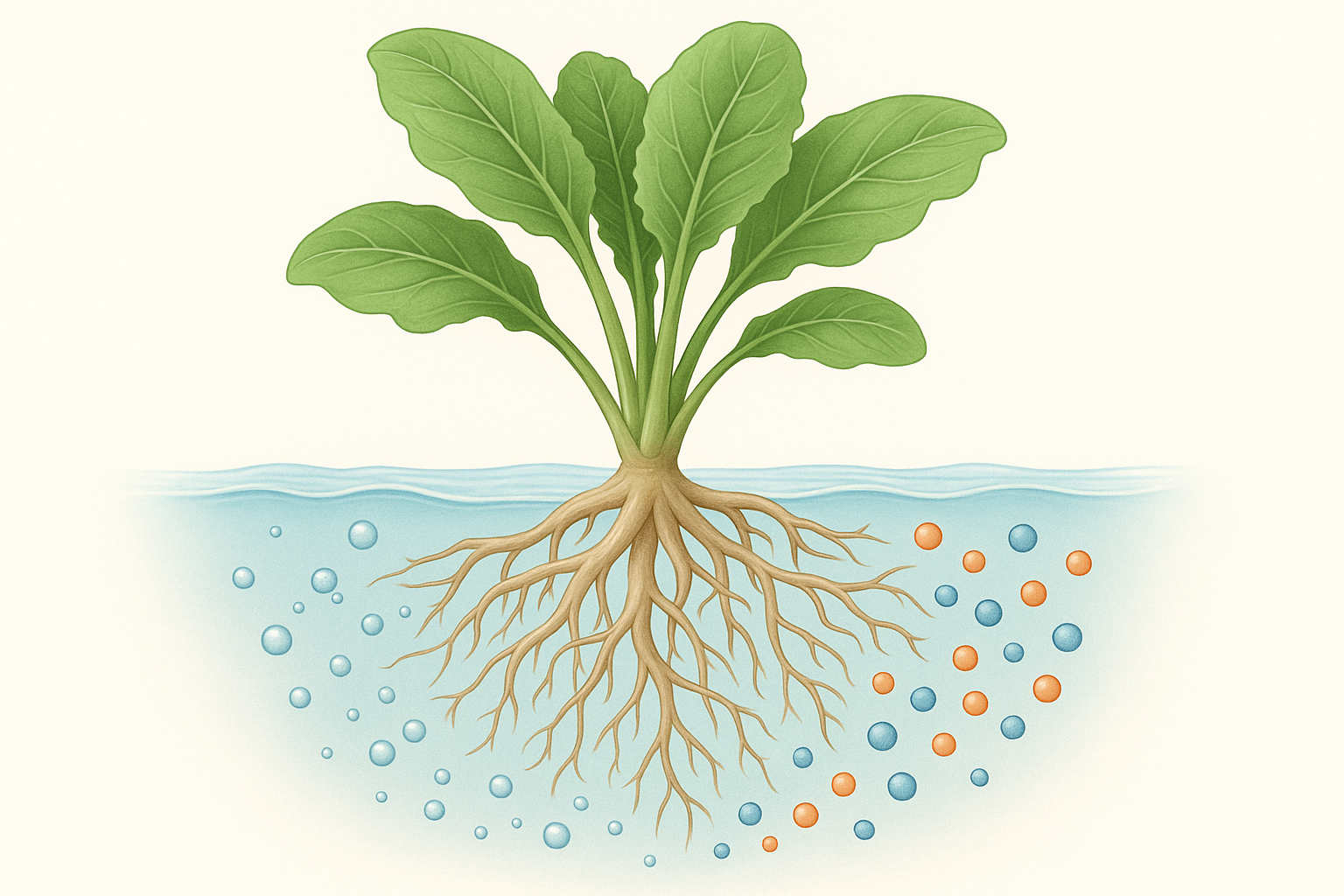
Understanding nutrient uptake in hydroponics is fundamental to designing and managing any successful controlled environment agriculture (CEA) or vertical farming operation. At its core, hydroponics eliminates the complexities of soil, replacing it with carefully balanced nutrient solutions delivered directly to plant roots. The effectiveness of this process depends not only on the formulation of nutrients, but also on the biology of roots and the mechanisms by which they absorb water and dissolved ions. For growers, researchers, and policy-makers, grasping these processes is essential in order to optimise plant health, yield, and resource efficiency.
Roots as the interface between plant and environment
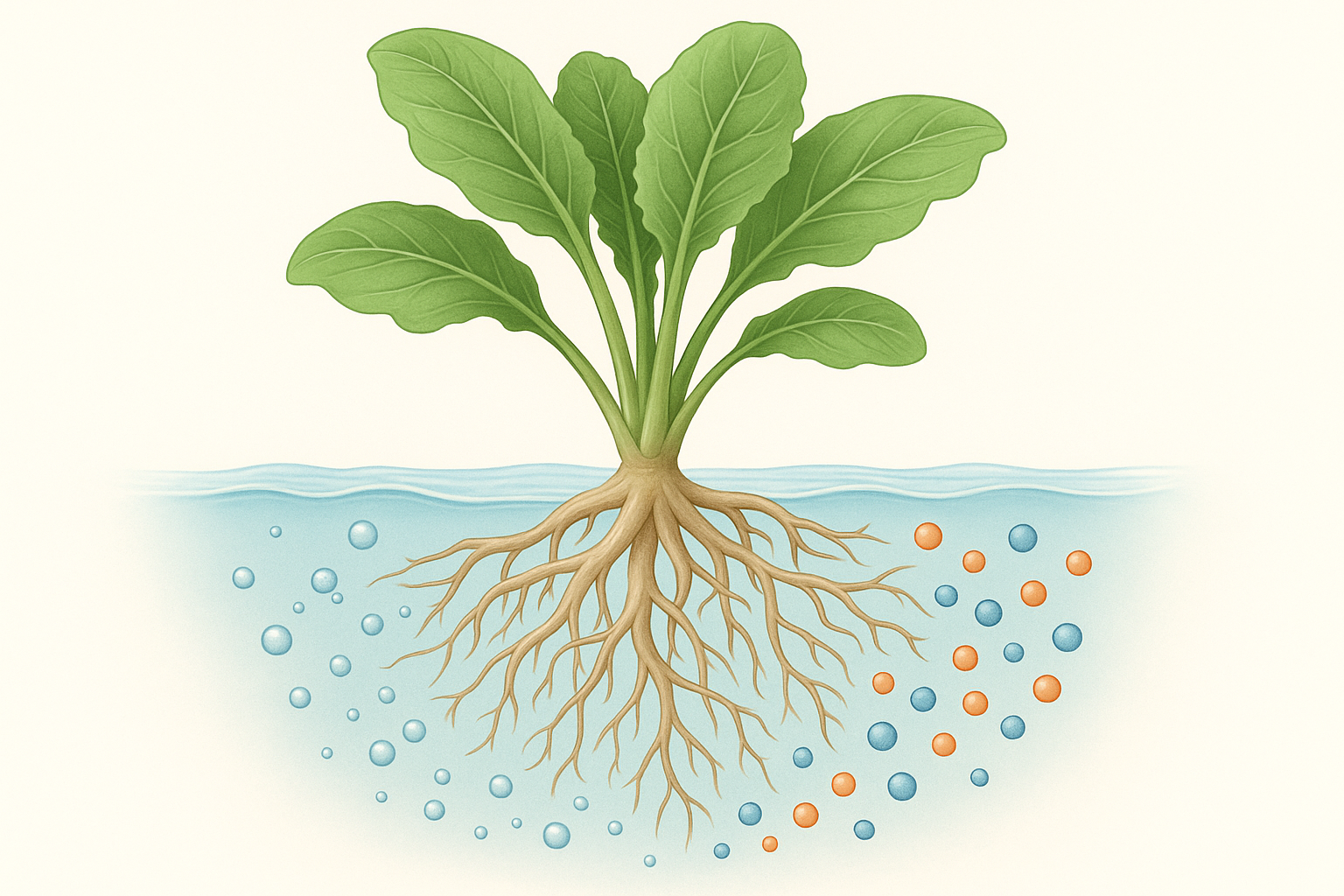
Roots in hydroponic systems are more than physical anchors, they are highly dynamic interfaces where plants interact with their environment. In soil-based agriculture, roots explore a complex medium containing minerals, organic matter, and microorganisms. In hydroponics, by contrast, roots are suspended in water, inert substrates, or mist, which places the plant entirely at the mercy of solution chemistry and system design. Oxygen availability, nutrient concentration, and water movement all influence root physiology. When conditions are optimal, roots develop fine root hairs that maximise surface area, ensuring efficient uptake of essential elements such as nitrogen, phosphorus, potassium, and trace micronutrients.
Mechanisms of nutrient uptake
Nutrient uptake in hydroponics follows two broad processes: passive diffusion and active transport. Diffusion occurs when ions move along a concentration gradient, such as nitrate entering root cells where concentrations are lower. However, many essential nutrients require energy-driven transport systems within root membranes. For example, potassium and phosphate ions are actively pumped into cells using energy derived from ATP. This combination of passive and active pathways ensures that plants can regulate their internal nutrient balance even when external concentrations fluctuate.
Hydroponic growers must therefore appreciate that nutrient availability is not merely a question of concentration in solution. The form of each nutrient (for instance, nitrate vs ammonium nitrogen), pH of the root zone, and the presence of competing ions all affect uptake efficiency. Research has shown that an optimal pH range of 5.5 to 6.5 allows most nutrients to remain soluble and biologically available (Resh, 2022; Jensen, 2010). Outside this range, elements such as iron or manganese can precipitate or become unavailable, leading to deficiencies despite apparent abundance in the reservoir.
The importance of oxygen and root zone environment
Roots require oxygen for respiration, which provides the energy for active transport. In soil, air-filled pores normally supply this oxygen. In hydroponic systems, it must be delivered through dissolved oxygen in the nutrient solution, or sufficient continuous or periodic expose to air. If oxygen levels fall too low, root metabolism slows and nutrient uptake is impaired. This explains why systems such as deep water culture often use air stones or diffusers to maintain adequate aeration. Conversely, systems that rely on thin films of water, such as nutrient film technique (NFT), expose roots partly to air, which naturally supports gas exchange.
Temperature is another critical factor. Warmer water holds less dissolved oxygen, increasing the risk of hypoxic stress. In practice, most hydroponic operations aim for nutrient solution temperatures between 18 and 22°C, balancing oxygen availability with favourable root activity (Savvas & Gruda, 2018).
Nutrient interactions and uptake balance
Plants require a balanced supply of macronutrients (N, P, K, Ca, Mg, S) and micronutrients (Fe, Mn, Zn, Cu, B, Mo). However, uptake is rarely independent. High concentrations of one nutrient can antagonise the uptake of another. Excess potassium, for example, can reduce magnesium absorption, while high levels of ammonium may suppress calcium transport. This interplay is especially important in hydroponics, where the root environment is tightly controlled and deficiencies or toxicities can develop rapidly.
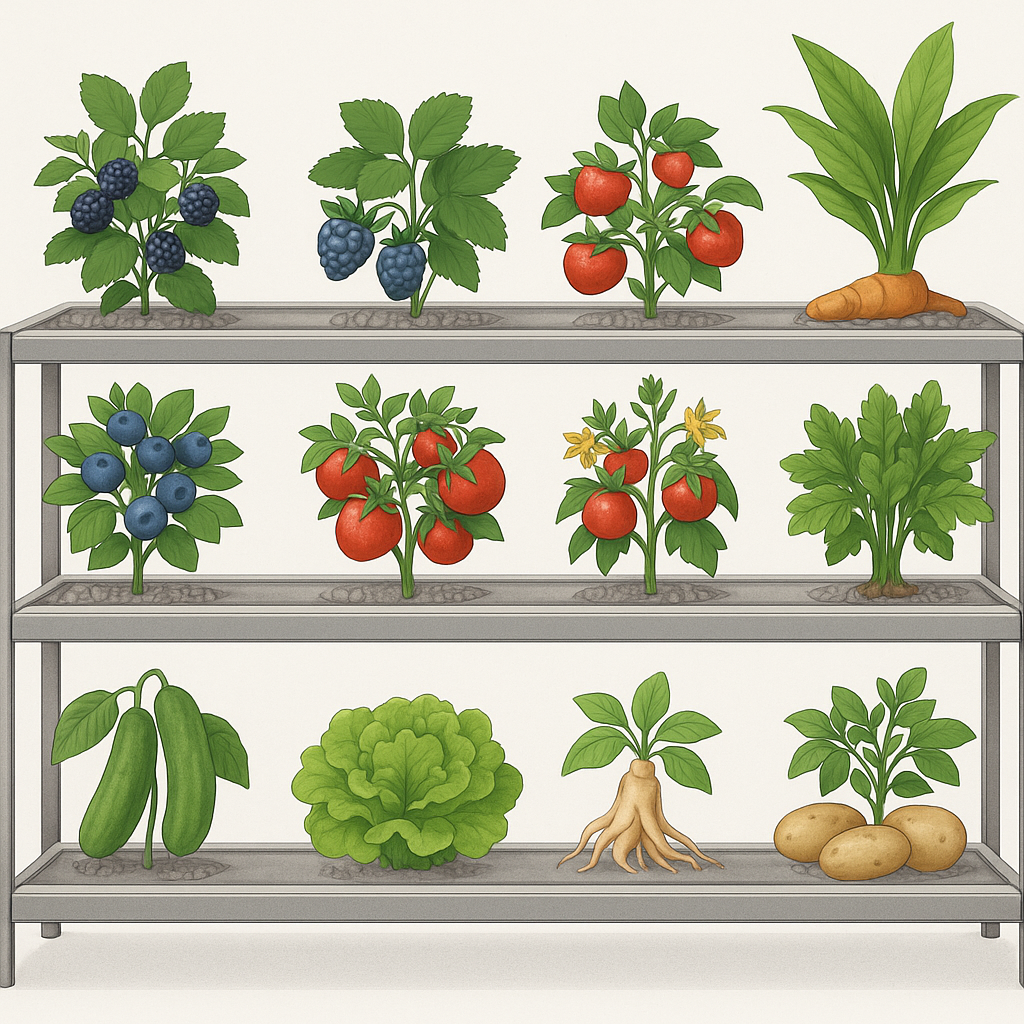
To manage this, nutrient solutions are formulated using well-established recipes, often expressed in parts per million (ppm). Lettuce, for example, typically requires a solution containing 150–200 ppm nitrogen, 50–60 ppm phosphorus, and 180–220 ppm potassium. By contrast, fruiting crops such as tomatoes require higher potassium to support reproductive growth. These crop-specific requirements underscore the need for ongoing monitoring of electrical conductivity (EC) and pH, which provide indirect measures of nutrient concentration and balance.
Adaptations of roots in hydroponic systems
Over time, plants adapt their root morphology to hydroponic conditions. Roots exposed to nutrient-rich solutions often form fewer extensive networks compared with soil-grown plants, since exploration is unnecessary. Instead, they develop dense clusters of fine roots, maximising surface contact with the solution. This is advantageous for nutrient uptake but can make roots more sensitive to fluctuations in oxygen and nutrient supply.
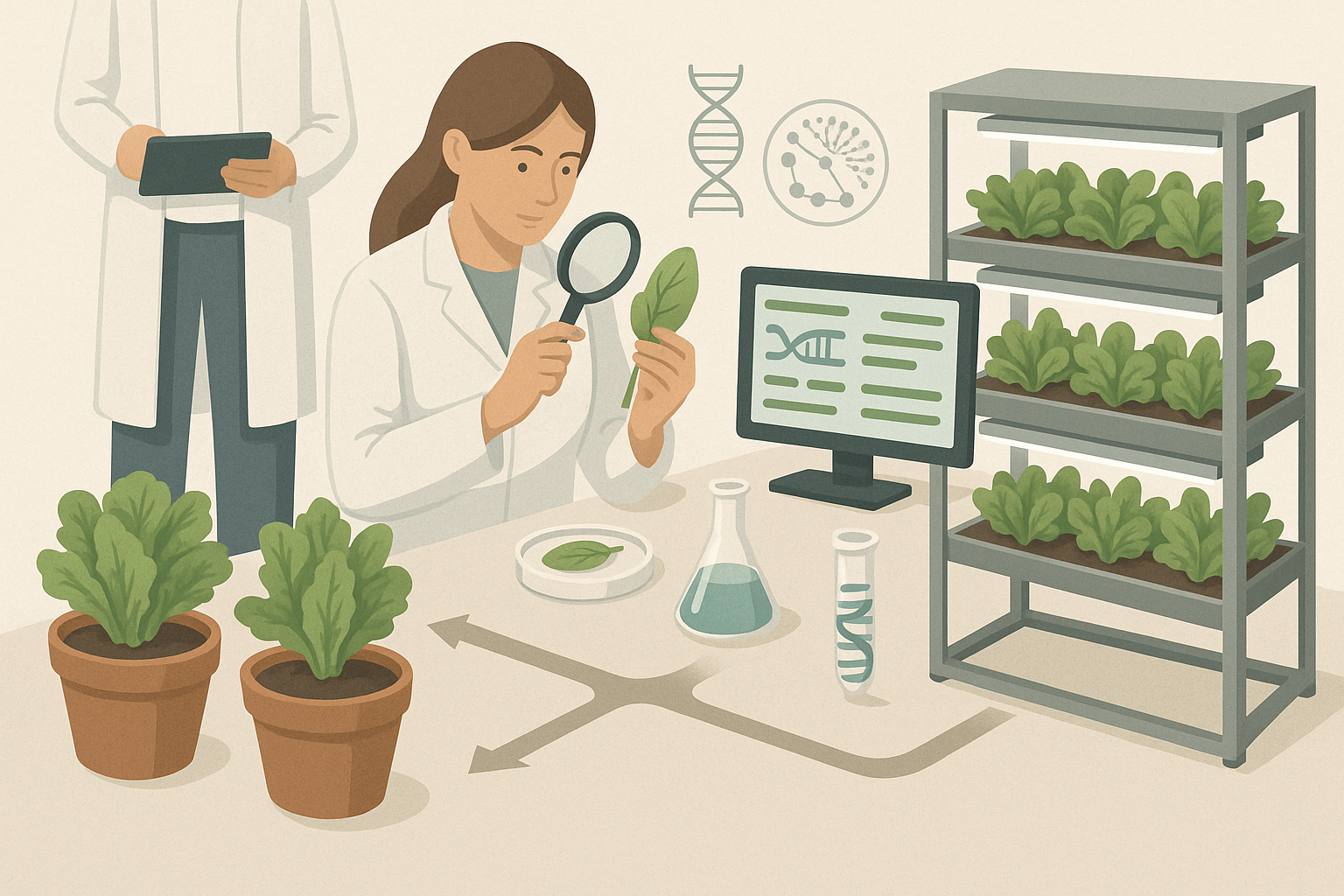
Some studies suggest that hydroponic roots also exhibit altered microbiomes compared with those in soil (Lee & Lee, 2015). While the absence of soil-borne pathogens is beneficial, beneficial microbes such as mycorrhizal fungi are also absent. Increasing interest is therefore directed towards bio-inoculants and microbial amendments to restore some of these symbiotic advantages in hydroponic systems. The evidence in support of this approach however is very patchy, and the function observed in soil should only be cautiously assumed to similarly translate to hydroponic systems.
Practical implications for vertical farming
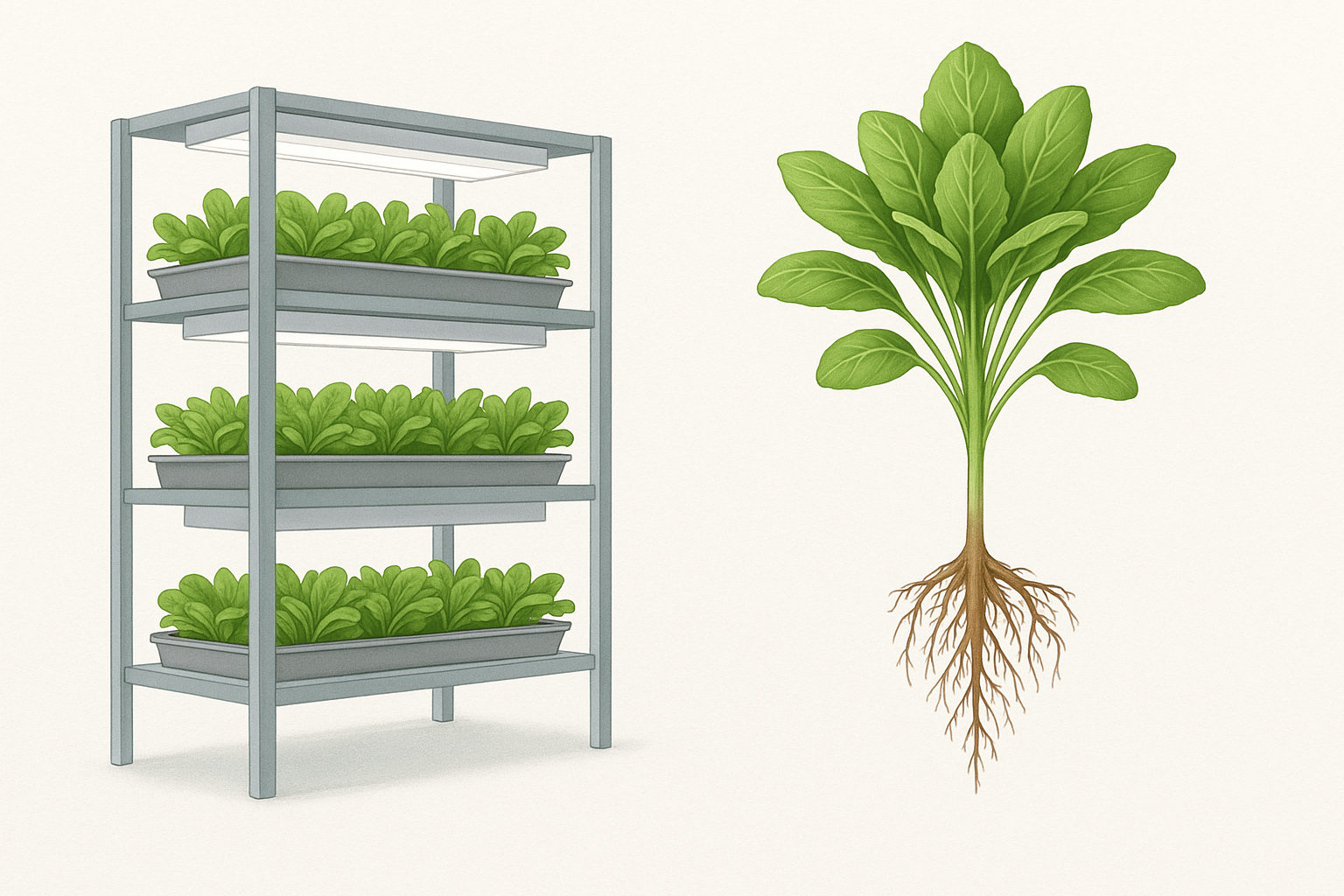
For vertical farms, where crops are stacked in high-density arrangements, nutrient uptake in hydroponics is directly tied to productivity and economic viability. Mismanagement of nutrient solutions can lead to deficiencies that reduce yield or quality, while over-supply wastes inputs and increases environmental discharge risks. Automated dosing systems, real-time sensors, and machine learning models are increasingly deployed to maintain optimal nutrient environments.
Understanding the science behind nutrient uptake allows growers to interpret sensor data meaningfully. For example, a gradual rise in EC may indicate water evaporation rather than increased nutrient demand, while persistent low levels of iron despite supplementation may point to pH imbalance rather than insufficient dosing.
Conclusion
Nutrient uptake in hydroponics is both a biological and an engineering challenge. Roots act as sophisticated interfaces that require not only the correct concentrations of nutrients, but also adequate oxygen, appropriate pH, and balanced interactions among ions. For vertical farming practitioners, this knowledge translates directly into healthier crops, greater yields, and more sustainable use of resources. As hydroponic technologies continue to expand globally, a precise understanding of how roots absorb nutrients will remain a cornerstone of effective CEA practice.
References
Jensen, M. H. (2010). Hydroponics worldwide: A technical overview. International Symposium on Soilless Culture. Acta Horticulturae, 843, 19–26.
Lee, J. & Lee, J. (2015). Beneficial bacteria and fungi in hydroponic systems: Impacts on plant health and yield. Scientia Horticulturae, 195, 206–215.
Resh, H. M. (2022). Hydroponic Food Production: A Definitive Guidebook for Advanced Home Gardeners and Commercial Hydroponic Growers. CRC Press.
Savvas, D. & Gruda, N. (2018). Application of soilless culture technologies in the modern greenhouse industry: A review. European Journal of Horticultural Science, 83(5), 280–293.