Why Customer Research Matters in Indoor Farming
Customer research for an indoor farm is one of the most decisive factors in determining whether a project succeeds or falters. While much attention is often placed on technology, infrastructure, and crop selection, the foundation of any viable business rests upon understanding who will buy the produce, in what quantities, and at what price. Controlled Environment Agriculture (CEA) and vertical farming can produce consistent, high-quality crops throughout the year, but without a clear customer base the efficiency of production becomes irrelevant. Careful analysis of demand is therefore as critical as the engineering design of the system itself.
Indoor farms operate in diverse contexts: urban centres with high population density, peri-urban fringes with logistical advantages, and rural areas seeking diversification of traditional agriculture. Each context presents distinct customer profiles and purchasing behaviours. Unlike conventional field farming, where seasonal production often aligns with bulk distribution to wholesalers, indoor farms typically rely on identifying niche markets, stable long-term contracts, or premium buyers who value freshness, traceability, or sustainability. This makes customer research an indispensable early step in project planning.
Defining the Potential Market
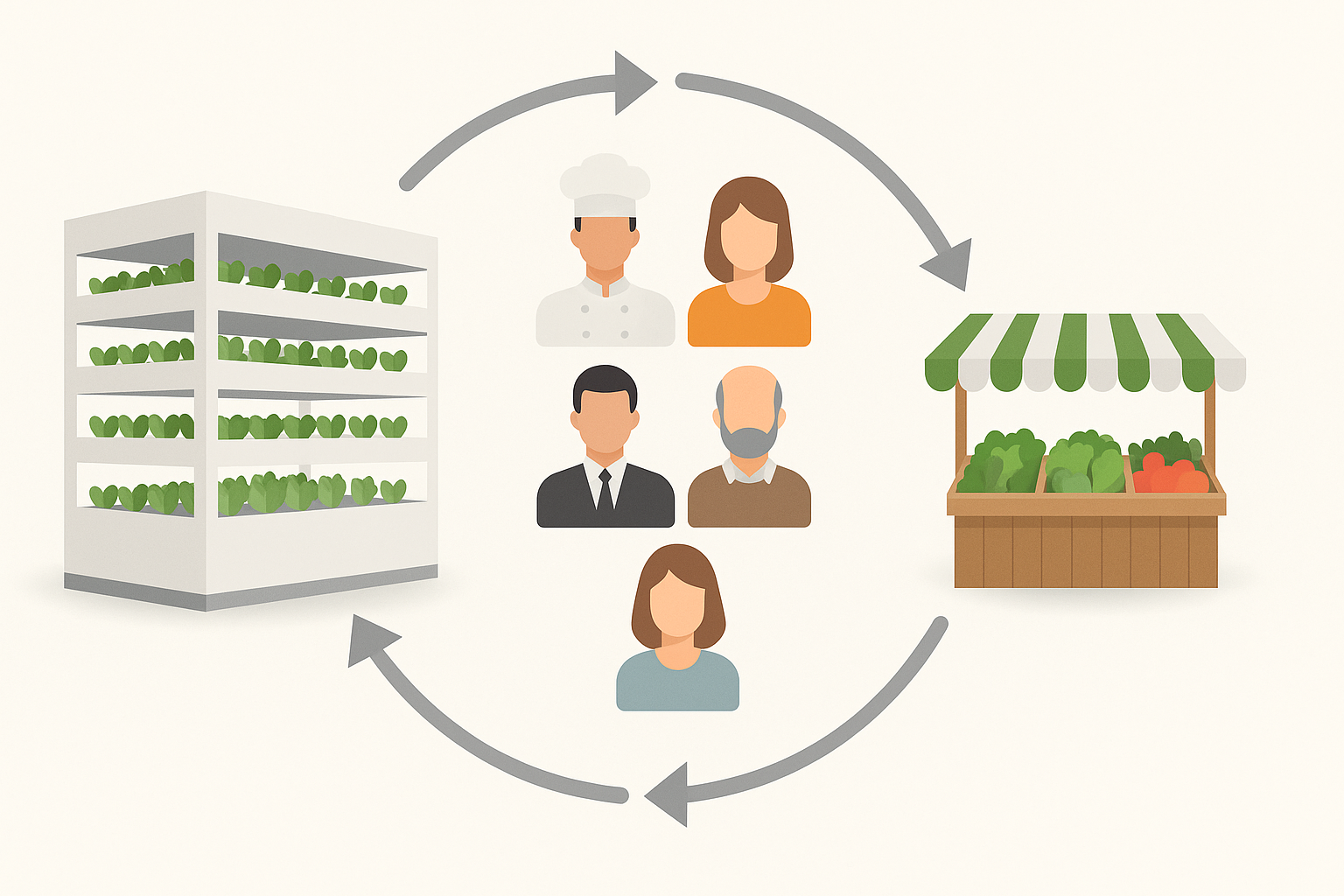
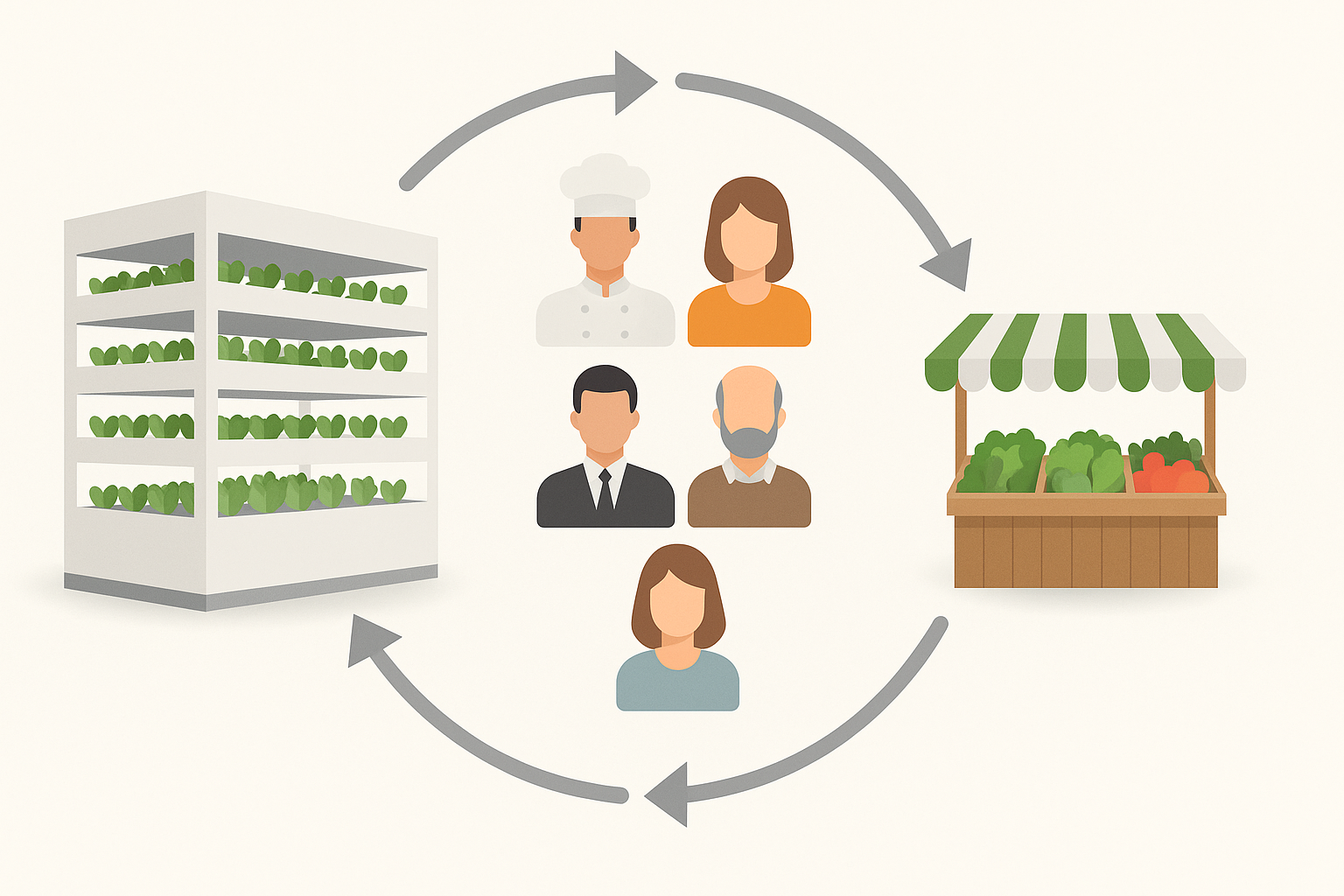
Indoor farming produce is not destined for a uniform market; rather it flows into differentiated channels shaped by geography, consumer preferences, and purchasing power. A farm located near a large city may prioritise supplying restaurants and independent retailers, while another situated within a rural county may consider farmers’ markets, local schools, or direct subscription schemes. Understanding these potential pathways requires structured inquiry into who the customers are and what motivates their purchasing decisions.
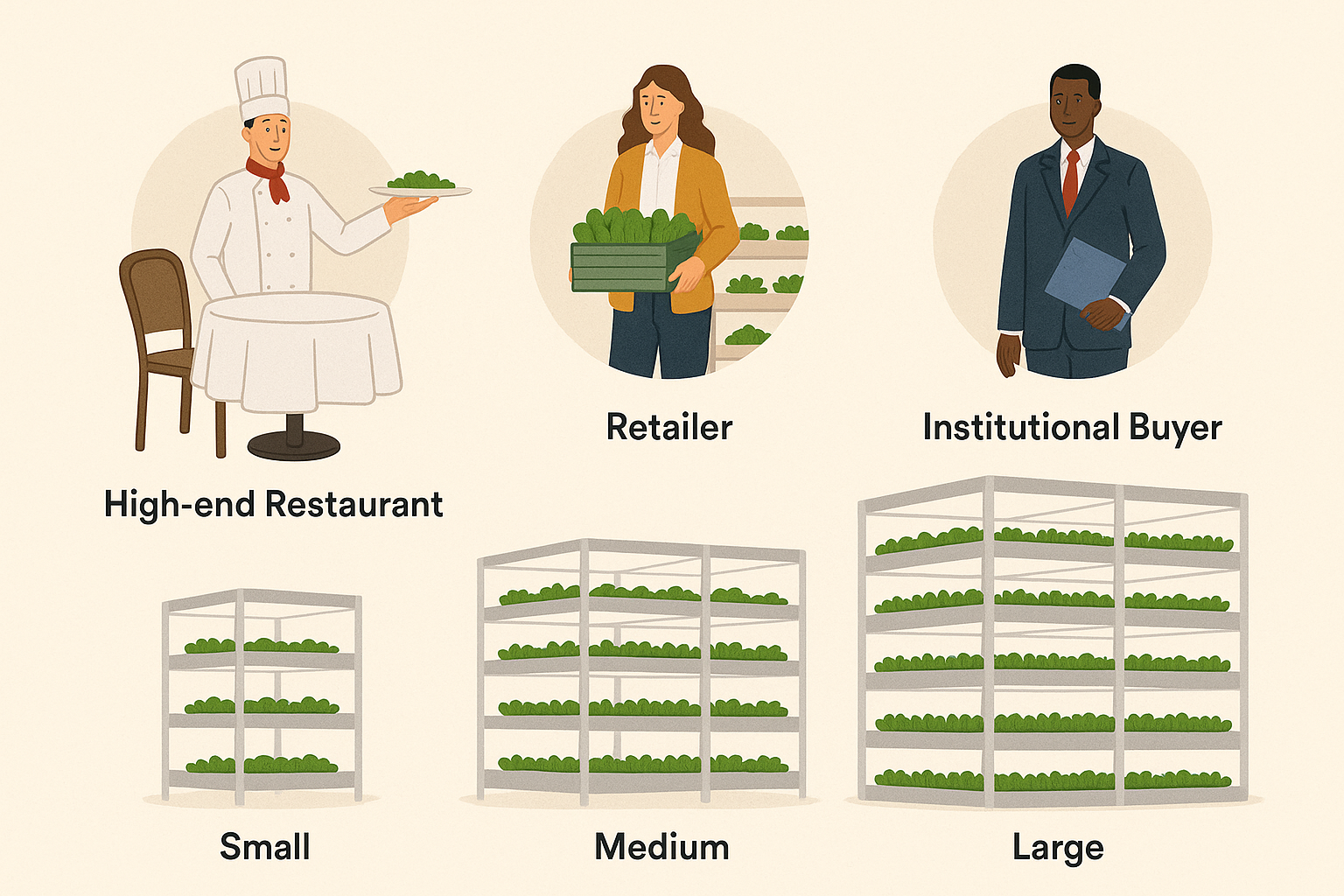
A practical way to frame this process is to consider scale. Small farms might focus on community-supported agriculture, local cafés, or direct sales platforms, whereas larger enterprises may target supermarket supply chains or institutional buyers such as hospitals and universities. The scale of operation dictates not only the volumes required but also the level of reliability, quality assurance, and certification expected by customers. Customer research therefore ensures that the farm’s production plan is matched to realistic sales opportunities.
Methods of Customer Research
Customer research for an indoor farm combines both qualitative and quantitative approaches. Interviews and conversations with chefs, local retailers, or procurement managers can yield insights into crop preferences, preferred packaging, and acceptable price points. At the same time, broader data analysis of local demographics, food consumption statistics, and competing suppliers can help to estimate demand at scale.
In the United Kingdom, resources such as DEFRA’s agricultural statistics, local authority food strategies, or industry reports from the British Retail Consortium can provide useful contextual data. Globally, FAO reports and academic studies on consumer trends in fresh produce markets offer comparative perspectives. Digital tools, including surveys distributed through social media or feedback gathered via online pre-order systems, are increasingly accessible even to small-scale growers. Together, these approaches build a detailed picture of who the customer is and how their expectations align with what the indoor farm can deliver.
Matching Crop Selection to Customer Needs
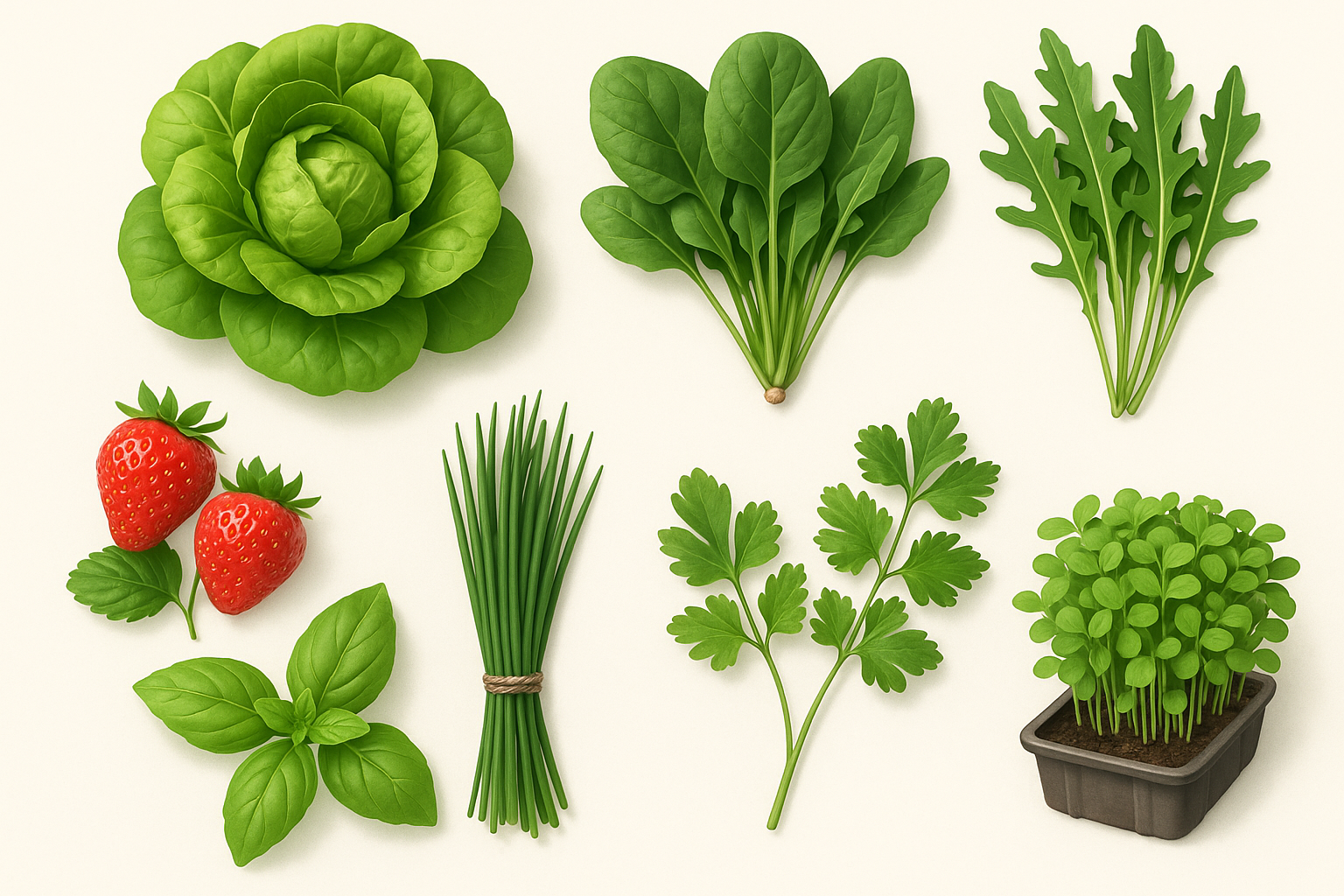
An essential outcome of customer research is aligning crop selection with customer demand. For example, while microgreens may offer rapid growth cycles and attractive margins, they appeal primarily to high-end restaurants and health-focused retail outlets. Leafy greens such as lettuce or basil may reach broader markets, but they also face strong competition from both field-grown and hydroponically imported alternatives. Specialty crops, such as edible flowers or Asian herbs, may command premium prices but require assurance of consistent niche demand.
In practical terms, this means that before investing in infrastructure, an indoor farmer should test assumptions about what to grow. Pilot studies, supplying sample produce to potential buyers, or short-term trial contracts can be powerful ways to validate customer interest. This reduces the risk of producing crops at scale only to discover limited demand. It also fosters early relationships with customers who may later become long-term partners.
The Role of Pricing and Perceived Value
Customer identification is not only about what is purchased but also about how it is valued. Indoor farms often operate with higher production costs due to energy, technology, and labour requirements. Customers must therefore be willing to pay a premium for the benefits they perceive: freshness, consistency, reduced food miles, or sustainable production practices. Market research helps clarify which customers attach value to these attributes and which are more price-sensitive.
For instance, a restaurant seeking consistent flavour and year-round supply may accept higher prices if it ensures menu stability. Conversely, a school meal provider working within strict budgetary constraints may prioritise cost over provenance. Identifying the correct segment at the outset enables the farm to set realistic price points and manage expectations.
Long-Term Benefits of Rigorous Customer Research
The value of customer research for an indoor farm extends beyond initial market entry. Continuous engagement with customers helps farmers adapt production to shifting trends, whether that is rising demand for plant-based diets, increased focus on low-carbon food chains, or new culinary fashions. It also strengthens resilience: farms with a diversified customer base are better placed to withstand the loss of a single contract or fluctuations in retail demand.
Moreover, in policy environments or local food procurement initiatives, aligning with public-sector customers may open opportunities for support or preferential contracts. Understanding the motivations of these institutional buyers requires careful research, but the long-term stability can be highly valuable.
Conclusion: Building a Market-First Strategy
Indoor farming technology promises high productivity, but its commercial sustainability rests squarely on the shoulders of customer research. Identifying and understanding the customer base is not an afterthought; it is the starting point from which system design, crop selection, and financial planning should flow. By grounding decisions in evidence about who will buy the produce, in what quantities, and at what price, an indoor farm maximises its chances of creating both economic viability and meaningful local impact.
In essence, effective customer research for an indoor farm bridges the gap between production potential and market reality. It enables growers, investors, and policy-makers to move beyond technical possibilities and into the realm of practical, sustainable food systems.