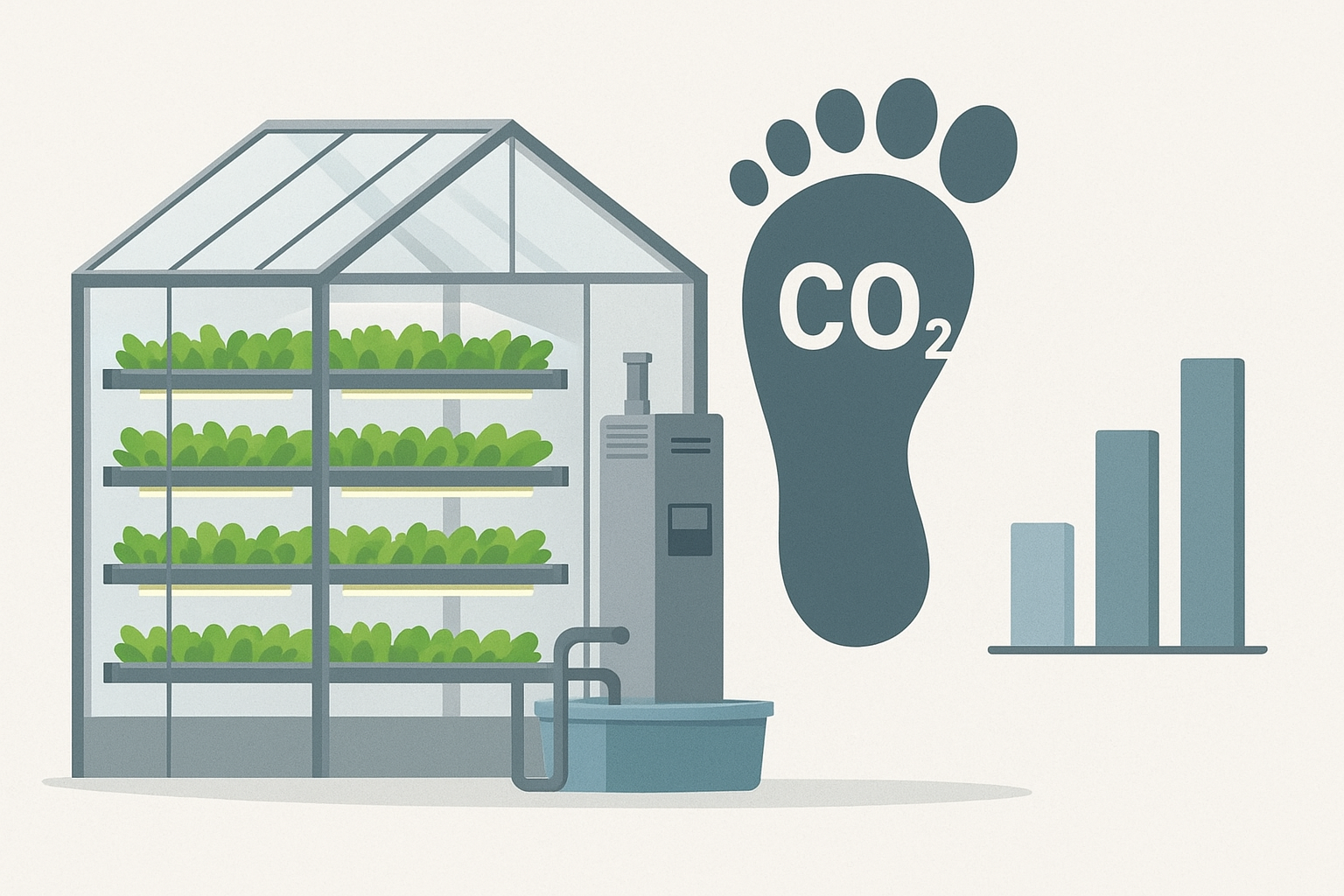
The Carbon Footprint of CEA and Vertical Farming
Understanding Life Cycle Assessment in Indoor Farming Determining the carbon footprint of indoor farming systems, via approaches such as life cycle assessment

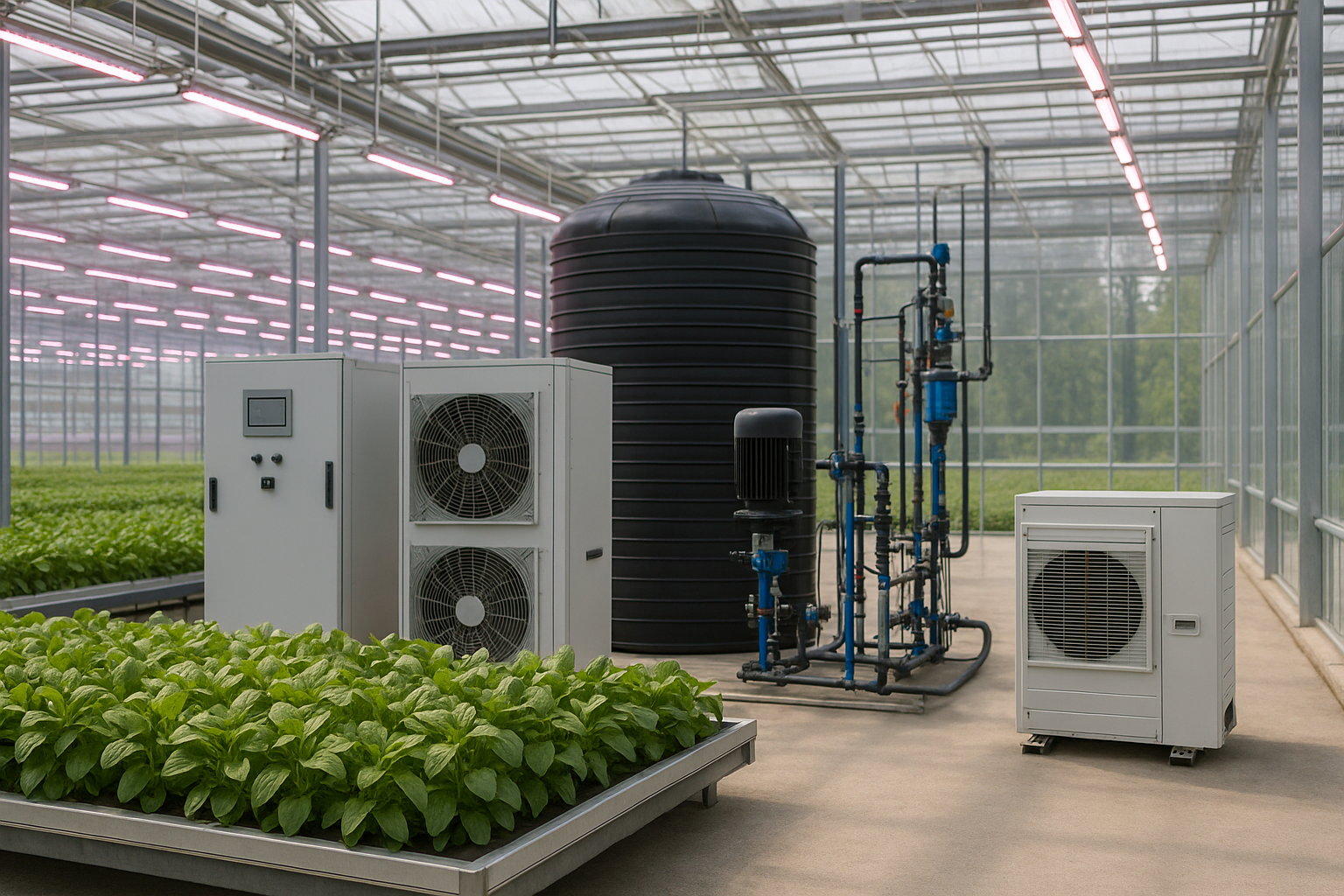
Energy use is key factor in vertical farming and controlled environment agriculture. Indoor systems depend on electricity for lighting, climate control, and automation, shaping costs and environmental impact. Improving efficiency without compromising crop performance is a core challenge. This section outlines key principles, technologies, and trade-offs for managing energy use and sustainability in indoor production.
Understanding Life Cycle Assessment in Indoor Farming Determining the carbon footprint of indoor farming systems, via approaches such as life cycle assessment
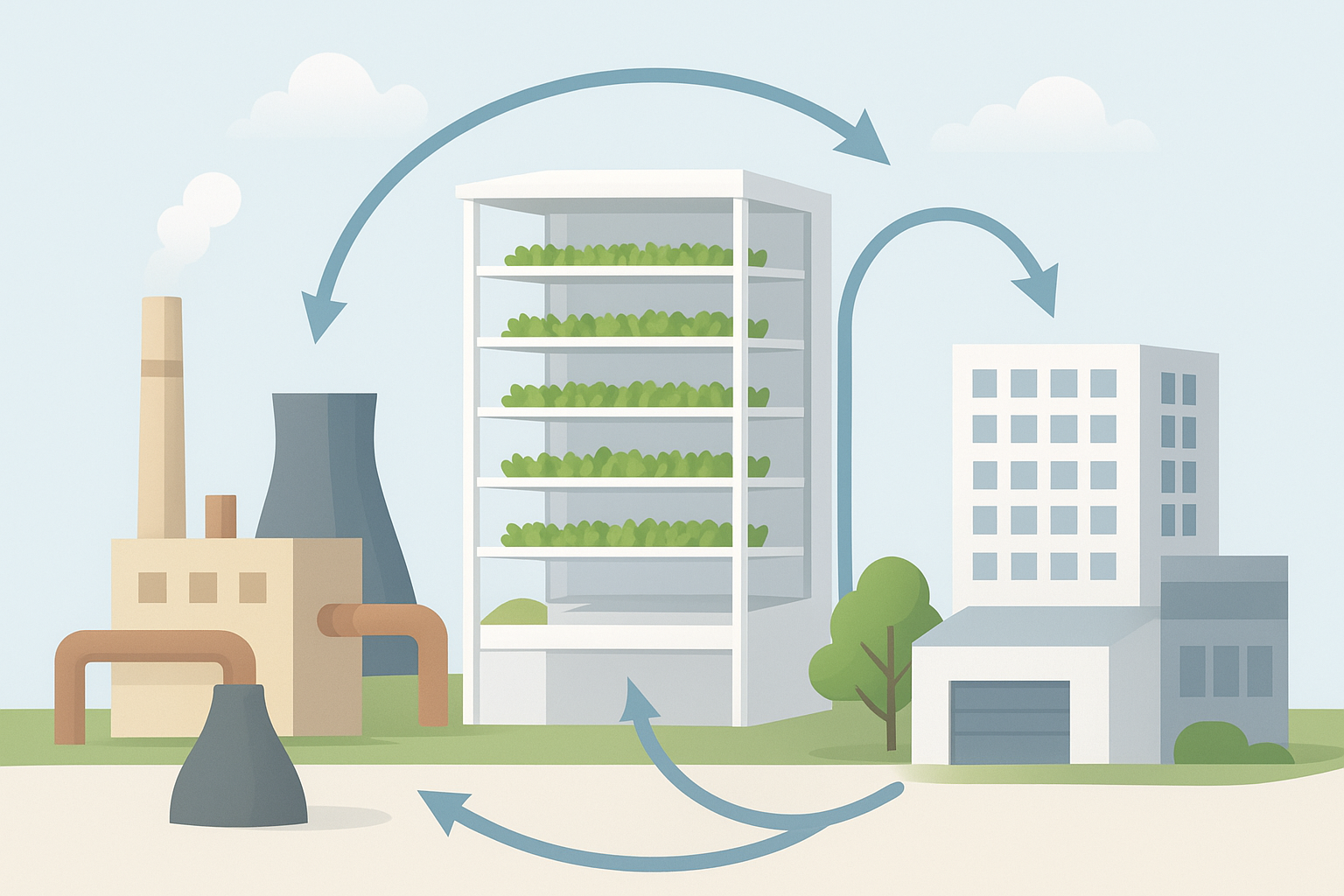
Introduction: Defining Co-location Opportunities for Indoor Farming Systems Co-location as an action refers to the strategic siting of controlled environment
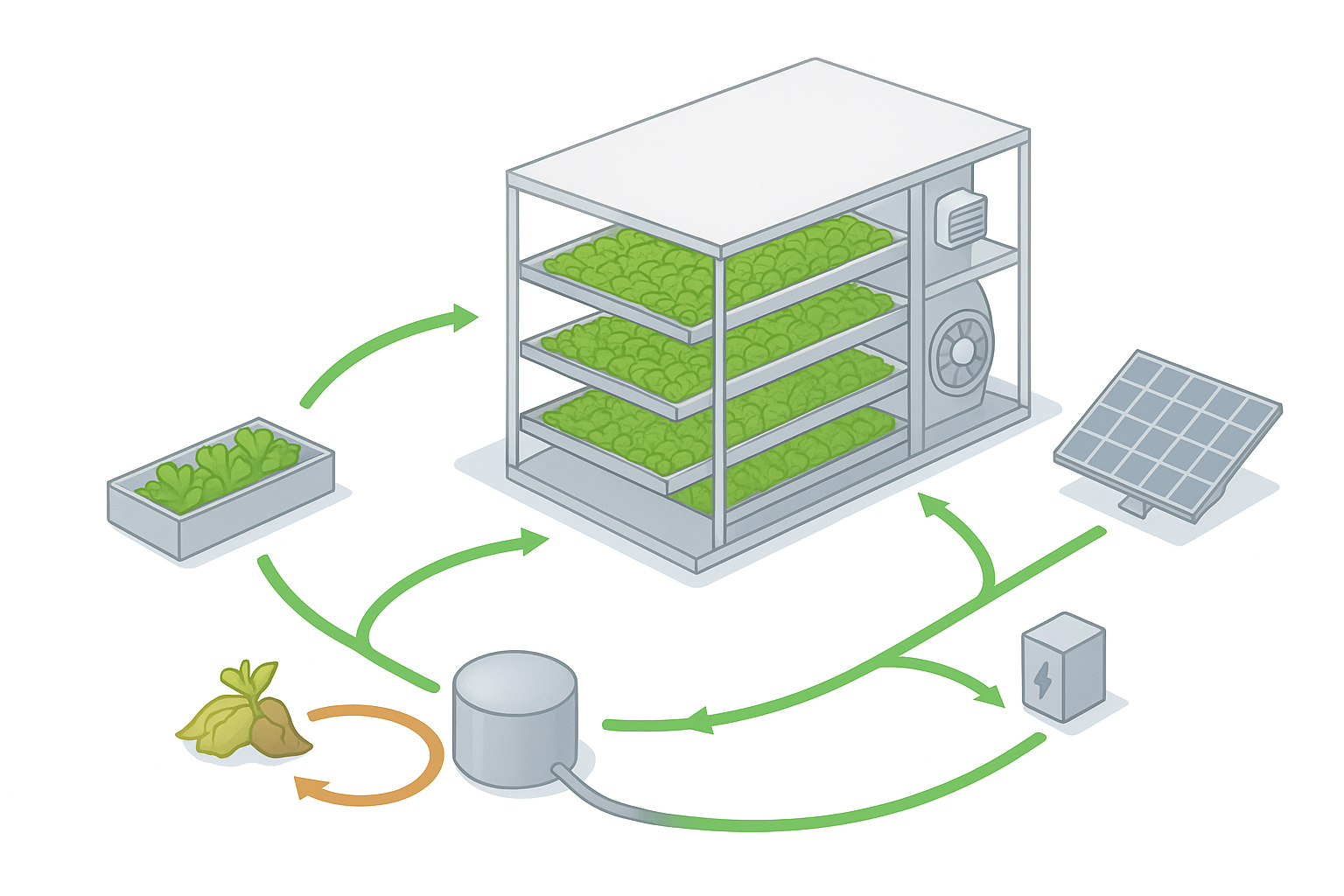
Introduction: Linking Circular Economies and Indoor Farming Circular economies in indoor farming represent a systematic shift from the traditional linear model of
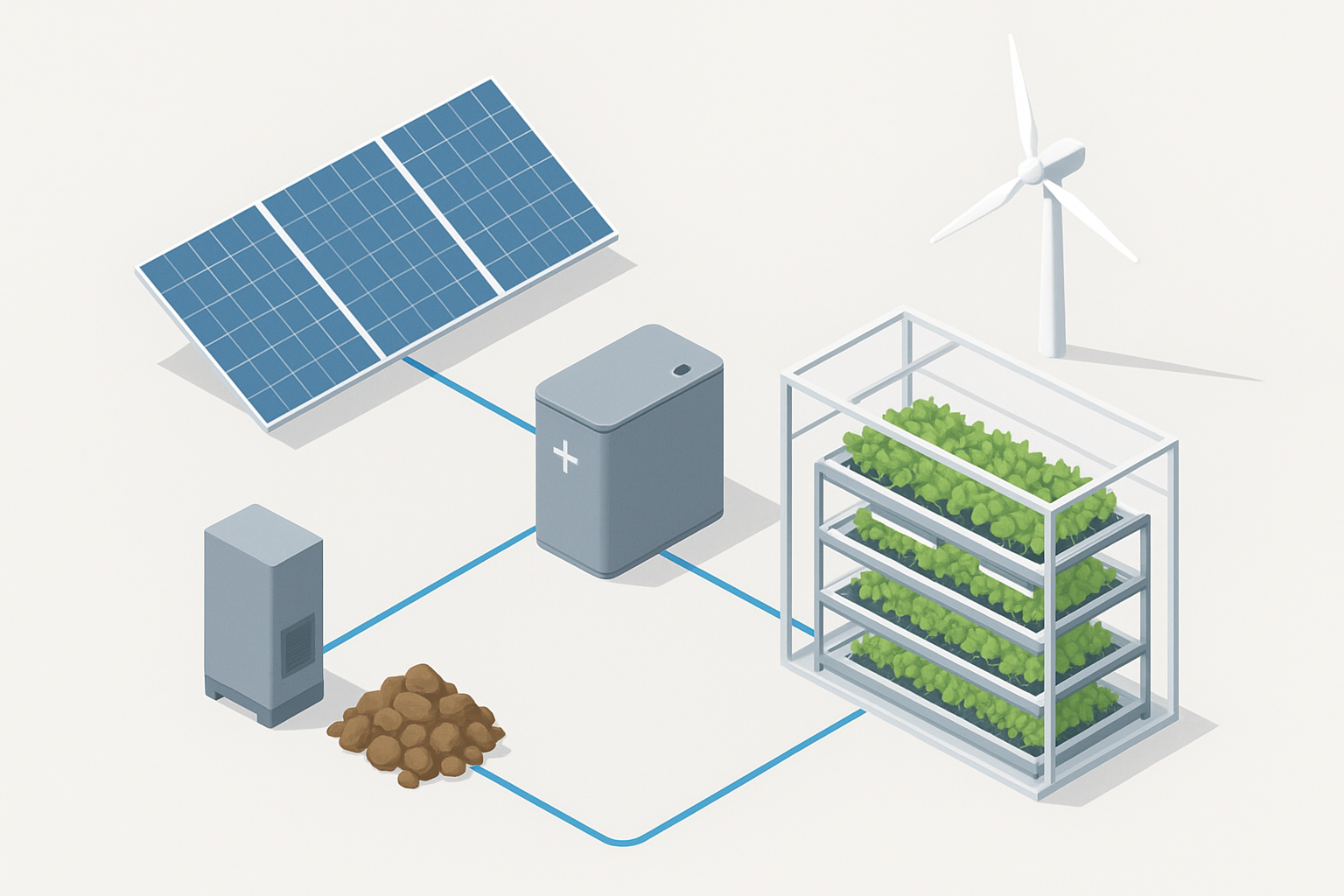
Introduction: The Role of Renewable Energy in Indoor Farming Renewable energy integration is expected to be a critical component in the development
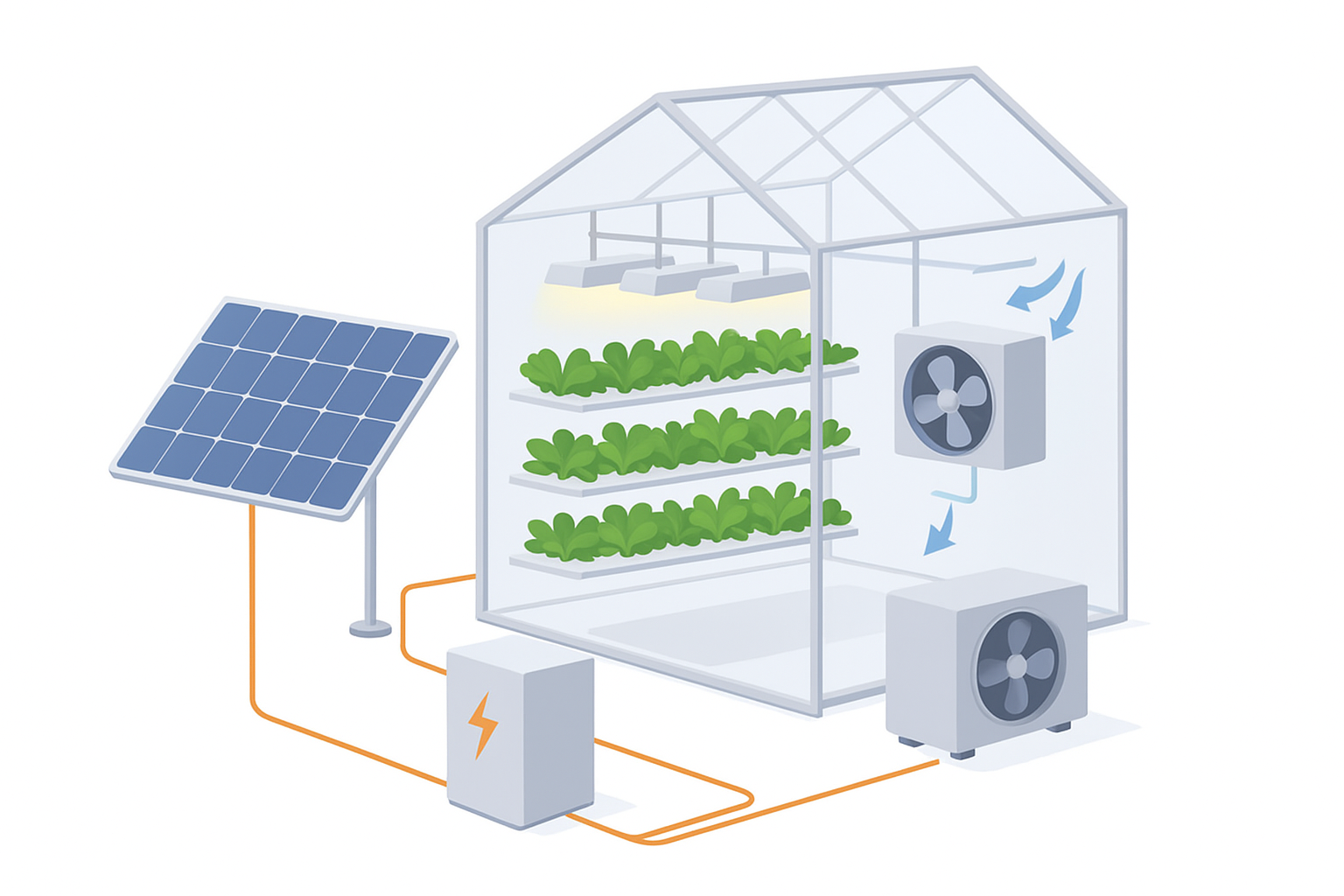
Energy modelling and efficiency in CEA and vertical farming are essential steps to make indoor plant production both economically viable and environmentally
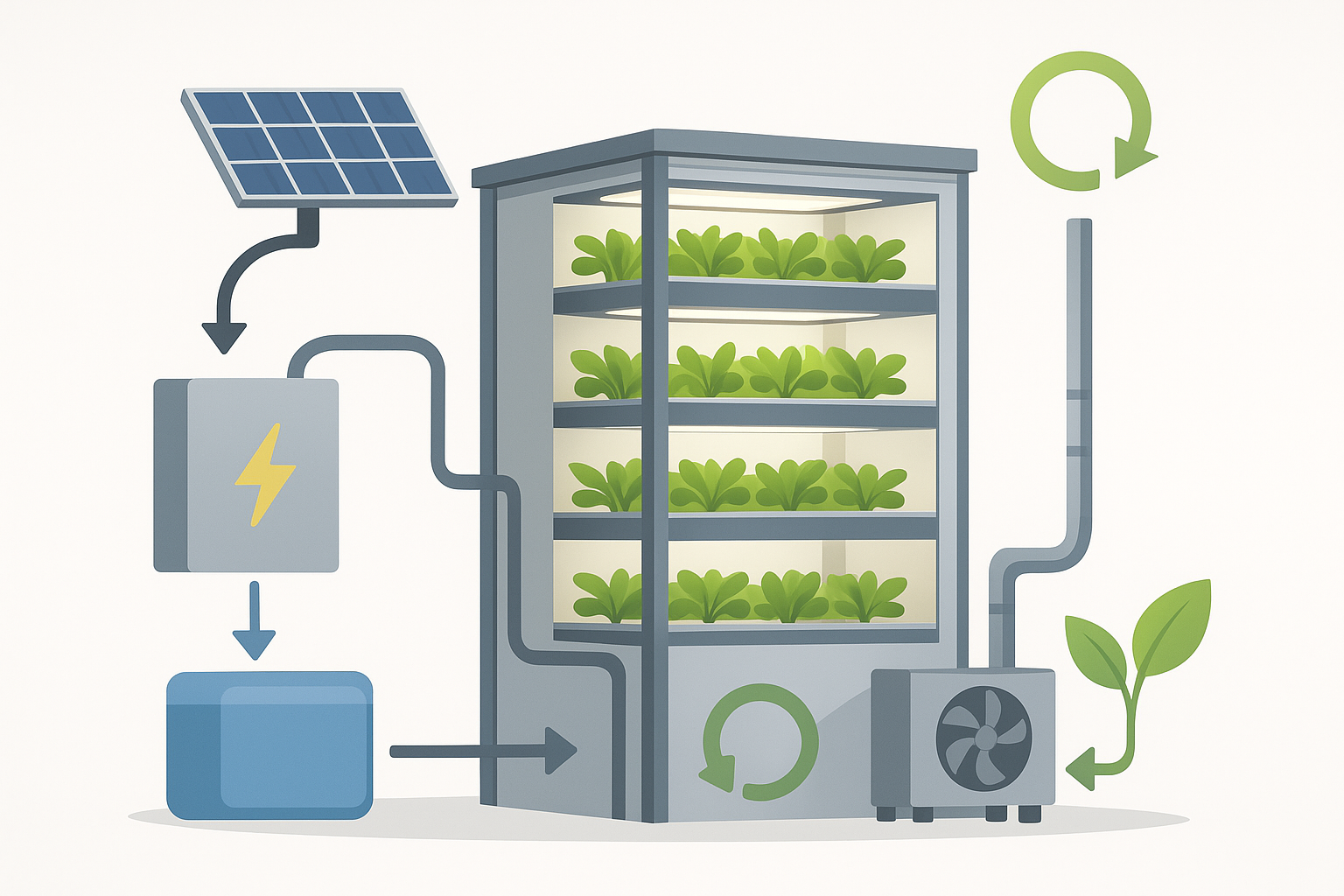
Energy use and sustainability are central considerations in determining the environmental and economic viability in Controlled Environment Agriculture (CEA) and vertical farming
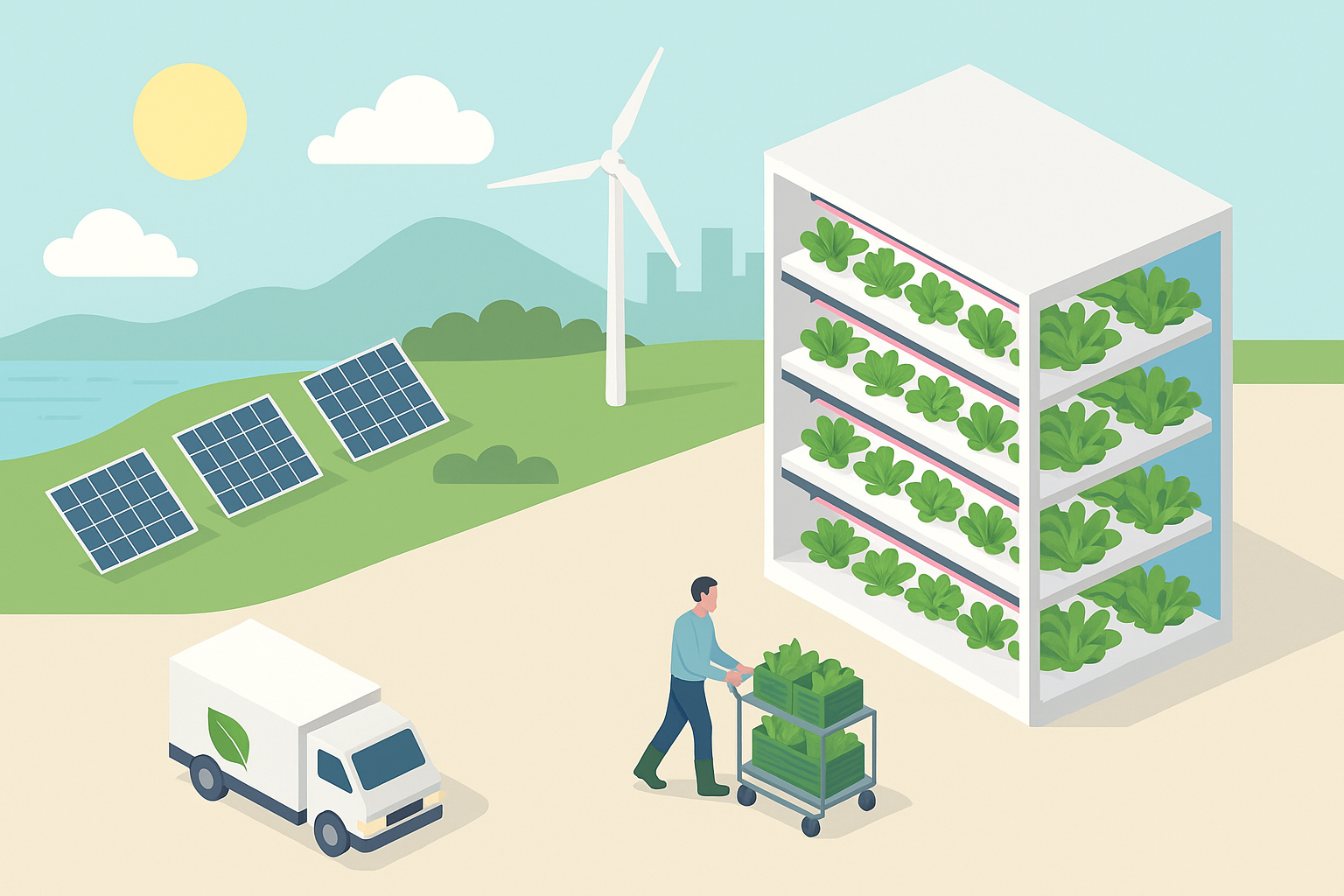
Exploring how Controlled Environment Agriculture contributes to sustainable food systems Controlled Environment Agriculture (CEA) and climate change are increasingly discussed in tandem,