Introduction: The Role of Renewable Energy in Indoor Farming
Renewable energy integration is expected to be a critical component in the development of economically viable and sustainable controlled environment food production. Controlled Environment Agriculture (CEA) and vertical farming have the potential to deliver high yields with minimal land use, yet they are often criticised for their substantial energy demands, particularly for lighting, climate control, and automation systems. By integrating renewable energy sources, indoor farming can move towards genuine environmental sustainability, reducing reliance on fossil fuels and lowering operational costs over the long term. Increasing the adoption of solar, wind, biomass, and other low-carbon energy solutions within indoor agriculture is an essential action for addressing both climate change and the economic viability of modern food systems.
The Energy Challenge in CEA Systems
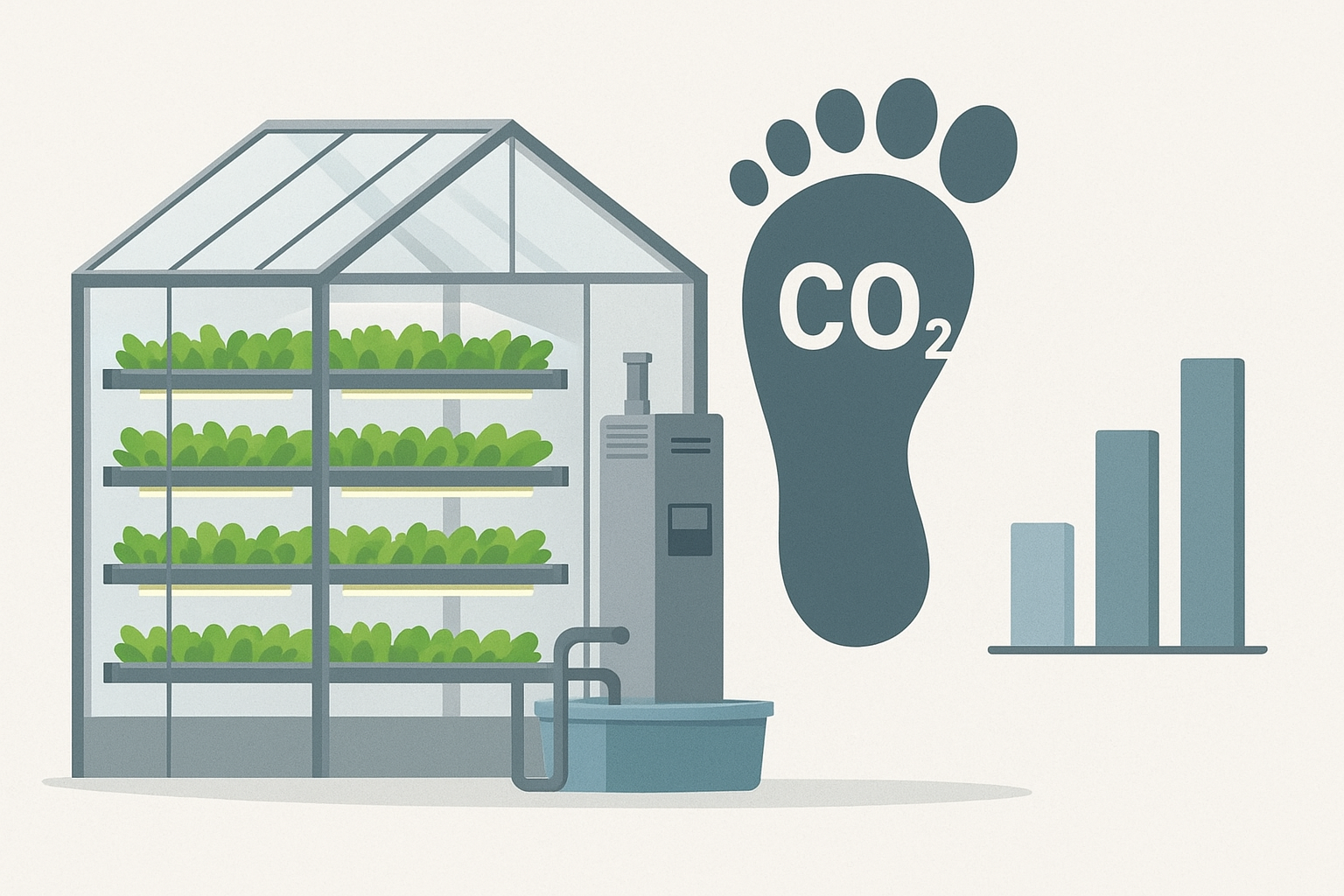
CEA facilities operate independently of seasonal and weather variations, but this stability comes at an energy cost. The energy intensity of indoor farming can be significant: lighting alone, often in the form of high-efficiency LEDs, can account for up to 50 % of total electricity use. Heating, ventilation, and air conditioning (HVAC) systems further increase the demand, particularly in climates where maintaining optimal temperature and humidity is challenging. These demands have historically tied CEA operations to conventional energy grids powered largely by fossil fuels, thereby offsetting some of the environmental benefits that indoor farming promises.
Without a shift towards renewable energy integration, the economic viability and long-term environmental balance of CEA is questionable. While efficiency improvements in lighting, insulation, and climate control technologies can reduce energy use, replacing high-carbon electricity with low-carbon generation is the only way to fully decouple productivity from greenhouse gas emissions.
Renewable Energy Options for Indoor Farming
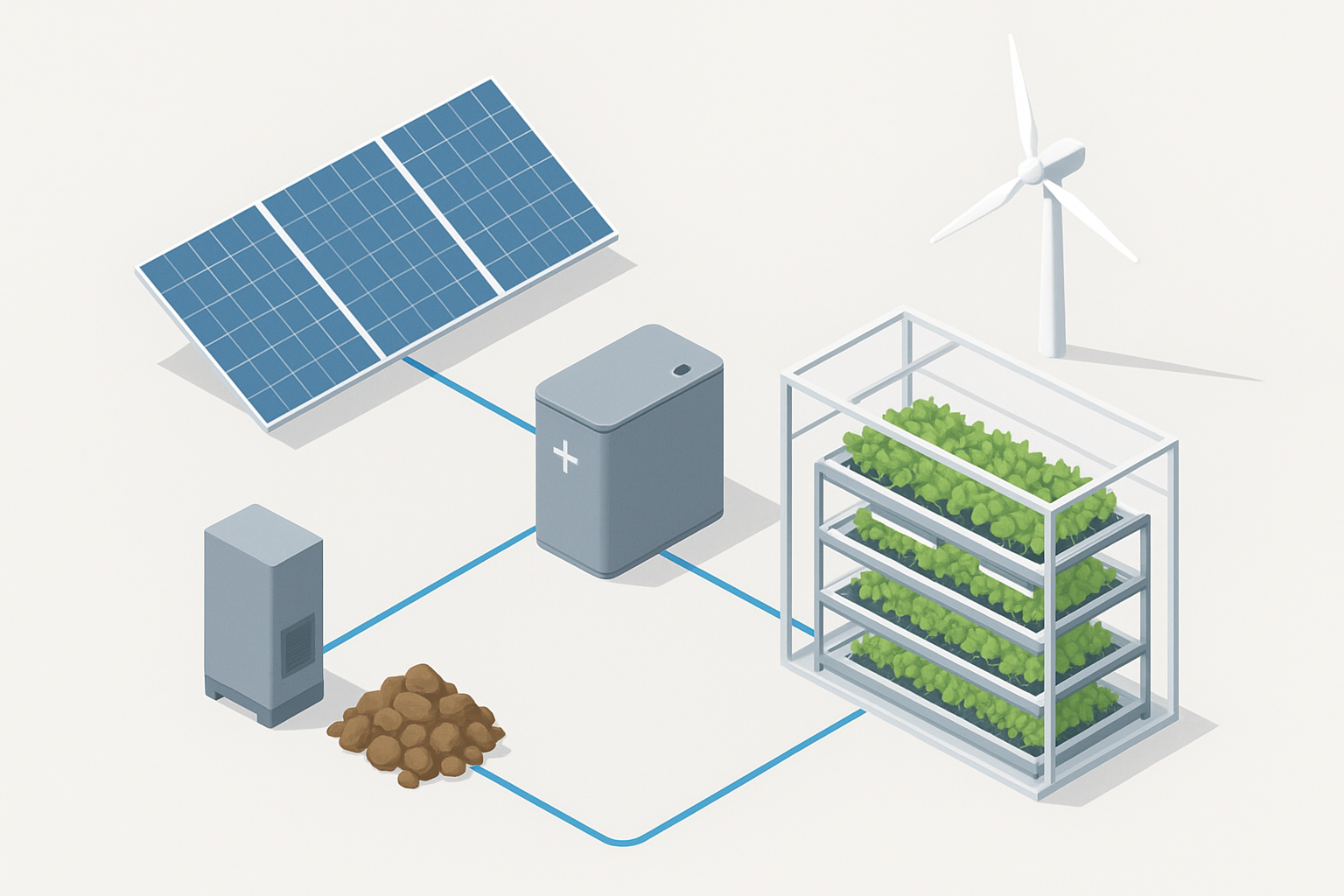
The choice of renewable energy source depends heavily on location, available infrastructure, and size of farm. Solar photovoltaics (PV) are the most widely adopted option due to their scalability and falling costs. Rooftop or façade-integrated PV panels can offset a significant proportion of a facility’s daytime electricity needs. In regions with abundant sunlight, ground-mounted solar arrays adjacent to the facility may provide most of the required energy, although energy storage solutions are necessary for continuous operation.
Wind energy is another viable option in areas with consistent wind speeds. While large-scale wind turbines may be impractical for urban vertical farms, microgeneration turbines or vertical axis turbines can be integrated into smaller spaces to contribute to the energy mix.
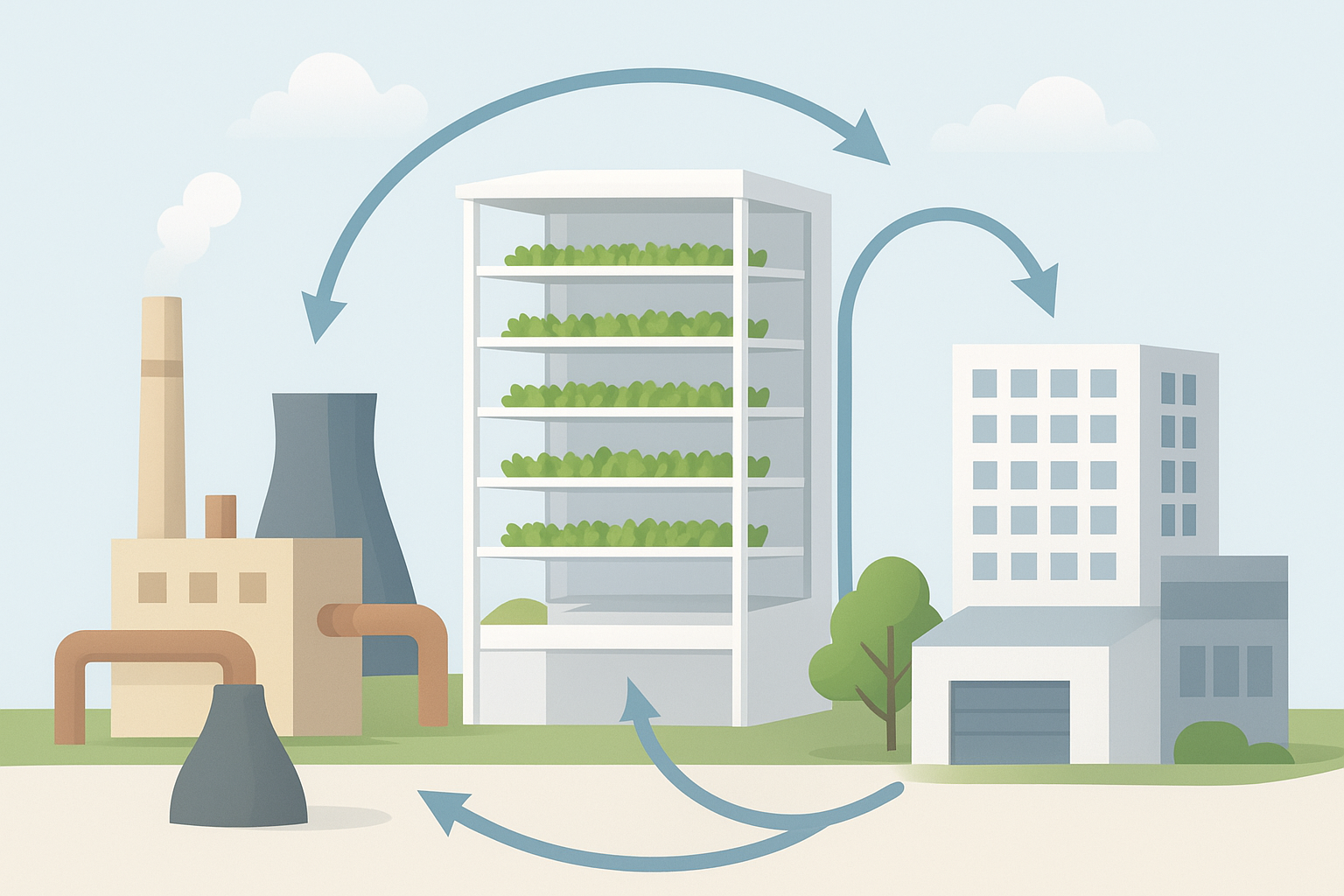
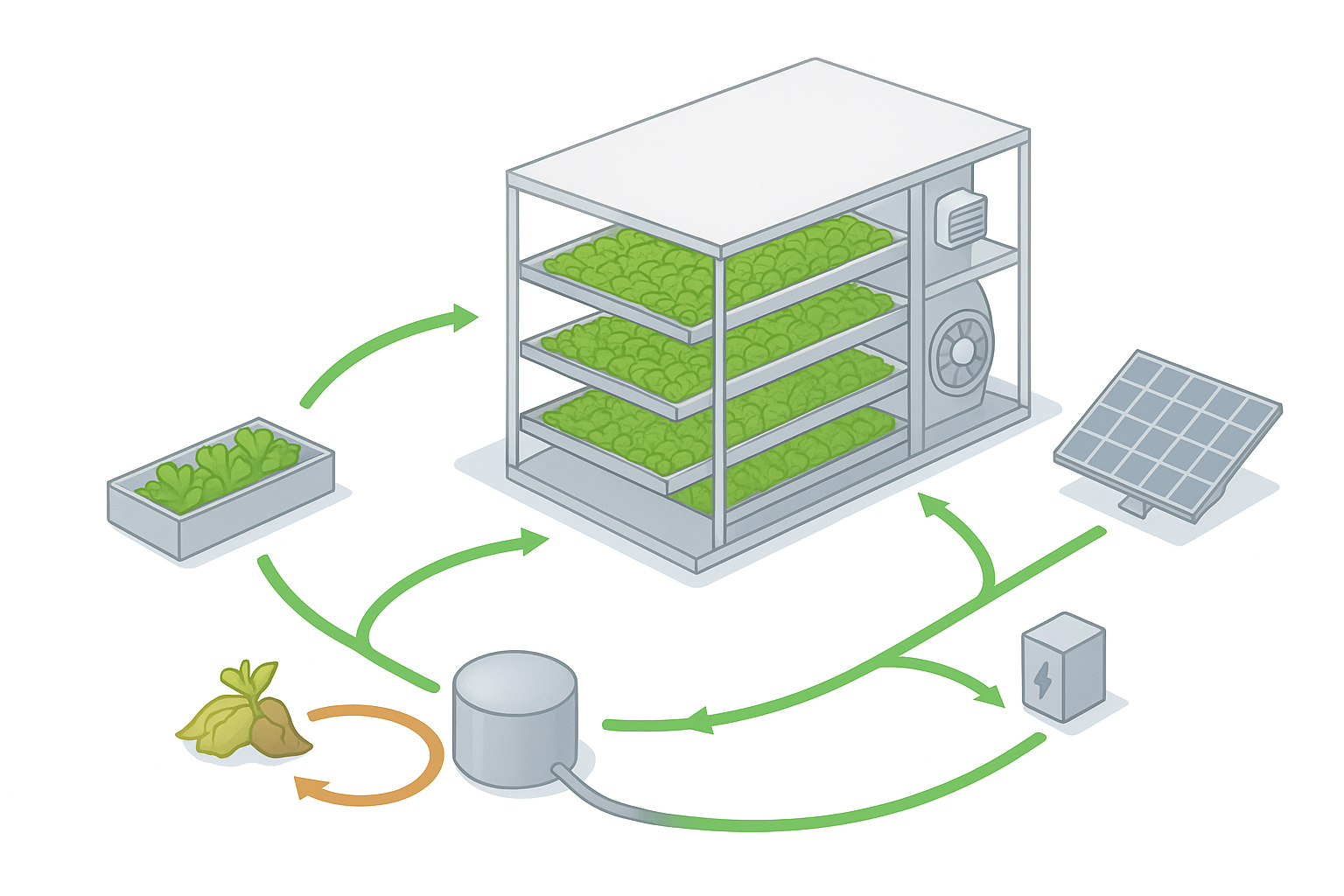
Biomass energy, derived from agricultural residues, wood waste, or anaerobic digestion of organic matter, is particularly relevant to CEA systems producing plant waste streams. This closed-loop approach can generate heat or electricity while reducing disposal costs. Similarly, combined heat and power (CHP) systems using biogas can supply both thermal and electrical energy to the farm.
Geothermal energy, though geographically limited, offers a low cost energy source, which is continuous and stable. Future infrastructure planning initiatives may need to factor in the locality of resources for initiatives such as vertical farm development, co-locating production with the necessary resources for efficient operation.
Energy Storage and Grid Integration
Integrating renewable energy into indoor farming is not simply a matter of installing solar panels or wind turbines. Energy generation from these sources is inherently variable, which creates a mismatch between supply and the constant demand of CEA systems. Energy storage, particularly through lithium-ion or emerging flow battery technologies, is therefore a vital part of the solution.
Storage allows farms to operate lighting and HVAC systems continuously, regardless of fluctuations in renewable generation. In some cases, excess renewable energy can be sold back to the grid, creating an additional revenue stream. Smart grid integration further enhances flexibility, allowing farms to participate in demand response programmes where they reduce consumption during peak grid demand in exchange for financial incentives.
Economic Considerations and Return on Investment
While renewable energy systems require significant upfront capital investment, the long-term financial benefits can be substantial. The falling cost of solar PV, in particular, has improved the economics of adoption, and many governments offer incentives such as feed-in tariffs, tax credits, or capital grants to support renewable deployment.
A typical rooftop solar installation for a mid-scale vertical farm may pay back its investment within five to seven years under favourable conditions, with subsequent years delivering low-cost or effectively free electricity. When combined with efficiency improvements, renewable integration can protect operators from volatile energy prices, a factor that has become increasingly important in recent years.
Environmental and Policy Implications
The integration of renewable energy into indoor farming directly addresses two of the most pressing challenges in global agriculture: reducing greenhouse gas emissions and improving resource efficiency. Shifting potentially high-intensity production methods like CEA towards low-carbon energy sources, to avoid fossil fuel energy generation, has the potential to offer significant climate benefits for this approach to food production.
Policy frameworks play a crucial role in accelerating adoption. In regions where renewable energy incentives are strong, uptake has been rapid; in others, the absence of supportive regulation slows progress. Urban vertical farms in particular can benefit from municipal policies that encourage on-site renewable generation, streamline planning permission for rooftop solar, or promote local microgrids powered by community renewables.
Case Examples and Practical Applications
Several large-scale vertical farms have demonstrated the feasibility of renewable-powered indoor agriculture. In Japan, some lettuce-producing vertical farms operate with a mix of rooftop solar and grid electricity, using energy storage to balance output. In the Netherlands, high-tech greenhouses increasingly rely on CHP systems using biogas or biomass for both heat and power, with the additional benefit of usable CO2 generation from the same system. In the United States, some hydroponic operations have adopted large off-site solar arrays that supply their entire annual electricity needs under power purchase agreements.
These examples show that renewable integration is not only technically achievable but adaptable to different climates, energy infrastructures, and scales of production.
The Future of Renewable Energy in CEA
As technology advances, the synergy between renewable energy systems and indoor farming will become more sophisticated. Innovations in energy-efficient LEDs, precision climate control, and waste-to-energy systems will continue to lower overall demand. Meanwhile, the development of more affordable, high-capacity storage technologies will help overcome the intermittency of renewables.
In the long term, fully renewable-powered CEA facilities could form part of localised, resilient food systems that are less dependent on long supply chains and vulnerable energy grids. This vision is aligned with broader sustainability goals, providing nutritious food with minimal environmental impact.
Conclusion
Integrating renewable energy into CEA and vertical farming is a necessary evolution for an industry seeking to align environmental sustainability with economic resilience. The transition requires careful planning, investment, and in many cases, supportive policy frameworks. However, the potential benefits are profound: lower carbon footprints, reduced operating costs, and enhanced energy independence. For indoor farming to fulfil its promise as a sustainable food production method, renewable energy must become not an optional upgrade, but a foundational element of design and operation.