Introduction to Controlled Environment Agriculture
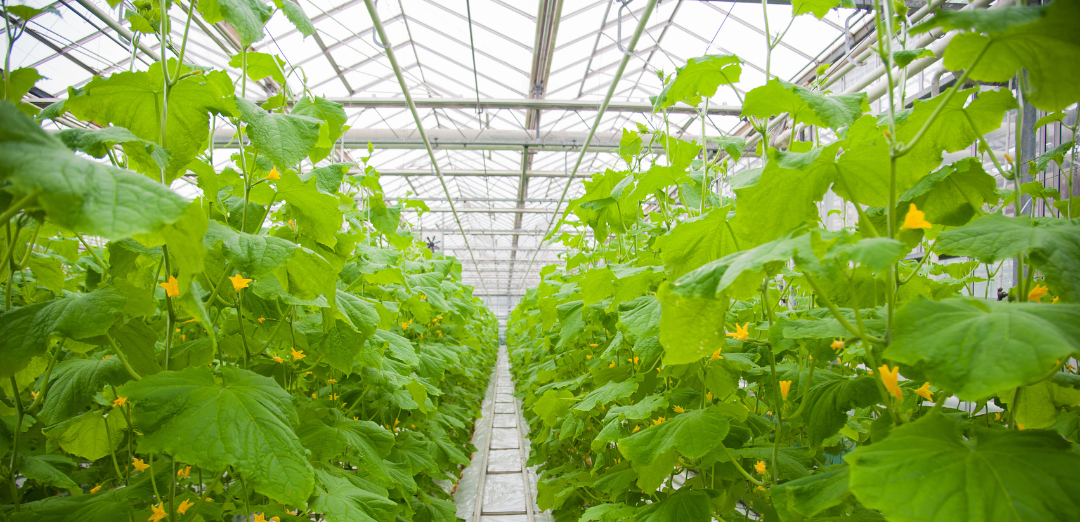
Controlled Environment Agriculture (CEA) refers to a broad range of advanced agricultural systems and practices in which environmental variables are managed to optimise plant growth and productivity. By precisely controlling factors such as temperature, humidity, light, carbon dioxide, and nutrient delivery, CEA enables the production of crops in a way that is insulated from external climatic and geographical constraints. These systems can range from simple greenhouse structures to sophisticated vertical farms employing fully automated hydroponic, aeroponic, or aquaponic methods. As food systems face increasing pressure from climate change, urbanisation, and resource depletion, CEA presents a promising avenue for more resilient and efficient food production.
Why CEA Matters in the Context of Global Agriculture
Conventional agriculture is increasingly vulnerable to unpredictable weather patterns, soil degradation, water scarcity, and declining arable land. CEA responds to these challenges by relocating crop production to highly controlled indoor environments, often situated closer to urban markets. This not only reduces transportation emissions and food miles but also allows for year-round production, independent of seasonal variability. Moreover, by recycling water and nutrients within closed-loop systems, CEA can dramatically reduce resource consumption: some hydroponic systems use up to 90% less water than traditional farming methods. In areas with limited access to fertile land, such as densely populated cities or arid regions, CEA offers a practical means of securing fresh produce with minimal ecological disruption.
Key Characteristics and Methods
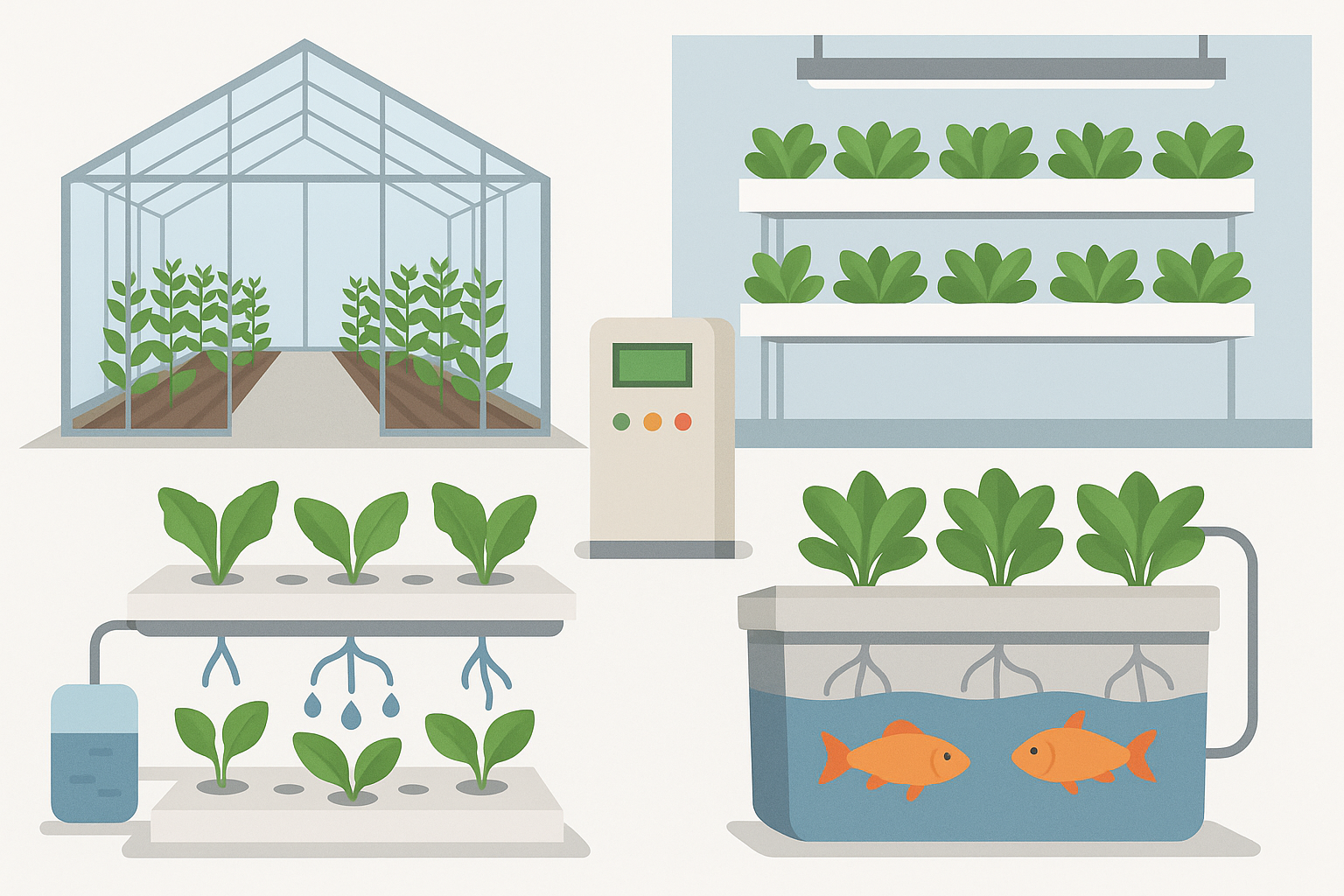
At its core, CEA integrates principles from plant science, environmental engineering, and data analytics. It often incorporates soilless cultivation techniques such as:
- Hydroponics: growing plants in a water-based, nutrient-rich solution;
- Aeroponics: misting roots with a water and nutrient solution in an aerobic environment;
- Aquaponics: combining hydroponics with aquaculture, creating a symbiotic system between plants and fish.
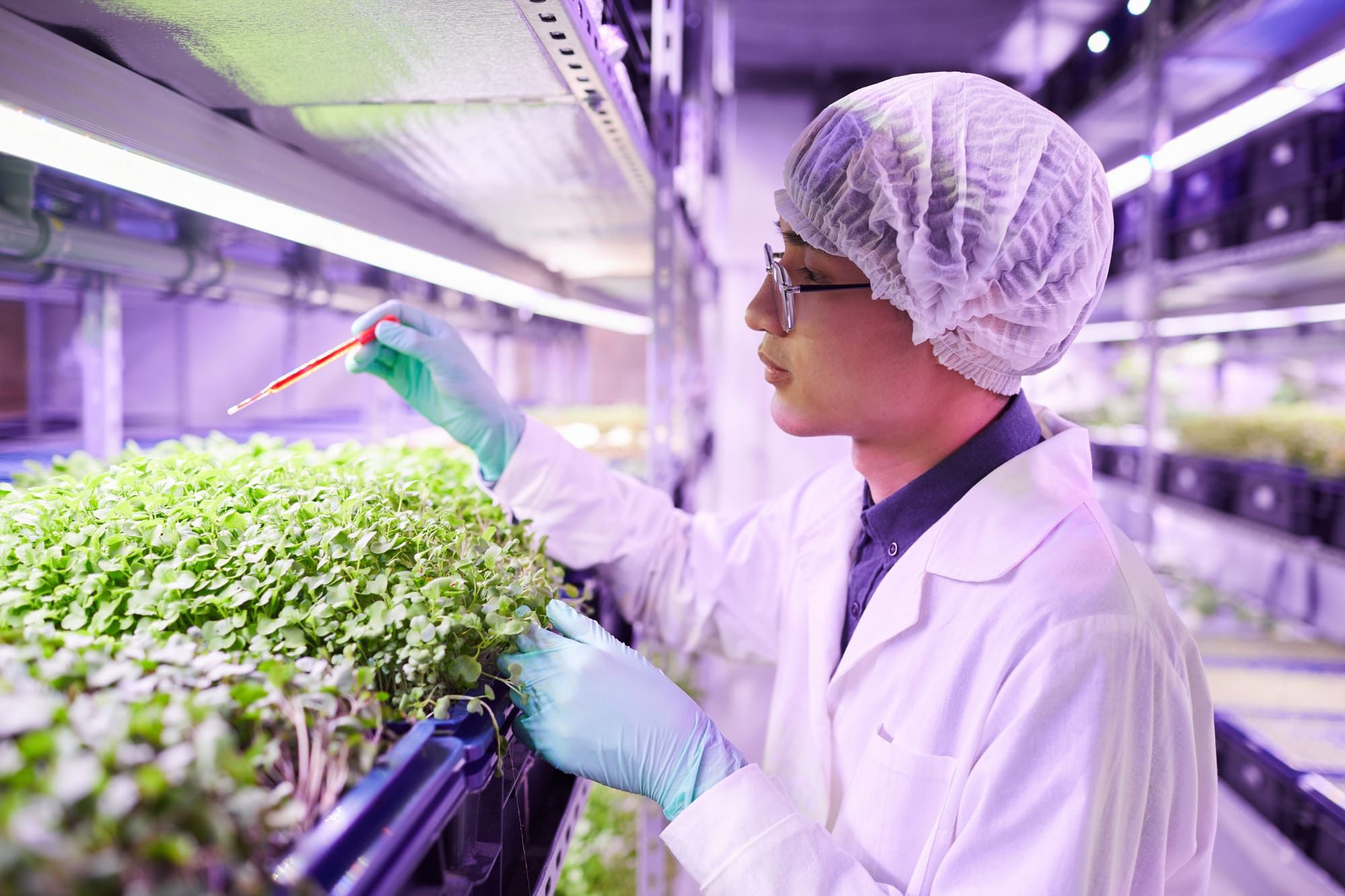
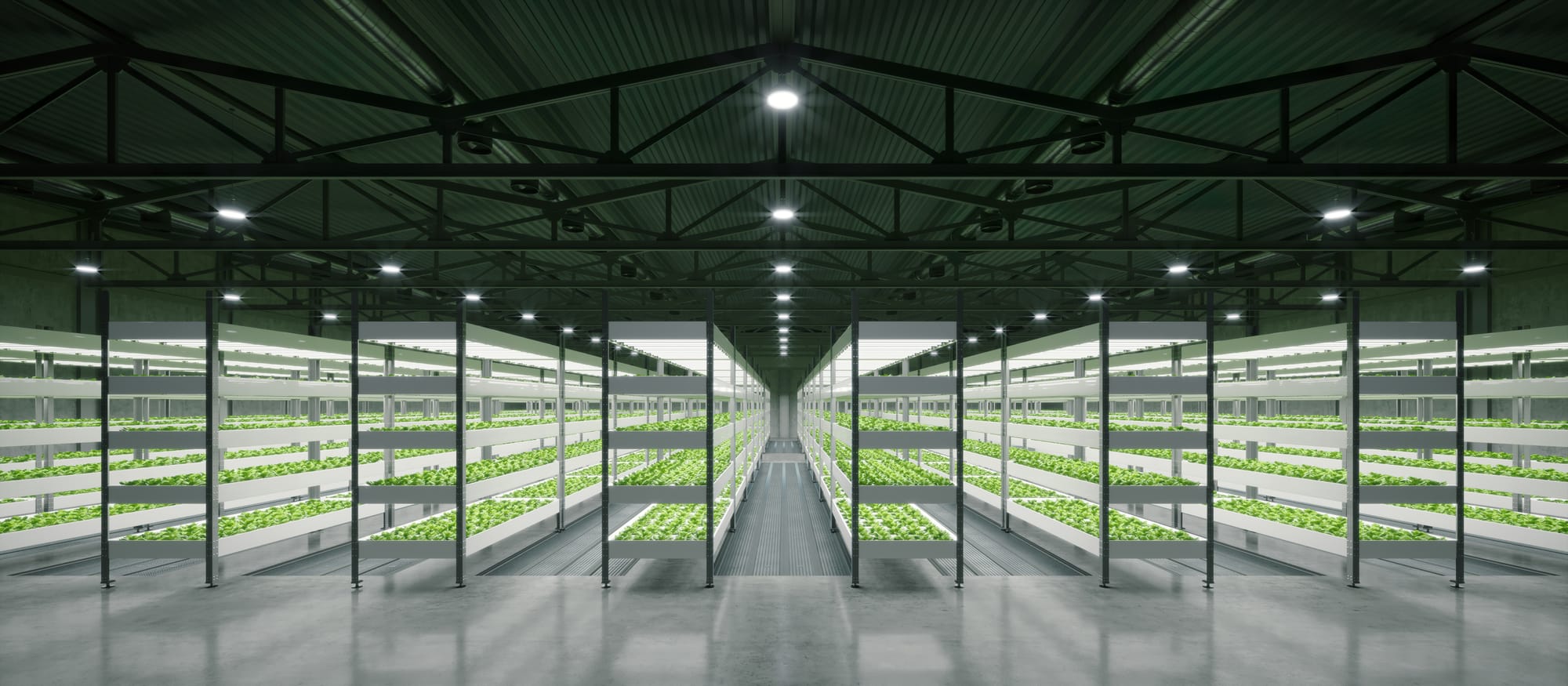
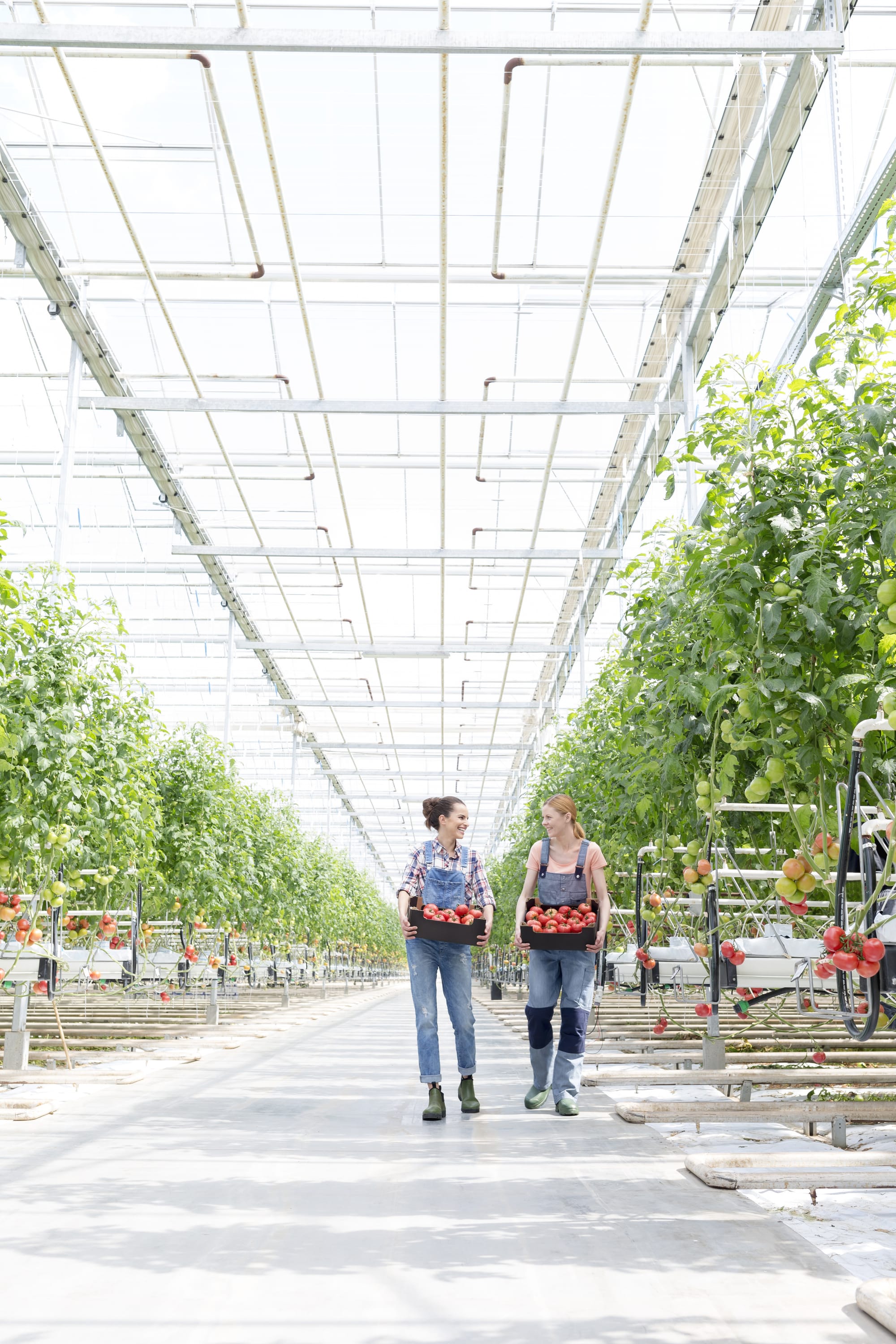
These systems operate within enclosed structures such as greenhouses or vertical farms equipped with artificial lighting and climate-control technologies. Sensors and automated systems monitor and adjust environmental parameters to maintain optimal growing conditions. This precision enables higher productivity per unit area, consistent crop quality, and minimal input waste. In some cases, it also allows for the production of crops in locations previously considered unsuitable for agriculture, including urban rooftops, shipping containers, and underground spaces.
Challenges and Considerations
Despite its advantages, controlled environment agriculture is not without limitations. The capital expenditure required to establish CEA facilities is typically high, with substantial energy costs associated with lighting and climate control. Crop selection is also constrained: leafy greens, herbs, and microgreens are well suited to current CEA systems, but staple crops such as grains and root vegetables remain impractical on a commercial indoor scale. Additionally, questions remain regarding the long-term sustainability of energy use in high-tech farms, particularly when relying on non-renewable sources. The sector must continue to address these issues through innovation, regulatory frameworks, and integration with renewable energy strategies.
The Future of CEA
Controlled environment agriculture is evolving rapidly, driven by advances in biotechnology, artificial intelligence, and sensor networks. Research continues into plant breeding for crops tailored to indoor systems, predictive modelling of plant growth, and integration with urban infrastructure. The question now is not whether CEA has a role in the future of food systems, but how it will scale, diversify, and adapt to meet global needs. As the sector matures, ongoing collaboration between technologists, policymakers, growers, and researchers will be vital in ensuring that its potential is realised responsibly and equitably.