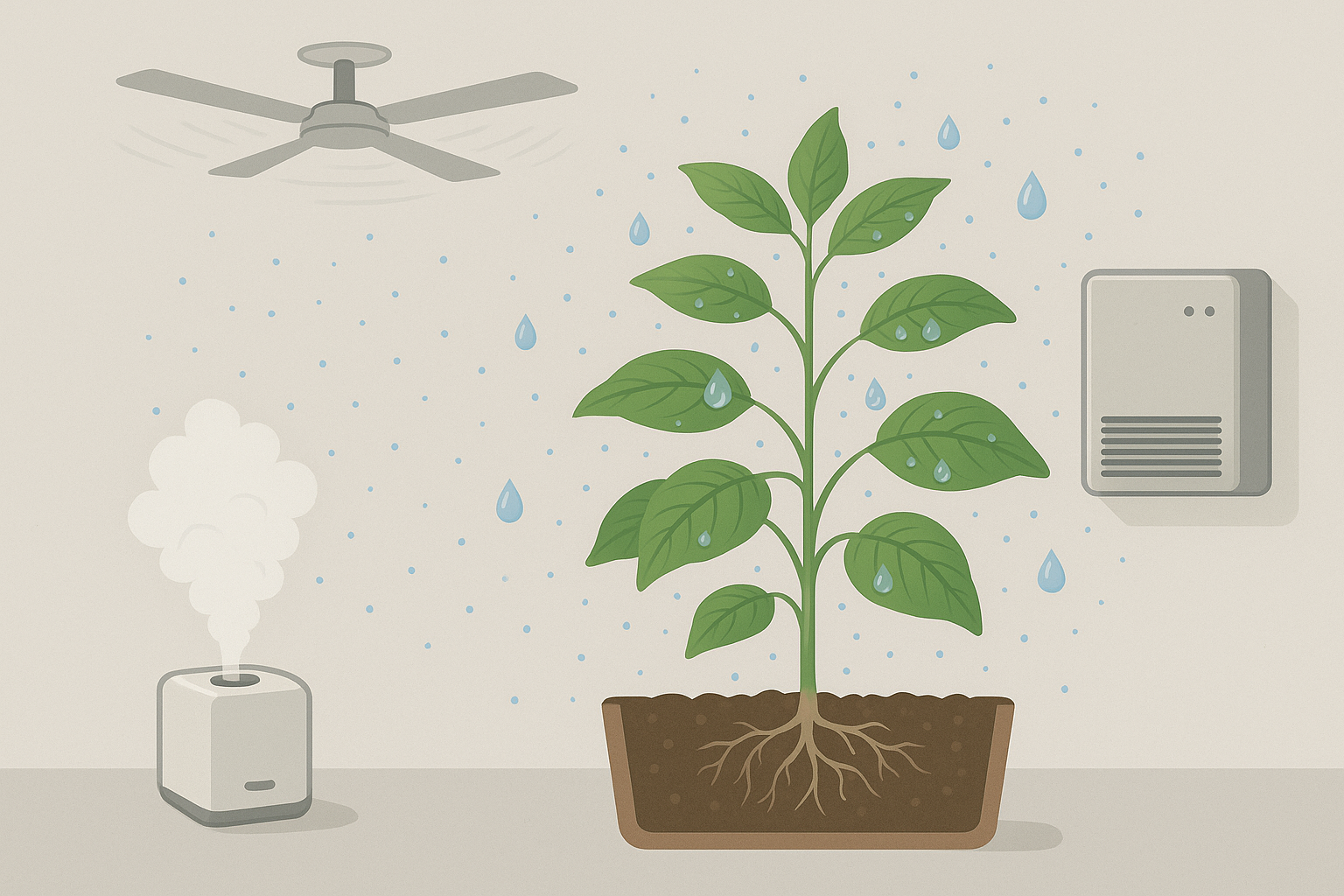
Humidity and plant health in CEA are closely linked, yet humidity is often less discussed than light, nutrients, or temperature. In indoor farming systems, humidity plays a decisive role in determining whether plants grow efficiently, resist disease, and maintain physiological balance. Understanding how humidity affects plant processes is therefore essential for designing and managing effective controlled environment production systems.
Why Humidity Matters in Controlled Environment Agriculture
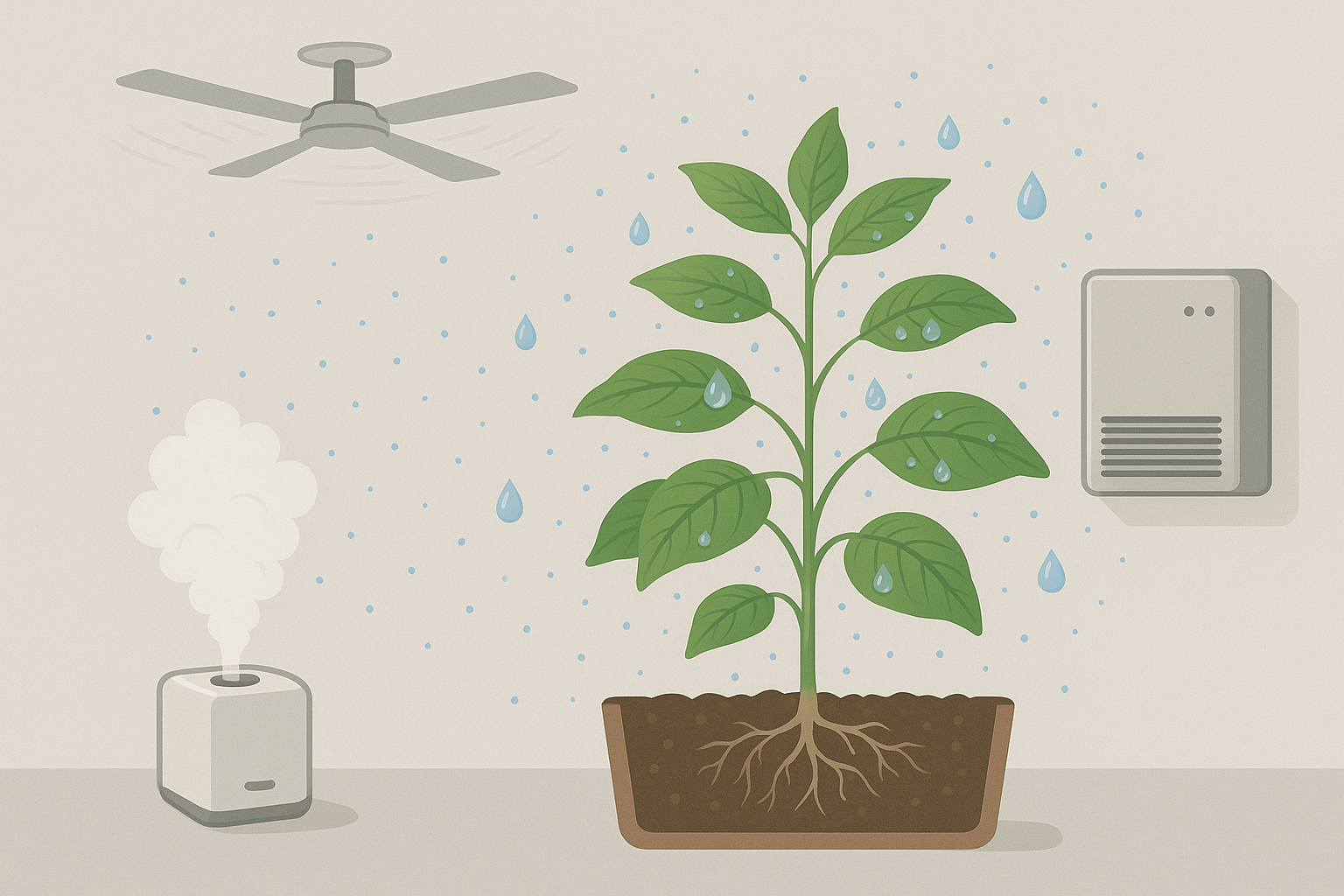
Humidity describes the concentration of water vapour in the air. In natural ecosystems, it fluctuates with weather and geography; in CEA, growers set and manage it deliberately. Plants continuously exchange water with the atmosphere through transpiration, and the rate at which this occurs depends strongly on the surrounding humidity. If humidity is too low, plants lose water rapidly, which can lead to stomatal closure and reduced photosynthesis. If humidity is too high, transpiration slows, creating conditions for poor nutrient uptake and greater risk of fungal and bacterial diseases.
The balance between plant water loss and atmospheric moisture is best understood through vapour pressure deficit (VPD), a measure of the difference between the amount of water vapour the air could hold at saturation and the actual amount present. VPD integrates both temperature and humidity, providing a more precise indicator of the evaporative demand placed on plants. Research shows that optimal VPD ranges, typically 0.5 to 1.5 kPa depending on crop species, support efficient transpiration and photosynthetic activity while minimising stress and disease risk.
Effects on Plant Physiology
Humidity directly influences stomatal behaviour. At moderate humidity, stomata remain partially open, balancing gas exchange with water conservation. In excessively dry air, stomata close to prevent dehydration, but this also limits CO2 uptake, slowing photosynthesis and growth. Conversely, in persistently humid conditions, stomata may remain overly open, which disrupts water-use efficiency and can weaken plant tissue, making leaves more vulnerable to pathogens such as Botrytis cinerea.
Transpiration also drives nutrient transport from roots to shoots. Calcium, for example, moves primarily through the transpiration stream. In crops like tomatoes and lettuce, low transpiration under high humidity conditions has been linked to calcium-related disorders such as blossom end rot and tip burn. Thus, humidity management is not only about avoiding wilting or disease but also about ensuring consistent mineral nutrition.
Disease and Pest Considerations
Humidity shapes the microclimate around leaves and within canopies, influencing pathogen life cycles. Many fungi, including downy or powdery mildews and grey mould, require high relative humidity or free leaf surface moisture to infect plants. Maintaining humidity within target ranges reduces the likelihood of prolonged leaf wetness and lowers disease pressure. Conversely, low humidity environments can exacerbate pest problems, such as spider mites, which thrive in drier air. In CEA systems, careful balancing of humidity is therefore a critical tool in integrated pest and disease management.
Technological Approaches to Humidity Control
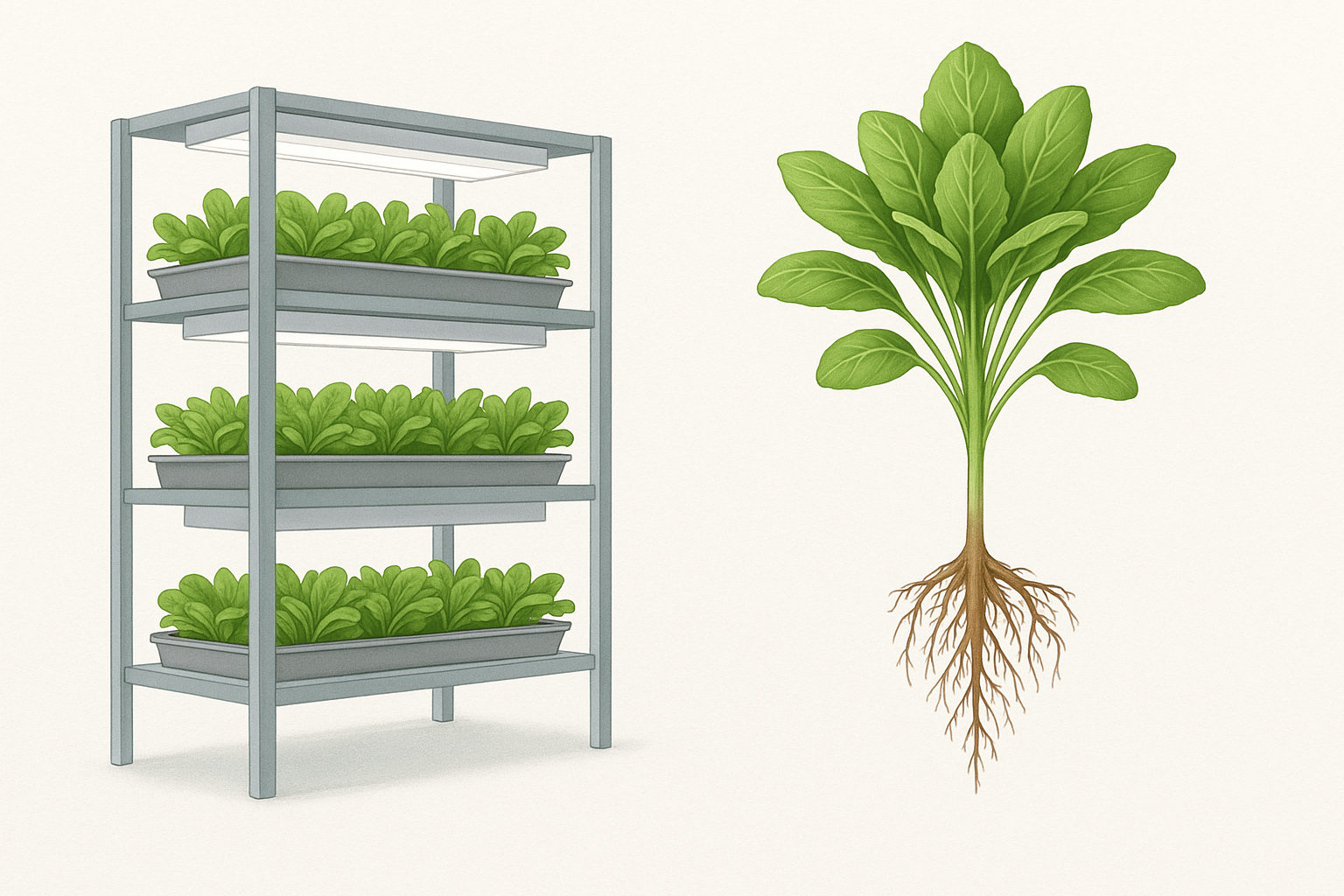
Modern indoor farms employ a combination of heating, ventilation, air circulation, and dehumidification to regulate humidity. The design of the system determines how evenly conditions are maintained across crop canopies. Sensors now allow growers to monitor VPD in real time, providing actionable data that can be integrated into automated climate control systems. Research into energy-efficient humidity management is also expanding, particularly in vertical farming, where dense plantings and stacked tiers create variable microclimates.
Some growers use fogging or misting systems to raise humidity, especially during early plant growth stages when seedlings are vulnerable to desiccation. Conversely, desiccant dehumidifiers or chilled water coils are employed to reduce moisture, often in concert with heating and cooling systems. The challenge is achieving precision without excessive energy use, as dehumidification can represent a major operational cost in indoor facilities.
Crop-Specific Sensitivities
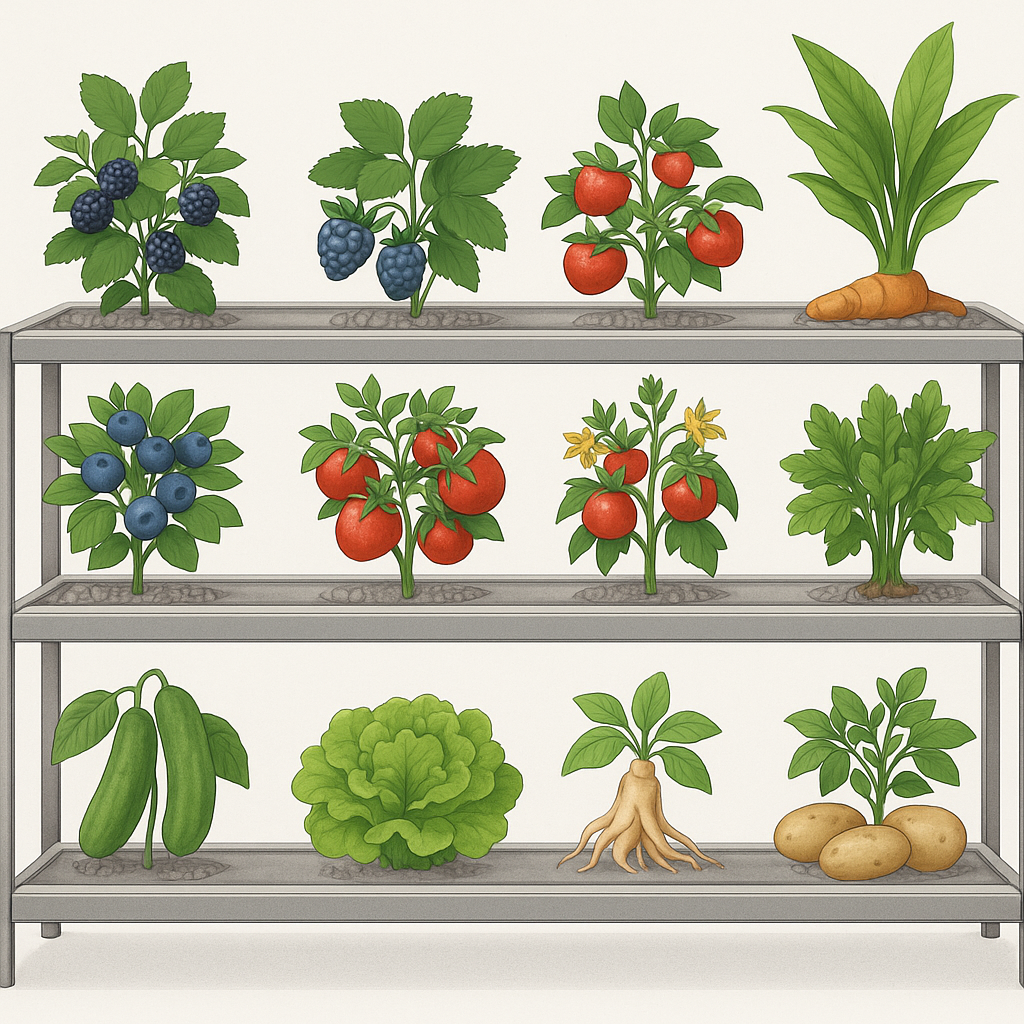
Different plant species exhibit varying tolerance to humidity extremes. Lettuce, for example, is highly sensitive to tip burn under high humidity and low VPD conditions, while cucumbers can tolerate higher humidity ranges but are highly susceptible to fungal pathogens if humidity is not controlled. Strawberries require relatively low humidity during flowering to encourage pollen release, but higher humidity during fruiting supports juicier berries. Thus, optimal humidity management is crop-specific, and in multi-crop facilities compromises are often required.
Implications for Productivity and Quality
The relationship between humidity and plant health in CEA extends beyond survival. Consistent humidity control affects crop morphology, flavour, texture, and shelf life. Leafy greens grown under unstable humidity conditions may develop tougher leaves or uneven textures, while fruit crops may show inconsistent sugar accumulation. By stabilising humidity, growers not only improve yields but also deliver higher quality produce with predictable market value.
Future Research and Practice
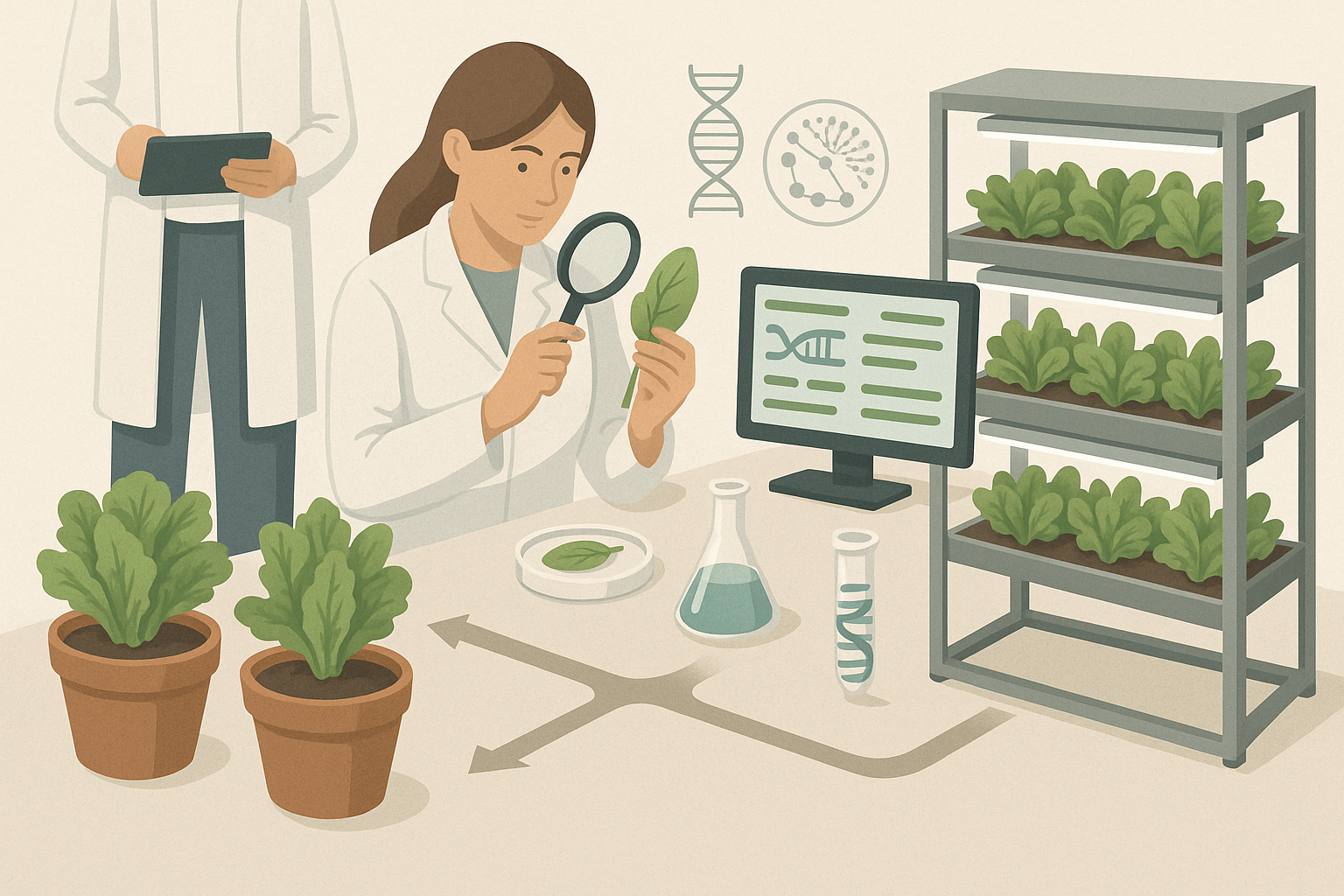
Ongoing research explores the interaction between humidity, VPD, and other abiotic factors such as light intensity and CO2 concentration. Studies suggest that optimal humidity ranges may shift depending on these variables; for example, higher light intensities may allow plants to tolerate slightly higher humidity without disease risk. Advances in modelling and digital twins for CEA systems are likely to provide new tools for simulating and optimising humidity management before physical adjustments are made, reducing both crop risk and energy consumption.
Conclusion
Humidity and plant health in CEA are inseparable considerations. Far from being a background parameter, humidity profoundly influences transpiration, nutrient uptake, disease dynamics, and overall crop quality. By understanding its physiological significance and applying precise control, growers can turn humidity management into a competitive advantage for productivity and sustainability. As indoor farming technologies advance, the ability to fine-tune humidity will continue to define the success of controlled environment systems, ensuring healthy crops and reliable yields for the future.