Determining which crops are best for indoor farming systems is an area of much current philosophical and practical debate. In principle any plant can be grown using CEA approaches, but the economic success of an indoor farm depends on selecting plant species that perform well under controlled conditions, offer a clear market opportunity, and can be cultivated reliably at scale. Unlike open-field farming, where crops are constrained by soil type, weather, and seasonal variability, CEA provides an opportunity to match crops precisely with their growing environment. However, this freedom also introduces complexity: growers must consider yield per square metre, crop cycles, input efficiency, and consumer demand before settling on a production strategy.
The logic behind crop selection in CEA
At its core, CEA is about matching biological potential with technological capability. Plants have specific requirements for light, temperature, humidity, and nutrient availability. While an indoor system can theoretically grow almost any crop, in practice not all crops are equally suited. A large cereal such as wheat or maize can be grown indoors, yet the energy and space requirements make such ventures economically unfeasible at present. In contrast, leafy greens or herbs with short growth cycles, low stature, and high value per kilogram are widely recognised as strong candidates. Thus, the logic of crop selection in CEA is less about agricultural possibility and more about economic viability.
Leafy greens as a foundation crop
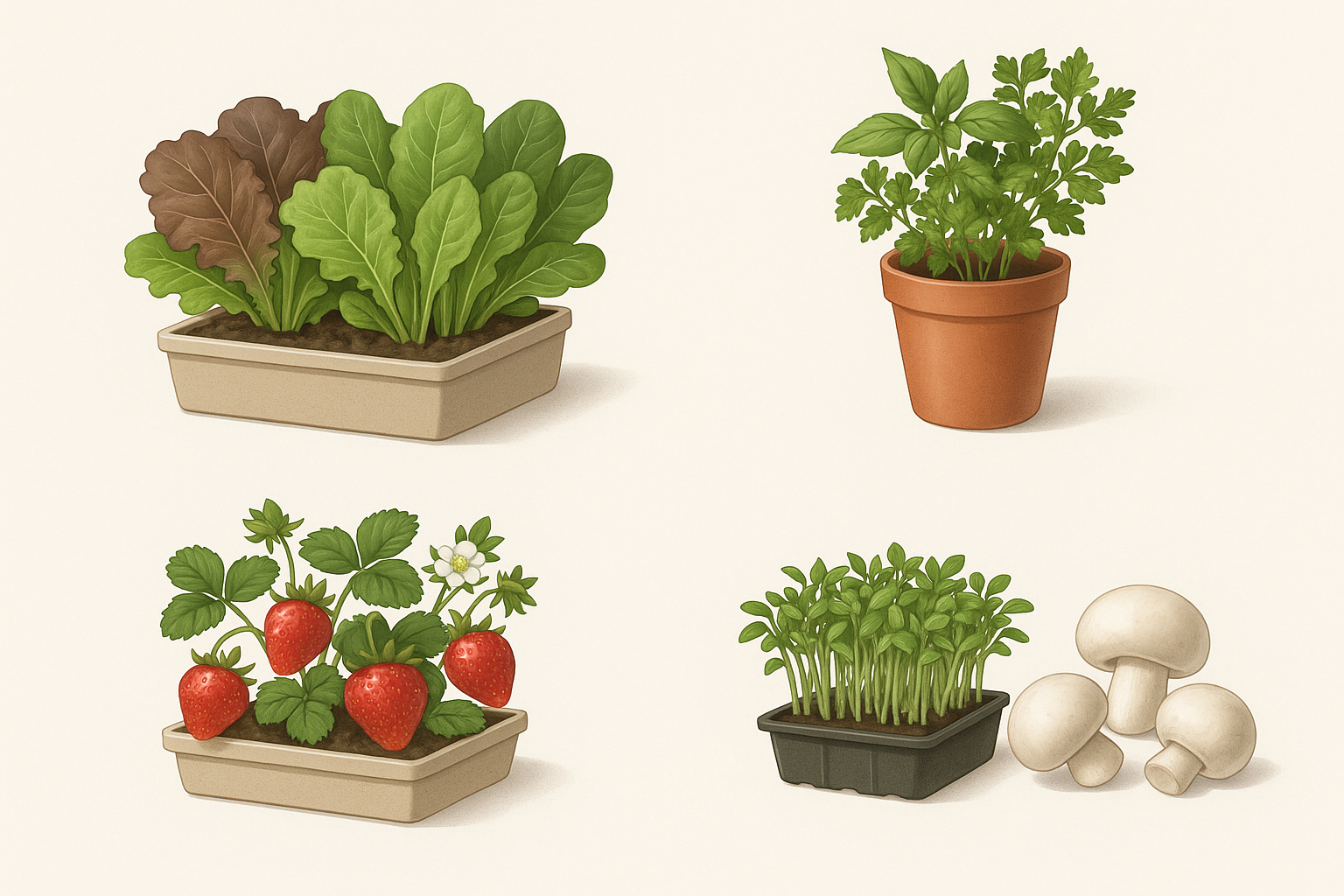
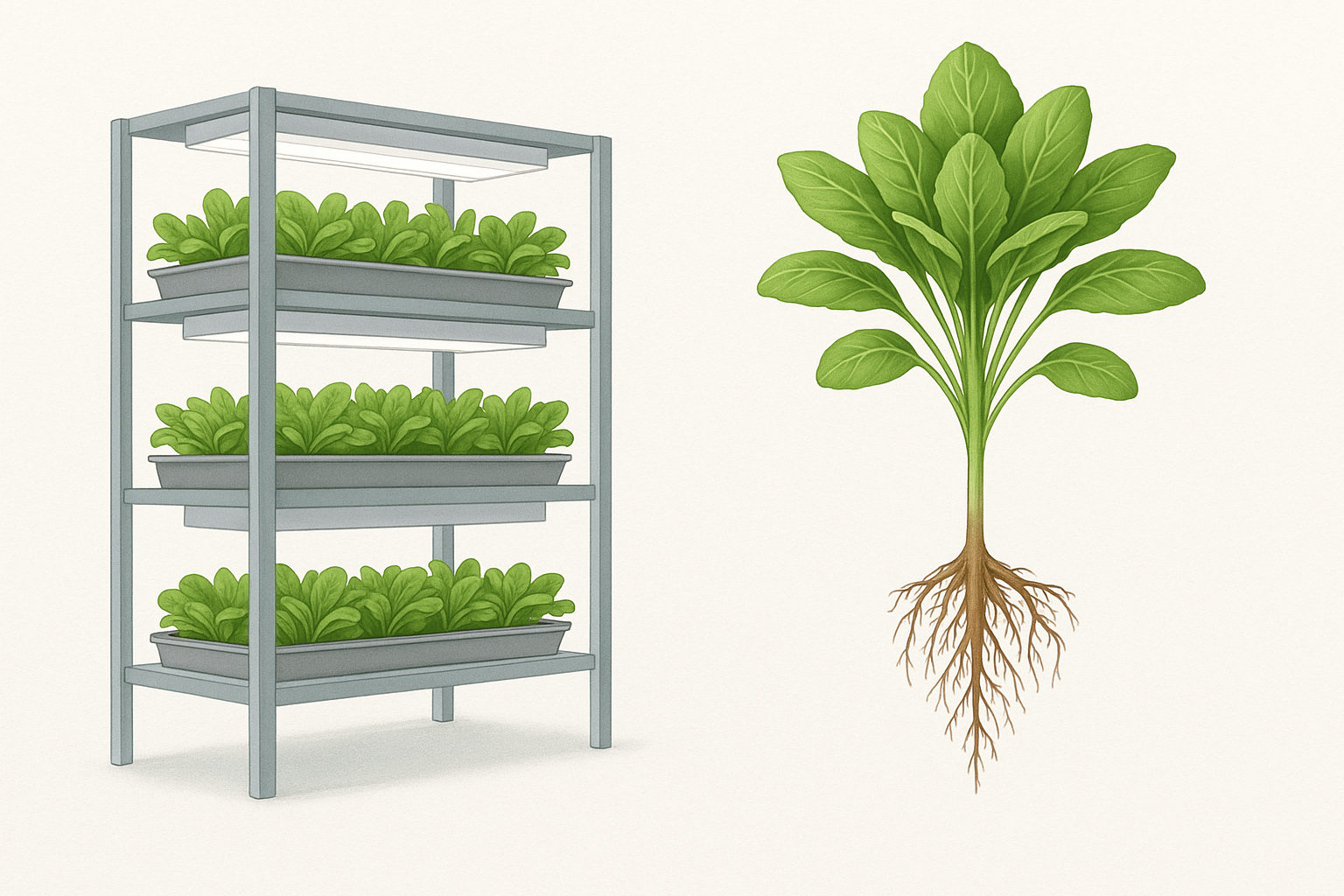
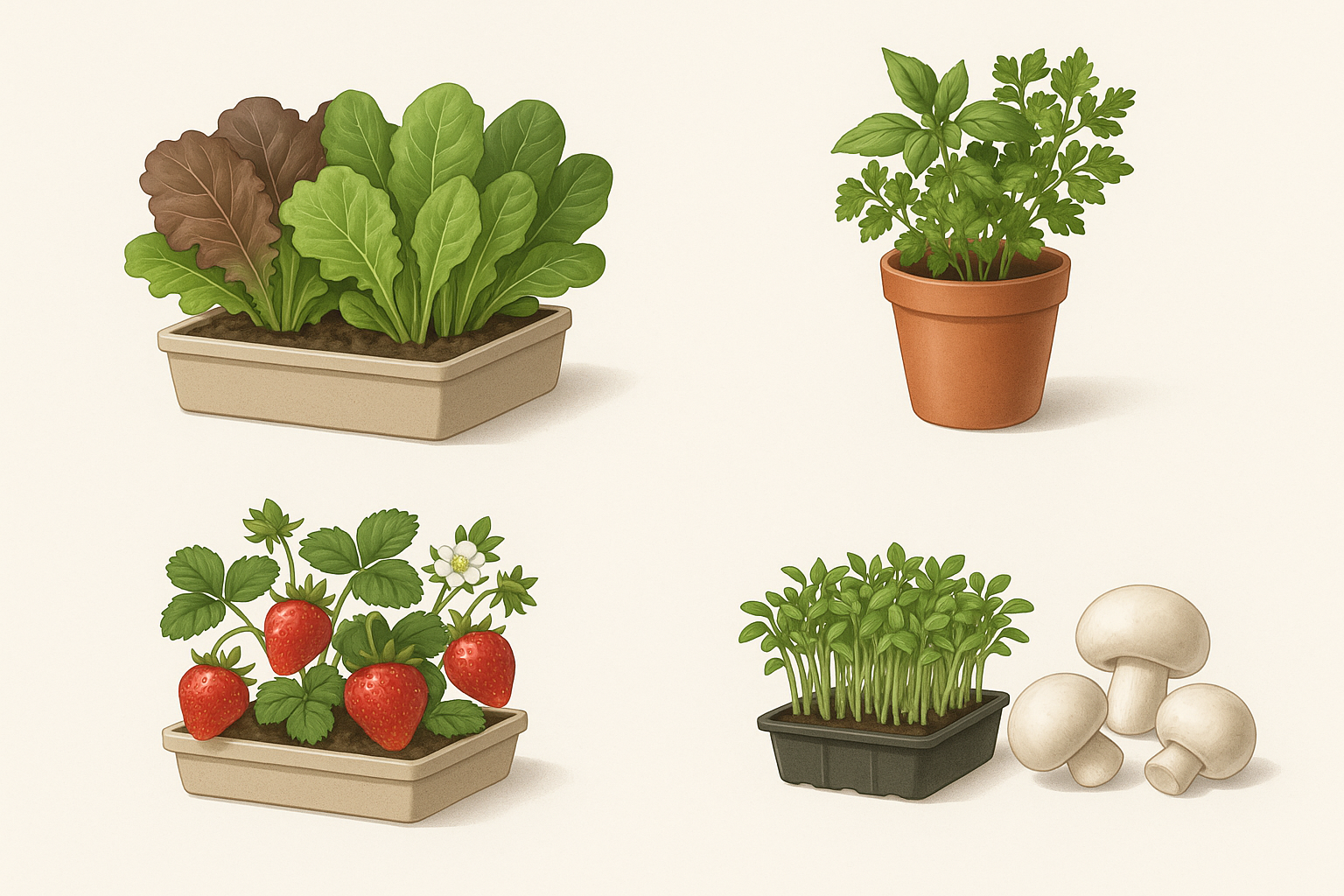
The most common entry point for CEA growers is leafy greens: lettuce, spinach, kale, rocket, and many other similar or related species, either grown to maturity or harvested as microgreens. These crops are lightweight, require minimal structural support, and can be harvested within 20 to 35 days depending on the system (7-14 for micros). Their photosynthetic efficiency makes them well suited to LED-based lighting regimes, and consumer demand for fresh, pesticide-free greens has been consistently strong. They are also tolerant of high-density planting, allowing for multiple vertical tiers of production. Consequently, leafy greens often serve as the foundation crop for start-ups seeking rapid market entry and steady turnover.
Culinary and medicinal herbs
Basil, coriander, parsley, mint, chives, and thyme are increasingly popular within indoor systems. These herbs command a high retail price relative to their biomass and benefit from the freshness advantage of local production. Transported herbs from overseas often lose quality quickly; CEA-grown herbs can be delivered within hours of harvest, maintaining flavour and shelf life. Beyond culinary markets, certain herbs such as chamomile, lemon balm, and medicinal plants with nutraceutical potential are attracting research interest. Here, controlled environments enable precise standardisation of active compounds, which is valuable for pharmaceutical and functional food sectors.
Fruit crops in controlled environments
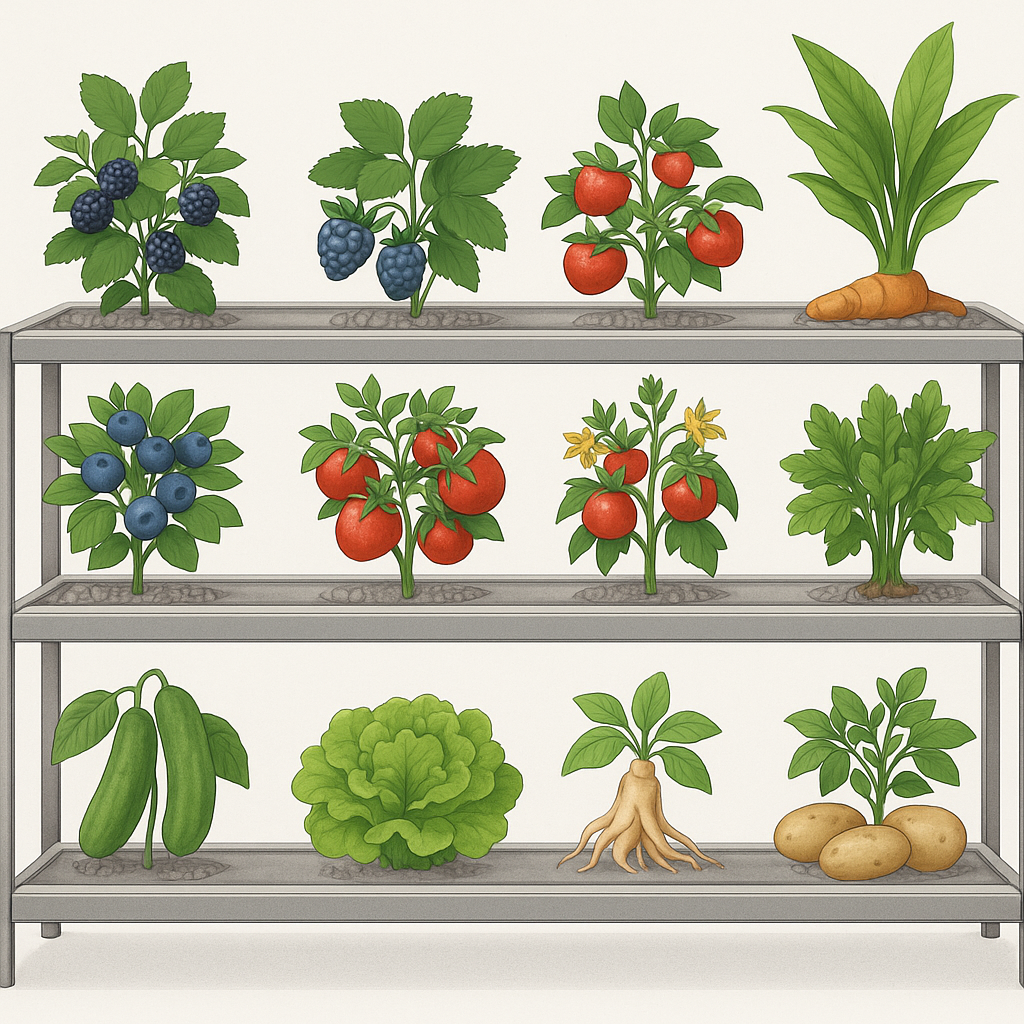
Fruit-bearing crops present greater technical challenges yet offer considerable market rewards. Strawberries are the most advanced example: they are compact, high-value, and increasingly produced in indoor systems across Europe and Asia. Tomatoes, peppers, and cucumbers are also cultivated indoors, although they typically require larger volumes of space and more complex support structures. The advantage of CEA for these crops lies in consistency and season extension. Where outdoor production may be limited to summer months, indoor farms can deliver year-round harvests with predictable quality.
High-value niche and specialty crops
CEA has also been explored for high-value niche crops. Microgreens are particularly well suited to vertical systems: they mature in less than two weeks, require minimal inputs, and provide exceptional nutritional density. Specialty mushrooms, though biologically distinct from plants, are another promising category, thriving in dark, humid environments easily replicated indoors. Beyond these, saffron, vanilla, and exotic edible flowers have been trialled in indoor farms due to their exceptional retail value, though they remain experimental in terms of scalability.
Staple crops and future possibilities
A frequently asked question is whether CEA can contribute meaningfully to staple crops such as wheat, rice, or potatoes. In principle, these crops can be grown indoors; experiments have demonstrated successful harvests. Yet the resource inputs per unit yield are still unfavourable when compared with field agriculture. This does not mean such crops are irrelevant to CEA: advances in breeding for compact plant architecture, improvements in energy efficiency, and integration of renewable energy sources may in time alter the equation. For now, the focus remains on high-value, short-cycle crops, but the long-term ambition of CEA researchers is to broaden its reach into staple food categories.
Market demand as a determining factor
The biological suitability of crops is only half the story; commercial viability depends equally on consumer demand. Indoor farms in urban centres often prioritise crops that appeal to restaurants, retailers, and health-conscious consumers: leafy greens, herbs, and berries. In regions where demand for exotic or out-of-season produce is high, indoor farms may choose specialty fruits. Conversely, where food security or institutional supply chains dominate, the emphasis may shift to reliable bulk crops such as lettuce and tomatoes. Therefore, understanding local market conditions is as important as mastering horticultural science.
Integrating research and innovation
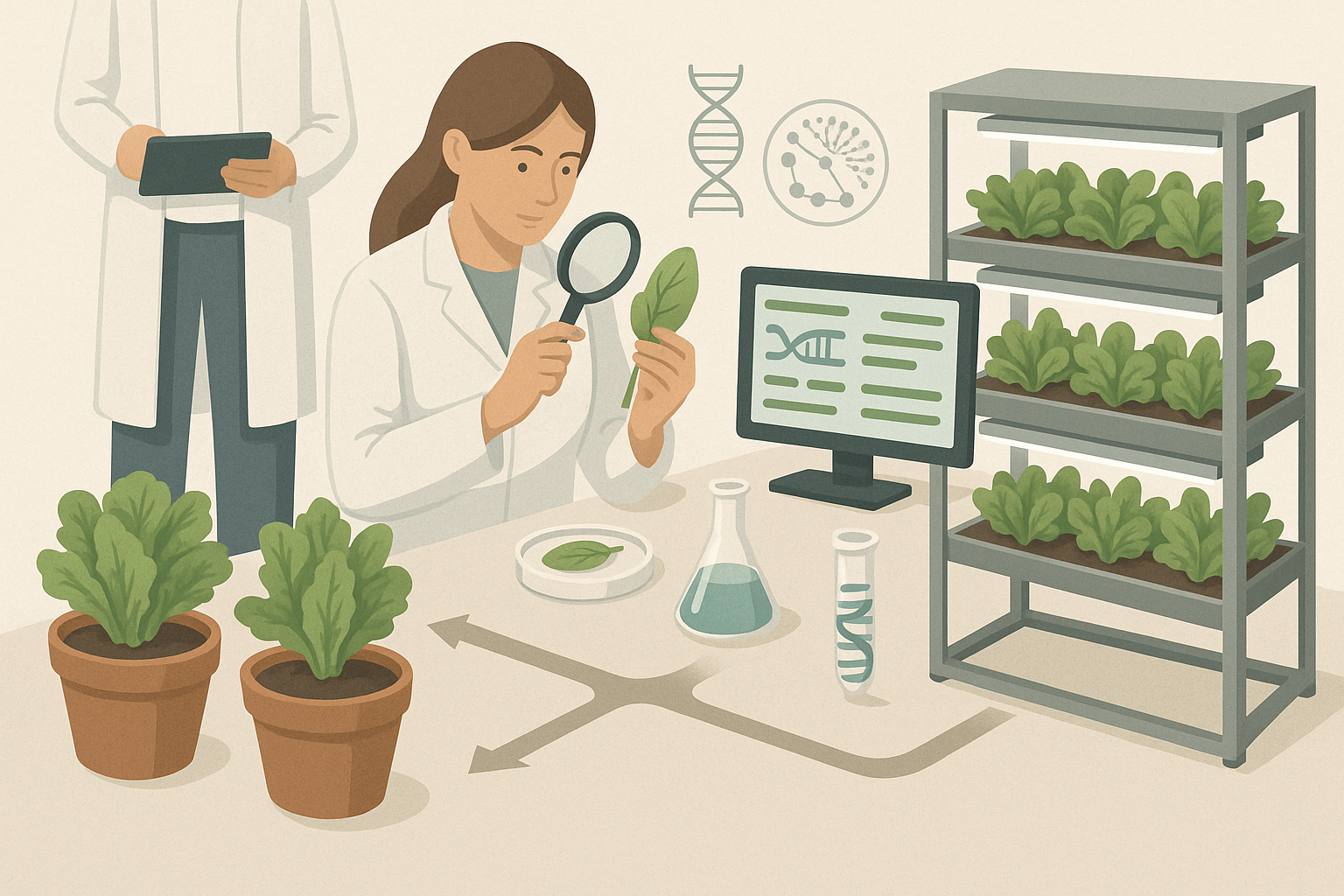
Research in plant physiology, genetics, and LED spectrum optimisation continues to expand the range of crops suitable for CEA. For example, tailoring light spectra to manipulate plant morphology or nutrient content is now possible, allowing growers to develop differentiated products. Crop breeding programmes are beginning to target traits specific to indoor cultivation: compact growth, reduced photoperiod sensitivity, and higher tolerance to elevated CO2. This integration of plant science with technological control systems will ultimately define the future of crop selection in CEA.
Conclusion
Determining which crops are best for indoor farming systems requires a balance of biological understanding, technological capacity, and market awareness. At present, leafy greens, herbs, and selected fruits such as strawberries dominate the field due to their rapid growth cycles and favourable economics. Niche crops like microgreens and mushrooms provide opportunities for differentiation, while staple crops remain a longer-term research frontier. The underlying principle is clear: success in controlled environment agriculture comes not from growing every possible plant indoors, but from carefully matching crop characteristics with the unique advantages of the system. As CEA technology matures, the range of viable crops will expand, offering fresh opportunities for sustainable food production in both local and global contexts.