
Long Read: The Influence of Different Light Wavelengths on Plant Growth
The technology of controlled environment agriculture (CEA) is fast developing and is increasingly recognised as an important component of future food production.

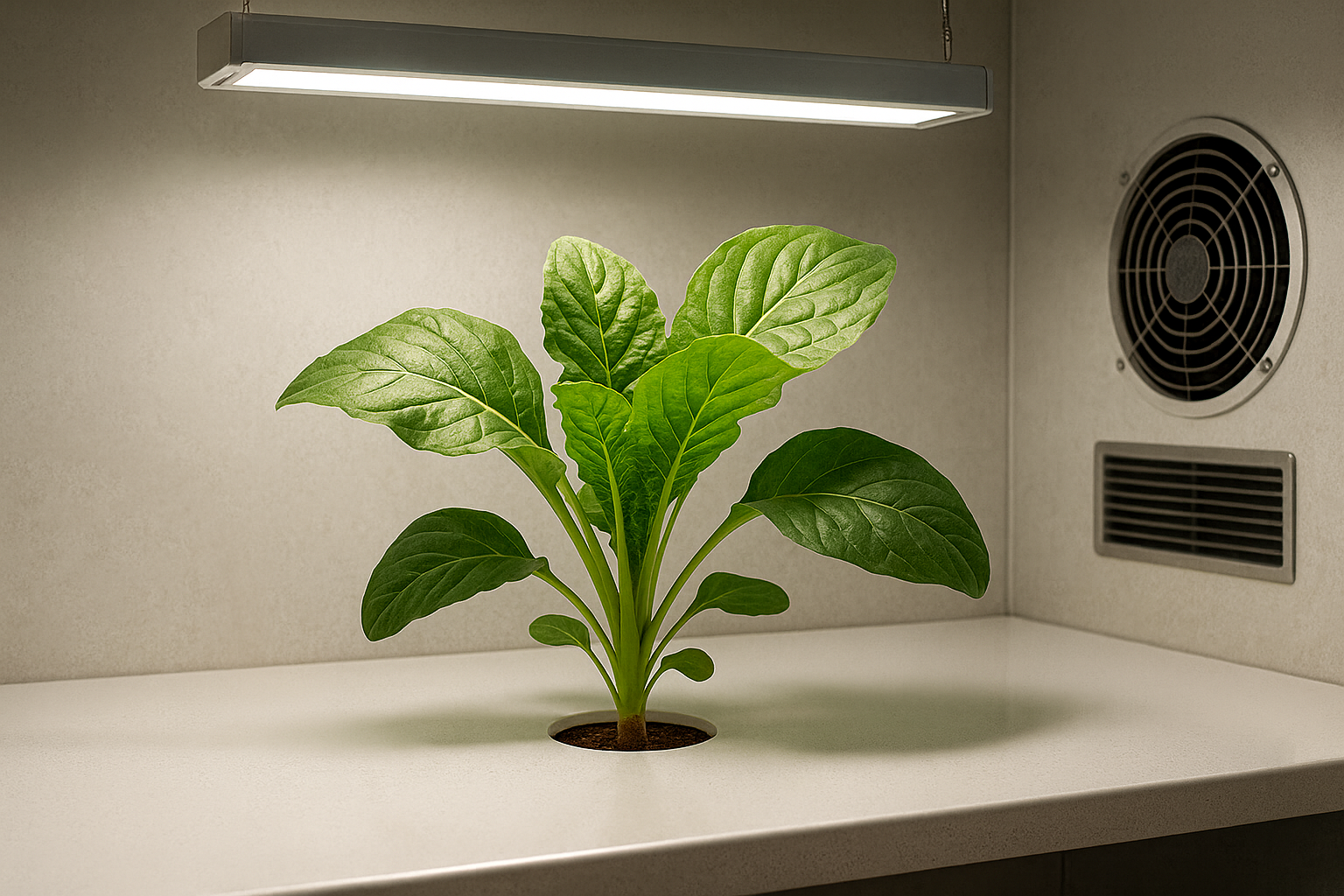
Plant physiology is a core factor in CEA, because every decision in an indoor farm ultimately influences how plants grow and respond to managed environmental cues. This section introduces the major physiological processes that shape growth and quality in enclosed systems and highlights why an understanding of these processes is essential for growers who want consistent performance across different crops and technologies.
The technology of controlled environment agriculture (CEA) is fast developing and is increasingly recognised as an important component of future food production.
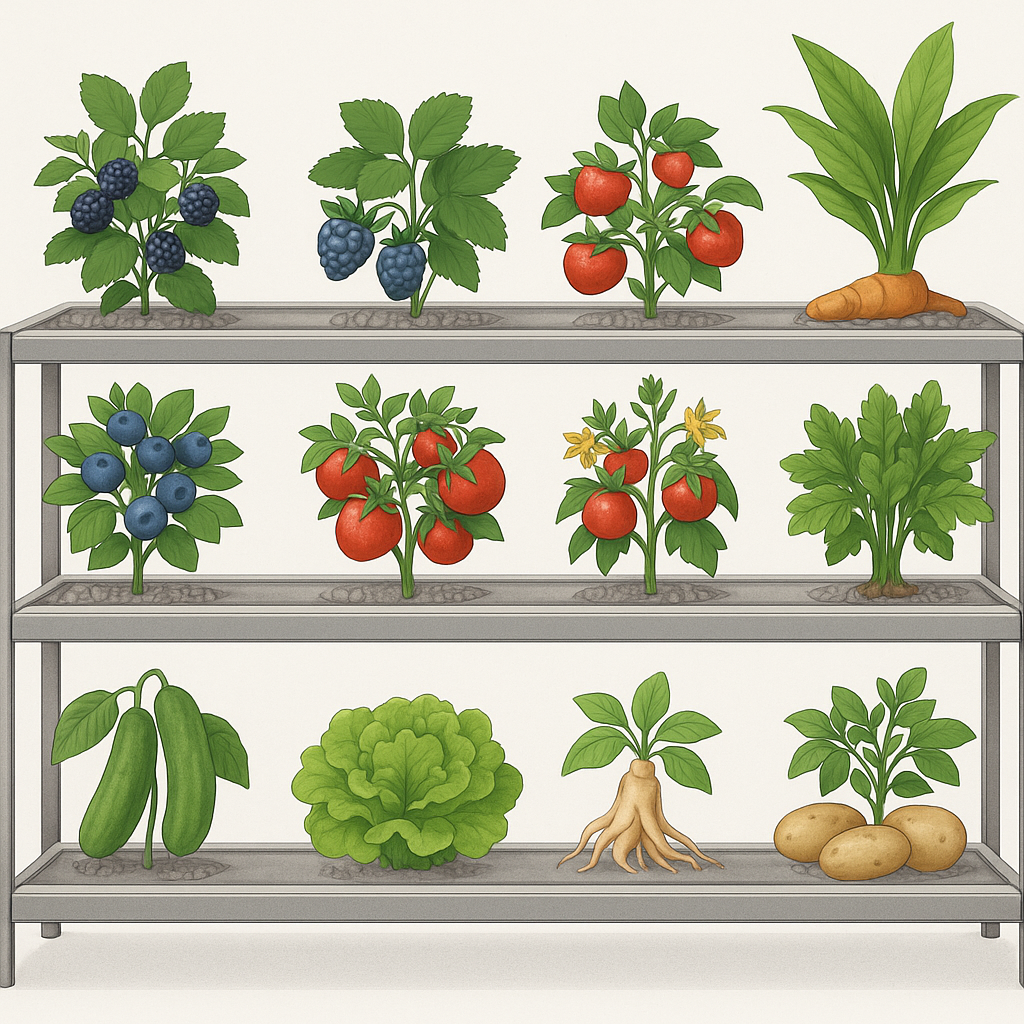
Controlled Environment Agriculture (CEA) has largely been associated with leafy greens, herbs, and microgreens: crops that deliver rapid turnover, predictable yields, and
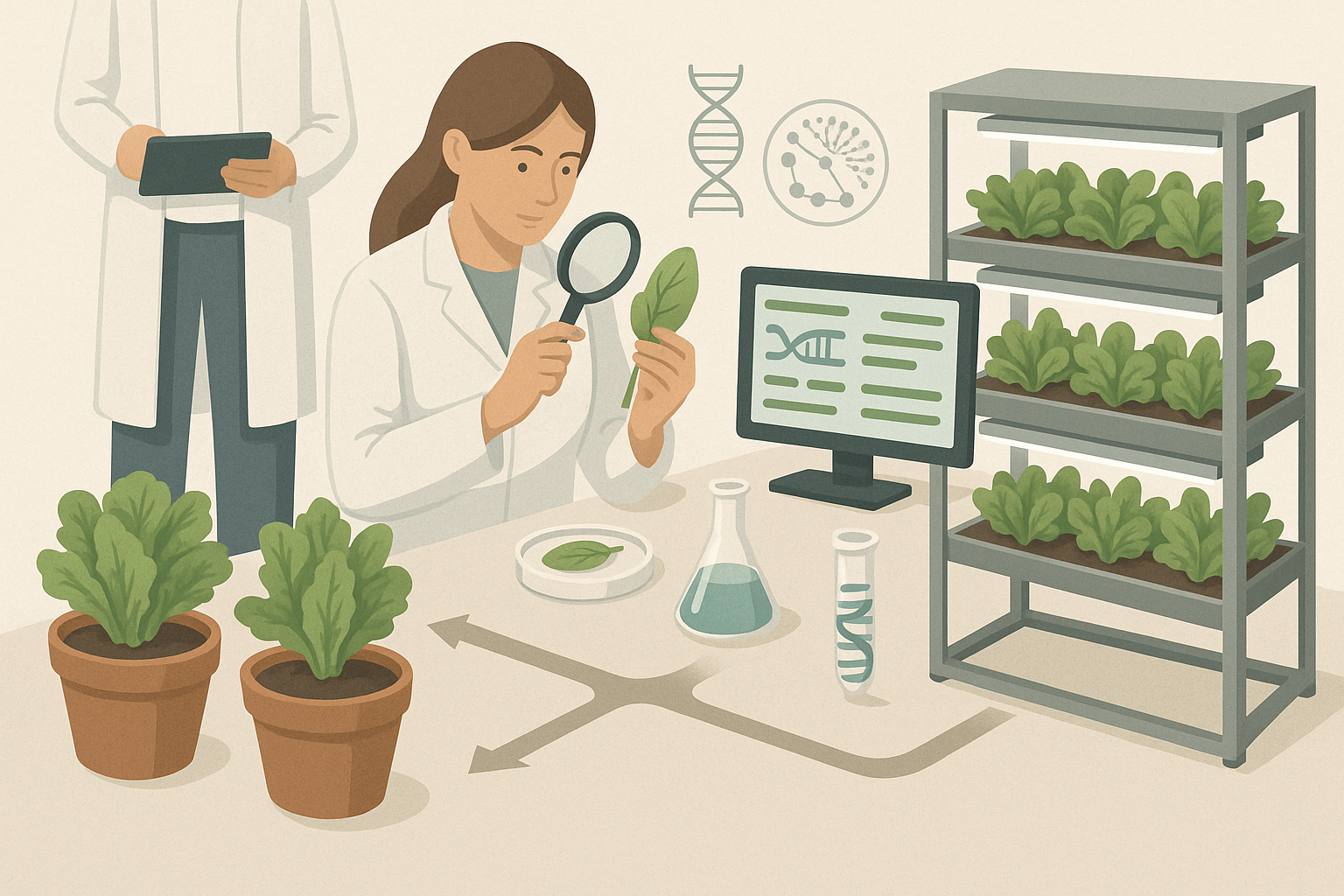
Plant breeding and genomic selection of crops for indoor farming is rapidly becoming a core objective in the evolution of controlled environment
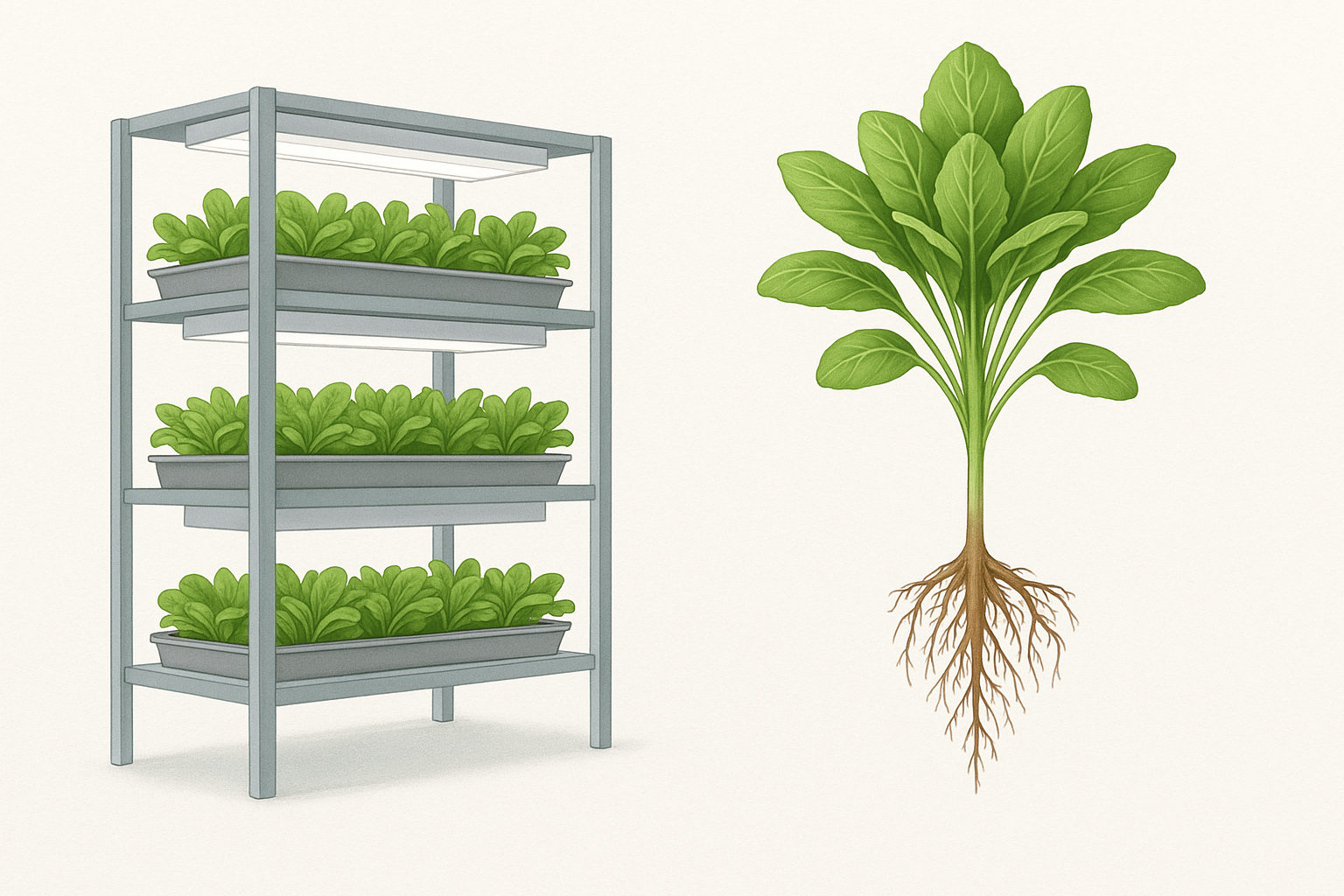
Optimised crop traits for CEA production are increasingly important as vertical farming moves from niche innovation towards a mainstream contributor to modern
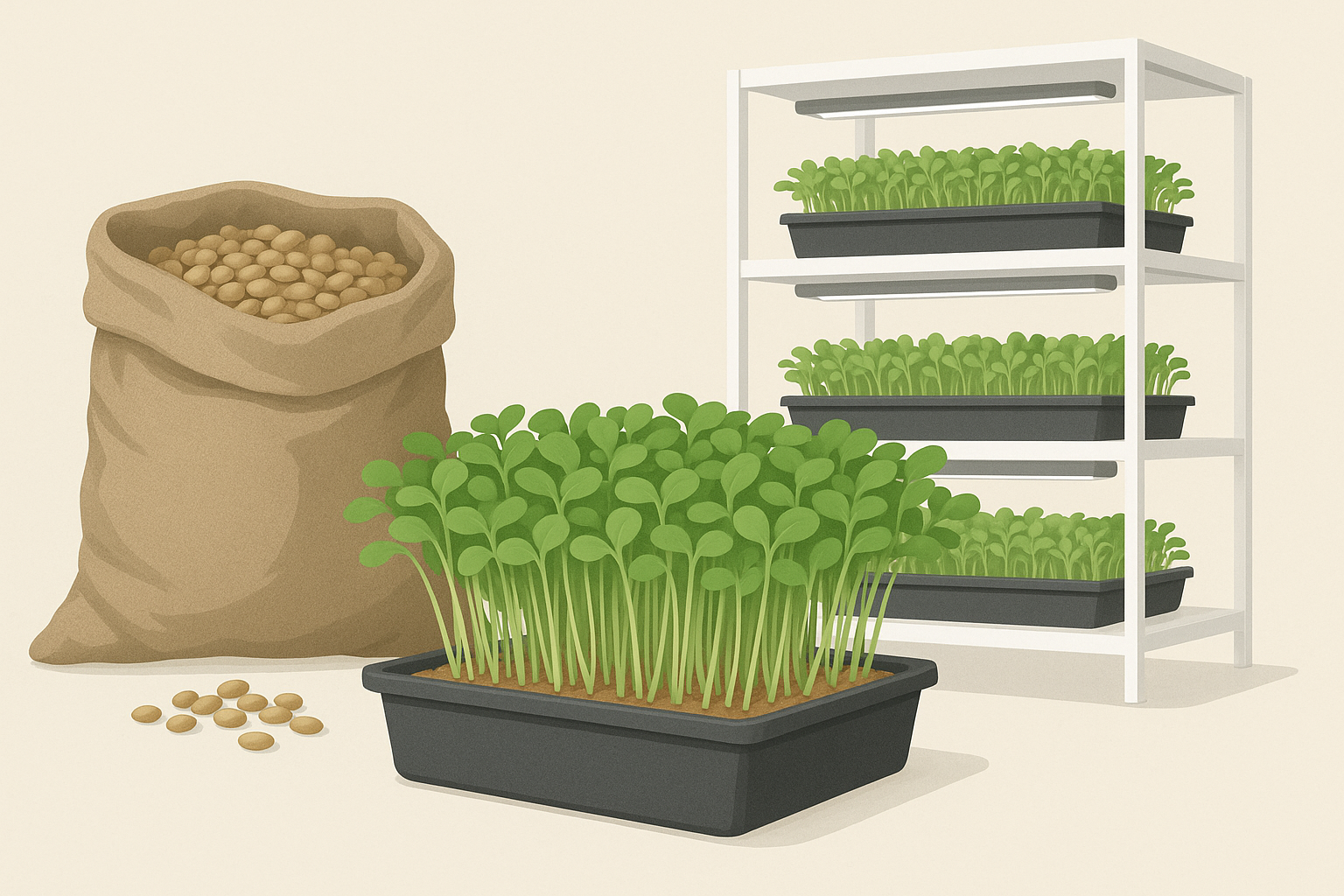
In Controlled Environment Agriculture (CEA), every harvest begins with seed, yet the demands of indoor farming expose a profound inefficiency: many systems,
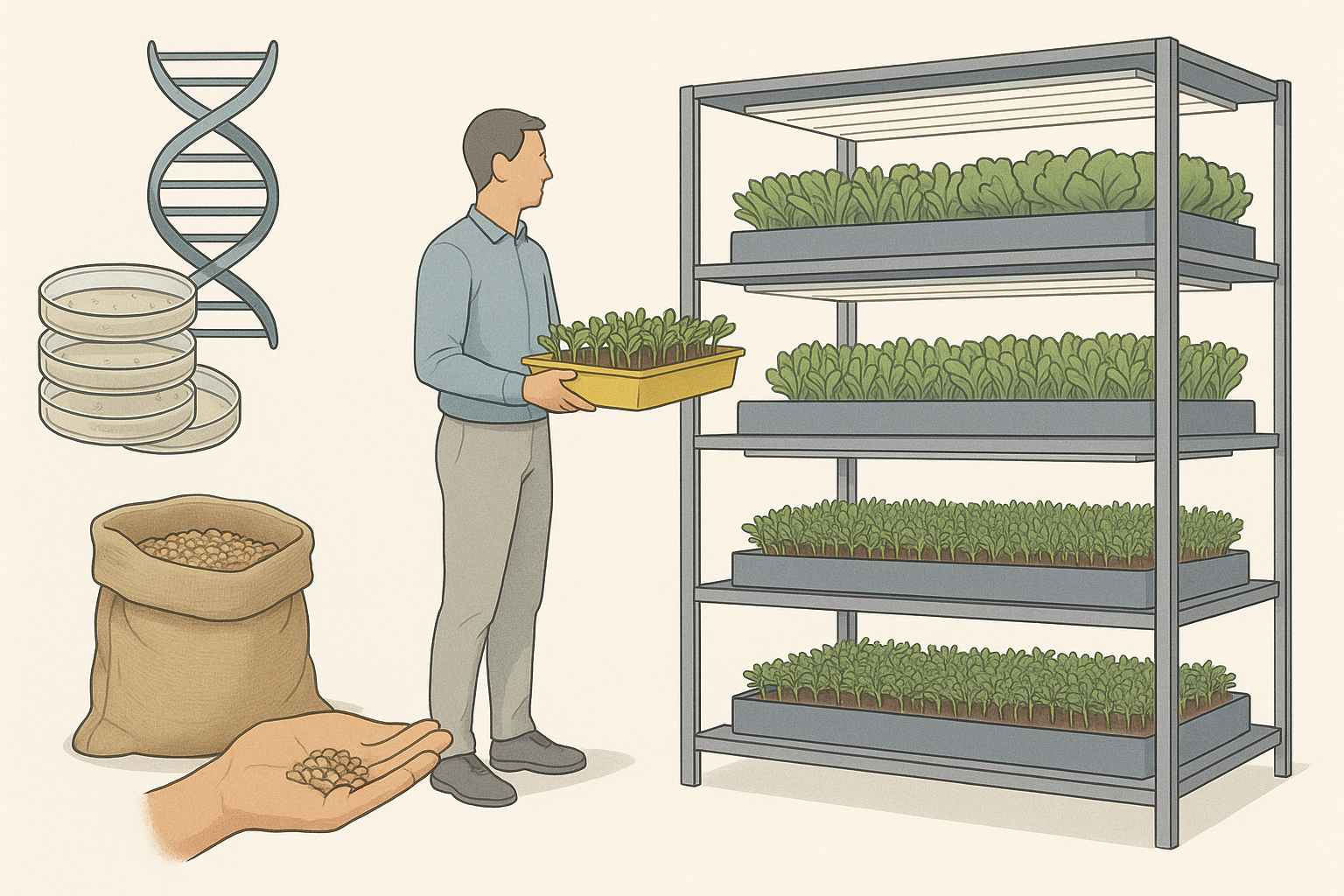
The success of Controlled Environment Agriculture (CEA) depends not only on advanced infrastructure, energy systems, and management strategies, but also on something
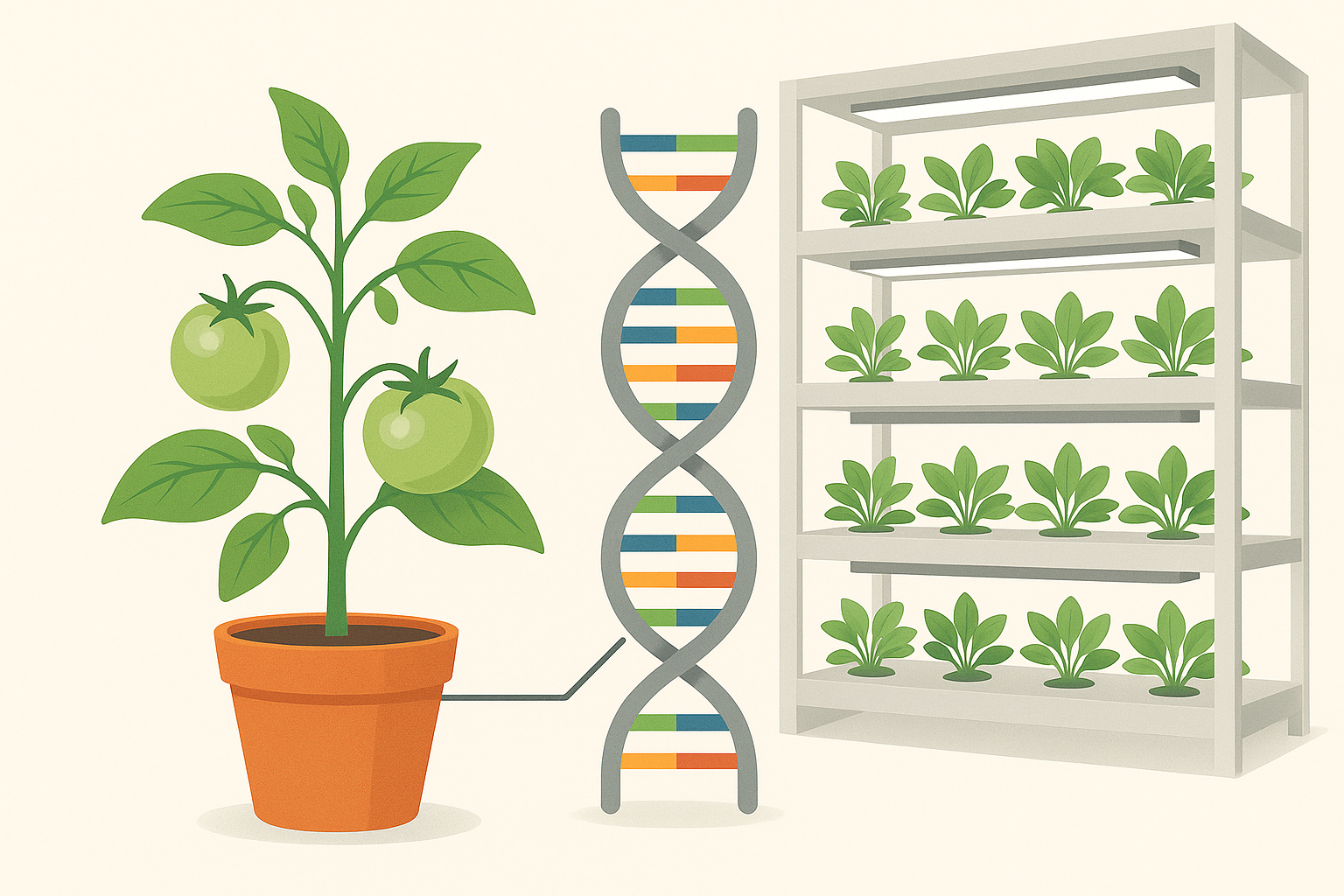
The potential of genetic modification of crop plants for CEA and vertical farming lies in its ability to align plant traits with
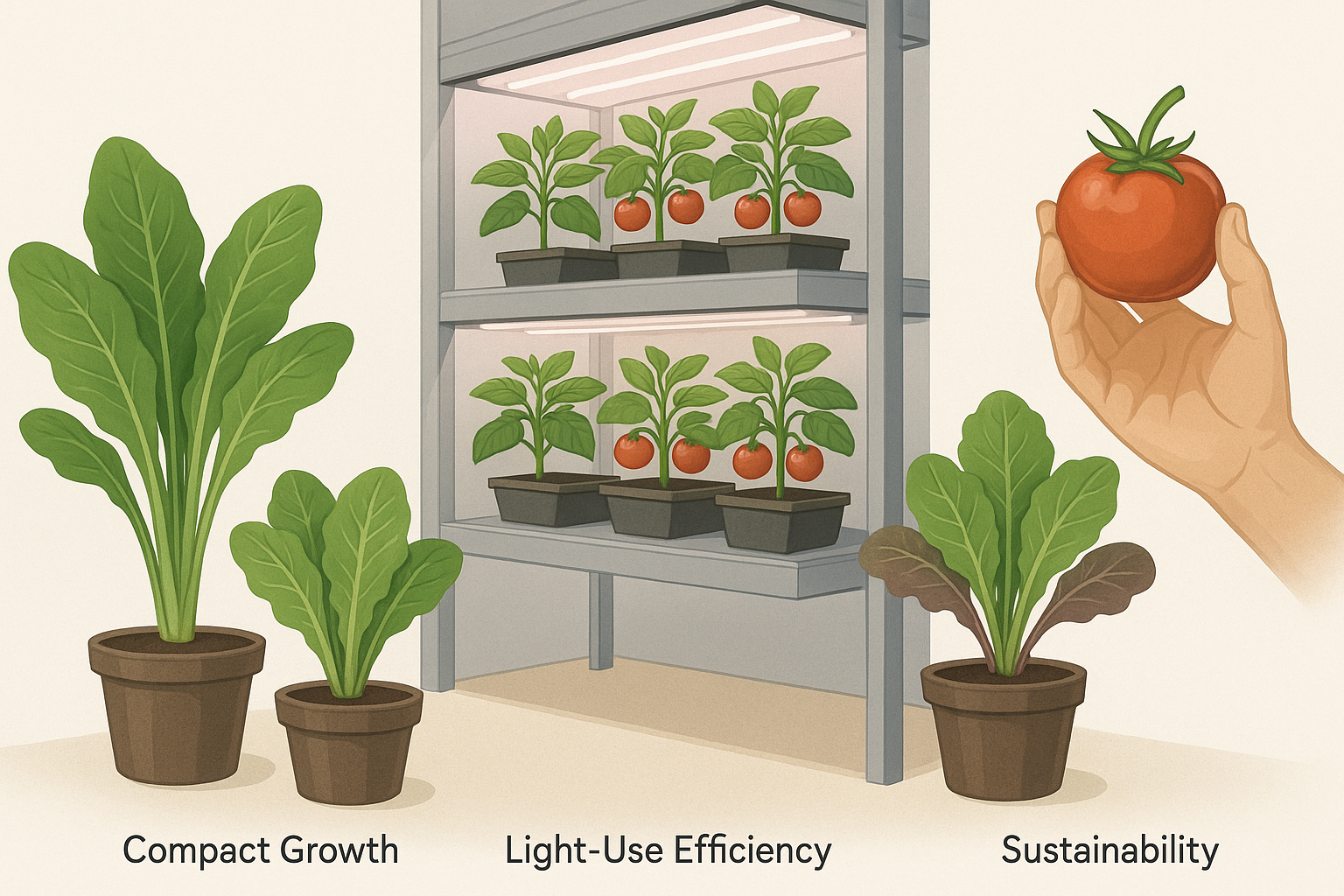
Plant breeding goals for vertical farming are distinct from those developed for conventional agriculture. Traditional breeding has historically prioritised yield, pest resistance,
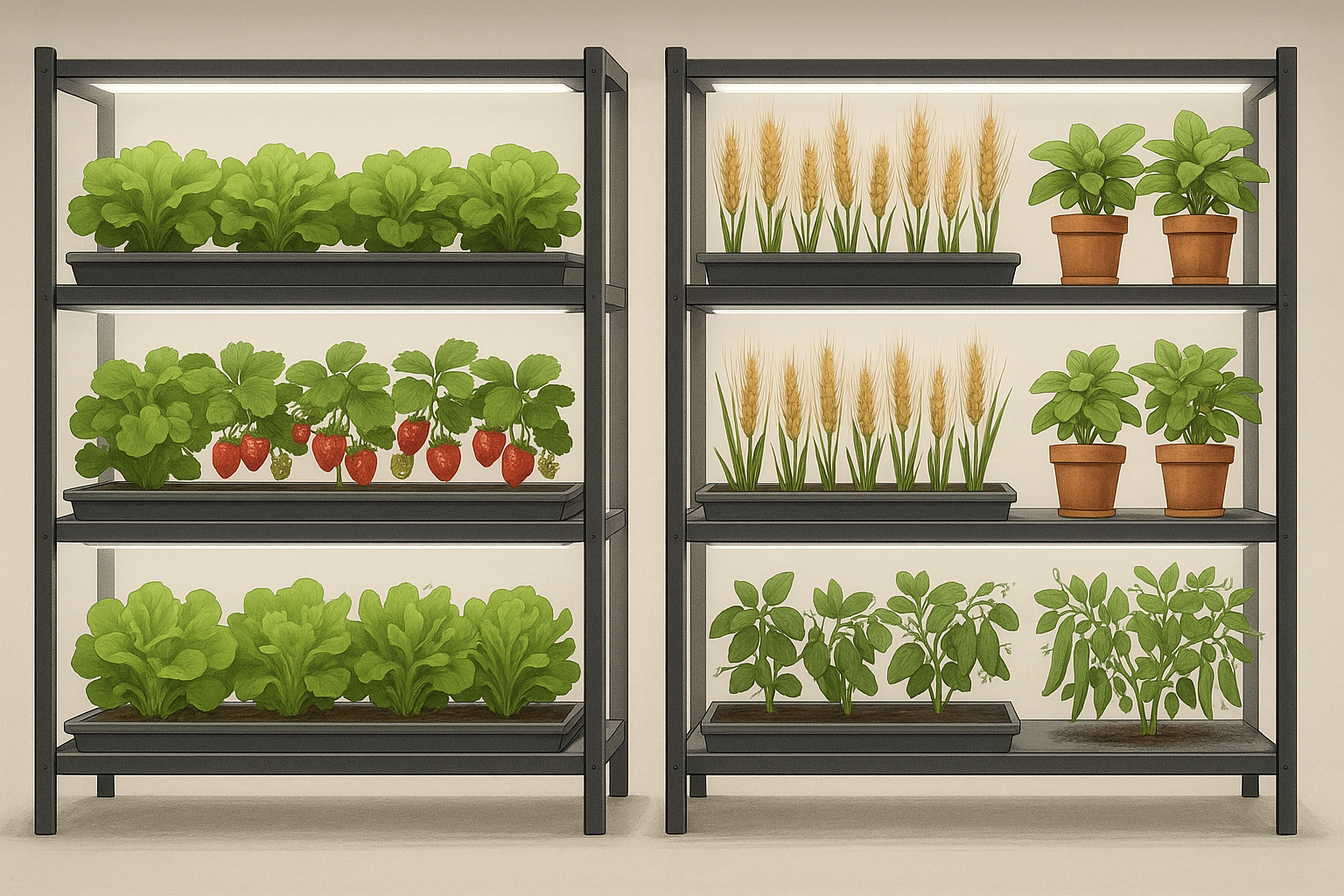
The idea of emerging crops in vertical farming is no longer limited to leafy greens and herbs; researchers, entrepreneurs, and policy-makers
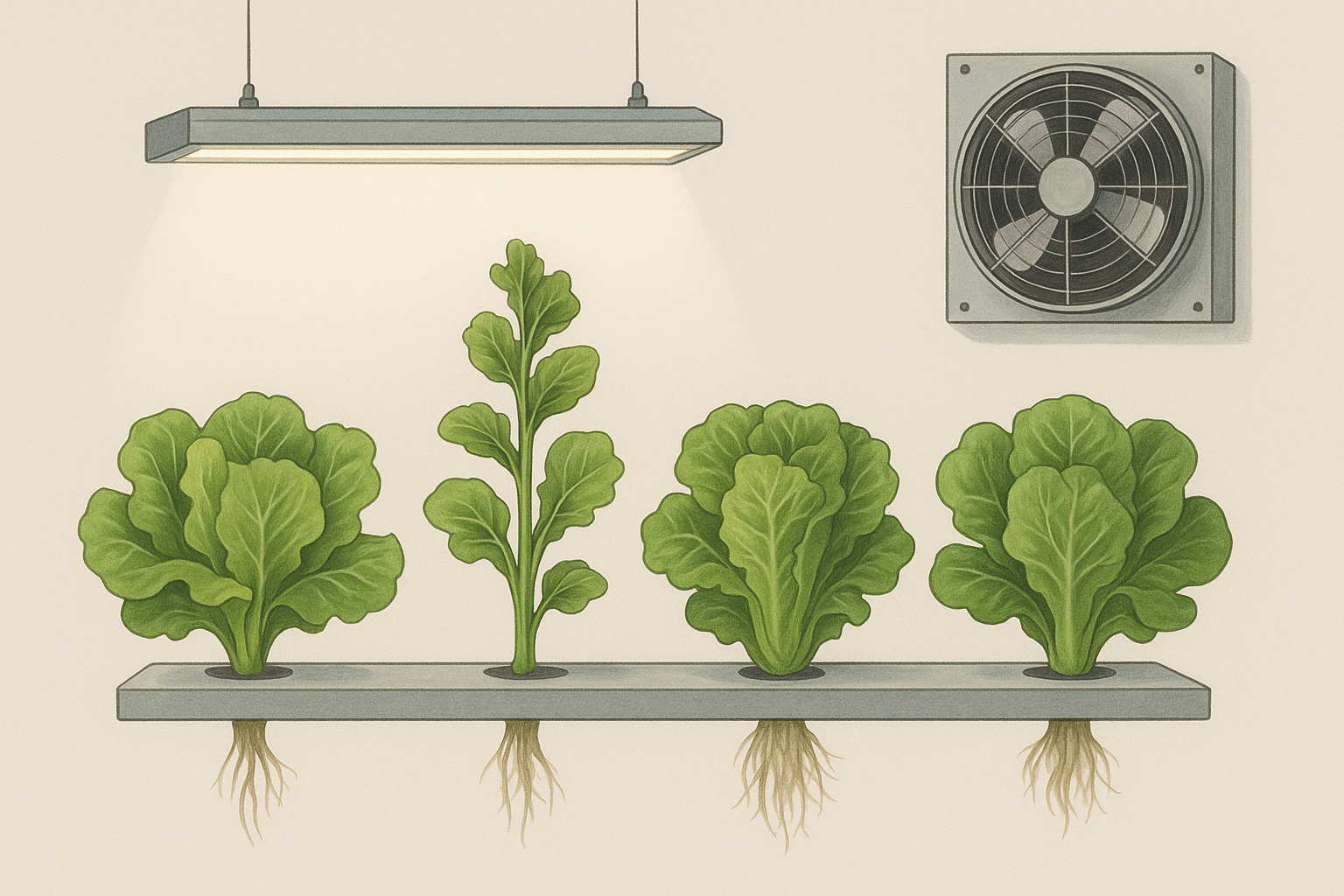
In nature, plant morphology is not a fixed outcome, it is a highly plastic and variable response shaped by environmental variables. In
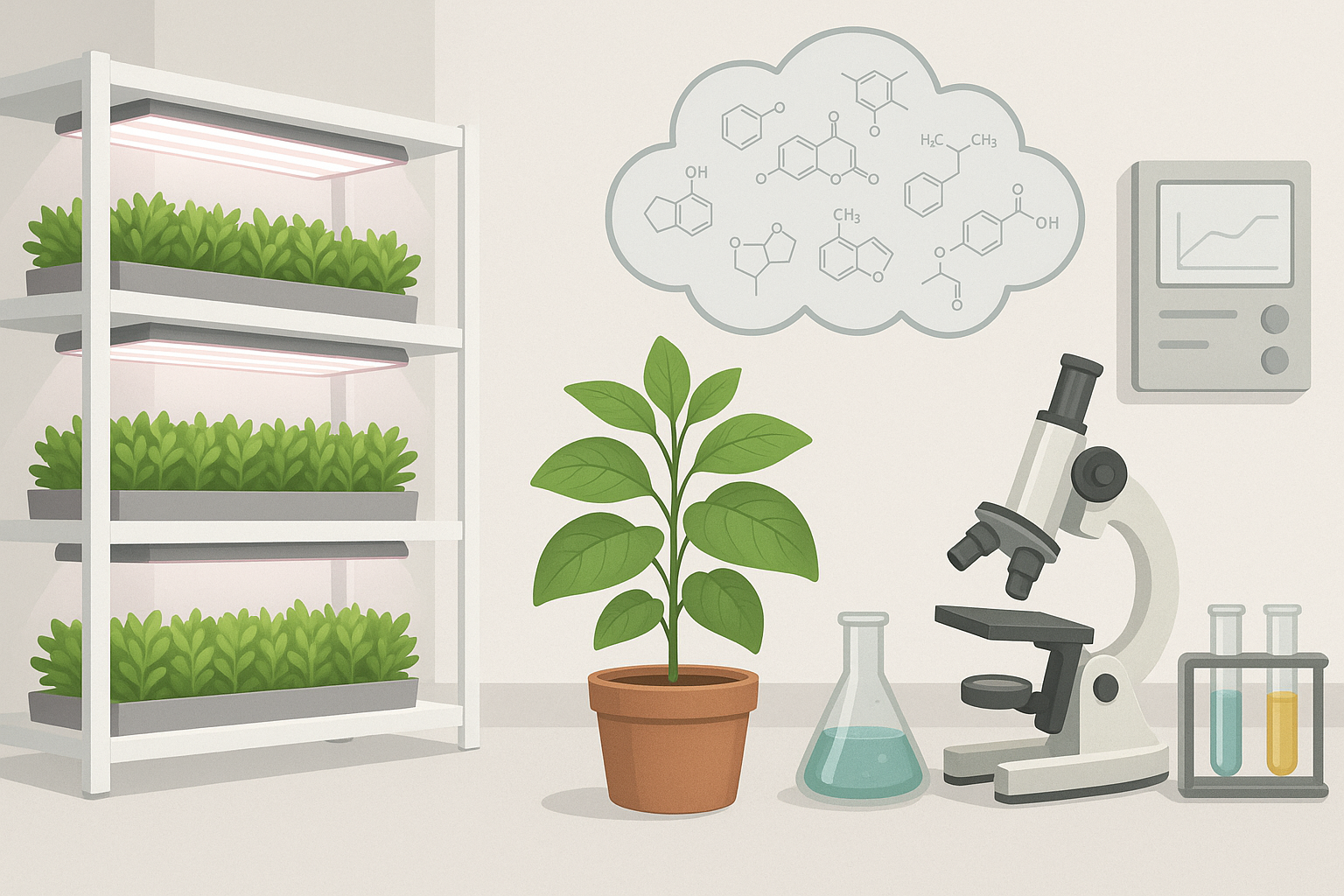
Secondary metabolites are organic compounds produced by plants and other organisms that are not essential for normal growth, development, or reproduction but
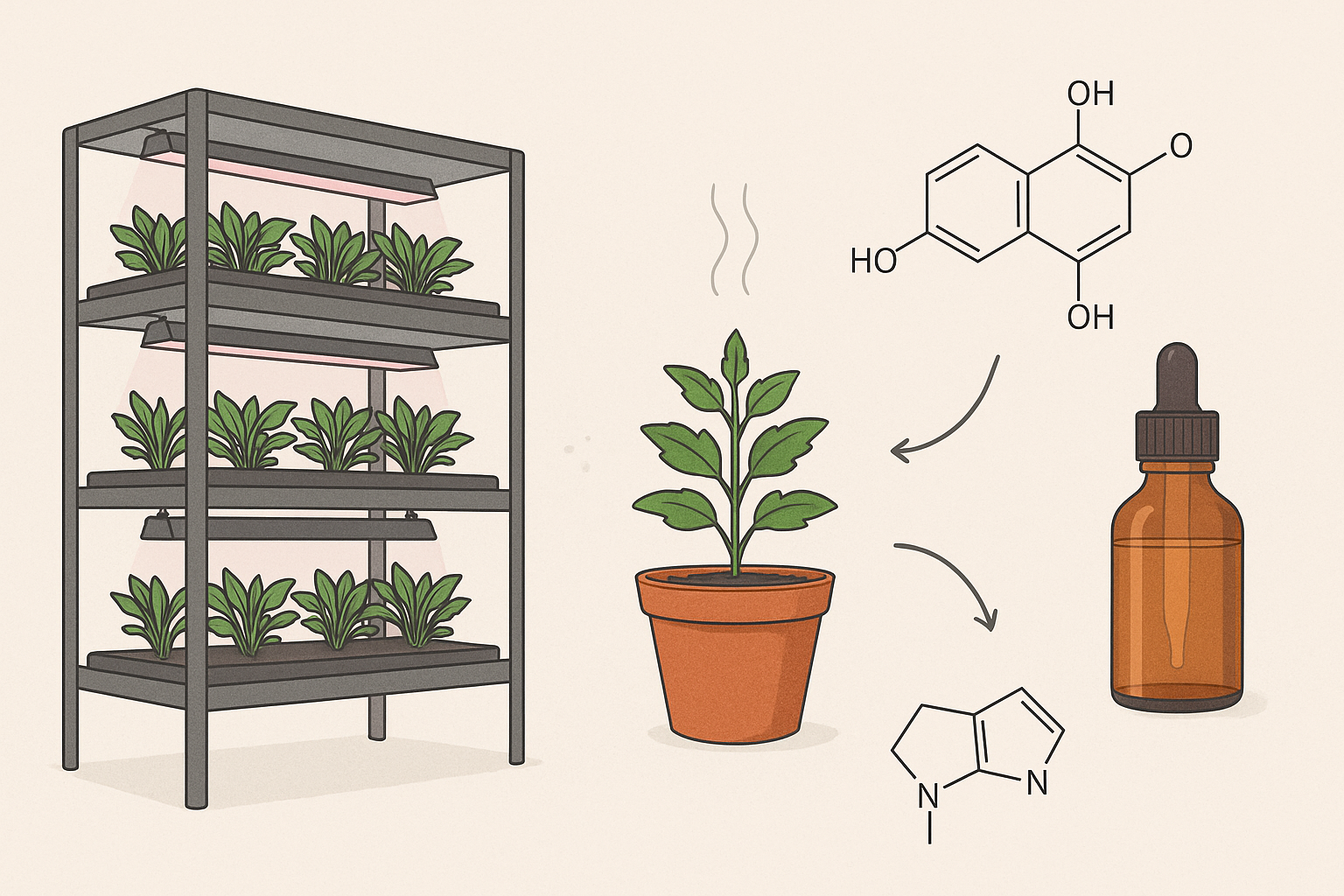
Using stress to initiate the production of novel compounds in plants has become a subject of significant interest within Controlled Environment Agriculture