
Photoperiodism is the mechanism by which plants sense and respond to the relative lengths of day and night, with consequences for growth, flowering, and reproduction. In natural ecosystems, photoperiod responses align plants with seasonal changes. In CEA, where lighting regimes are entirely human-managed, growers can deliberately manipulate these responses to optimise crop quality, yield, and scheduling. Understanding photoperiodism is therefore a practical and economic necessity for ensuring optimal crop outcomes.
What Photoperiodism Means
Photoperiodism is defined as the physiological reaction of organisms to the length of day or night. For plants, this is mediated by light-sensitive pigments such as phytochrome and cryptochrome, which act as photoreceptors. These receptors trigger signalling cascades that regulate flowering time, dormancy, and other developmental events. The mechanism is not dictated solely by the presence of light, but by its duration and timing.
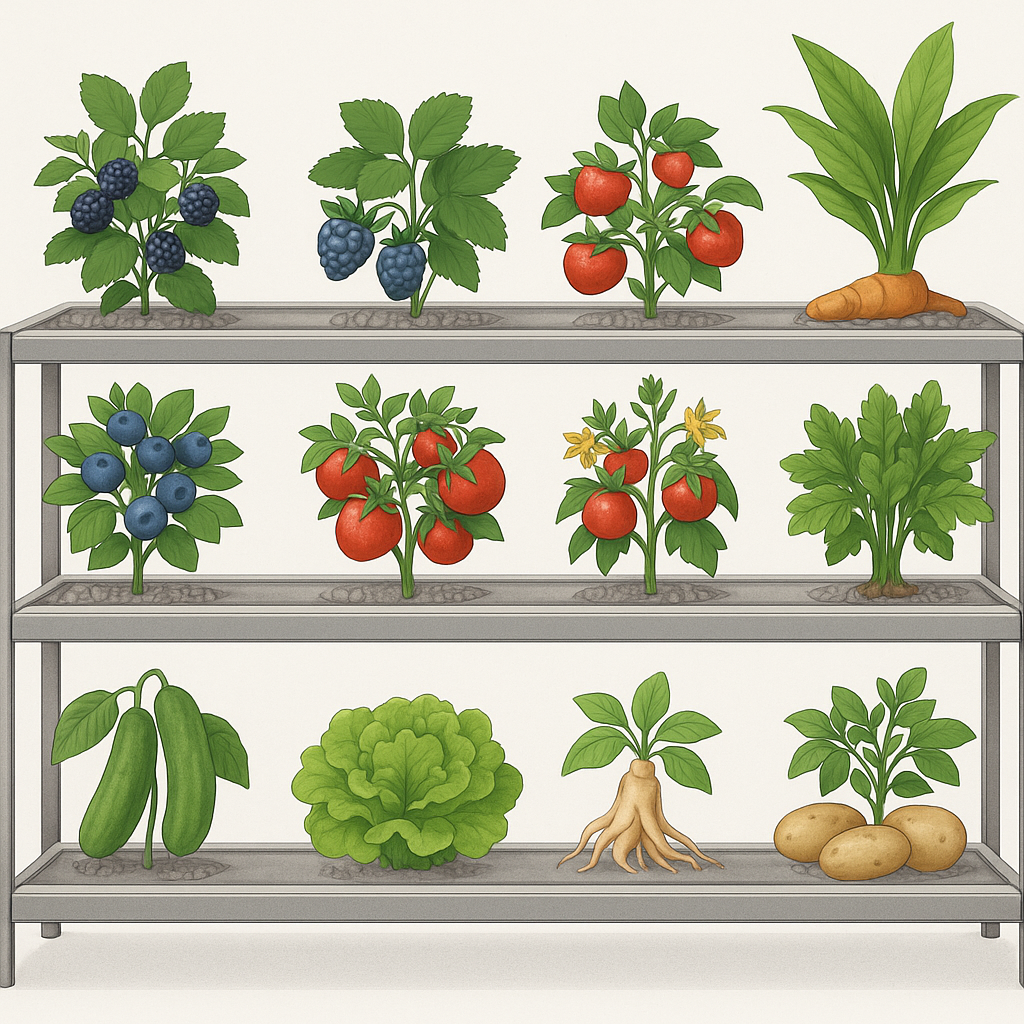
From a production perspective, plants fall into three broad categories. Short-day plants, such as chrysanthemums and soybeans, initiate flowering when nights exceed a critical length. Long-day plants, such as spinach and wheat, flower when nights are short. Day-neutral plants, including tomatoes and cucumbers, flower irrespective of day length but can still be influenced by light in terms of growth rate and biomass allocation. Recognising these categories allows indoor growers to control crop cycles with precision.
Applications in Controlled Environment Agriculture
Indoor farming systems allow growers to decouple plant development from natural seasonal constraints. By adjusting artificial light regimes, it becomes possible to induce flowering in long-day plants during winter, delay flowering in short-day crops until market demand peaks, or maintain vegetative states for leafy greens where biomass rather than reproductive organs are desired.
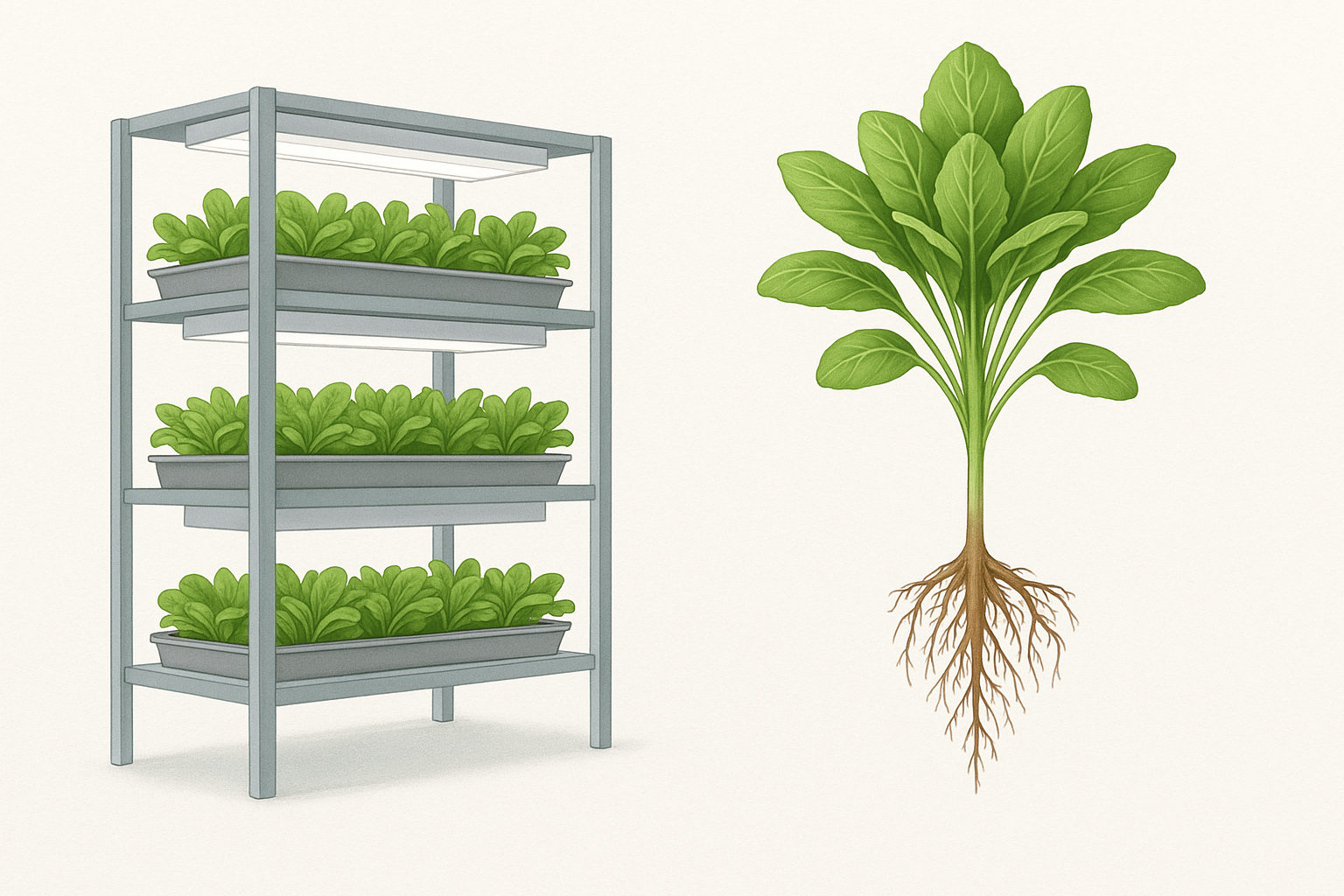
For example, lettuce production benefits from continuous vegetative growth without premature bolting. By maintaining light conditions that suppress flowering, growers can extend harvest periods and achieve consistent product quality. Conversely, in crops like strawberries, carefully managed photoperiods can trigger flowering in alignment with sales cycles, allowing year-round production for fresh markets.
These applications are not theoretical; they are already in practice in commercial vertical farms in Europe, North America, and East Asia. The ability to regulate photoperiod responses translates directly into predictable supply chains, reduced waste, and improved profitability.
Technical Considerations
While photoperiod manipulation is conceptually straightforward, its practical implementation requires precision. The critical night length for a given species can vary by cultivar, and responses may be further modulated by temperature and light quality (spectrum). Red and far-red wavelengths, in particular, are central to the phytochrome system. Consequently, LED lighting systems in vertical farms must be designed not only for energy efficiency, but also for spectral flexibility.
Moreover, timing devices must ensure strict control of light cycles. Even brief interruptions to dark periods can alter flowering responses; a few minutes of light during the night can prevent a short-day plant from initiating reproduction. This sensitivity demands high-quality automation and monitoring within CEA systems.
Broader Implications for Crop Strategy
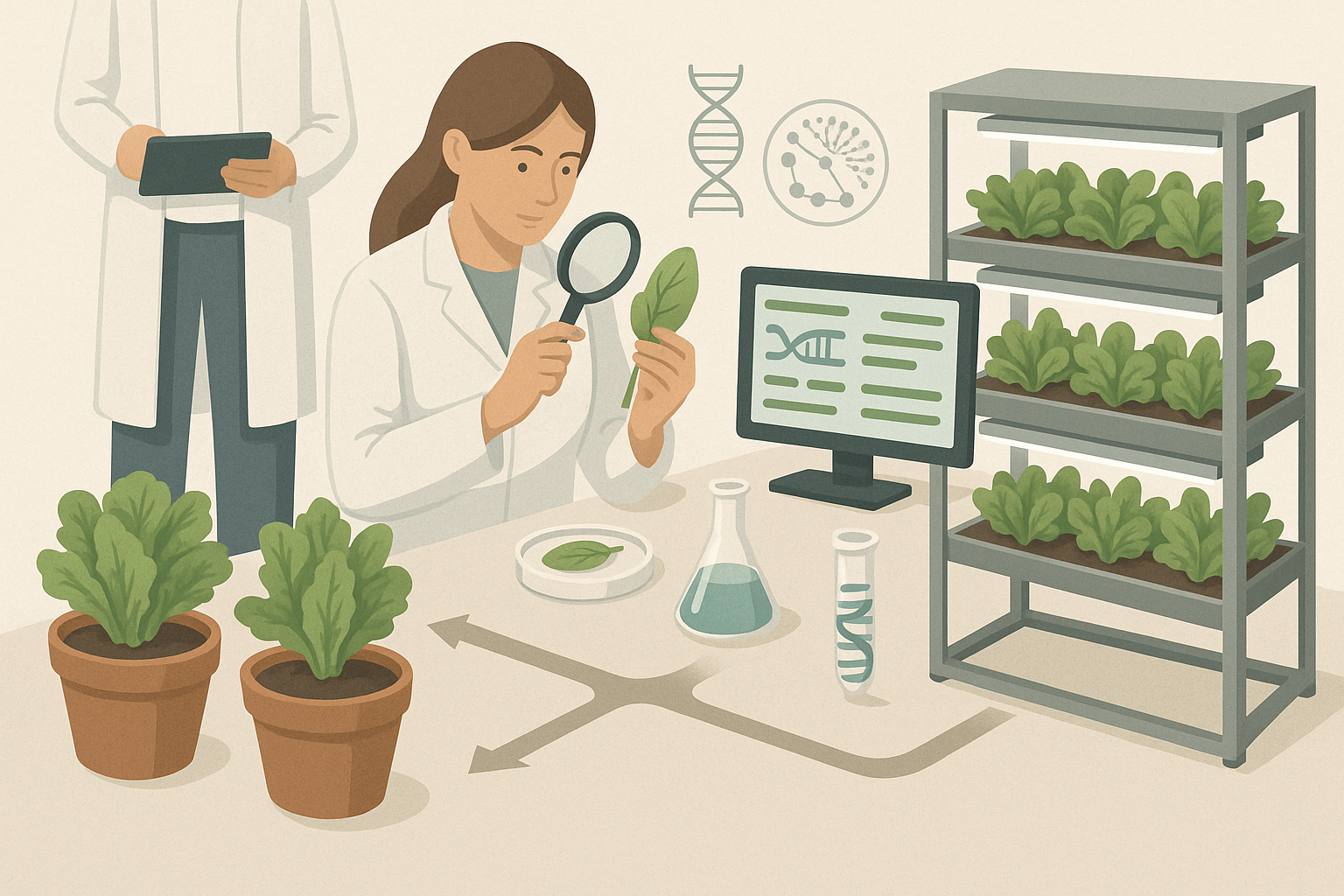
The strategic use of photoperiodism has implications for crop selection and diversification. For growers considering expansion, knowledge of photoperiod requirements can influence decisions about which crops are viable for their infrastructure. For researchers, photoperiod manipulation offers a tool for studying developmental biology under controlled conditions. For policy-makers, it highlights the role of CEA in enhancing food security by making production cycles more resilient to climate variability.
From an investment standpoint, photoperiod control represents a relatively low-cost intervention with high returns. Unlike capital-intensive upgrades such as robotics or advanced climate control systems, adjusting light cycles requires primarily knowledge, reliable fixtures, and programming systems. The operational gains can be significant, particularly where market timing is critical.
Conclusion
Plant photoperiodism in indoor farming is a key facet of successful cropping regimes, linking plant physiology with economic strategy. By understanding how plants perceive and respond to day length, growers can fine-tune development, extend seasons, and stabilise outputs. The concept integrates basic plant science with applied technology, demonstrating how careful manipulation of natural processes can support sustainable and commercially viable agriculture in controlled environments.