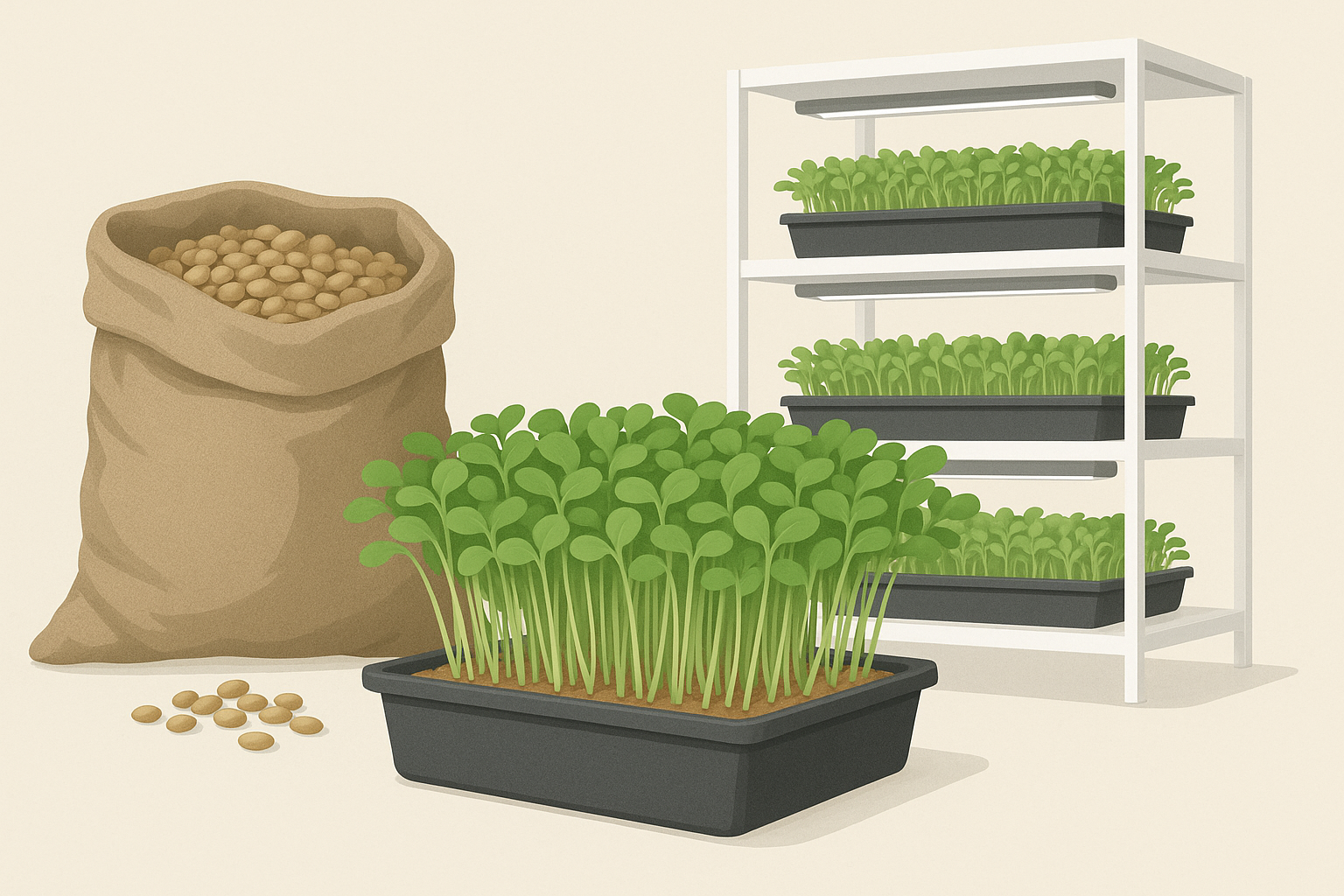
In Controlled Environment Agriculture (CEA), every harvest begins with seed, yet the demands of indoor farming expose a profound inefficiency: many systems, particularly those geared towards microgreen production, consume seed at an exceptionally high rate. Challenges sourcing seed for CEA become particularly acute in this context. Unlike field-grown crops, where plants are allowed to mature and produce large volumes of edible biomass, microgreens are harvested within days or weeks of germination, requiring dense sowing rates and leading to an extraordinary level of seed use per unit of output. As the sector grows, the central question emerges: where will the seed come from?
Seed demand in microgreen systems
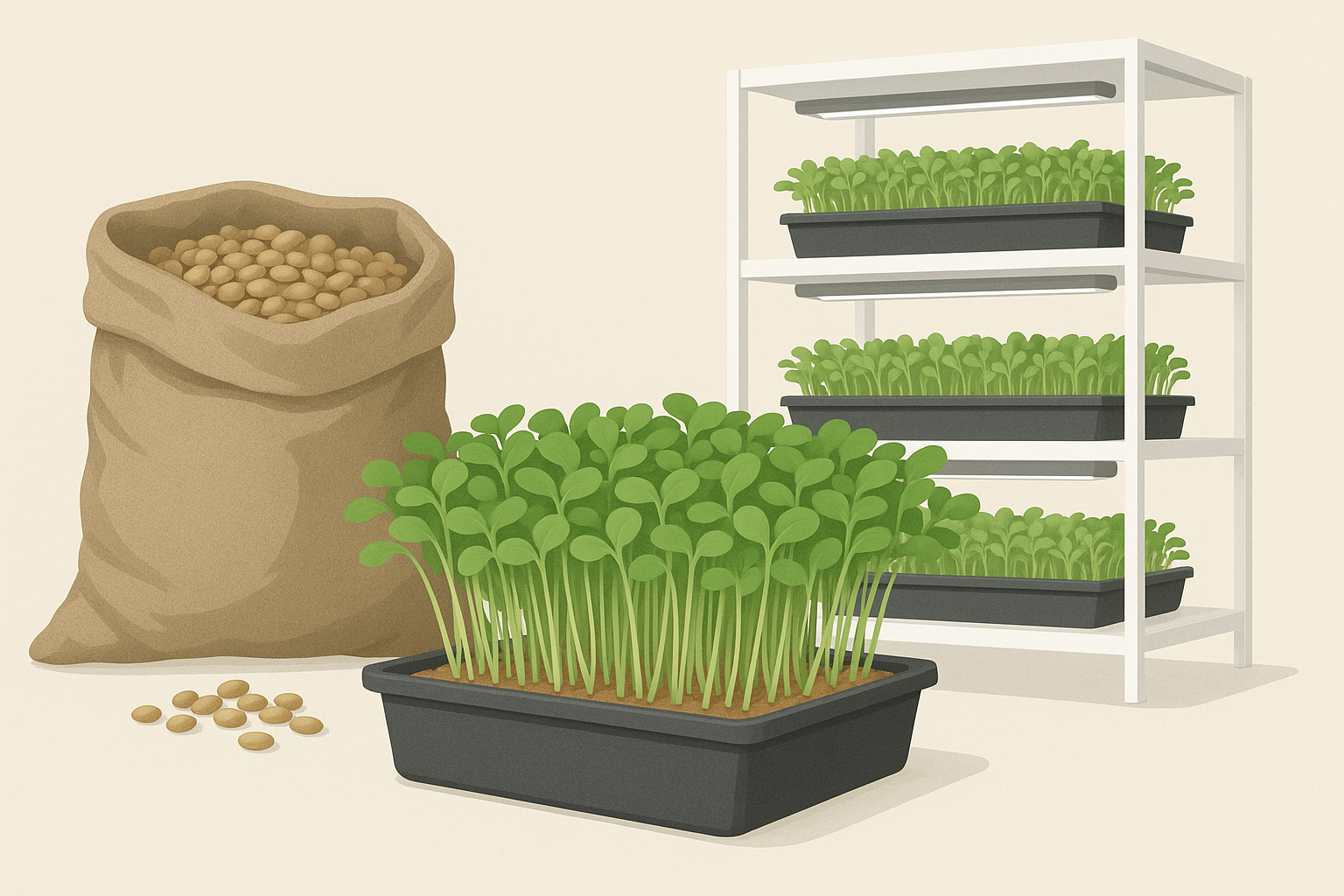
Microgreens have become one of the signature crops of vertical farms. They are fast-growing, highly nutritious, and well-suited to high-turnover production cycles. However, the biological reality is that to produce a tray of microgreens, hundreds of seeds must be sown densely and harvested before the plant reproduces. In traditional agriculture, a single plant might produce many thousands of seeds, replenishing the cycle. In CEA, the process ends abruptly at harvest. This makes microgreen systems unusually demanding in terms of seed supply: production is almost entirely dependent on continuous access to large volumes of high-quality seed.
CEA, food security, and seed demand
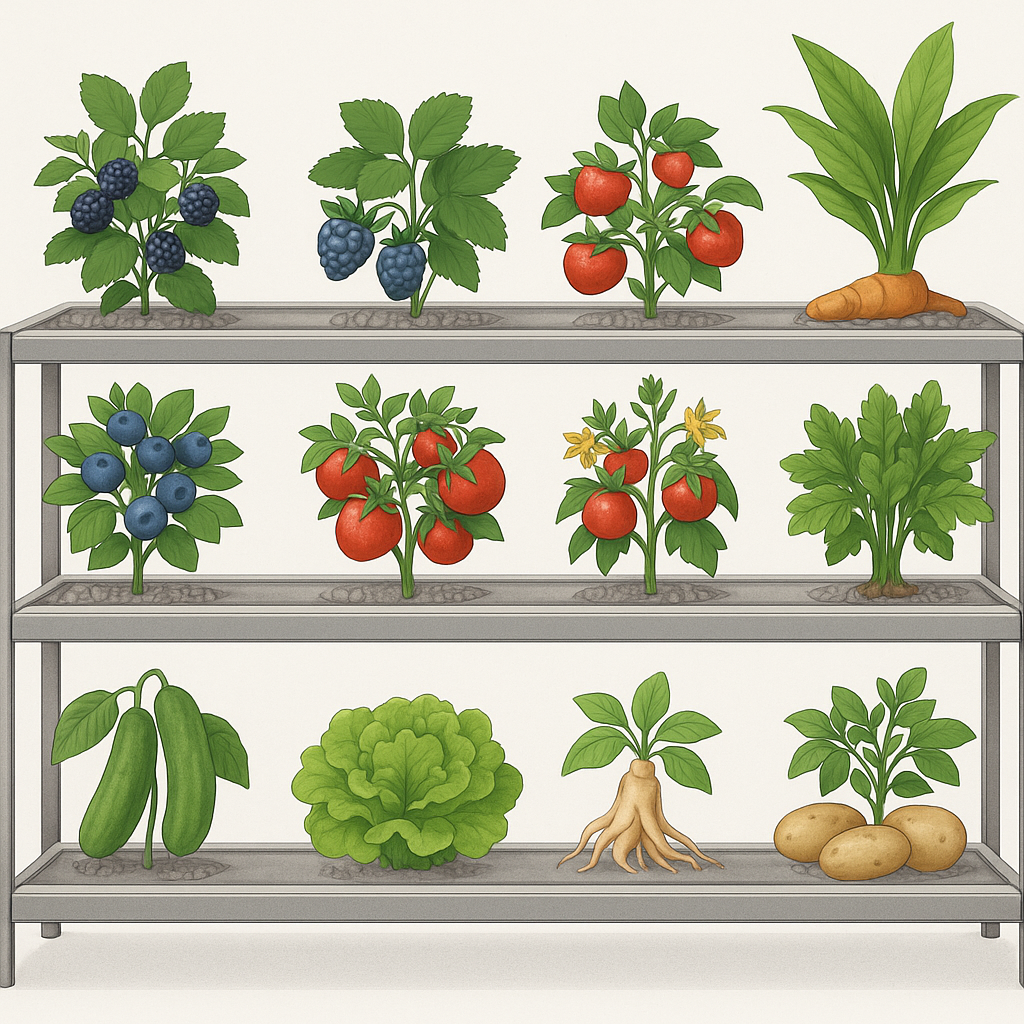
One of the most widely cited arguments in favour of Controlled Environment Agriculture is its potential to enhance food security. By producing fresh crops year-round, close to urban centres, and independent of weather volatility, indoor systems can help buffer against climate shocks, supply chain disruption, and declining availability of arable land. However, this vision raises a fundamental question: if a greater proportion of global food production shifts into vertical farms, how will the industry meet the associated surge in seed demand? Microgreen systems, in particular, consume seed at rates far higher than conventional farming, and even fruiting crops in vertical farms require reliable, continuous access to high-quality seed adapted to controlled environments. Unless seed supply is scaled alongside infrastructure, CEA risks becoming dependent on an increasingly fragile upstream system, undermining its ability to deliver the resilience it promises for future food security.
Supply chain inefficiencies
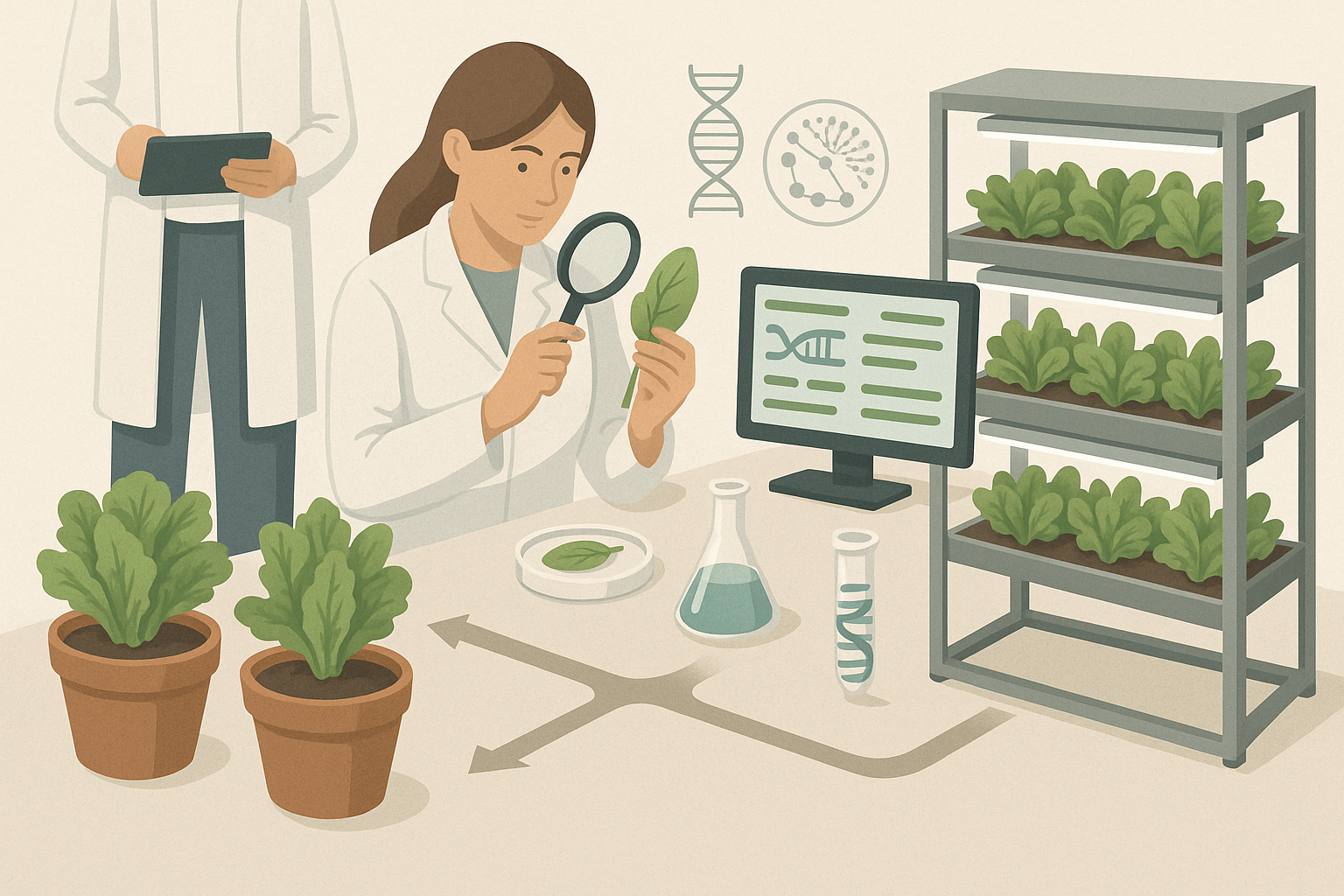
Global seed supply chains are primarily designed to meet the needs of traditional in-field farming, where demand is high but turnover is seasonal. Indoor farms, by contrast, operate continuously, often requiring weekly or even daily seed deliveries. This places strain on suppliers, who may not have infrastructure designed for such patterns. Moreover, the varieties most commonly used for microgreens are not bred with indoor farming in mind; growers often rely on field-bred seed repurposed for indoor systems. This creates inefficiencies in both performance and logistics: germination rates, uniformity, and seed coating technologies optimised for soil may not translate to hydroponic approaches.
The scale of the challenge
As more farms enter the sector, the scale of seed consumption becomes evident. A modest vertical farm producing trays of pea shoots or radish microgreens might use several kilograms of seed every week. Extrapolated across a growing industry, this equates to tonnes of seed that must be sourced, processed, packaged, and shipped. Unlike field farming, where seed is a relatively small input compared to land and fertiliser, seed in microgreen systems is one of the largest recurring costs. The economics of CEA are therefore closely tied to the availability and affordability of seed, making it a critical bottleneck for expansion.
Intellectual property and restricted access
The seed industry is heavily shaped by intellectual property regimes. Many varieties are proprietary, and even basic crops such as mustard, cress, or radish may be controlled by licensing arrangements. Indoor farmers often find themselves paying premium prices for seed that was never designed for their systems, without the possibility of reuse or on-farm production. In-house seed saving is not viable for microgreen crops, since the plants never reach maturity, further locking growers into dependence on external suppliers. This imbalance raises questions of fairness and sustainability: who controls the genetic resources on which the industry relies?
Market vulnerabilities
Seed supply for CEA is vulnerable to disruption. The industry is consolidated, with a small number of global players dominating seed distribution. If demand for microgreens continues to grow, price volatility and shortages are likely. For growers operating on tight margins, such instability could prove unsustainable. Regional seed hubs, localised breeding initiatives, and open-source genetics have been proposed as solutions, but they require investment and coordination. Without such measures, the indoor farming sector risks building its future on an unstable foundation.
The central paradox
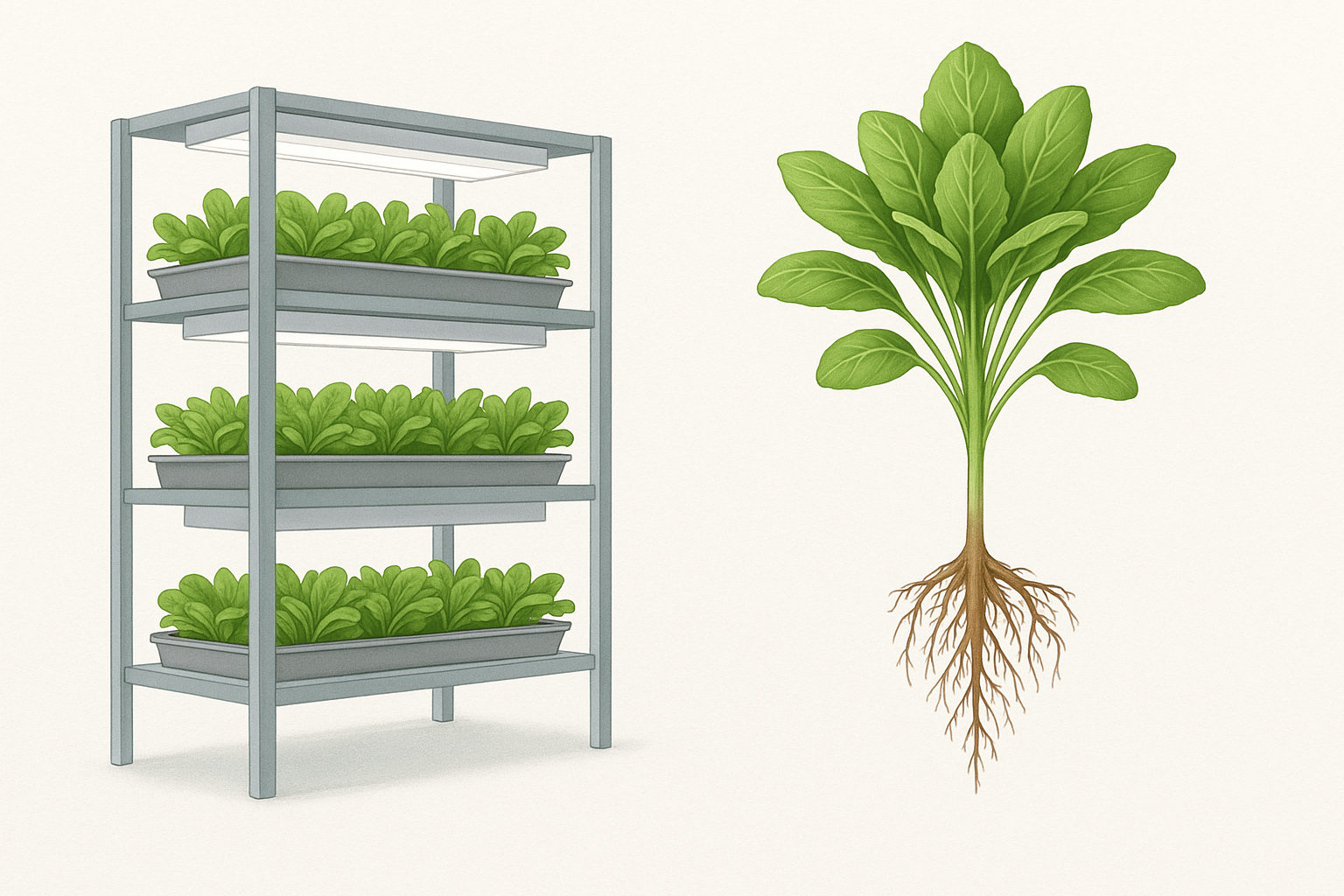
Microgreens exemplify a paradox at the heart of CEA: the drive for efficient, high-turnover production results in a system that is, at its root, inefficient in terms of seed usage. Each tray harvested represents thousands of seeds consumed but no new seed produced. As the sector expands, this dependence on external seed supply will become one of its defining constraints. Unless addressed, it could limit scalability, inflate costs, and undermine claims of sustainability.
Conclusion
Seed supply is often overlooked in discussions of vertical farming, yet in the case of microgreen production systems it is arguably the most critical factor. The sector’s future depends on whether seed production can keep pace with demand, and whether breeders will develop varieties tailored to controlled environments. For now, challenges sourcing seed for CEA highlight an uncomfortable truth: without innovation in seed supply, the promise of efficient, sustainable indoor farming will be challenging to achieve.