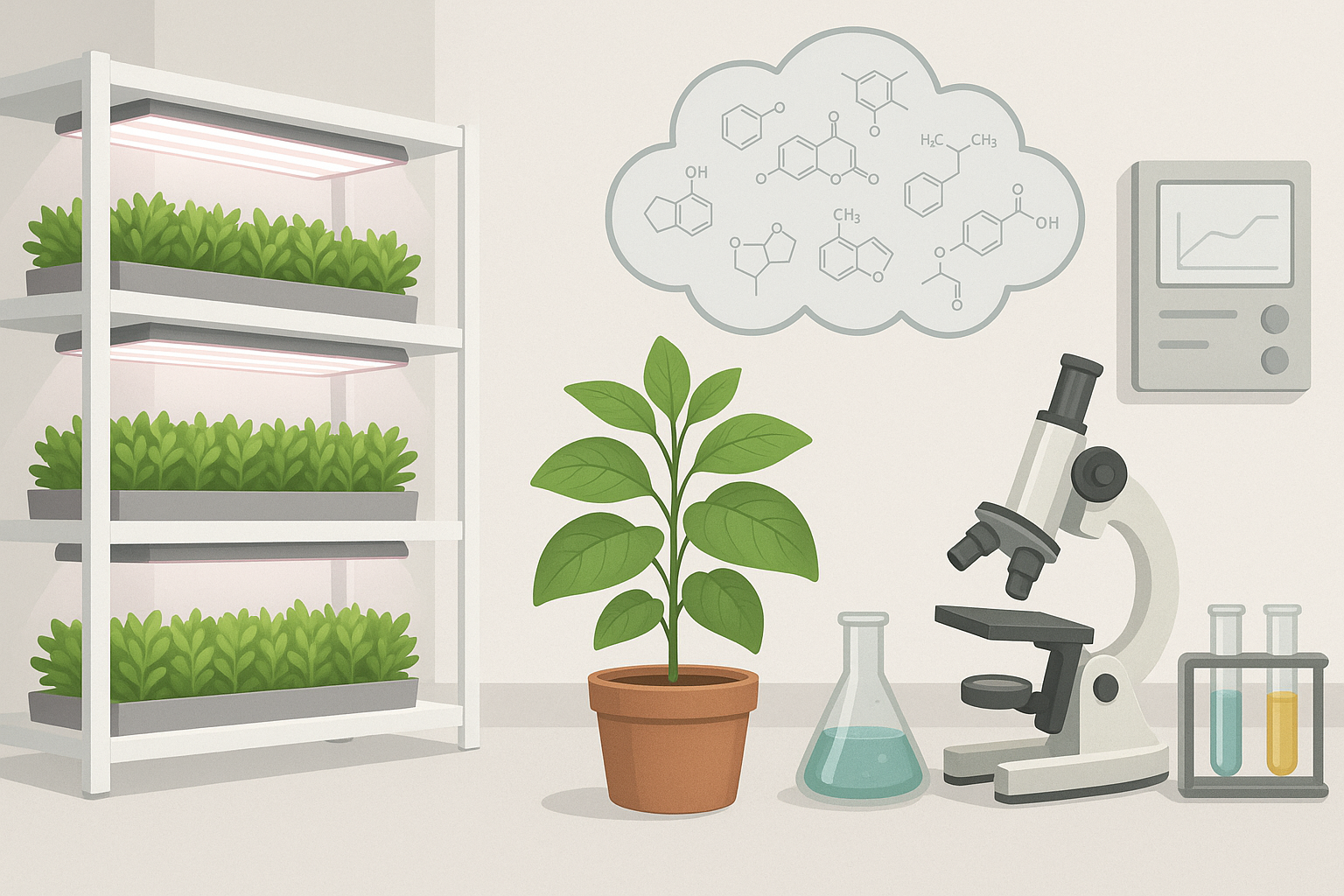
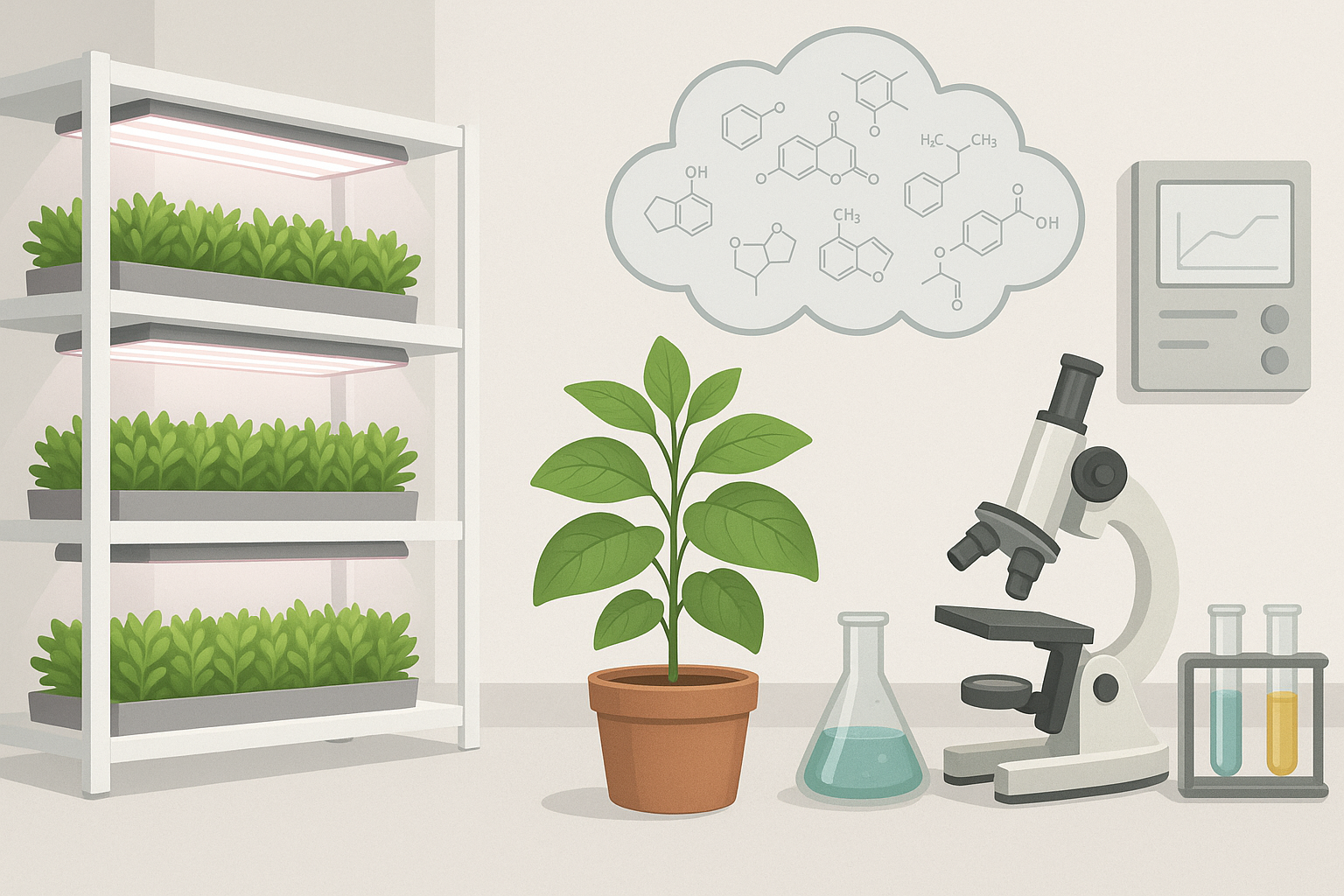
Secondary metabolites are organic compounds produced by plants and other organisms that are not essential for normal growth, development, or reproduction but allow adaptation or tolerance for a range of stress factors. Unlike primary metabolites, which are essential for plant growth and survival, secondary metabolites are compounds that often serve ecological or protective functions. These include alkaloids, terpenes, flavonoids, phenolic acids and other bioactive molecules. Their value lies not only in the role they play in plant physiology, but also in their applications for human use: from pharmaceuticals and nutraceuticals to flavours, fragrances and natural pesticides.
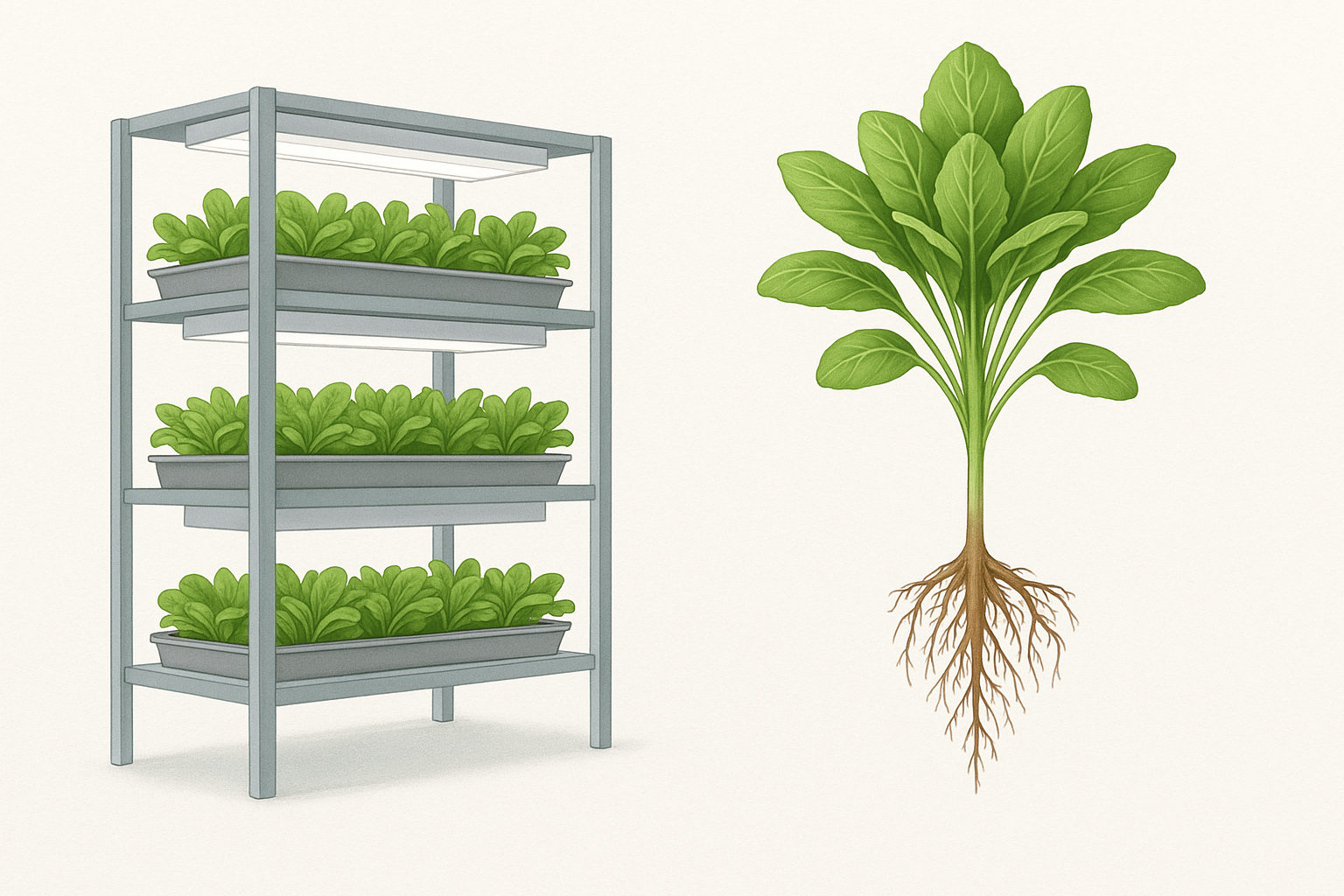
CEA systems, including vertical farms and indoor hydroponic facilities, provide an unparalleled opportunity to manipulate growing conditions with precision. This controlled manipulation allows researchers and growers to influence the biosynthetic pathways that underpin secondary metabolite production. The ability to create defined microclimates means that plants can be induced to produce specific compounds at higher concentrations, providing economic, nutritional and medicinal advantages.
What Secondary Metabolites Are and Why They Are Interesting
Secondary metabolites are diverse chemical compounds produced by plants that are not directly involved in growth or reproduction. They often act as defence molecules against pests and pathogens, signalling compounds in plant communication, or pigments that attract pollinators. From a human perspective, these same compounds are the foundation of many valuable chemicals: caffeine, nicotine, menthol, resveratrol and essential oils are well-known examples.
In agriculture and food systems, enhancing the production of these compounds within crops has value for both health and commerce. Flavonoids and polyphenols, for instance, are associated with antioxidant activity and improved nutritional quality. Alkaloids such as morphine or quinine demonstrate the pharmaceutical relevance of secondary metabolites. In CEA, growers are beginning to see how specific cultivation practices can be designed not only to maximise yield, but also to optimise the biochemical quality of plants.
The Role of CEA in Shaping Secondary Metabolism
Indoor farming offers a degree of control that open-field agriculture cannot provide. Light intensity, spectral composition, nutrient solution formulation, humidity, temperature, carbon dioxide enrichment and other abiotic variables can be adjusted to direct plant metabolism. This precision allows growers to balance growth with stress induction. For example, mild abiotic stress, such as ultraviolet-B supplementation, is known to stimulate flavonoid accumulation. Similarly, altering red to far-red light ratios can influence terpene biosynthesis.
Nutrient management also plays a key role. Nitrogen availability, for instance, is strongly linked to alkaloid synthesis, while phosphorus limitation can trigger the accumulation of phenolic compounds. By carefully designing nutrient regimes, indoor growers can create conditions where plants are encouraged to divert metabolic resources towards secondary metabolite pathways.
Economic and Practical Implications
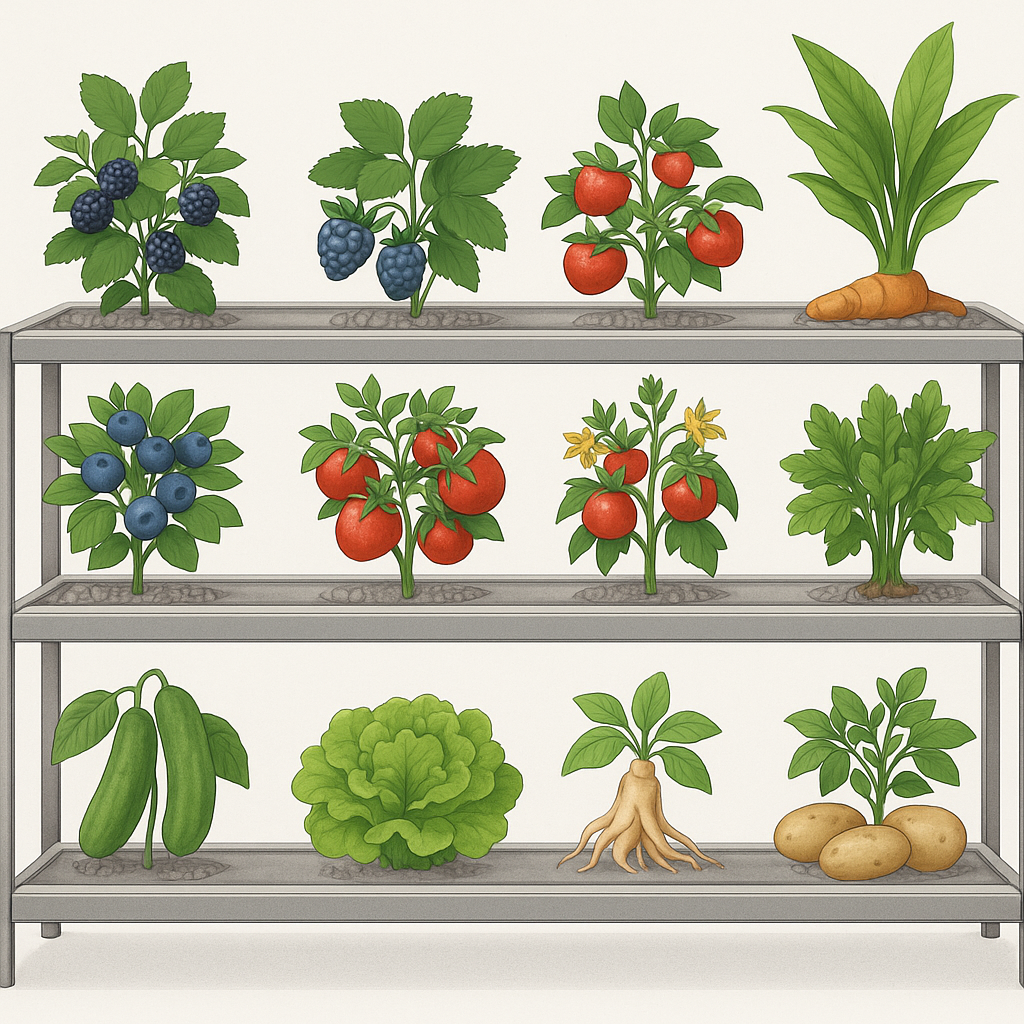
The commercial implications of secondary metabolite production in indoor farming are far-reaching. High-value crops such as medicinal herbs, aromatic plants and nutraceutical species can be cultivated in vertical farms with predictable biochemical outcomes. This reduces dependency on variable field conditions, secures supply chains, and supports industries requiring consistent quality and purity.
For pharmaceutical companies, CEA provides a route to reliable production of bioactive molecules without reliance on wild harvesting or variable field-grown crops. For the food and beverage sector, enhanced flavour and nutritional profiles can differentiate premium products. For growers themselves, shifting from a yield-maximisation model towards a quality-enhancement model opens new revenue streams and aligns with consumer demand for healthier, more functional produce.
Research Directions and Future Prospects
Research into secondary metabolite production in indoor farming is advancing rapidly. One frontier lies in the use of advanced lighting strategies, particularly light-emitting diodes (LEDs), which allow growers to apply narrow wavelength treatments that target specific biosynthetic pathways. Another lies in the integration of artificial intelligence and sensor-based monitoring, enabling real-time optimisation of growth conditions to enhance compound production.
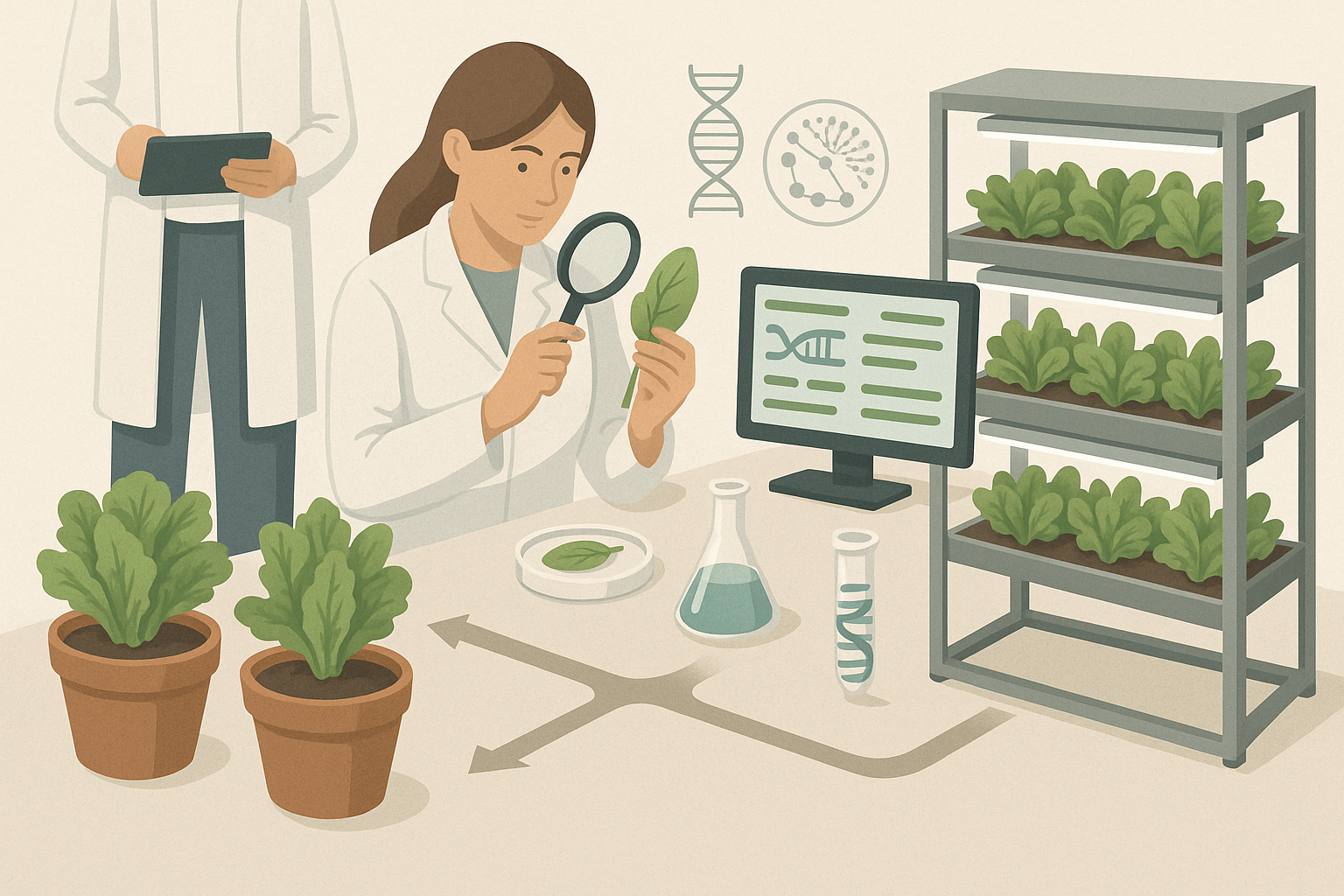
Biotechnological approaches are also merging with CEA. Genetic engineering and metabolic engineering, coupled with controlled environments, provide the possibility of tailoring plants to become more efficient producers of desired metabolites. Furthermore, plant tissue culture systems within CEA facilities can serve as biofactories, producing metabolites in a highly efficient and sustainable manner.
Challenges and Considerations
Despite its potential, this field also faces challenges. Secondary metabolite pathways are complex and often involve trade-offs between growth and defence. Inducing stress to increase metabolite yield may reduce biomass or delay growth, which can impact overall farm productivity. The cost of fine-tuned environmental control also raises questions about economic feasibility for different scales of operation.
Regulatory frameworks present another layer of complexity. Food safety authorities, pharmaceutical regulators and international trade standards require rigorous validation of bioactive compounds derived from controlled environments. Growers and researchers must therefore work within clear regulatory boundaries to ensure that secondary metabolites produced indoors are safe, effective and commercially viable.
Conclusion
Secondary metabolite production in indoor farming exemplifies the unique capacity of CEA to influence plant physiology beyond simple yield outcomes. By applying precise environmental controls, growers and researchers can shape biochemical pathways, enhancing the nutritional, medicinal and economic value of crops. This convergence of plant science, technology and market demand represents a dynamic and expanding frontier in vertical farming.
As research deepens, the capacity to design growing environments that consistently produce specific metabolites will position CEA as a critical contributor to global supply chains for food, health products and pharmaceuticals. Understanding how to manage these processes effectively will become central to the next generation of indoor farming strategies.