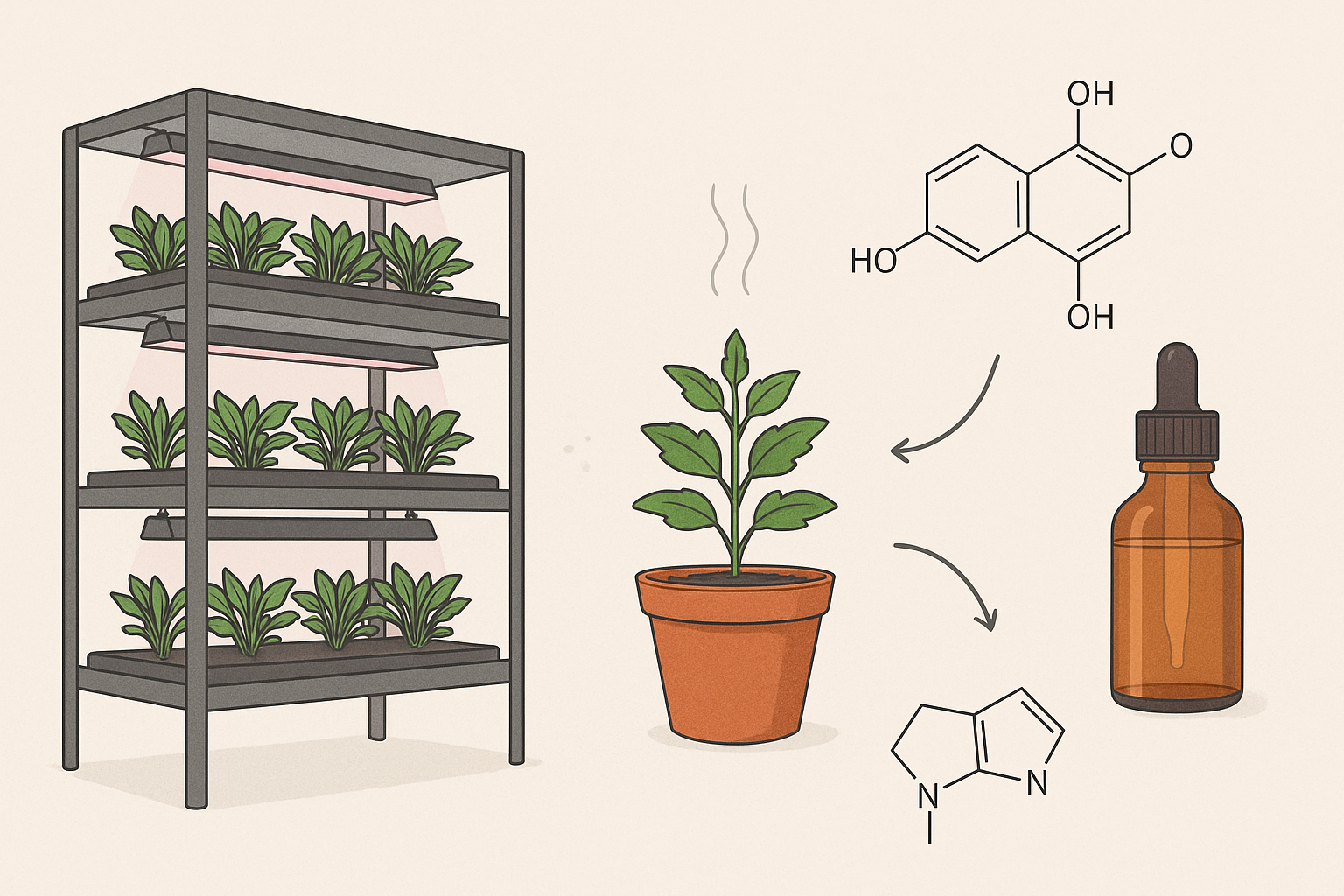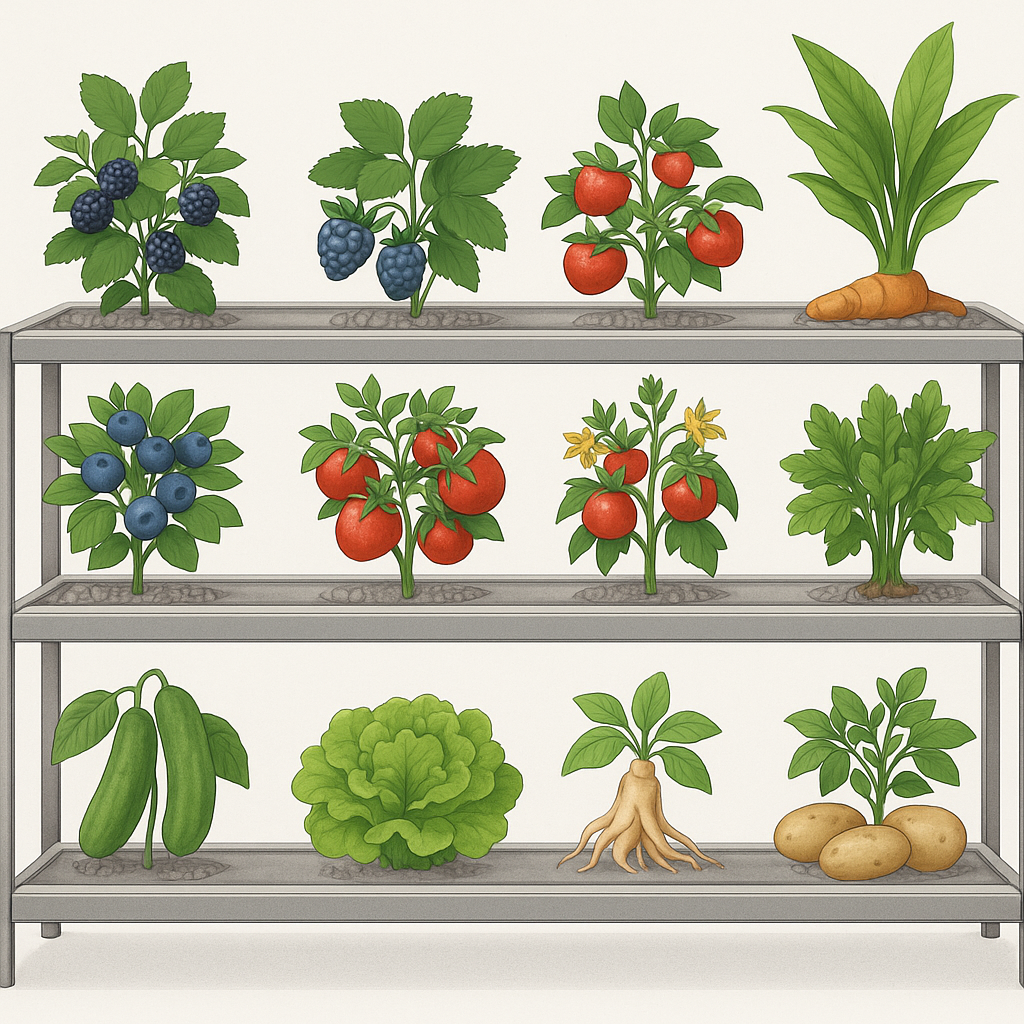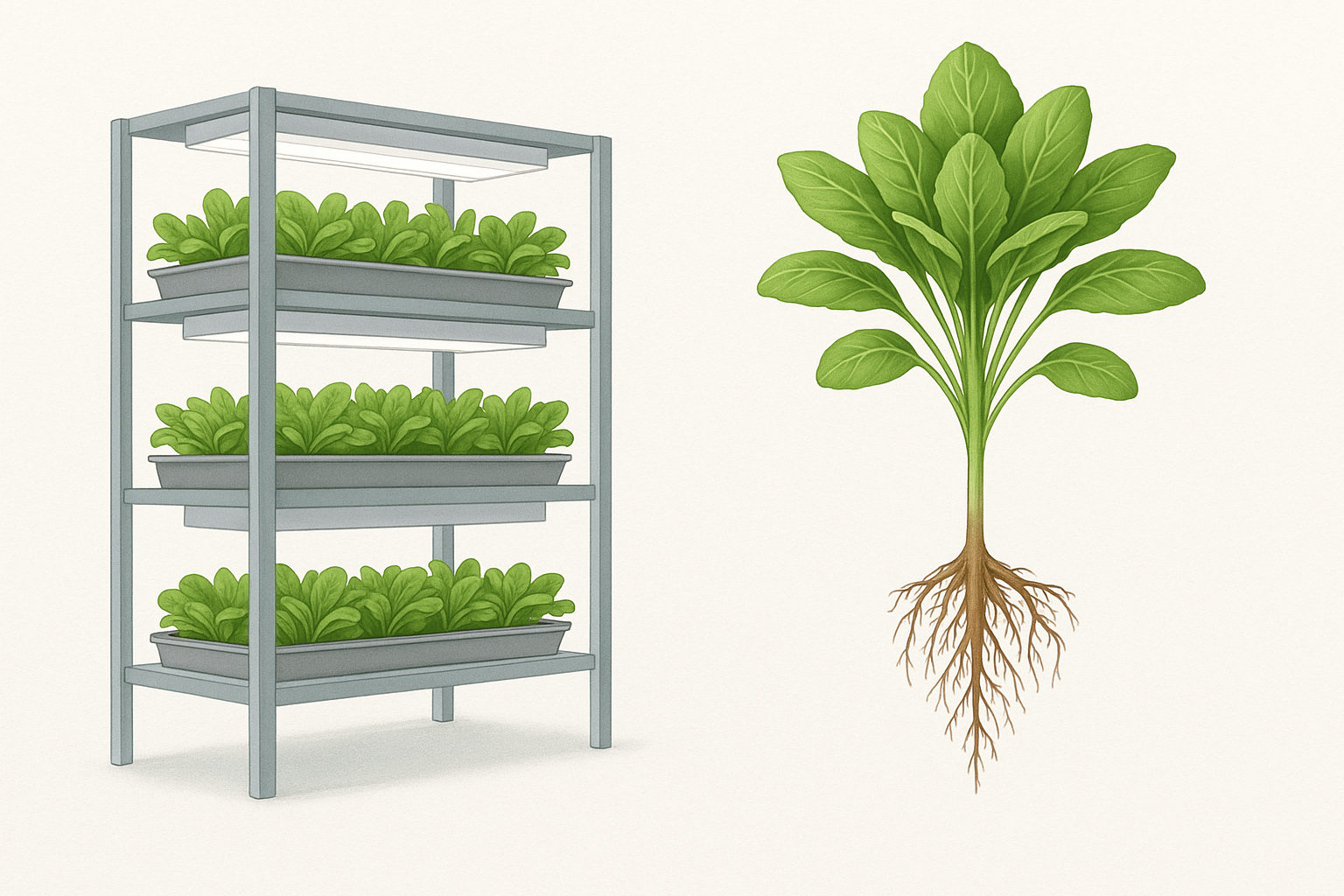
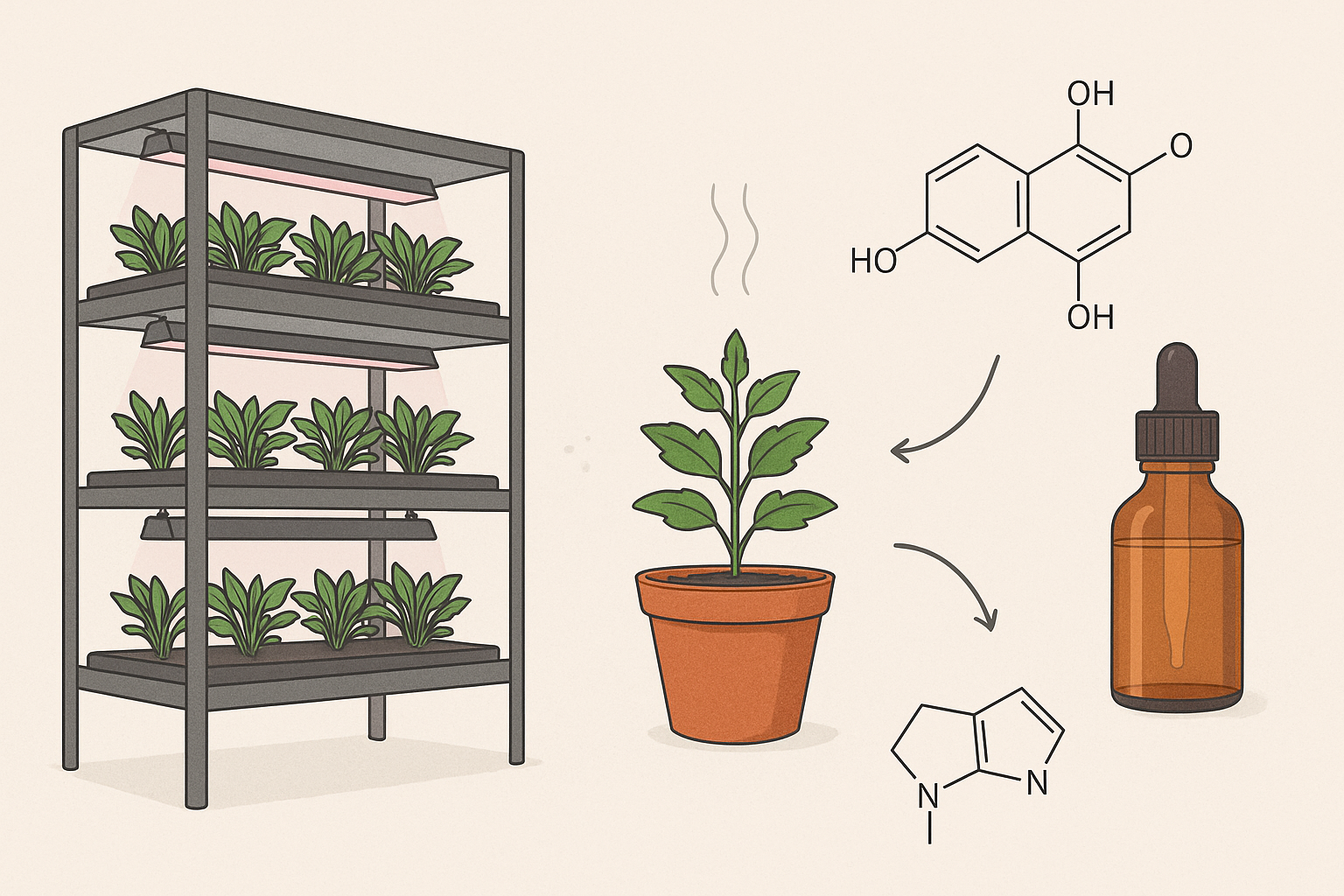
Using stress to initiate the production of novel compounds in plants has become a subject of significant interest within Controlled Environment Agriculture (CEA). Stress, when carefully induced and managed, can prompt plants to generate secondary metabolites that are not essential for primary growth but play critical roles in defence, adaptation, and survival. These compounds, which include flavonoids, alkaloids, terpenes, and phenolics, have recognised value in pharmaceuticals, nutraceuticals, food flavouring, and cosmetics. Unlike conventional field systems, CEA provides precise control over environmental factors such as light quality, nutrient composition, humidity, and carbon dioxide, making it possible to modulate stress responses in ways that are reproducible and scalable.
Understanding Plant Stress Responses
Stress in plants arises when environmental conditions deviate from optimal ranges. In nature, such stresses include drought, temperature, humidity, light variation (spectra, intensity), salinity, nutrient availability, pest pressure, and many others. In CEA, growers can simulate and fine-tune these stimuli to trigger specific metabolic pathways without endangering plant survival. This ability to "design" stress offers both scientific insight and commercial opportunity. For example, ultraviolet-B (UVB) exposure can enhance flavonoid production in leafy greens; mild nutrient deprivation can increase antioxidant compounds in herbs; and temperature shifts can influence alkaloid concentrations in medicinal plants. The challenge lies in achieving a balance between inducing stress to encourage metabolite synthesis and maintaining overall crop productivity.
Secondary Metabolites and Their Applications
Secondary metabolites are of particular interest because of their diverse applications beyond nutrition. Phenolic compounds, such as resveratrol, are investigated for their potential cardiovascular benefits. Terpenes and essential oils, produced in higher amounts under specific stress conditions, are valued in aromatherapy and perfumery. Alkaloids like nicotine, morphine, or caffeine, though more commonly associated with traditional field crops, illustrate the capacity of plants to generate biologically active molecules with profound pharmacological effects. In CEA, these compounds can be produced with greater consistency and purity, potentially reducing reliance on wild harvesting or environmentally sensitive cultivation regions.
Mechanisms of Stress-Induced Metabolite Production
Plant metabolic responses to stress are regulated by complex signalling networks involving phytohormones such as jasmonic acid, salicylic acid, and ethylene. These pathways govern gene expression linked to secondary metabolism. For instance, when a plant perceives UVB stress, transcription factors activate genes responsible for flavonoid biosynthesis, leading to the accumulation of protective pigments. Similarly, controlled water limitation can trigger osmoprotectants and antioxidants, while altered red:far-red light ratios can enhance phytoalexin production. Such mechanisms highlight the potential for precision agriculture systems to manipulate molecular outcomes with targeted interventions.
Opportunities in Controlled Environment Agriculture
CEA offers an unparalleled platform for harnessing stress responses. By adjusting environmental variables with accuracy, growers can establish production recipes tailored to maximise specific compound yields. For example, indoor farms cultivating basil can manipulate light spectra and nutrient stress to enhance essential oil concentrations, thereby improving flavour intensity. Lettuce grown under targeted UVB regimes can exhibit increased anthocyanin levels, producing leaves with enhanced antioxidant properties and visual appeal. For medicinal plants such as Artemisia annua, which produces artemisinin, optimising stress conditions could expand availability of critical therapeutic compounds.
Balancing Stress and Productivity
A central consideration is the trade-off between stimulating secondary metabolite synthesis and maintaining acceptable yields. Excessive stress can inhibit growth, reduce biomass, or even cause crop failure. Successful strategies therefore require a nuanced approach, sometimes alternating periods of optimal growth with periods of mild stress induction. Research suggests that carefully timed interventions, such as introducing light stress during late vegetative stages, can maximise compound concentrations without severely compromising harvest weight. Developing these protocols is an active area of study, requiring collaboration between plant physiologists, biochemists, and CEA technologists.
Research, Regulation, and Future Potential
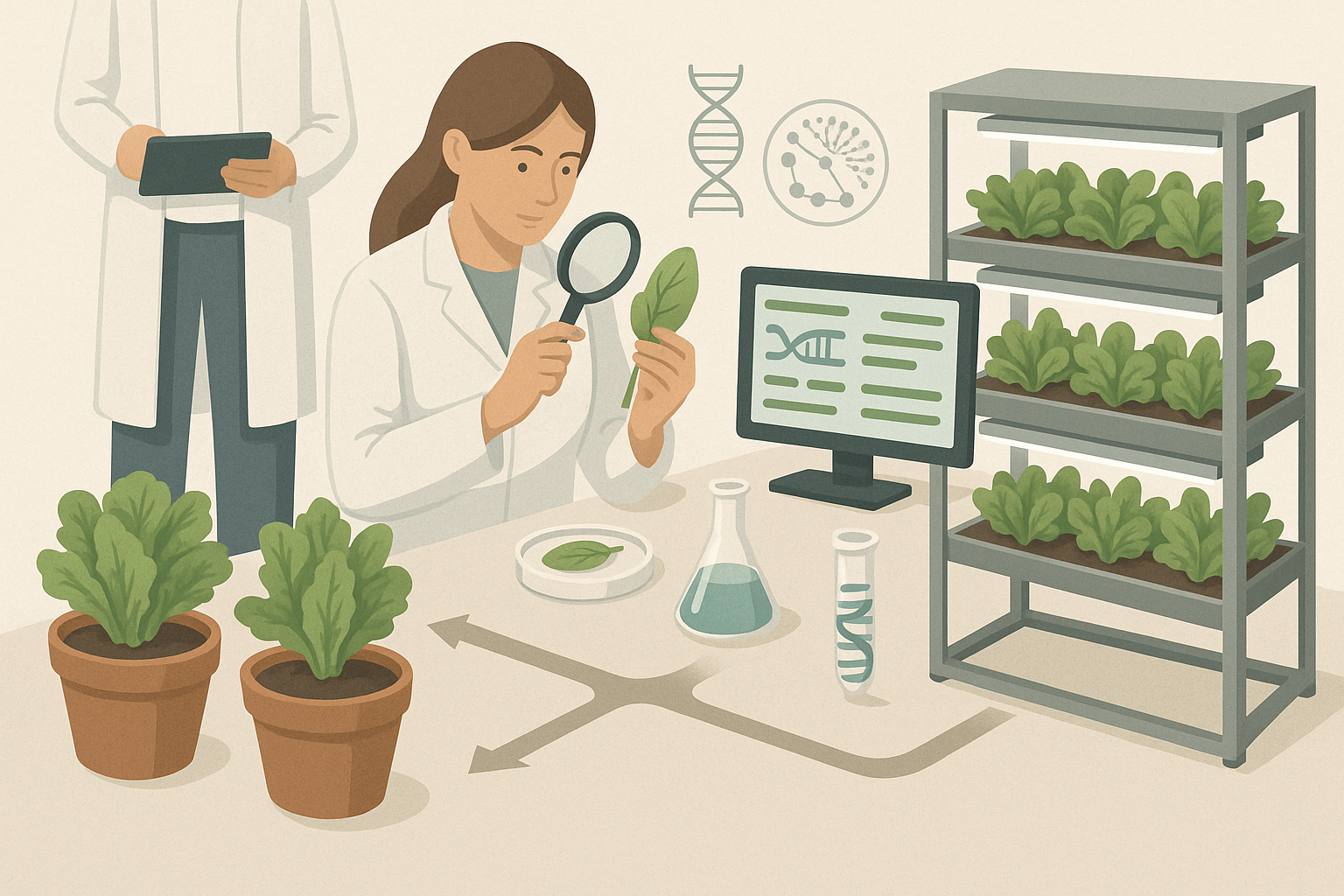
Scientific exploration of stress-induced metabolite production is supported by advances in molecular biology, metabolomics, and sensor technologies. These allow real-time monitoring of plant responses and the fine-tuning of environmental triggers. However, regulatory frameworks also influence how these compounds are commercialised. In the European Union, for example, novel foods legislation applies to products derived from non-traditional crops or processes. In the United States, Food and Drug Administration oversight applies to bioactive plant extracts intended for human consumption. For growers and investors, understanding these regulatory contexts is as important as mastering the technical details of production.
The future of plant stress research in CEA lies in bridging academic insight with commercial feasibility. Digital twins, artificial intelligence, and data-driven models are increasingly being applied to predict how crops will respond to varying stress regimes. Such integration could accelerate the development of reliable production systems for high-value compounds, expanding opportunities in pharmaceuticals, functional foods, and sustainable materials.
Conclusion
Plant stress for producing novel compounds represents a promising frontier for Controlled Environment Agriculture. Through precise manipulation of environmental conditions, growers can encourage plants to generate high-value metabolites with applications across multiple sectors. While challenges remain in balancing stress with yield, advances in technology and scientific understanding make this an achievable goal. By aligning technical innovation with regulatory clarity, CEA can contribute to a sustainable and commercially viable supply of plant-derived compounds that address both human health and industrial needs.