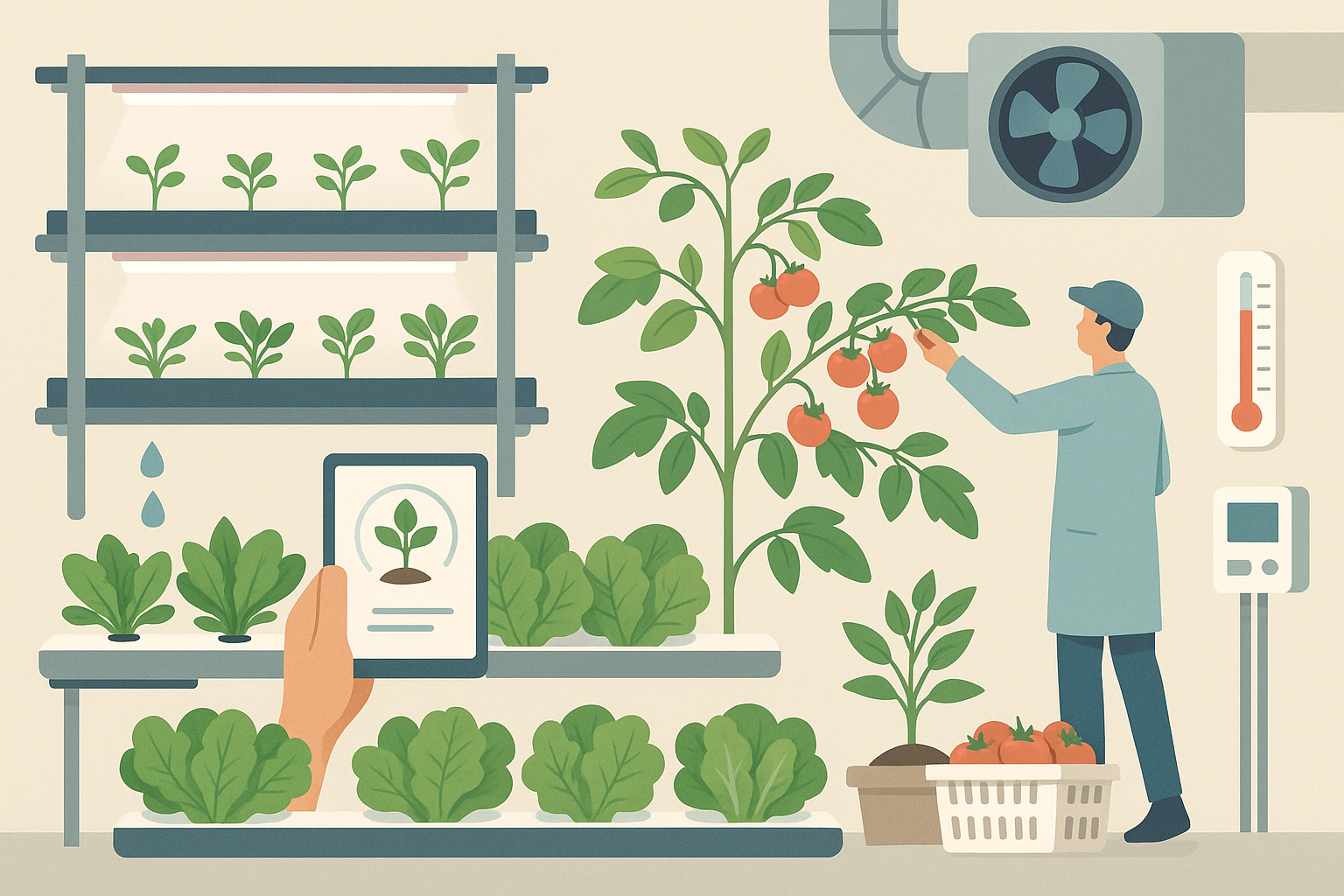
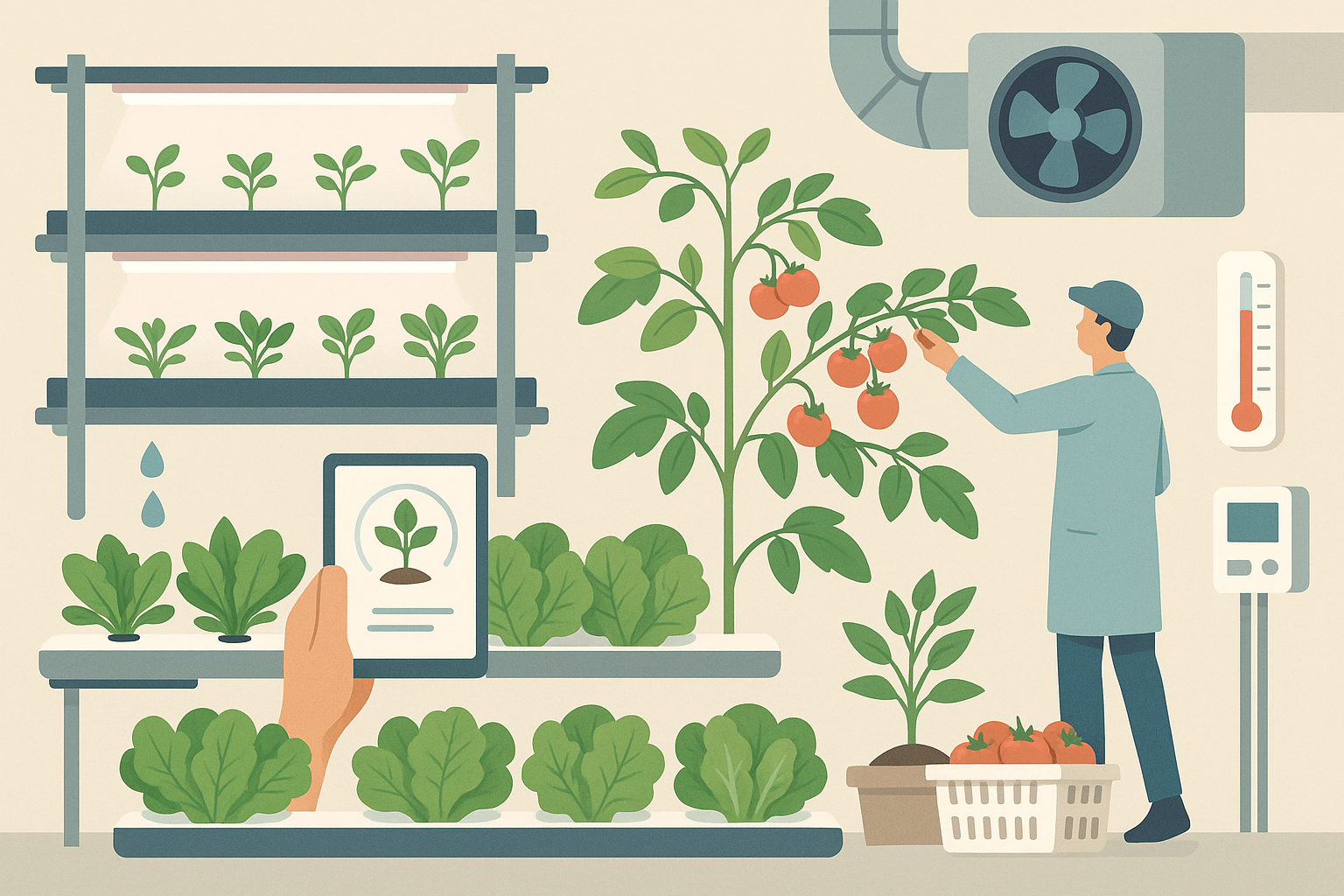
Crop management in vertical farming is both an art and a science. Unlike open-field agriculture, where environmental conditions are largely dictated by weather and season, controlled environment agriculture (CEA) allows growers to fine-tune every variable that influences plant growth. This precision offers unparalleled opportunities for productivity, quality, and resource efficiency, yet it also demands systematic strategies to avoid costly errors. For students, researchers, investors, and practitioners alike, understanding how crops are cultivated and managed in indoor systems is central to evaluating the potential of vertical farming as a reliable food production method.
Balancing control and complexity
Indoor farming environments provide complete control over light, temperature, humidity, carbon dioxide concentration, and nutrient delivery. This control creates optimal conditions for photosynthesis and plant development, but it also introduces complexity. Every variable is interconnected: adjusting humidity affects transpiration; altering light spectra can influence flowering or secondary metabolite production; nutrient delivery rates must be calibrated according to plant age and growth stage. Effective crop management therefore requires an integrated approach that treats the growing system as a whole rather than as isolated components.
The role of crop selection and growth planning
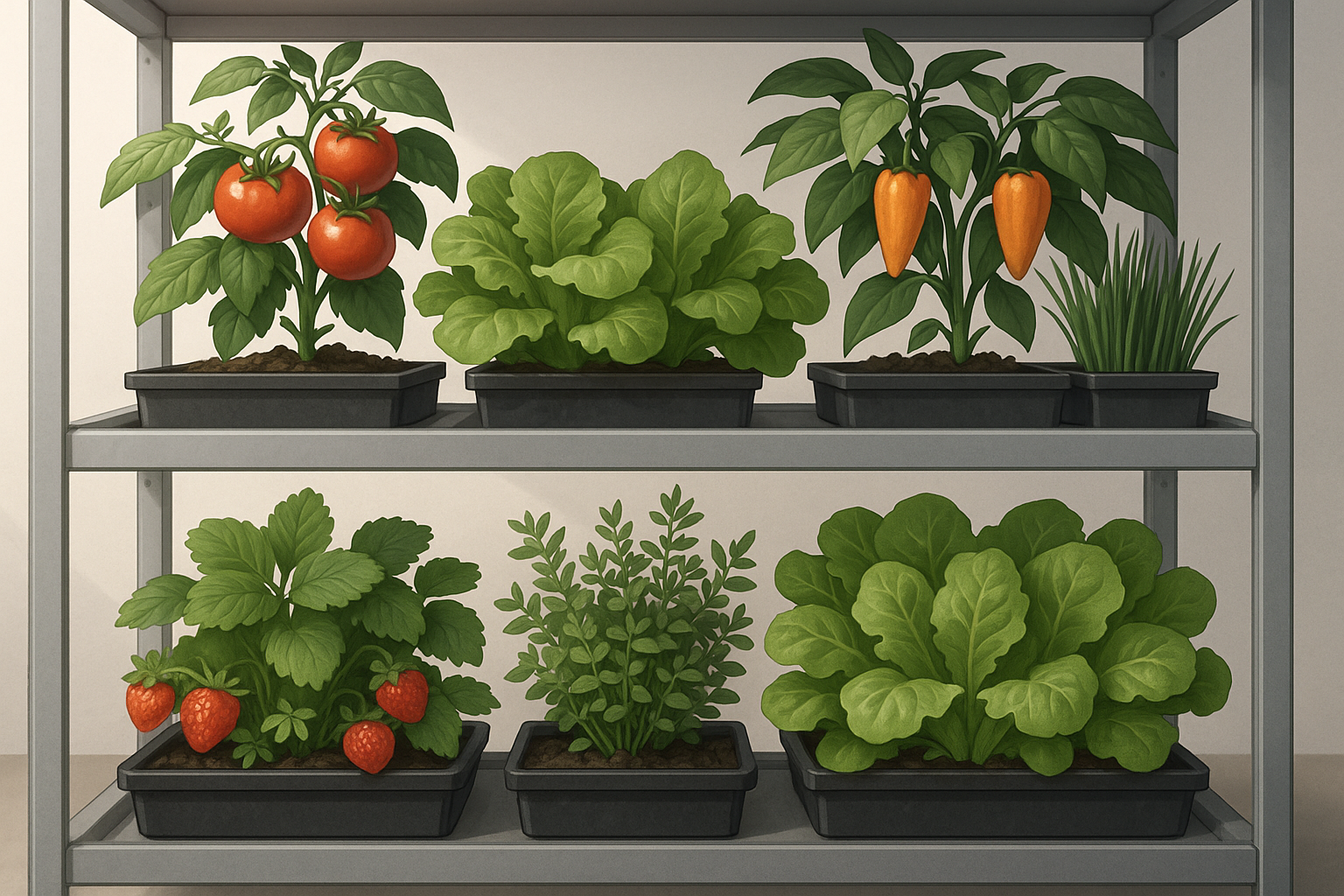
Strategic crop selection underpins successful indoor farming. Leafy greens, herbs, and microgreens have dominated the sector due to their short cycles and high value-to-weight ratio. However, as systems mature, fruiting crops such as tomatoes, peppers, and strawberries are increasingly being trialled at scale. Each crop type demands a tailored cultivation plan: growth duration, pruning requirements, training systems, and harvest scheduling must all be factored into production strategies. For example, indeterminate tomato varieties grown in high-wire systems require continuous pruning and pollination management, while fast-cycle lettuce demands precise sowing and harvesting rotations to ensure consistent market supply.
Light management and plant physiology
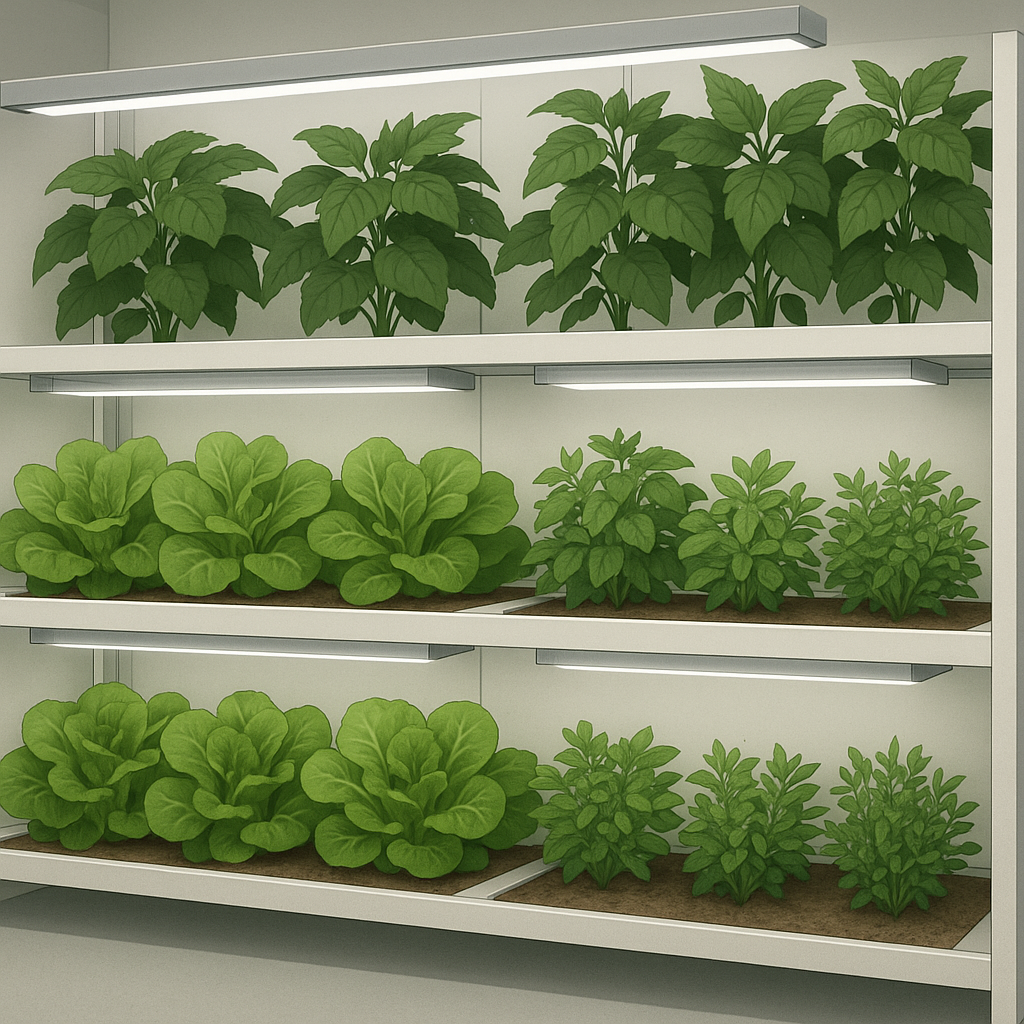
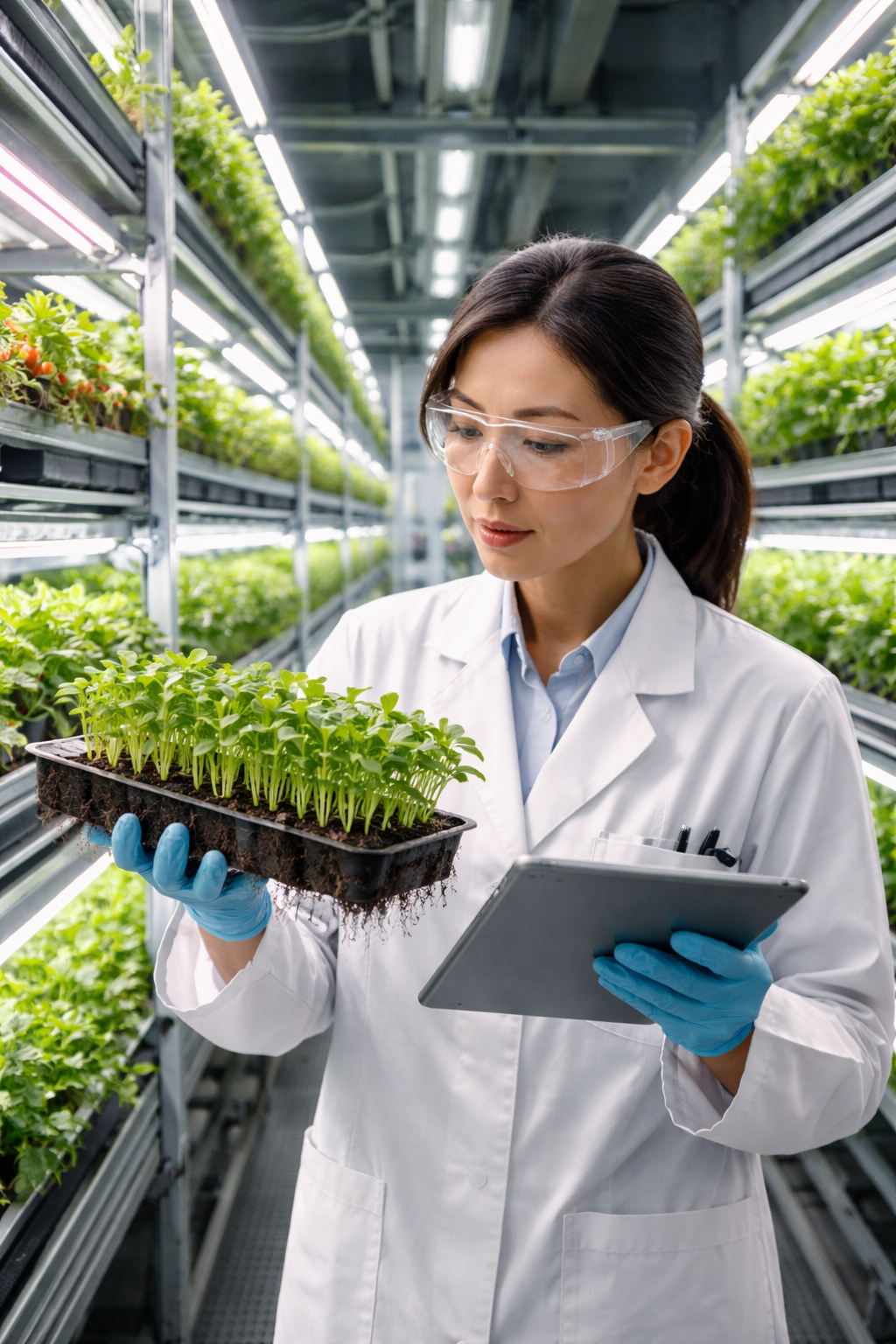
Artificial lighting is one of the most significant factors in crop management within vertical farming. Light intensity, quality, and duration must be carefully adjusted to match plant needs. Blue light encourages compact growth and leaf expansion, whereas red light promotes flowering and biomass accumulation. Supplemental far-red or UV can trigger secondary metabolic pathways that enhance flavour or nutritional compounds. These decisions are not unimportant as they can directly influence yield per square metre and energy efficiency. Modern strategies increasingly employ dynamic lighting, where spectral composition and intensity are adjusted in real time according to crop stage, optimising both plant performance and operational cost.
Nutrient delivery and irrigation strategies
Hydroponic or aeroponic approaches typically underpin most indoor farming systems. The precision of nutrient delivery allows growers to maintain plant health with remarkable accuracy, yet it also requires vigilance. Imbalances in solution pH, electrical conductivity, or nutrient ratios can manifest quickly in the enclosed environment, leading to deficiencies or toxicities. Nutrient delivery strategies must also account for crop-specific and developmental-stage uptake patterns: leafy greens may thrive with frequent, low-concentration feedings, whereas fruiting crops often require staged nutrient regimes that reflect their shifting metabolic demands during flowering and fruit set.
Microclimate control and plant responses
Temperature, relative humidity, and vapour pressure deficit (VPD) define the microclimate within which plants transpire and grow. Small deviations from optimal ranges can significantly impact crop performance: too low a VPD may suppress transpiration and nutrient uptake, while too high can lead to water stress and tip burn. Integrated climate management strategies employ sensors, actuators, and software control systems to stabilise the growing environment. Effective crop management means not only maintaining target ranges but also understanding the physiological consequences of deviating from them, whether to steer plant morphology or to enhance specific traits such as flavour intensity.
Cultivation practices and workflow optimisation
Beyond the environmental parameters, day-to-day cultivation practices shape outcomes in vertical farming. Pruning, thinning, and training plants are labour-intensive but essential for maintaining crop architecture, light penetration, and airflow. Sowing and harvesting schedules must be synchronised with market demand and system capacity. Workflow optimisation has become a research priority: automation, robotics, and AI-assisted monitoring are increasingly being applied to reduce labour dependency and ensure consistency. Crop management in this context is as much about operational efficiency as it is about horticultural science.
Data-driven decision-making and digital twins
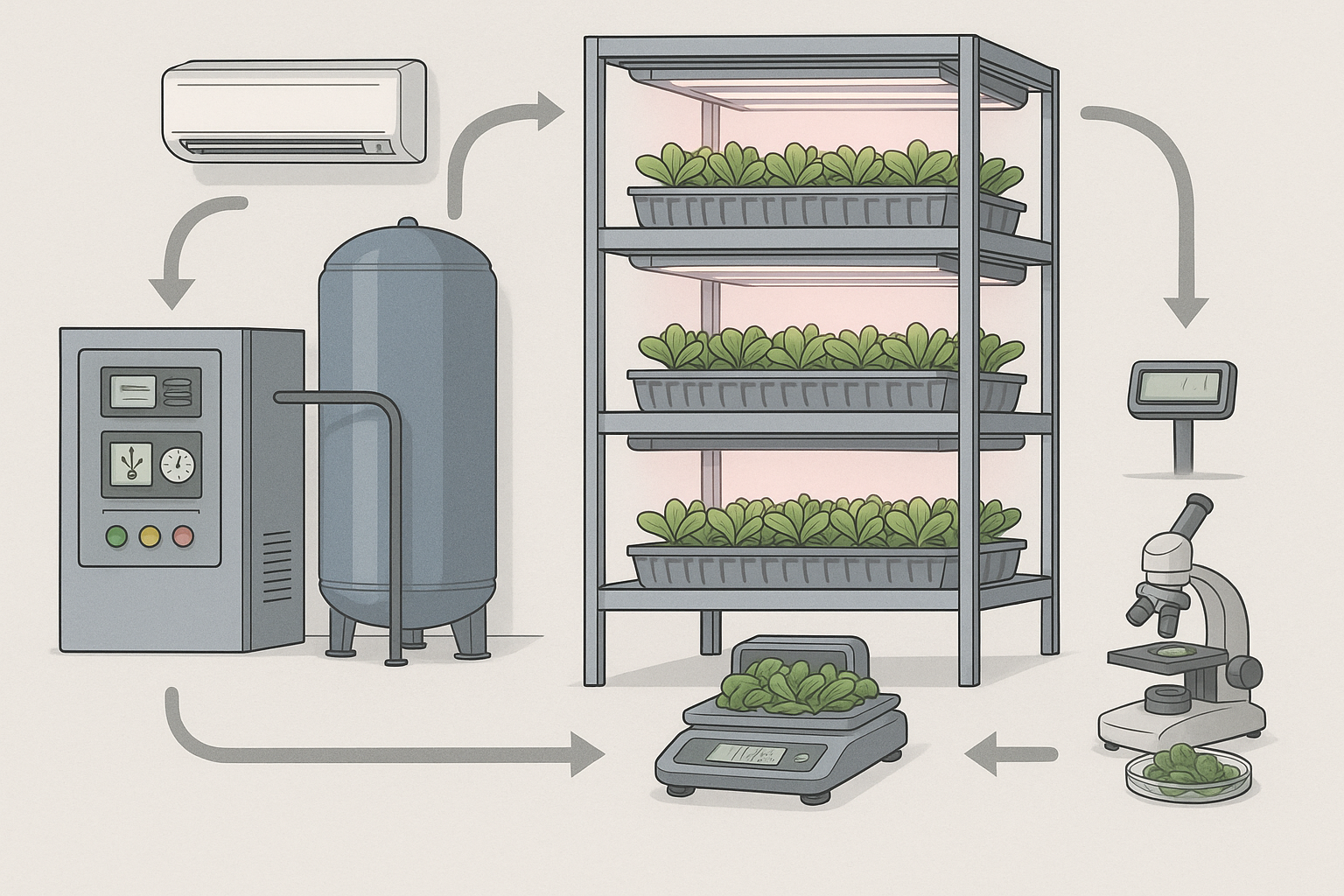
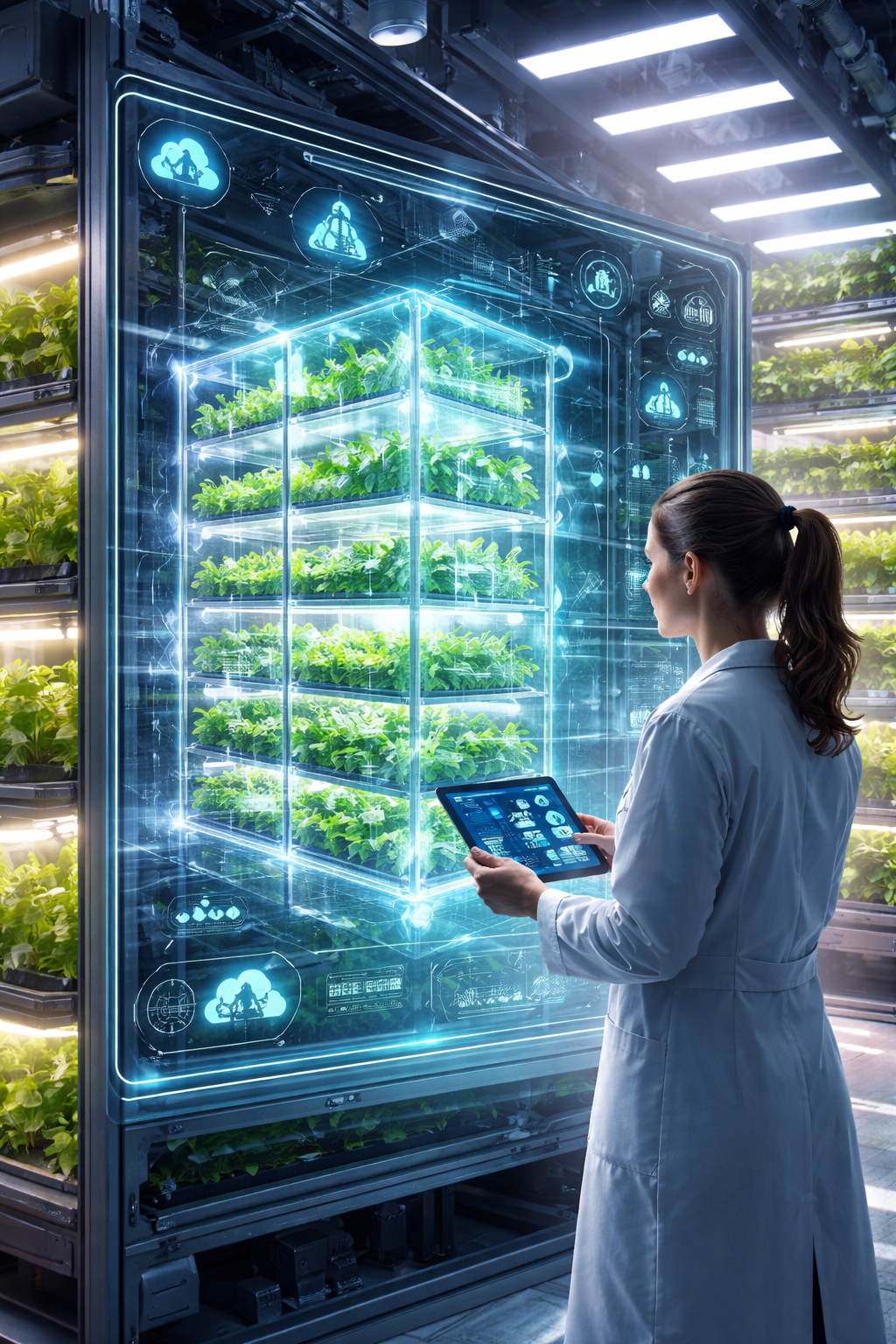
Modern crop management strategies increasingly rely on data. Real-time sensor feedback, machine vision, and predictive models allow growers to make informed decisions and anticipate problems before they compromise yield. Digital twin models, which simulate plant responses under varying conditions, provide a platform for testing new strategies virtually before applying them in practice. This data-driven approach transforms cultivation into a continuous cycle of measurement, analysis, and adjustment, strengthening both reliability and scalability.
Food quality, safety, and sustainability considerations
Crop management in vertical farming extends beyond maximising yield. Consumer demand increasingly values nutrient density, flavour quality, and chemical-free production. Strategies must therefore integrate post-harvest quality factors: maintaining consistent leaf texture, sweetness, or shelf-life through cultivation choices. Equally important are sustainability considerations. Efficient resource use is central to CEA’s justification: managing water recirculation, nutrient recycling, and energy demand requires both technical expertise and responsible planning. Crop management is therefore inseparable from environmental stewardship, particularly as policymakers and investors evaluate the broader contribution of vertical farming to resilient food systems.
Conclusion: towards a holistic framework
Crop management in vertical farming is not a single practice but a framework of interlinked decisions that span biology, engineering, technology, and economics. The precision of CEA systems offers extraordinary potential, but only when cultivation strategies are carefully designed, monitored, and refined. As the industry evolves, success will depend on the ability to manage complexity with clarity: balancing scientific knowledge with practical operations, and aligning productivity goals with sustainability imperatives. Whether for students learning the principles, growers seeking to refine practice, or investors considering the sector’s potential, understanding crop management in vertical farming provides the foundation for making informed decisions in a rapidly advancing field.