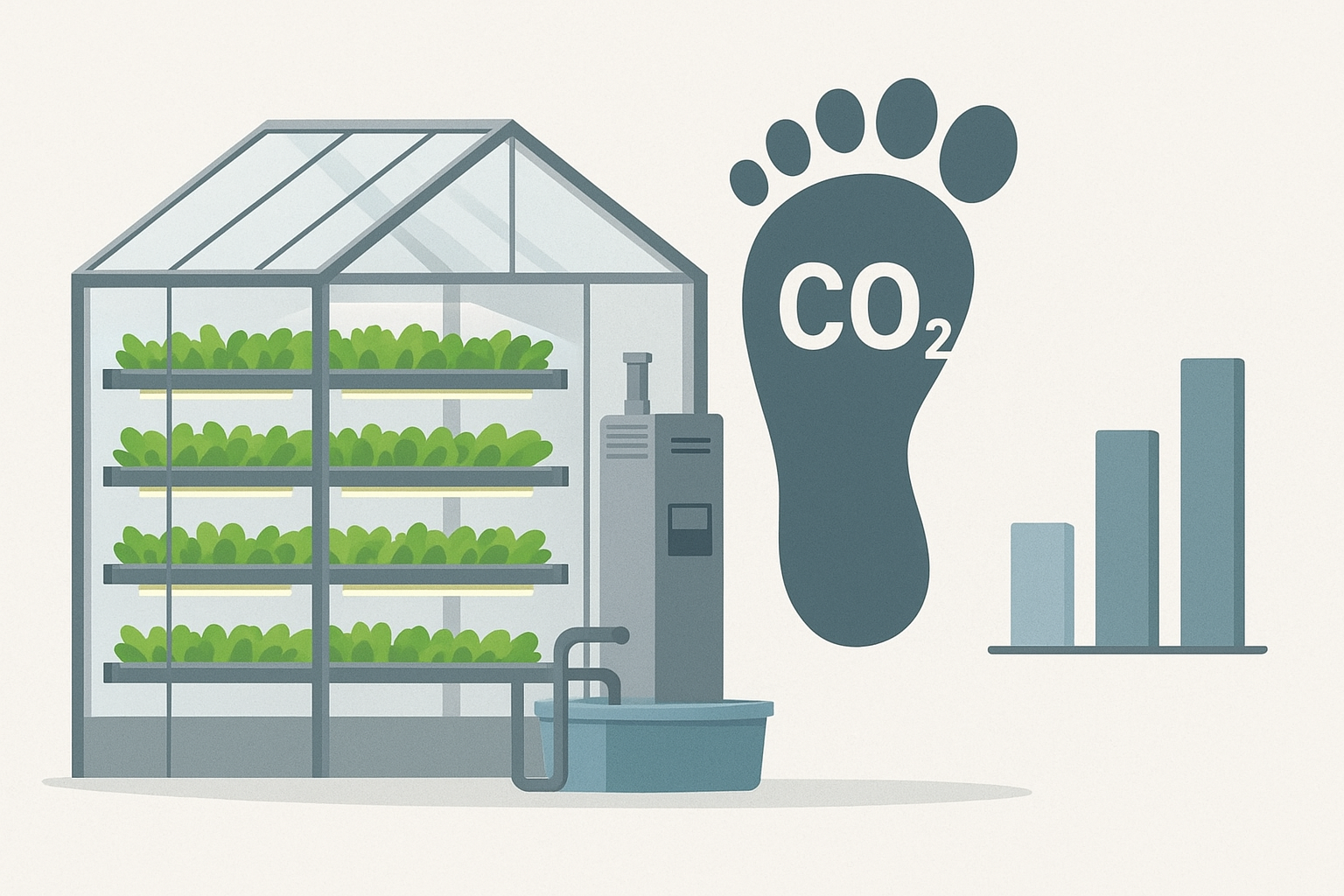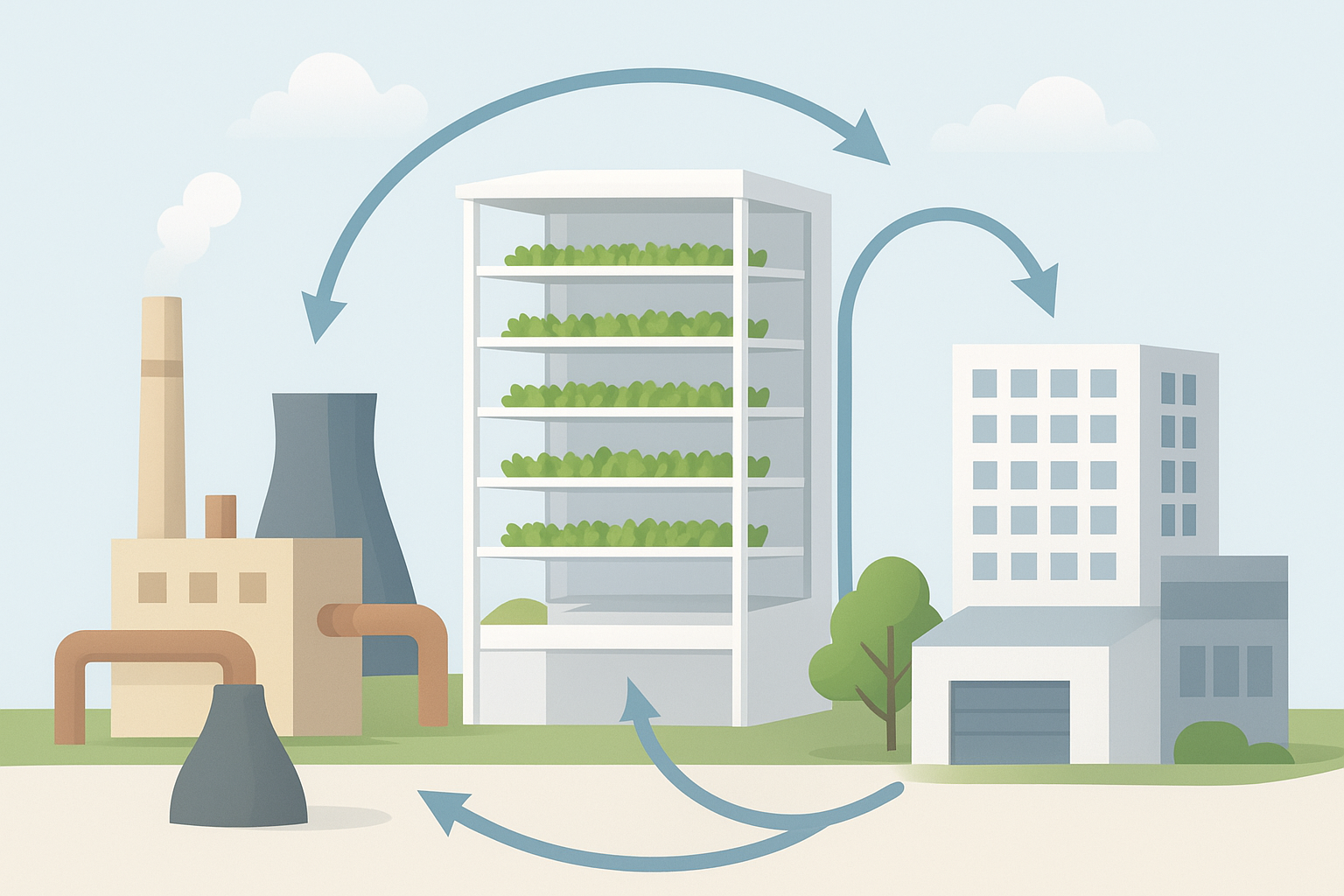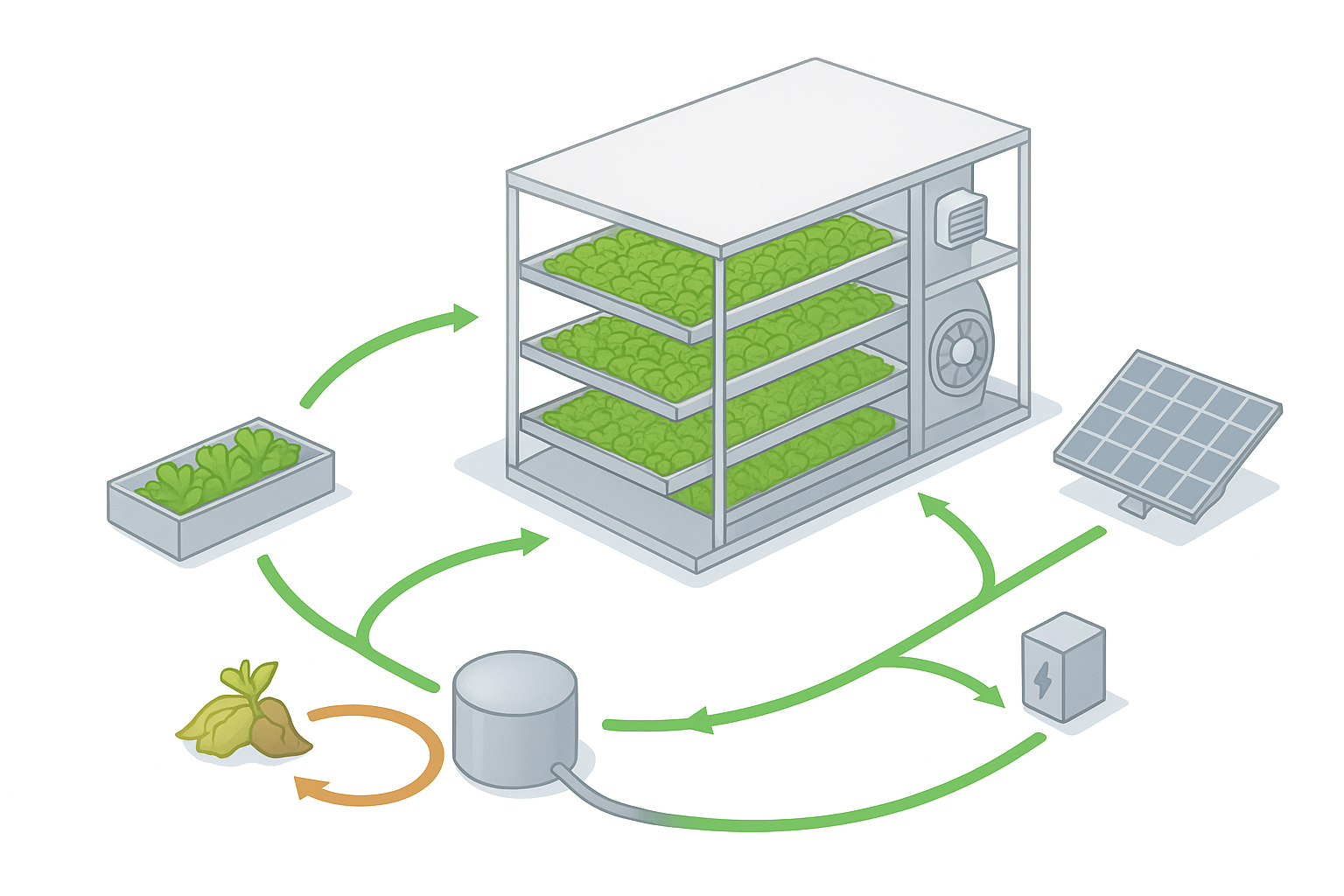
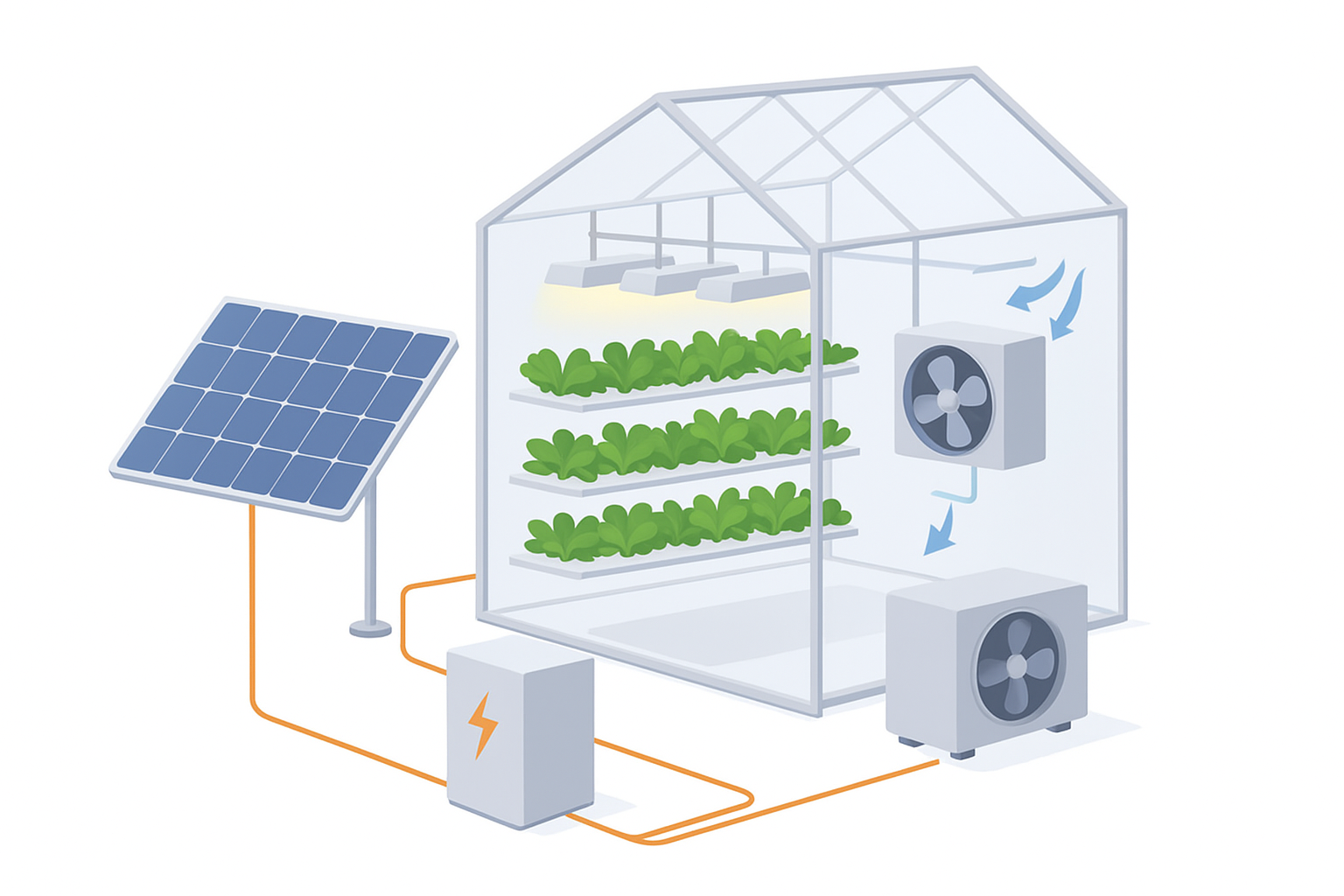
Energy modelling and efficiency in CEA and vertical farming are essential steps to make indoor plant production both economically viable and environmentally responsible. Controlled Environment Agriculture relies on carefully regulated conditions such as temperature, humidity, lighting, and CO₂ concentration to achieve consistent crop yields. These conditions require substantial energy inputs; without careful planning and optimisation, they can become the largest operational cost in an indoor farm. By applying advanced energy modelling techniques and implementing targeted efficiency strategies, growers can predict, monitor, and reduce energy use while maintaining optimal crop performance.
The Importance of Energy in Indoor Farming
Unlike field agriculture, CEA and vertical farming systems operate independently of external weather patterns, using enclosed structures where climate and lighting are maintained artificially. While this offers unparalleled control and reliability, it significantly increases the production energy burden. In most systems, energy consumption is dominated by three core elements: lighting, climate control, and water movement. Lighting, particularly in plant factories using LED technology, can represent 50–70 per cent of total electricity demand, while heating, ventilation, and air conditioning (HVAC) systems handle thermal loads caused by lights, humidity variance caused primarily by plant transpiration, and external temperature differences.
Energy use is not simply a fixed cost; it interacts with the biology of the plants. For example, higher light intensities may speed growth but also increase transpiration, creating a greater cooling demand. Modelling these interdependencies allows growers to fine-tune environmental set points so that crop productivity is maximised per unit of energy consumed.
What Energy Modelling Involves
Energy modelling in CEA uses computational tools and mathematical models to simulate how energy flows through a farm’s systems. These models integrate data from building design, environmental set points, crop physiology, and local climate conditions to estimate energy requirements under different scenarios. For instance, a model may show how increasing LED efficiency by 10 % would affect both power use and HVAC loads, or how adjusting the diurnal temperature range could reduce heating costs without compromising plant quality.
At a basic level, energy modelling involves balancing inputs and outputs: the farm’s lighting adds heat, HVAC systems remove it, and both processes consume electricity. At a more advanced level, models can incorporate predictive weather data, dynamic electricity pricing, and crop-specific growth algorithms. This enables scenario testing, such as shifting lighting schedules to align with cheaper off-peak electricity tariffs or integrating renewable energy sources to offset grid demand.
The most robust models draw from building energy simulation platforms (a range of options exist) adapted for agricultural applications. These can be linked to crop growth models or proprietary horticultural algorithms, ensuring that efficiency strategies remain compatible with biological requirements.
Key Drivers of Energy Demand
Lighting systems are the most visible energy consumers in vertical farms. Light-emitting diodes (LEDs) have become the industry standard due to their spectral tunability and lower heat output compared with high-pressure sodium lamps. Yet even high-efficiency LEDs still require significant electricity, and their waste heat must be removed to prevent overheating.
Climate control systems are another major driver. In addition to temperature regulation, humidity control is critical in preventing condensation and plant disease. Dehumidification is particularly energy-intensive, as moisture removed from the air often must be condensed and reheated to maintain comfort conditions for plants and workers.
Water movement, nutrient mixing, and automation systems contribute a smaller proportion of total energy use, but their operation can still be optimised. Pumping energy can be reduced through efficient layouts and variable speed drives, while automation can limit unnecessary equipment run times.
Strategies for Improving Energy Efficiency
Improving energy efficiency in CEA begins with the design phase. A well-insulated growing environment, with controlled air input/output reduces unwanted heat loss or gain, stabilising internal conditions and lowering HVAC loads. Thermal modelling during design can identify points of high heat transfer and guide the use of materials with appropriate thermal resistance.
Lighting efficiency is a key focus. This includes both selecting high-efficiency LED fixtures and optimising light delivery. Uniformity of light distribution means fewer high-intensity fixtures are needed, and targeted spectral output can reduce wasted energy in wavelengths that do not contribute significantly to photosynthesis for a given crop. Dynamic lighting systems, where intensity and spectrum are adjusted in real time based on plant growth stage and available daylight, offer further savings.
In climate control, energy recovery ventilators can reclaim heat from exhaust air, while advanced dehumidification strategies such as desiccant wheels or chilled water systems can reduce electrical demand compared with traditional refrigerant-based methods. Integration of HVAC and lighting control systems allows coordinated operation, preventing overcooling or overheating caused by misaligned set points.
Renewable energy integration, including on-site solar PV, wind, or biomass systems, can offset grid electricity use. While renewable energy does not reduce total consumption, it can lower carbon footprint and insulate farms from energy price volatility. Pairing renewables with battery storage or thermal energy storage enables load shifting, where high-demand activities are scheduled during periods of peak renewable output.
Monitoring and Continuous Optimisation
Energy efficiency is not achieved through design choices alone; it requires ongoing monitoring and adjustment. Smart meters and sub-metering systems allow energy use to be tracked at the level of individual systems, such as lighting zones or climate control units. Data analytics can then identify anomalies, such as equipment running outside scheduled hours or performing below efficiency targets.
Machine learning algorithms are increasingly being applied to CEA energy management. By analysing historical data alongside environmental and crop parameters, these systems can predict future energy needs and recommend optimised operational strategies. For example, a predictive model might suggest reducing HVAC output during certain hours because plant transpiration is expected to be lower, or shifting irrigation or lighting schedules to run equipment during cheaper tariff periods.
Balancing Efficiency with Crop Quality
While reducing energy consumption is an important goal, it must not compromise crop yield or quality. Over-aggressive energy cuts can lead to suboptimal growing conditions, slowing plant growth or increasing susceptibility to pests and diseases. Energy modelling provides a structured way to balance these objectives, ensuring that any efficiency measures are evaluated for their biological impact before implementation.
For example, lowering lighting intensity may reduce power demand, but if it also extends crop cycles by several days, the resulting drop in annual yield could outweigh the savings. Similarly, reducing dehumidification might save energy but increase the risk of fungal disease, leading to crop loss and wasted inputs. This balance is central to sustainable operation and underlines the value of precise, data-driven decision-making.
The Future of Energy Modelling in CEA
As the CEA sector expands, energy will remain both a critical cost and an environmental concern. Advances in sensor technology, data integration, and AI-driven optimisation are likely to make energy modelling more accurate and accessible. Modular modelling platforms may emerge that allow smaller growers to benefit from the same optimisation strategies currently used in large-scale operations.
The long-term vision is for fully integrated energy–crop growth systems, where models continuously adapt to live data from the growing environment, market conditions, and energy systems. This would allow farms to operate at maximum biological and economic efficiency while minimising environmental impact.
By understanding and applying the principles of energy modelling and efficiency in CEA and vertical farming, growers, researchers, and policy-makers can support the development of indoor agriculture that is productive, resilient, and aligned with global sustainability goals.