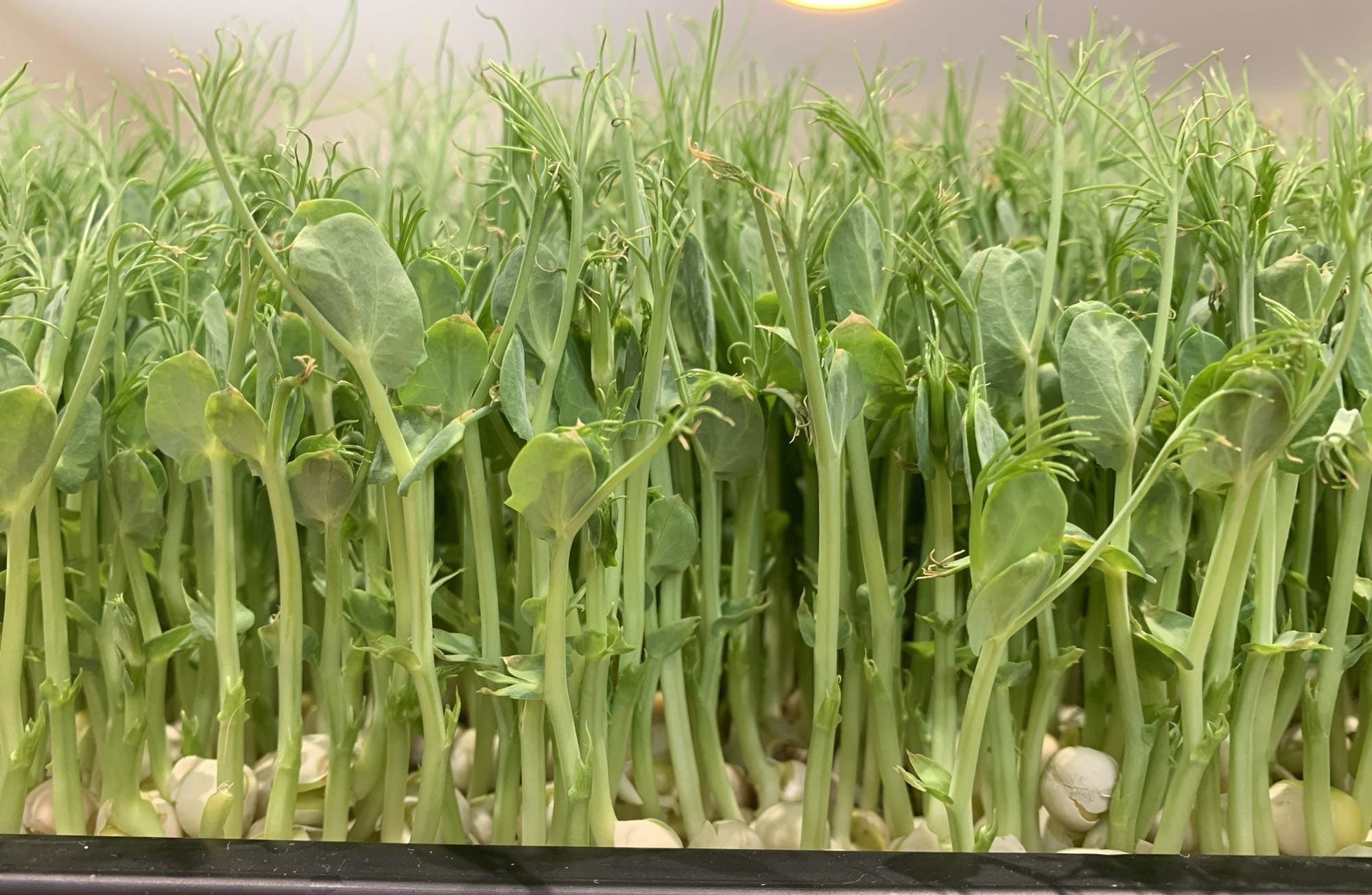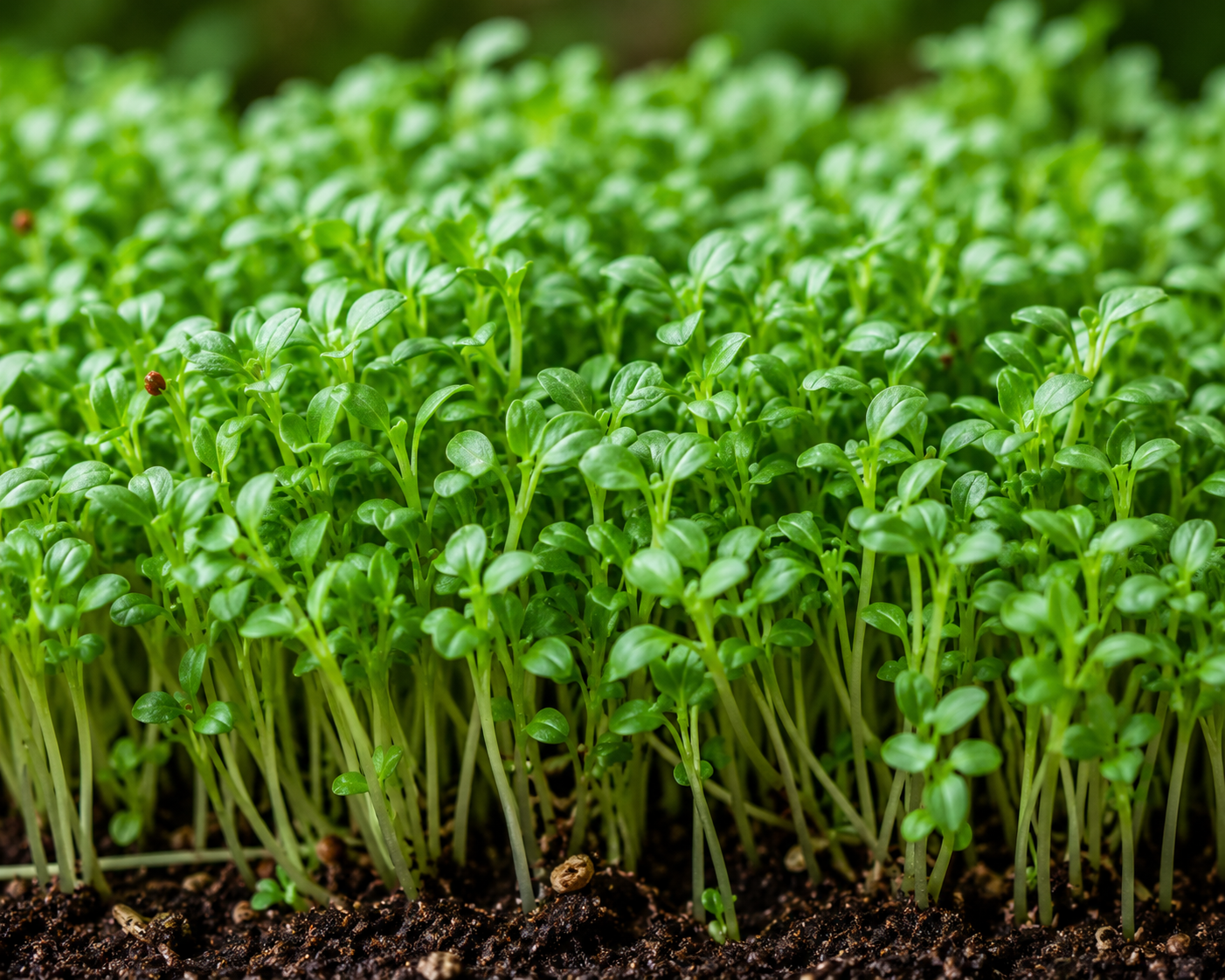
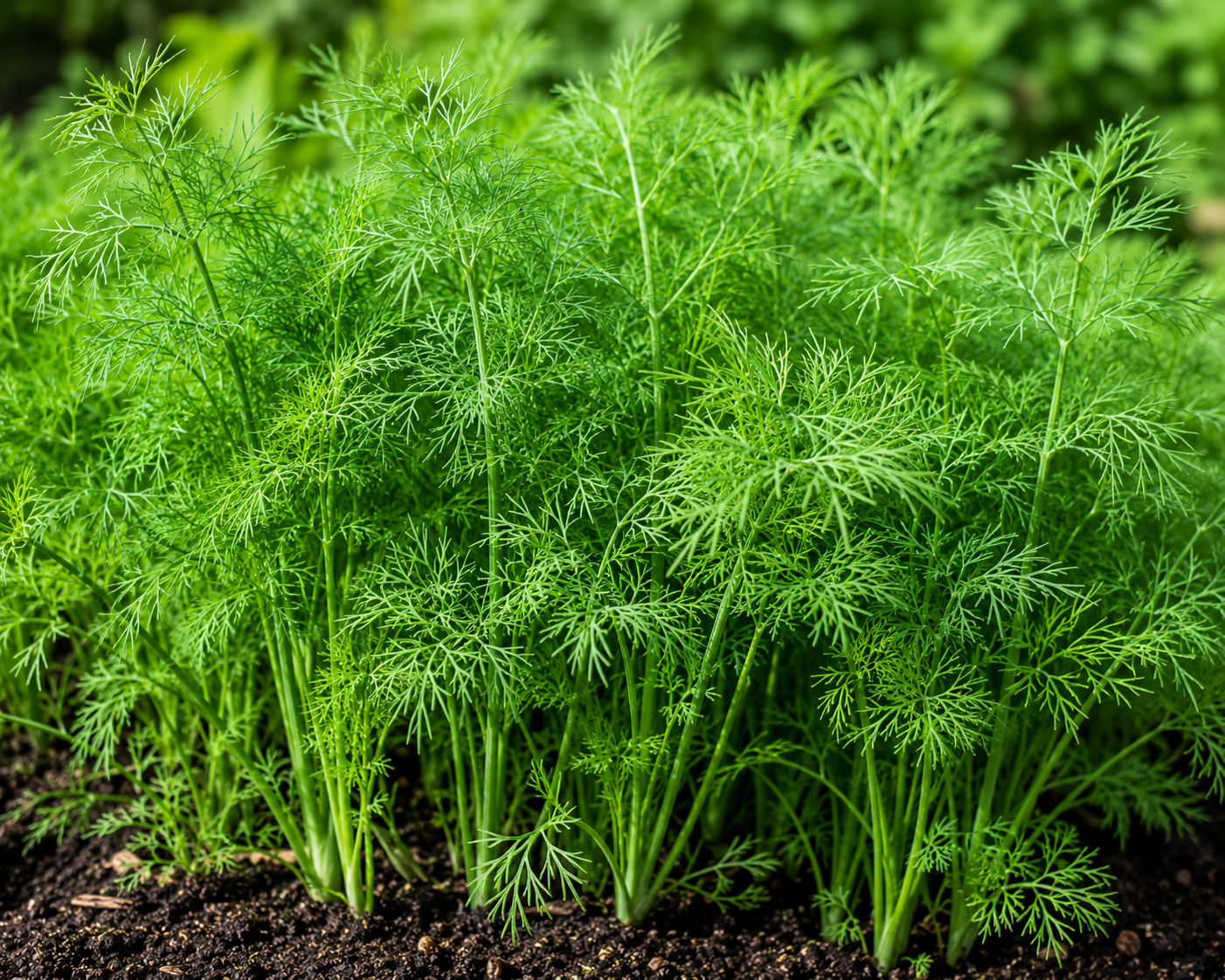
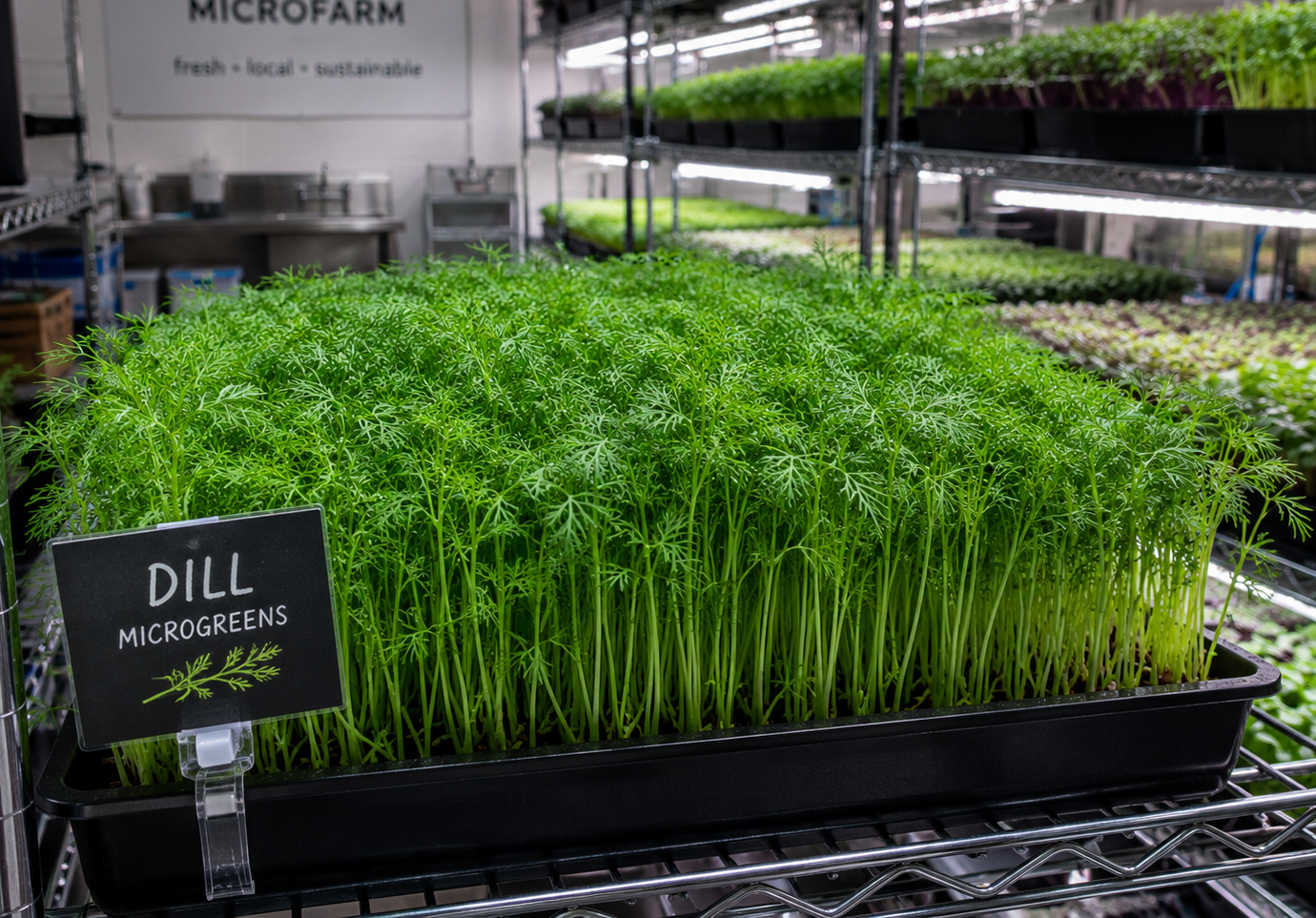
Dill (Anethum graveolens) is an annual herb, which is in the same family as celery, coriander, parsnips and fennel. It is native to North Africa and the Middle East, but is now widely grown across Eurasia. However, growing the plant requires warm summers with high levels of sunshine, as even small levels of shade can substantially reduce the yield.
It is widely used as a herb, and is particularly a staple of Northern and Eastern European cuisine. One of the more famous uses is in the creation of “dill pickles”, which are pickled cucumbers with dill added during the fermentation process. Whole dill stems are added to the brine along with other herbs and spices such as pepper and garlic.
The herb is commonly used for seafood, but generally dill is used in an extremely large variety of dishes, including the Ukrainian stew borscht, Nordic cured salmon called gravlax, the Russian cold soup okroshka, the Polish cucumber and sour cream soup mizeria, various types of Chinese dumplings such as jiaozi and baozi and the Iranian dish baghali polo, where it is served with rice and beans.
The flavour of dill is described as having a slight citrusy taste with grassy undertones. This flavour is lost quickly when the plant is dried, and so it is best used fresh. However, freeze-drying dill can retain the flavour for a few months.
DIll production in controlled environments (mini lit review of published papers)
Dill has been shown to be quite resistant to high nutrient solution salinity levels, though electrical conductivity (EC) can impact the nutritional profile of the plant. One study investigated the impact of both salinity and daily light integral (DLI) on dill [1]. They found that while an increase in DLI from 7 mol/m−2 d−1 to 18 mol/m−2 d−1 resulted in significant increases in physical properties of the plants (fresh mass, dry mass and leaf number), increasing the EC from 0.5 to 4.0 dS m−1 had no significant effect. However, increasing the EC did significantly alter levels of potassium, magnesium, calcium, sulphur, zinc and manganese.
The high tolerance of dill to changes in salinity was also found by another paper which investigated the impact of both EC and water stress [2]. In this case, the impact of increased nutrient solution salinity from 0.63 to 8 dS m−1 depended on the growing season. For example, in spring increasing EC generally caused leaf area to decrease, while in autumn the leaf area tended to fluctuate with increasing EC with no real pattern. Some nutrients showed similar patterns in both seasons, with sodium and chlorine increasing as the EC increased. However, others differed, with potassium fluctuating in Spring and decreasing steadily in autumn as the EC was increased.
The study generally found that dill was more strongly impacted by water stress than by salinity. Plant weight, the number of leaves, and leaf weight, along with levels of potassium, sodium and chlorine, were all significantly reduced as water stress increased. However, for both water stress and salinity, the growing season of the experiment seemed to have a larger impact than the other stressor [2]. This is because temperature has perhaps the largest impact on the size and chemical properties of dill, and can also change the impact of other factors.
In another study, the impact of both daily light interval (DLI) and temperature on dill were examined [3]. DLI varied from 8 to 15 18 mol/m−2 d−1, while temperature varied from 10 to 27 °C. At both high and low DLI levels, increasing the temperature resulted in increases to plant fresh weight and height. However, the impact of DLI depended on the temperature. At low temperatures, increasing the DLI decreased the fresh weight and plant height, but at high temperatures, increasing the DLI increased fresh weight and plant height. As such, high DLI can amplify both the impact of low and high temperatures on plant growth.
Regarding growth substrate, there is limited research comparing a large number of different media, but there is some research focused on a more limited selection. The first investigated the use of swine lagoon based compost (niche, we realise) against two commercially available substrates, and found that the swine lagoon compost resulted in significant increases to plant weight and height [4]. The second compared a substrate called “Germany soil” (produced by Stender) against peat moss and the local sandy soil, and found that Germany soil resulted in greater plant height, leaf number, leaf area, stem thickness, fresh shoot, dry weight, chlorophyll content and total phenolic content [5]. Overall, there is insufficient reseach published in this area to draw any meaningful conclusions.
Finally, regarding the impact of light spectra, this may vary depending on the variety of dill grown. A study investigated the impact of using red, blue, a 1:3 ratio of red to blue and white light against a control of just greenhouse light. Three dill cultivars were used: Khomein, Isfahan, and Varamin. For the Isfahan cultivar, all light spectra had no significant difference on plant height, fresh weight or dry weight, while for the other two cultivars, red or red+blue had the best results. Meanwhile, the content of phenols, proline, chlorophyll, carotenoids etc showed substantial variation between different cultivars.
Grower Insights:
Dill is often used as a companion plant, that is a plant which has benefits to others grown alongside it. In particular, cucumber, broccoli and tomatoes benefit from being paired with dill. However, while young dill plants can be beneficial for tomatoes, they must be pruned before they flower, otherwise it can actually harm the growth of the tomatoes.
In ancient Greek mythology, the dill was a beautiful young man called Anethus who was transformed into a flowering plant which bears his name. The reasons for this transformation and the story around it have been lost, but it is noted he is one of several young men this happened to, with Mecon (poppy) and Narcissus (daffodil) being other examples.
References
1) Currey, C.J., Walters, K.J. and Flax, N.J., 2019. Nutrient solution strength does not interact with the daily light integral to affect hydroponic cilantro, dill, and parsley growth and tissue mineral nutrient concentrations. Agronomy, 9(7), p.389.
2) Tsamaidi, D., Daferera, D., Karapanos, I.C. and Passam, H.C., 2017. The effect of water deficiency and salinity on the growth and quality of fresh dill (Anethum graveolens L.) during autumn and spring cultivation. International Journal of Plant Production, 11(1).
3) Herring, P.L., Noah, A.C. and Kraus, H.T., 2018. Swine lagoon compost as transplant substrate for basil, chives, and dill. HortTechnology, 28(3), pp.337-343.
4) Herring, P.L., Noah, A.C. and Kraus, H.T., 2018. Swine lagoon compost as transplant substrate for basil, chives, and dill. HortTechnology, 28(3), pp.337-343.
5) Saleh, H.A.R., El-Nashar, Y.I., Serag-El-Din, M.F. and Dewir, Y.H., 2019. Plant growth, yield and bioactive compounds of two culinary herbs as affected by substrate type. Scientia horticulturae, 243, pp.464-471.