Asking the Core Question
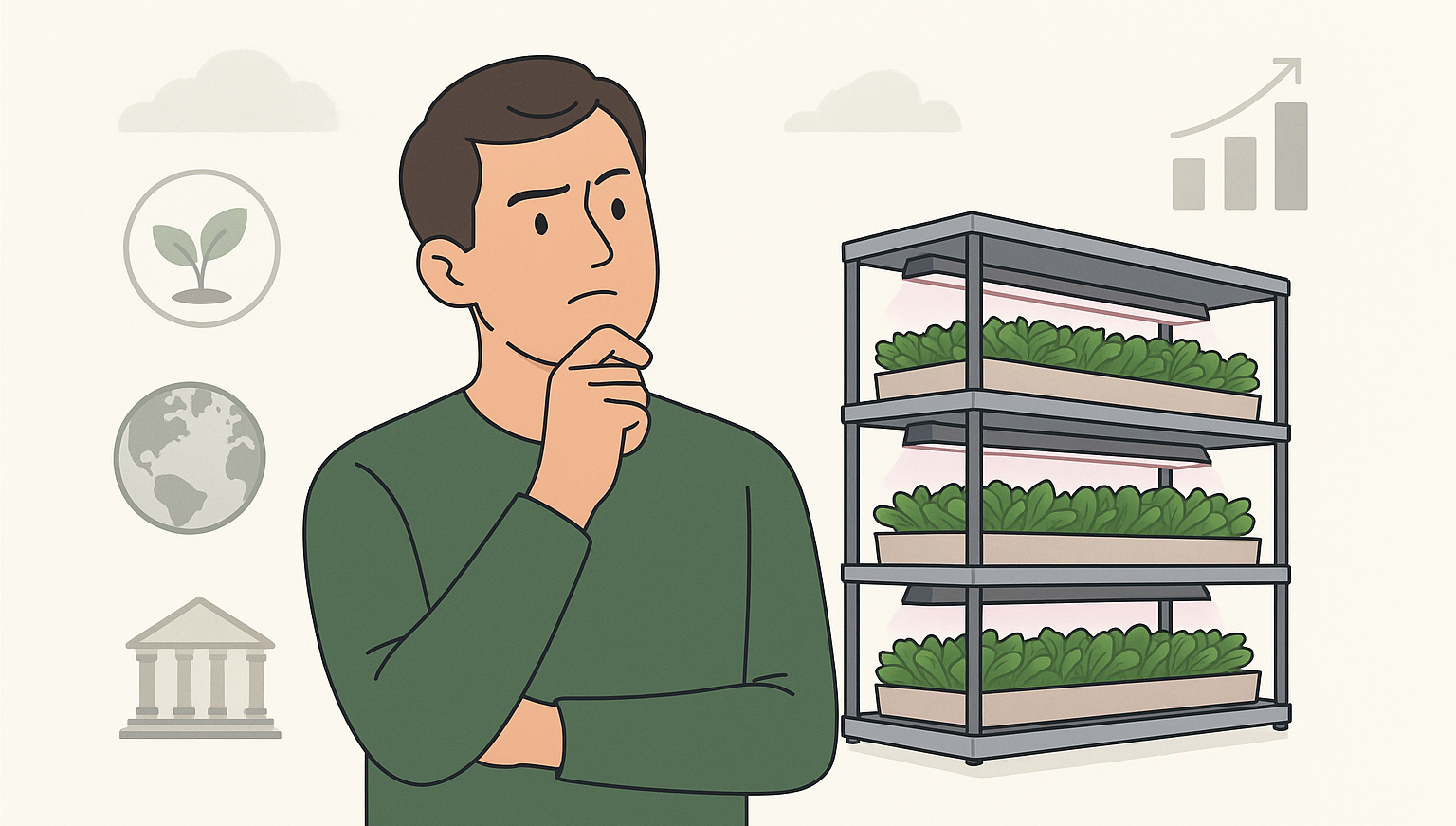
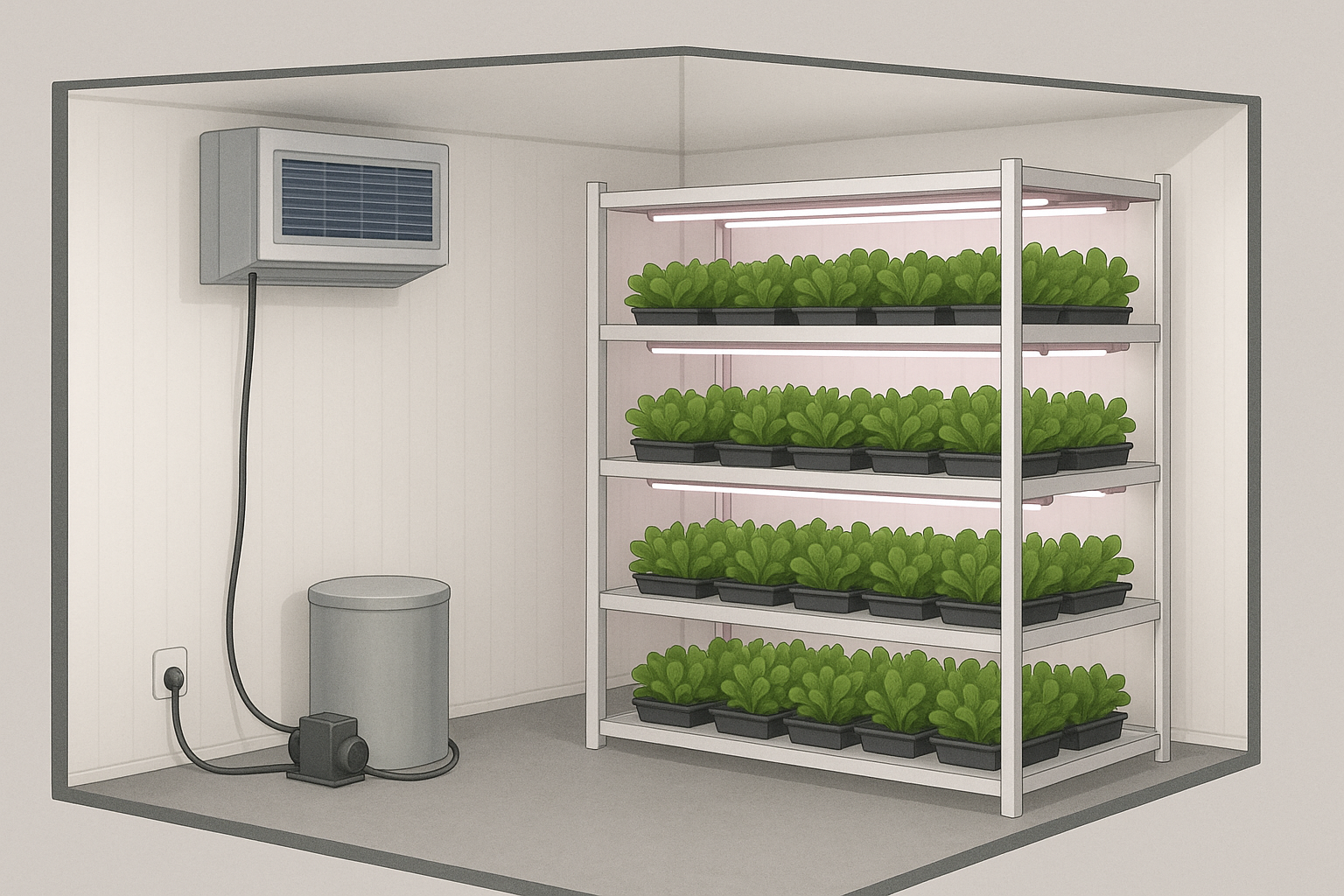
Many aspiring growers, investors, or innovators in agriculture today find themselves asking: should I start vertical farming? The question is not only about technology, it is also about whether vertical farming, as a model of food production, aligns with your goals, resources, and context. Vertical farming involves producing crops in controlled indoor environments where light, temperature, humidity, and nutrition are carefully managed. By stacking crops in layers and optimising growth conditions, vertical farms can achieve high yields in comparatively small spaces. It will allow existing or aspiring food producers to adopt an approach which is going to be resilient in the face of climate change – and in that context, is likely to be a key component of future food production. Yet, deciding whether this approach is right for you requires more than enthusiasm for innovation. It demands careful consideration of economics, sustainability, technical expertise, and the role you wish to play in the wider food system.
Understanding What Vertical Farming Offers
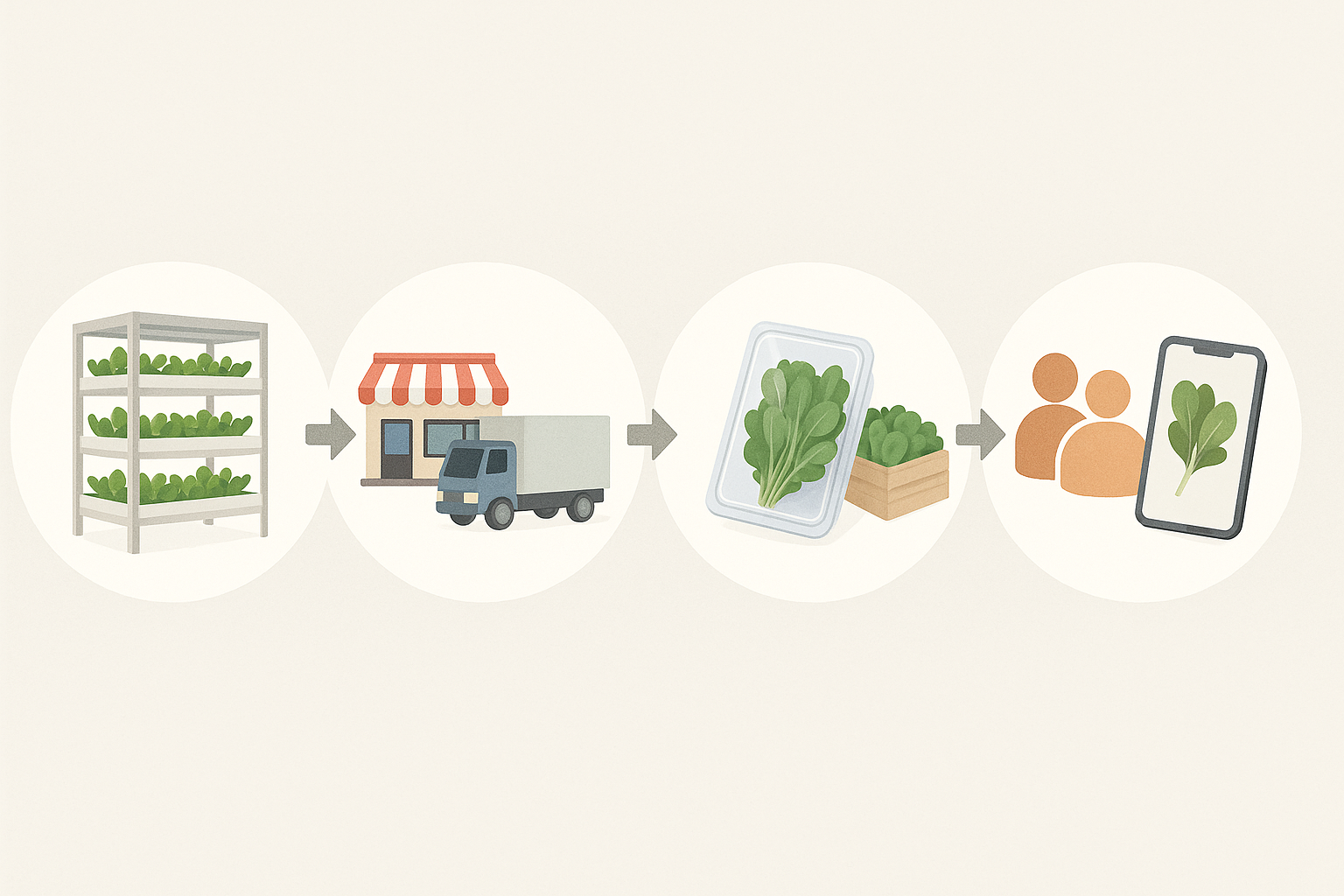
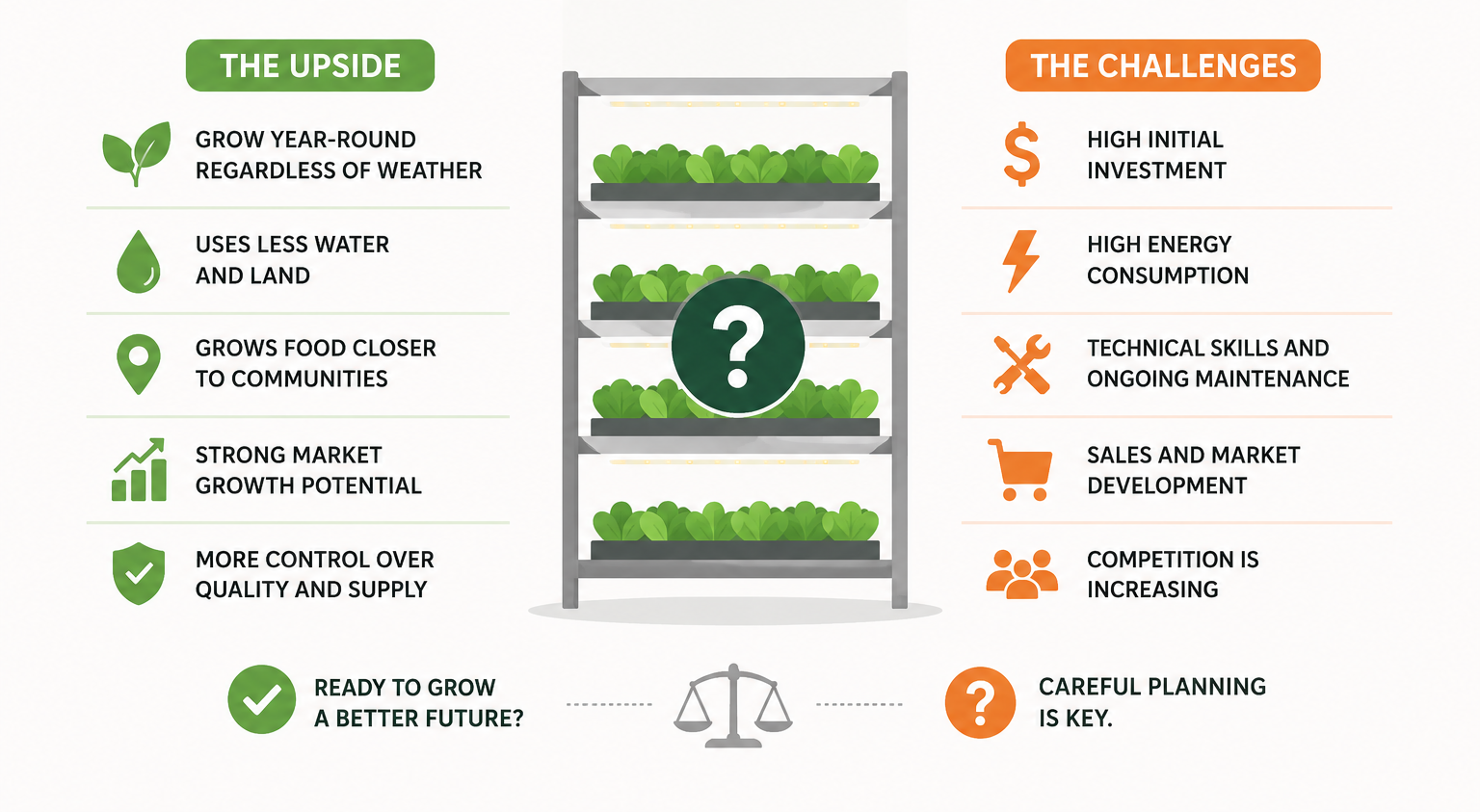
At its core, vertical farming addresses several pressing challenges in modern agriculture. The global population is growing, urbanisation continues to expand, and arable land is under increasing strain. Producing crops closer to urban consumers reduces the need for long-distance supply chains and can provide fresher produce with fewer losses in storage and transport. The system is also largely independent of weather, allowing year-round production and reduced vulnerability to climate extremes. However, these advantages must be balanced against real costs: energy consumption for artificial lighting and environmental control is significant, and the upfront capital required to establish a viable vertical farm can be high. These are not trivial hurdles, but neither are they insurmountable; they require clear-eyed analysis.
The Importance of Economics and Scale
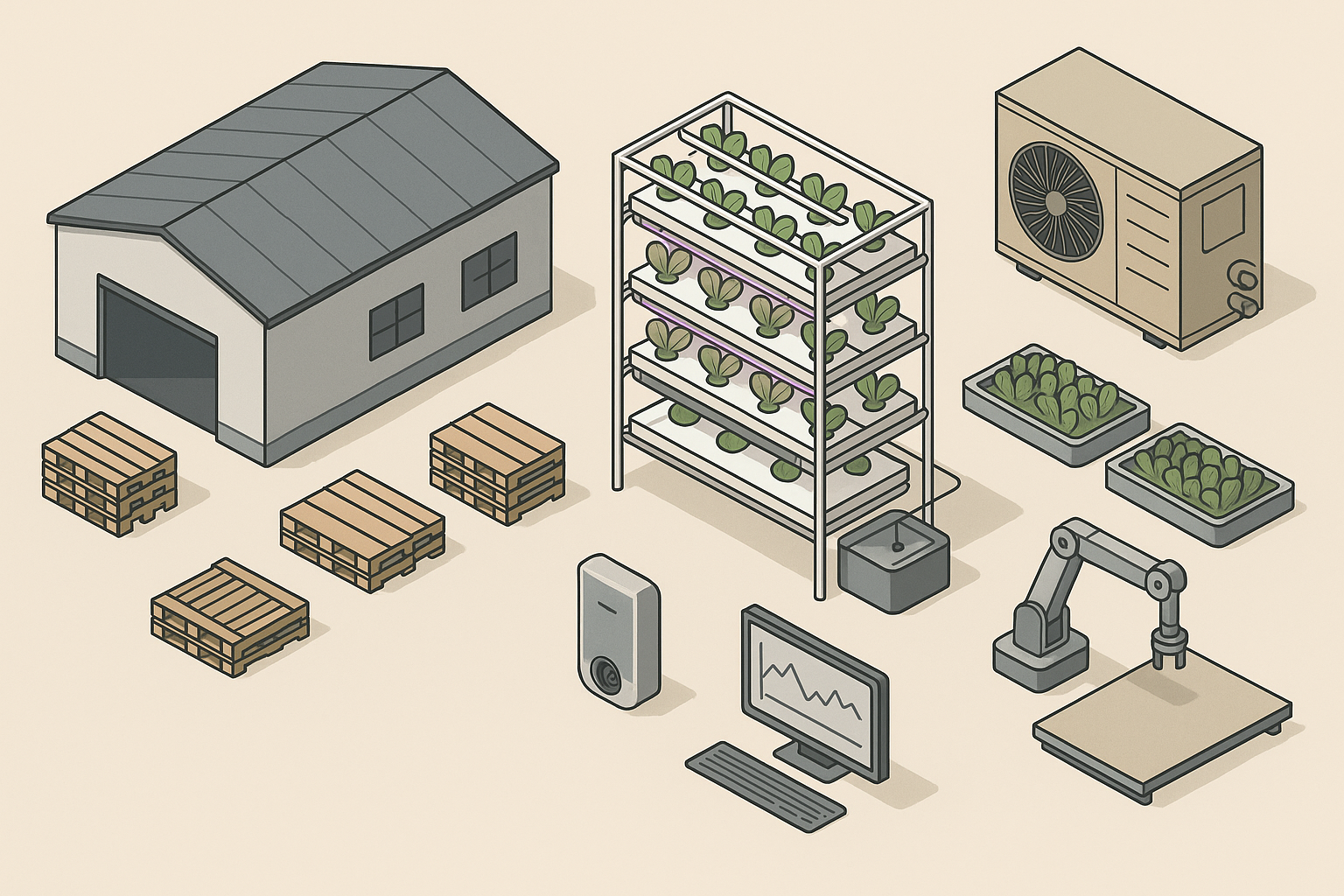
Economics play a defining role in the decision. A vertical farm must compete in the same marketplace as conventionally grown produce. The crops most often grown indoors (leafy greens, herbs, and microgreens) have short growth cycles and high market value, making them more suitable than lower-value, bulk crops such as cereals or root vegetables. To succeed, one must consider not only the yield per square metre but also operating costs: electricity, labour, nutrient supply, and system maintenance. Larger farms may benefit from economies of scale, but smaller urban farms can command premium prices by targeting niche markets or supplying high-end hospitality and retail. Your business model will therefore influence whether vertical farming is sustainable for you, both financially and strategically.
Technical and Operational Considerations
Starting a vertical farm is not merely about constructing a facility, it is about mastering a highly technical production system. Controlled environment agriculture relies on precise monitoring and management of variables such as light spectrum and intensity, nutrient concentrations, airflow, and vapour pressure deficit. A lack of knowledge in any of these areas can compromise crop quality and profitability. Successful operators often combine horticultural expertise with engineering, data analysis, and systems management. For those asking should I start vertical farming, the honest answer depends in part on whether you are prepared to either acquire this knowledge yourself or build a team that can deliver it. Unlike more traditional farming, where experience is often passed down informally, vertical farming depends heavily on scientific principles and technological reliability.
Environmental Impact and Sustainability
A further dimension of the decision concerns environmental responsibility. Vertical farms typically use far less water than conventional agriculture, often recycling up to 95% of inputs. They can also reduce the need for chemical pesticides, since crops are grown in sealed, controlled spaces. Yet, energy use is a critical factor. The electricity demand for artificial lighting and climate control can offset many of the sustainability benefits if the energy is drawn from fossil fuel sources. Operators committed to reducing carbon footprints must therefore consider renewable energy integration, efficiency optimisation, and transparent sustainability reporting. This highlights that vertical farming is not automatically sustainable; it must be deliberately designed to be so.
Social and Policy Context
The decision to enter vertical farming also exists within a broader social and policy framework. Governments in several countries have begun to support controlled environment agriculture through grants, subsidies, or research partnerships. Cities may be keen to showcase local food initiatives that align with net-zero ambitions. At the same time, public attitudes towards indoor-grown food vary; while many consumers value freshness, locality, and pesticide reduction, others remain attached to traditional notions of farming. As a prospective grower or investor, you should consider how your project will position itself in relation to these perceptions, as well as how policy incentives or regulations might shape your opportunities.
Aligning the Decision with Your Own Goals
Ultimately, whether vertical farming is right for you depends on your objectives. If your goal is to contribute to food security in densely populated cities, or to produce crops with reduced environmental impact, vertical farming may be an excellent path. If you are seeking rapid returns without significant upfront investment, it may prove less suitable. The sector rewards patience, attention to detail, and an openness to innovation. Successful ventures often emerge from a clear match between the grower’s resources and aspirations and the capabilities of the technology.
Conclusion: A Question Worth Careful Reflection
The question should I start vertical farming is not one to be answered quickly. It invites careful consideration of technology, economics, sustainability, and personal goals. Vertical farming is neither a universal solution nor a passing trend: it is a serious agricultural practice that requires informed commitment. By weighing the benefits against the challenges, and by aligning your venture with sound business planning and scientific understanding, you can decide whether vertical farming is truly the right choice for you.