Introduction
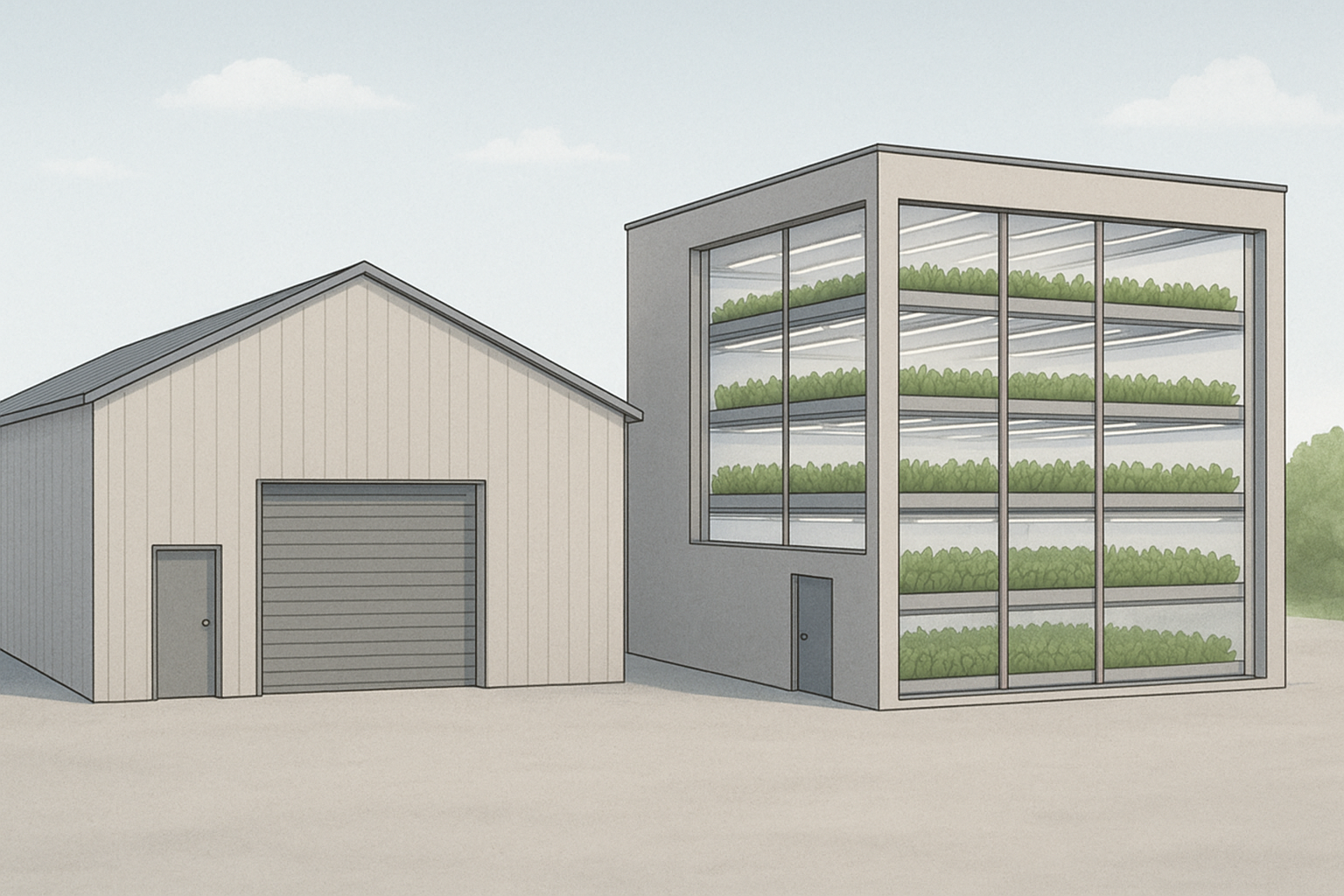
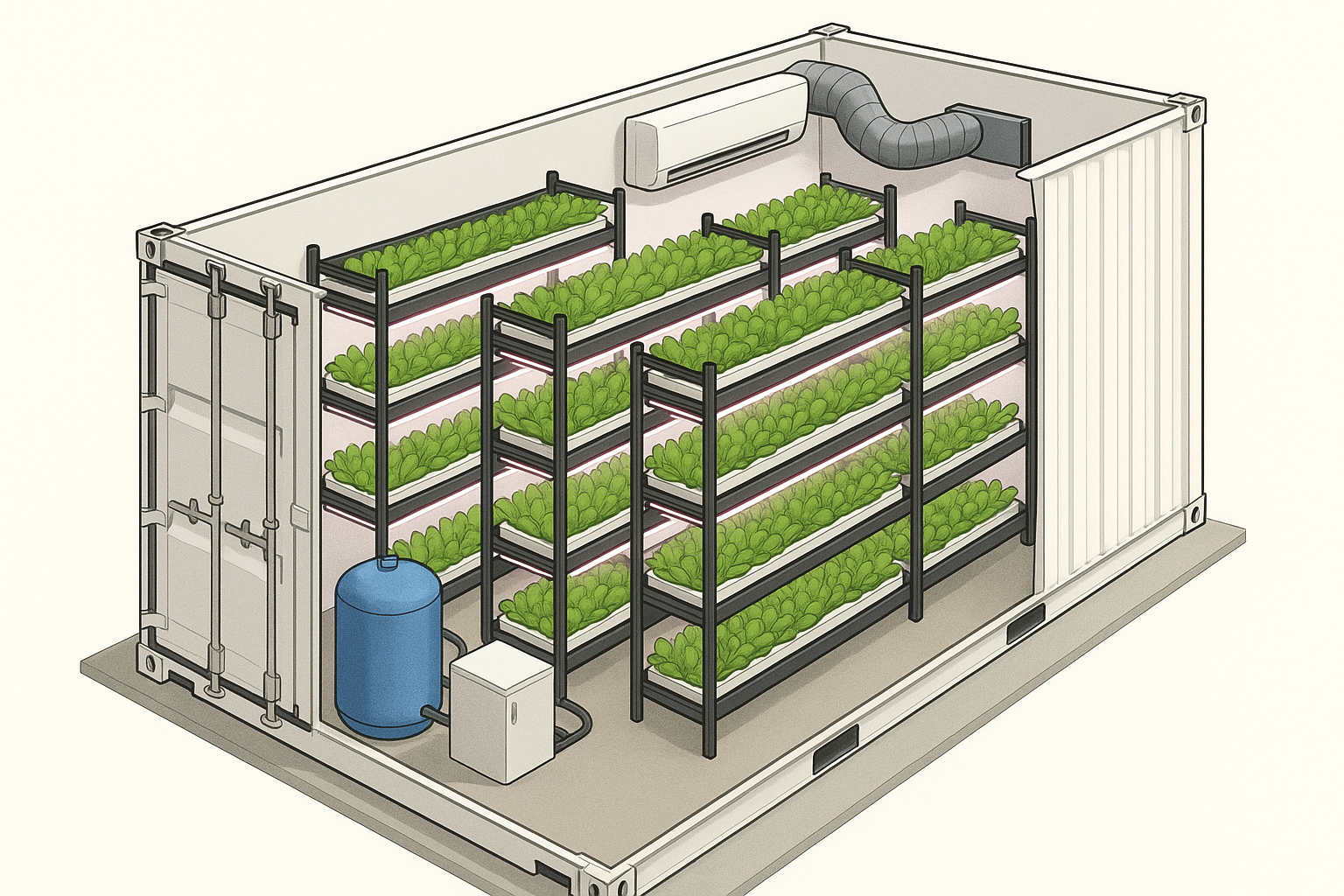
In controlled environment agriculture (CEA) and vertical farming, the effectiveness of cleaning and preparation has a direct influence on plant health, productivity, and long-term system performance. Unlike open-field agriculture, these systems operate in highly managed spaces where crops are grown in close proximity, often under recirculating irrigation and continuous lighting. While this offers advantages in terms of yield predictability and resource efficiency, it also makes crops more vulnerable to microbial contamination, pest outbreaks, and equipment failure if hygiene standards are neglected. Cleaning and preparation is therefore not just a mundane background task, but an essential processes that shapes the resilience, sustainability, and commercial viability of an indoor farm.
The Role of Cleaning in CEA
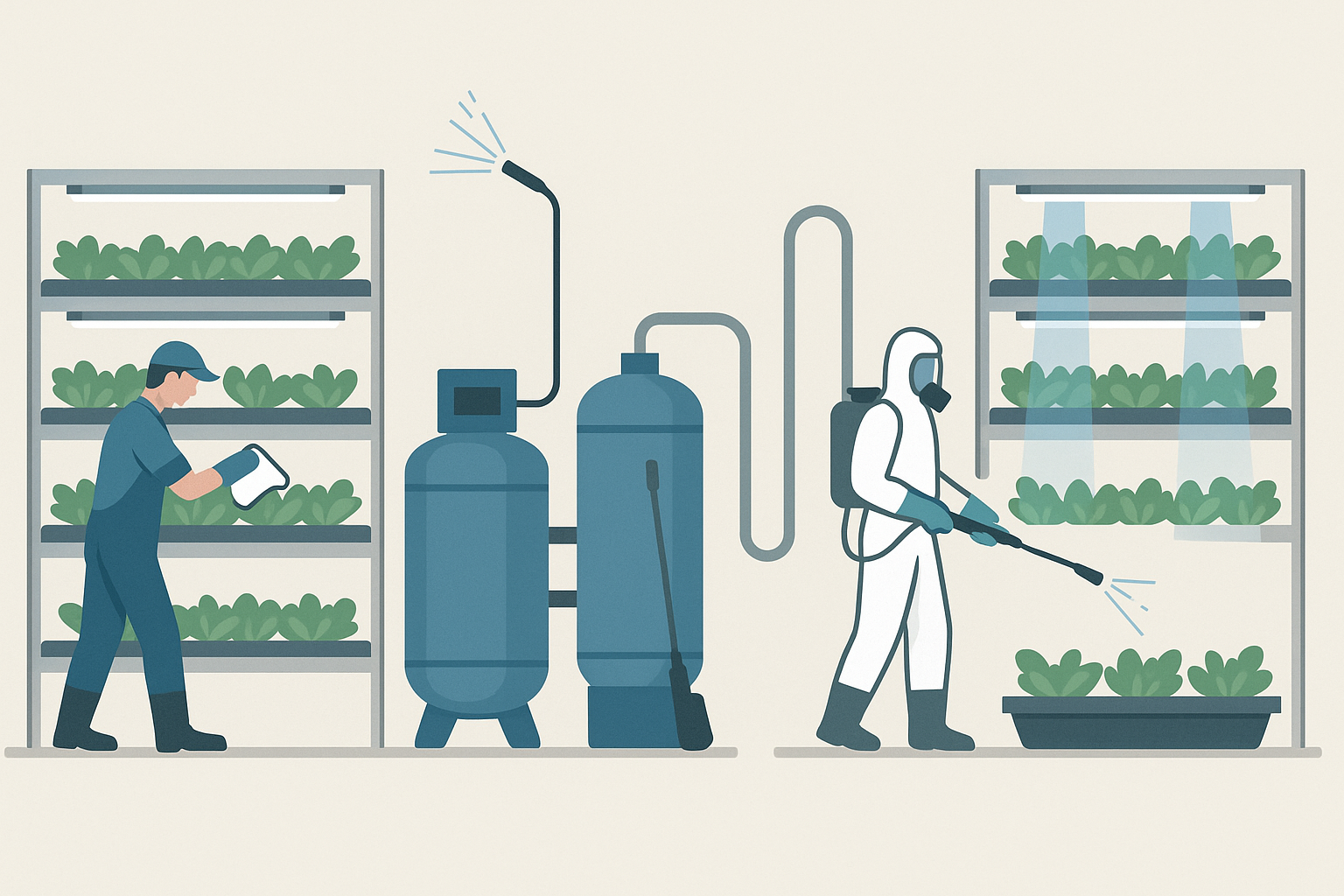
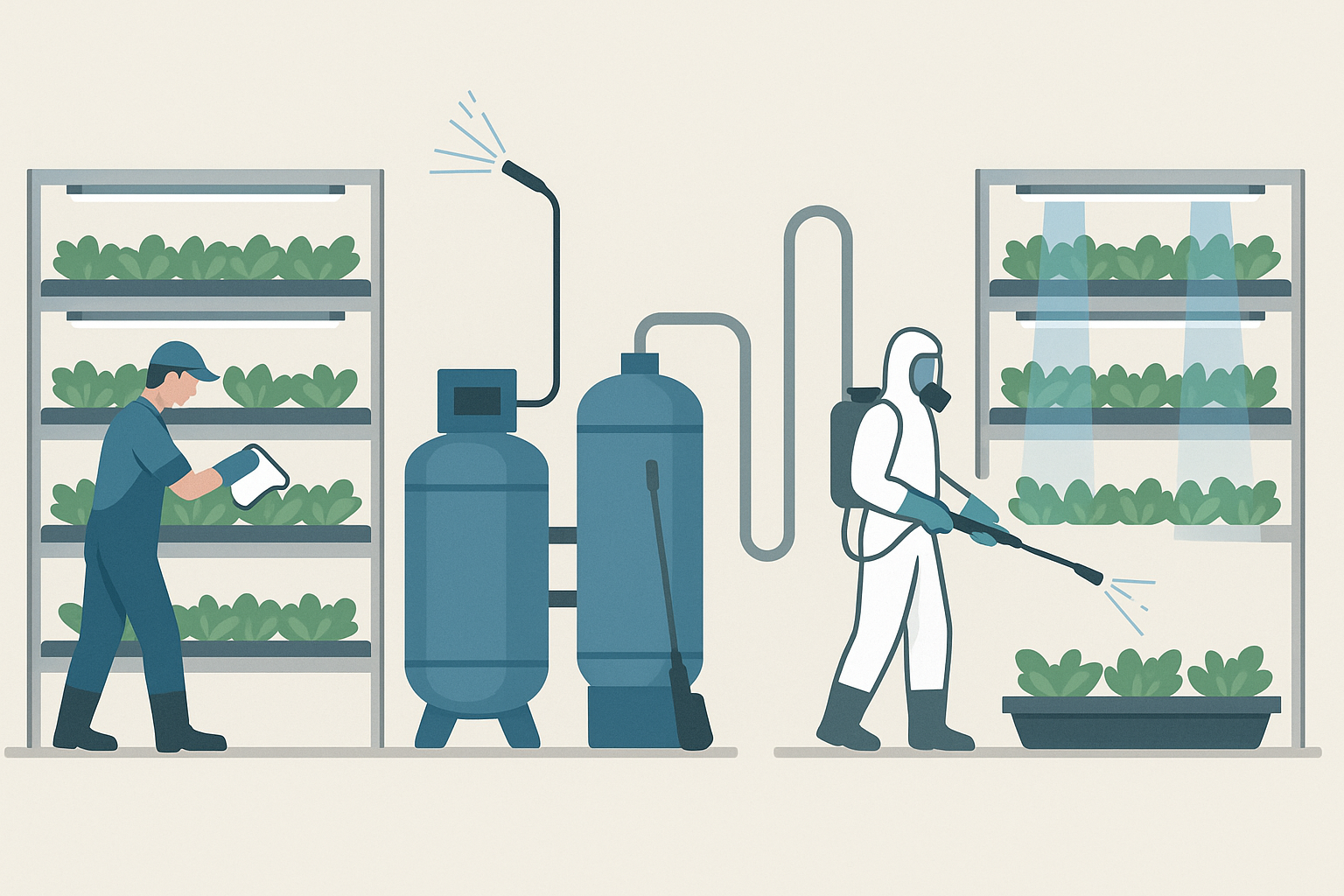
Cleaning within a vertical or container-based farm extends well beyond surface hygiene. It involves the removal of biological residues such as algae, biofilms, and plant debris, as well as inorganic deposits like nutrient salts and scale that accumulate in irrigation systems. These residues can harbour pathogens, compromise nutrient delivery, and damage mechanical components if left untreated. Routine cleaning of growth chambers, irrigation lines, trays, racks, and climate control equipment prevents the accumulation of contaminants that otherwise amplify risks within a closed-loop system.
In practical terms, cleaning serves a dual purpose: it safeguards the crop environment by limiting vectors of disease, and it extends the operational lifespan of costly equipment by reducing mechanical strain and corrosion. For example, poorly maintained filters in HVAC systems not only reduce airflow efficiency but also act as reservoirs for fungal spores that may spread rapidly through the crop canopy.
Preparation for Crop Cycles
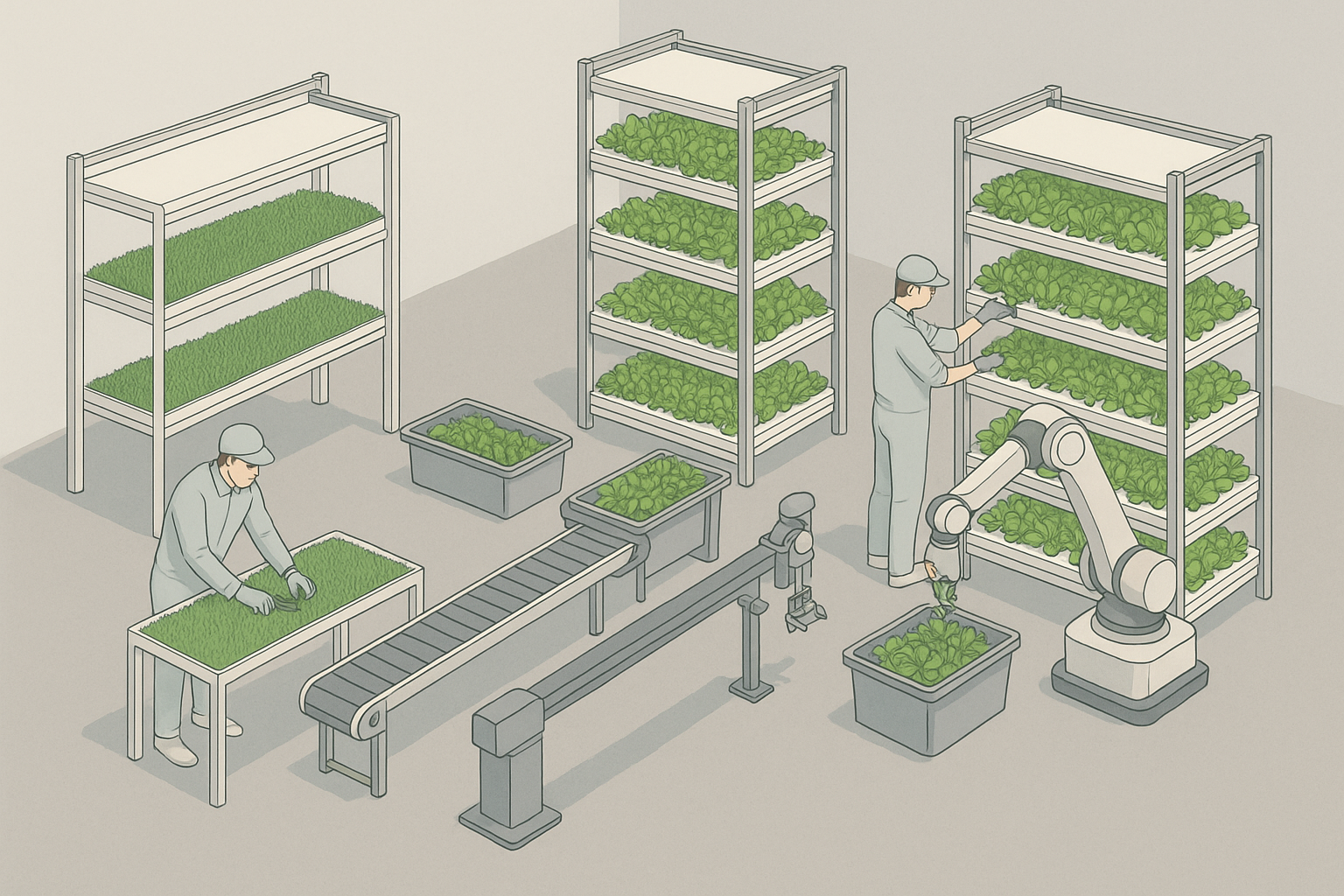
Preparation is closely linked to cleaning yet distinct in its objectives. Whereas cleaning removes contaminants, preparation establishes the conditions for the next crop cycle. This involves the calibration and testing of irrigation systems, the sterilisation of growing surfaces, and in many cases the disinfection of seedling trays and tools. Effective preparation reduces the likelihood of cross-contamination between successive batches, a risk that is particularly acute in continuous production models.
Preparation also encompasses the resetting of environmental parameters: ensuring that lighting systems deliver the correct intensity and spectrum, that nutrient solution reservoirs are refilled and balanced, and that climate control systems are adjusted to the requirements of the new crop species or growth stage. Without rigorous preparation, even the most advanced vertical farm can suffer from uneven germination, nutrient deficiencies, or unnecessary crop loss.
Technologies Supporting Cleaning and Preparation
Cleaning preparation techniques and technologies in indoor farming are diverse, ranging from simple manual practices to advanced automated systems. Manual cleaning with brushes, cloths, and basic disinfectants remains important in smaller facilities and in hard-to-reach locations. However, as commercial farms scale up, reliance on automation and specialised equipment grows. Examples include high-pressure water systems for pipe flushing, ozone or hydrogen peroxide treatment for water sterilisation, and ultraviolet (UV-C) light for surface disinfection. These technologies reduce labour intensity while improving consistency and effectiveness.
Chemical approaches, such as the use of hydrogen peroxide or peracetic acid, are widely adopted due to their efficacy against a broad range of pathogens and their ability to degrade into non-toxic by-products. Yet, chemical use requires careful management to prevent residue accumulation or unintended impacts on crops. Non-chemical techniques, including steam cleaning and plasma sterilisation, are attracting research attention as sustainable alternatives that align with the drive to minimise inputs and reduce environmental impact.
Advances in sensor technologies and data integration are also shaping preparation practices. Remote monitoring systems can detect biofilm formation in irrigation lines or monitor water turbidity in real time, allowing cleaning interventions to be scheduled proactively rather than reactively. This predictive approach reduces downtime and supports continuous production models that characterise high-intensity vertical farming.
Standards and Best Practice
The effectiveness of cleaning and preparation depends not only on technology but also on protocol. Many operators adopt hazard analysis and critical control point (HACCP) principles from the food industry to structure their hygiene programmes. This ensures that cleaning is not carried out ad hoc but according to documented schedules, with clear accountability and verification. Regular staff training is critical, as improper cleaning practices can inadvertently spread pathogens rather than eliminate them.
International guidance documents, such as those from the Food and Agriculture Organization (FAO) and the European Food Safety Authority (EFSA), provide reference points for sanitation in food production systems, which are increasingly being adapted to the specific challenges of CEA. For example, the dense vertical stacking of crops requires greater vigilance in airflow sanitation and surface disinfection than traditional greenhouses.
Why It Matters
The importance of cleaning and preparation procedures in indoor farming extends well beyond crop appearance or short-term yield. Inadequate sanitation can undermine food safety, leading to recalls or reputational damage for producers. It can also contribute to higher operational costs if equipment requires premature replacement or if crop failures force unplanned downtime. Conversely, robust cleaning and preparation regimes support the long-term stability of production, improve resource efficiency, and help ensure compliance with food safety standards essential for market access.
Conclusion
Cleaning and preparation in indoor farming are essential management factors governing the success of CEA and vertical farming systems. They exemplify the principle that resilient production requires both technological innovation and rigorous operational discipline. By integrating effective cleaning with careful preparation, growers not only safeguard the immediate crop but also secure the reliability and profitability of their farming enterprise over time. The refinement of these practices, supported by emerging technologies and regulatory frameworks, will continue to shape the evolution of indoor farming as it scales to meet future food demands.