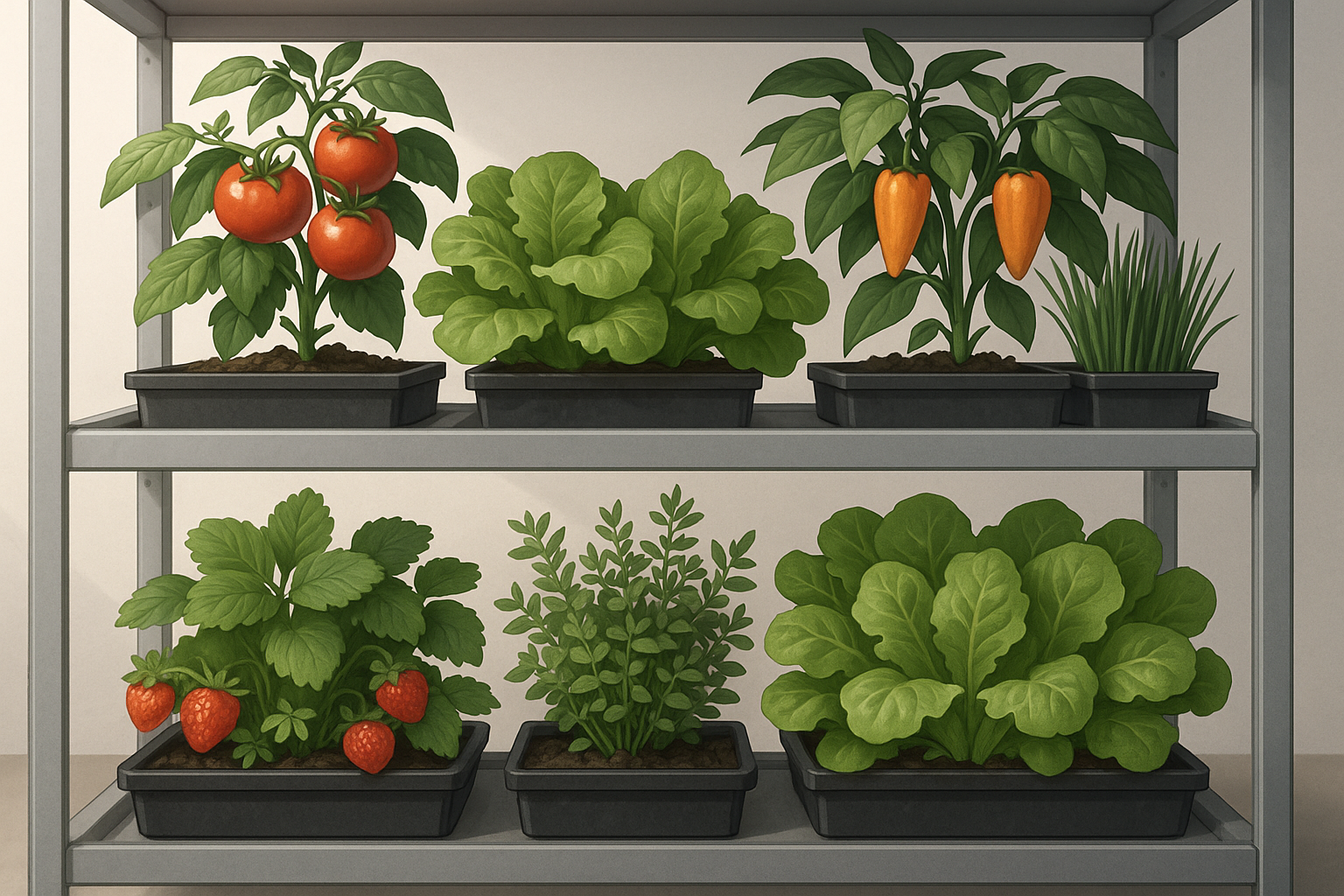
Companion planting in CEA (Controlled Environment Agriculture) offers a thoughtful approach to crop design in indoor farm systems. While the practice is well established in traditional soil-based horticulture, its application within vertical farming and hydroponic systems is still emerging. At its core, companion planting involves growing two or more species together so that they provide mutual or complementary benefits. These benefits may include natural pest deterrence, improved nutrient use, better space utilisation, or enhanced flavour and quality of crops. In the structured and highly controlled setting of CEA, these interactions can be planned and tested with a degree of precision not possible in outdoor fields, opening new possibilities for productivity and resilience.
Historical Roots and Modern Adaptation
Companion planting has been part of agriculture for centuries, with systems such as the Native American "Three Sisters" (maize, beans, and squash) providing classic examples of ecological synergy. Translating these concepts into indoor systems requires rethinking traditional practices. In CEA, growing media and hydroponic solutions replace natural substrates like soil, and pest pressures are different from those in open fields. Nonetheless, the principle of designing plant communities for mutual benefit remains valid. Modern CEA enables experimentation with lighting spectra, air circulation, and nutrient delivery that can accentuate or suppress the interactions between species.
Potential Benefits in Indoor Settings
The first area of interest is biological pest management. In soil-based systems, strong-scented plants such as basil, mint, or marigolds have historically been planted alongside vegetables to mask odours or repel pests. In indoor farming, where the pest spectrum is narrower but outbreaks can be devastating, companion crops may serve as a living barrier or attract beneficial insects if biological controls are introduced. For example, flowering herbs could support populations of predatory mites or parasitoid wasps used in integrated pest management (IPM).
Nutrient dynamics present another opportunity. Although hydroponic solutions provide precise nutrient mixes, different crops absorb and excrete compounds at different rates. Some root exudates can stimulate microbial populations in aquaponic systems, while others may stabilise pH or chelate micronutrients. Co-cultivation of leafy greens with aromatic herbs, for instance, may subtly adjust nutrient uptake patterns and reduce waste in recirculating systems.
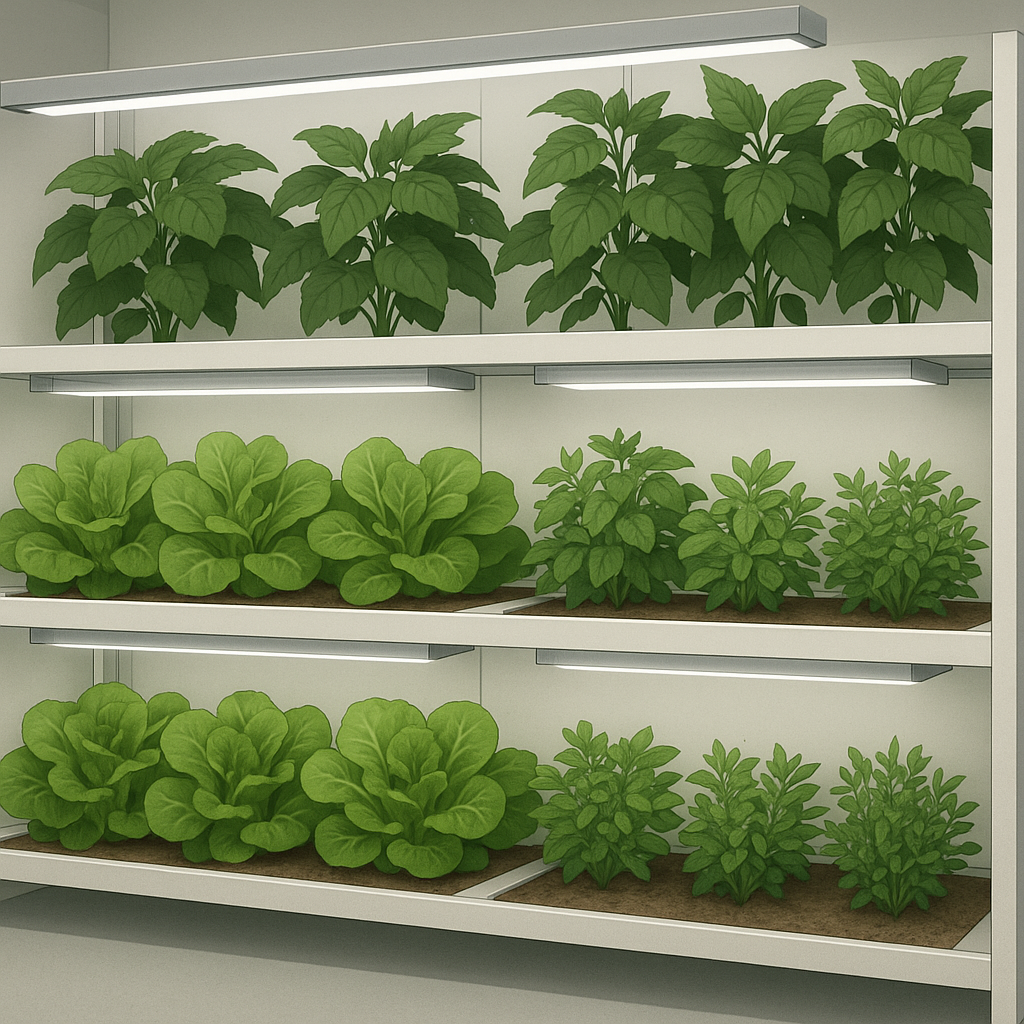
Companion planting can also improve spatial efficiency. Fast-growing species like radishes or microgreens can be intercropped with slower-maturing crops such as tomatoes or peppers. In vertical rack systems, lower layers might host shade-tolerant crops, while upper tiers grow species that thrive under higher light intensities. This layering creates a productive mosaic within the farm footprint, echoing the efficiency of natural ecosystems.
Practical Considerations for Implementation
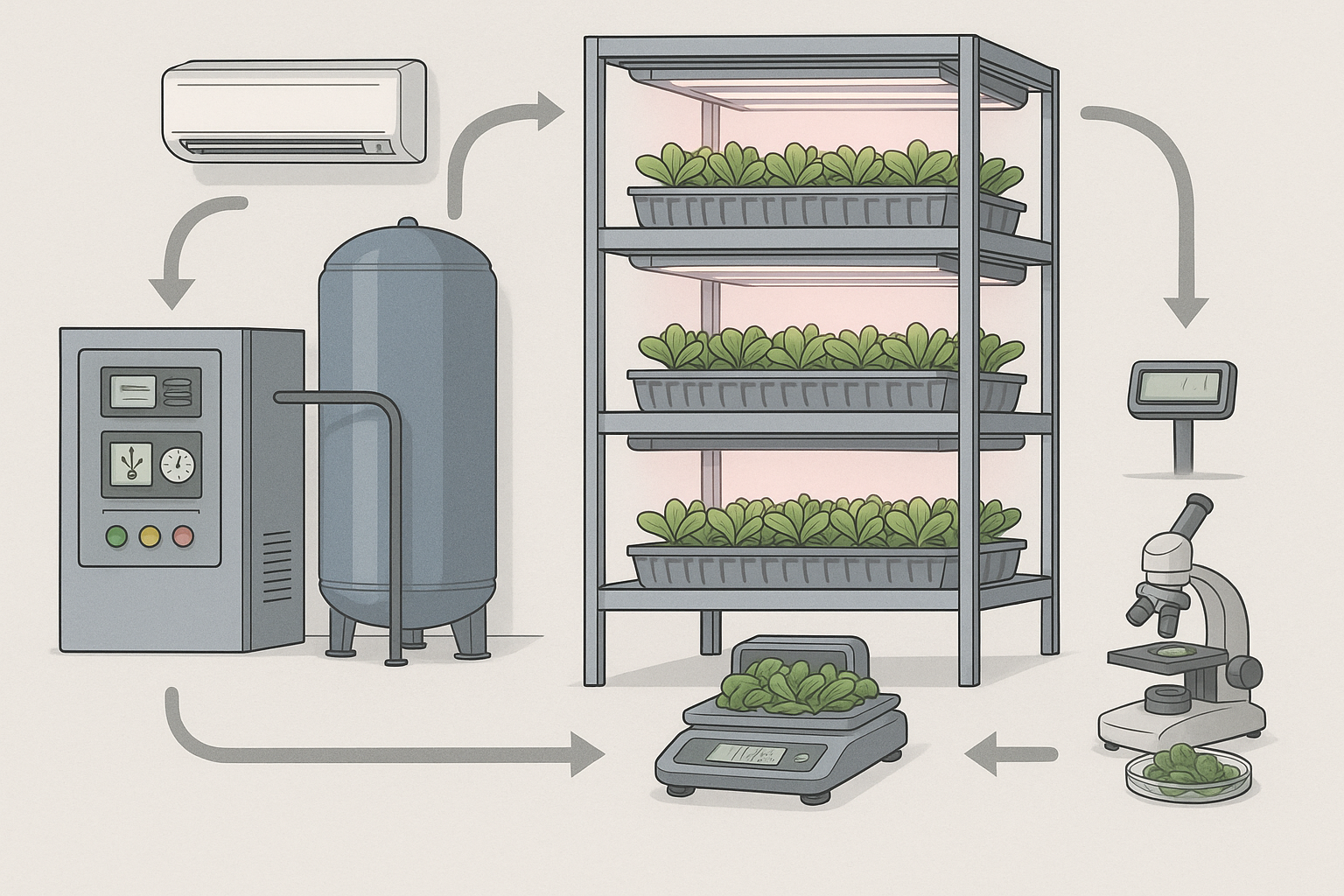
Despite its promise, companion planting in CEA must be carefully managed. Unlike in open fields, mistakes in closed environments can escalate rapidly. Allelopathic effects, where one species releases compounds that inhibit the growth of another, must be considered and monitored. Similarly, competition for light, airflow, and nutrients can cause imbalances if crop densities are not optimised. Successful models require testing and fine-tuning, ideally supported by digital twin simulations or sensor-driven monitoring.
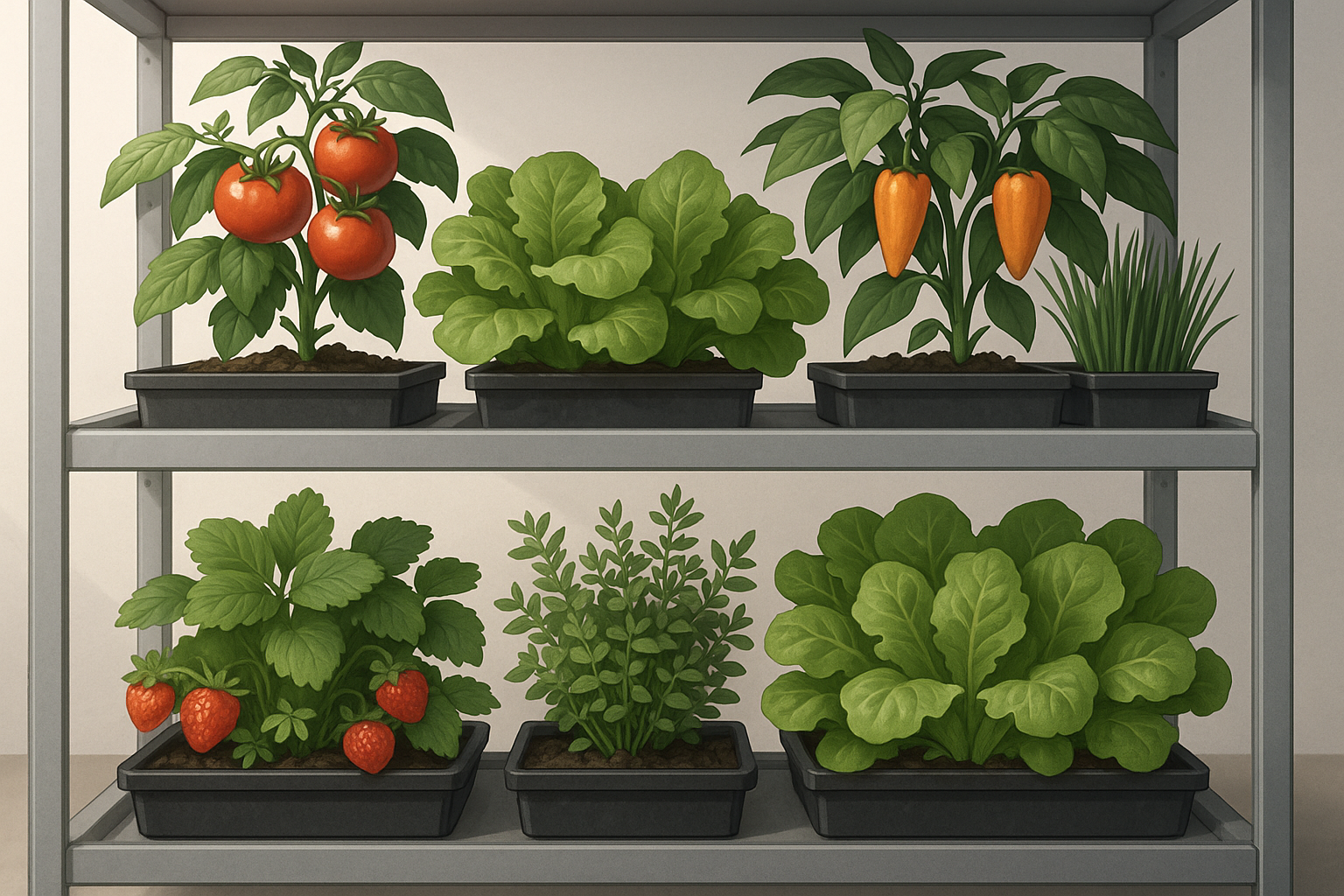
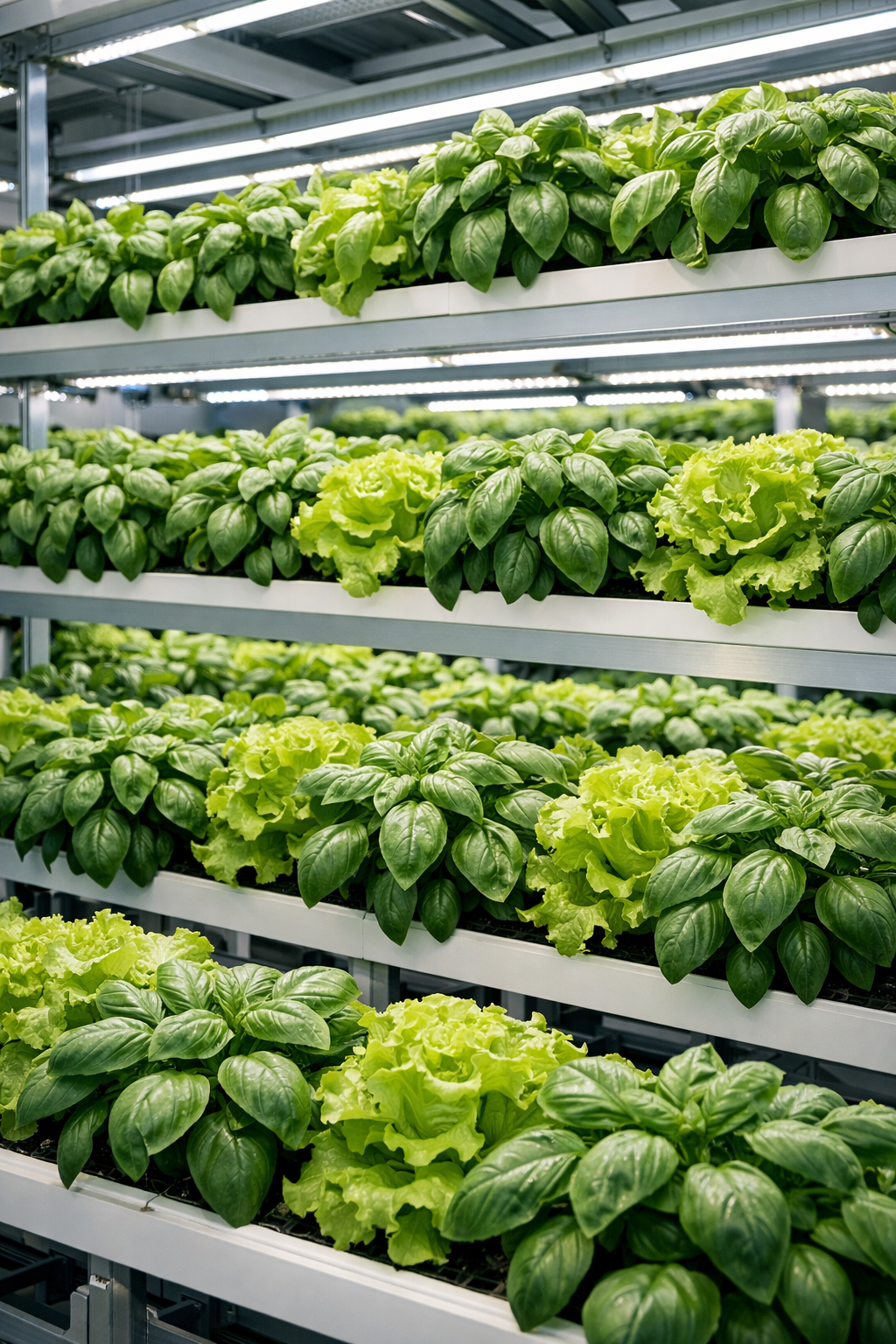
Economic considerations also matter. Indoor farms are often designed for consistency and uniformity, particularly when supplying high-value markets. Introducing multiple species into a single production unit complicates scheduling, harvesting, and packaging. Nonetheless, with careful planning, companion planting can differentiate products and create marketing narratives around biodiversity and sustainable practices. A tray of salad greens grown with interspersed basil or chive plants may appeal to chefs seeking novel flavour combinations.
Examples from Research and Practice
Although still a developing area, several pilot studies and commercial experiments have begun to explore these possibilities. Trials with basil intercropped alongside lettuce have reported improvements in flavour profile and essential oil content. Research into strawberry cultivation in indoor farms has shown potential for understorey planting of leafy greens, taking advantage of otherwise underutilised light conditions. In aquaponic systems, planting legumes alongside leafy greens can help stabilise nitrogen dynamics, although these interactions require careful balance to avoid excess biomass.
Another avenue of exploration lies in medicinal or aromatic crops. Indoor farms with precise control over photoperiod and spectral quality may use companion planting not only to optimise yield but also to enhance the production of secondary metabolites such as terpenes or flavonoids. This introduces both opportunities and challenges, as metabolite profiles are highly sensitive to environmental variables.
The Role of Companion Planting in the Future of CEA
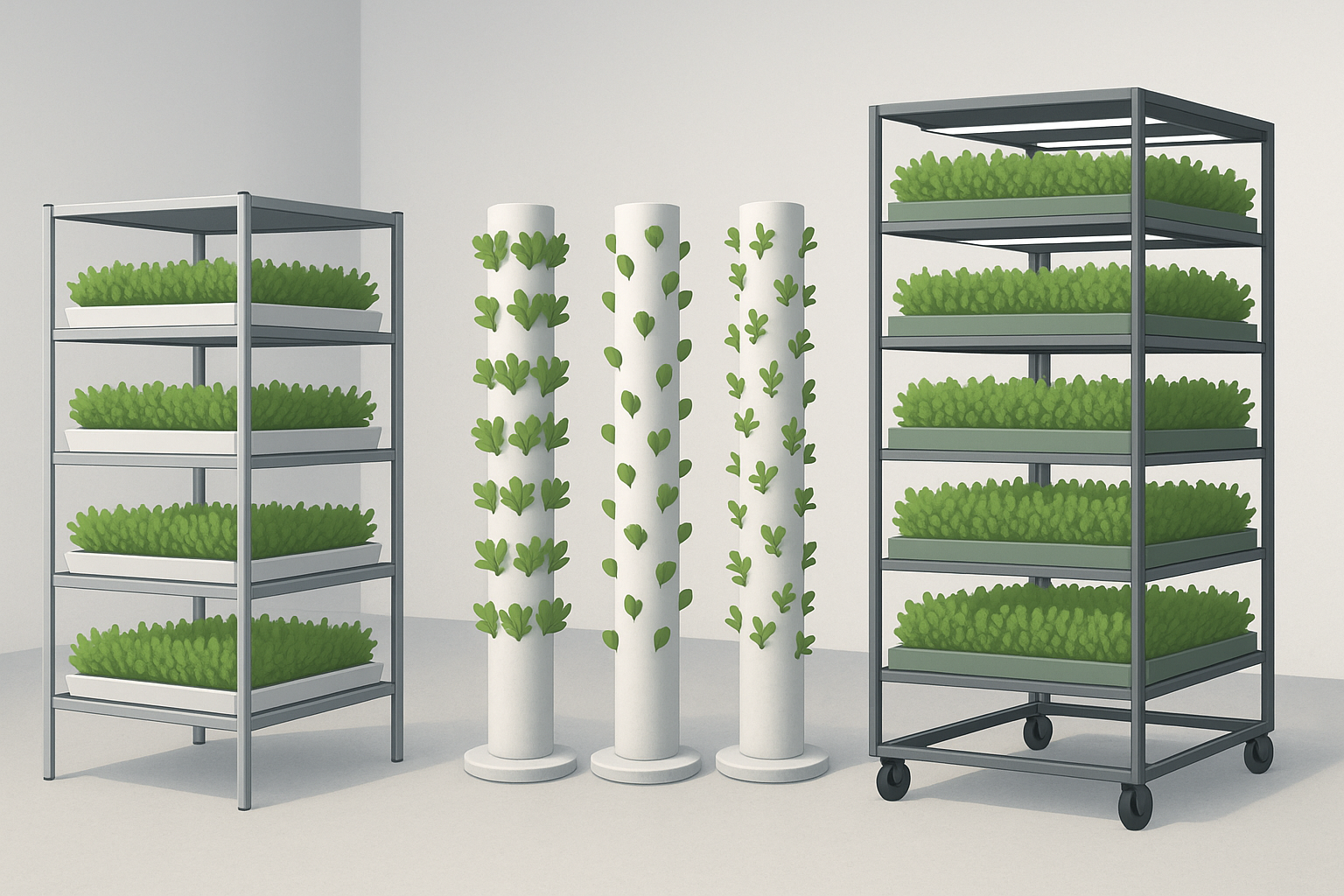
As vertical farming expands, the role of companion planting may shift from an experimental curiosity to a recognised strategy. The controlled nature of indoor systems allows for scientific validation of traditional practices, stripping away anecdotal uncertainty. This may lead to the development of crop pairings optimised for different system types: deep water culture, aeroponics, nutrient film technique, or aquaponics. Over time, such combinations could form the basis of new cropping modules, allowing farmers to integrate diversity without sacrificing predictability.
Companion planting also intersects with sustainability and resilience goals. Monocultures in CEA risk vulnerability to specific pests, diseases, or market fluctuations. By diversifying production through compatible crop combinations, farms may reduce risk while appealing to consumers who value ecological approaches. In a wider context, this aligns with policy ambitions for food system resilience, including the UK’s emphasis on sustainable intensification and reduced reliance on chemical inputs.
Conclusion
Companion planting in CEA represents an evolving frontier where tradition meets innovation. While its benefits are well established in soil-based systems, its translation into vertical farming requires new frameworks of understanding. Research, experimentation, and commercial trials are beginning to reveal how crop pairings can support productivity, flavour, resilience, and sustainability in indoor farms. The journey is at an early stage, but the potential is considerable: designing plant communities that work in harmony within controlled environments may prove as significant as technological advances in lighting or automation. As the sector matures, companion planting could offer new opportunities for integrated design, allowing not only agronomic efficiency but also a richer narrative of ecological awareness in the future of food production.