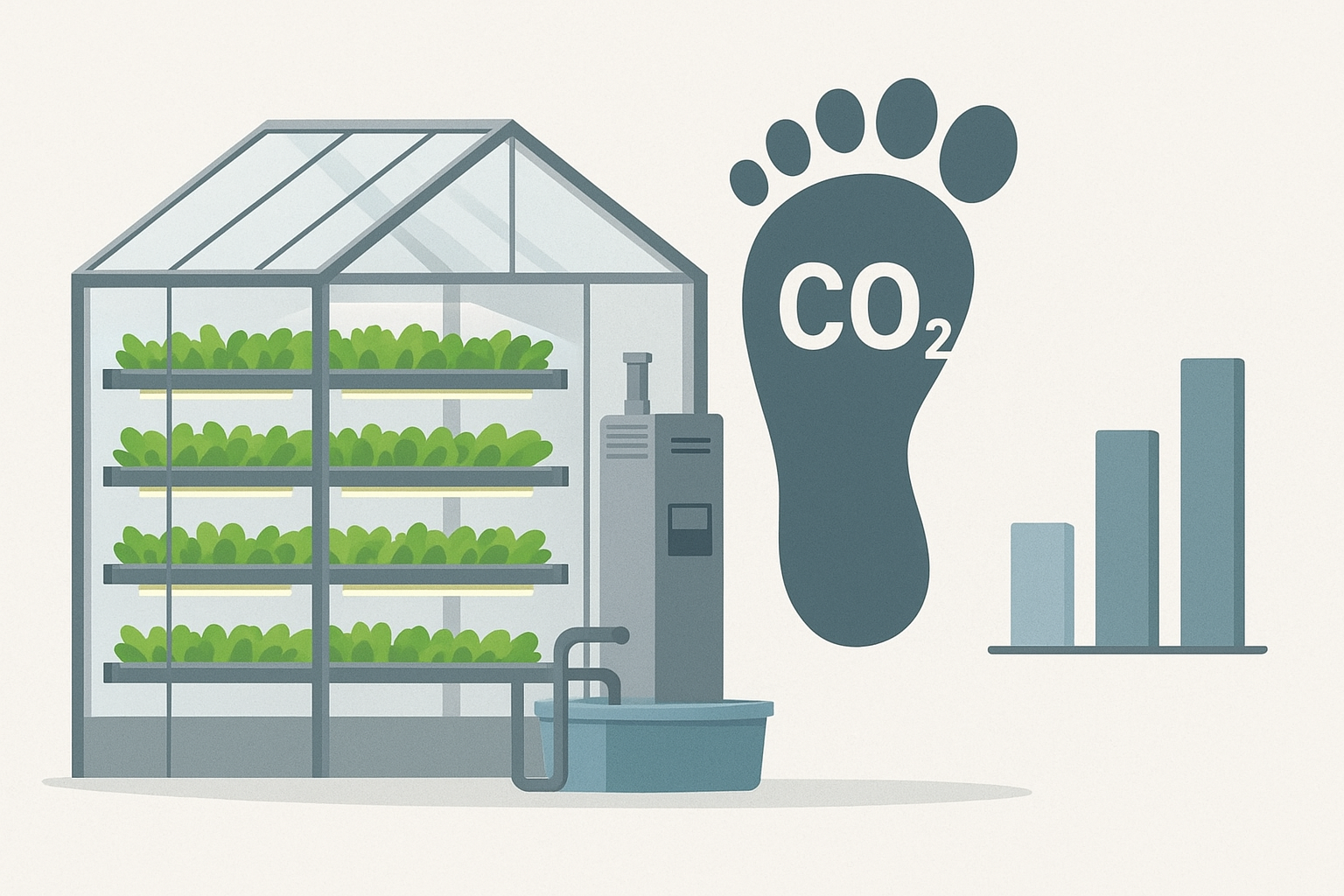
Energy use and sustainability are central considerations in determining the environmental and economic viability in Controlled Environment Agriculture (CEA) and vertical farming production systems. CEA enables precise regulation of climate, light, water, and nutrients, but this precision requires significant energy input. Understanding the balance between resource efficiency, production benefits, and long-term sustainability is critical for growers, investors, researchers, and policy-makers alike.
The Energy Demands of Controlled Environments
CEA systems are designed to maintain optimal growing conditions year-round, independent of outdoor climate. This involves regulating temperature, humidity, ventilation, irrigation, and nutrient delivery, as well as providing photosynthetically active radiation through artificial lighting. In vertical farming, where natural light is often absent or heavily supplemented, artificial lighting can account for 50 to 70 % of total energy use. High-efficiency LEDs have improved energy performance compared to earlier technologies, yet the sheer intensity and duration of illumination required for plant growth mean that lighting remains the dominant energy cost.
Beyond lighting, heating, ventilation, and air conditioning (HVAC) systems are substantial contributors to energy demand. HVAC maintains consistent temperature and humidity, prevents condensation on plant surfaces, and ensures adequate airflow to minimise disease risk. The energy required for dehumidification is particularly significant in closed systems where transpired water vapour must be removed to maintain target humidity. Pumping and water treatment, automation systems, and post-harvest processing also add to the total energy footprint.
Measuring and Understanding Energy Efficiency
Energy efficiency in CEA is typically measured in terms of energy input per unit of biomass or crop yield, sometimes expressed as kilowatt-hours per kilogram of produce. This metric allows comparison between different production methods and helps identify opportunities for efficiency improvements. Life Cycle Assessment (LCA) provides a broader view, accounting not only for direct operational energy use but also for embodied energy in materials, construction, and infrastructure. For example, a vertical farm built with high thermal insulation may require more energy upfront in materials manufacturing, but will achieve lower operational heating and cooling requirements over its lifetime.
Seasonality also affects energy intensity. In temperate climates, winter operation demands more heating and lighting, while summer conditions may increase cooling and dehumidification needs. In regions with abundant low-carbon electricity, the environmental impact of energy use is markedly reduced, while in areas reliant on fossil fuels, operational emissions remain a pressing challenge.
Integrating Renewable Energy Sources
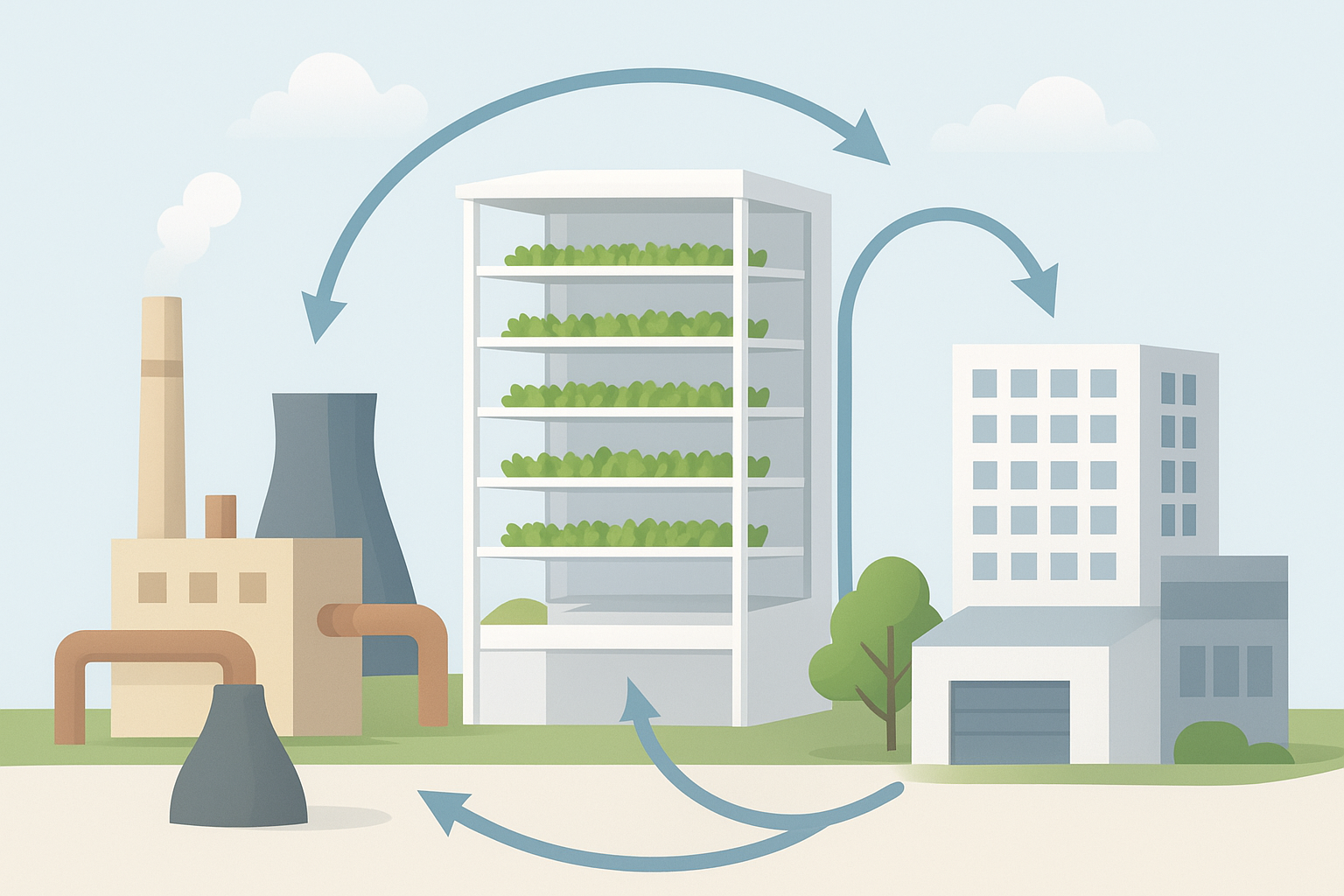
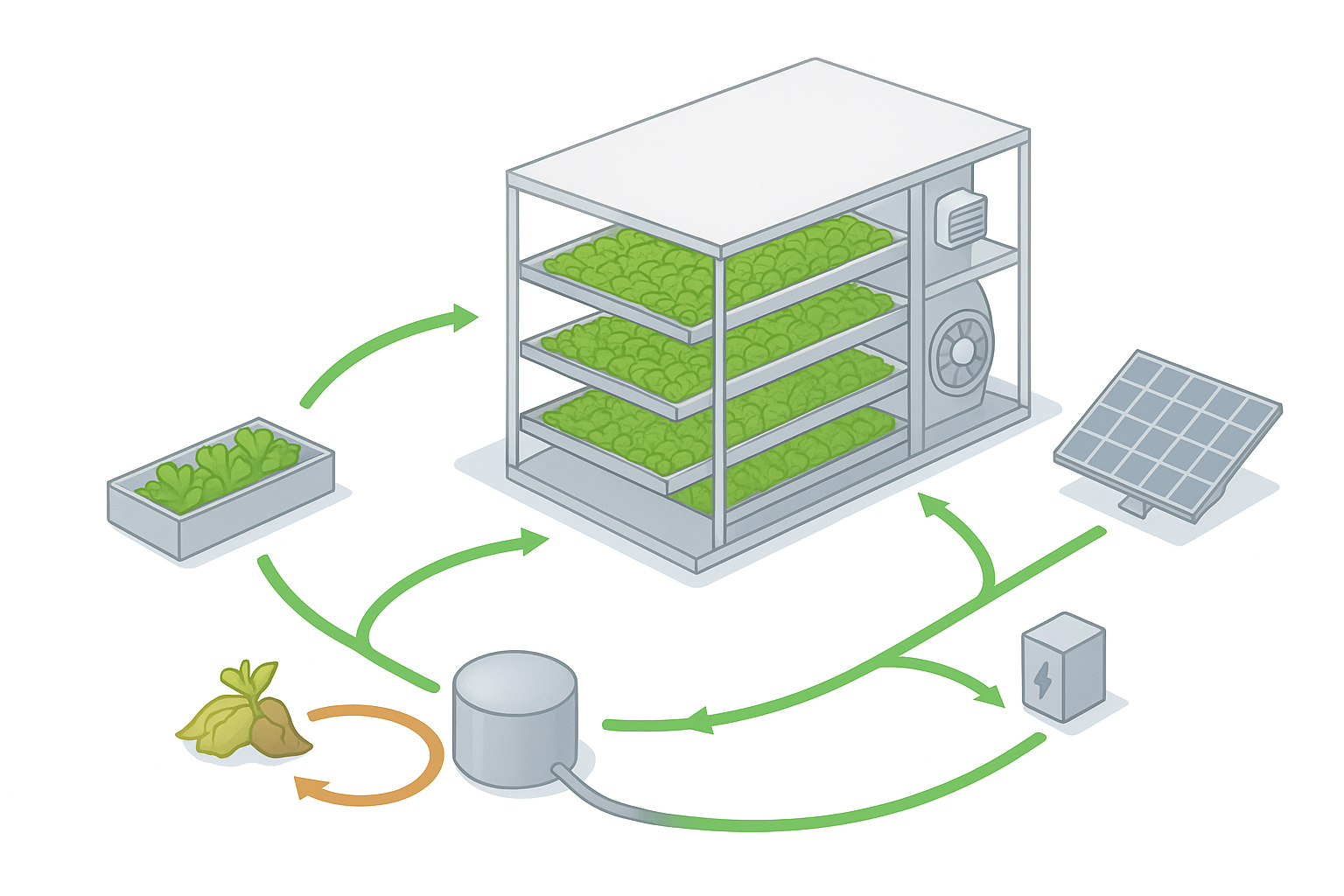
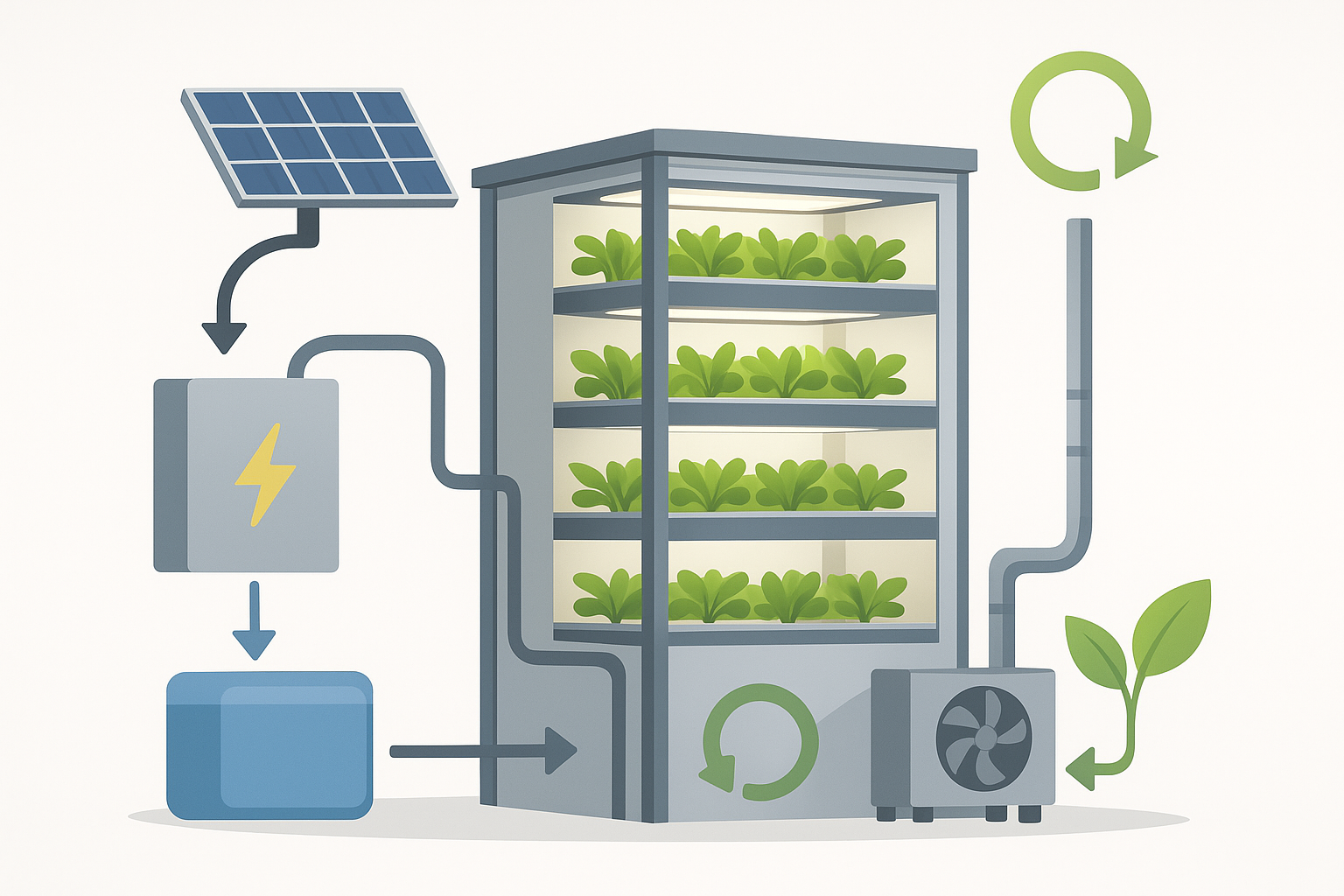
One of the most direct ways to improve the sustainability profile of CEA systems is to integrate renewable energy. Rooftop solar photovoltaic arrays, ground-mounted solar farms, microgeneration wind farms, and power purchase agreements with renewable suppliers can offset electricity demand. In colder climates, biomass or geothermal systems can supply heating, while waste heat from nearby industrial processes or data centres can be redirected into CEA facilities (when heating is required). Coupling renewable generation with energy storage systems, such as lithium-ion batteries or thermal storage, allows farms to smooth energy use across the day and mitigate demand peaks.
Some advanced facilities are experimenting with hybrid lighting systems, combining natural daylight with supplemental LEDs to reduce electricity requirements. This approach, while more complex to manage, can significantly cut lighting costs in greenhouses or partially glazed vertical farming structures, but it needs to be weighed against the potential for additional costs for environmental control.
Balancing Productivity and Sustainability
Energy use in CEA cannot be assessed solely as a cost to be reduced; it must also be viewed in relation to the benefits of consistent, high-quality production with reduced reliance on pesticides and shorter supply chains. Vertical farms can produce crops in urban centres, lowering the emissions associated with transport and enabling fresher produce for consumers. They also require far less land and can operate with closed-loop water systems that minimise waste.
However, these benefits do not automatically outweigh the carbon footprint associated with high electricity use. A sustainable CEA model must achieve a balance between high productivity and low environmental impact. This involves selecting energy-efficient technologies, optimising system design, and adopting operational strategies such as dynamic lighting, which adjusts light intensity and duration based on crop stage and daily energy prices.
Policy and Regulatory Considerations
National and regional energy policies directly influence the sustainability of CEA operations. Incentives for renewable energy adoption, subsidies for energy-efficient equipment, and carbon pricing mechanisms can all change the economic calculus for growers. Regulatory frameworks may also affect building design and energy sourcing, particularly in urban vertical farming projects integrated into existing structures. In some jurisdictions, grid decarbonisation is progressing rapidly, meaning that the sustainability profile of electrically powered CEA operations is improving year by year.
There is also a growing interest from policy-makers in the role of CEA in food security and climate resilience. Energy efficiency improvements in this sector could therefore be incentivised not only for environmental reasons but also as part of strategic food system planning.
The Role of Technological Innovation
Advances in sensor technology, artificial intelligence, and automation are helping to optimise energy use in CEA facilities. Intelligent climate control systems can adjust HVAC and lighting parameters in real time, responding to plant needs, energy prices, and external climate conditions. Predictive models can schedule operations to take advantage of low-cost renewable energy availability, while advanced LED systems can tailor light spectra to specific growth stages, reducing wasted energy.
Emerging research is exploring alternative production techniques that inherently lower energy demand. For instance, plant breeding programmes focused on cultivars optimised for indoor environments may yield crops that require less light or can thrive at lower/higher temperatures (depending on system setup), reducing the operational load.
Looking Ahead: Sustainability Pathways
The future of energy use and sustainability in CEA will be shaped by a combination of technological efficiency gains, renewable energy integration, and broader changes in the energy system. As electricity grids decarbonise, the relative climate impact of energy-intensive production will diminish, but operational efficiency will remain essential for economic competitiveness.
A sustainable CEA sector will likely be one that combines optimised facility design, smart operational management, low-carbon energy sourcing, and careful selection of crop types suited to indoor conditions. The sector’s ability to meet both productivity and environmental goals will depend on collaboration between engineers, horticultural scientists, energy specialists, and policy-makers.
For investors and operators, the message is clear: energy is both a major cost and a defining sustainability factor in CEA. Those who can manage it efficiently, source it responsibly, and align production with environmental objectives will be best placed to succeed in a rapidly evolving market.