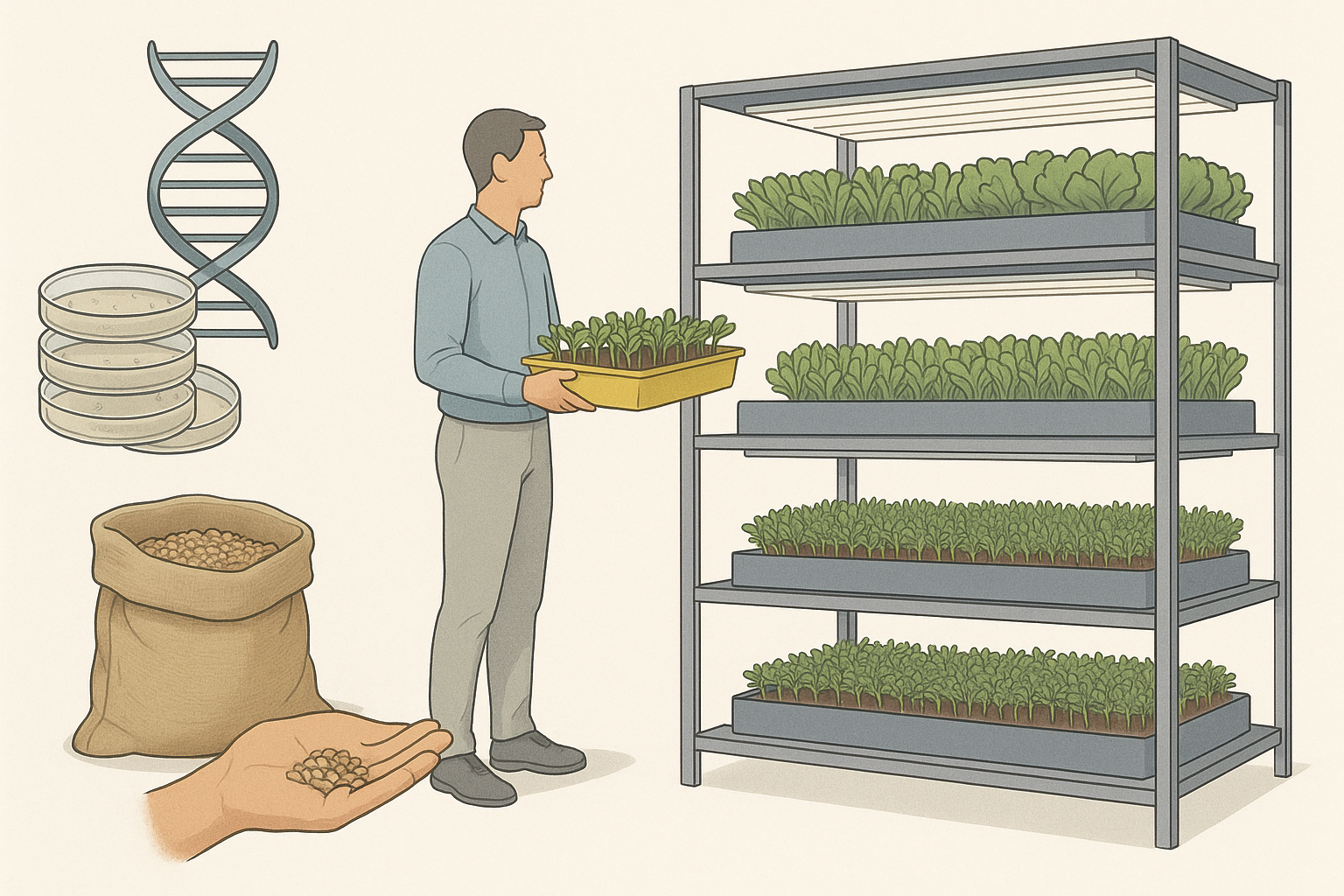
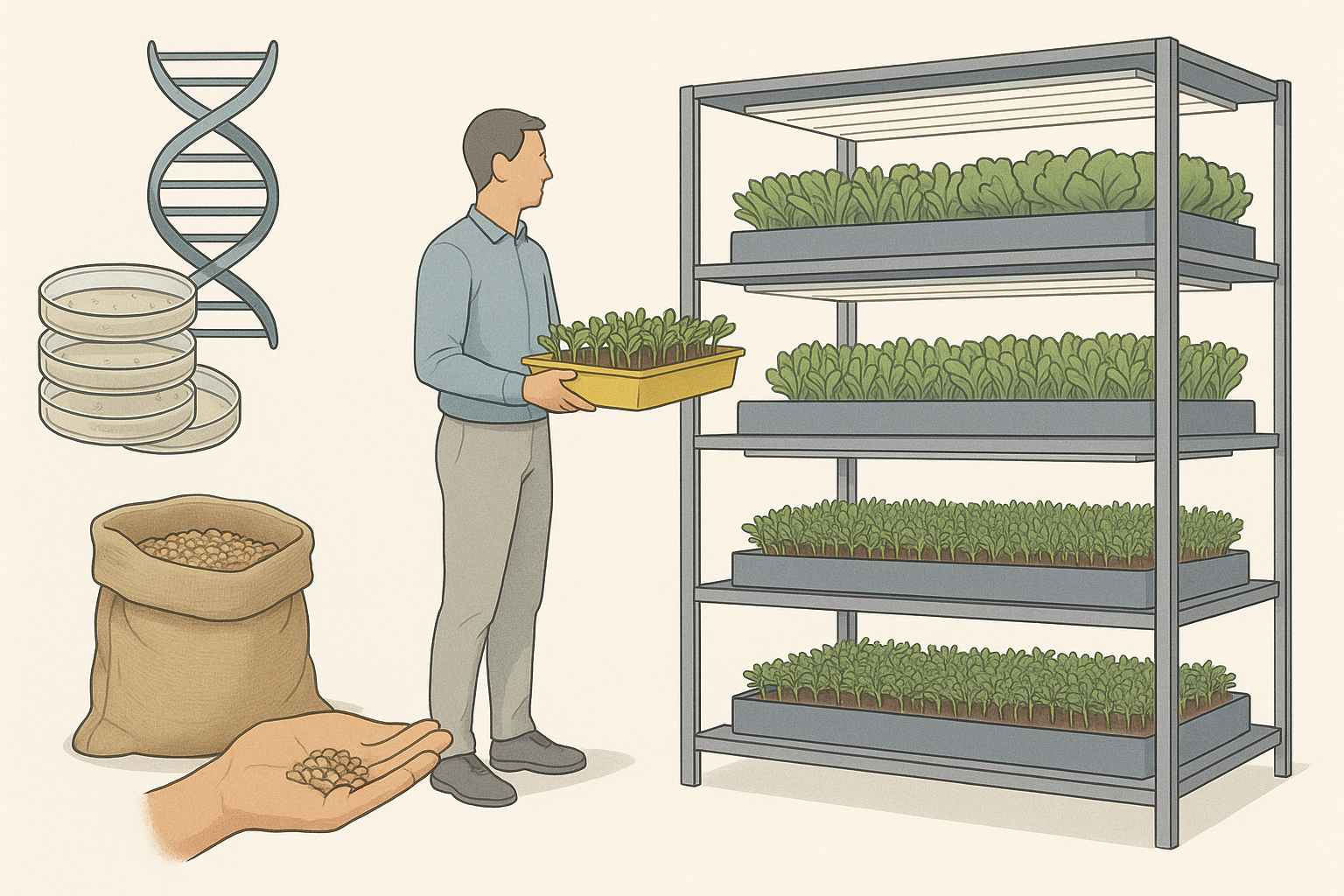
The success of Controlled Environment Agriculture (CEA) depends not only on advanced infrastructure, energy systems, and management strategies, but also on something more fundamental: access to high-quality seed. For vertical farms and indoor growing systems, challenges sourcing seed for CEA are becoming increasingly evident. While conventional agriculture benefits from a vast global seed supply chain, indoor farms require plant varieties that are adapted to highly controlled environments where light spectra, temperature, humidity, and nutrient delivery differ substantially from field conditions. Here we will explore the complexities of seed supply for indoor farming, outlining why it matters and how it shapes the viability of the sector.
Why seed supply matters in CEA
Every crop grown indoors begins with a seed, yet not all seeds are created equal. Varieties developed for open-field cultivation may perform poorly in controlled environments because they have been bred for resilience to weather, pests, and varied soil conditions, rather than optimised for hydroponic or aeroponic systems. For instance, a lettuce seed bred for outdoor fields might bolt prematurely under the higher light intensity of LED systems, whereas a variety developed for indoor farming could deliver more consistent leaf morphology and uniform growth. This mismatch highlights why securing appropriate seed is critical: it directly affects yield, quality, and ultimately the profitability of indoor farms.
Limitations of existing seed supply chains
Most seed companies focus their breeding programmes on outdoor agriculture, where demand is highest. As a result, the pool of varieties specifically designed for CEA is limited. Indoor farmers often adapt existing cultivars, but this can lead to inefficiencies. Limited availability of trial data under CEA conditions compounds the problem, making it difficult for growers to predict performance without costly experimentation. In addition, seed availability can fluctuate depending on global supply chains, seasonal production cycles, and intellectual property restrictions tied to proprietary genetics. This dependency introduces risk for new and established growers alike.
The role of intellectual property and licensing
Seed breeding is highly protected by intellectual property laws, and many of the most promising varieties for CEA are controlled by large multinational companies. Farmers may find themselves bound by restrictive licensing agreements that limit re-use or modification. For small-scale vertical farms or start-ups, negotiating access to such varieties can be a financial and administrative barrier. This legal framework ensures that breeders are rewarded for their work, but it can also slow down innovation and adaptation of seed for new environments such as vertical farms.
Technical requirements for CEA-adapted seed
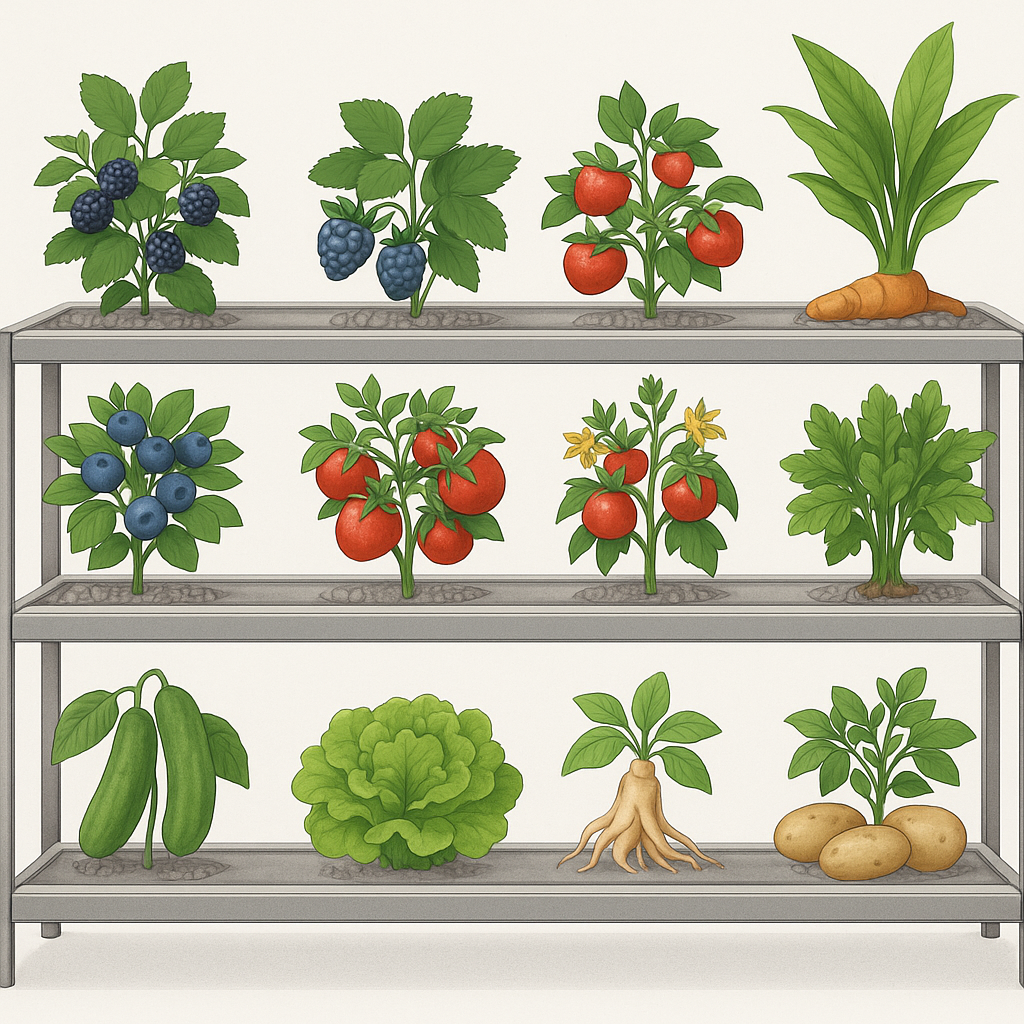
The traits needed for successful crops in controlled environments differ from those prioritised in traditional agriculture. Indoor farms value compact plant architecture, predictable harvest cycles, uniformity, and tolerance to high-density planting. Seeds must germinate reliably in hydroponic or aeroponic substrates, respond well to artificial lighting regimes, and fit into tightly scheduled production recipes. For example, microgreens and baby leaf crops require rapid germination and consistent morphology, while fruiting crops such as tomatoes need varieties that perform under pollination protocols without reliance on open-field insect activity. Developing seeds that meet these criteria requires specialised breeding programmes, yet relatively few companies are investing at this scale.
Emerging solutions and collaborations
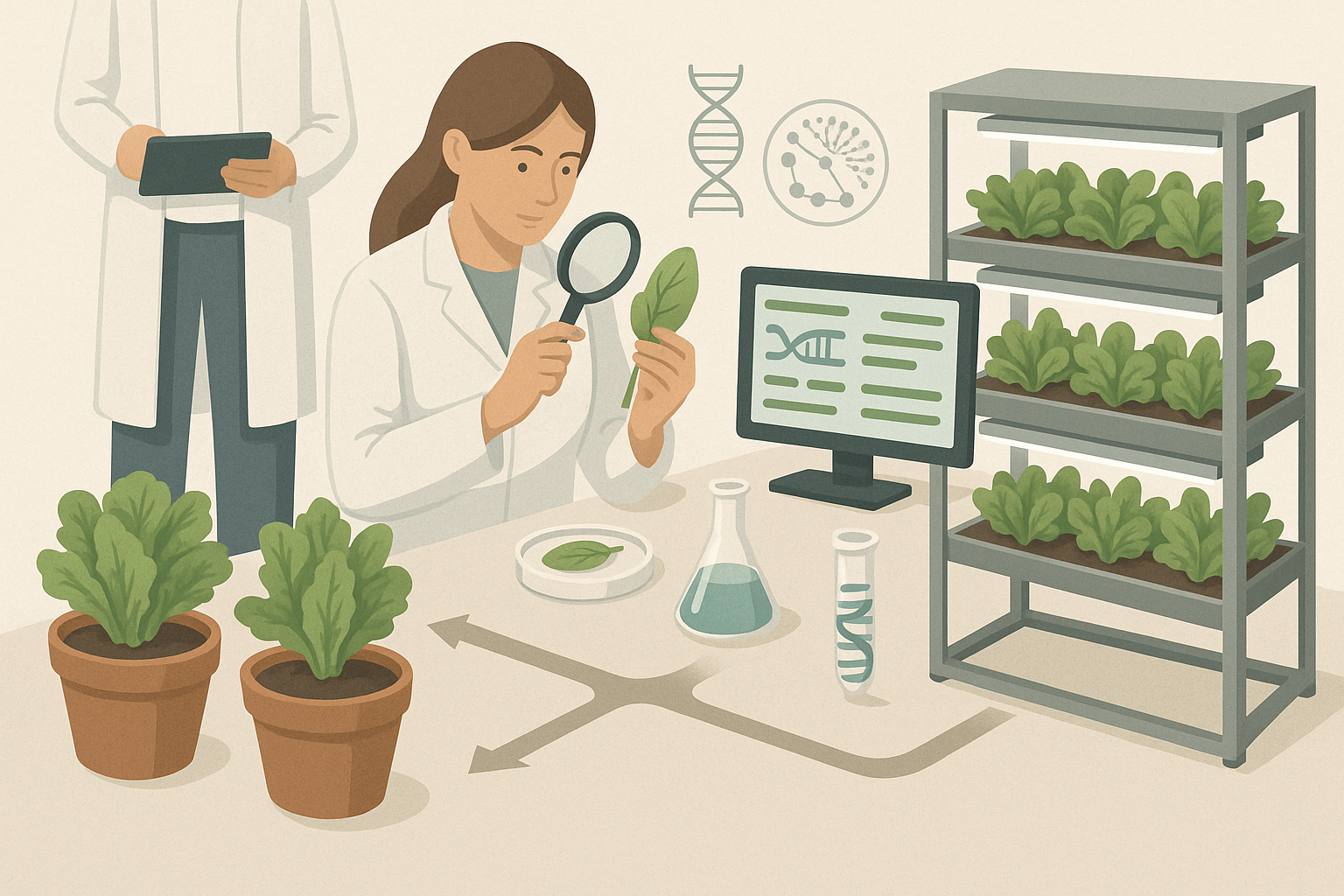
Some progress is being made to address these challenges. A growing number of seed companies and research institutions are beginning to develop varieties tailored to CEA. Partnerships between vertical farm operators and breeders are also emerging, where farms provide the controlled conditions for rapid trait selection and seed companies bring genetic expertise. This collaboration can accelerate the development of varieties better suited to indoor conditions, such as lettuce with improved tip-burn resistance under low airflow, or strawberries bred for reliable fruit set without pollinators. At the same time, advances in genomic selection and gene editing technologies provide new tools to shorten breeding cycles, although their acceptance will depend on regulatory and consumer attitudes to genetic modification.
Market pressures and resilience
The global seed industry is highly consolidated, with a small number of companies controlling the majority of commercially available varieties. For indoor farms, this concentration can translate into vulnerability. Supply disruptions, price increases, or withdrawal of specific varieties from the market can all have outsized impacts on CEA operations. Developing local or regional seed hubs, or encouraging open-source breeding projects, has been proposed as a way to reduce dependency and enhance resilience. Some indoor farms are even beginning to explore in-house breeding and seed-saving programmes, though this remains challenging given the technical expertise required.
Why addressing seed challenges is essential
The long-term viability of vertical farming will depend on more than the efficiency of LEDs or automation systems. Without reliable access to suitable seed, farms cannot scale consistently or meet market demands. Investors and policy-makers are beginning to recognise that plant genetics is a bottleneck for the industry, and that solving challenges sourcing seed for CEA is just as important as addressing energy costs or distribution logistics. Efforts to build a more tailored seed supply chain could transform the efficiency, sustainability, and competitiveness of indoor farms worldwide.
Conclusion
Seed supply is often overlooked in discussions of Controlled Environment Agriculture, yet it sits at the heart of the sector's success. Indoor farming systems place unique demands on crops, demands that cannot always be met by varieties bred for outdoor fields. Overcoming seed supply challenges will require coordinated action: breeders must develop new lines; growers must share performance data; and investors and policy-makers must recognise the strategic value of seed in building resilient food systems. As CEA matures, securing access to the right seed will become one of the defining factors in determining which farms thrive and which struggle to compete.