Integrated Pest Management (IPM) in CEA and vertical farming is a strategic, science-based approach to controlling pests, diseases, and weeds while minimising reliance on chemical pesticides. In indoor plant production systems, IPM is not simply a reactionary measure; it is a preventative, ongoing framework that integrates biological, cultural, mechanical, and, when necessary, chemical methods to maintain crop health and productivity. Its principles are particularly relevant to controlled environment agriculture, where the absence of natural ecological balances requires careful monitoring and proactive intervention.
Why IPM Matters in CEA
CEA facilities such as vertical farms, greenhouses, and plant factories are designed to optimise growth conditions, but these same stable environments can also favour the rapid spread of pests and diseases if not managed correctly. Unlike open-field agriculture, the pest species in indoor systems often have fewer natural enemies and can adapt quickly to stable conditions. For example, whiteflies, spider mites, and fungal pathogens can thrive year-round when humidity, temperature, and host plants are consistent.
IPM addresses this by prioritising early detection and integrated prevention strategies over blanket chemical application. The method reduces pesticide residues, supports compliance with food safety and sustainability certifications, and helps prevent the development of pesticide resistance. This is not only vital for maintaining yield and quality, but also for safeguarding market access and consumer trust.
Core Principles of IPM in Indoor Plant Production
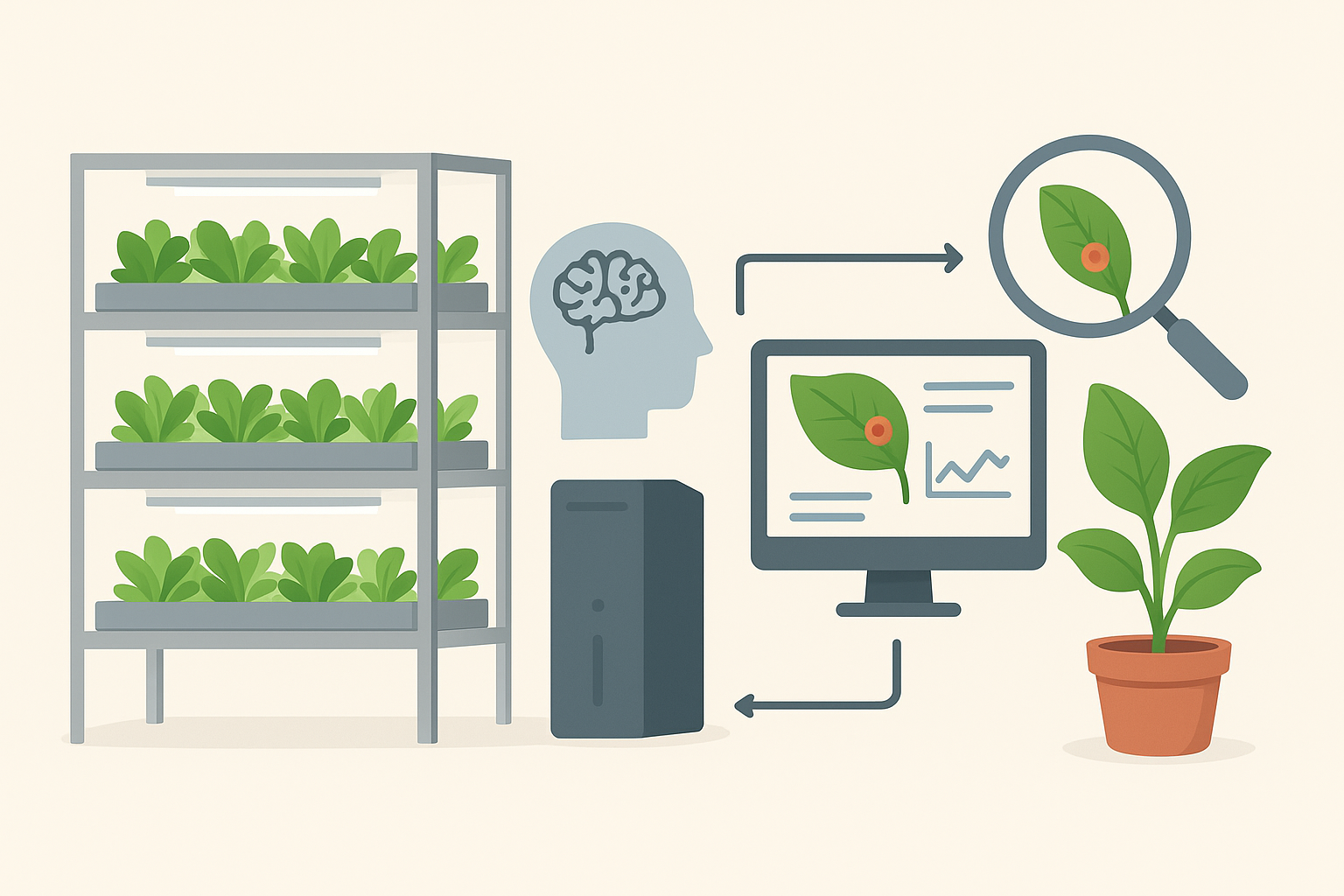
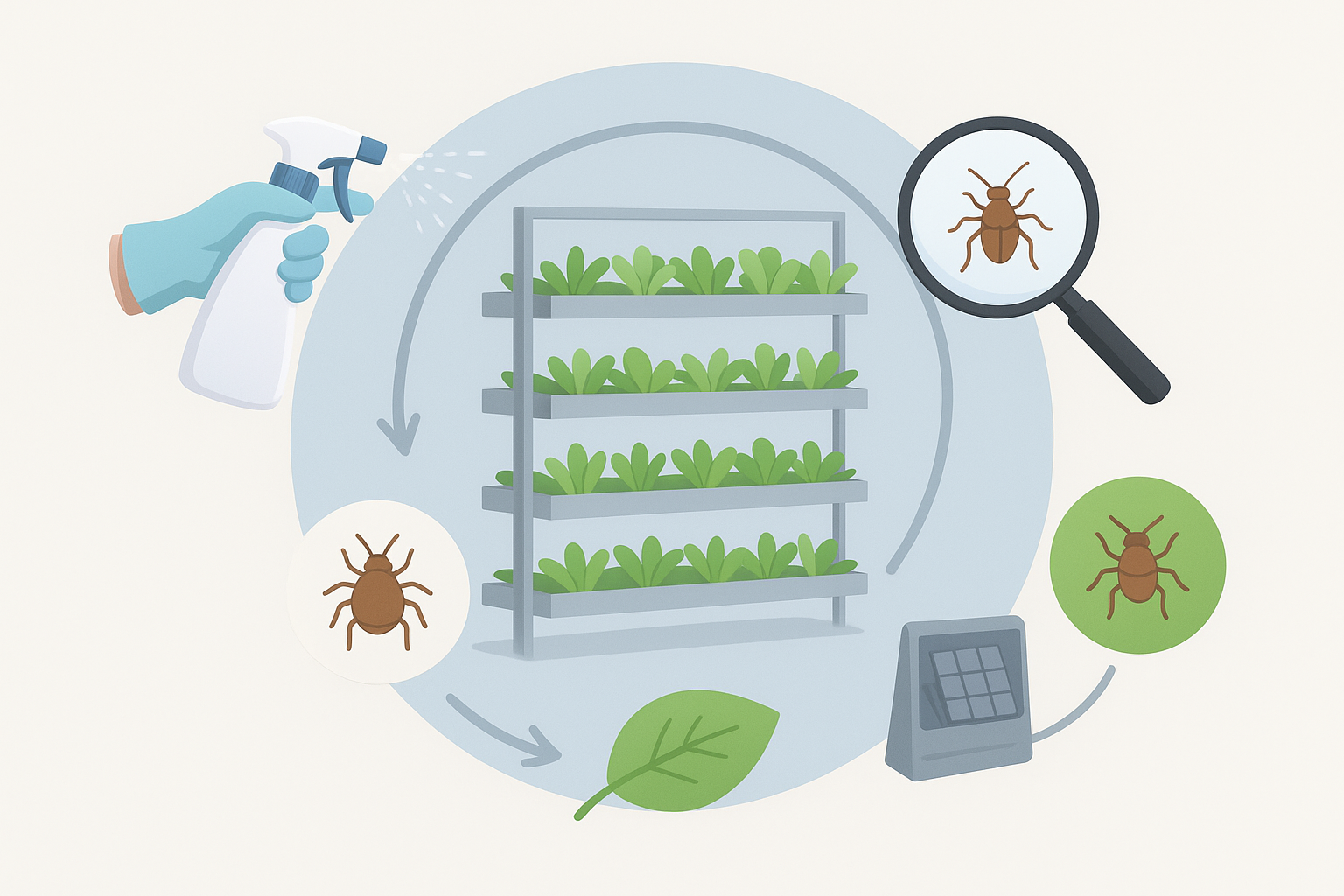
IPM is built on a series of interconnected steps: identification, monitoring, threshold setting, intervention, and evaluation. Correct identification of pests or pathogens is critical; misdiagnosis can lead to ineffective treatments and wasted resources. Monitoring involves systematic evaluation and the use of tools such as sticky traps, pheromone lures, or optical sensors to detect early signs of infestation. In CEA, digital imaging and machine learning are increasingly used to detect subtle visual cues before pests are visible to the naked eye.
Threshold setting defines the point at which pest populations are likely to cause economic harm. These thresholds may be lower in vertical farming than in open field systems due to the high value of crops and the speed at which pests can spread in enclosed conditions. Once thresholds are exceeded, interventions are applied in a targeted and staged manner: biological controls such as beneficial insects or microbial antagonists are favoured first, with chemical treatments used selectively when other measures are insufficient. Finally, outcomes are evaluated to refine future responses and improve system resilience.
Preventive Strategies in IPM for Indoor Farms
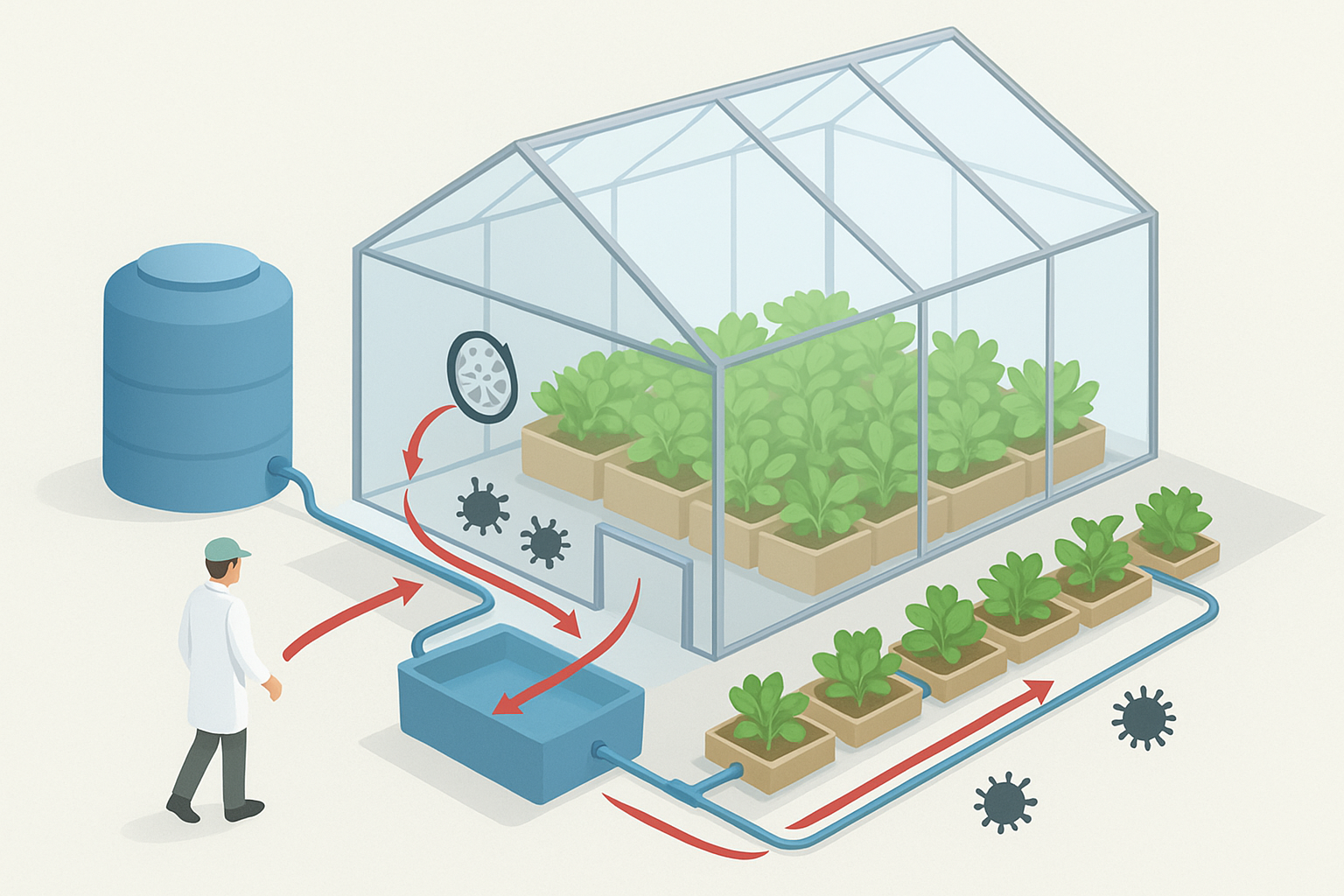
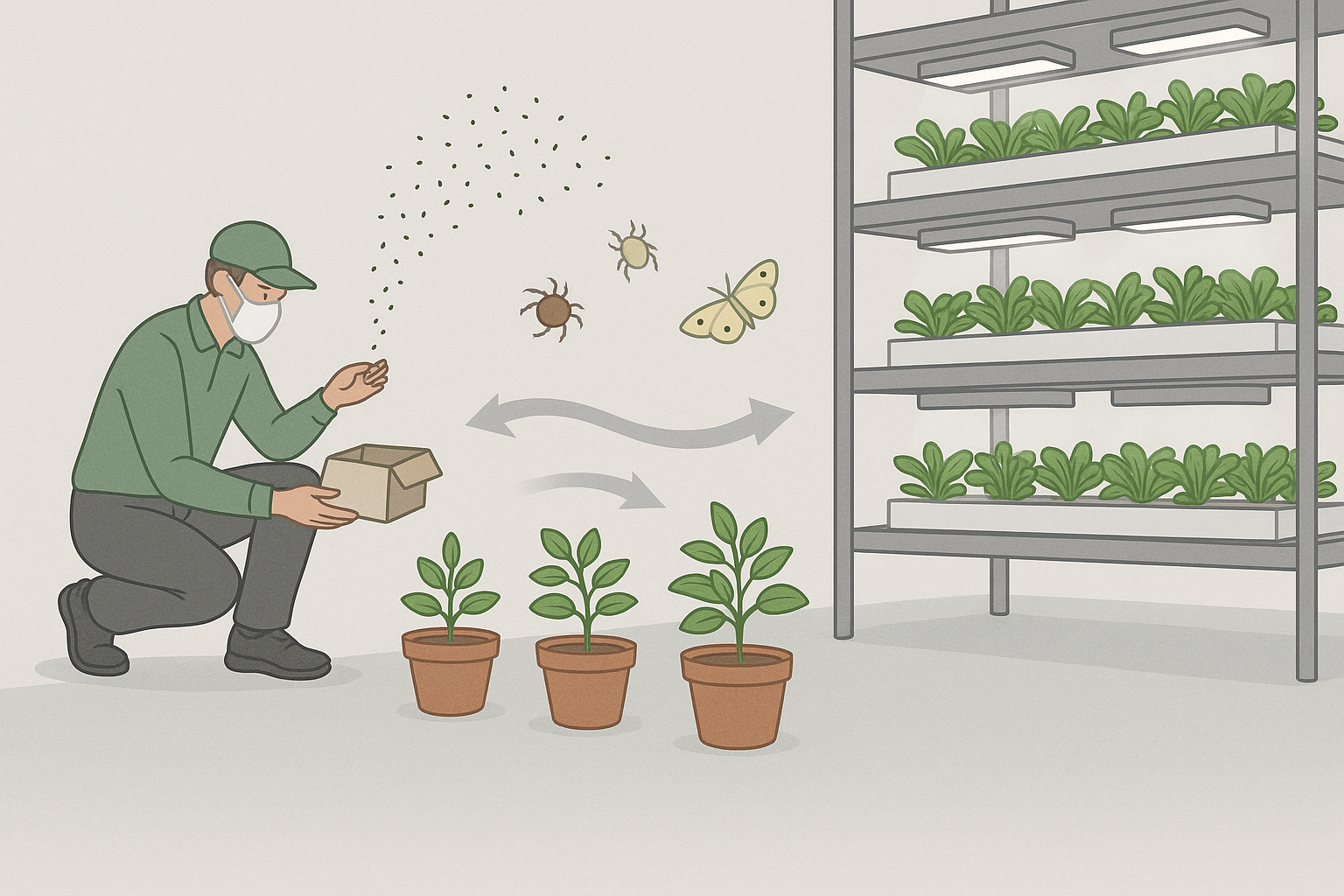
Prevention is at the heart of effective IPM. In vertical farming, biosecurity begins at the point of entry: staff and visitors may be required to change footwear, wear protective clothing, or pass through hygiene barriers. Air filtration systems can reduce airborne pathogen spores, while positive air pressure can help prevent insect ingress. Crop layout and workflow planning are equally important, with designs that minimise cross-contamination risk between growing zones.
Cultural controls are particularly valuable in enclosed environments. These include adjusting humidity and temperature to create less favourable conditions for specific pests or diseases, rotating crop varieties to reduce pathogen build-up, and using resistant cultivars where available. Sanitation measures such as removing plant debris promptly and disinfecting tools and surfaces are essential in reducing the inoculum load within the facility.
Biological and Chemical Controls in CEA IPM
Biological control agents have become central to IPM in CEA. Predatory mites such as Amblyseius swirskii and Phytoseiulus persimilis can effectively manage thrips and spider mites, while parasitic wasps like Encarsia formosa target whitefly populations. Microbial biopesticides, including Bacillus subtilis and Beauveria bassiana, offer targeted suppression of fungal pathogens and insect pests without leaving harmful residues.
Chemical pesticides are still used in some IPM programmes, but their role is typically limited to targeted, minimal applications when biological and cultural controls cannot keep pest populations below thresholds. In CEA, this often means using products with short re-entry intervals and low environmental persistence to protect beneficial organisms and maintain worker safety.
Monitoring and Decision-Making in IPM
In modern vertical farms, monitoring has evolved from manual inspection alone to include precision technologies. IoT-enabled sensors can track microclimatic variables linked to pest outbreaks, while AI-driven image recognition software can identify pests in real time. Decision-making frameworks such as action thresholds help determine when intervention is economically and biologically justified, avoiding unnecessary treatments. This threshold-based approach is especially important in CEA, where intervention costs and crop values can be high.
Ecological and Economic Benefits
IPM offers clear sustainability benefits. By reducing chemical inputs, it lowers the environmental footprint of food production, improves worker safety, and helps protect biodiversity. In closed systems, excessive pesticide use can also lead to chemical accumulation, which may affect crop health and facility operations; IPM minimises this risk. From an economic perspective, a well-designed IPM programme can lower long-term production costs by preventing catastrophic outbreaks and reducing crop losses.
IPM and the Future of Vertical Farming
Integrating IPM into vertical farm system designs will potentially improve operational success., as the industry’s growing reliance on dense, multi-layered plant arrangements means that pest outbreaks can spread more quickly than in traditional greenhouses. At the same time, consumer demand for pesticide-free produce is rising, making preventative, biologically based approaches more commercially attractive.
In the coming years, IPM in vertical farming is likely to be increasingly data-driven. Developments in remote sensing, predictive modelling, and automated release systems for beneficial organisms are poised to enhance precision and reduce human error. Moreover, as regulatory frameworks for pesticide use tighten in many markets, IPM will serve as both a compliance measure and a competitive advantage.
Conclusion
Integrated Pest Management in CEA and vertical farming is not a single tool, but a holistic framework that balances plant health, environmental responsibility, and economic viability. By combining prevention, monitoring, and targeted interventions, IPM reduces the risk of pest outbreaks while maintaining high yields and quality standards. For growers, researchers, and investors, understanding and implementing IPM is central to building resilient, sustainable indoor farming systems that can meet the challenges of modern food production.