Introduction: Why Early Detection Matters in CEA and Vertical Farming
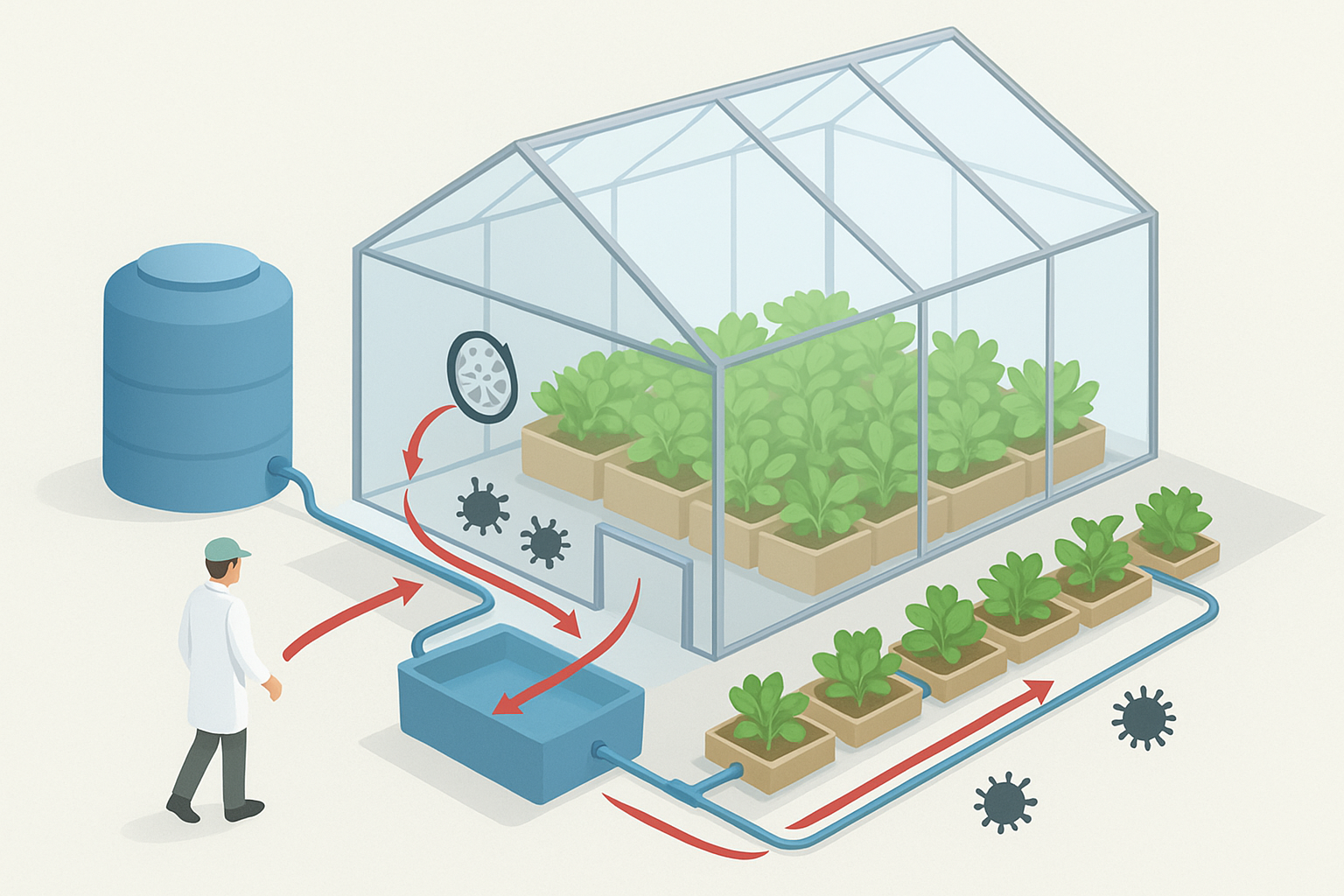
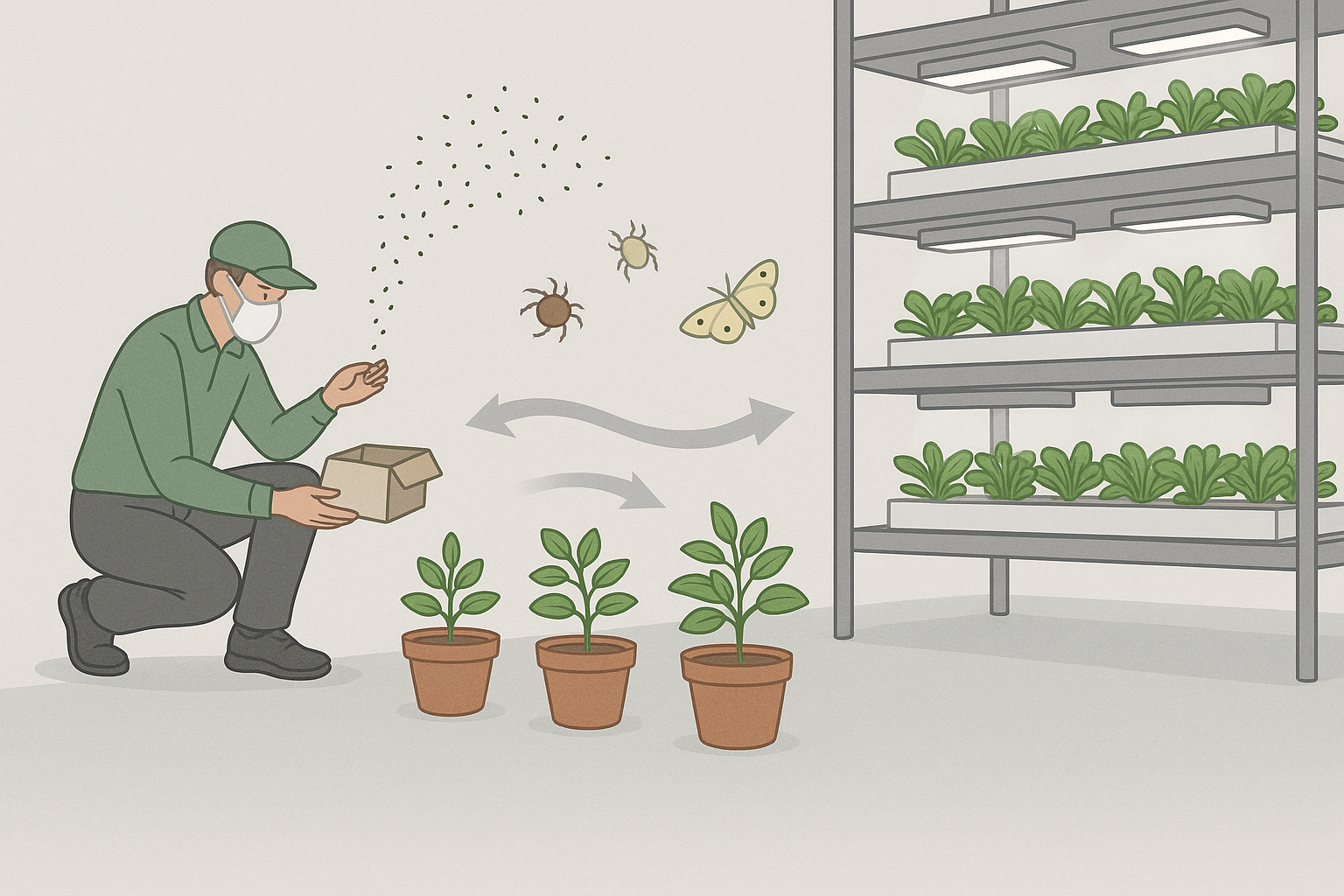
Using AI based approaches for disease detection in CEA and vertical farming offers a significant advancement in the ability to safeguard crop health in indoor plant production. These systems rely on precise management of climate, lighting, irrigation, and nutrient delivery to optimise growth, but the same closed conditions that favour plant productivity can also accelerate the spread of pests and diseases if they are not identified in time. Unlike open-field agriculture, where environmental variability can sometimes slow pathogen progression, the uniformity of indoor systems often allows diseases to develop rapidly and affect large areas before symptoms become visible. Early and accurate detection is therefore not only a matter of yield protection; it is a cornerstone of operational resilience, economic efficiency, and food safety in modern indoor agriculture.
The Science Behind AI Disease Detection in CEA
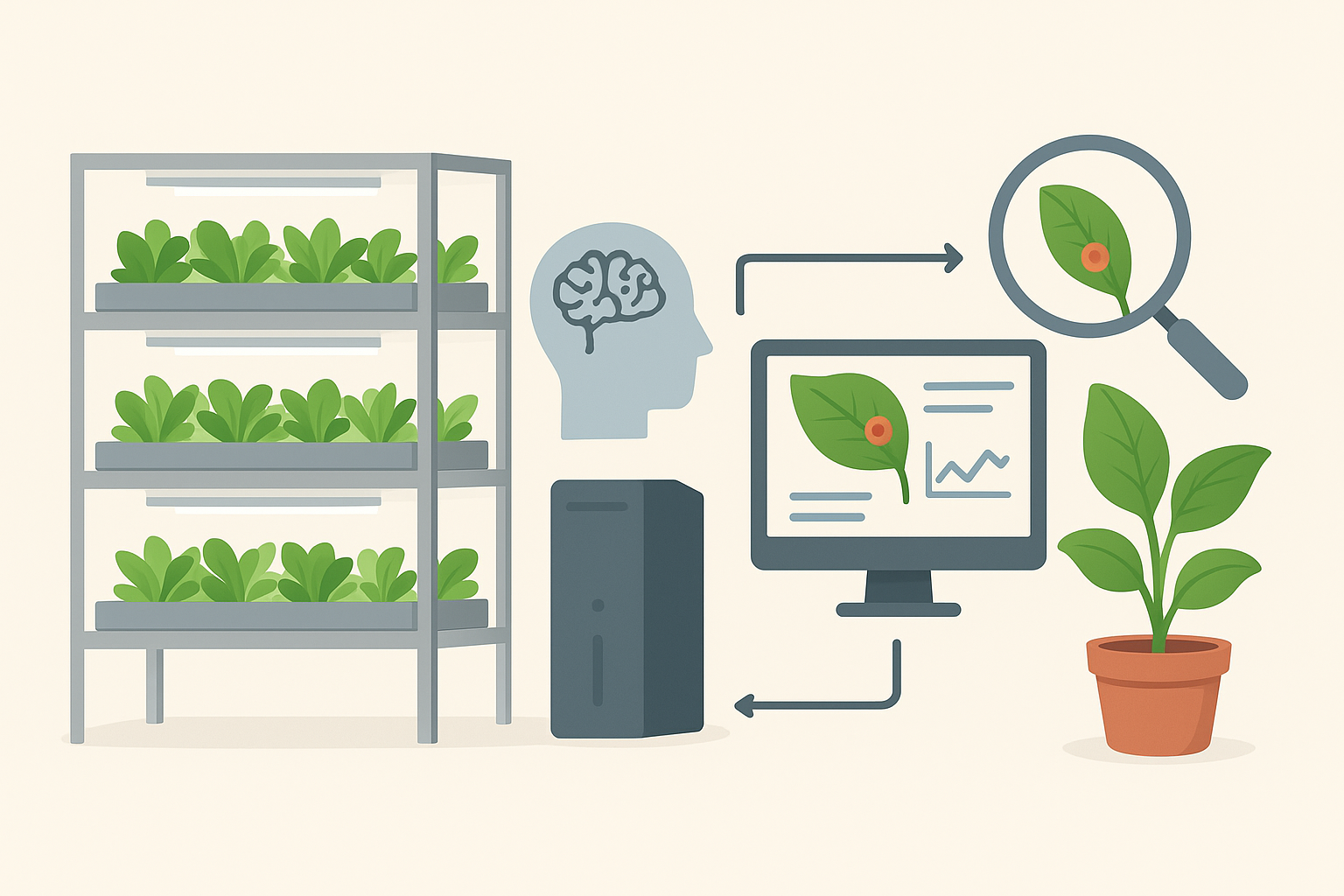
AI-based plant disease detection uses a combination of imaging technologies, sensor data, and machine learning models to identify signs of infection or physiological stress before they are evident to the human eye. Computer vision systems, often employing high-resolution RGB, multispectral, or hyperspectral imaging, capture detailed visual and spectral data from crops at regular intervals. Machine learning algorithms then analyse these data streams to identify patterns associated with early-stage disease, such as subtle changes in leaf reflectance, pigment concentration, or growth morphology. In some systems, AI models integrate environmental data from IoT sensors monitoring temperature, humidity, CO2 concentration, and air flow to predict disease risk based on pathogen life cycle models and known ecological thresholds.
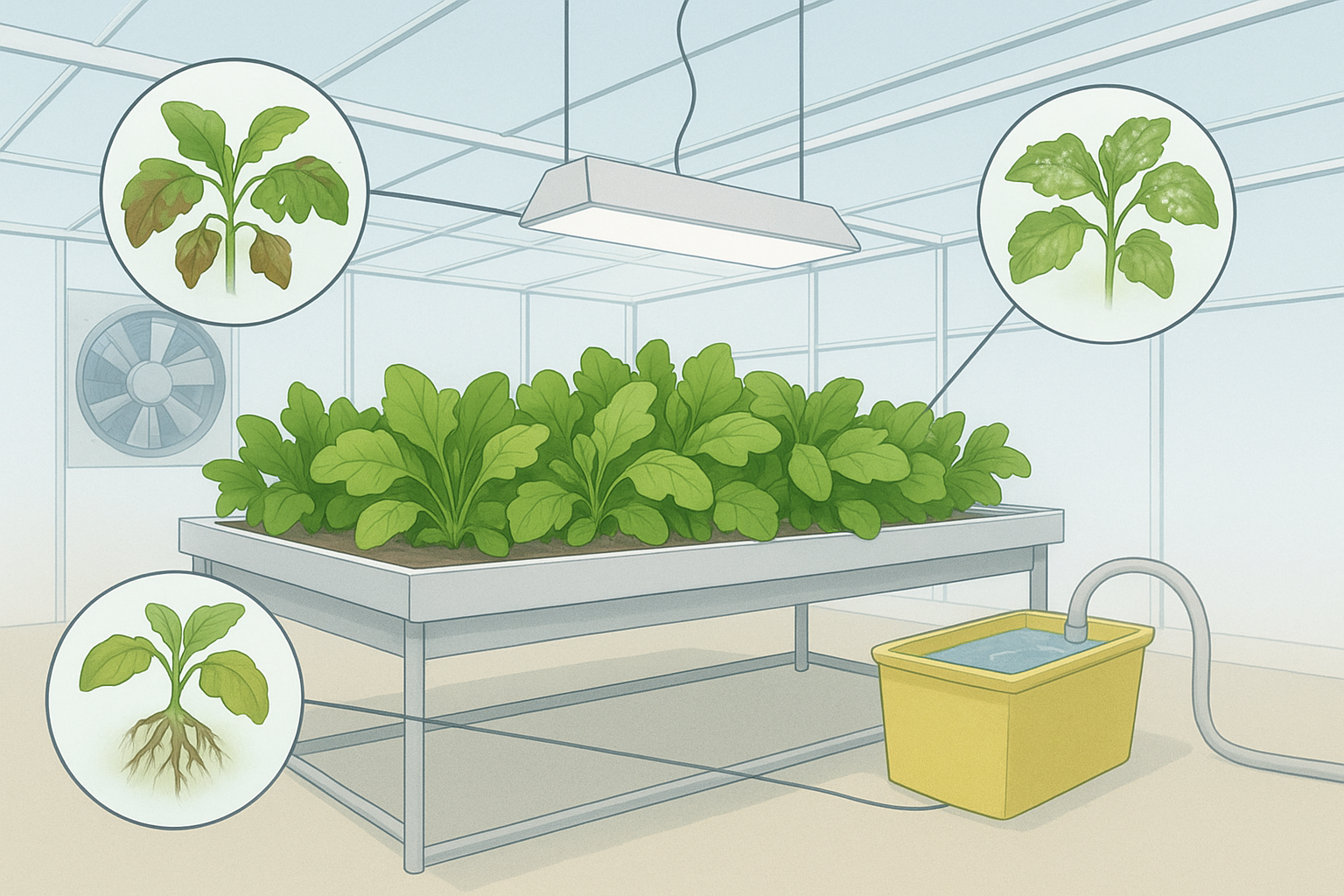
For example, powdery mildew outbreaks in leafy greens can be predicted by combining real-time humidity data with leaf surface temperature readings. Similarly, root diseases such as Pythium or Fusarium may be detected through AI-assisted monitoring of irrigation water quality, nutrient solution temperature, and subtle shifts in plant growth rate. By recognising such early signals, AI tools enable growers to intervene before diseases spread widely, reducing the need for blanket chemical treatments and supporting integrated pest management (IPM) strategies.
How AI Predictions Differ from Traditional Monitoring
Traditional plant disease monitoring in CEA relies heavily on visual inspection and manual sampling, both of which are limited by human perception, sampling frequency, and labour availability. While experienced growers can often spot early warning signs, human detection is inherently reactive: it usually occurs only after the pathogen has established itself. AI systems, in contrast, can monitor crops continuously, analyse millions of data points in real time, and recognise subtle patterns that may be imperceptible to the human eye. This proactive capability transforms disease control from a reactive task into a predictive management process.
Moreover, AI detection does not rely solely on visible symptoms. Many diseases cause biochemical and physiological changes before physical signs emerge; spectral imaging can detect shifts in chlorophyll fluorescence or water content, while machine learning models can associate these with known disease profiles. This means interventions can be made in the incubation stage, often before any visible crop loss occurs.
Integration with CEA Operations and Decision-Making
The effectiveness of AI disease detection in CEA depends on how well it integrates with the overall farm management system. Modern CEA operations often run on centralised control platforms that link climate control, irrigation scheduling, nutrient dosing, and lighting adjustments. When AI-based detection systems feed directly into these platforms, growers can automate or semi-automate responses. For instance, upon detecting conditions favourable for Botrytis cinerea in strawberry production, the system might adjust airflow rates, reduce humidity levels, or alter irrigation timing to make conditions less hospitable for fungal development.
In commercial vertical farms, integration with robotic imaging units and mobile scouting platforms further enhances coverage. AI-guided robots can navigate between growing racks, capturing close-range images and sensor readings, while fixed imaging stations provide continuous oversight of key areas. This multi-layered approach ensures no part of the crop is overlooked, even in large-scale facilities.
Benefits Beyond Disease Prevention
While the primary purpose of AI disease detection is to prevent outbreaks, the data gathered also have wider value. Continuous monitoring generates rich datasets that can be used for variety selection, crop breeding, and operational benchmarking. By analysing historical data, researchers can determine which cultivars show greater resistance to certain pathogens under controlled conditions, or identify optimal environmental parameters for disease suppression.
For investors and policymakers, such datasets also provide evidence of the reliability and scalability of indoor agriculture. Demonstrating that a vertical farm can maintain consistent yields over multiple production cycles without major disease losses strengthens the economic case for this technology and supports its role in urban food security strategies.
Current Challenges and Limitations
Despite its promise, AI disease detection in CEA is not without limitations. Training AI models requires large and diverse datasets that accurately represent both healthy and diseased plants under varying environmental conditions. Many indoor farming operations guard their production data closely, which can limit the availability of shared datasets for model development. Furthermore, diseases can manifest differently depending on the crop variety, growth stage, and specific CEA system design; a model trained on one crop in one facility may not perform equally well in another.
False positives and false negatives remain a concern: an overly sensitive system may trigger unnecessary interventions, increasing operational costs, while missed detections can allow diseases to progress unchecked. Continuous model refinement, combined with human oversight, remains essential. Finally, the capital cost of advanced imaging systems and the computing infrastructure needed for real-time analysis can be prohibitive for smaller-scale operations, although costs are falling as the technology matures.
Future Directions in AI Disease Detection for CEA
The future of AI disease detection in CEA is likely to involve greater integration of multimodal data sources, combining visual imaging, environmental monitoring, plant physiological sensors, and even molecular diagnostics. Advances in edge computing will allow analysis to occur directly at the point of data capture, reducing latency and reliance on centralised cloud systems. Meanwhile, open-source initiatives and collaborative research could help standardise data formats and improve model transferability between facilities.
As biological knowledge is incorporated into AI models, the systems will become not only better at detecting disease but also at recommending precise, context-specific interventions. This could move the industry towards a closed-loop system where detection, diagnosis, and treatment are seamlessly integrated, maximising both plant health and resource efficiency.
Conclusion
AI-driven disease detection in CEA and vertical farming is emerging as a critical tool for ensuring crop health in highly controlled environments where disease outbreaks can escalate rapidly. By leveraging advanced imaging, environmental sensing, and predictive modelling, AI enables earlier, more precise interventions than traditional methods. While challenges remain in data availability, model accuracy, and integration costs, the technology’s potential to improve yield stability, reduce chemical use, and strengthen the resilience of indoor farming systems is clear. As adoption grows and datasets expand, AI-assisted disease detection will likely become a standard feature of advanced CEA facilities, supporting both the economic viability and sustainability of this agricultural model.