Biological control agents are increasingly applied as part of pest and disease management strategies in Controlled Environment Agriculture (CEA) and vertical farming. While they offer a sustainable and environmentally responsible alternative to chemical pesticides, their use in tightly regulated indoor systems is not without complexity. The challenges of using biological control agents in CEA and vertical farming stem from the unique environmental conditions, crop diversity, and operational constraints of these systems. This introduction outlines the principles behind biological control in indoor production, the benefits it offers, and the specific hurdles that must be addressed for successful implementation.
The Role of Biological Control in CEA
In its broadest sense, biological control involves the use of living organisms to suppress pest populations to acceptable levels. These organisms may include predatory insects such as ladybirds (Coccinellidae), parasitic wasps (Encarsia spp., Aphidius spp.), entomopathogenic fungi, nematodes, and beneficial mites. In CEA systems, where light, temperature, humidity, and nutrient supply are all carefully regulated, the integration of such agents can offset reliance on synthetic pesticides. This is particularly valuable in vertical farming, where produce is often grown for high-value markets that prioritise low or zero pesticide residues.
The indoor environment offers certain advantages for biological control. For example, stable temperatures can enhance the reproduction and predation rates of beneficial species, and the absence of natural enemies can prevent their decline. However, these controlled conditions can also become limiting if they do not align with the biological requirements of the control agent. Understanding and aligning environmental parameters for both crops and beneficial organisms is therefore a core challenge.
Benefits Beyond Pest Suppression
Biological control in indoor farming is not simply about killing pests. It is part of an Integrated Pest Management (IPM) framework that supports long-term system health. Reducing the use of chemical pesticides can lower the risk of resistance development in pest populations and protect pollinators where they are part of the production system. In addition, beneficial organisms can help maintain a balanced crop ecosystem, where pest outbreaks are less frequent and less severe.
From a market perspective, biological control supports compliance with consumer demands and retail standards for reduced pesticide use. It also aligns with environmental, social, and governance (ESG) objectives, which are increasingly important to investors and policy-makers. Nevertheless, these advantages must be weighed against the practical challenges and operational costs associated with adopting biological control in high-density indoor environments.
Operational and Biological Challenges
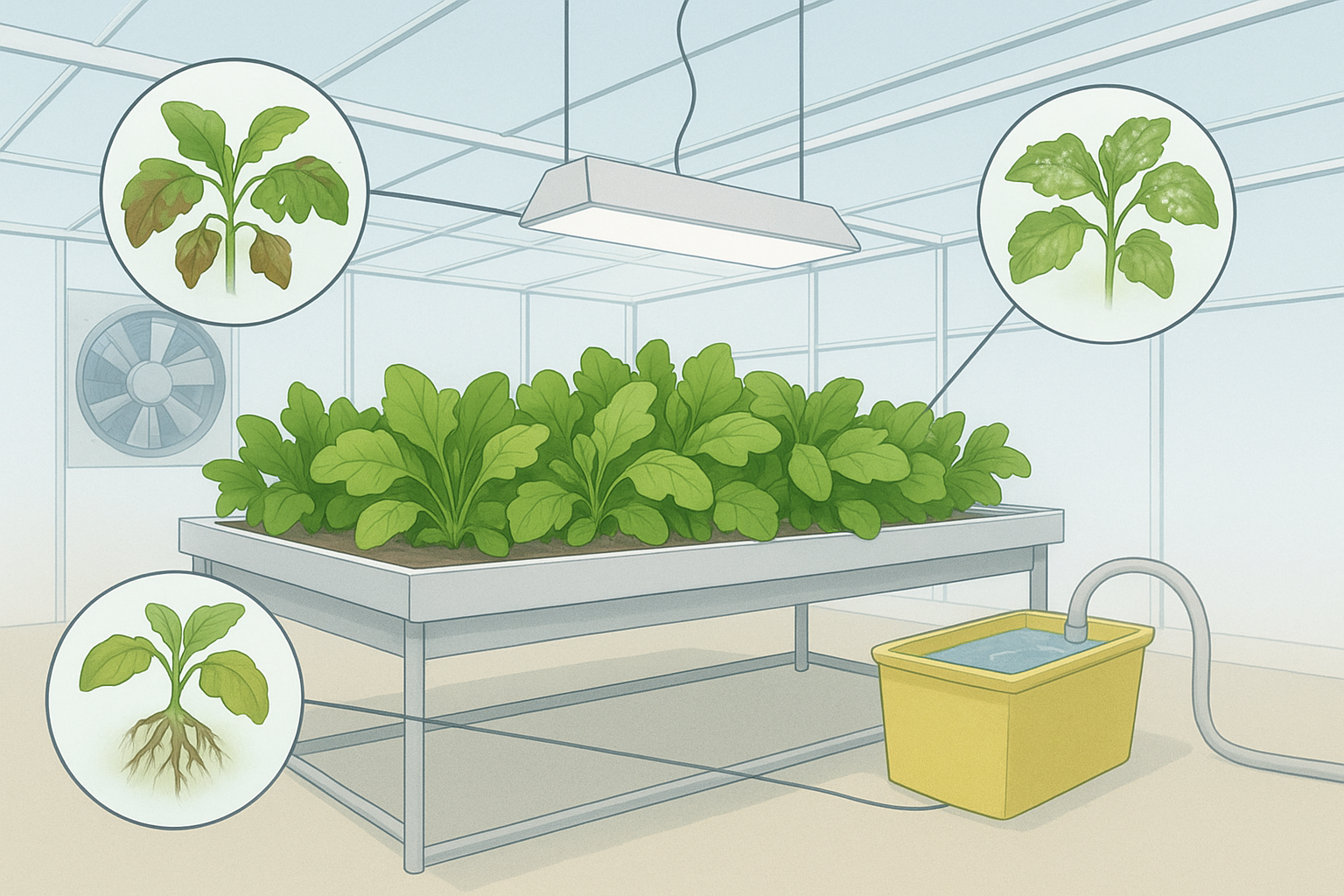
The challenges of using biological control agents in CEA and vertical farming are multi-layered. On a biological level, the interaction between the control agent, the pest, and the crop is not always straightforward. Beneficial organisms may require specific humidity levels, photoperiods, or prey densities to thrive; these may conflict with optimal crop-growing conditions. For example, some predatory mites require relatively high humidity to remain effective, whereas certain crops are prone to fungal diseases under those same conditions.
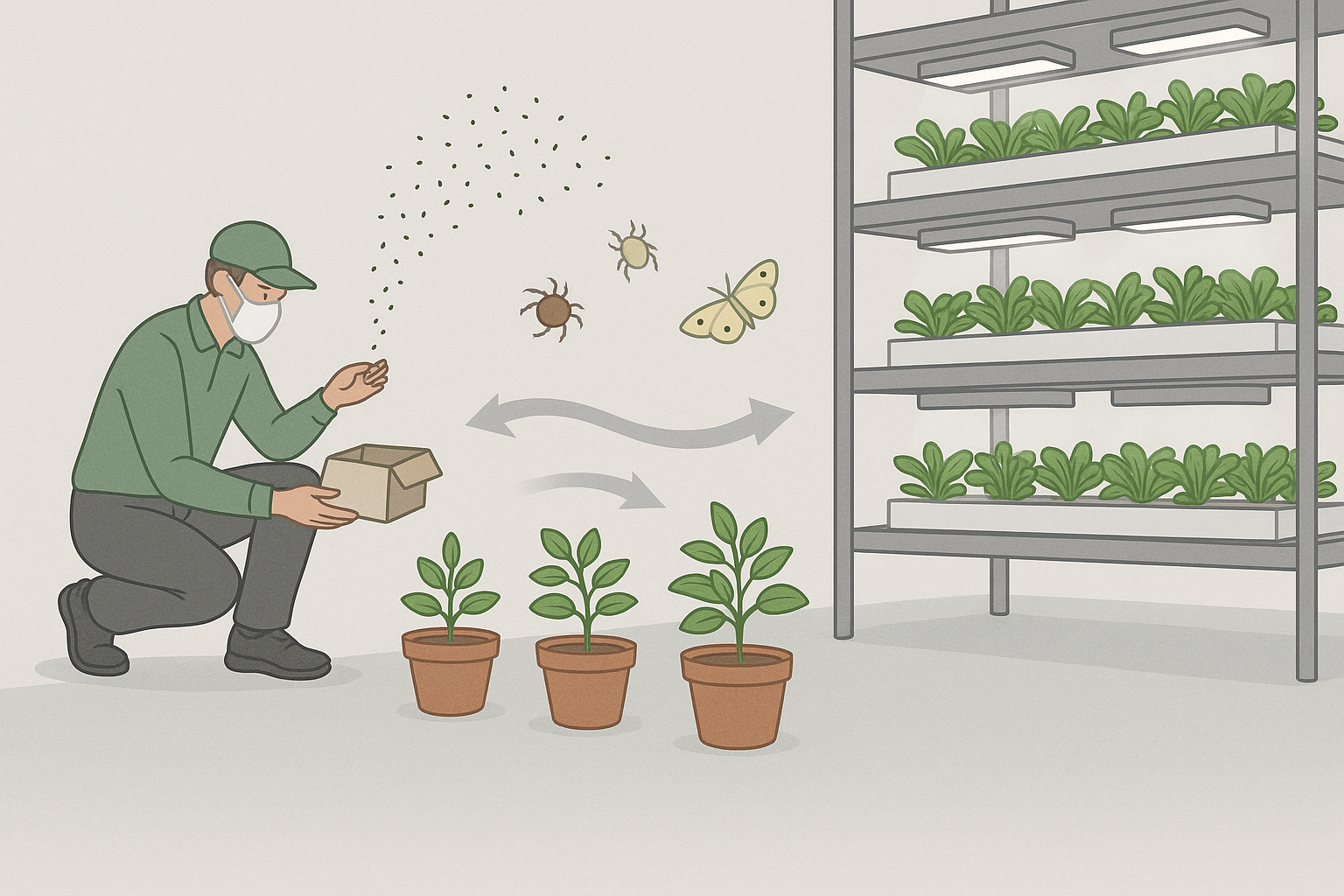
On an operational level, the success of biological control depends heavily on precise timing and monitoring. Indoor farms often operate on rapid production cycles, and crops may be harvested before control agents have fully established their populations. Moreover, in vertical farms with multiple stacked layers, uniform distribution of biological control agents can be difficult. Physical barriers such as racking systems can limit the dispersal of flying insects, while airflow patterns may affect the spread of airborne biocontrol agents like fungal spores.
Quality and reliability of supply is another concern. Biological control agents are living products with limited shelf-lives, and their performance can be compromised during transport or storage. This requires farms to maintain strong relationships with reputable suppliers and to have trained staff capable of handling and releasing organisms appropriately.
Monitoring and Decision-Making
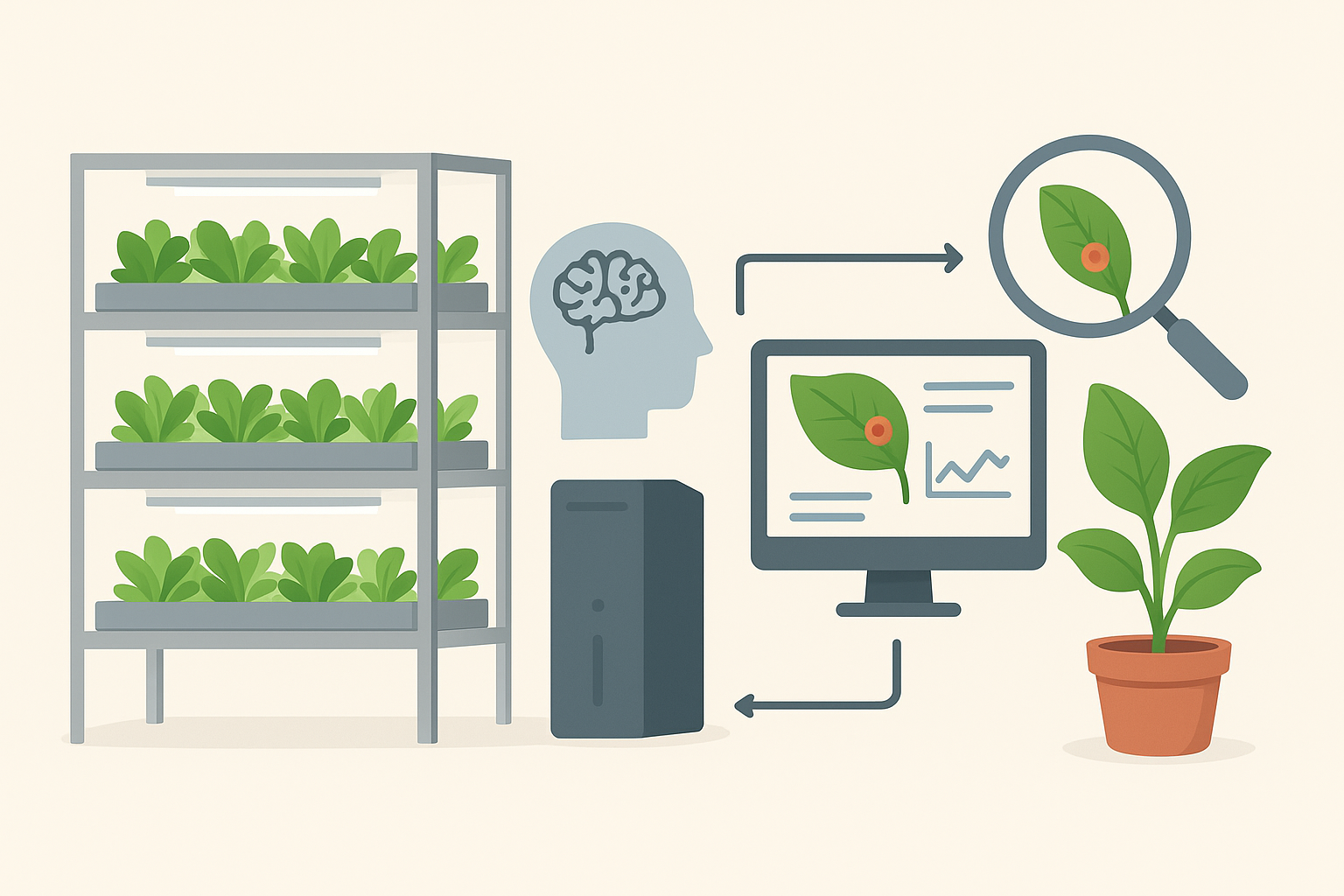
Effective biological control in CEA relies on robust pest monitoring and informed decision-making. Unlike chemical sprays, where results can be seen rapidly, biological control often works gradually, requiring growers to interpret subtle changes in pest and beneficial populations. This can necessitate investment in skilled personnel or digital monitoring tools such as automated vision systems.
There is also the challenge of determining economic thresholds for intervention. In field agriculture, these thresholds are well-studied for many crops and pests; in indoor farming, data is still limited. As such, decision-making often depends on trial-and-error or adaptation of thresholds from other systems, which may not be directly applicable.
Regulatory and Biosecurity Considerations
In many countries, the introduction of non-native biological control agents is regulated to prevent unintended ecological consequences. Indoor farms must therefore ensure that the agents they use are approved for use in their jurisdiction. In some cases, this can limit the range of available products, particularly for emerging pests in novel cropping systems.
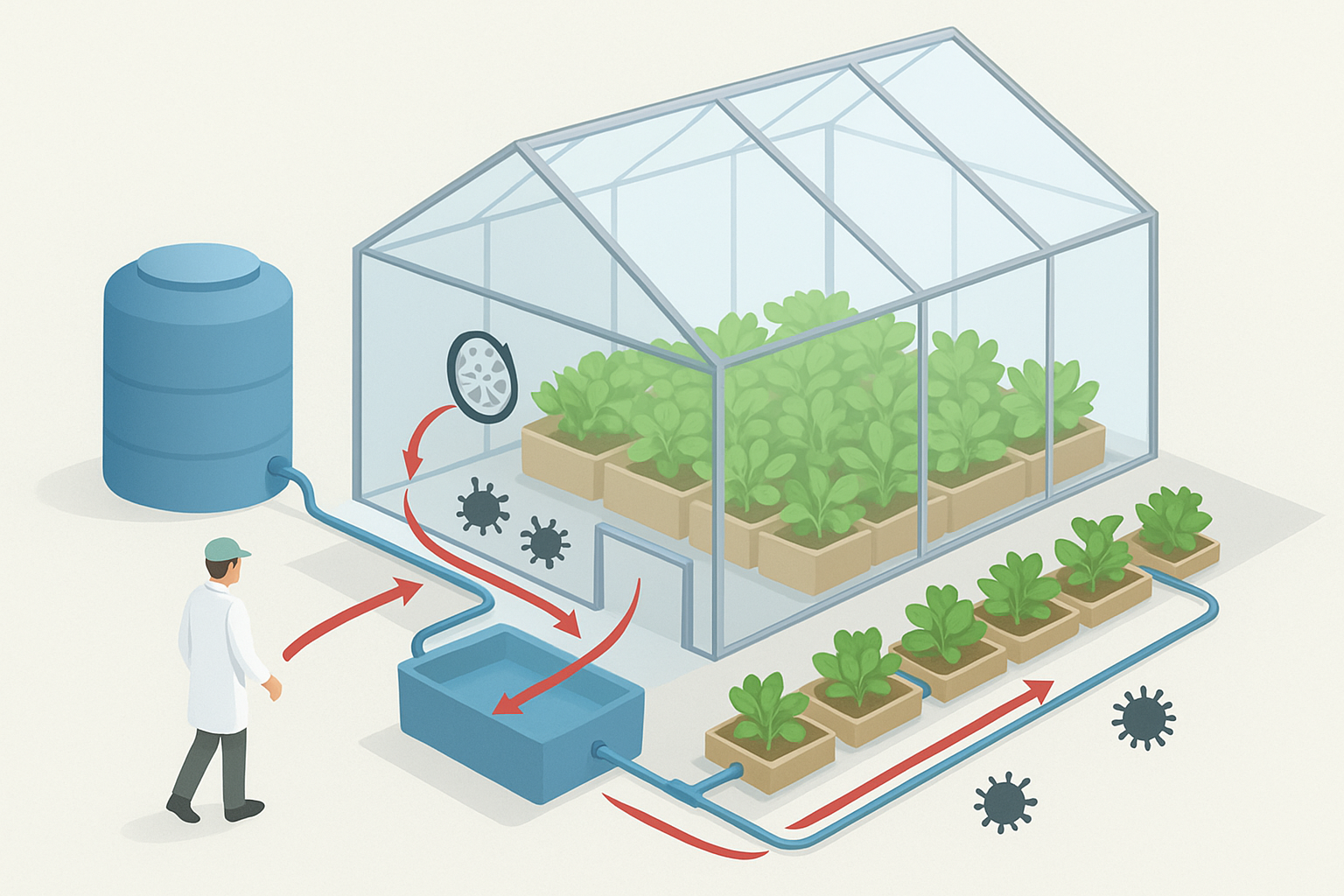
Even within a closed environment, biosecurity is crucial. Some biological control agents may carry secondary organisms, such as hyperparasites, which can undermine control efforts. Additionally, poor management of the release process can inadvertently introduce pests into clean areas. For vertical farms aiming for near-sterile production environments, the presence of any non-target organism may be perceived as a contamination risk.
Integrating Biological Control into CEA Systems
Addressing the challenges of using biological control agents in CEA and vertical farming requires an integrated approach. This means aligning environmental management, crop scheduling, and pest monitoring with the biological needs of the control agents. It also involves selecting agents that are well-suited to indoor conditions, training staff in their correct application, and continually evaluating performance.
Research continues to improve the effectiveness of biological control in these systems. Advances include the use of banker plants to sustain beneficial populations, controlled-release sachets that maintain agent viability during distribution, and selective use of compatible pesticides that target pests without harming beneficials. As these innovations mature, the feasibility and reliability of biological control in indoor agriculture are expected to improve.
Conclusion
Biological control agents offer a credible and increasingly necessary tool for pest management in CEA and vertical farming. They support sustainable production, align with consumer and regulatory demands, and can reduce the risks associated with chemical pesticide use. Yet their deployment in indoor farms presents distinct challenges, from environmental compatibility and distribution logistics to regulatory compliance and biosecurity. Overcoming these challenges requires careful system design, skilled management, and ongoing research. By approaching biological control not as a stand-alone solution but as a core component of an integrated management strategy, indoor farms can harness its benefits while mitigating its risks.
Case study examples:
Using a predatory mite in a variety of LED lighting regimes
An experimental study examined the predatory bug Orius insidiosus under different artificial light spectra and intensities, as commonly found in vertical farms. The study found that while about 70 percent of the predators remained active across all lighting treatments, light spectrum significantly influenced their behaviour, though intensity did not. These findings spotlight the subtle but potentially critical influence of lighting systems on biocontrol efficacy in indoor farms. ResearchGate
Biosystems Engineering Applied to Greenhouse Pest Control
Rearing quality and mass-production improvements in greenhouse biocontrolsIn Almería, Spain, an area famed for intensive greenhouse horticulture, commercial producers have substantially improved the quality of widely used predatory mites (Orius laevigatus, Nesidiocoris tenuis) and the mite Amblyseius swirskii. Advances in mass-rearing systems and quality control have yielded more reliable agent performance and lower costs. One particularly promising innovation has been the development of sachets that sustain viable predator populations for ready-to-release use. ResearchGate
These real-world examples underscore several of the core challenges in using biological control agents in CEA and vertical farming:
- Environmental compatibility: LED lighting systems exert nuanced but meaningful effects on predator behaviour, a reminder that control agents must function effectively within the precise light and climate parameters of indoor farms.
- Agent quality and logistics: Indoor farms require dependable, high-quality biological control products. Advances in rearing and packaging (such as sachets) are essential overcome shelf-life limitations, ensure consistent supply, and facilitate practical release.