Pathogen control in CEA and vertical farming is central to ensuring consistent, high-quality crop production. Unlike open-field agriculture, where wind, rain and soil microbiomes influence disease dynamics, indoor systems are enclosed environments in which growers exert significant control over climate, irrigation and nutrition. This level of control can reduce certain disease pressures, yet it also creates conditions where, if pathogens are introduced, they may spread rapidly and cause severe losses. Understanding the biology of these organisms, the ways they infiltrate production systems, and the measures available to limit their impact is essential for sustainable, profitable indoor farming.
The Unique Pathogen Risks in CEA Systems
In controlled environment agriculture, crops are grown under optimised conditions of light, temperature, humidity and nutrient delivery. These stable, resource-rich environments are ideal for rapid plant growth; however, they can also favour the proliferation of fungi, bacteria, viruses and oomycetes if biosecurity lapses occur. High planting densities, uniform plant genotypes and recirculating hydroponic solutions mean that a single infected plant or contaminated input can quickly become a system-wide issue.
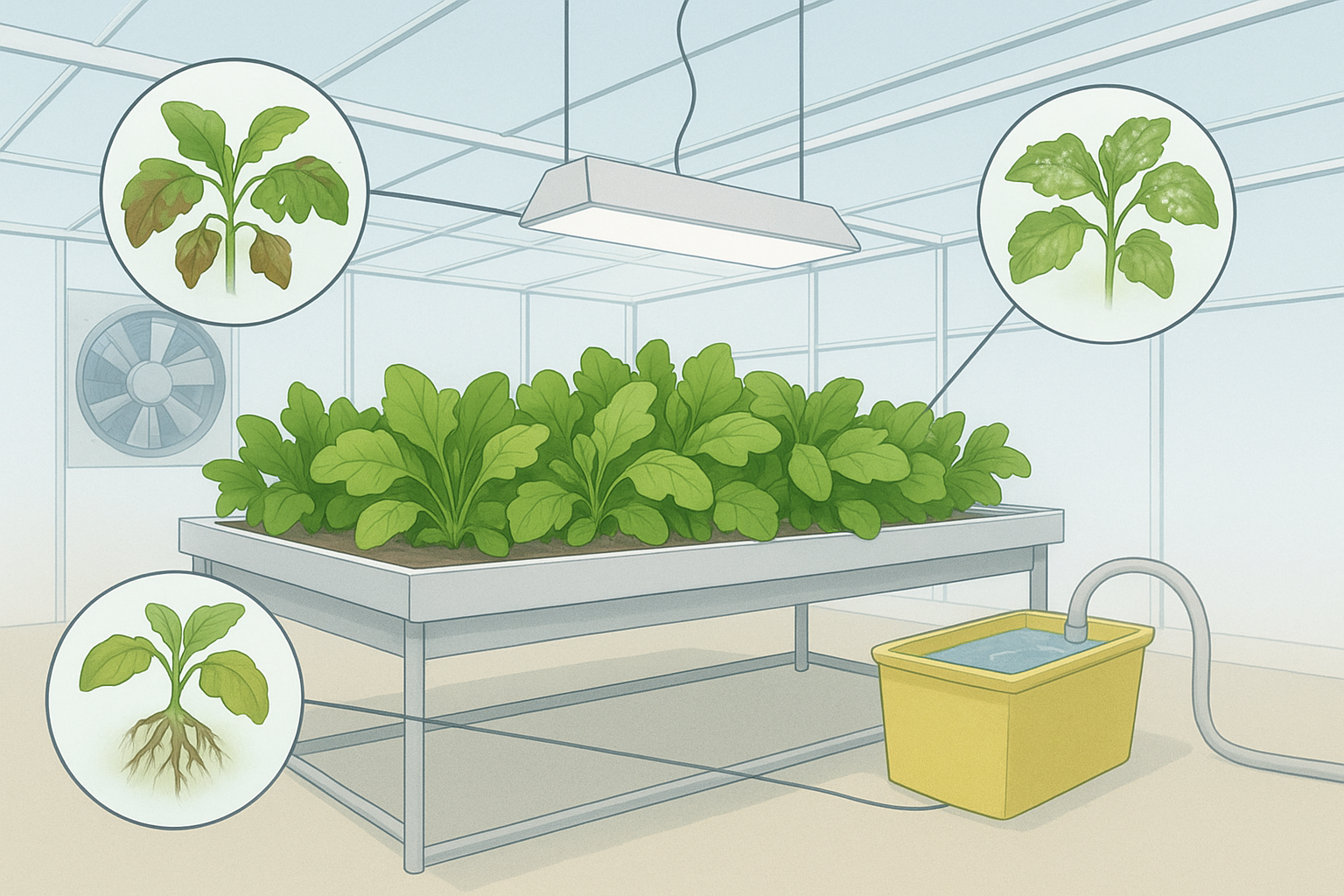
Common pathogens in indoor farming include grey mould, powdery mildew, Pythium and Phytophthora species (root rots), Fusarium species (vascular wilt), and various bacterial leaf spot pathogens. Viruses such as Tomato Brown Rugose Fruit Virus (ToBRFV) have emerged as significant threats in commercial vertical farms, often introduced through infected seeds or transplants. Unlike in open fields, these pathogens may persist in nutrient solution biofilms, on surfaces, or within air-handling systems, making eradication challenging once established.
Pathogen Entry and Spread
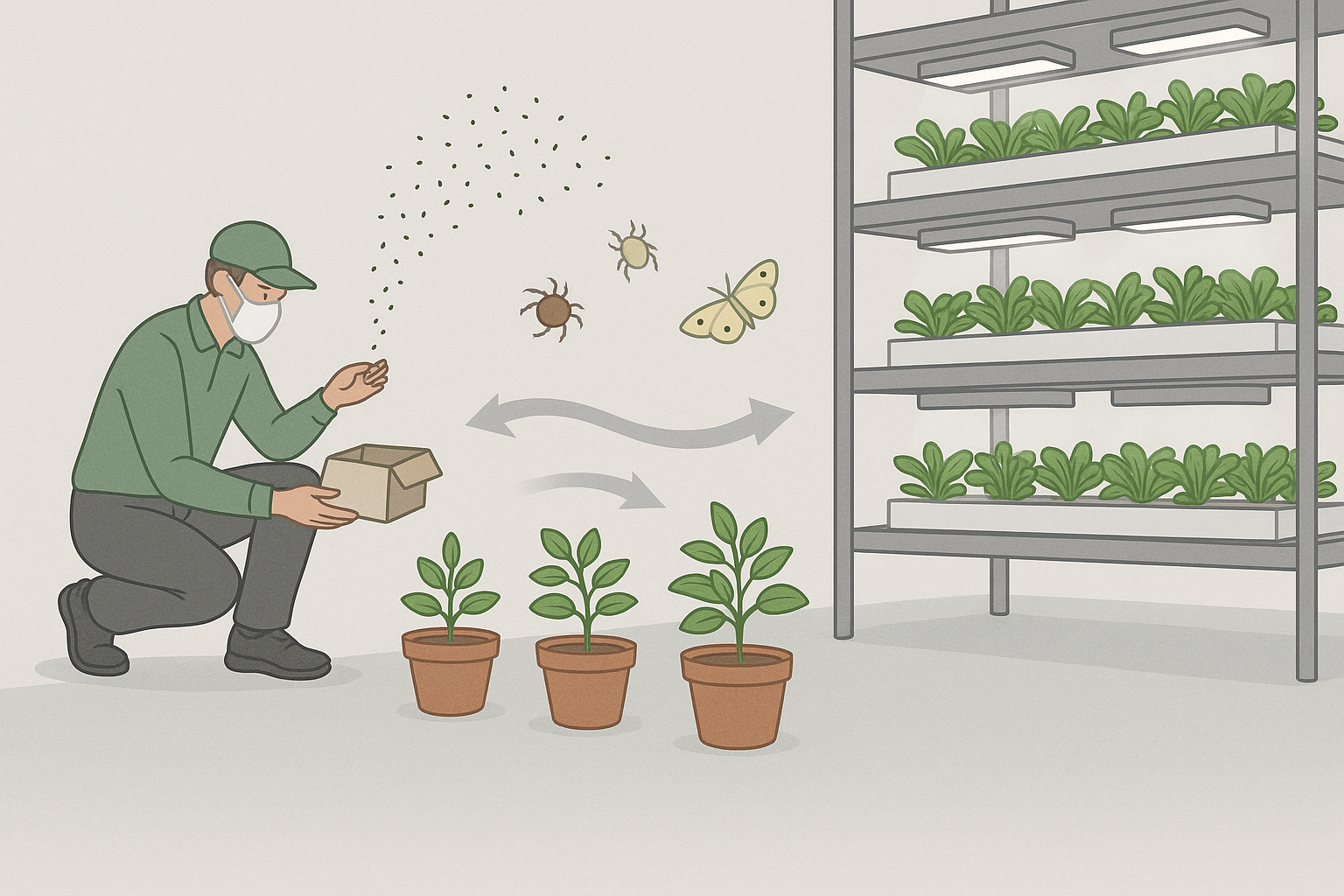
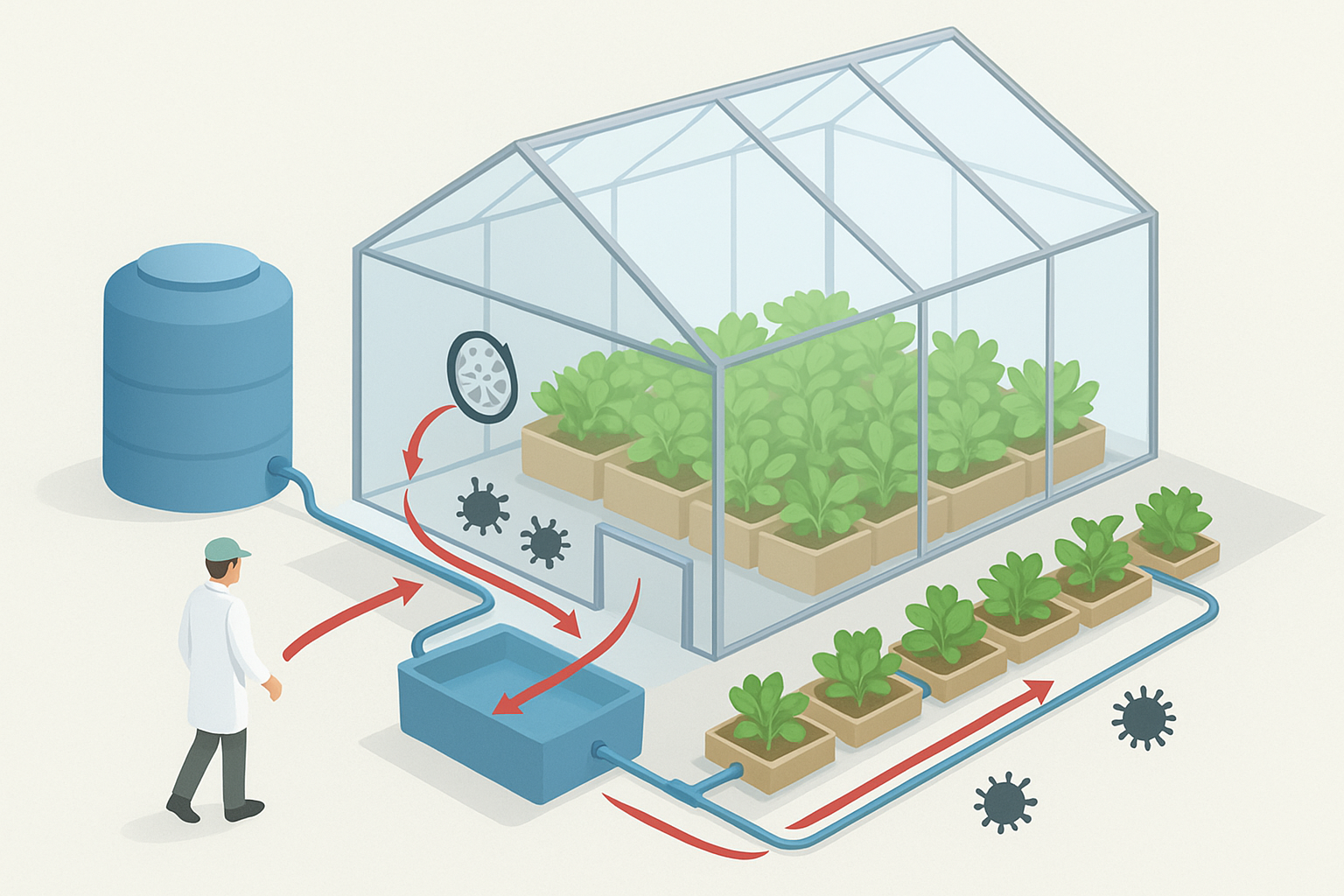
Pathogens can enter a controlled environment facility through multiple routes: contaminated seeds or propagation material, untreated water sources, unsterilised tools, workers’ clothing, and even through air currents if the facility is not well-sealed. Insect pests, which may act as vectors for bacterial or viral pathogens, present another potential pathway.
Once inside, the spread of pathogens is often aided by the very systems designed to optimise plant growth. For example, recirculating hydroponic systems can carry waterborne pathogens to every plant on the line within hours. High humidity, often used to reduce plant transpiration stress, can create microclimates favourable for foliar diseases. Even minor condensation on greenhouse structures can drip onto plant surfaces, carrying spores from infected to healthy tissue.
Environmental Control as a Preventative Tool
One of the advantages of CEA and vertical farming is the precise regulation of environmental parameters. By adjusting temperature, relative humidity, and airflow, growers can create conditions less favourable to disease development. For instance, reducing leaf wetness duration by improving ventilation can limit outbreaks of Botrytis or powdery mildew. Ultraviolet germicidal irradiation (UVGI) in air-handling units can reduce airborne spore loads, while filtration systems can limit the introduction of pathogen-laden dust or insects.
Nutrient management also plays a role in pathogen control. Plants stressed by nutrient imbalance may be more susceptible to infection, and certain nutrients can influence pathogen growth. For example, excess nitrogen can increase susceptibility to soft rot bacteria by promoting lush, thin-walled tissue. A balanced fertilisation regime therefore supports plant defences alongside environmental manipulation.
Hygiene and Biosecurity Protocols
Robust hygiene protocols are fundamental in pathogen management for indoor farms. These include routine disinfection of surfaces, tools, and growing containers; controlled entry points with footbaths or air showers; and strict separation of clean and potentially contaminated areas. Quarantine of incoming plant material allows early detection of infection before integration into the main growing area.
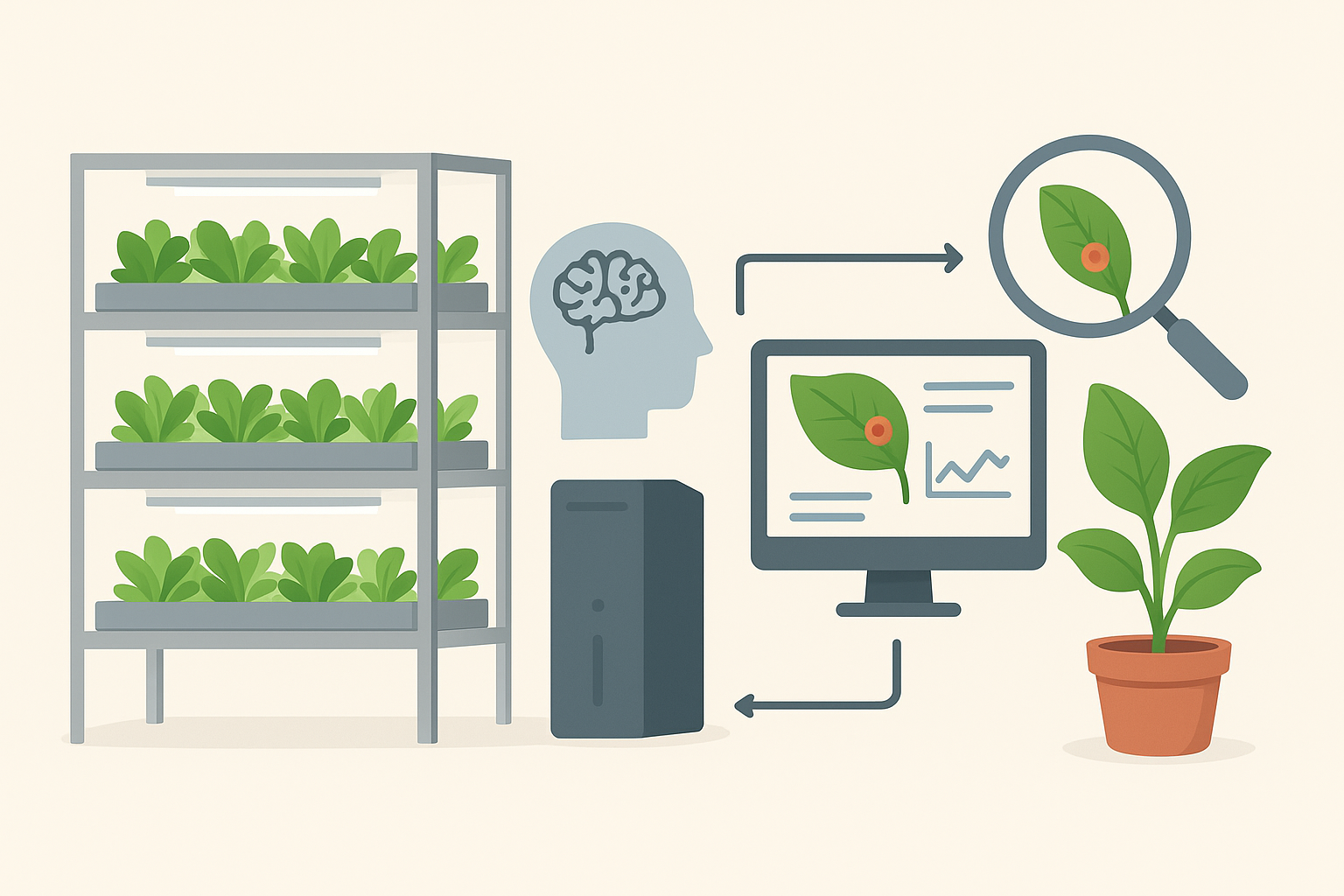
Regular monitoring is essential. Visual inspection, while useful, may miss early-stage infections, particularly for root pathogens or viruses with latent periods. Incorporating laboratory testing such as PCR or ELISA assays can detect low-level infections and inform targeted responses. Many commercial farms now integrate predictive disease modelling software, using real-time climate and crop data to flag high-risk conditions before symptoms appear.
Biological and Chemical Control Measures
In some cases, biological control agents can be introduced to suppress pathogenic populations. Beneficial microbes such as Trichoderma species or Bacillus subtilis can colonise plant roots, outcompeting or inhibiting harmful fungi and oomycetes. Similarly, microbial consortia can be added to nutrient solutions to create a protective microbial community.
Chemical controls, including fungicides and bactericides, may still be used in certain CEA contexts, although their application is often limited by regulations, crop type, and the desire to market produce as pesticide-free. Where permitted, chemical treatments must be carefully selected to avoid phytotoxicity and minimise resistance development.
In closed systems, oxidising agents such as hydrogen peroxide, peracetic acid, or ozone are sometimes used to sanitise nutrient solutions and reduce microbial load. These treatments require precise dosing and monitoring to be effective without damaging plant roots or beneficial microbes.
Case Studies and Industry Lessons
The 2019 outbreaks of ToBRFV in several European indoor tomato production facilities illustrate the importance of rigorous seed testing, strict hygiene, and rapid containment measures. In each case, delayed detection allowed the virus to spread throughout entire facilities, resulting in crop destruction and prolonged production downtime. Conversely, some vertical farms have successfully managed Pythium outbreaks by integrating UV water sterilisation, introducing beneficial root microbes, and modifying root zone temperatures to discourage pathogen proliferation.
The Future of Pathogen Control in CEA
Advances in molecular diagnostics, AI-driven climate optimisation, and microbiome engineering hold promise for even greater pathogen control in controlled environments. Early-warning biosensors capable of detecting airborne spores or pathogen DNA in irrigation water may soon allow truly pre-emptive responses. As vertical farming scales globally, particularly in urban settings where biosecurity is critical, integrated approaches that combine environmental management, hygiene, biological control, and real-time monitoring will become the gold standard.
Pathogen control in CEA and vertical farming is not a single intervention but a layered strategy. By combining preventative measures, continuous monitoring, and targeted responses, growers can protect plant health, maintain consistent yields, and safeguard the economic and environmental sustainability of their operations. The key lies in recognising that pathogens exploit any lapse in management, and that in a closed, intensive farming system, vigilance must be constant.