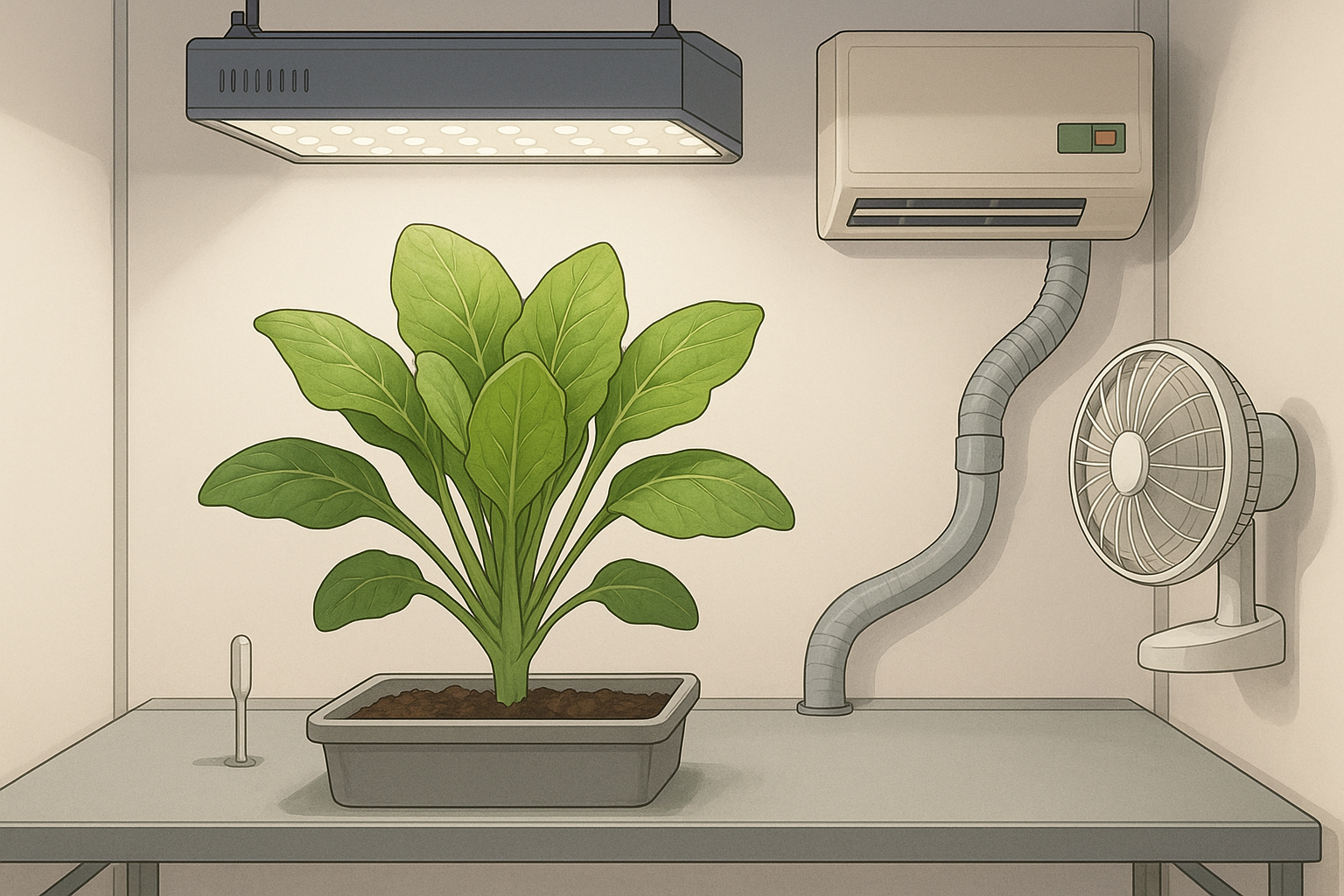
How Plants Respond to Temperature in Indoor Farms
Temperature is one of the most fundamental abiotic factors shaping plant growth and development. In controlled environment agriculture (CEA) systems, growers must

Temperature is one of the most fundamental abiotic factors shaping plant growth and development. In controlled environment agriculture (CEA) systems, growers must
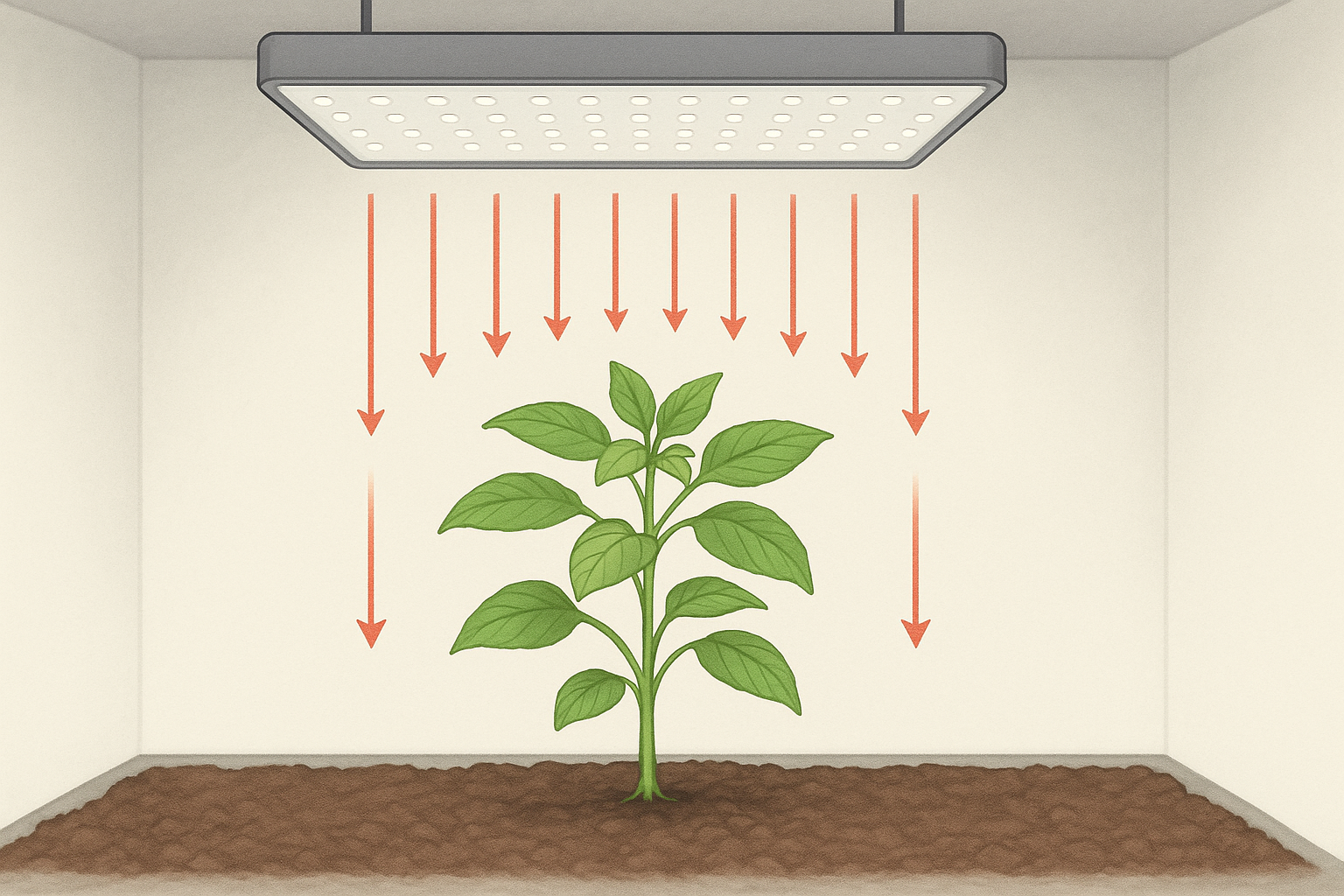
Understanding how plants perceive and respond to light is central to the practice of Controlled Environment Agriculture (CEA). Light is not only
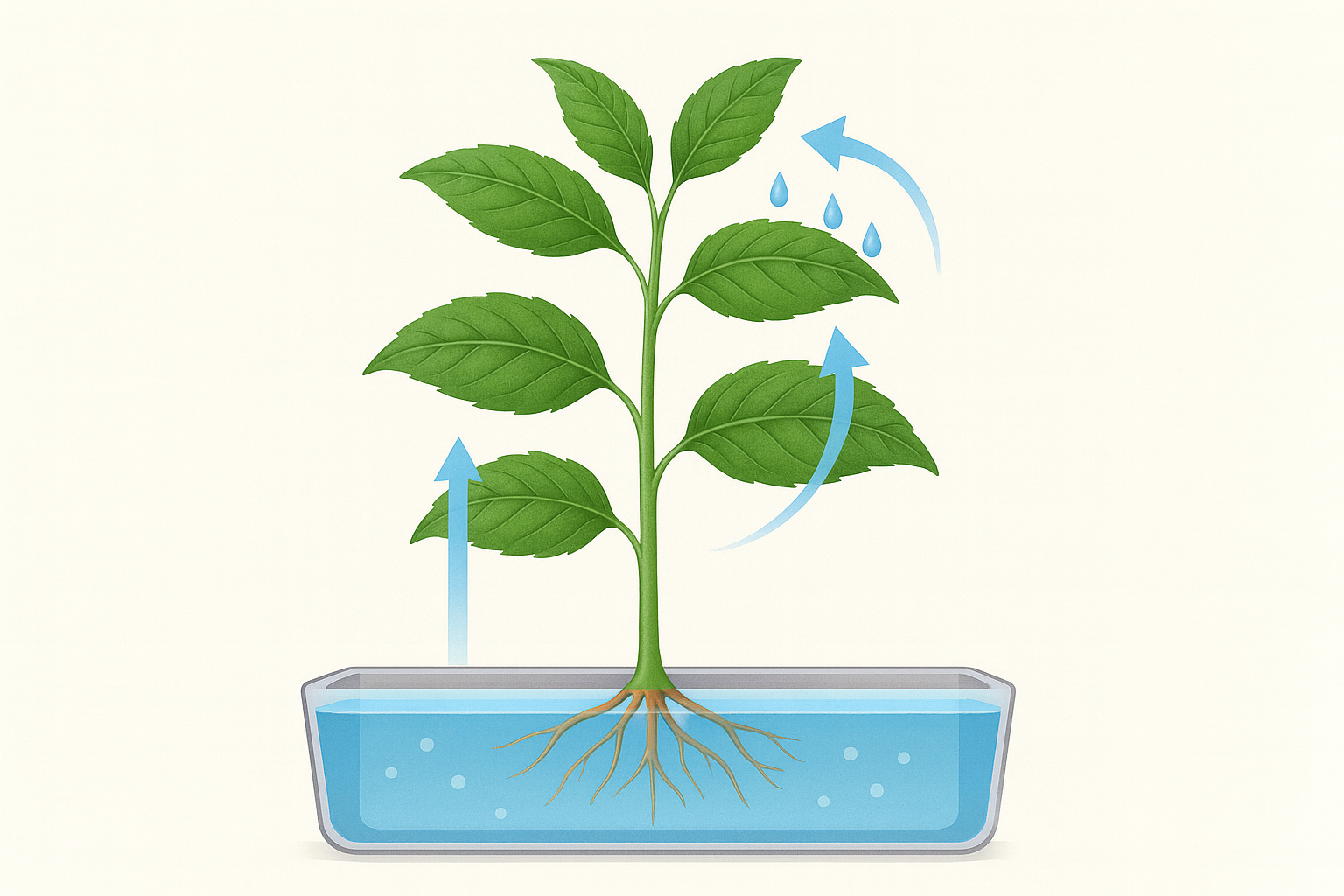
Introduction Managing plant transpiration in indoor farming is one of the most significant yet often overlooked aspects of controlled environment agriculture (CEA)
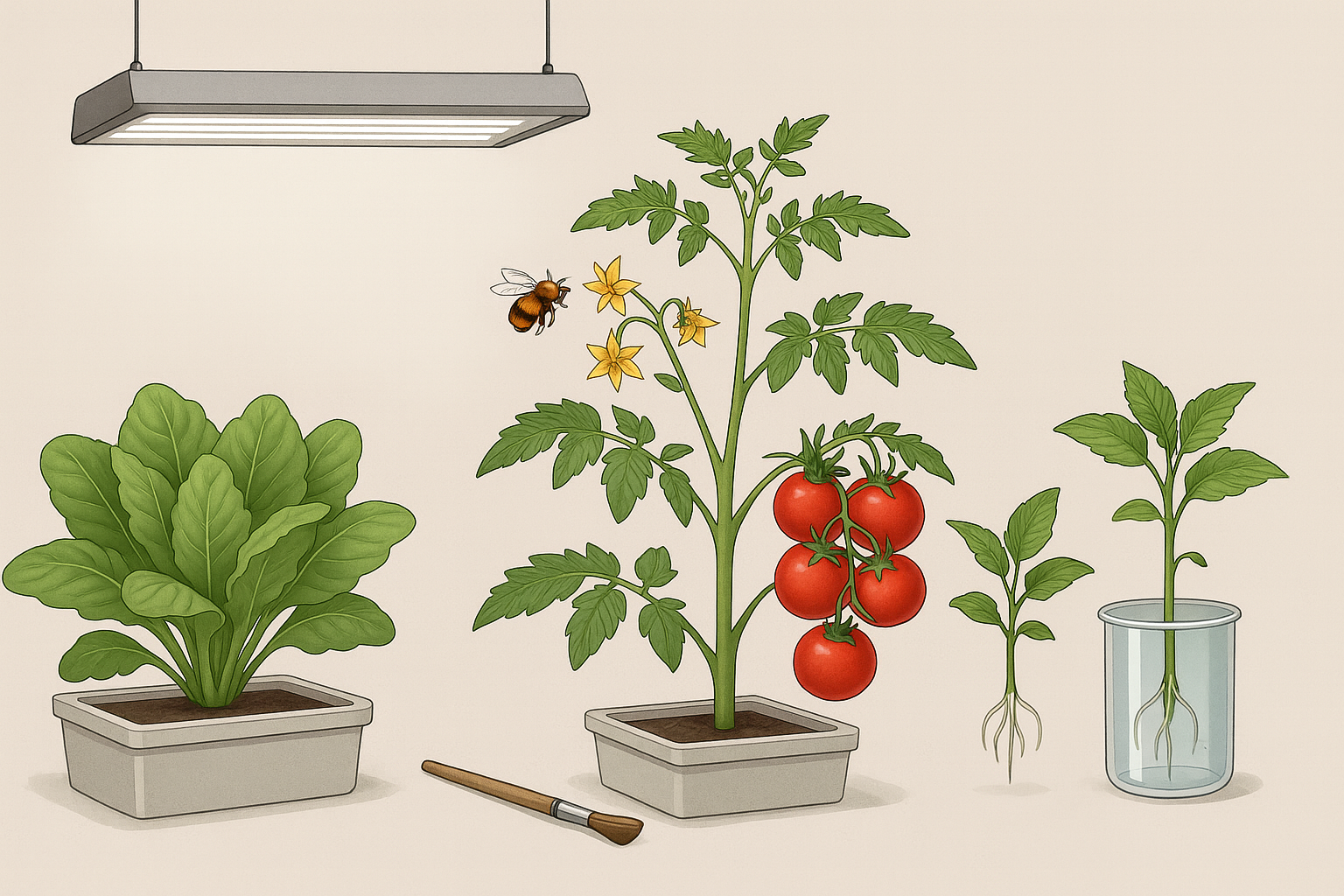
Plant reproduction is a central process in food production, and managing plant reproduction in indoor farming is important for both productivity and
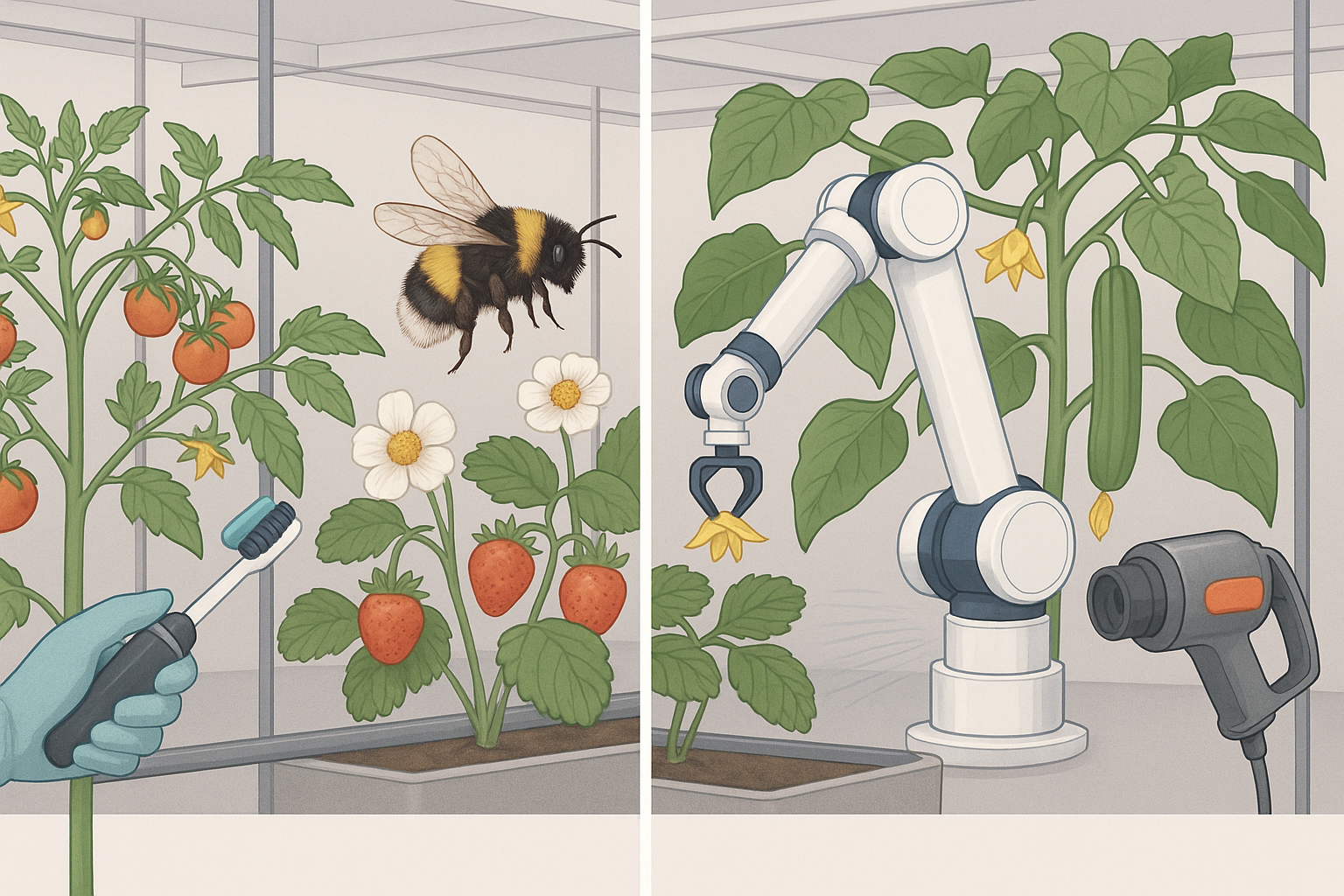
Pollination is a critical process in plant reproduction and crop productivity, yet it presents unique challenges in controlled environment agriculture (CEA). In

Photoperiodism is the mechanism by which plants sense and respond to the relative lengths of day and night, with consequences for growth,
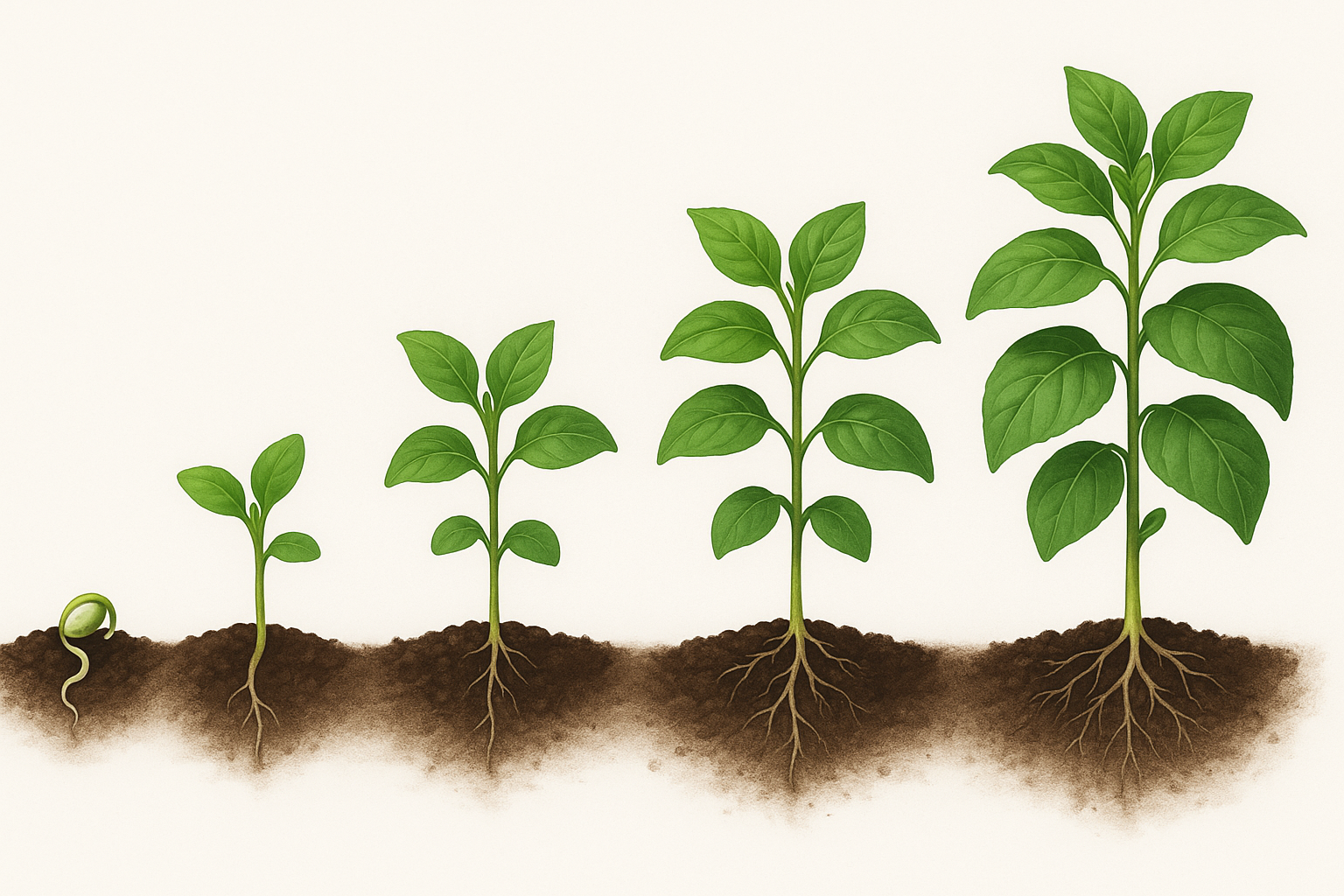
Understanding how plants progress through the different growth stages is a necessary skill for any grower in a controlled environment agriculture (CEA)
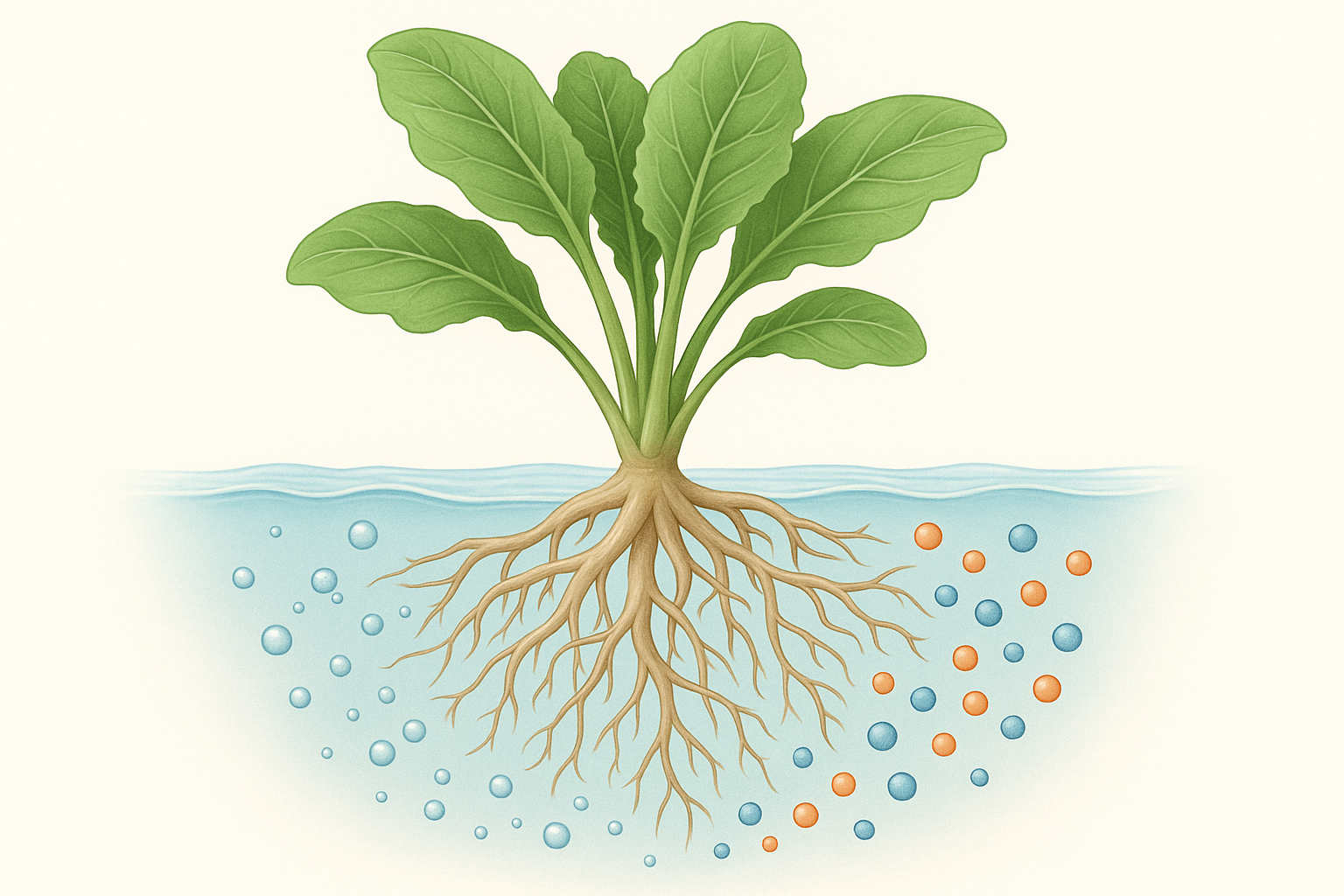
Understanding nutrient uptake in hydroponics is fundamental to designing and managing any successful controlled environment agriculture (CEA) or vertical farming operation. At
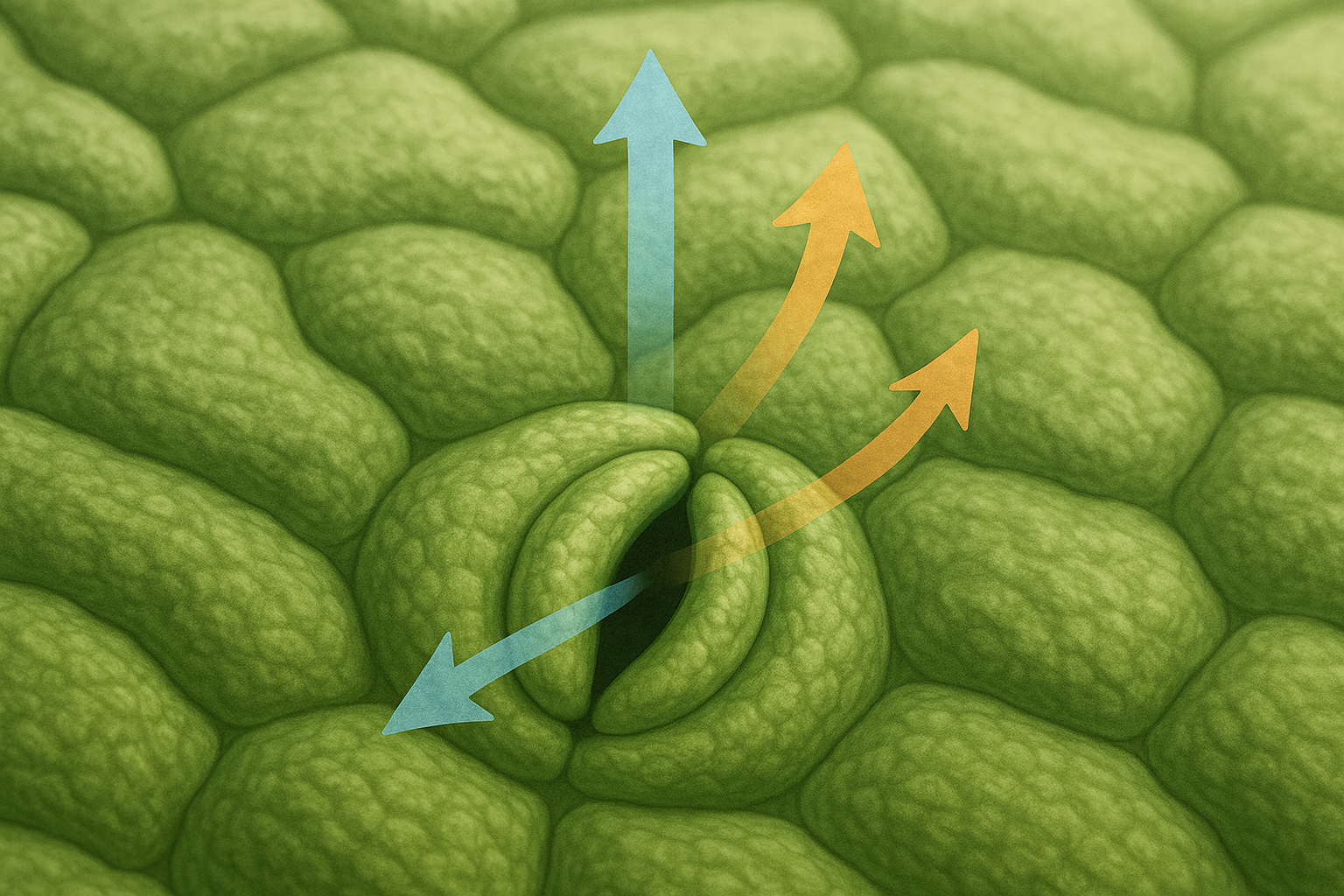
Understanding the role of plant stomata and the process of gas exchange in plants is a requirement of modern Controlled Environment Agriculture
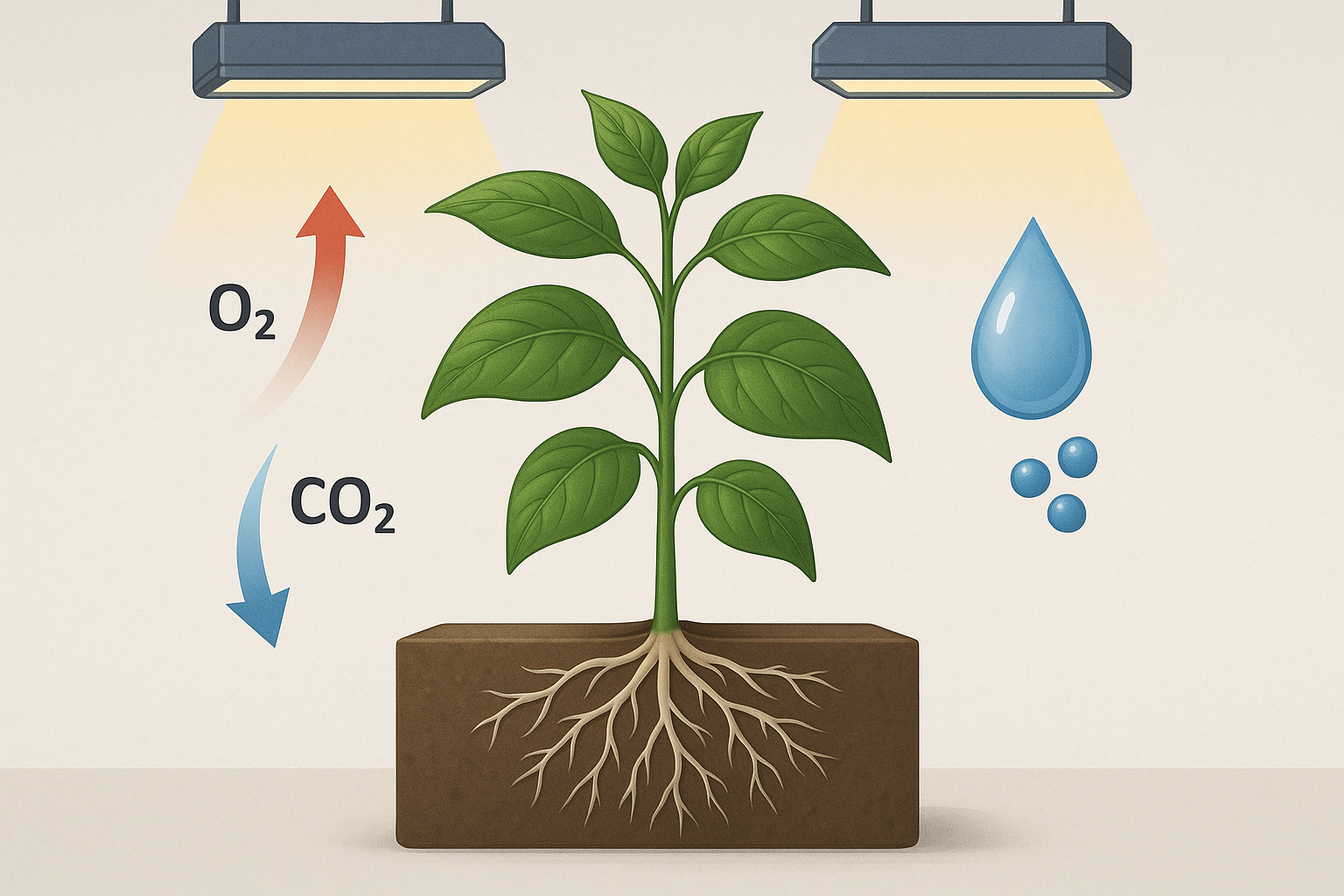
Understanding plant biology basics is essential for anyone interested in growing in vertical farms or other controlled environment systems. Plants are the
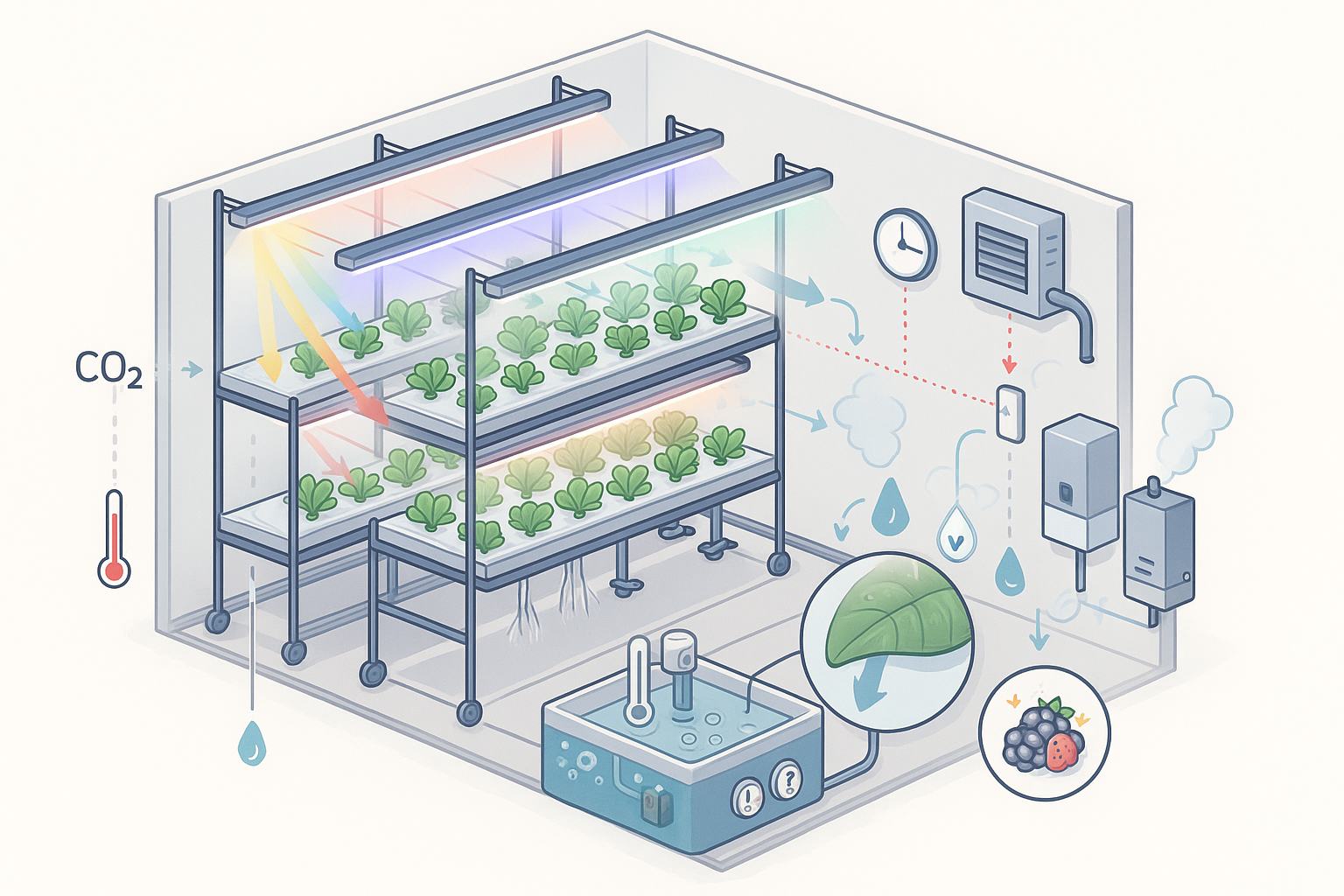
Introduction: why physiology matters in CEA Plant physiology in CEA is not an abstract academic subject: it is the operating manual for
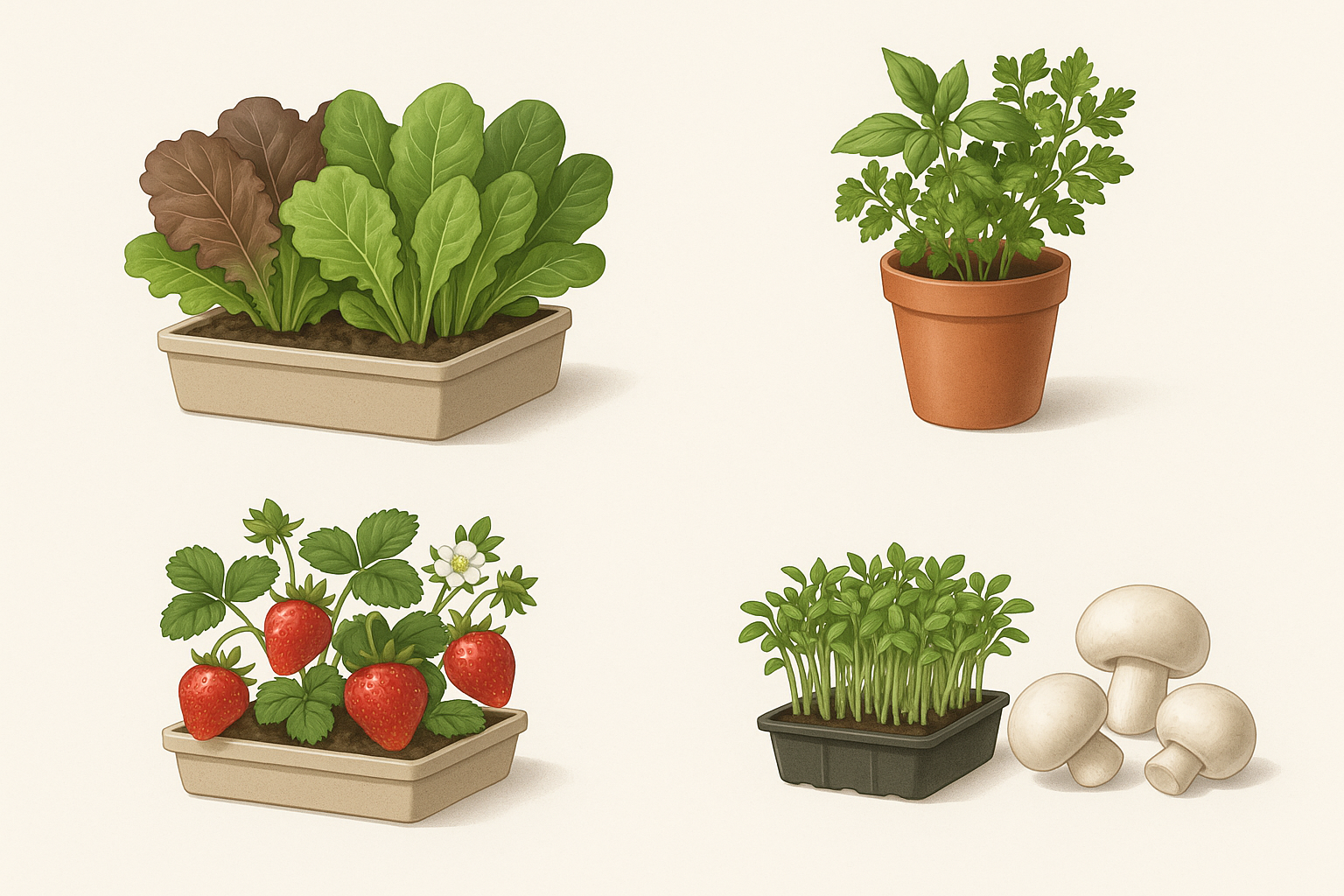
Determining which crops are best for indoor farming systems is an area of much current philosophical and practical debate. In principle any