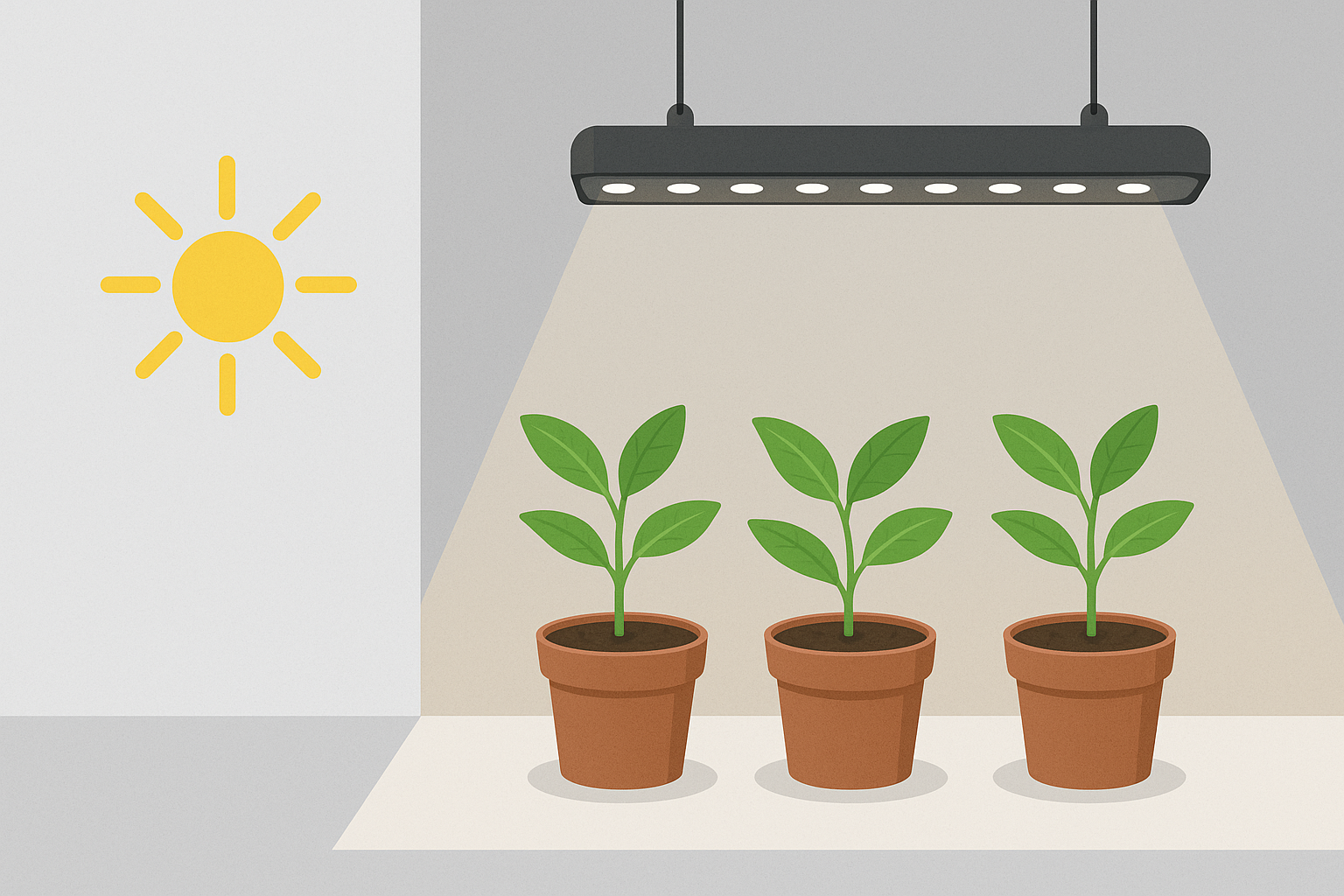
The Importance of Photoperiods for Plant Growth
Understanding how plants respond to light is fundamental in Controlled Environment Agriculture (CEA). One of the most critical aspects of this relationship

Understanding how plants respond to light is fundamental in Controlled Environment Agriculture (CEA). One of the most critical aspects of this relationship
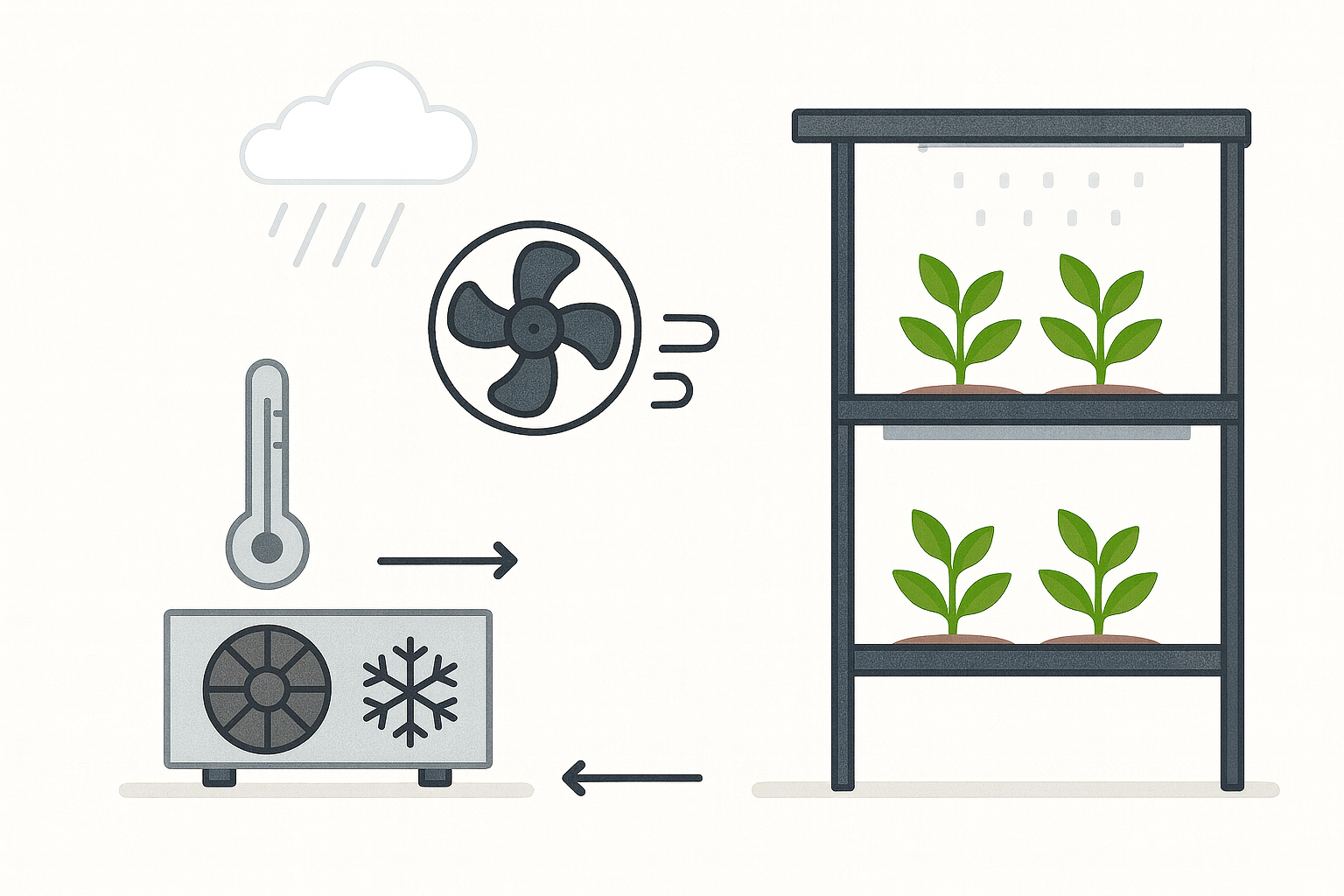
Controlled Environment Agriculture (CEA) relies on precise environmental regulation to optimise plant performance. At the heart of this approach is CEA climate
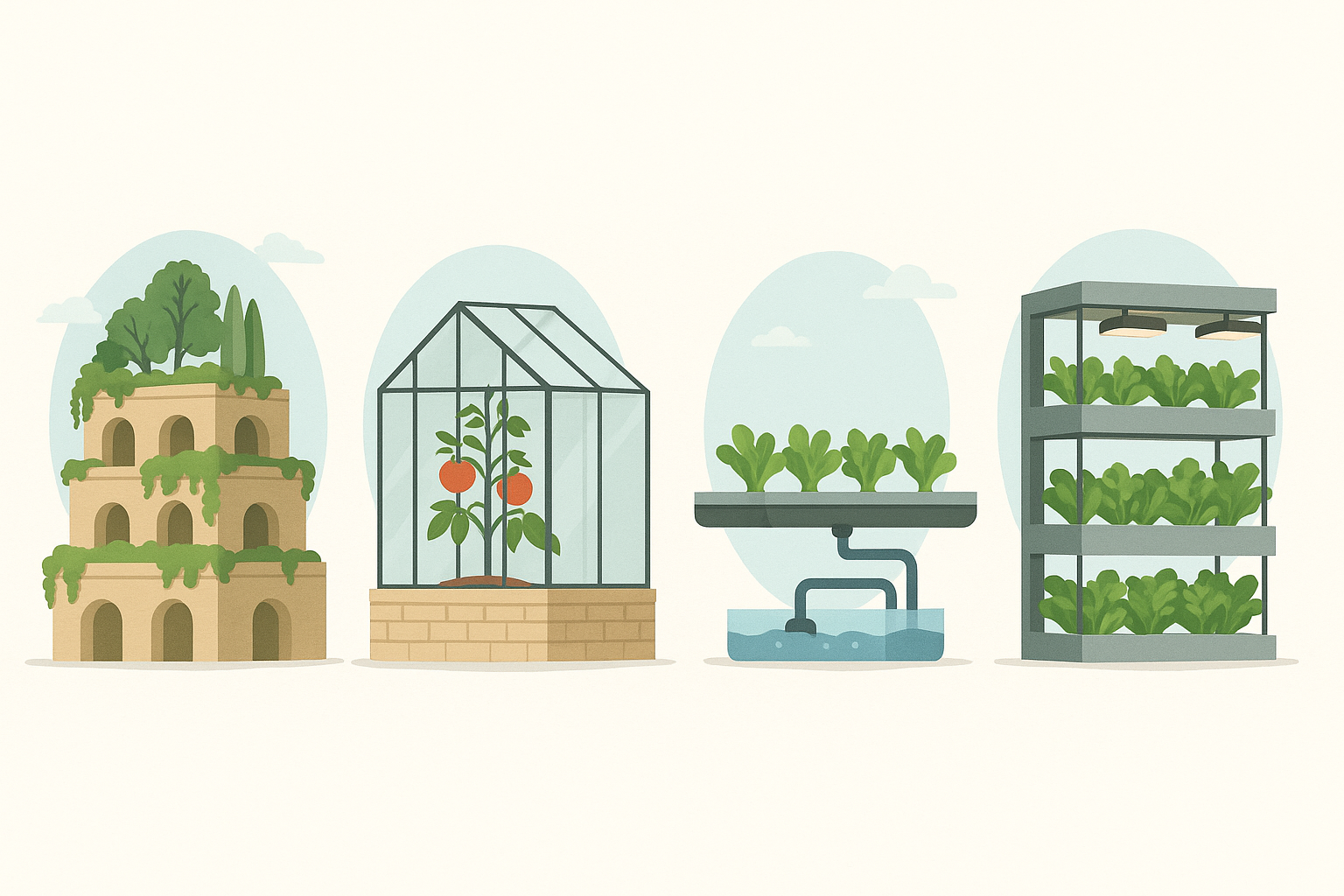
Vertical farming and controlled environment agriculture (CEA) represent a significant shift in how we grow food, promising more sustainable, efficient, and resilient
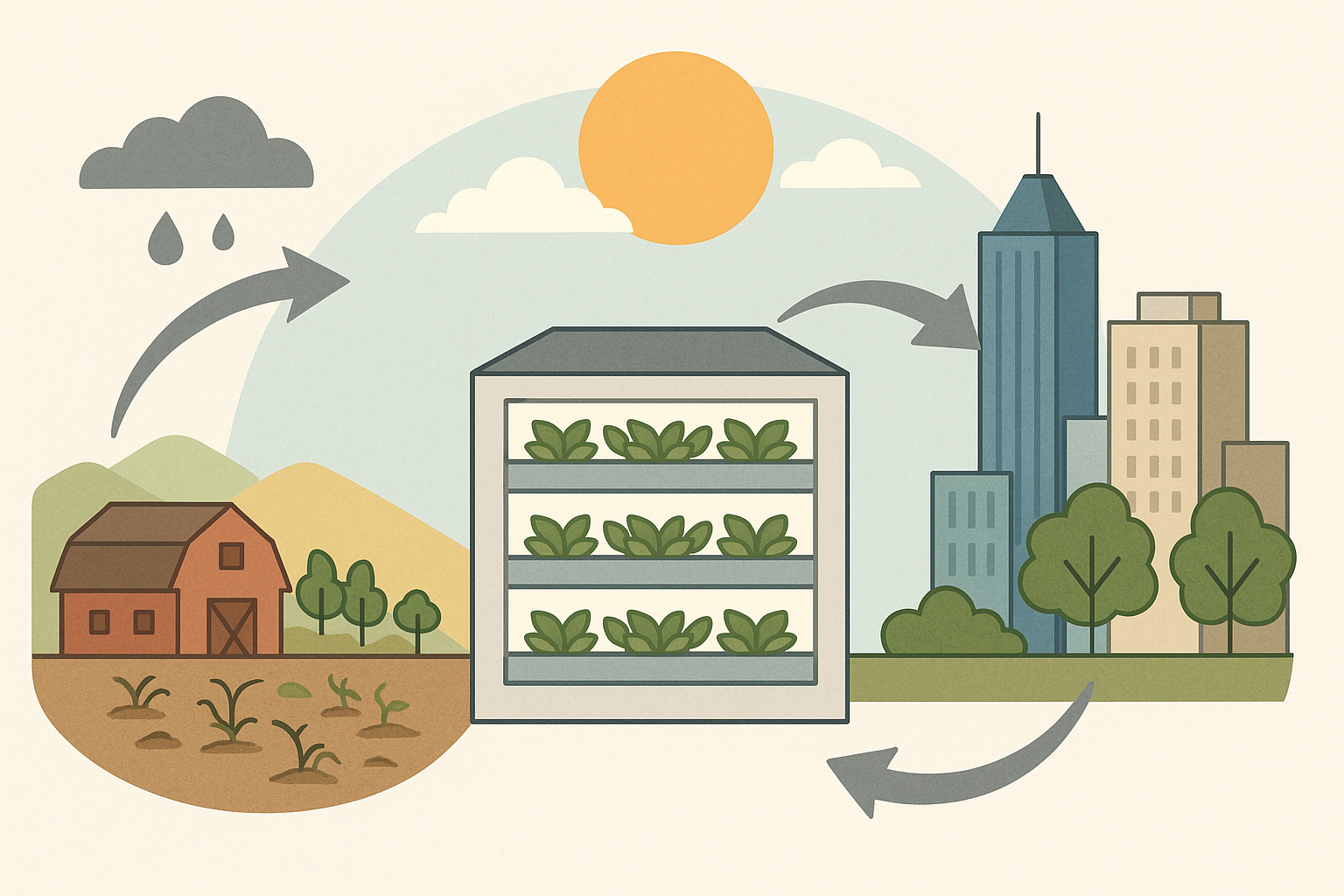
Controlled Environment Agriculture (CEA) represents a radical rethinking of how and where we grow food. At its core, the CEA vision is
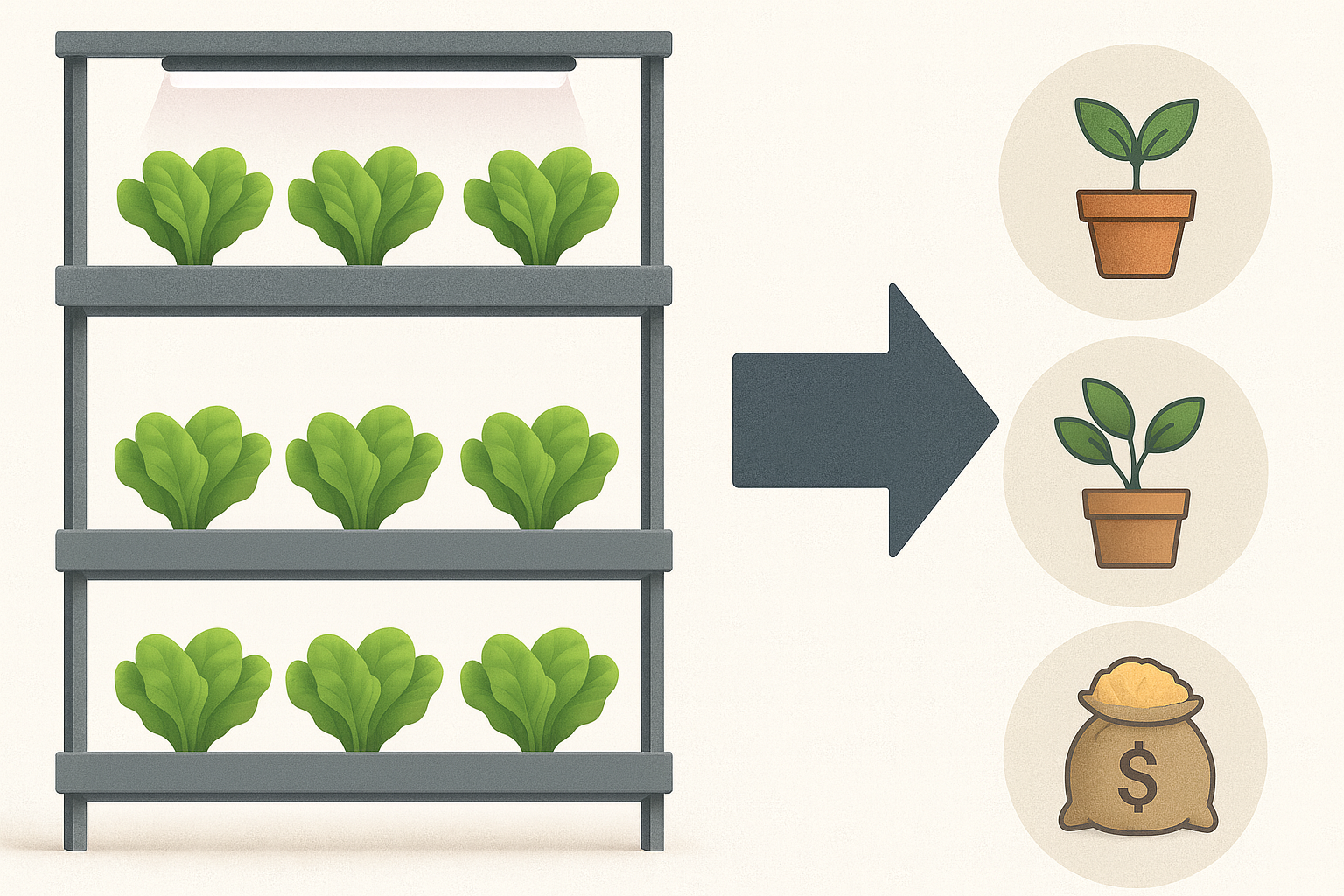
In Controlled Environment Agriculture (CEA), the precision and stability of environmental conditions directly determine crop quality, consistency, and productivity. Understanding why environment
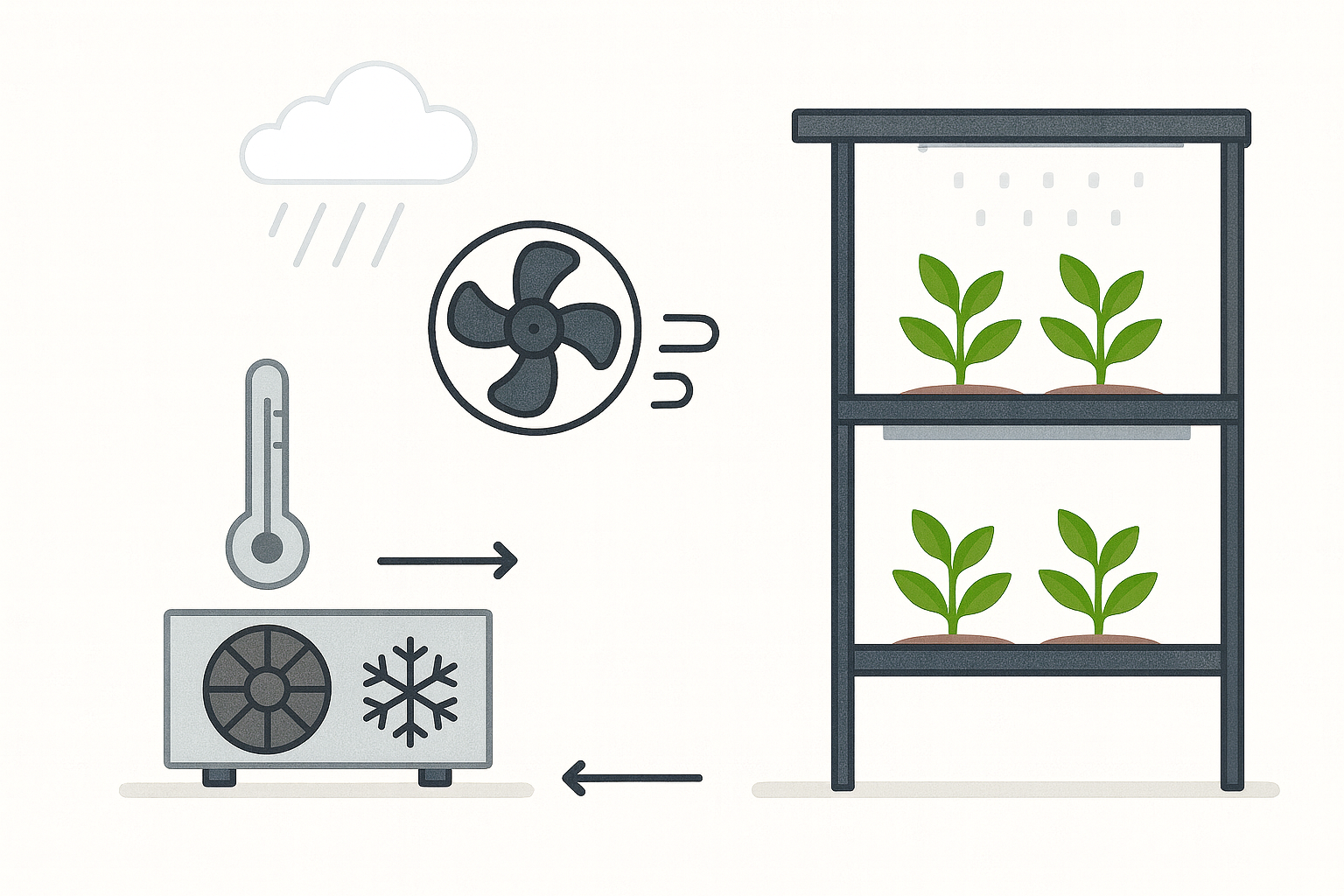
Introduction: The Critical Role of Humidity in Indoor Plant Farming Humidity in indoor plant farming is a central environmental factor that significantly
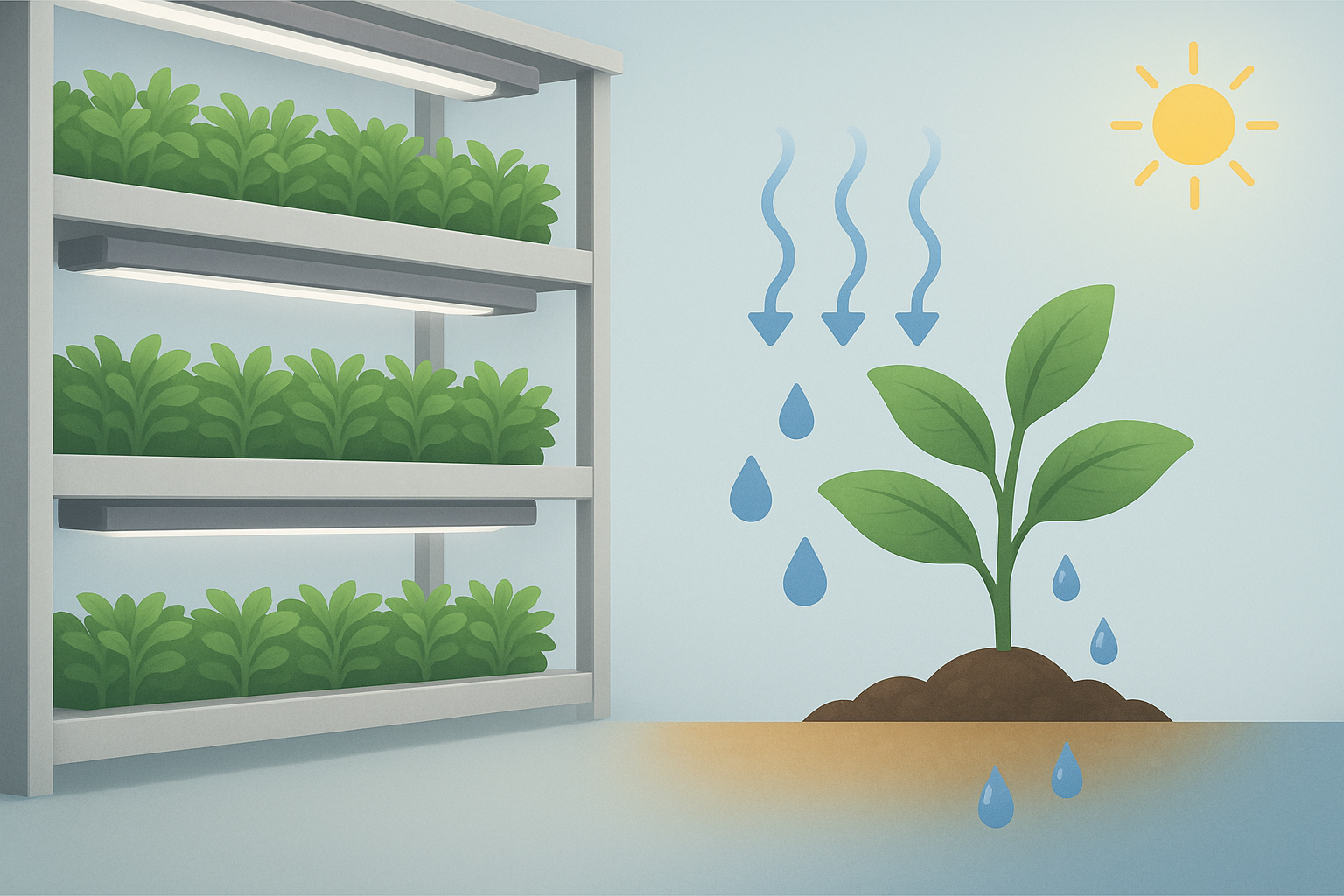
Introduction: The Role of Dew Point in Indoor Farming Environments In the context of controlled environment agriculture (CEA) and vertical farms, dew
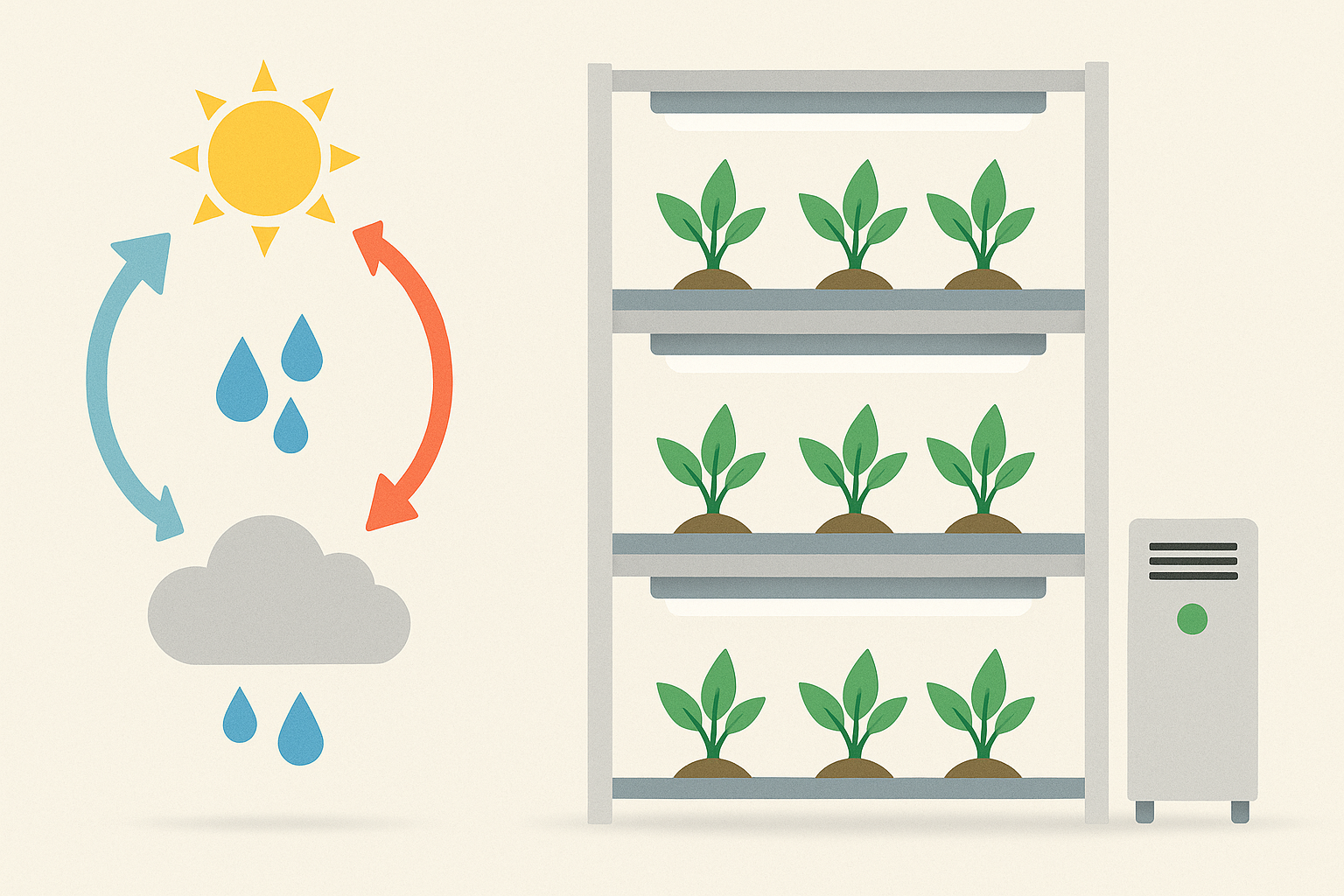
Controlled Environment Agriculture (CEA), including vertical farming, relies on finely tuned parameters to optimise plant health and productivity. Among the most critical
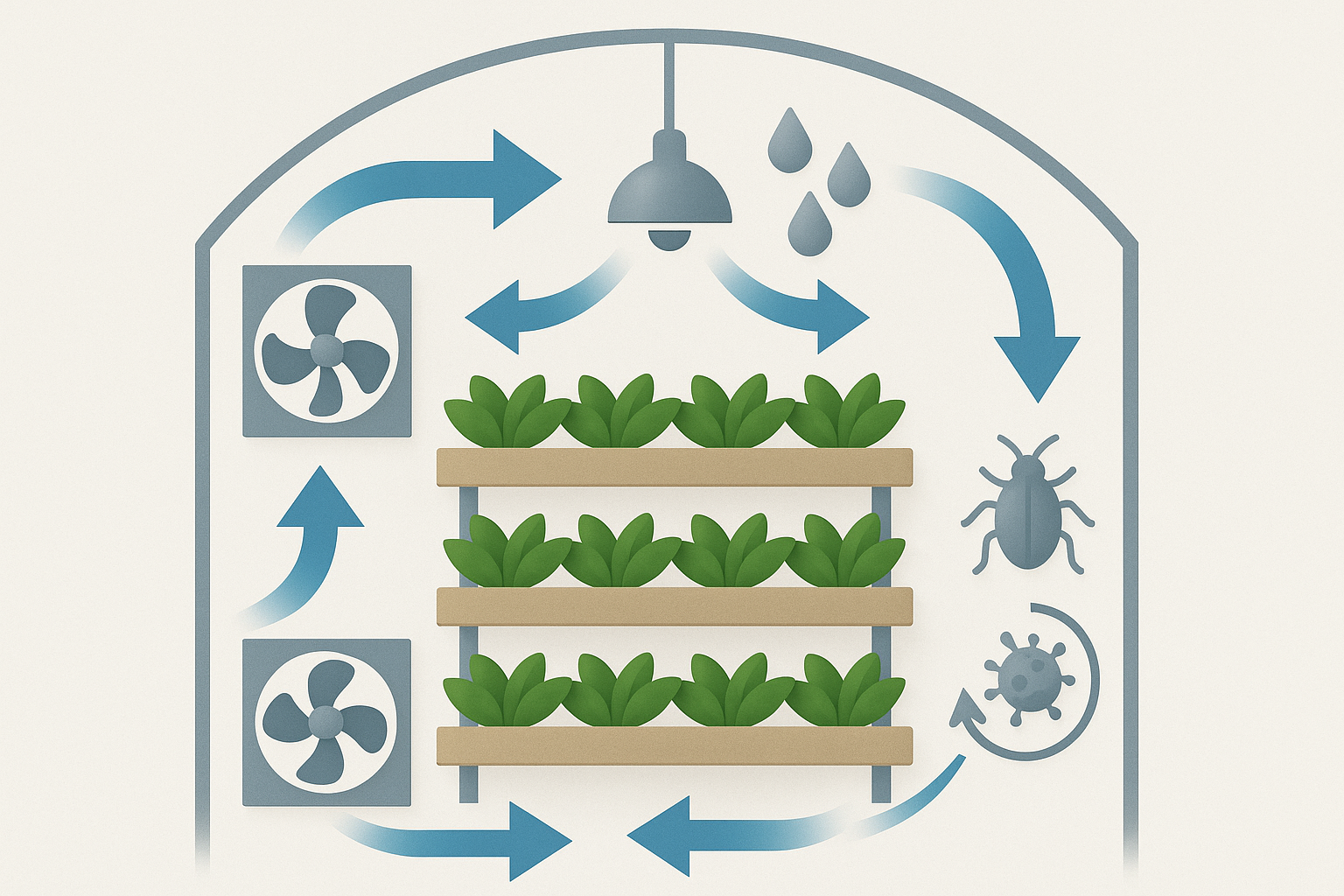
In Controlled Environment Agriculture (CEA), airflow is an essential component of successful indoor crop production. CEA airflow refers to the intentional movement
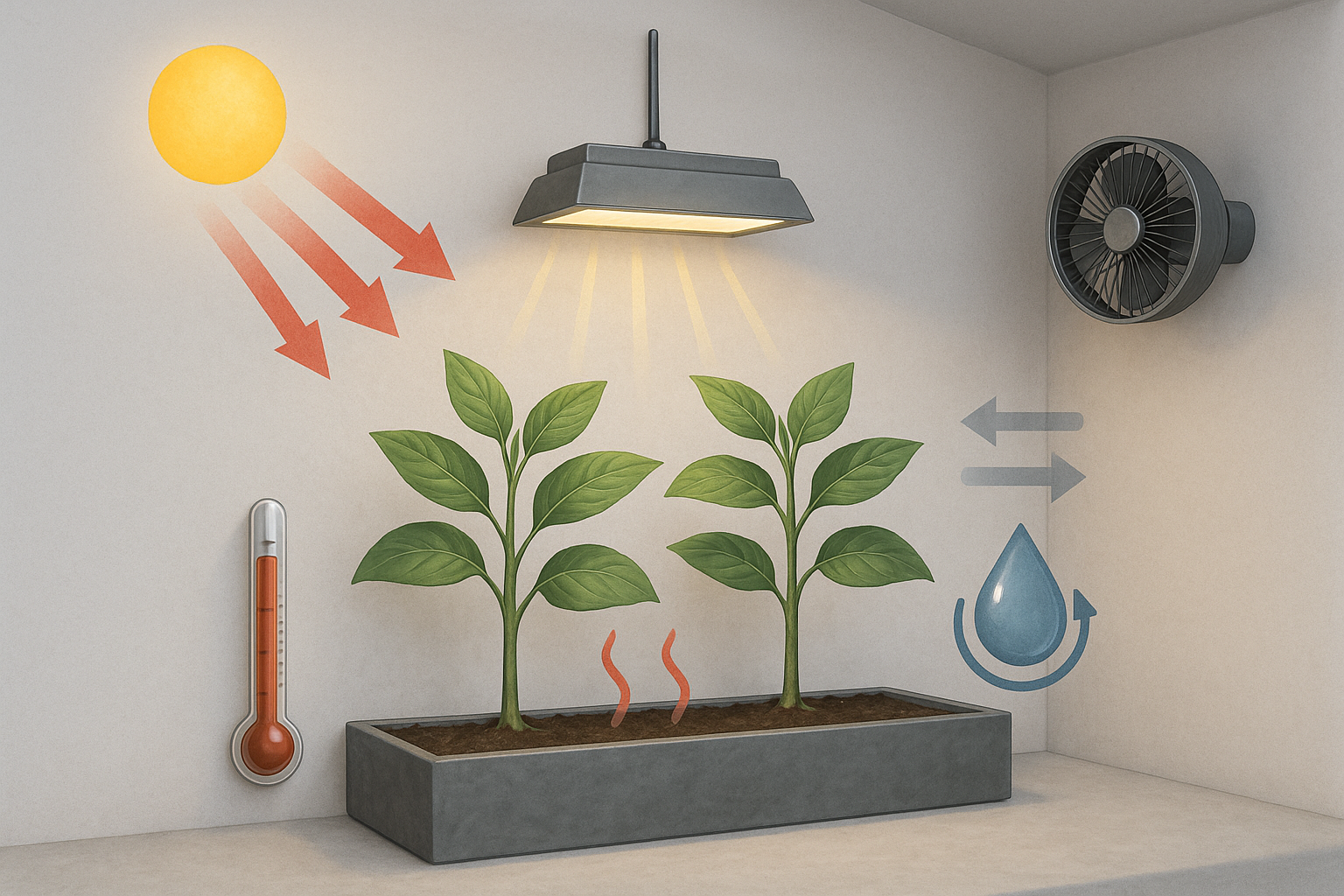
Understanding plant thermodynamics in indoor production is essential to optimising controlled environment agriculture (CEA) systems. While light, carbon dioxide and nutrients are
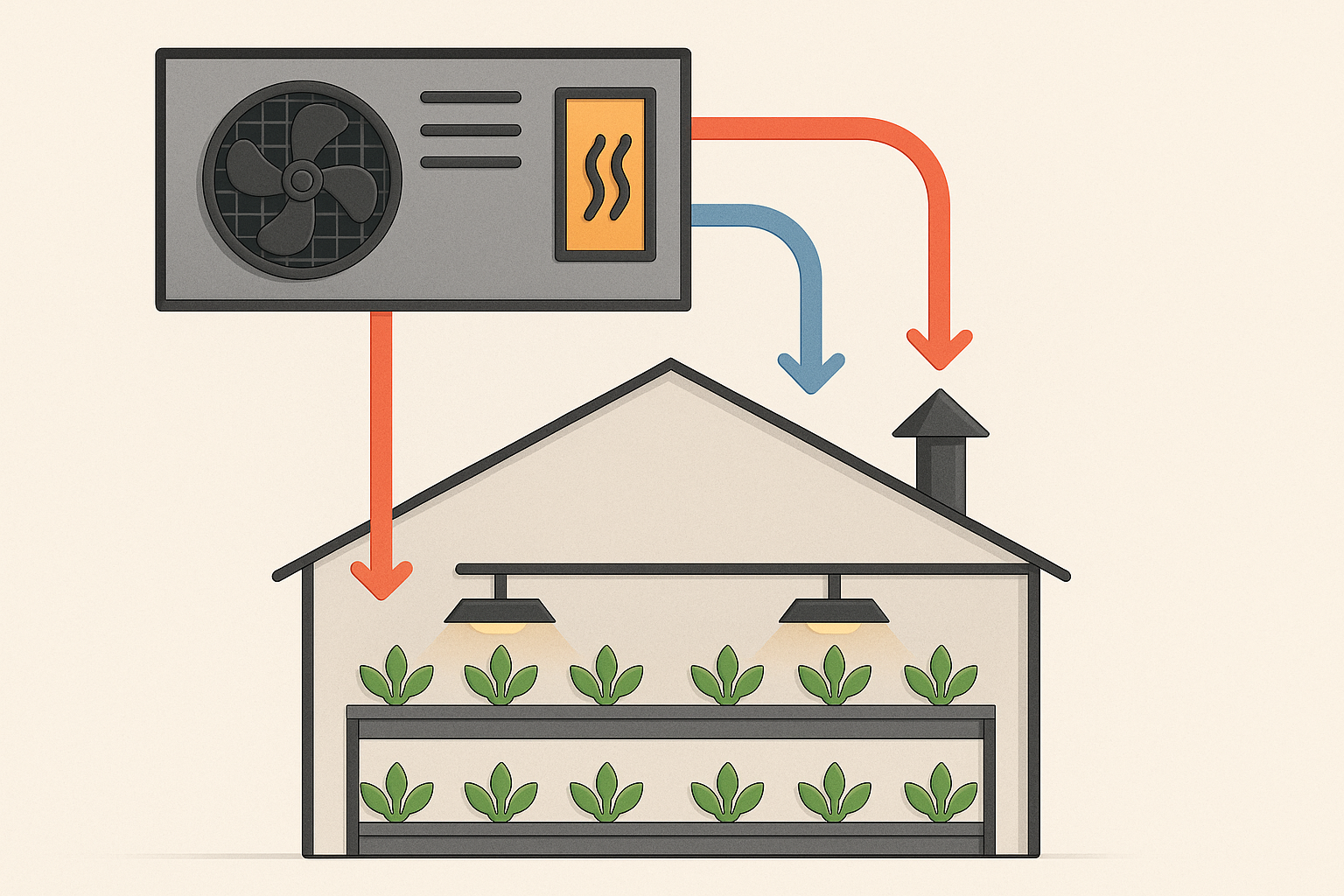
Controlled Environment Agriculture (CEA) relies heavily on precision climate regulation, and among its most critical components are heating, ventilation, and air conditioning