Vertical farming and controlled environment agriculture (CEA) represent a significant shift in how we grow food, promising more sustainable, efficient, and resilient methods of agricultural production. While these concepts are often perceived as futuristic, they are deeply rooted in historical practices and have evolved through centuries of innovation. Today, vertical farming and CEA are increasingly regarded as critical technologies for addressing the environmental, economic, and social challenges of 21st-century food systems.
Origins and Early Concepts
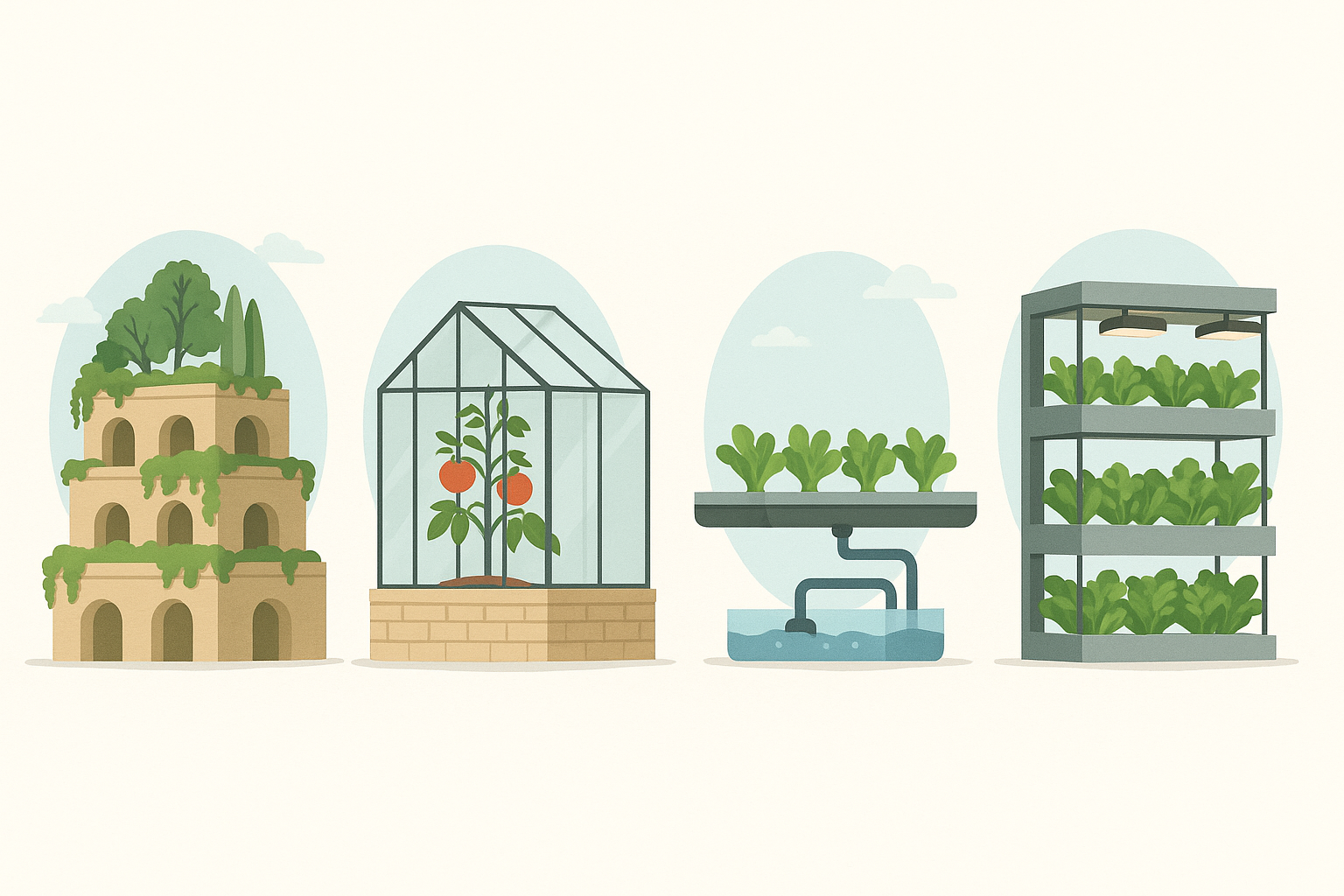
The idea of growing plants in controlled environments is not new. Ancient civilisations, including the Babylonians and Romans, experimented with techniques to manipulate plant environments. The Hanging Gardens of Babylon, one of the Seven Wonders of the Ancient World, are often cited as a proto-example of tiered, managed plant cultivation. In Ancient Rome, Emperor Tiberius is said to have eaten cucumbers daily that were grown in wheeled carts and moved to catch the sun—a rudimentary form of controlled-environment production.
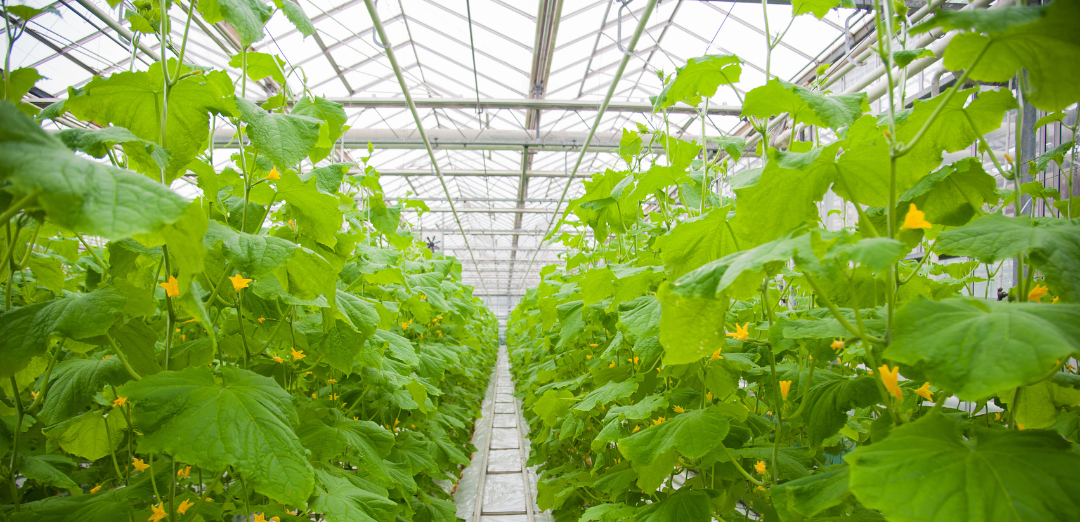
In the 17th and 18th centuries, horticultural advancements led to the development of greenhouses in Europe. The French and Dutch pioneered the use of glasshouses to extend growing seasons and cultivate exotic plants. By the 19th century, greenhouses had become common in botanical gardens and on aristocratic estates, enabling year-round cultivation of fruits and vegetables.
The 20th century saw these techniques evolve with new technologies. The invention of electric lighting, HVAC systems, and hydroponics—first described in the 1930s by Dr. William Frederick Gericke at the University of California—laid the scientific foundation for modern CEA. Hydroponics, in particular, demonstrated that soil was not essential for plant growth, only a medium for nutrient delivery. This insight opened the door to more space-efficient and modular farming systems.
Emergence of Vertical Farming
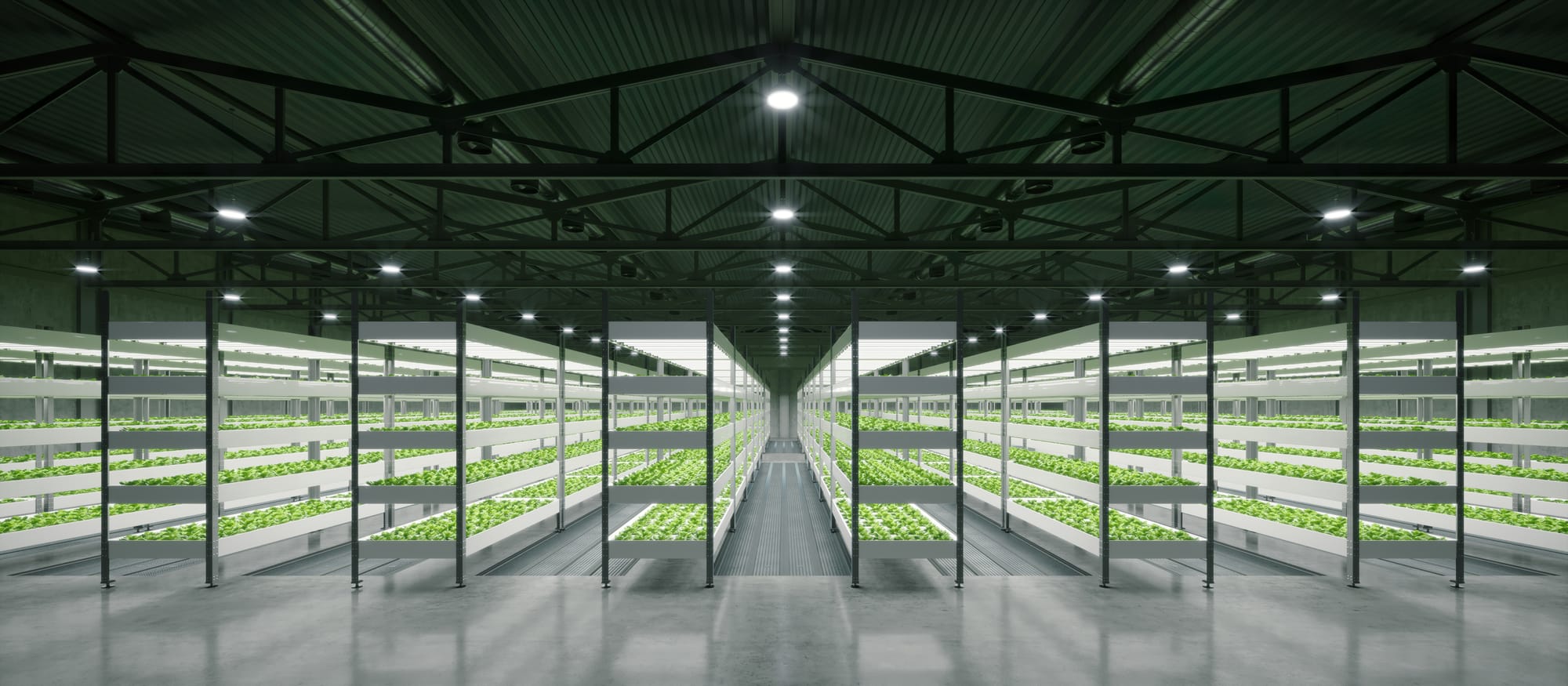
The concept of vertical farming as it is understood today (stacked layers of crops grown in controlled indoor environments) was first popularised in the late 20th and early 21st centuries. The term "vertical farming" was coined by American academic and scientist, Dr. Dickson Despommier, a professor at Columbia University, in the late 1990s. Frustrated by the limitations of traditional urban agriculture, Despommier proposed that entire skyscrapers could be converted into high-yield farms, using artificial lighting, climate control, and hydroponics or aeroponics to grow food within cities.
Although Despommier’s vision was largely conceptual at the time, it captured public imagination and helped galvanise research and investment into indoor farming systems. His 2010 book, The Vertical Farm: Feeding the World in the 21st Century[a], became a seminal text that defined the ambitions and environmental motivations behind the movement.
Technological Innovations and Commercialisation
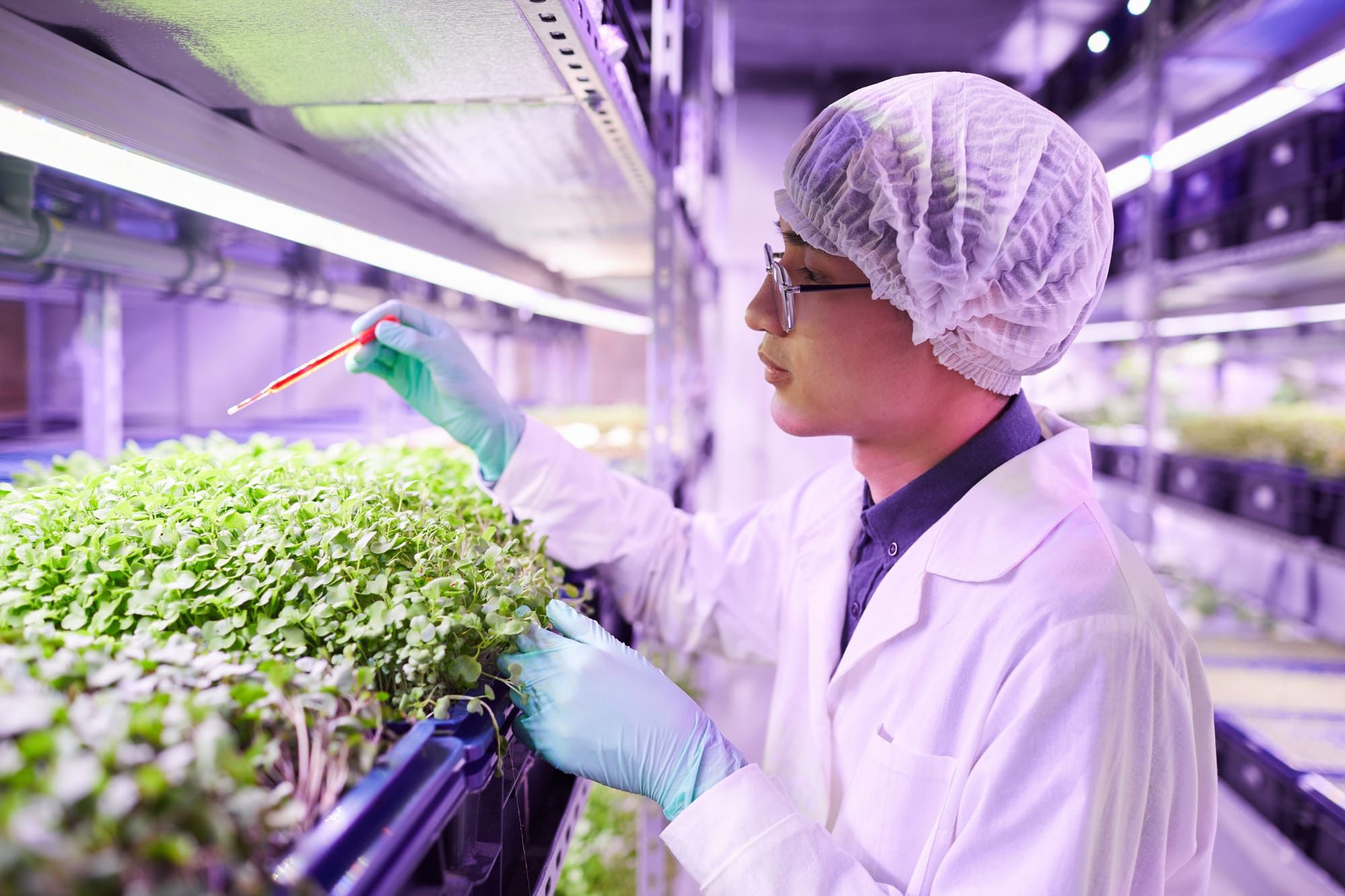
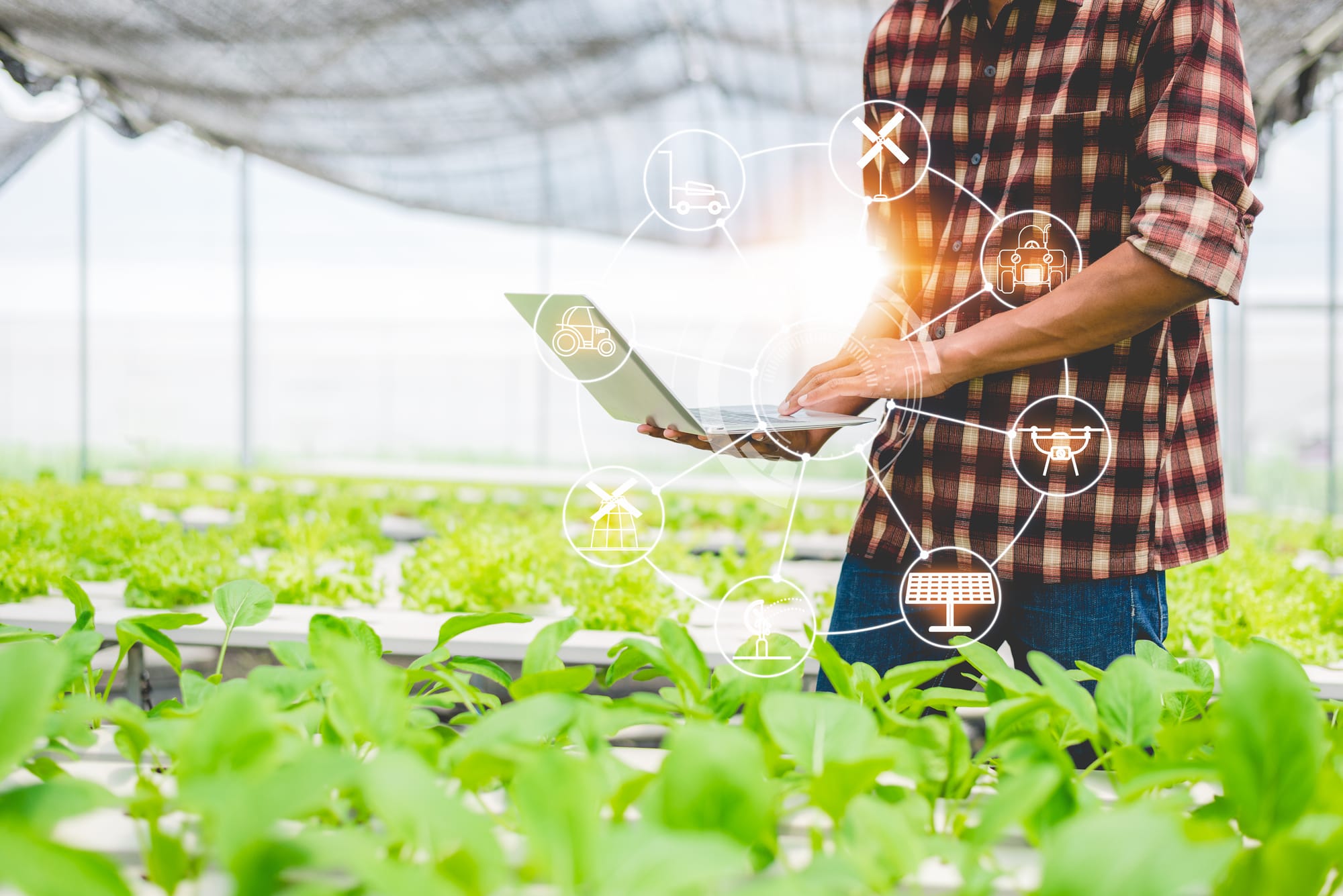
Since the early 2000s, vertical farming has undergone rapid development, spurred by improvements in lighting, data science, and automation. LED lighting, which is significantly more energy efficient and plant-optimised than older alternatives, has enabled multilayer farming without the high energy costs previously associated with artificial light. Sensors and digital monitoring systems allowed for precision control of temperature, humidity, pH, and nutrient delivery. Robotics and AI now play a role in harvesting, seeding, and climate optimisation, improving productivity and reducing labour costs.
These advances led to the establishment of commercial vertical farms in urban centres across the globe. Companies such as AeroFarms (US), Plenty (US), Infarm (Germany), and Spread (Japan) emerged as early leaders in the sector. By situating production close to consumers, these firms reduced transportation costs and emissions, delivering fresher produce with fewer food miles.
Controlled environment agriculture expanded alongside vertical farming. While not all CEA is vertical, the two share common technologies and goals: optimising growth conditions, reducing resource inputs, and insulating food production from external threats such as climate change, pests, and geopolitical disruptions.
Why Vertical Farming and CEA Matter Today
Vertical farming and CEA are increasingly recognised as crucial tools in the quest for food security, sustainability, and climate resilience. Several key factors underscore their importance:
1. Urbanisation and Land Scarcity
With more than half of the world’s population now living in cities - a figure which is projected to rise - urban land use is under immense pressure. Vertical farms can be built into or on top of existing buildings, repurposing underutilised urban infrastructure and reducing dependence on rural land.
2. Climate Change and Extreme Weather
Traditional agriculture is highly vulnerable to climate-related events such as droughts, floods, and heatwaves. CEA systems can function independently of external weather, providing a stable environment for consistent yields.
3. Resource Efficiency
Vertical farms can use up to 95% less water than conventional agriculture by recirculating nutrient solutions and capturing transpiration. They also minimise the need for chemical pesticides and herbicides, contributing to healthier food systems and ecosystems.
4. Food Security and Localisation
Vertical farming enables year-round production of fresh vegetables in urban and peri-urban areas, reducing reliance on global supply chains and mitigating the impact of trade disruptions, fuel costs, and pandemics.
5. Innovation and Customisation
CEA technologies offer the potential to tailor crop varieties for flavour, nutrition, or pharmaceutical use. This opens new avenues for biotech applications, from nutraceuticals to edible vaccines.
Challenges and the Road Ahead
Despite its promise, vertical farming is not without its challenges. High capital costs, energy consumption (particularly for lighting and climate control), and limited crop diversity remain significant barriers. Most vertical farms focus on leafy greens, herbs, and microgreens; crops with short growth cycles and high market value. Expanding to staple crops like grains or fruit is not yet economically viable at scale.
Moreover, the energy footprint of vertical farming can offset some of its sustainability gains, particularly in regions where electricity is derived from fossil fuels. However, integration with renewable energy, combined heat and power systems, and advances in low-energy lighting and environmental control are rapidly improving the carbon profile of indoor farms.
Investment in research, policy support, and interdisciplinary collaboration will be key to unlocking the full potential of vertical farming and CEA. Education and public awareness are also vital to ensure consumer acceptance and support.
Conclusion
From ancient hanging gardens to futuristic urban farms, the idea of growing plants in controlled environments has evolved into a sophisticated and potentially transformative agricultural paradigm. Vertical farming and controlled environment agriculture offer innovative solutions to some of the most pressing challenges facing global food systems today. By decoupling food production from geography, weather, and soil, these technologies promise a more resilient, efficient, and equitable future for farming.
As urban populations swell, climates shift, and the need for sustainable food systems grows ever more urgent, vertical farming and CEA are no longer experimental novelties, they are becoming integral components of the next agricultural revolution.