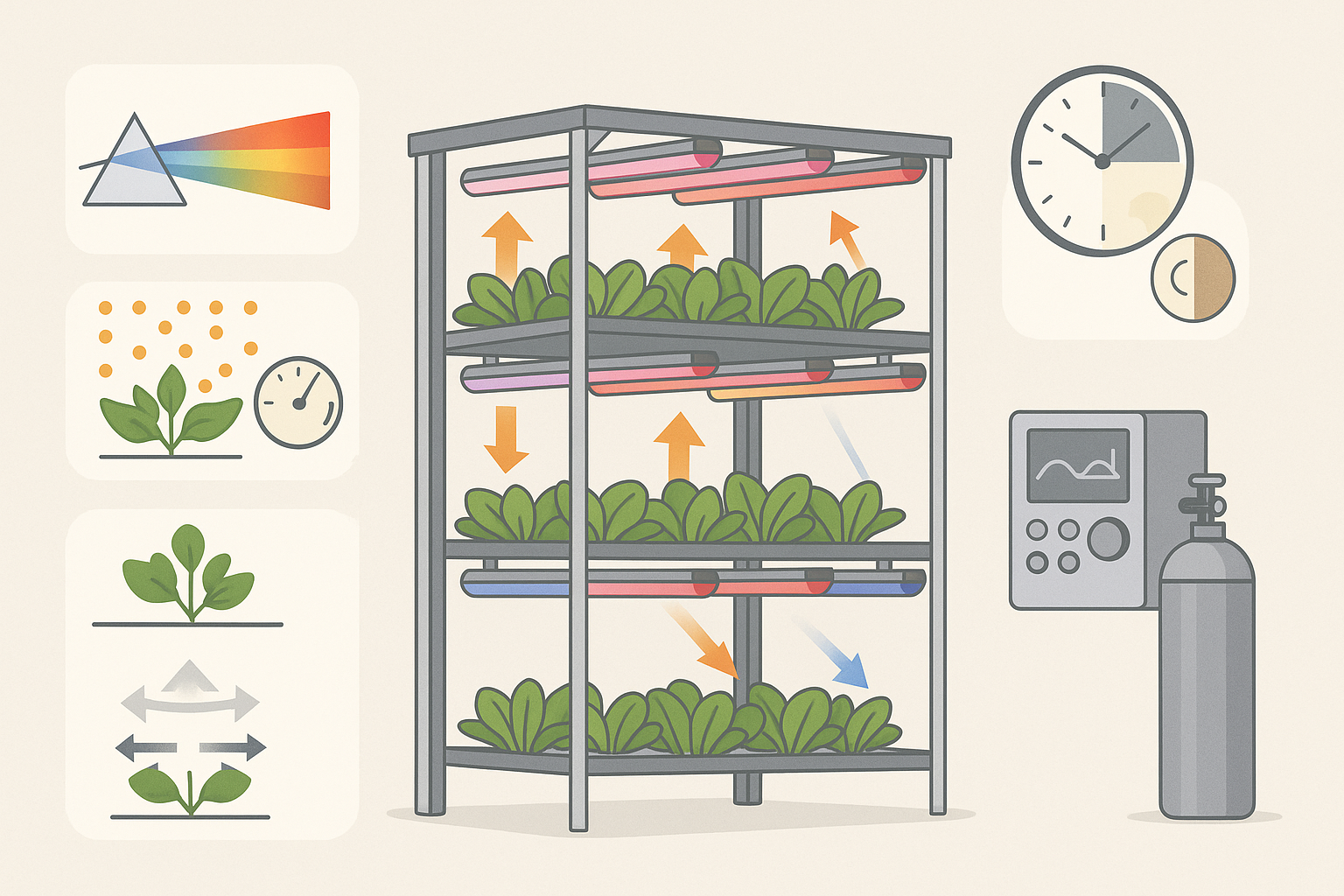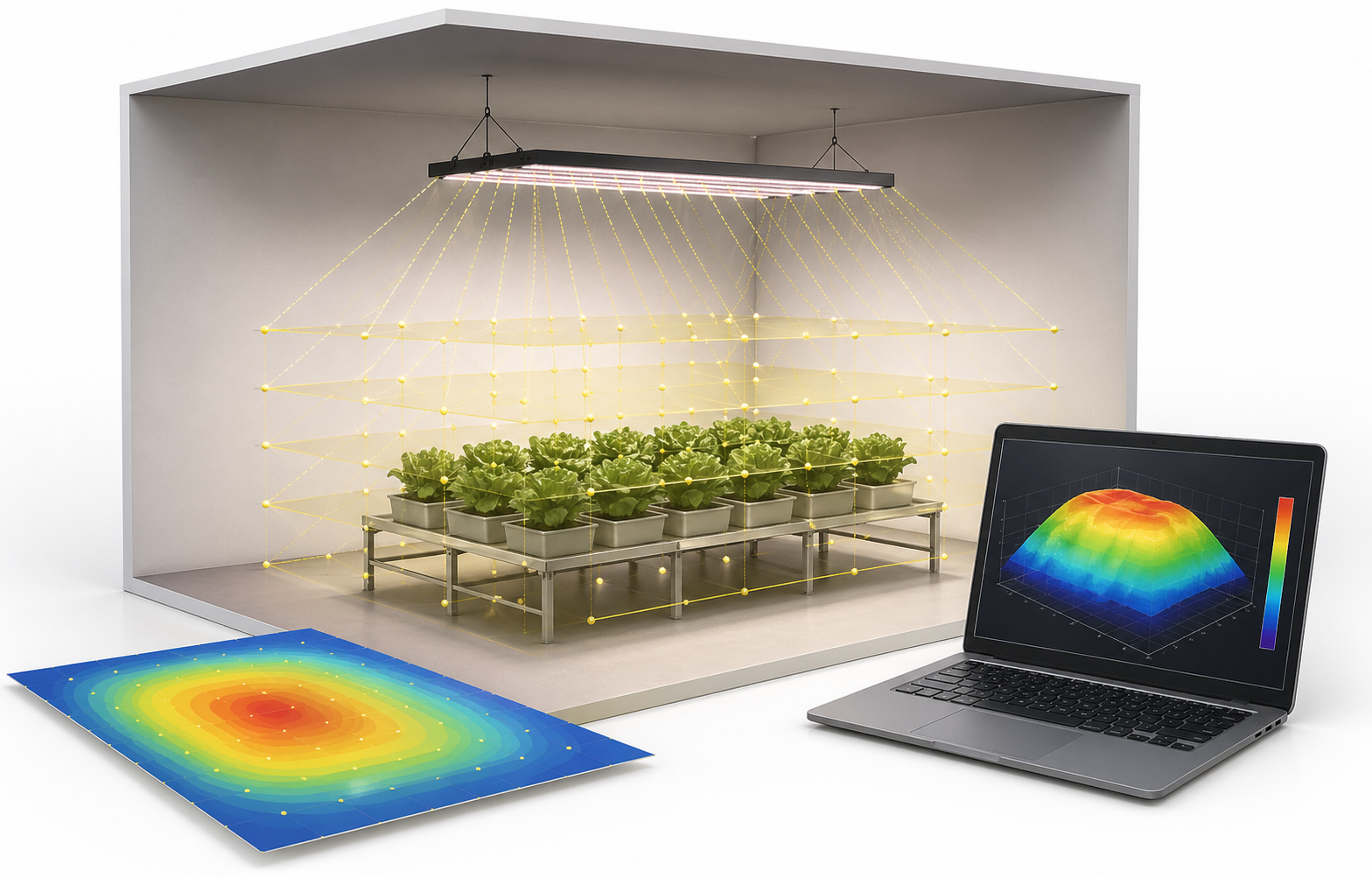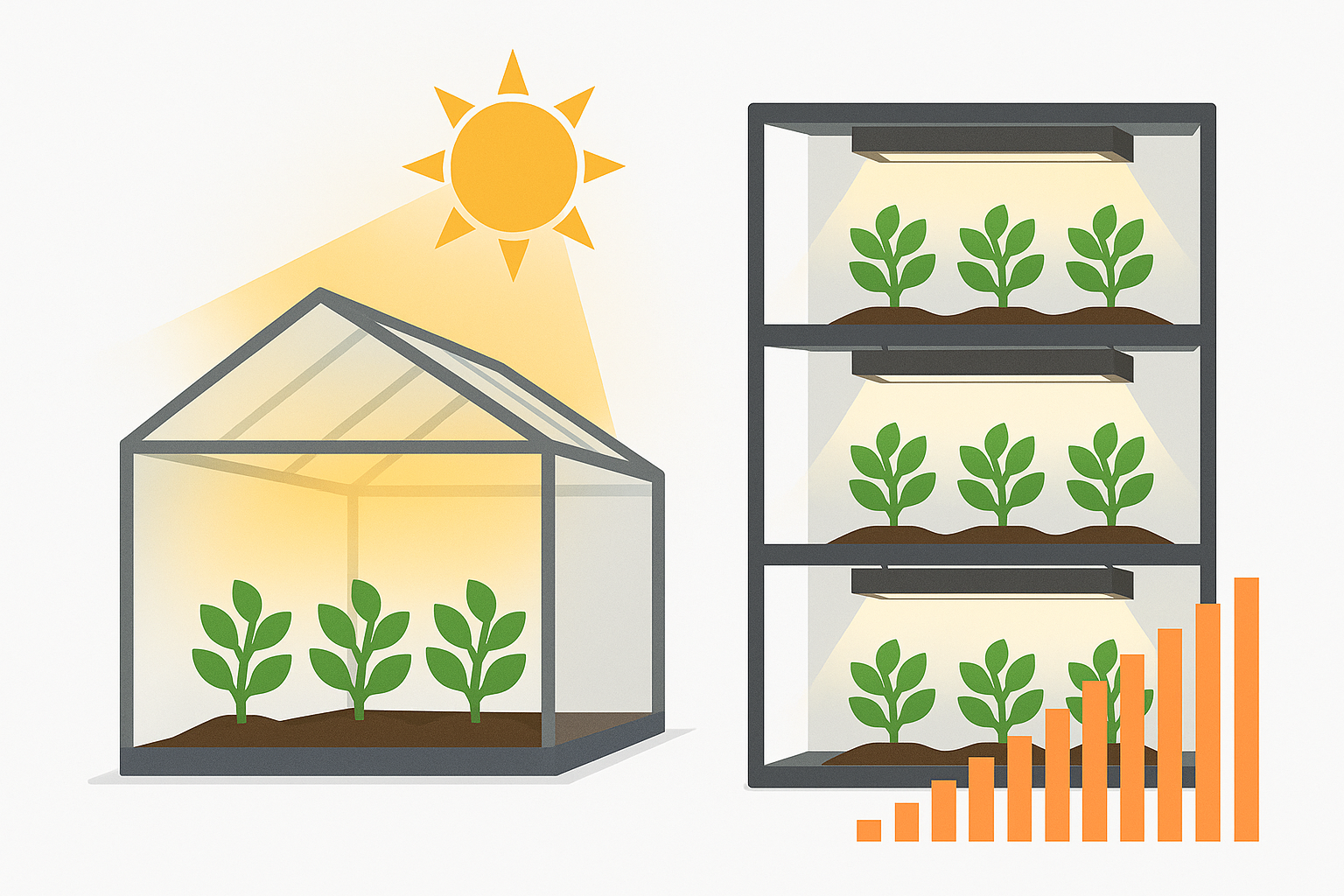
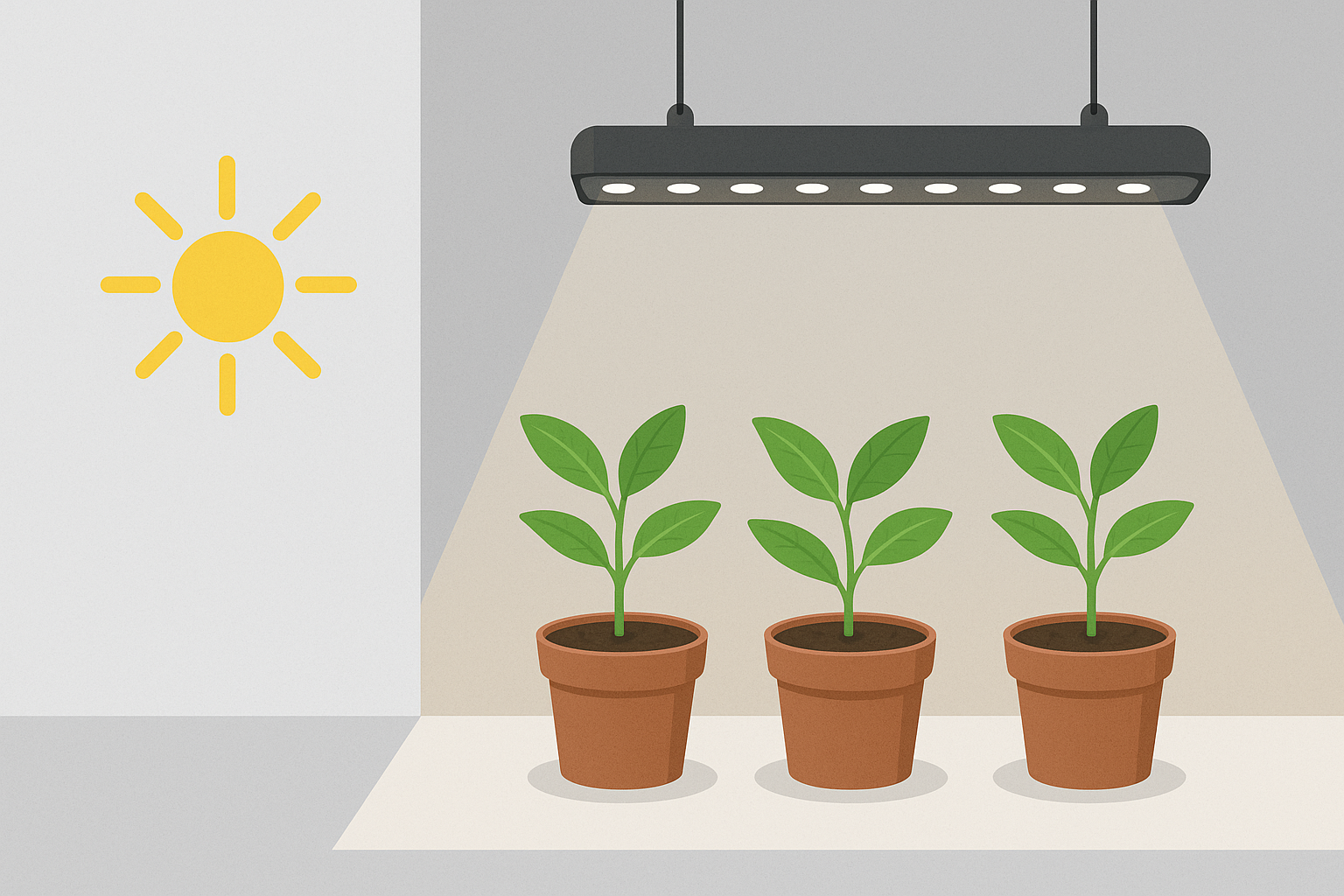
Understanding how plants respond to light is fundamental in Controlled Environment Agriculture (CEA). One of the most critical aspects of this relationship is the photoperiod: the length of time a plant is exposed to light during a 24-hour cycle. Plant photoperiods are not merely about photosynthesis; they play a vital role in regulating developmental stages such as flowering, leaf expansion, dormancy, and even root growth. In vertical farming systems, where artificial lighting is carefully programmed, mastering photoperiod manipulation allows growers to optimise productivity, influence crop quality, and align growth cycles with commercial or logistical requirements.
What Is a Photoperiod?
Photoperiod refers to the duration of light and darkness a plant experiences within a 24-hour period. In natural environments, this cycle is dictated by the time of year and geographic latitude. However, in indoor growing systems, growers can control photoperiods precisely, tailoring them to the specific needs of each crop. Plants have evolved to detect changes in day length via photoreceptors such as phytochromes and cryptochromes. These light-sensitive proteins act as internal clocks, enabling plants to measure night length rather than day length, which is the actual trigger for many physiological responses.
Plant Classifications by Photoperiodic Response
Plants are commonly classified into three broad groups based on how they respond to photoperiod: short-day, long-day, and day-neutral. Short-day plants (e.g. chrysanthemums and soybeans) initiate flowering when day length falls below a certain threshold. In contrast, long-day plants (such as spinach and barley) require extended periods of light to flower. Day-neutral plants (including tomatoes and cucumbers) flower independently of photoperiod, although light still influences other aspects of their growth. This classification is essential in vertical farming, where crops are frequently grown out of season or in non-native climates. By adjusting photoperiods, growers can either mimic natural conditions or deliberately shift them to induce flowering or vegetative growth as needed.
The Role of Photoperiod in Controlled Environment Agriculture
In CEA systems, photoperiod control is a powerful tool for manipulating plant development. For example, maintaining long photoperiods of 16 – 18 hours can accelerate vegetative growth in leafy greens, leading to quicker harvests. Conversely, short photoperiods may be used to induce flowering in photoperiod-sensitive ornamentals or fruiting crops. This level of control is especially useful for commercial growers aiming to achieve consistent production schedules or staggered harvests.
Furthermore, photoperiod management can support energy efficiency. Unlike light intensity, which directly affects photosynthesis, photoperiods can be modulated to regulate developmental timing without necessarily increasing light output. Combined with dimming strategies or spectrum adjustments, optimising photoperiods contributes to more sustainable growing operations.
Photoperiod and the Circadian Rhythm
Plants possess circadian rhythms: internal timekeeping mechanisms that coordinate biological processes with the 24-hour day. These rhythms persist even in constant conditions and are synchronised, or entrained, by environmental cues such as light and temperature. The photoperiod acts as a primary cue, helping the plant distinguish between seasons. This internal clock influences not only flowering, but also stomatal behaviour, hormone production, and nutrient transport. Disrupting or misaligning these rhythms (for example, by using inappropriate or erratic lighting cycles) can reduce plant health and yield. Therefore, CEA growers must design lighting schedules that support natural circadian entrainment while meeting production goals.
Practical Examples and Research in CEA
Various studies illustrate the significance of photoperiod manipulation in vertical farming. In Lactuca sativa (lettuce), extending the photoperiod from 12 to 20 hours has been shown to increase biomass significantly without adversely affecting quality, provided the light intensity and spectrum are properly managed. Similarly, in Fragaria × ananassa (strawberries), strategic short-day treatments have been used to synchronise flowering and fruiting stages, improving yield uniformity in controlled settings. Research also demonstrates that some crops respond positively to split photoperiods (for instance, two light periods with a short dark interval) though these approaches require careful evaluation to avoid disrupting plant circadian cycles.
Photoperiod Versus Daily Light Integral
It is important to distinguish between photoperiod and daily light integral (DLI). While photoperiod concerns the duration of light exposure, DLI refers to the total amount of photosynthetically active radiation (PAR) received by a plant in one day. The two concepts are related, but not interchangeable. A longer photoperiod with lower light intensity can produce the same DLI as a shorter photoperiod with high-intensity light. However, plant responses to photoperiod are developmental, not merely photosynthetic. Thus, even with an adequate DLI, an inappropriate photoperiod may cause flowering failure or vegetative stalling in photoperiod-sensitive species. For CEA practitioners, balancing photoperiod and DLI is critical for crop optimisation.
Future Directions: Automation and Precision Control
With the advent of advanced lighting control systems and sensor technologies, vertical farms can now implement finely tuned photoperiod strategies at scale. Programmable LED systems allow for dynamic adjustments, enabling the transition from vegetative to flowering phases with minimal manual intervention. Additionally, machine learning and plant phenotyping tools are being explored to further personalise lighting protocols for individual cultivars. As the sector moves towards greater automation, integrating photoperiod management into broader environmental control systems will become increasingly sophisticated.
Conclusion
Plant photoperiods represent a cornerstone of controlled crop cultivation. Beyond light intensity or spectrum, it is the rhythm and timing of light exposure that often governs key developmental transitions. For vertical farming and other forms of CEA, mastering photoperiod control offers a reliable, evidence-based means to influence crop behaviour, improve yield consistency, and reduce operational inefficiencies. As understanding deepens through ongoing research and technology development, photoperiod management will remain a central practice in the quest for sustainable and scalable indoor agriculture.