Understanding the nuances of LED vs HPS and other lighting in vertical farming and CEA systems is central to designing efficient and productive indoor cultivation environments. In controlled environment agriculture (CEA), where crops rely entirely on artificial illumination, the choice of lighting system directly affects plant development, energy consumption, and economic feasibility. As such, lighting strategy is not a marginal concern: it is a core determinant of success.
Why Lighting Technology Matters in CEA
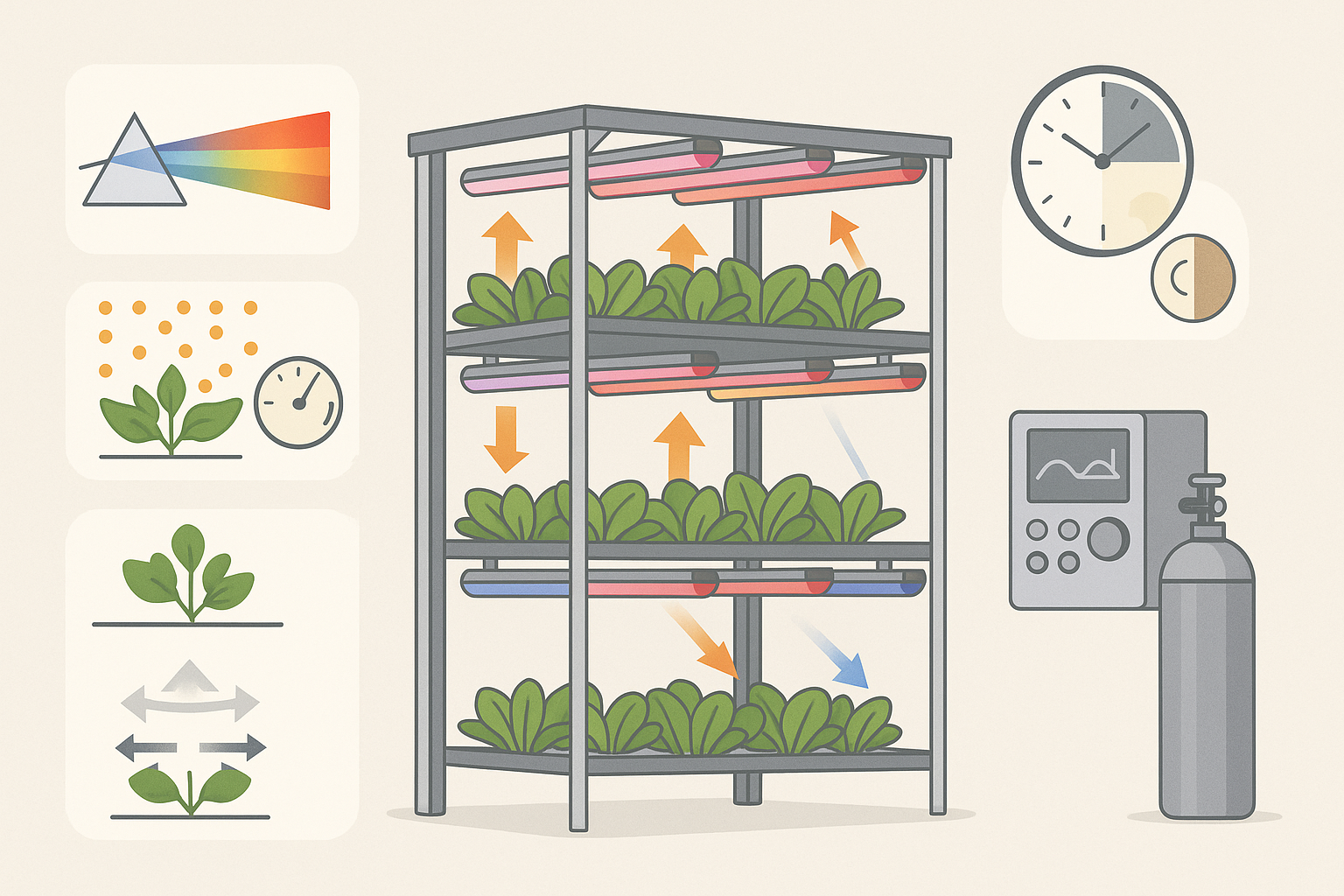
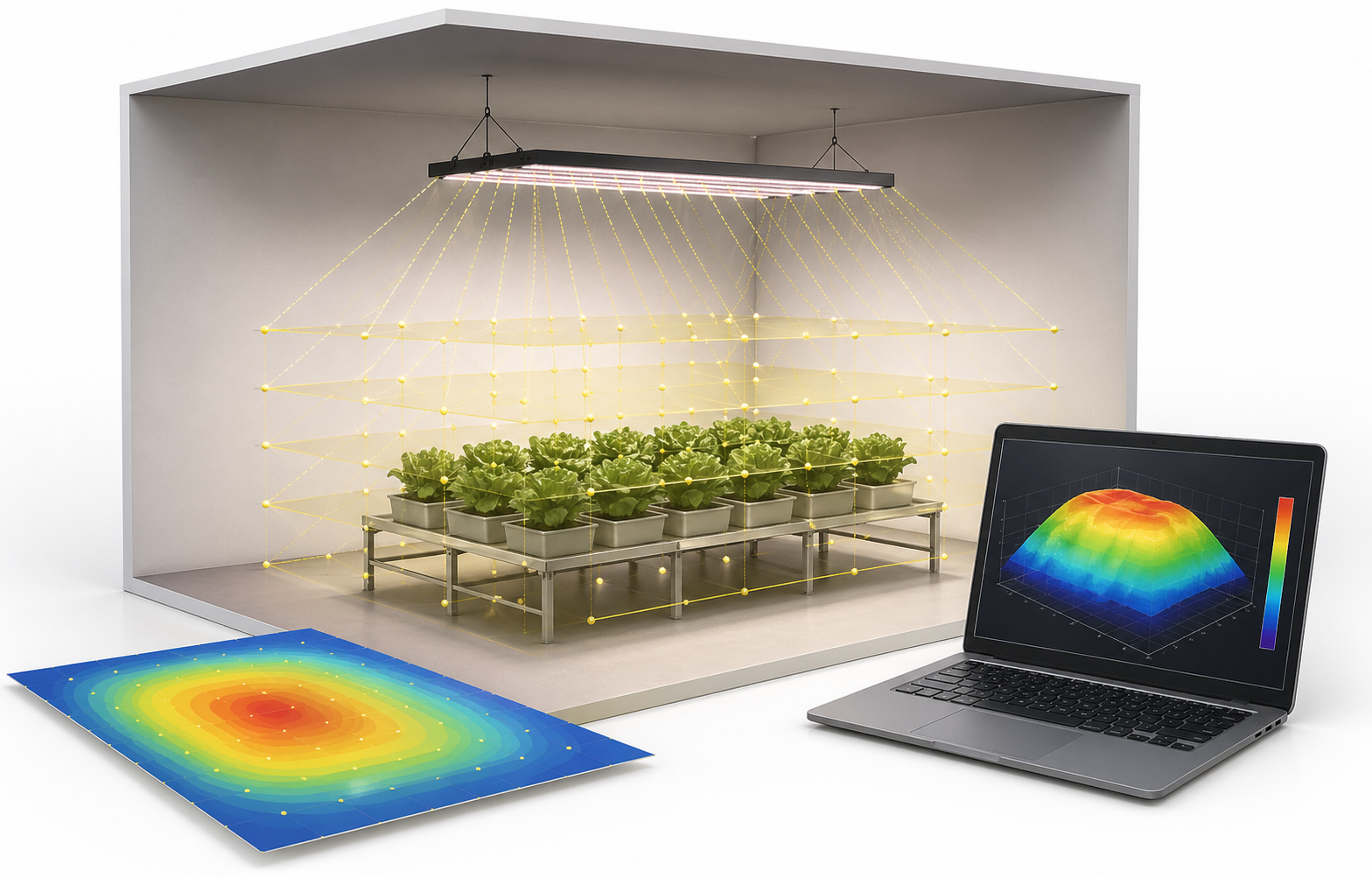
Unlike traditional agriculture, which depends on sunlight, most vertical farming and other CEA systems must simulate natural light using artificial sources. This artificial illumination must deliver the correct intensity, spectrum, duration, and spatial distribution to support photosynthesis, photomorphogenesis, and ultimately, crop yield and quality. The type of lighting used also influences heat load, energy efficiency, infrastructure design, and operational costs.
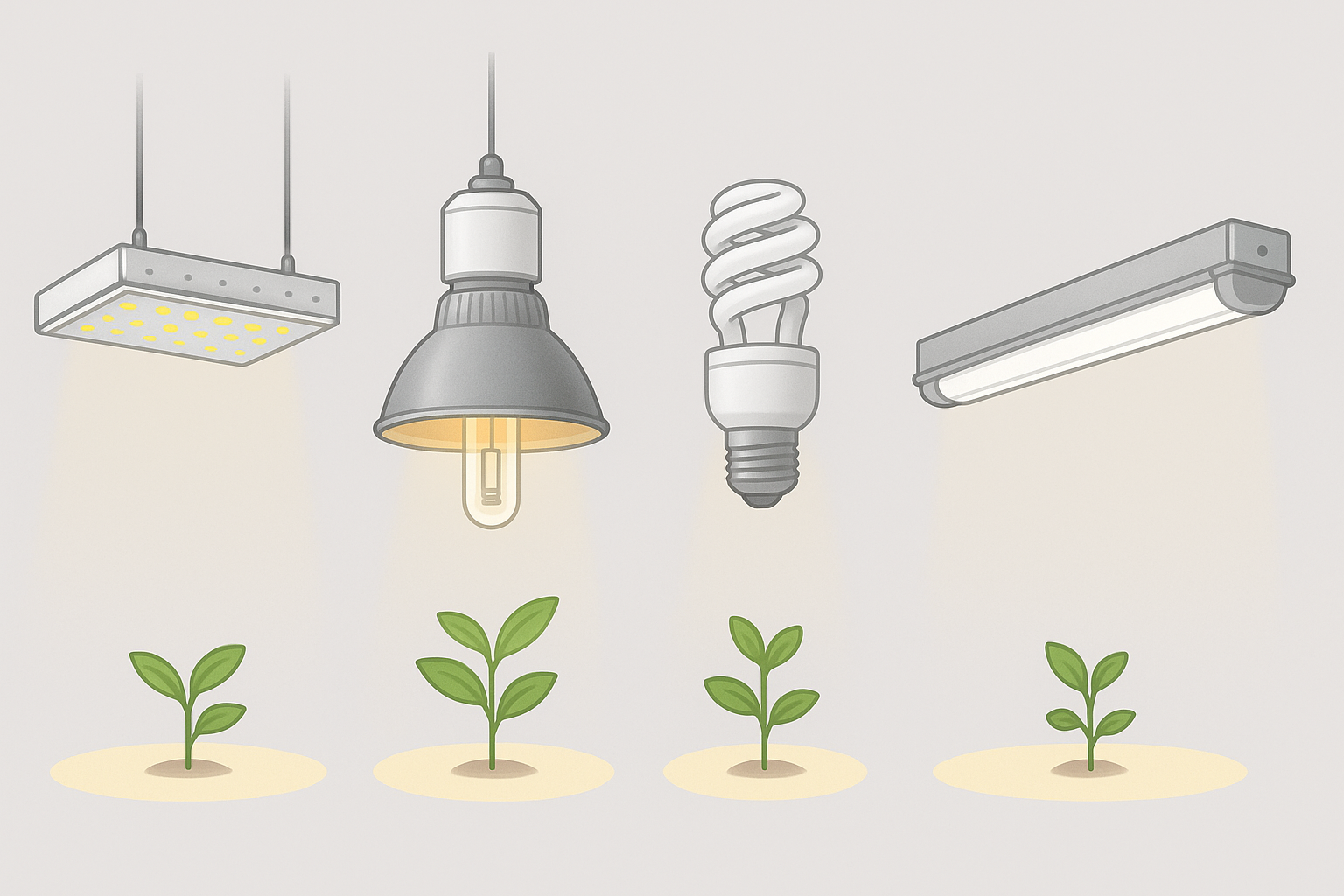
The three dominant lighting technologies in CEA are high-pressure sodium (HPS) lamps, light-emitting diodes (LEDs), and, to a lesser extent, metal halide (MH) and fluorescent systems. Each has distinct properties in terms of light output, energy efficiency, spectral distribution, and cost. As vertical farming evolves from experimental installations to scalable commercial ventures, the trade-offs between these technologies require close scrutiny.
High-Pressure Sodium (HPS): Proven but Inefficient
HPS lamps were the industry standard in greenhouse cultivation long before the advent of modern vertical farms. They emit an intense yellow-orange light that is rich in the red and far-red wavelengths useful for flowering and fruiting. However, their spectral range is narrow and lacks sufficient blue light, which is crucial for vegetative growth and structural plant integrity.
While HPS systems are relatively inexpensive to purchase and easy to maintain, they operate at high temperatures and are energy-intensive. Their efficacy (measured in micromoles of photosynthetically active radiation (PAR) per watt) is considerably lower than that of modern LEDs. Furthermore, HPS lamps have a relatively short lifespan, often requiring replacement after 10,000 to 20,000 hours of operation. In vertical farms, where space and heat management are tightly controlled, these limitations often outweigh their initial cost advantage.
Light-Emitting Diodes (LEDs): Customisable and Energy-Efficient
LEDs represent the most adaptable and energy-efficient lighting option currently available for vertical farming. They can be engineered to emit specific wavelengths of light, allowing growers to tailor spectral composition to plant species and growth stage. This spectral precision supports both photosynthesis and photobiological responses such as stem elongation, leaf expansion, and pigment synthesis.
LEDs generate significantly less heat than HPS lamps, which reduces the burden on cooling systems and allows for closer canopy placement; an essential feature in vertically stacked systems. While the upfront capital cost of LED installations can be high, the long operational life (often exceeding 50,000 hours) and reduced energy consumption translate to lower total cost of ownership over time.
From a research and development standpoint, LEDs have also facilitated a deeper understanding of plant-light interactions. Spectral tuning experiments, such as adjusting blue:red ratios or supplementing with far-red and ultraviolet, are now common in horticultural studies and have direct applications in commercial crop strategy.
Metal Halide and Fluorescent Lighting: Legacy Technologies
Metal halide (MH) lamps and fluorescent tubes, including T5 and compact fluorescents, have historically been used for seedling propagation and low-light crops. MH lighting produces a broader spectrum than HPS and is richer in blue wavelengths, making it more suitable for vegetative growth. However, MH systems are less efficient than LEDs and degrade quickly with use.
Fluorescent lighting offers low heat output and a gentle light intensity, which is sometimes beneficial for tissue culture or microgreen production. However, these systems are limited in both intensity and spectral adjustability, and they are unsuitable for large-scale vertical farming applications due to their low energy efficiency and short service life.
Comparative Performance and Application Context
The performance of any lighting technology must be assessed not in isolation, but in the context of crop requirements, environmental constraints, and economic goals. For instance, leafy greens and herbs may thrive under high-blue LED lighting configurations, whereas fruiting crops such as tomatoes or strawberries may benefit from a combination of broad-spectrum light and red-heavy wavelengths.
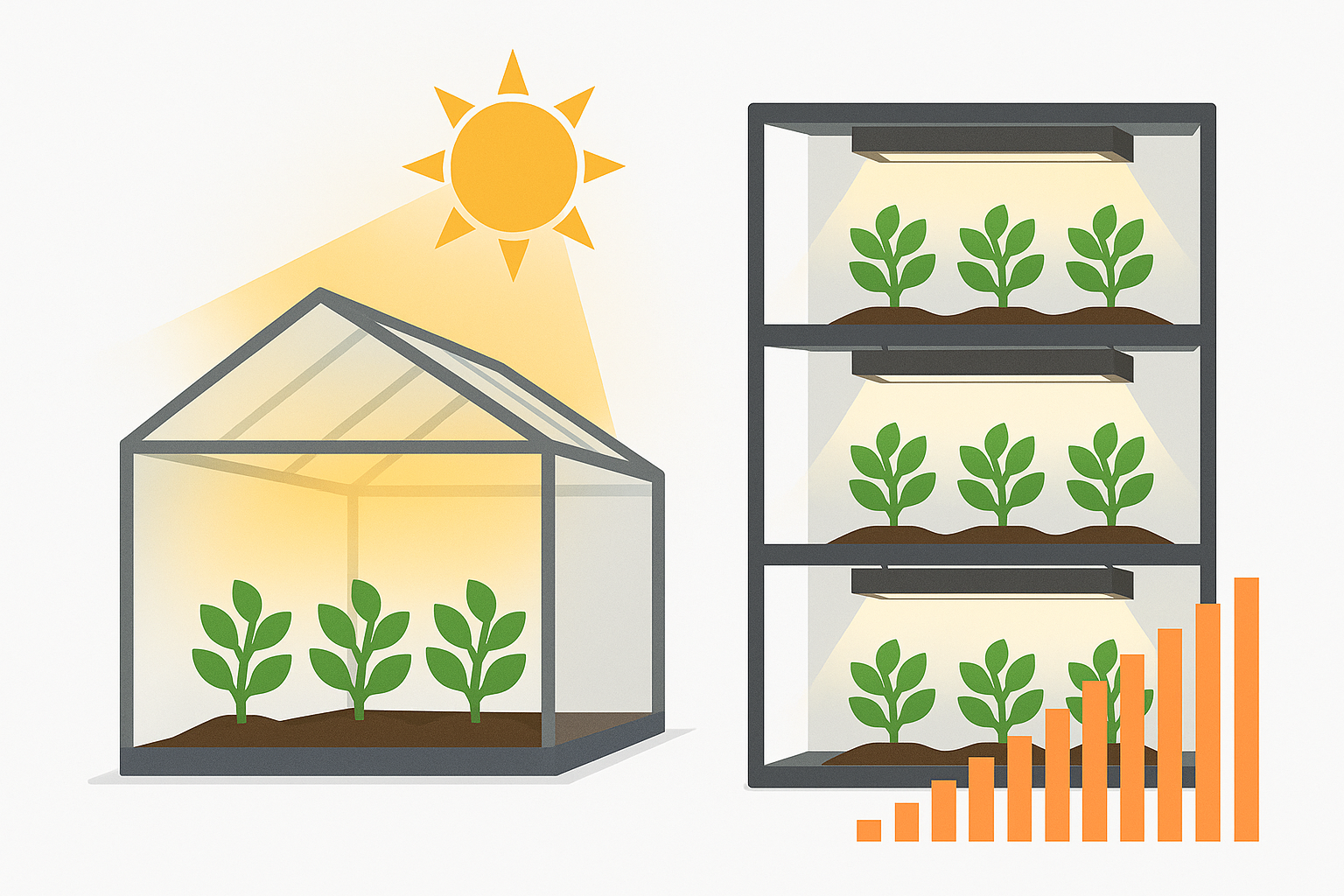
Cost considerations are also pivotal. In regions where electricity prices are high or where sustainability objectives are in place, the operational savings and lower carbon footprint of LEDs make them the logical choice. However, in transitional or hybrid systems (such as retrofitted greenhouses) HPS lighting may still play a role, particularly when integrated with natural daylight to mitigate its inefficiencies.
The Future of Lighting in CEA
Innovation in horticultural lighting continues at pace. Dynamic lighting systems that adjust spectrum and intensity in response to plant growth stages or sensor feedback are beginning to emerge. There is also growing interest in using circadian lighting strategies (mimicking the natural rhythm of daylight) to optimise plant health and yield.
At the same time, cost barriers are steadily falling. As LED technologies become more affordable and data on crop-specific light recipes accumulate, the argument for legacy systems grows weaker. Moreover, policies supporting energy efficiency and climate resilience may incentivise the widespread adoption of LED-based solutions in commercial vertical farming.
Summary
The choice between LED vs HPS and other lighting in vertical farming and CEA systems is not merely a question of hardware; it is a decision that affects biological outcomes, operational sustainability, and economic viability. While HPS and other traditional systems retain some utility in specific settings, LEDs have emerged as the standard for most modern vertical farms due to their spectral flexibility, energy efficiency, and compatibility with stacked architectures.
Ultimately, effective lighting strategy requires more than selecting a lamp. It demands an integrated understanding of plant biology, environmental engineering, and energy economics. As CEA matures and expands, lighting decisions will remain central to the performance, resilience, and profitability of controlled environment crop production.