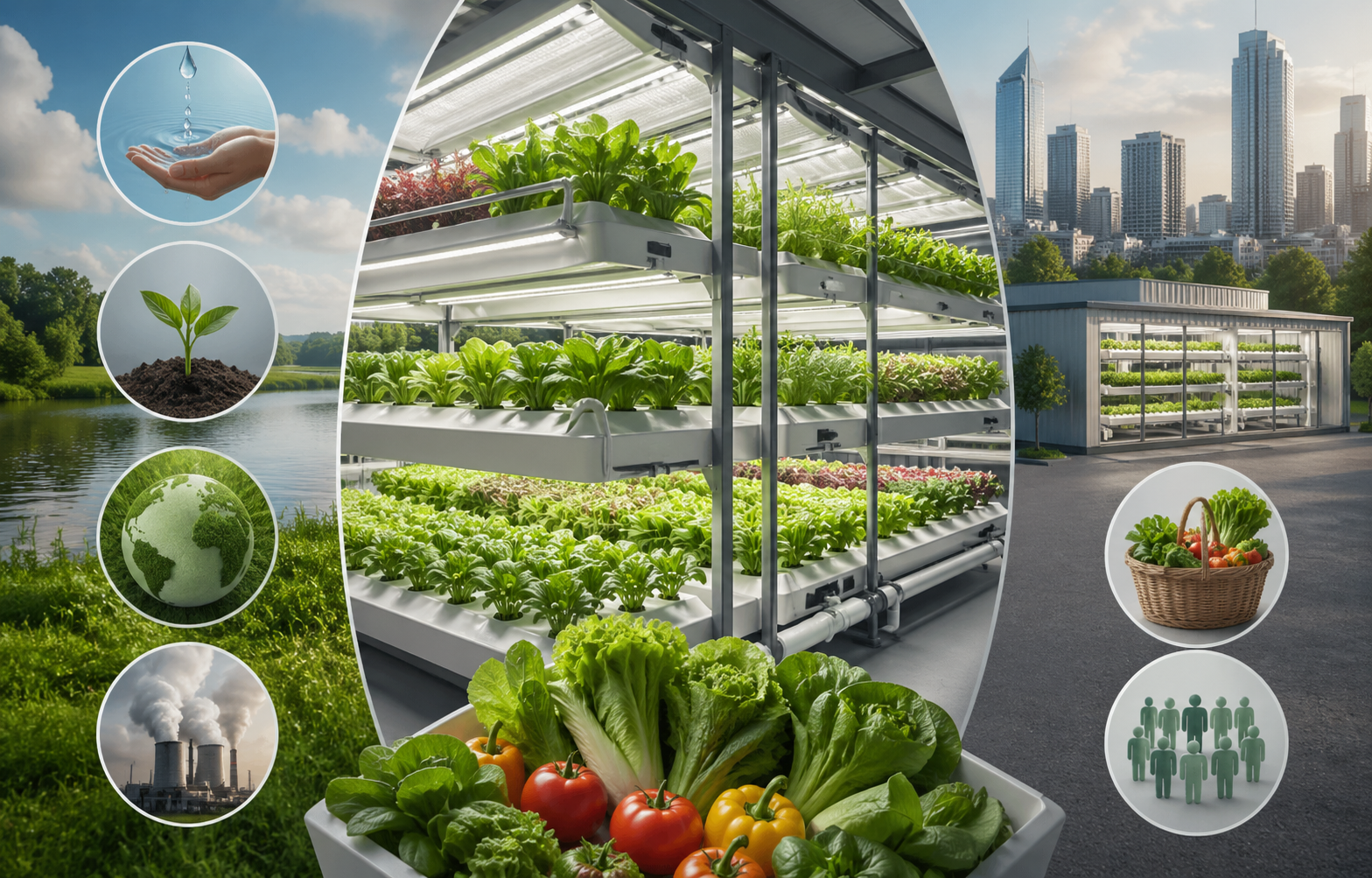
Why Does CEA and Vertical Farming Matter?
Understanding the importance of vertical farming in addressing global food and environmental challenges Controlled Environment Agriculture (CEA) and vertical farming are attracting

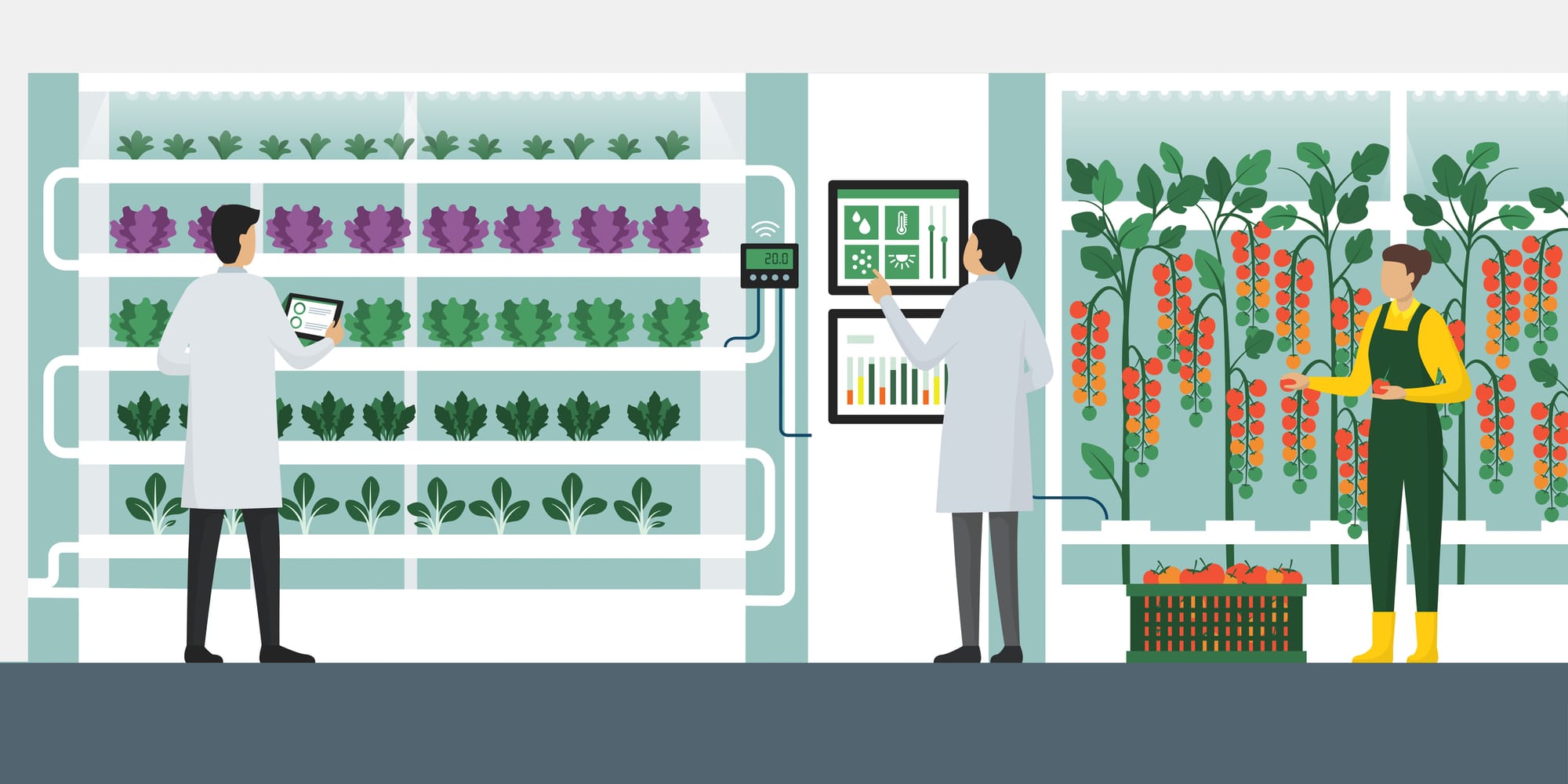
Controlled Environment Agriculture (CEA) refers to crop production within enclosed or semi-enclosed systems where environmental conditions such as light, temperature, humidity, and nutrients are precisely managed. It enables consistent, resource-efficient cultivation, often independent of external climate, supporting high yields and year-round production in systems such as greenhouses and vertical farms.
Understanding the importance of vertical farming in addressing global food and environmental challenges Controlled Environment Agriculture (CEA) and vertical farming are attracting
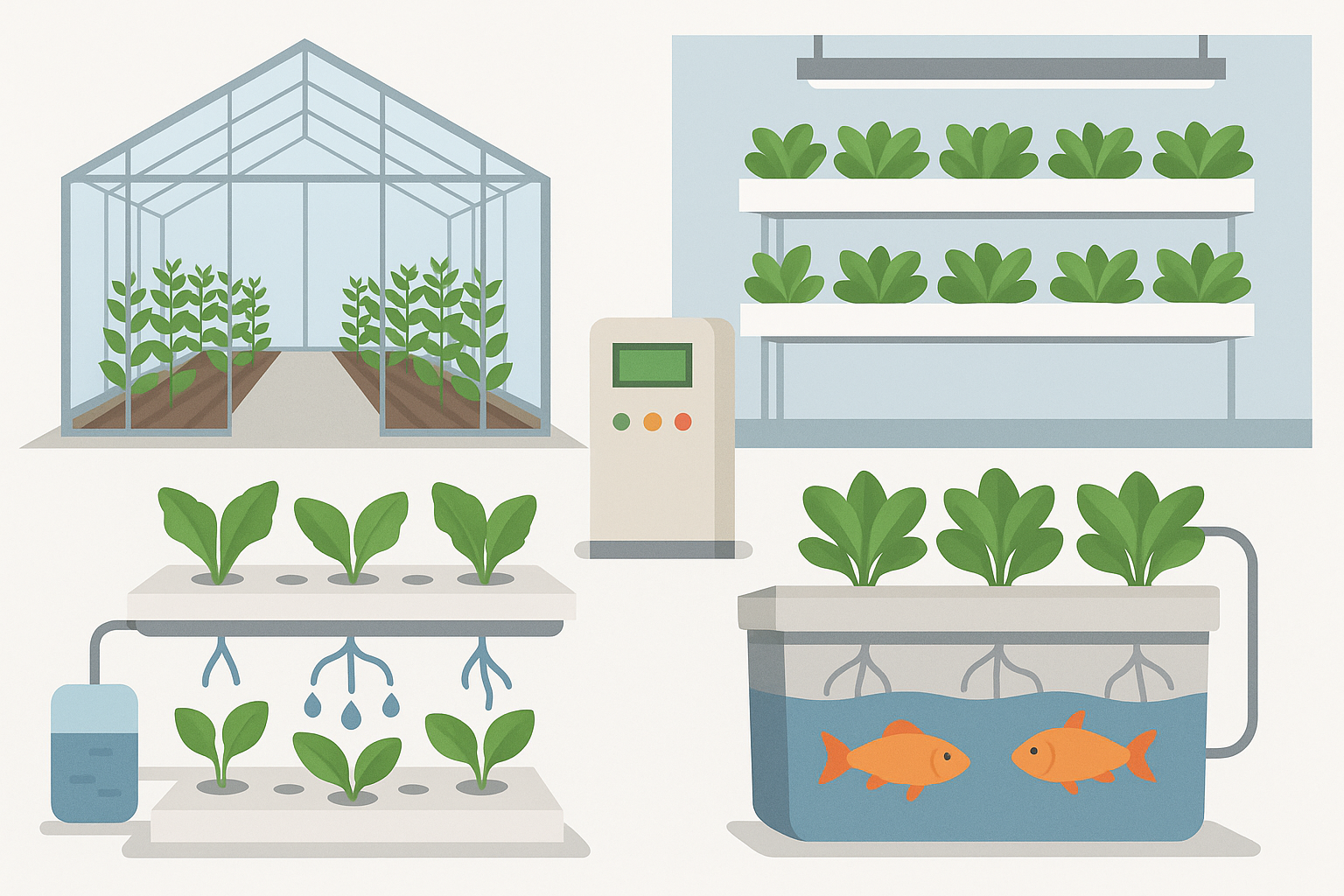
Introduction to Controlled Environment Agriculture Controlled Environment Agriculture (CEA) refers to a broad range of advanced agricultural systems and practices in which
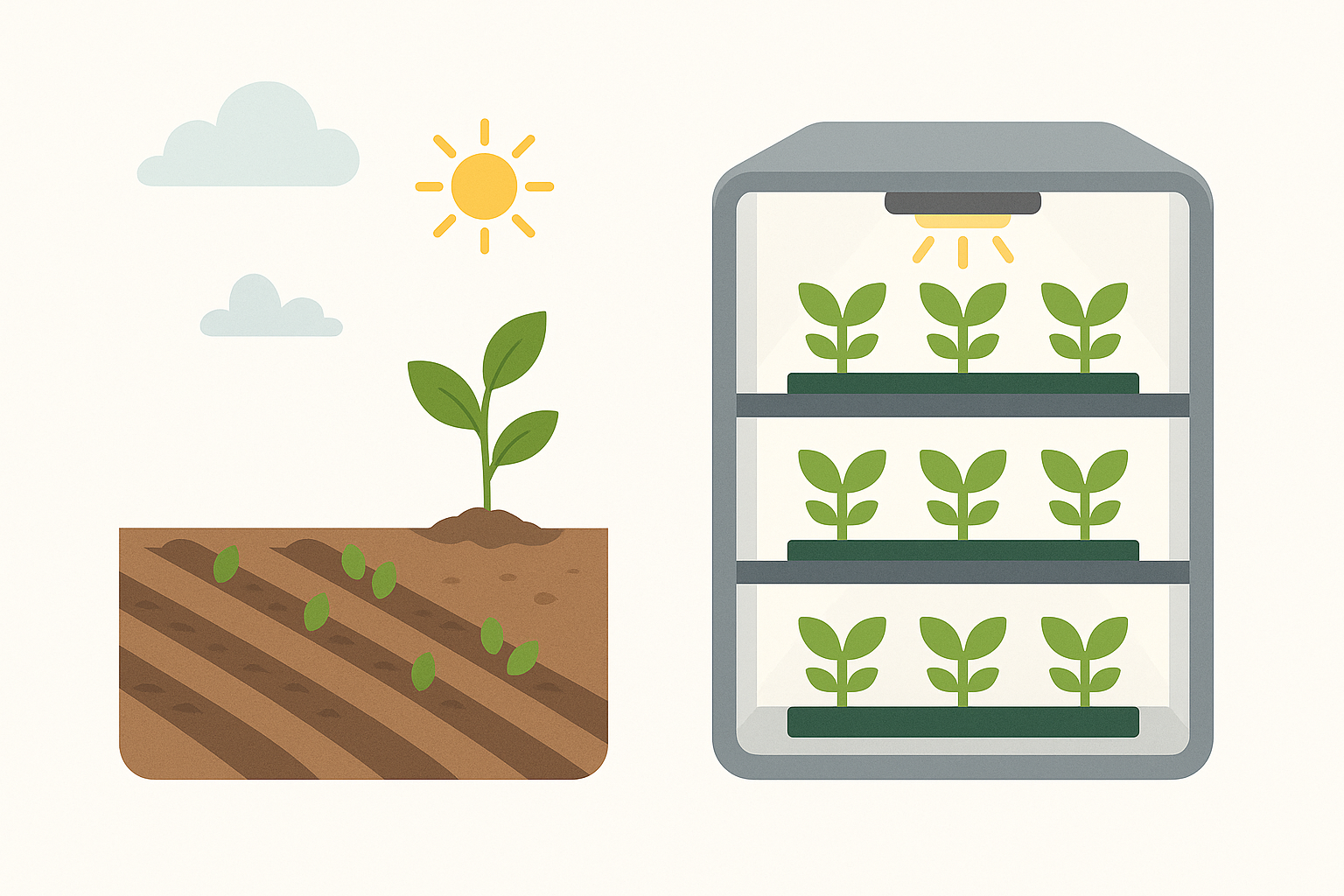
Introduction: Understanding the Shift The comparison with conventional agriculture lies at the heart of any discussion about Controlled Environment Agriculture (CEA). As
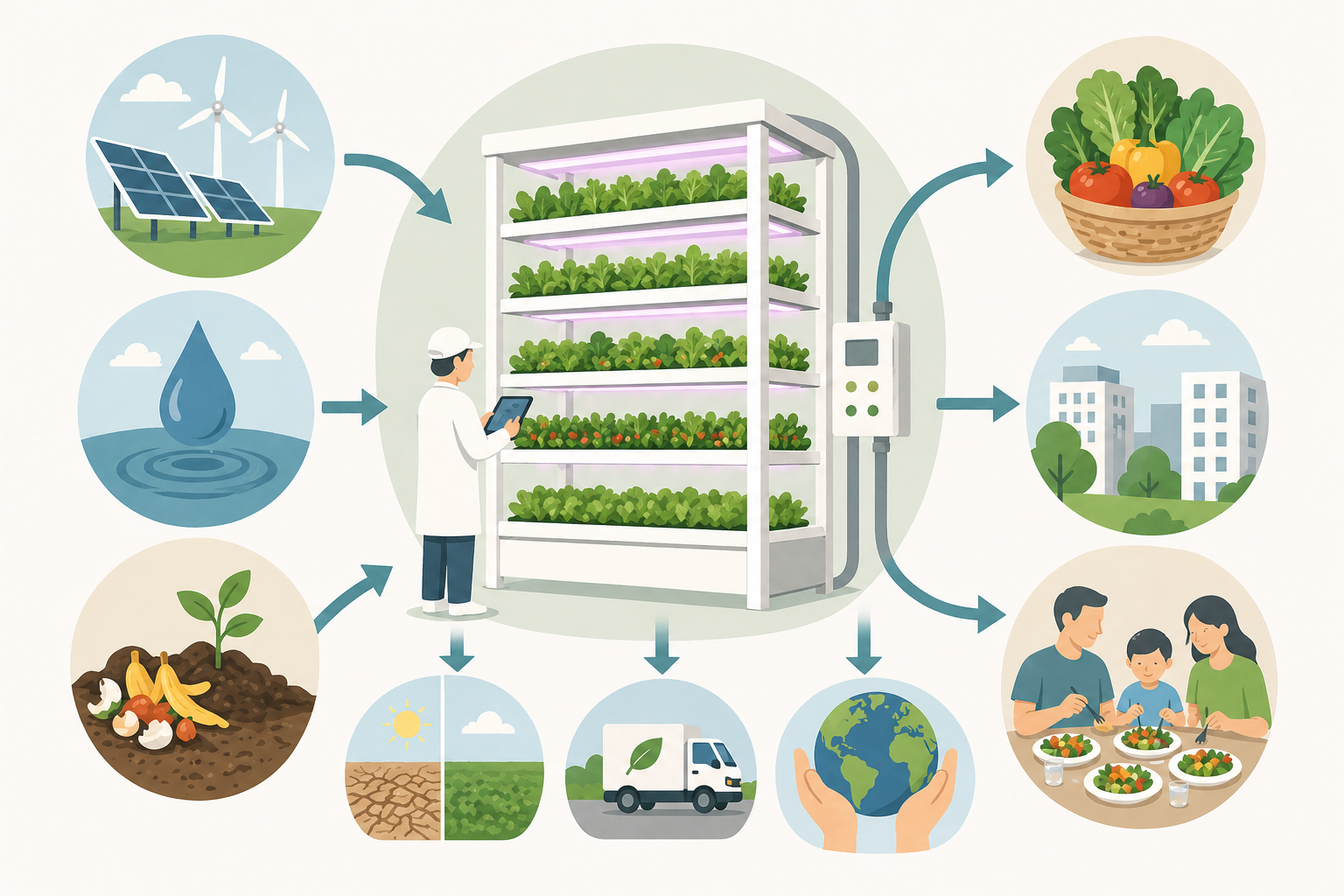
Understanding the Link: CEA and Food Security Controlled Environment Agriculture (CEA) and food security are increasingly linked in global efforts to address
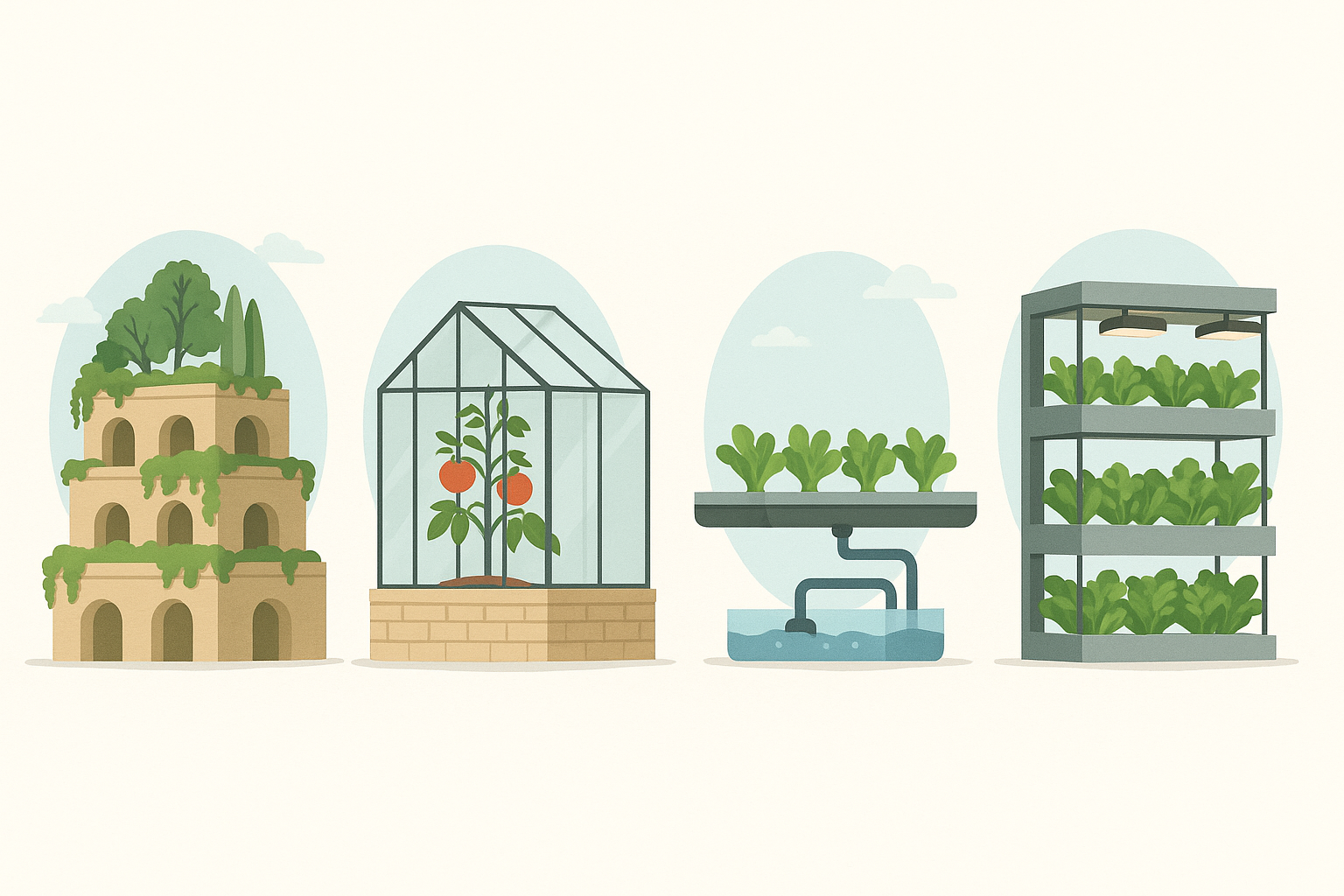
Vertical farming and controlled environment agriculture (CEA) represent a significant shift in how we grow food, promising more sustainable, efficient, and resilient
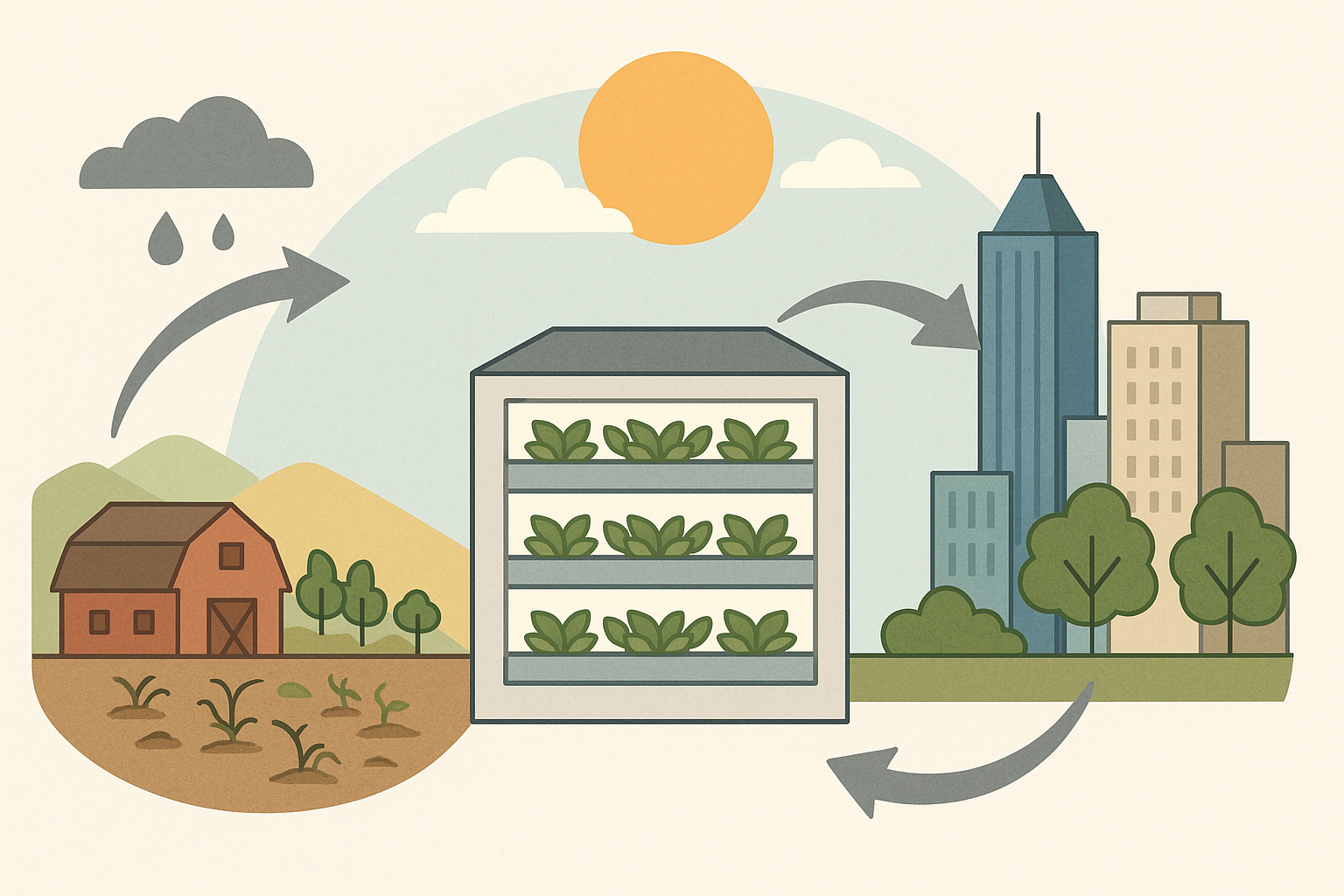
Controlled Environment Agriculture (CEA) represents a radical rethinking of how and where we grow food. At its core, the CEA vision is