Introduction: Understanding the Shift
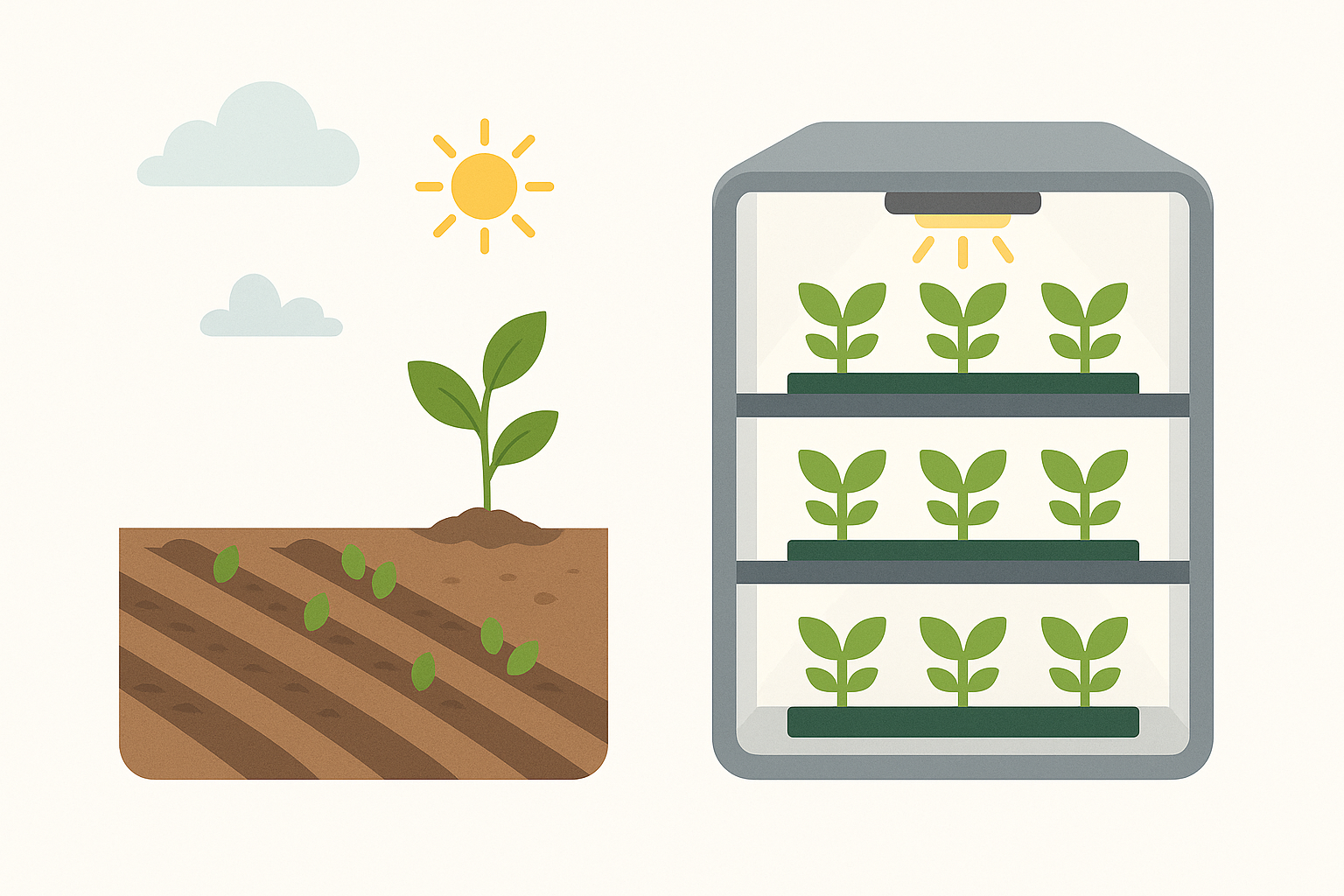
The comparison with conventional agriculture lies at the heart of any discussion about Controlled Environment Agriculture (CEA). As global challenges such as climate change, water scarcity, land degradation, and population growth intensify, the limitations of traditional open-field farming have come under renewed scrutiny. CEA, which includes vertical farming, hydroponics, aeroponics, and other soil-less systems, offers an alternative approach that reimagines food production under precisely managed conditions. This page explores how these two systems fundamentally differ: in their methods, impacts, and future trajectories.
Growing Conditions and Environmental Control
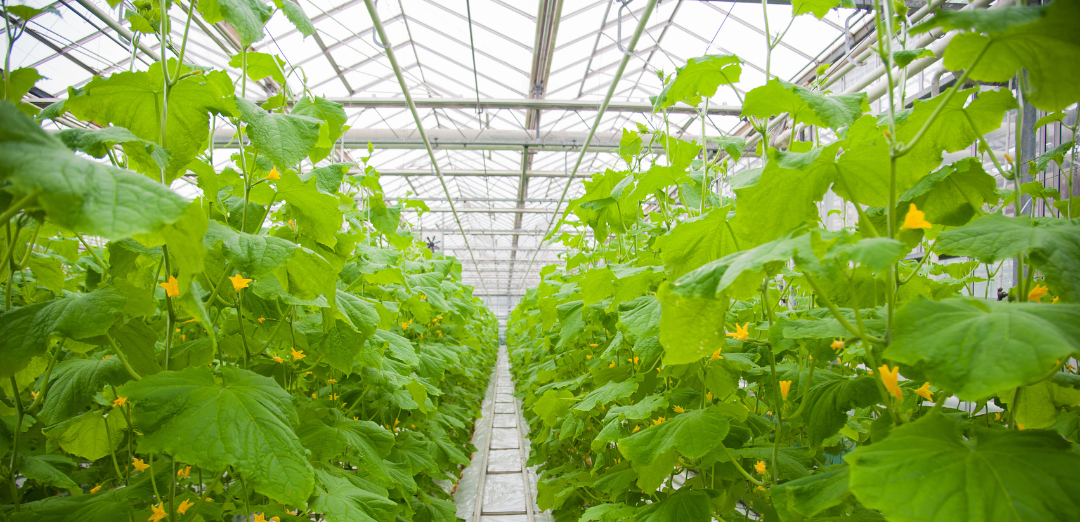
One of the most distinctive differences between CEA and traditional agriculture is environmental predictability. Conventional farming is heavily reliant on seasonal weather patterns, daylight hours, and local ecosystems. Crops are exposed to natural elements: rainfall, wind, temperature fluctuations, and pests. These variables introduce risks that farmers have little control over; climate volatility only increases their unpredictability.

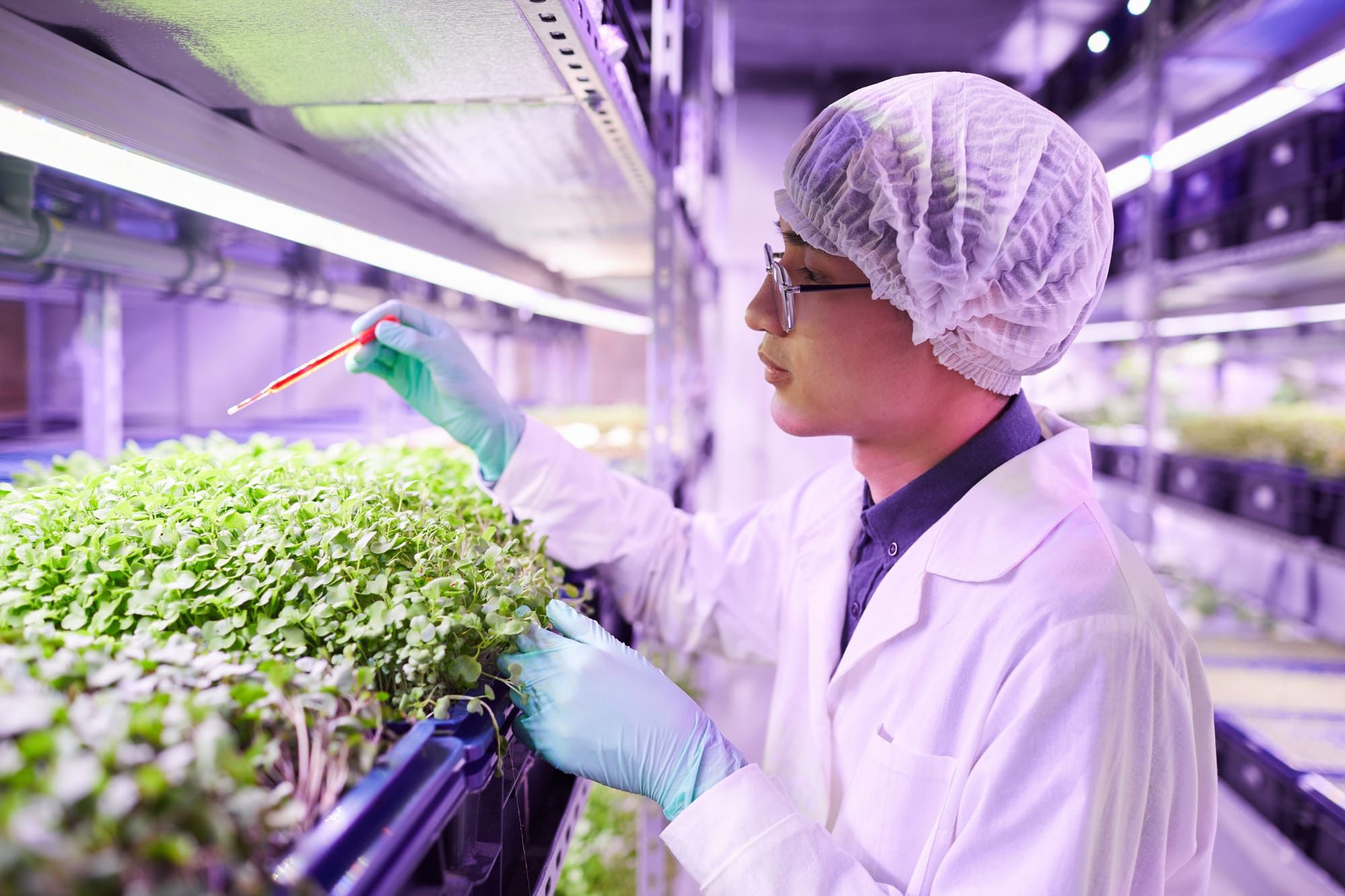
CEA, by contrast, isolates plant production from external conditions through controlled environments. Temperature, humidity, carbon dioxide levels, light cycles, and nutrient delivery are precisely managed. This offers significant advantages: year-round production, protection from extreme weather events, and reduced risk of pest and disease outbreaks. In practical terms, it means that a lettuce crop grown in a vertical farm in London can be harvested every 20–30 days regardless of the season; meanwhile, its field-grown equivalent is subject to local climatic rhythms and seasonal limitations.
Land Use Efficiency and Urban Integration
Traditional farming requires large tracts of arable land, often situated far from urban centres. With soil quality declining globally due to erosion, monoculture practices, and chemical inputs, the availability of fertile agricultural land is becoming increasingly constrained. Furthermore, urban expansion continues to consume former farmland.
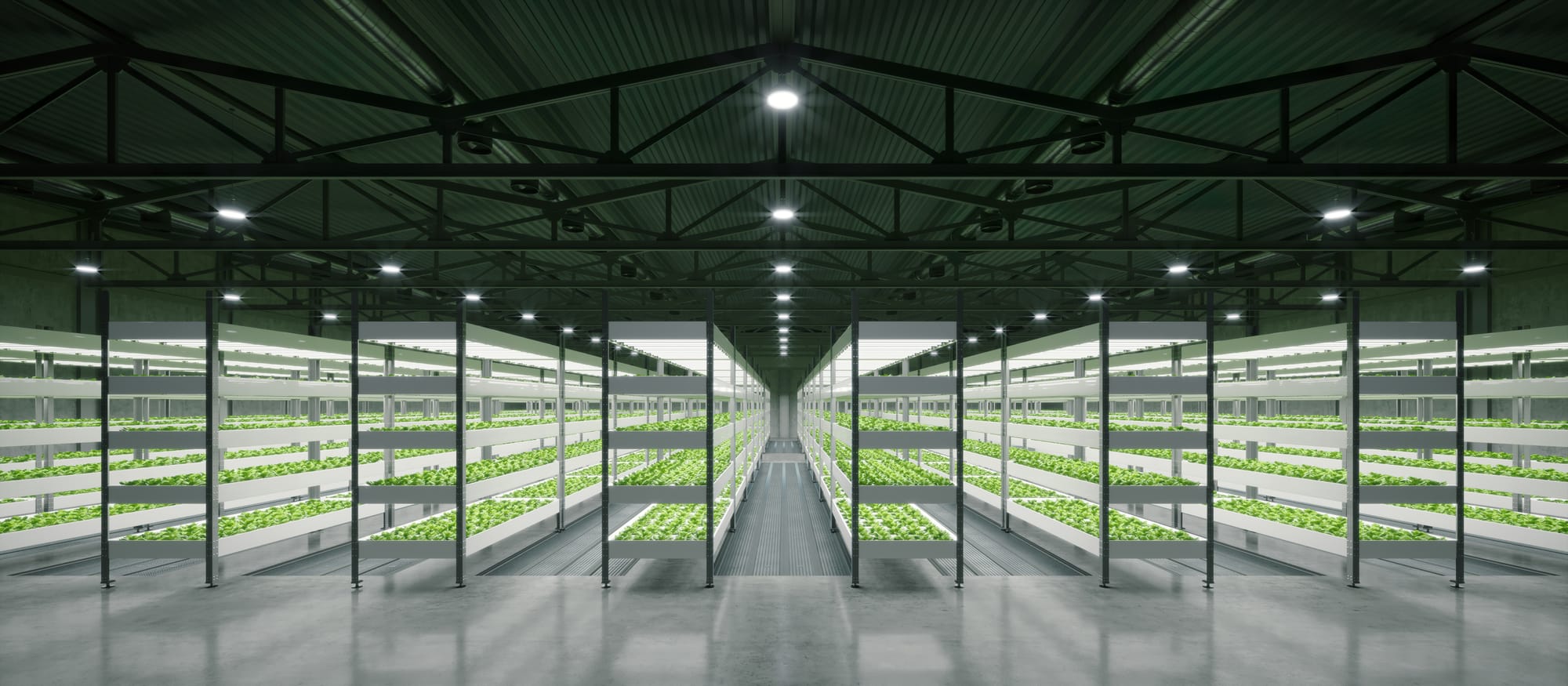
CEA systems can be built vertically and situated within cities, repurposing underused buildings and industrial spaces. According to a study by Al-Chalabi (2015), vertical farms can produce 10 to 20 times more crops per square metre than conventional farms by stacking growing trays. The ability to grow food closer to consumers not only reduces the carbon footprint associated with transport and storage; it also supports regional food resilience in areas where arable land is limited or unavailable.
Water and Nutrient Use
Water management is a pressing concern in agriculture, especially in arid regions. Conventional irrigation systems, particularly surface and flood irrigation, are inefficient, often losing more than 50% of water through evaporation, runoff, and seepage (FAO, 2017).
CEA systems, especially those using hydroponics or aeroponics, operate with closed-loop irrigation; water is recirculated and reused. The result is a dramatic reduction in water use: hydroponic systems typically consume up to 90–95% less water than traditional field cultivation per kilogram of produce (Grewal et al., 2011). Nutrient delivery is also more precise; fertilisers are applied in exact quantities, minimising leaching and pollution.
Energy Demands and Sustainability Trade-offs
CEA's precision comes at a cost: energy. Traditional agriculture relies on solar energy and natural processes. In contrast, CEA often substitutes these with artificial lighting (LEDs), climate control systems, and mechanical infrastructure. This introduces a significant energy footprint, particularly in fully enclosed vertical farms.
However, advances in renewable energy integration, energy-efficient lighting, and AI-driven climate control are gradually improving the energy profile of CEA systems. According to Kozai et al. (2016), strategic use of photovoltaics and geothermal energy can offset much of the operational load. Nevertheless, the balance between resource efficiency and energy consumption remains one of the most debated aspects of this comparison. It poses a central question for future research: can CEA become genuinely sustainable at scale, or will energy use undermine its environmental benefits?
Labour, Automation, and Skill Requirements
Labour dynamics also differ markedly. Conventional farming is often labour-intensive and seasonal; tasks such as planting, weeding, and harvesting are physically demanding and increasingly difficult to staff due to rural depopulation and low wages.
CEA systems offer greater potential for automation. Robotics, sensor networks, and machine learning can streamline crop monitoring, nutrient dosing, and harvesting. While this reduces reliance on manual labour, it shifts the labour profile towards skilled roles in data analysis, engineering, and systems management. For economies with agricultural labour shortages, this transition may prove beneficial; for regions reliant on farm employment, it presents socio-economic challenges that require careful policy consideration.
Crop Variety and Market Alignment
Conventional farming allows for a broad range of crops, from grains to root vegetables and oilseeds. In contrast, CEA is currently best suited to fast-growing, high-value crops: leafy greens, herbs, berries, and microgreens. These plants thrive in controlled environments and offer quick turnover.
This focus limits CEA’s immediate application in global staple crop production. Wheat, maize, and rice, cornerstones of the global food supply, remain economically and technically impractical to produce indoors at large scale. However, ongoing experimentation is gradually expanding the range of viable crops for CEA. For instance, research into dwarf cereal varieties and CEA-compatible legumes suggests potential for diversification in the future.
Environmental Impact and Resource Externalities
Agricultural runoff, soil degradation, biodiversity loss, and greenhouse gas emissions are some of the well-documented consequences of traditional farming. The externalities of conventional systems are often diffuse, long-term, and costly to remediate.
CEA avoids many of these impacts by design. Since it eliminates the need for pesticides (or uses minimal targeted treatments), and does not disturb natural habitats, its environmental footprint is relatively self-contained. That said, questions persist regarding the life-cycle impact of construction materials, energy inputs, and equipment disposal in CEA systems. A comprehensive environmental comparison must account for both operational sustainability and the embodied emissions of infrastructure.
Economic Considerations and Scalability
Cost structures vary significantly between the two models. Traditional farms typically benefit from established supply chains, subsidies, and familiarity among consumers. CEA operations require high capital investment, ongoing operational costs, and sophisticated logistics for perishable goods.
However, as technology becomes more affordable and public interest in sustainable, local food grows, the economics of CEA are shifting. A 2023 market analysis by PitchBook noted that venture investment in CEA companies has continued to rise, driven by supply chain vulnerabilities exposed during the COVID-19 pandemic and extreme weather events linked to climate change. Yet for many prospective growers, the viability of CEA remains closely tied to crop choice, market proximity, and technological maturity.
Forward Outlook: Complement or Competitor?
The question is not simply whether CEA will replace traditional farming, but how these systems can coexist and complement each other. Conventional agriculture remains essential for bulk staples and livestock feed; CEA excels in high-efficiency, perishable, urban-compatible crop production. Their integration could form a more resilient, diversified food system, combining scale with adaptability, and tradition with innovation.
As the sector matures, the focus is shifting towards hybrid models, policy frameworks, and infrastructure that enable synergies rather than competition. How might conventional farms adopt CEA principles to enhance productivity and sustainability? Can rural and urban food systems be better connected through distributed growing networks? These are the kinds of questions that will define the next chapter in global food production.
Conclusion
Comparing CEA with conventional agriculture reveals not a binary choice but a spectrum of trade-offs and opportunities. Each system has distinct strengths and limitations shaped by geography, climate, technology, and market demand. As environmental and economic pressures mount, understanding these differences is vital for anyone engaged in the future of food, whether as a grower, researcher, investor, policymaker, or informed consumer.
What remains to be seen is how quickly innovations in energy, crop science, and automation will tip the scales. Can CEA evolve to serve not only niche urban markets but also global food security? The answers will determine how we grow our food in the decades to come.
References
- Al-Chalabi, M. (2015). Vertical Farming: Skyscraper Sustainability? Sustainable Cities and Society, 18, 74–77.
- FAO. (2017). The Future of Food and Agriculture: Trends and Challenges. Food and Agriculture Organization of the United Nations.
- Grewal, H.S., Maheshwari, B., & Parks, S.E. (2011). Water and Nutrient Use Efficiency of a Low-Cost Hydroponic System. Journal of Crop Improvement, 25(3), 282–296.
- Kozai, T., Niu, G., & Takagaki, M. (2016). Plant Factory: An Indoor Vertical Farming System for Efficient Quality Food Production. Academic Press.
- PitchBook. (2023). AgTech Report Q2 2023. Accessed via PitchBook Data, Inc.