Exploring the Science of Aeroponics in Controlled Environment Agriculture
Aeroponics represents one of the most scientifically advanced approaches to soilless plant cultivation. As interest in vertical farming and controlled environment agriculture (CEA) grows in response to land scarcity, water stress, and the need for year-round food production, understanding the science of aeroponics becomes increasingly important. At its core, aeroponics is a precision growing technique that delivers water and nutrients directly to plant roots suspended in air. Unlike traditional soil-based methods or even many hydroponic systems, aeroponics relies on a finely atomised nutrient mist to nourish plants, maximising oxygen availability while minimising resource input.
Origins and Scientific Basis
The term ‘aeroponics’ derives from the Greek words aer (air) and ponos (labour), signifying plant growth through airborne means. Though the basic concept emerged in the mid-20th century, it was not until NASA-sponsored research in the 1980s and 1990s that aeroponics became a viable alternative to traditional growing systems. NASA’s interest lay in the technology’s potential for cultivating crops in microgravity, demonstrating how this soil-free method could support closed-loop life support systems for long-duration space missions. Today, that same scientific foundation is applied terrestrially, in vertical farms and research centres worldwide.
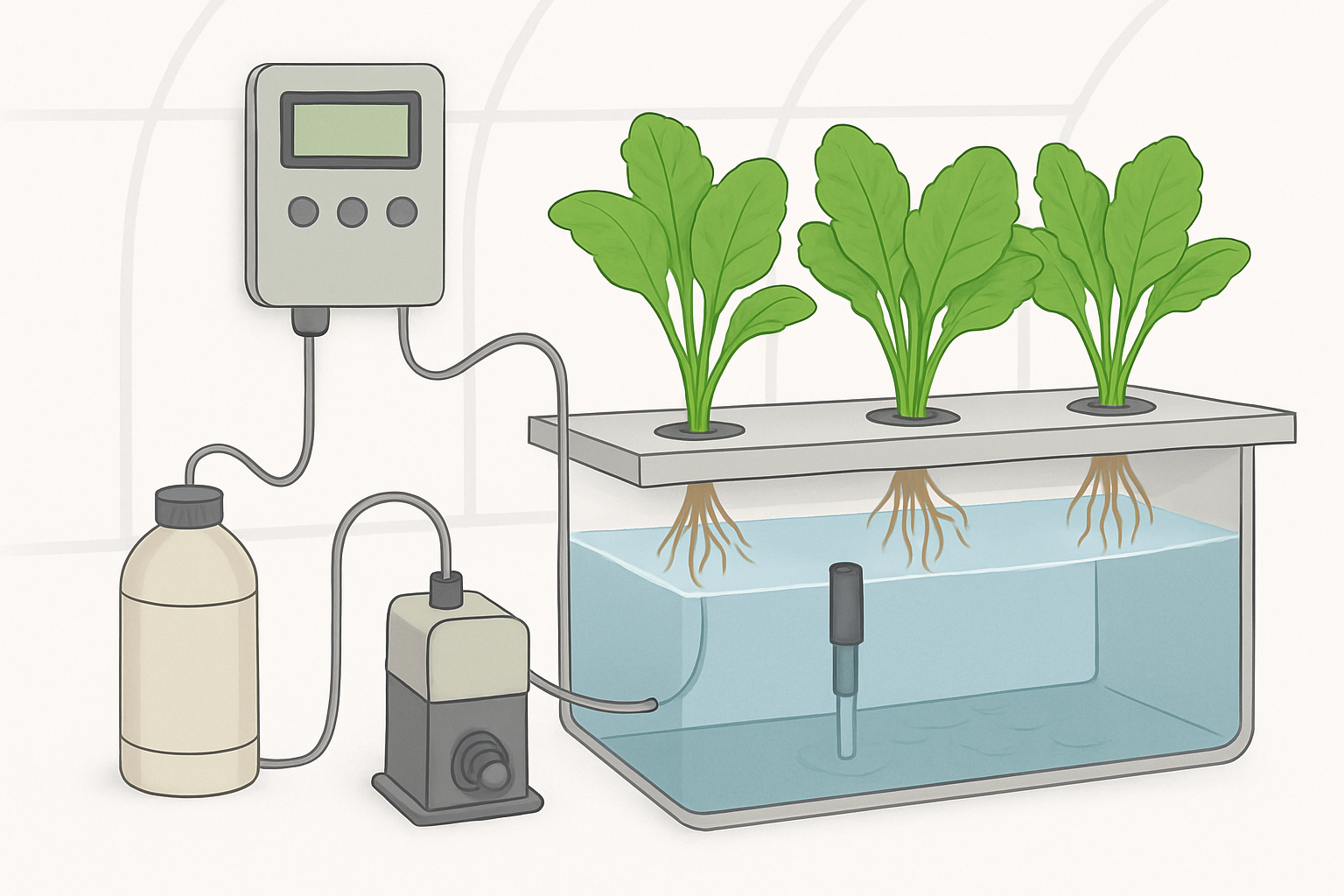
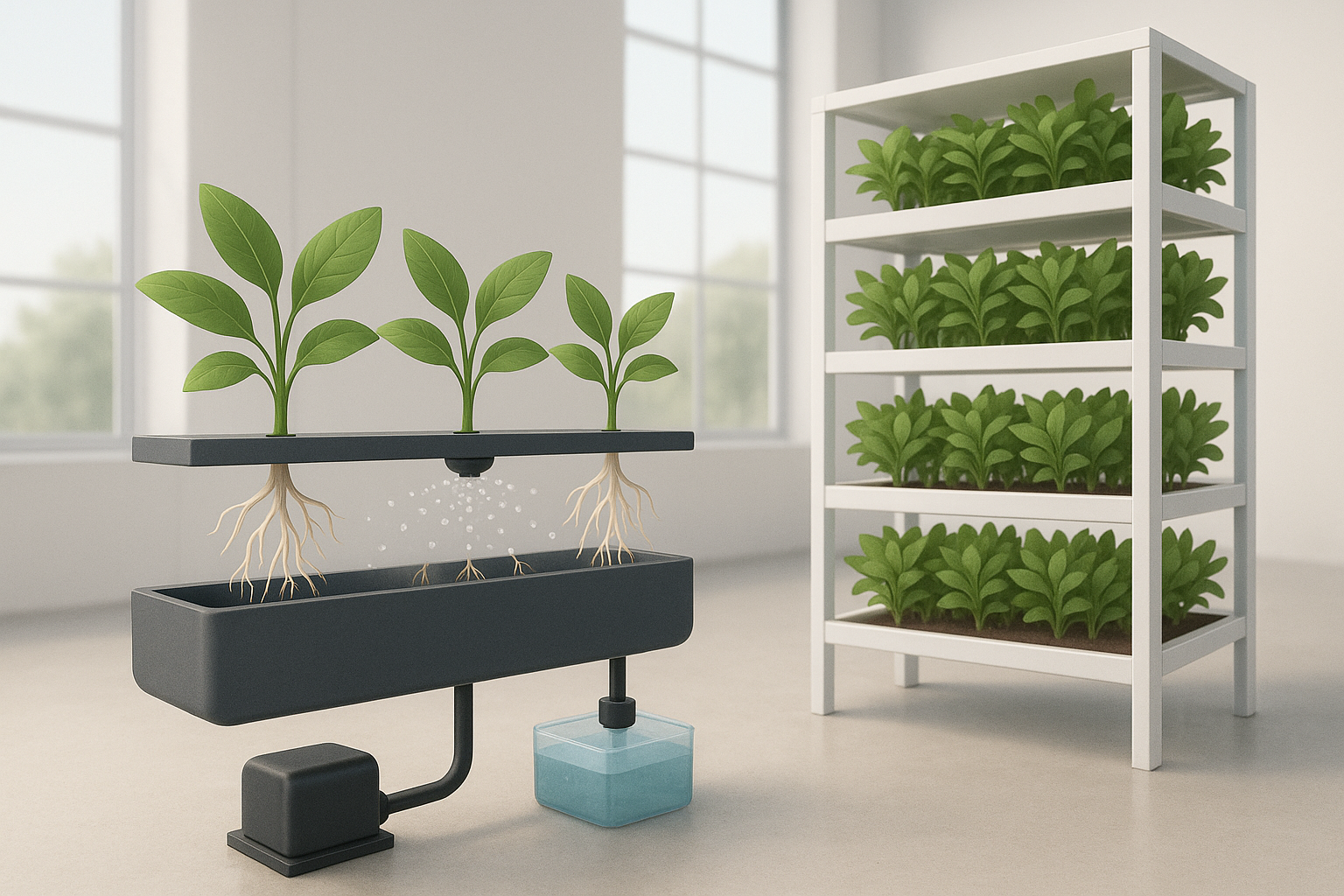
In aeroponic systems, plant roots are suspended in a sealed, dark chamber to prevent light-induced microbial growth and to preserve moisture balance. High-pressure pumps and atomising nozzles deliver a fine mist of water, nutrients, and dissolved oxygen directly to the root zone. This exposure to ambient oxygen, which is significantly higher than in soil or water-based systems, accelerates nutrient uptake and root respiration. The enhanced gas exchange promotes faster growth rates, stronger root systems, and efficient use of inputs such as water and fertiliser.
Advantages Anchored in Scientific Efficiency
The primary scientific advantage of aeroponics lies in its ability to optimise root zone aeration. Conventional soil cultivation often limits oxygen availability, especially under conditions of waterlogging or compaction. Even in hydroponics, dissolved oxygen levels can fluctuate, particularly in systems with poor circulation or high plant density. By contrast, aeroponic systems create an oxygen-rich root environment by design. This translates into consistently higher growth rates and shorter crop cycles for many species, particularly leafy greens, herbs, and strawberries.
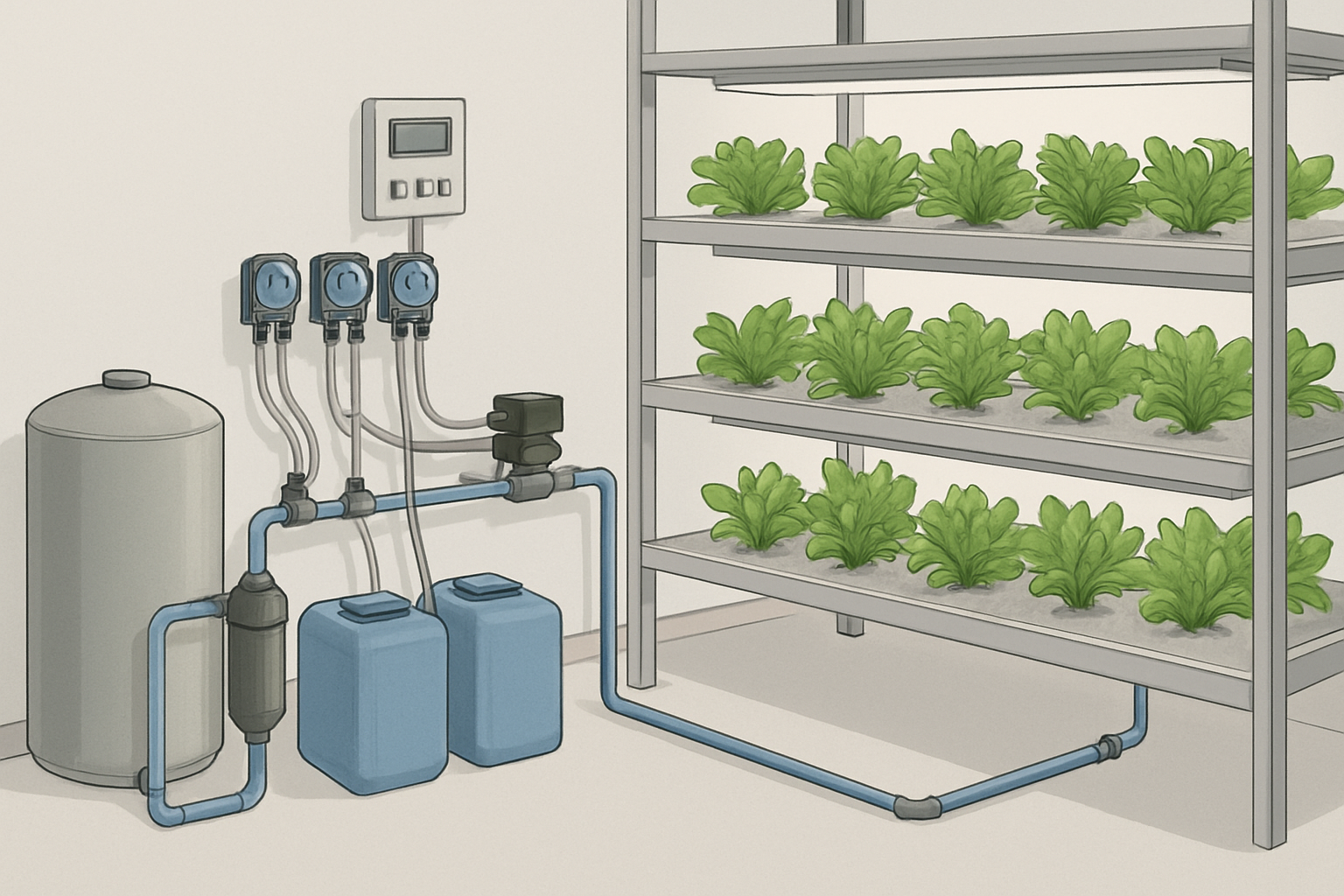
Aeroponics is also highly resource-efficient. Water use can be reduced by up to 95 percent compared to open-field farming. Nutrient use is similarly efficient, as closed-loop designs allow excess solution to be recaptured, filtered, and re-used with minimal waste. Furthermore, the absence of growing media reduces contamination risk and eliminates the need for substrate disposal. These efficiencies not only lower operational costs but also align with the environmental goals of sustainable agriculture.
Technical Challenges and Control Requirements
While the scientific advantages of aeroponics are compelling, the method is not without technical complexity. Root misting must occur at carefully timed intervals to prevent desiccation; even short interruptions in delivery can lead to rapid plant stress or death. The atomisation process itself must generate droplets small enough to coat root surfaces without pooling or clogging, typically 30 to 80 microns. This requires precision-engineered nozzles and well-maintained high-pressure systems.
System failure tolerance is also low. Unlike deep water culture or nutrient film techniques where roots may remain submerged or partially moist during interruptions, aeroponic roots are fully exposed and reliant on uninterrupted misting. As such, redundancy in pump systems, backup power supplies, and robust monitoring sensors are essential. These requirements introduce capital and maintenance costs that must be carefully weighed against production gains.
From a biosecurity perspective, the closed-loop nature of aeroponic systems provides both strengths and vulnerabilities. On the one hand, pathogen spread through soil is eliminated, and the controlled indoor setting can reduce airborne or waterborne contamination. On the other, when pathogens do enter (often through compromised filtration or human contact) they can spread rapidly through shared misting systems. As a result, sterilisation protocols and regular equipment maintenance are central to system management.
Applications in Vertical Farming and Research
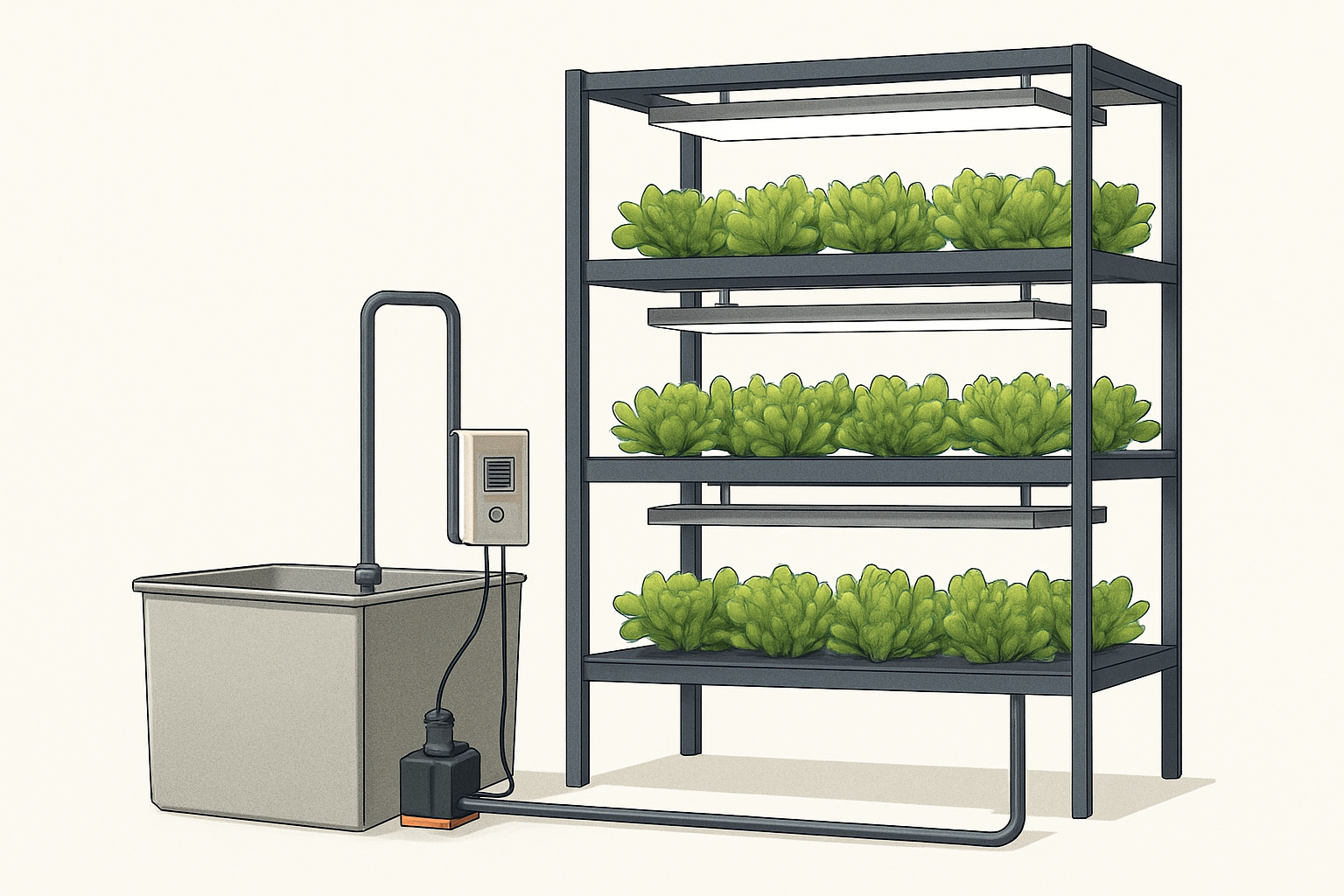
Aeroponics is particularly well-suited to vertical farming due to its modularity, spatial efficiency, and cleanliness. In vertical configurations, plants can be stacked in layers within controlled environments where light, humidity, temperature, and CO₂ levels are tightly regulated. The absence of heavy growing media simplifies mechanical support structures and reduces system weight, making it ideal for multi-tiered installations in urban settings or retrofitted industrial buildings.
In research contexts, aeroponics is valued for its transparency and control. Without soil or media obscuring the root zone, scientists can observe root growth dynamics, nutrient uptake patterns, and microbial interactions with high visibility and precision. This is especially valuable in plant breeding programmes, phenotyping trials, and studies on root-associated symbioses.
Furthermore, aeroponics has been explored as a medium for seed potato production, as it reduces disease exposure and allows for rapid clonal multiplication. Several pilot programmes in sub-Saharan Africa and Asia have demonstrated how this method can increase the availability of clean planting material for staple crops.
Future Prospects and Research Directions
While commercial aeroponic farms remain relatively few in number compared to hydroponic or aquaponic installations, their prominence is growing. Technological advances in misting systems, nutrient formulation, and AI-driven environmental controls are helping to mitigate reliability issues and reduce operating complexity. Research is also focusing on how aeroponics can be integrated with biological pest controls, renewable energy systems, and automated harvesting technologies.
There is also increasing interest in the microbiome of aeroponic root zones. Unlike soil, which hosts a dense and diverse microbial community, aeroponic environments are often sterile by default. Some researchers are investigating how beneficial microbes might be introduced in a controlled way to promote plant health and resilience, echoing developments in rhizosphere engineering.
Policy-makers and investors should also note that aeroponics aligns with the objectives of resilient urban food systems. As cities seek to shorten food supply chains and reduce agricultural footprints, aeroponics offers a method of production that can deliver high yields in minimal space using relatively few inputs, albeit with a significant requirement for technical expertise and infrastructure.
Conclusion
The science of aeroponics represents a culmination of decades of research into plant physiology, environmental engineering, and nutrient delivery systems. It is a method defined by its precision: delivering water and nutrients with surgical accuracy in oxygen-rich environments. Though technically demanding, its potential to reshape sustainable agriculture—particularly in vertical and urban contexts—is considerable. As the sector matures, further innovations in system resilience, energy use, and biological integration will determine how widely aeroponics can be deployed as a cornerstone of controlled environment agriculture.