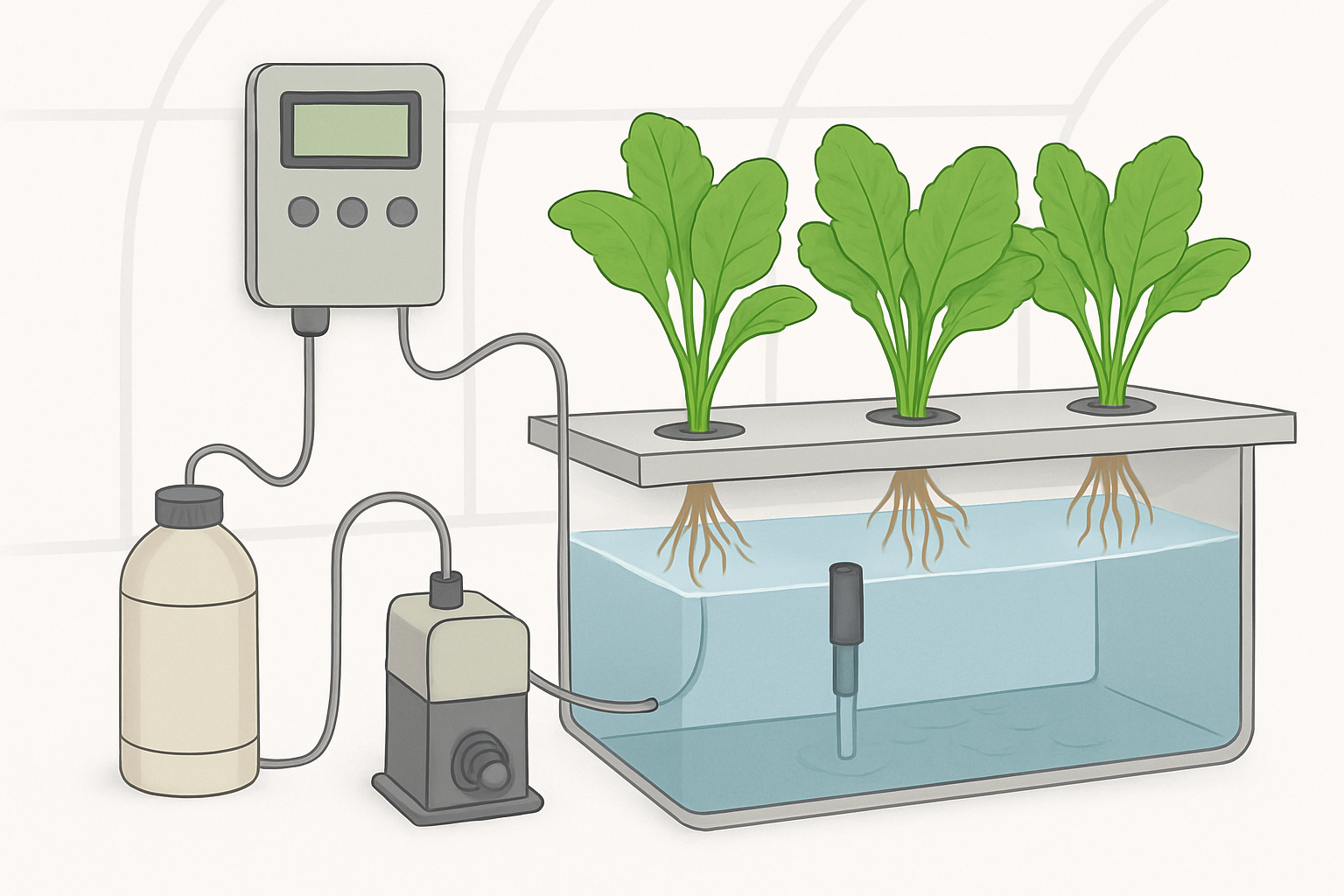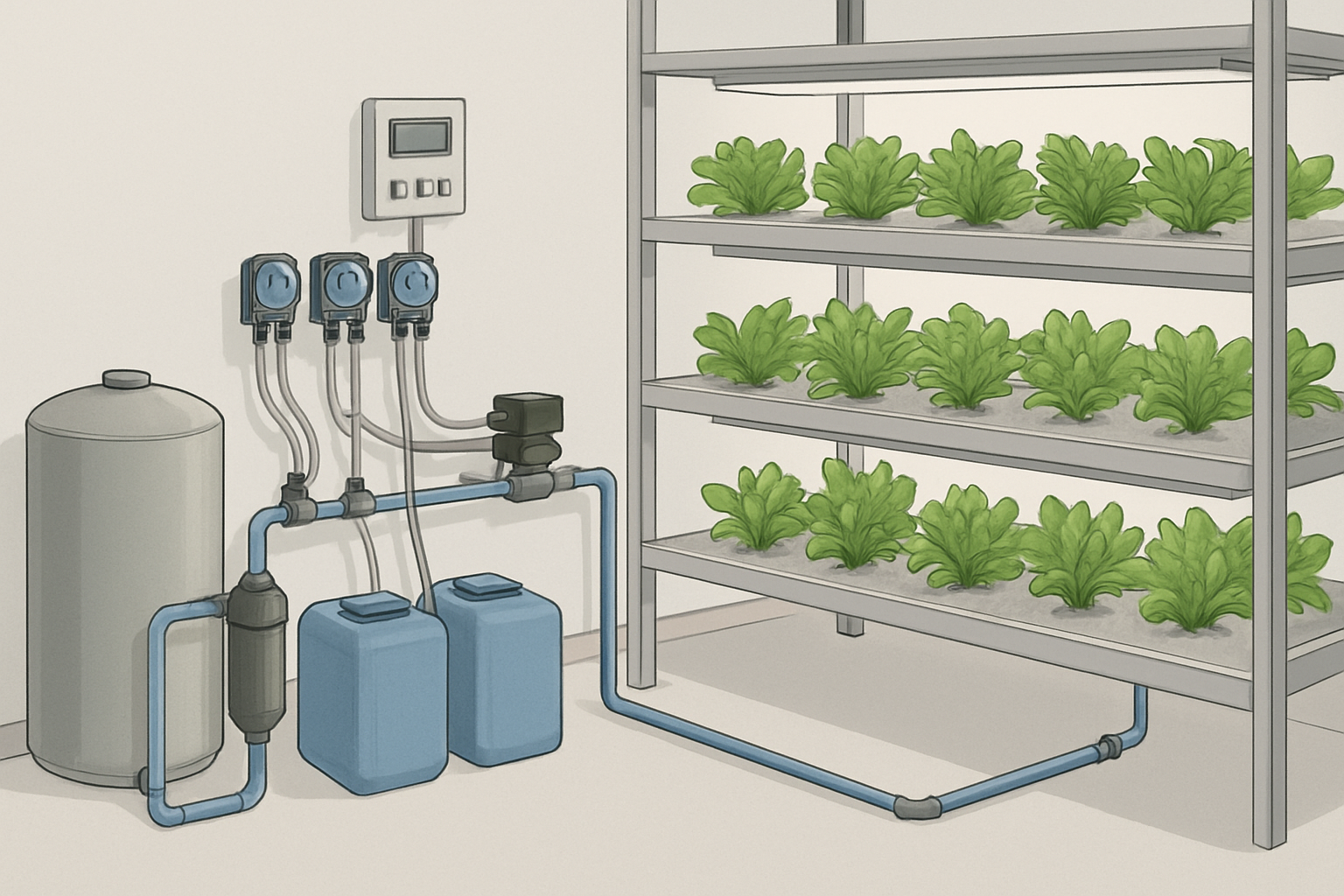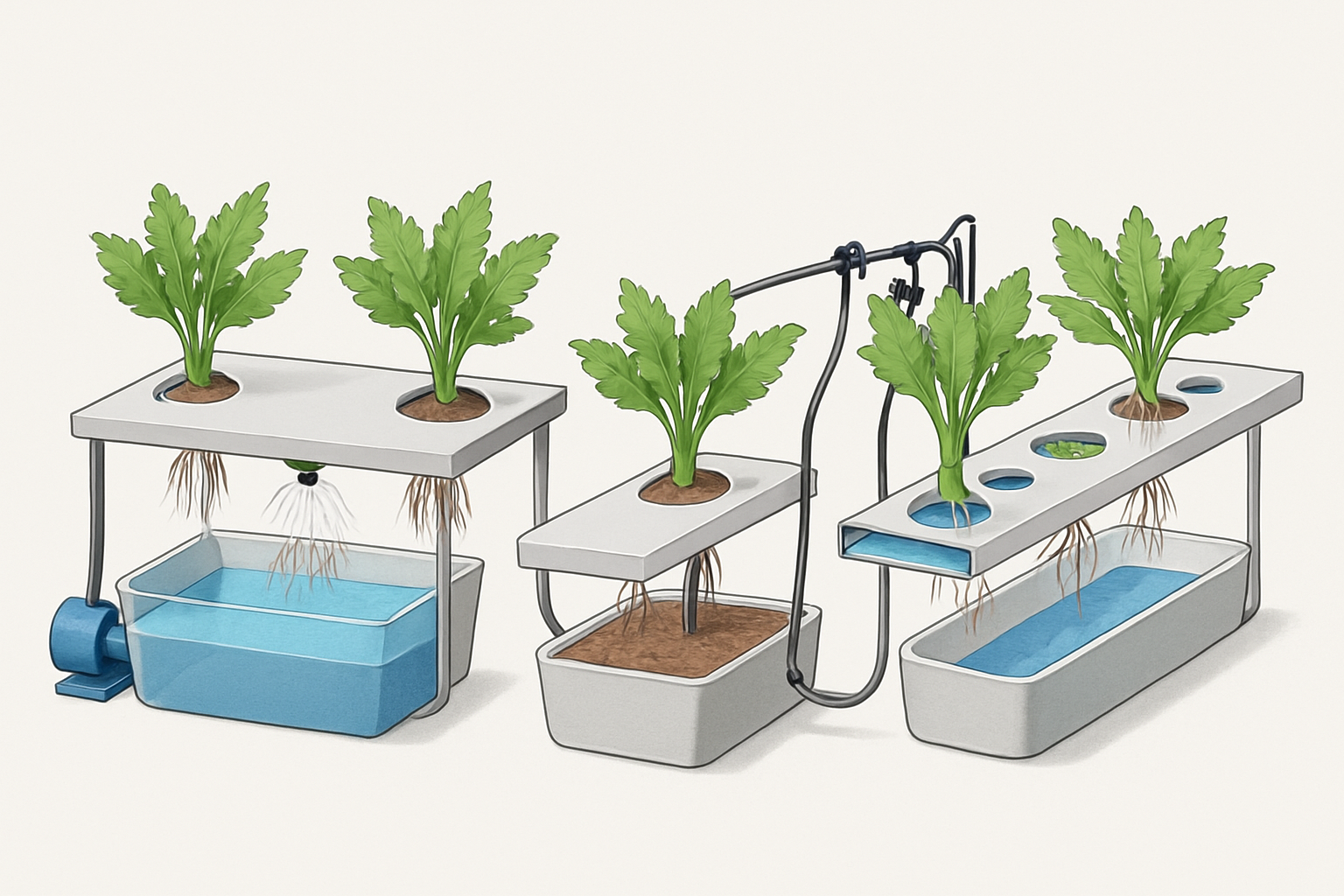
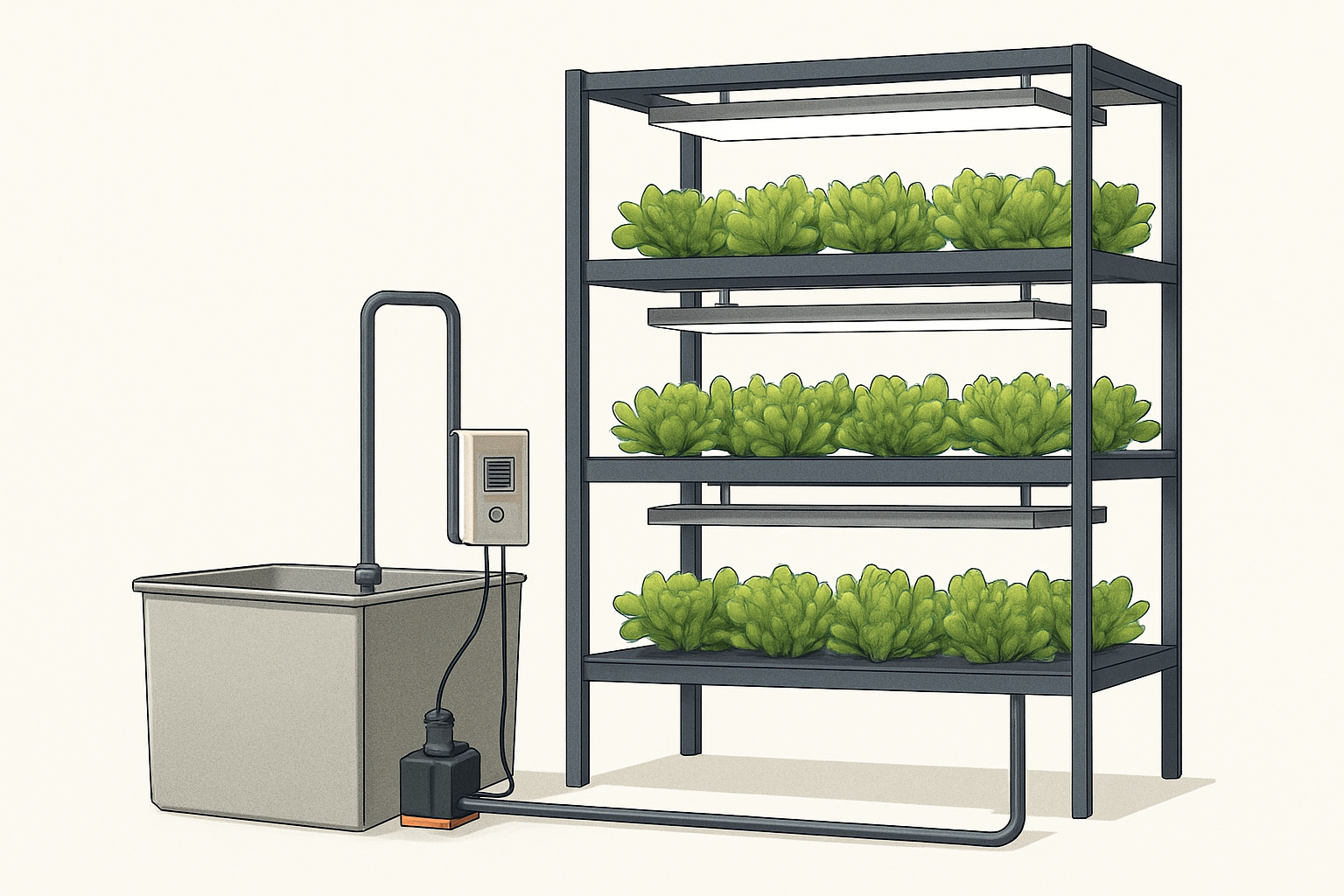
In the challenge of nutrient management in CEA, maintaining balance is both an art and a science. Controlled Environment Agriculture (CEA) systems, including vertical farms, rely on the precise delivery of nutrients through hydroponic or soilless media to support plant health, productivity, and quality. Central to this precision is electrical conductivity (EC), a key indicator of the nutrient concentration in a solution. Understanding how to manage nutrients and EC effectively is vital for achieving stable, high-yielding systems with minimal environmental impact.
Understanding the Role of Nutrients in CEA
Unlike conventional soil-based cultivation, plants in CEA systems depend entirely on externally supplied nutrient solutions. These solutions must contain all the essential macro- and micronutrients in appropriate proportions, since there is no soil buffer to compensate for imbalance or deficiency. Macronutrients such as nitrogen (N), phosphorus (P), potassium (K), calcium (Ca), magnesium (Mg), and sulphur (S) are required in relatively large amounts; micronutrients, including iron (Fe), manganese (Mn), boron (B), copper (Cu), zinc (Zn), and molybdenum (Mo), are equally essential but needed in much smaller quantities.
Proper nutrient formulation must consider not only the absolute concentration of each element but also their interactions, solubility, and availability under varying environmental and physiological conditions. For example, excessive calcium can interfere with magnesium uptake; similarly, pH shifts can alter the availability of iron and phosphorus. This interconnectedness is one of the reasons nutrient management in CEA demands rigorous monitoring and fine control.
The Significance of Electrical Conductivity
Electrical conductivity provides a practical, real-time proxy for the total ionic concentration in a nutrient solution. In essence, EC measures how well the solution conducts electricity, which correlates with the quantity of dissolved salts. While EC does not reveal the individual composition of the solution, it offers growers an efficient way to assess whether nutrient levels fall within an optimal range.
In most leafy green hydroponic systems, ideal EC levels generally range between 1.2 and 2.4 millisiemens per centimetre (mS/cm), though values can vary depending on crop species, developmental stage, and environmental conditions. For example, fruiting crops such as tomatoes or cucumbers often tolerate and require higher EC levels (up to 3.5 mS/cm), particularly during peak growth. However, excessively high EC may lead to osmotic stress, inhibiting water uptake and reducing plant vigour. Conversely, low EC may signal nutrient deficiency, stunting growth or reducing crop quality.
Continuous EC monitoring, whilst only a basic interpretation of nutrient availability, offers a system for actioning preventative management and responsive intervention. Modern systems employ in-line sensors that relay data to a centralised control platform, enabling real-time adjustments and reducing the likelihood of imbalance.
The Dynamic Nature of Nutrient Uptake
Plant nutrient requirements are not static. Uptake rates change over the course of the growth cycle and vary significantly between species and cultivars. During early vegetative stages, nitrogen demand tends to be higher, supporting rapid leaf expansion and stem development. Later stages may require increased potassium for fruiting or flowering. Failure to adjust nutrient profiles in step with physiological needs can lead to accumulation of unused ions in the root zone, further distorting EC values and risking antagonistic interactions.
In closed-loop systems, nutrient solutions are often recirculated to reduce waste. However, such recirculation must be carefully managed, as it can result in imbalanced nutrient profiles over time. Selective uptake by plants means that certain ions (e.g. nitrate or potassium) are absorbed faster than others, necessitating regular analysis and rebalancing of the solution. Many facilities employ ion-specific testing alongside EC measurement to inform these adjustments.
Integration with Environmental Controls
Nutrient availability and uptake are closely influenced by environmental conditions such as temperature, light intensity, humidity, and CO₂ levels. For example, under high light and elevated CO₂, plants typically photosynthesise more rapidly and increase their demand for nitrogen and potassium. Warmer root zone temperatures can enhance uptake kinetics, but may also increase evapotranspiration, concentrating salts and raising EC.
Therefore, nutrient management and EC regulation cannot be viewed in isolation; they must be integrated within the broader context of climate control. Sophisticated CEA systems increasingly rely on environmental modelling and decision-support software to coordinate fertigation schedules with climate variables. The aim is to anticipate plant demand and avoid both over- and under-fertilisation, promoting sustainable productivity.
Water Quality and Fertiliser Composition
The composition of the input water used to prepare nutrient solutions has a direct bearing on EC and nutrient availability. High levels of bicarbonates, sodium, or chloride in irrigation water may contribute to elevated baseline EC, necessitating filtration or dilution. Reverse osmosis (RO) is commonly employed to ensure a clean, predictable water source, allowing for precise nutrient formulation.
Similarly, the chemical form of fertilisers affects their solubility and impact on EC. For example, nitrate-based nitrogen sources contribute less to acidification than ammonium-based sources and may be preferred in certain systems. Chelated micronutrients, such as EDTA-iron, offer greater stability and availability in solution, particularly under fluctuating pH conditions. All these factors must be considered in the preparation and management of nutrient stock solutions.
Towards Sustainable Nutrient Use
One of the core aims of nutrient management in CEA is to maximise efficiency while minimising environmental burden. The closed or semi-closed nature of CEA systems offers significant advantages in this regard: nutrient losses through leaching or runoff are minimal compared to open-field agriculture. However, this efficiency hinges on precise control. Poorly managed EC or nutrient balances can lead to solution dumping, nutrient wastage, and increased operational costs.
Research is increasingly focused on the development of decision-support systems, artificial intelligence models, and machine learning tools that can predict crop nutrient requirements more accurately. These technologies aim to reduce fertiliser use without compromising yield or quality, contributing to the long-term sustainability of CEA practices.
Conclusion
Effective nutrient management in CEA systems is essential for achieving consistent crop performance, resource efficiency, and economic viability. Effective practice depends on an integrated understanding of plant physiology, chemistry, environmental interaction, and system design. By mastering these elements, CEA operators can ensure optimal nutrient availability, and respond dynamically to the changing needs of their crops. As CEA systems continue to evolve, so too will the tools and strategies for nutrient management: not only improving productivity, but also reinforcing the environmental credentials of controlled-environment farming.