
The Science of NFT in Controlled Environment Agriculture
Nutrient Film Technique (NFT) is one of the most widely recognised hydroponic systems in modern Controlled Environment Agriculture (CEA). The science of NFT revolves around a deceptively simple principle: a thin film of nutrient-rich water flows continuously over the bare roots of plants housed in gently sloped channels. This method ensures that roots receive constant access to water, nutrients, and oxygen, creating optimal conditions for plant growth in soil-free systems. While often associated with leafy greens such as lettuce and herbs, NFT systems are increasingly being explored in vertical farming applications for their efficiency, scalability, and environmental control.
Origins and Conceptual Foundations
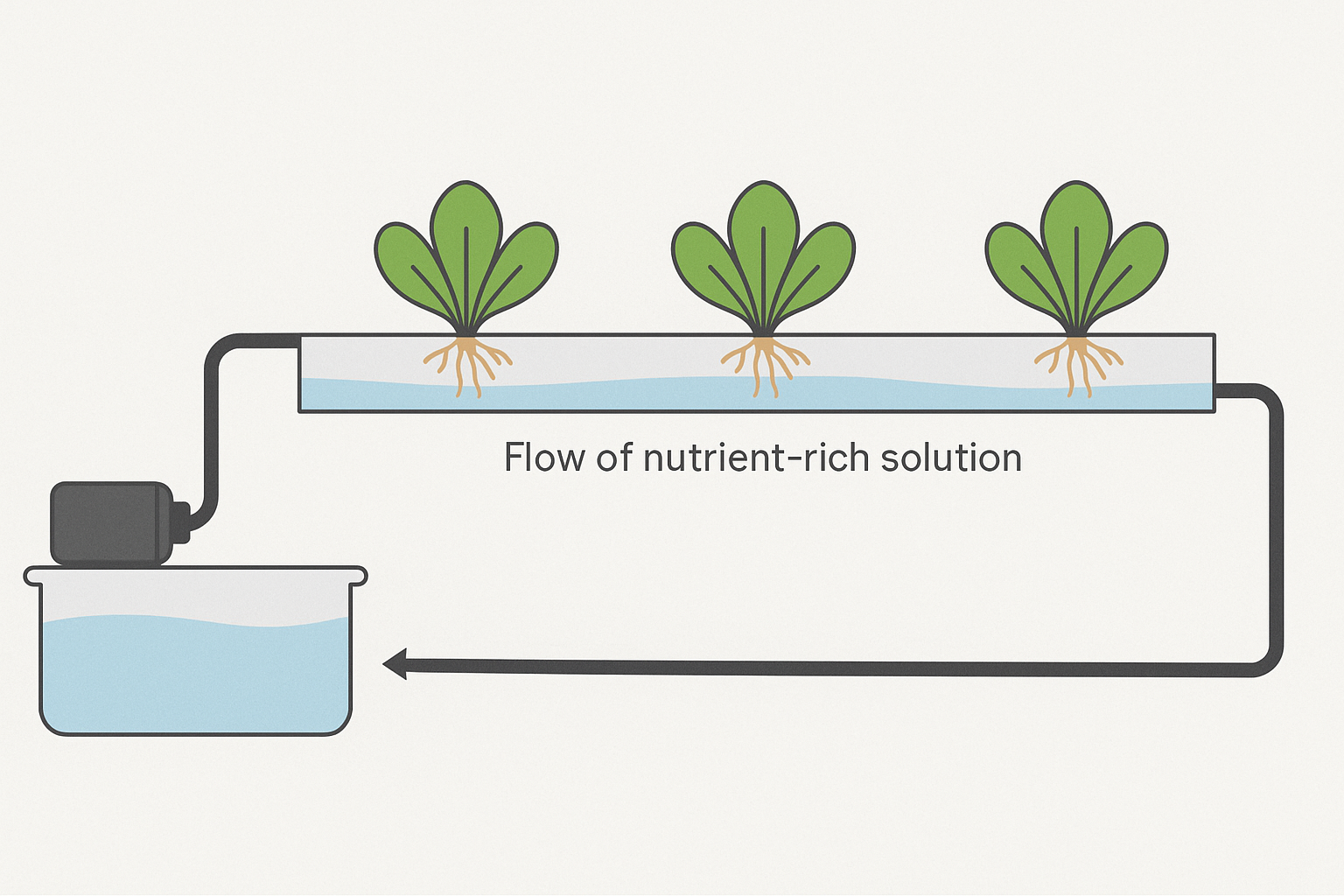
The basic idea behind NFT was first developed in the 1960s by Dr Allen Cooper at the Glasshouse Crops Research Institute in Littlehampton, England. It was designed as a method to eliminate the inconsistencies of traditional soil-based agriculture, offering greater control over the root zone environment. At its core, NFT integrates three essential elements for plant growth: nutrients delivered in solution, unrestricted oxygenation, and a stable root zone temperature. The 'film' in NFT refers to the shallow depth of the circulating nutrient solution, which typically only partially covers the root system. This design encourages the upper portion of the roots to remain exposed to air, allowing for continuous oxygen absorption while the lower part absorbs dissolved nutrients and water.
This balance of moisture and air prevents common issues found in other hydroponic systems, such as root rot from stagnant water or oxygen deprivation. The flow is usually maintained by a small pump, and the solution is recirculated through a closed-loop system, which contributes to NFT’s reputation as an efficient and resource-conscious method.
Structural and Operational Characteristics
A typical NFT system consists of slightly inclined channels or gullies, often made of PVC or food-grade plastic, through which the nutrient solution flows. These channels are placed at a gradient, generally between 1:30 and 1:40, to allow gravity-assisted flow. Plants are positioned in net pots or foam collars at regular intervals along the channel, allowing the roots to dangle into the flowing stream. Beneath the system, a reservoir holds the nutrient solution, which is pumped up to the channel’s inlet and then returns via gravity to be recirculated.
The design requires precision: the flow rate must be sufficient to maintain an uninterrupted film, yet not so fast that it flushes nutrients past the roots without adequate uptake. Typically, a flow rate of 1 litre per minute per channel is optimal, though this may vary depending on the crop and stage of growth. Maintaining proper channel slope and avoiding stagnation or pooling is critical; even minor blockages or pump failures can cause rapid plant stress, as there is minimal buffering in the system.
NFT is especially sensitive to interruptions: the lack of substrate means roots rely entirely on the film for hydration. In this sense, NFT is unforgiving but also highly transparent; any system failures or deficiencies in nutrient delivery are immediately observable through plant response. This characteristic makes NFT valuable in both research contexts and precision agriculture, where close monitoring and intervention are possible.
Applications in Vertical Farming
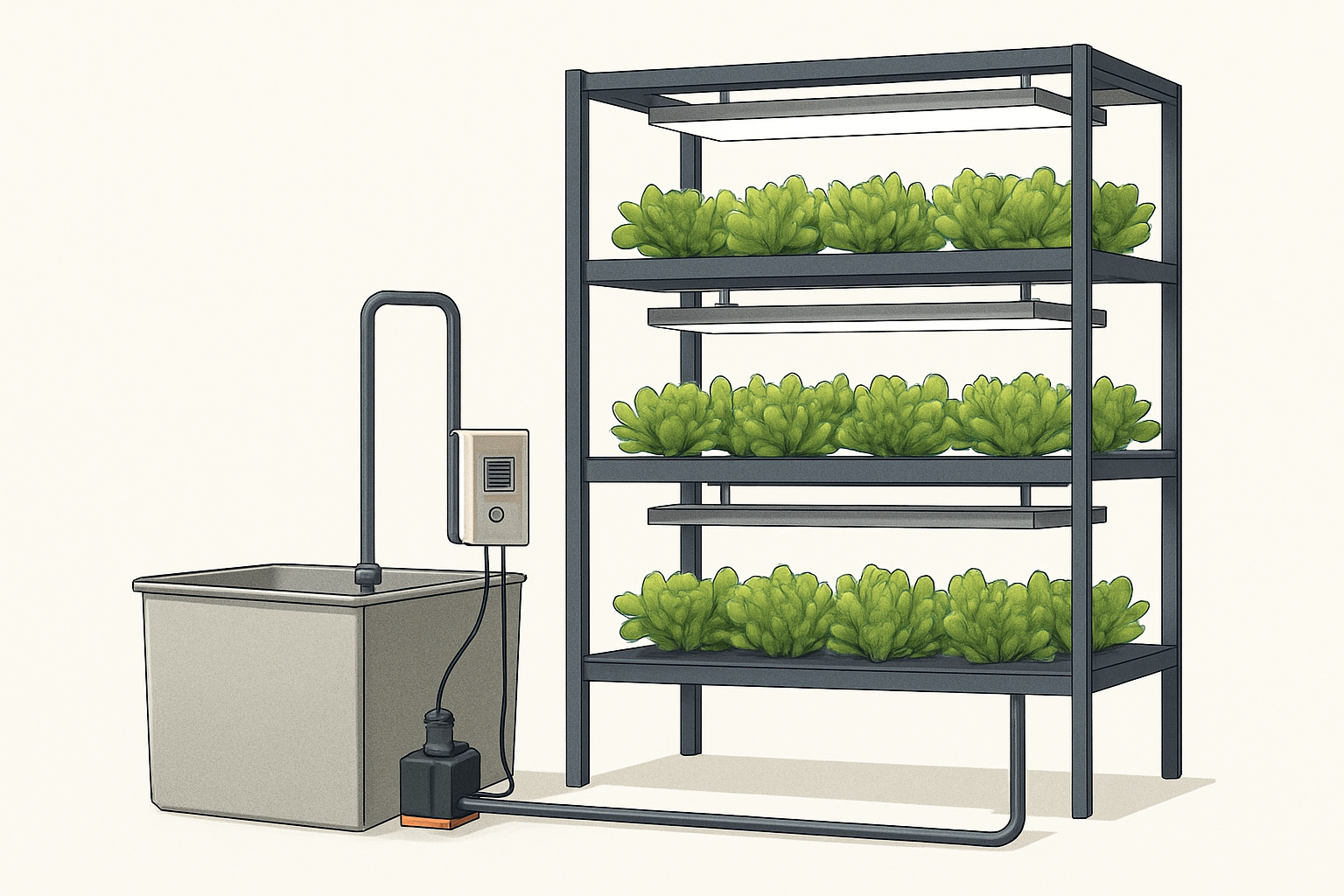
In vertical farming, where space optimisation and system efficiency are paramount, NFT offers several distinct advantages. Its compact and modular nature allows for stacking in vertical tiers, reducing floor space usage while maintaining easy access to root systems for inspection and maintenance. Because NFT operates with a shallow solution and minimal standing water, it requires less water and nutrient input per kilogram of yield compared to deep water culture or substrate-based systems.
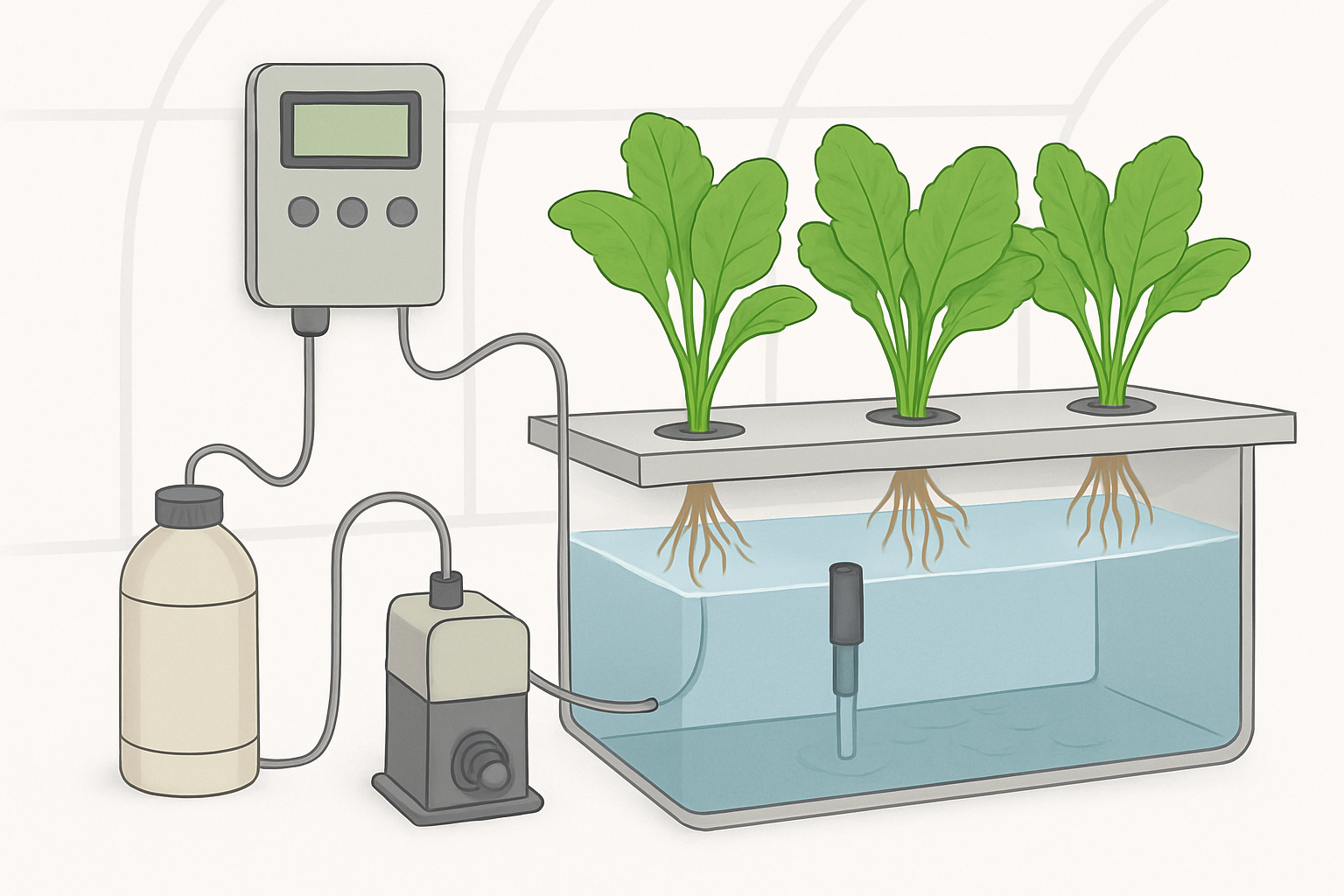
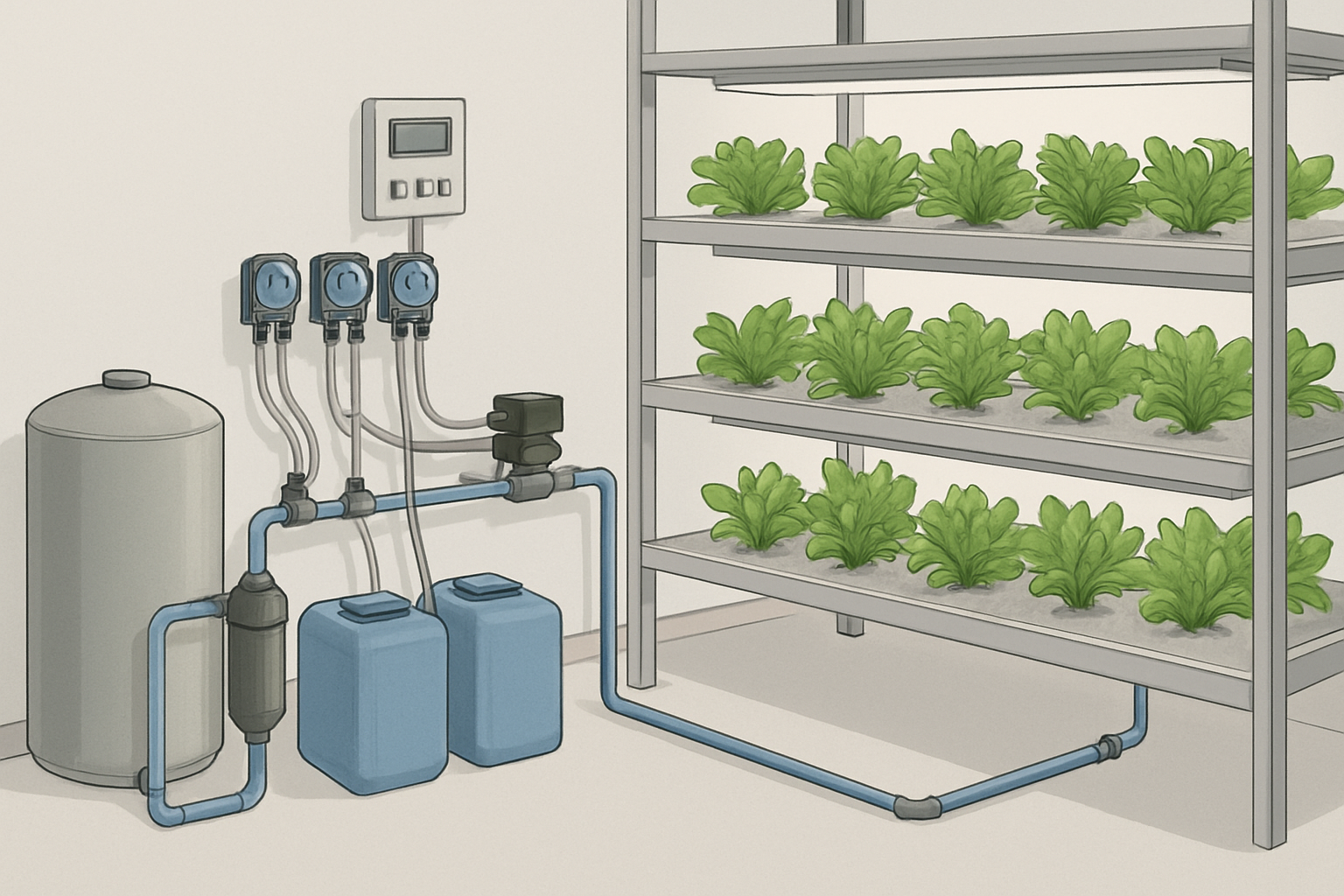
The system's adaptability also aligns well with automation technologies. Nutrient composition, flow rates, and environmental parameters such as pH and EC (electrical conductivity) can be precisely controlled using sensors and digital interfaces. This integration supports data-driven crop management, enabling growers to fine-tune conditions for maximum productivity.
However, NFT's efficiency comes with limitations. It is best suited to fast-growing, shallow-rooted crops with relatively short growth cycles. Larger fruiting crops, such as tomatoes or cucumbers, place too much demand on the root zone and system stability unless specifically engineered NFT variants are used. Additionally, because of the system's sensitivity, NFT is more appropriate in facilities with backup systems, skilled oversight, and reliable power infrastructure.
Environmental and Operational Considerations
From a sustainability perspective, NFT’s closed-loop design significantly reduces water and fertiliser waste. Since the solution is recirculated, runoff is virtually eliminated, and only minimal top-up is required to compensate for plant uptake and evaporation. This makes NFT particularly relevant in urban agriculture settings, where resource conservation and environmental compliance are key concerns.
Nonetheless, the closed system also necessitates regular monitoring to prevent pathogen buildup and nutrient imbalances. Biofilm development, algae growth, and microbial contamination are common challenges; these require rigorous hygiene protocols, filtration, and occasional system sterilisation. Managing water temperature is equally vital: the shallow film of water heats quickly under grow lights, and if not controlled, can create thermal stress for plant roots, and optimal development conditions for certain pathogens and contaminants.
Energy use in NFT is higher than some forms of intermittent hydroponics, but is typically lower than in deep-water systems, primarily because of the smaller pump requirements and the absence of aeration devices. However, total energy efficiency is context-dependent; lighting, climate control, and automation may still represent the majority of operational consumption in vertical farms.
Research, Innovation, and Future Directions
Ongoing research into the science of NFT is extending its applicability beyond leafy greens. Innovations in channel design, flow dynamics, and root zone microclimates are opening possibilities for more complex crop types. Studies in root architecture and nutrient uptake kinetics continue to inform refinements in NFT protocols, particularly in terms of staged nutrient formulations across growth phases.
There is also active interest in combining NFT with other CEA technologies, such as artificial intelligence for predictive maintenance, real-time nutrient sensing, and even integration with aquaponics systems, where NFT channels may serve as secondary biofilters or plant beds.
At a policy level, NFT exemplifies how controlled agriculture can be adapted to support localised food production, reduce reliance on soil and climate, and address issues of urban food security. Its scalability makes it a viable candidate for both small-scale educational installations and commercial vertical farms in high-density environments.
Conclusion
The science of NFT is rooted in simplicity, but its effective implementation requires a nuanced understanding of fluid dynamics, plant physiology, and environmental control. Its precision, resource efficiency, and adaptability have made it a cornerstone of soilless cultivation in CEA, particularly within vertical farming. As research advances and integration with smart technologies increases, NFT is poised to remain a central method in the evolution of sustainable indoor crop production.