Sensor based approaches for vertical farming are at the heart of modern indoor plant production, enabling precise monitoring and control of growing conditions. In controlled environment agriculture (CEA) facilities, sensors provide the real-time data needed to optimise plant health, resource efficiency, and yield. Without these systems, operators would rely on periodic manual checks and assumptions; with them, decisions can be evidence-based, timely, and tailored to the needs of specific crops. This transformation in how information is gathered and used is central to the continued evolution of vertical farming as a commercially viable, sustainable, and scientifically informed method of food production.
The role of sensors in vertical farming
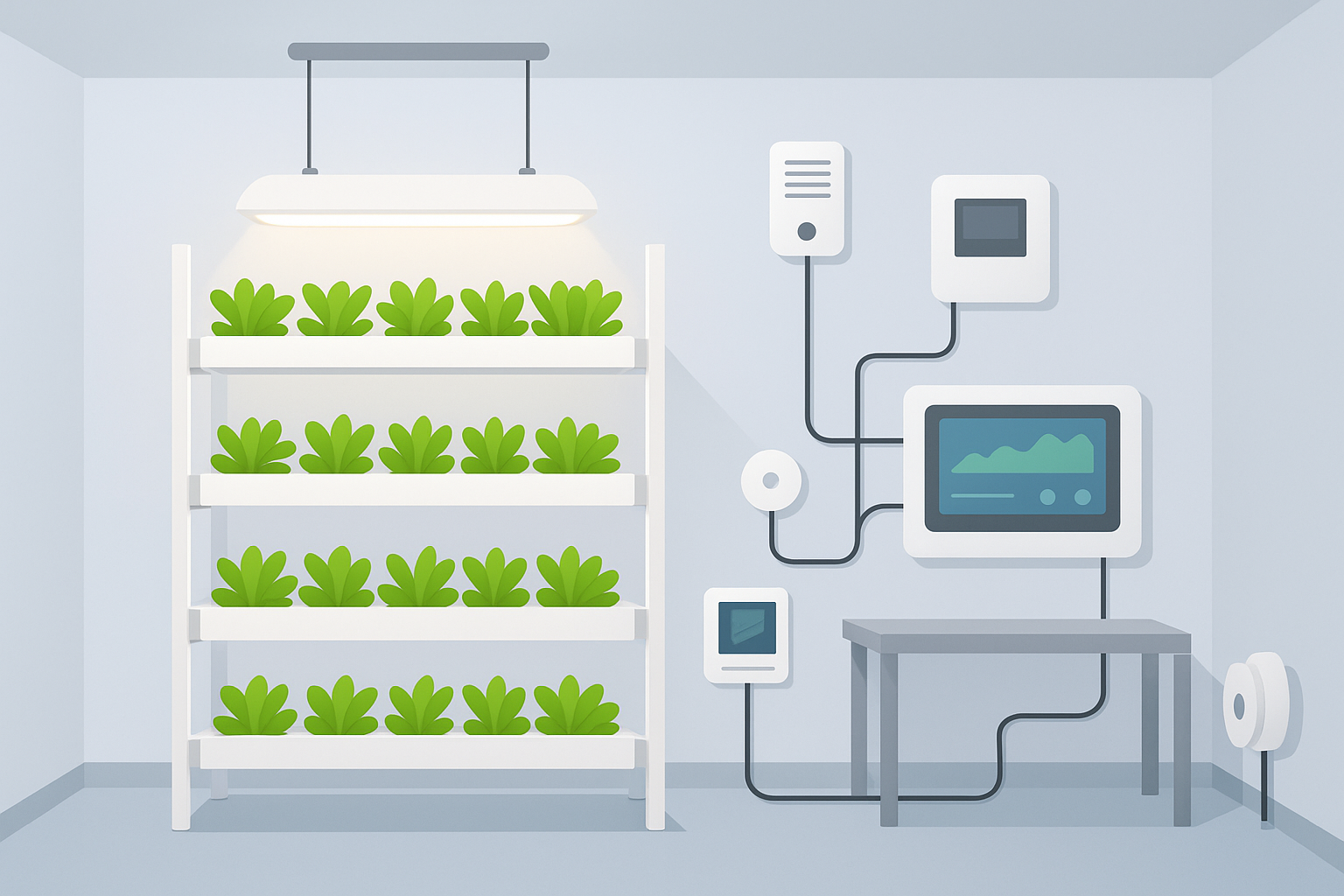
Indoor plant production is defined by its ability to decouple crop growth from outdoor climate variability. However, maintaining optimal conditions requires continuous measurement of environmental and crop parameters. Sensors bridge this gap between desired and actual growing conditions, acting as the eyes and ears of the production system. They measure key variables such as air temperature, humidity, carbon dioxide concentration, nutrient solution composition, pH, and light intensity. Advanced systems go further, incorporating imaging sensors, plant stress detectors, and root-zone monitoring devices to gain a more complete understanding of plant status.
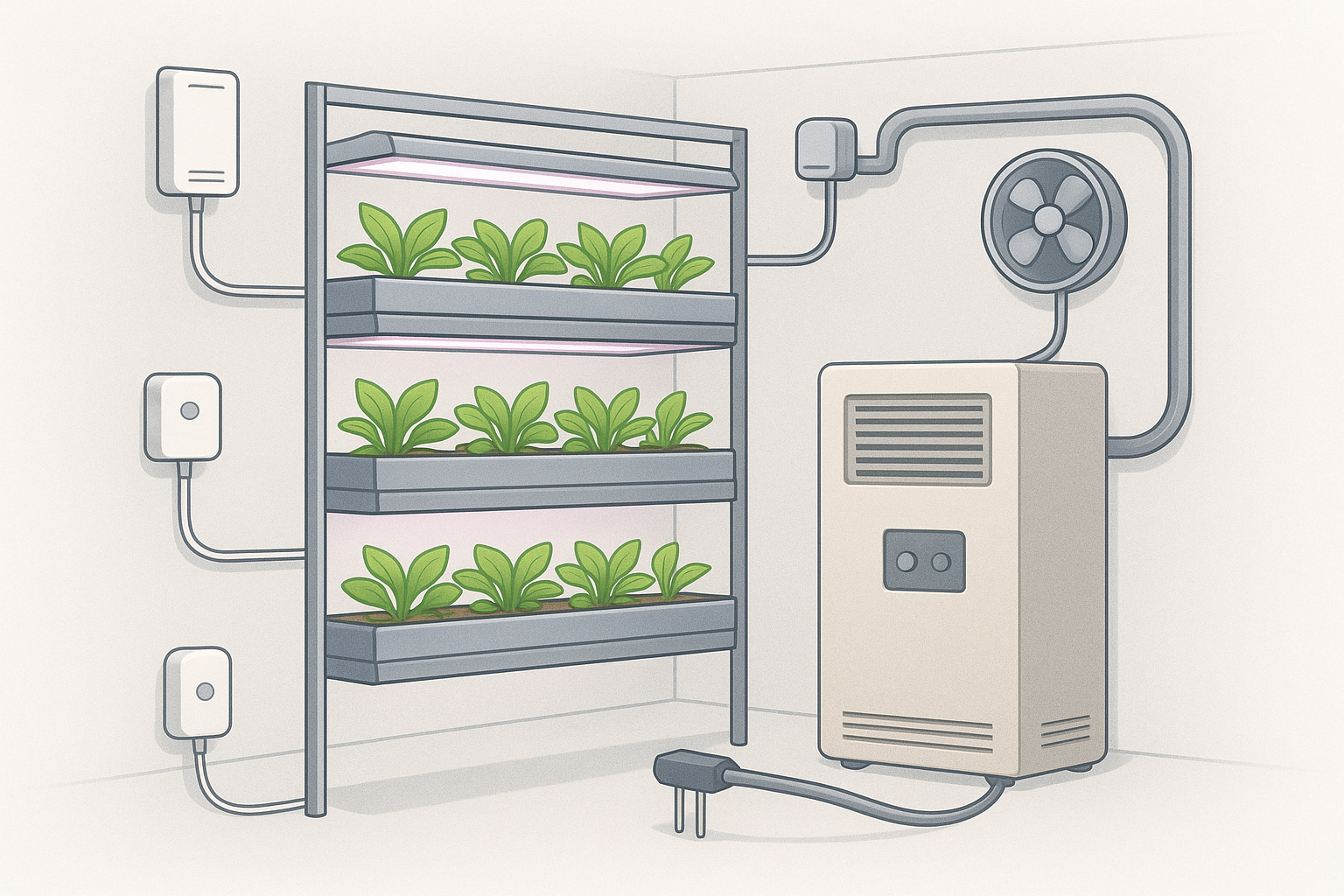
In vertical farming, the diversity of crops and the stacked nature of production mean that conditions can vary across different tiers and zones. Sensors allow growers to detect and manage these microclimatic differences, ensuring that all plants receive optimal care. The data they generate feeds into control systems that adjust lighting schedules, irrigation volumes, nutrient dosing, and ventilation rates in real time, minimising waste and maximising growth efficiency.
Types of sensors and their applications
Sensor technology in vertical farming encompasses a wide range of devices, each suited to a particular aspect of plant production. Environmental sensors track air temperature and relative humidity, essential for managing evapotranspiration rates and preventing fungal diseases. CO2 sensors help maintain concentrations that optimise photosynthesis without excessive supplementation. Light sensors measure intensity and spectral quality, ensuring that LED arrays deliver the correct wavelengths for each crop growth stage.
Nutrient management relies heavily on electrical conductivity (EC) and pH sensors in the fertigation system. These instruments ensure that nutrient concentrations match plant requirements, avoiding deficiencies and preventing nutrient runoff. Water level and flow sensors maintain the correct delivery of irrigation and nutrient solution, particularly in recirculating hydroponic systems where balance is critical.
Increasingly, non-contact and imaging-based sensors are being integrated to assess plant health. Multispectral and hyperspectral cameras can detect early signs of nutrient deficiency, water stress, or disease before they are visible to the human eye. Thermal imaging can reveal temperature stress or uneven transpiration, while machine vision systems can quantify leaf area and biomass development over time.
Integration with decision-support systems
The real value of sensors in vertical farming emerges when their outputs are integrated into decision-support systems and automation platforms. Data from multiple sensors can be combined and analysed to provide insights that go beyond individual readings. For example, correlations between humidity, temperature, and light intensity can be used to fine-tune irrigation scheduling or adjust ventilation strategies to prevent condensation.
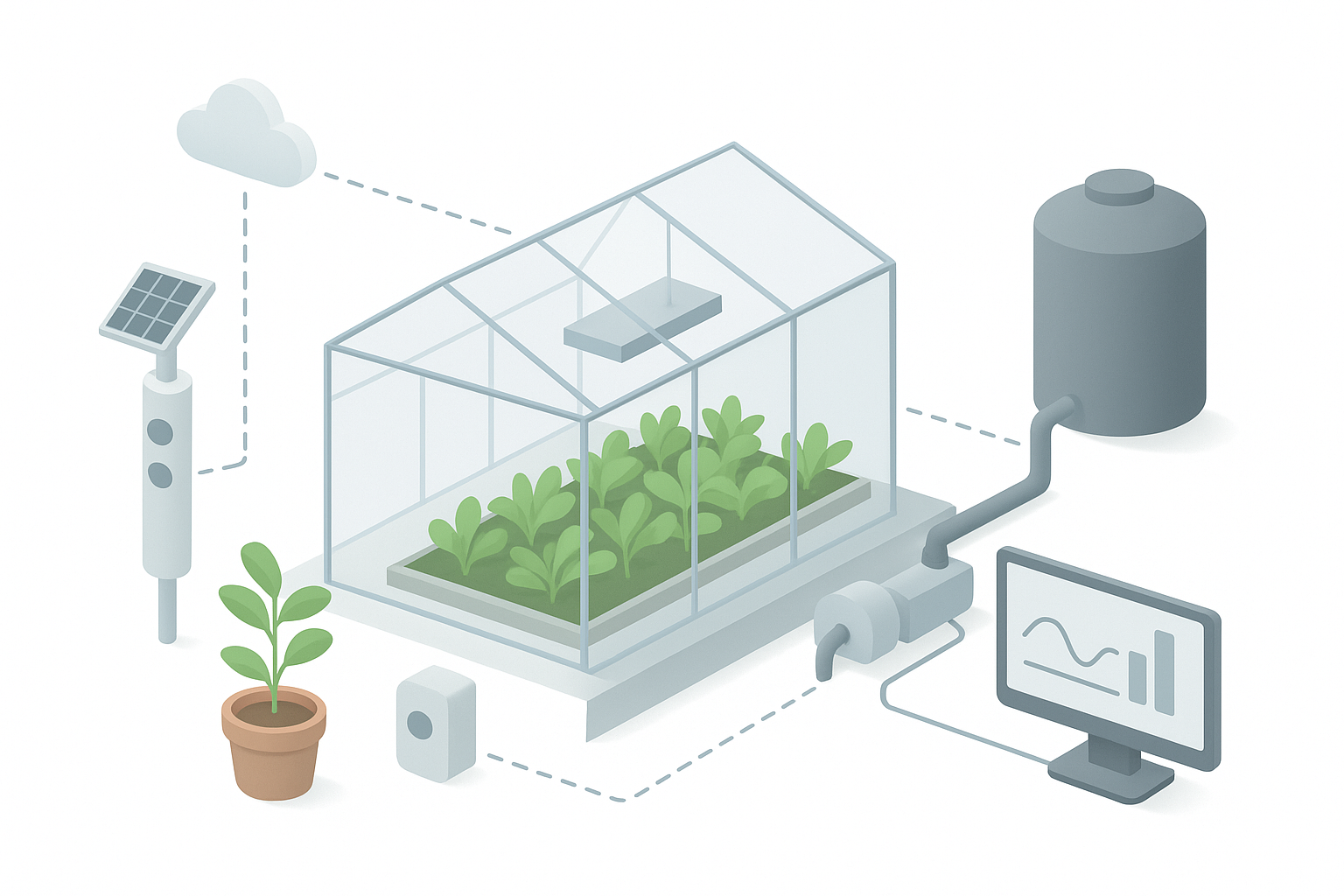
In advanced CEA facilities, sensor networks are connected to climate control computers, artificial intelligence models, or cloud-based analytics platforms. These systems process continuous streams of data and translate them into actionable recommendations or automated adjustments. Over time, data archives allow for crop-specific optimisation, where growth protocols are refined based on historical performance under varying conditions.
Benefits and limitations
The benefits of sensor based approaches for vertical farming are considerable. Continuous monitoring supports more stable environmental conditions, which reduces plant stress and promotes uniform growth. The resulting improvements in yield and quality can be significant, particularly for high-value crops. Resource efficiency is another major advantage: precise control of irrigation and fertilisation reduces water use and minimises nutrient loss to the environment.
However, there are practical considerations and limitations. Sensors must be correctly calibrated and maintained to provide reliable data, and failures in individual devices can lead to misleading readings if not detected promptly. The initial investment in a comprehensive sensor network can be substantial, particularly for small-scale growers. Moreover, the sheer volume of data generated can be overwhelming without appropriate data management tools and trained personnel to interpret it.
Emerging trends and future prospects
Advances in sensor miniaturisation, wireless communication, and energy efficiency are making it easier to deploy dense sensor networks across vertical farming installations. The use of Internet of Things (IoT) platforms enables centralised monitoring of multiple sites from a single location. Developments in artificial intelligence and predictive modelling are further enhancing the ability of growers to anticipate problems before they occur, moving from reactive to proactive crop management.
Biological sensing technologies are also gaining interest. These include sensors capable of detecting volatile organic compounds (VOCs) emitted by plants in response to stress, and biosensors embedded in the growing substrate that can detect microbial activity. Coupled with machine learning algorithms, these tools could allow highly targeted interventions, such as adjusting nutrient formulations in response to real-time plant feedback.
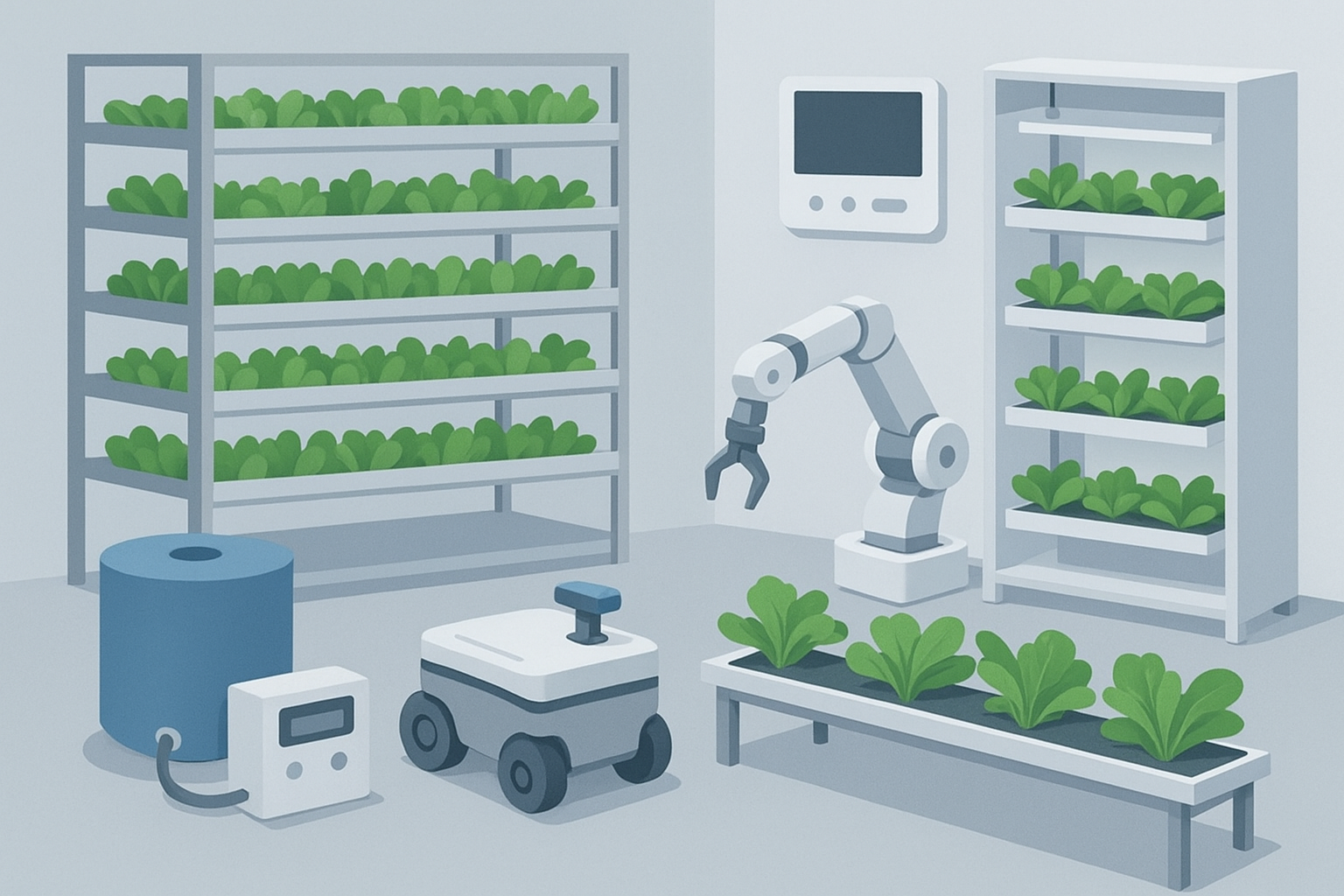
In the long term, the integration of sensor technology with robotics could lead to fully autonomous vertical farms where monitoring, decision-making, and crop handling are seamlessly linked. While such systems are still emerging, the trajectory of innovation suggests that sensor-based intelligence will remain central to the success of indoor farming.
Conclusion
Sensor technology underpins the precision and reliability that make vertical farming possible at scale. From basic environmental monitoring to sophisticated imaging and data analytics, these tools transform raw measurements into meaningful actions. By enabling consistent growing conditions, reducing waste, and supporting informed decision-making, sensor based approaches for vertical farming not only improve productivity but also contribute to sustainability and resilience in the food supply chain. As technology advances and integration becomes more seamless, sensors will continue to shape the future of indoor plant production, making it more efficient, responsive, and adaptable to global food security challenges.