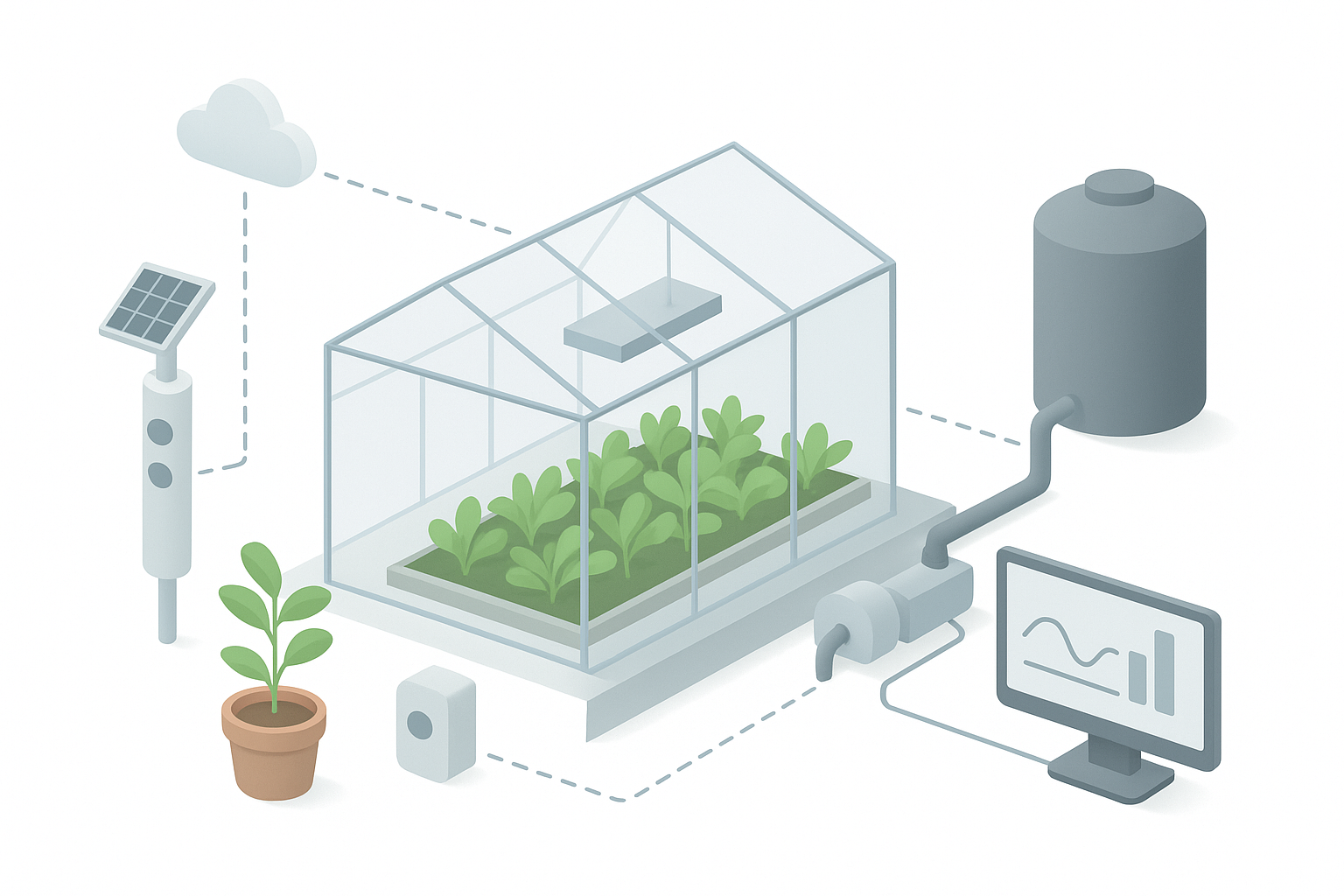
Artificial intelligence (AI) approaches for enhanced CEA and vertical farming are transforming how growers manage crops, allocate resources, and respond to environmental changes. Within the controlled environment agriculture (CEA) sector, AI and computer vision are enabling data-driven insights that allow precise adjustments to climate, lighting, irrigation, and nutrient delivery. In vertical farms, where operational margins are often tight and conditions can be optimised to a fine degree, these technologies offer the ability to maintain consistent quality, predict issues before they arise, and increase productivity without compromising sustainability goals.
Understanding AI in the Context of Indoor Plant Production
AI in CEA refers to a set of computational methods and models that learn from data to make informed predictions or decisions. It encompasses machine learning, deep learning, and hybrid approaches that integrate statistical reasoning with expert knowledge. In practical terms, this can mean predicting the optimal harvest date for a crop based on growth patterns, or recommending adjustments to nutrient dosing based on subtle changes in plant physiology. By processing large volumes of environmental, operational, and crop performance data, AI systems identify trends and correlations that may be invisible to human observation.
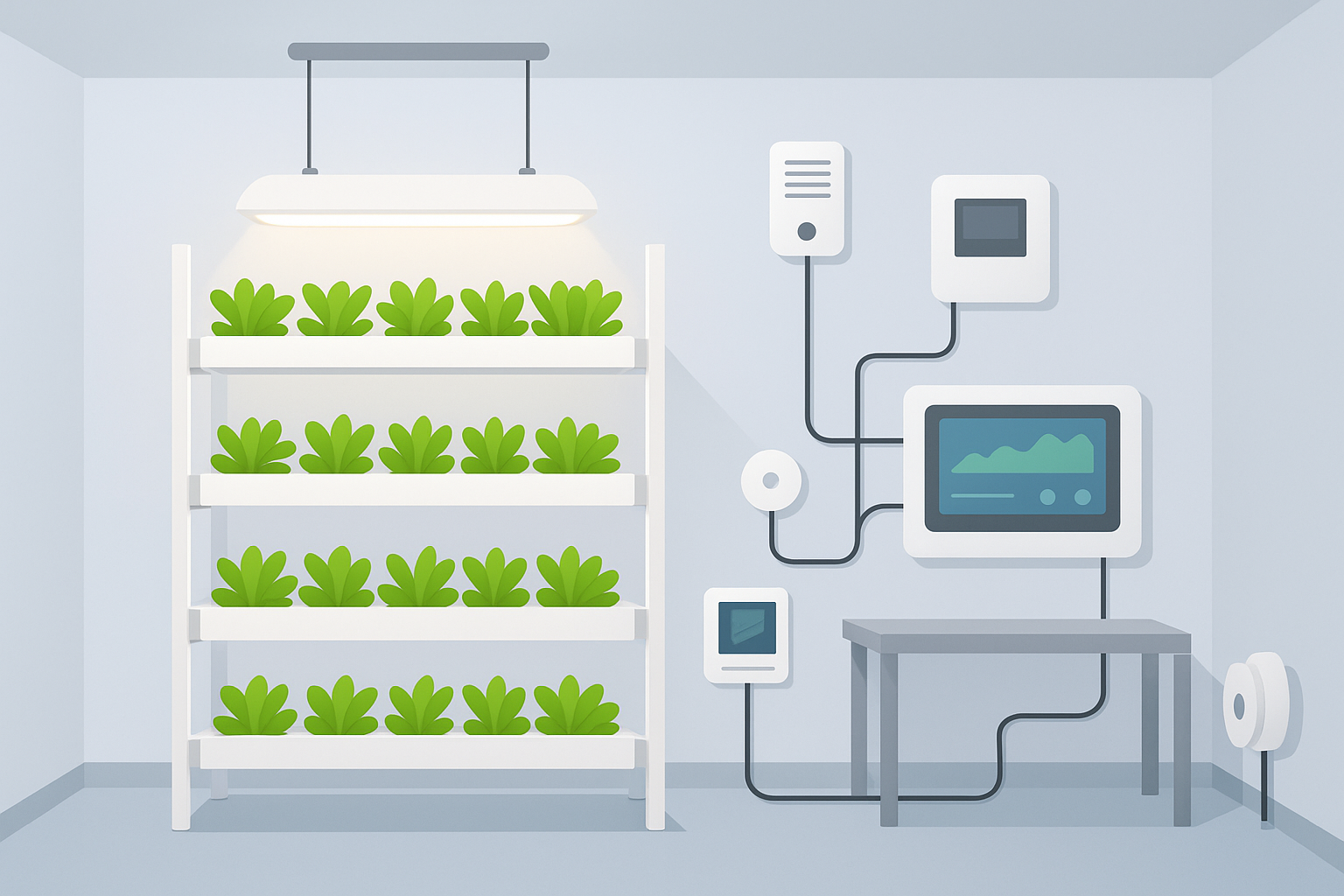
The integration of AI into CEA operations often involves automated data collection from sensors, cameras, and other monitoring devices. This information is processed to produce actionable recommendations or to directly control certain systems. For example, AI may continuously adjust LED light spectra to match the developmental stage of a plant, or it may alter irrigation cycles in response to transpiration rates detected via thermal imaging.
The Role of Computer Vision
Computer vision is a subset of AI that focuses on interpreting and analysing visual information. In CEA and vertical farming, it is particularly valuable for non-invasive plant monitoring. High-resolution imaging, combined with AI algorithms, can detect early signs of stress, disease, or nutrient deficiencies. This may involve analysing leaf colour and shape to detect chlorosis, spotting wilting patterns that indicate water stress, or monitoring flowering and fruiting progression.
Advanced imaging technologies such as multispectral and hyperspectral cameras extend beyond visible light, capturing data on plant reflectance in wavelengths associated with chlorophyll content, water status, or disease presence. AI-driven analysis of these images allows precise and timely interventions. In vertical farms, where plants are often stacked and closely spaced, automated vision systems can inspect thousands of plants daily without human labour-intensive checks.
Decision-Support Systems: From Data to Action
Decision-support systems (DSS) provide a bridge between raw data and farm management decisions. In AI-enabled CEA, these systems integrate information from environmental controls, plant monitoring tools, and operational logistics. The aim is not to replace human decision-making entirely, but to enhance it with robust, data-backed recommendations.
A DSS might, for example, suggest delaying harvest by 48 hours to allow for improved flavour development in herbs, based on predicted biochemical changes. In another case, it may recommend reallocating lighting resources to certain crop zones where AI predicts higher yield potential. These decisions are informed by models that combine historical data, real-time measurements, and predictive simulations.
By reducing guesswork and making responses more precise, DSS can increase efficiency and minimise waste. This is particularly important in vertical farming, where energy costs for lighting and climate control can be significant, and where the uniformity of production cycles is critical to profitability.
Integration with Automation
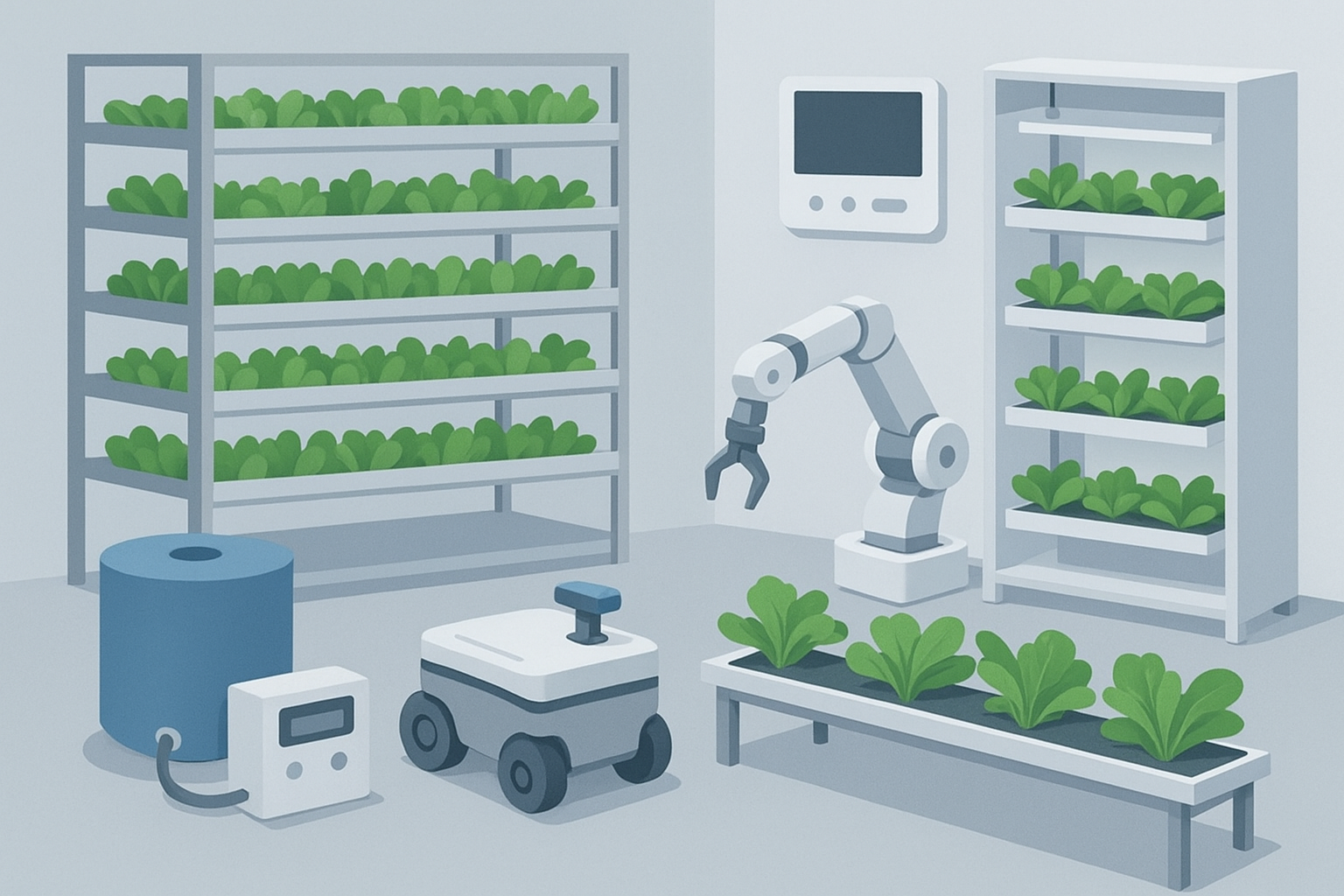
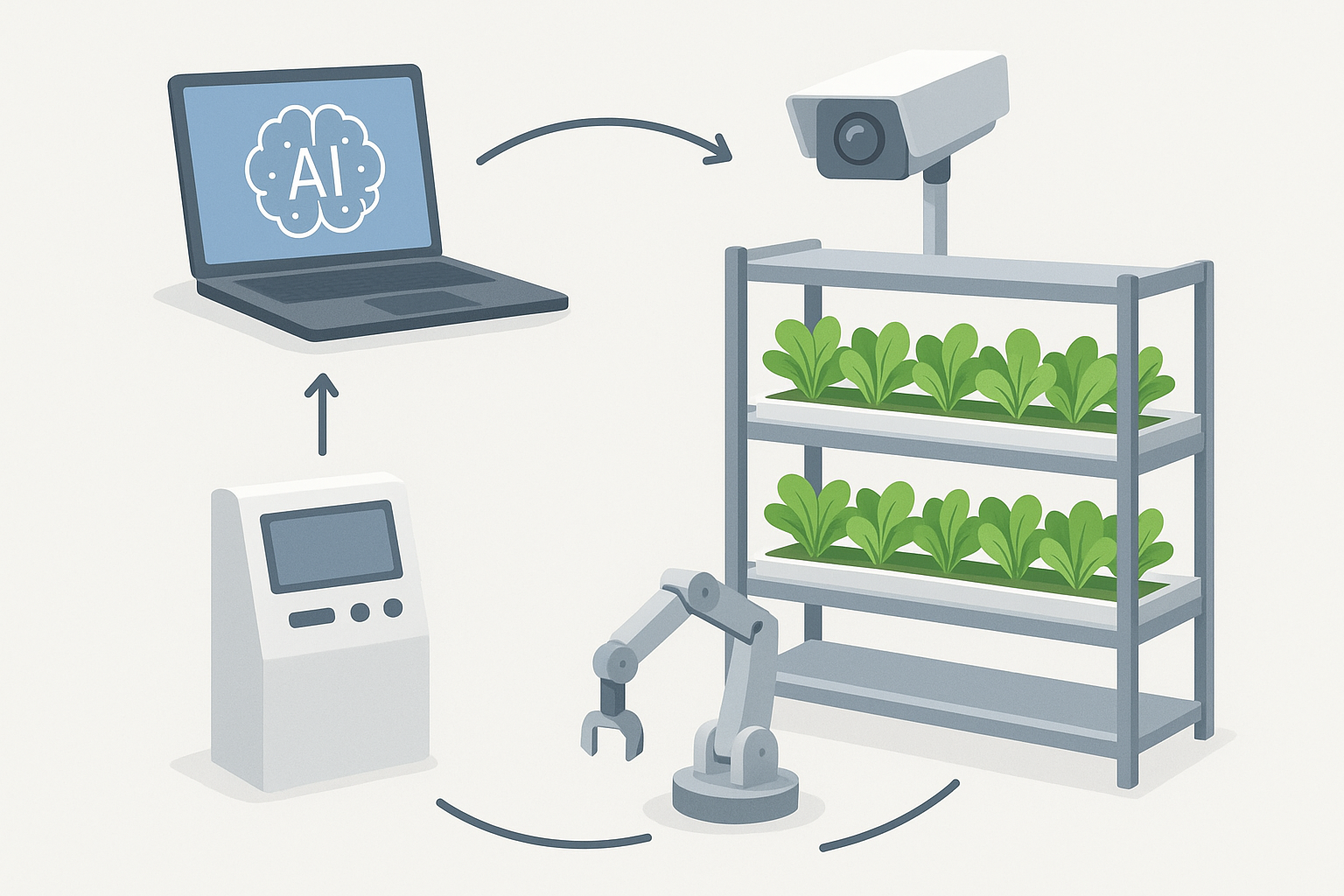
The value of AI and computer vision increases when paired with automation. In modern vertical farms, AI algorithms may feed directly into climate control systems, fertigation units, or automated harvesting robots. This creates a closed-loop management system in which plants are continually monitored, conditions adjusted instantly, and operations recorded for further learning.
For instance, an AI model may detect a small but consistent temperature deviation in one growth zone. The climate control system can respond immediately, preventing stress before it becomes visible. Similarly, if computer vision detects a fungal lesion in a leaf, a targeted treatment can be applied to the affected plants rather than an entire crop section. This precision not only reduces chemical use but also supports biosecurity by preventing pathogen spread.
Benefits and Limitations
The potential benefits of AI approaches for enhanced CEA and vertical farming are significant. They include improved yield forecasting, early detection of problems, optimised resource use, and the ability to run more consistent and predictable production cycles. In an era where food production must meet the demands of growing populations while minimising environmental impact, these technologies support more sustainable practices.
However, limitations remain. AI models are only as good as the data they are trained on. Incomplete, biased, or poor-quality data can lead to inaccurate predictions. The cost and complexity of installing high-quality imaging systems, integrating sensor networks, and maintaining reliable connectivity can be prohibitive for smaller operators. There is also the challenge of ensuring that AI systems remain transparent and interpretable, so growers understand the reasoning behind recommendations.
The Path Forward
As computing power becomes more accessible and sensor technologies continue to advance, AI and computer vision are expected to become integral components of CEA infrastructure. Future developments are likely to involve more sophisticated multi-modal systems that combine visual, environmental, and biochemical data for richer decision-making. Integration with cloud-based platforms will allow for shared learning across farms, enabling collective intelligence that benefits the entire industry.
Policy-makers, researchers, and industry stakeholders will play a role in shaping how these systems are deployed, ensuring they support not only profitability but also environmental stewardship and food safety. Training programmes will be essential to equip the next generation of CEA professionals with the skills to interpret AI-driven insights and apply them effectively in real-world contexts.
In summary, AI and computer vision are reshaping the operational landscape of CEA and vertical farming. By enabling precise, timely, and data-informed decision-making, these tools have the capacity to make production systems more resilient, efficient, and sustainable. The challenge lies in adopting them thoughtfully, with an emphasis on transparency, robust data practices, and integration into the broader goals of sustainable agriculture.