Vertical farming and controlled environment agriculture (CEA) are reshaping the way food is produced by moving cultivation indoors and upwards. Instead of relying on open fields and unpredictable weather, these systems use precisely managed indoor environments to grow crops in vertically stacked layers or integrated structures. The goal is clear: to produce food more efficiently, more locally, and with greater resilience to environmental pressures. This combination of vertical growing systems and controlled conditions is becoming an increasingly relevant response to the challenges of modern agriculture: land scarcity, climate change, urbanisation, and the need for more sustainable food systems.
What is Vertical Farming?
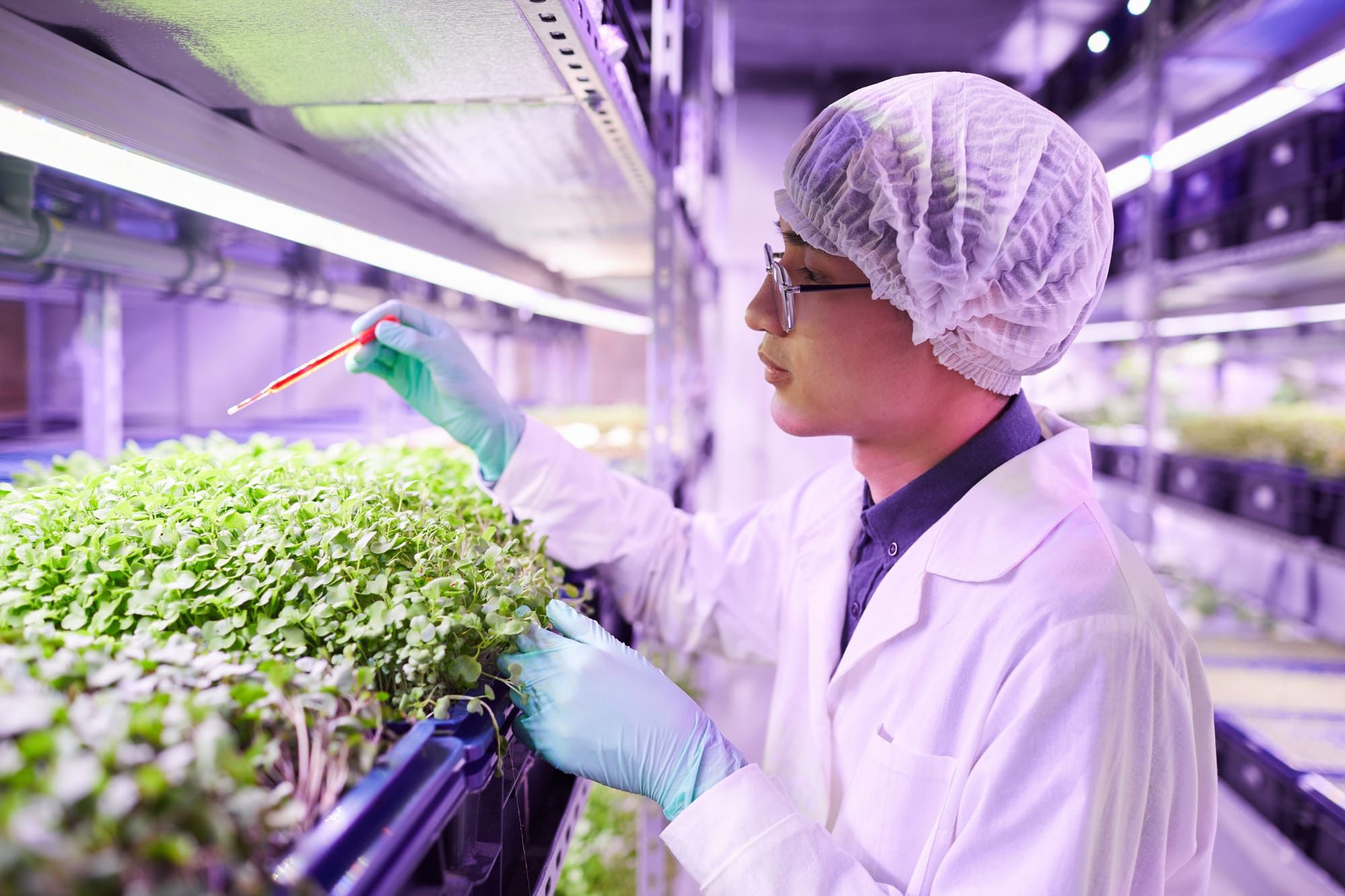
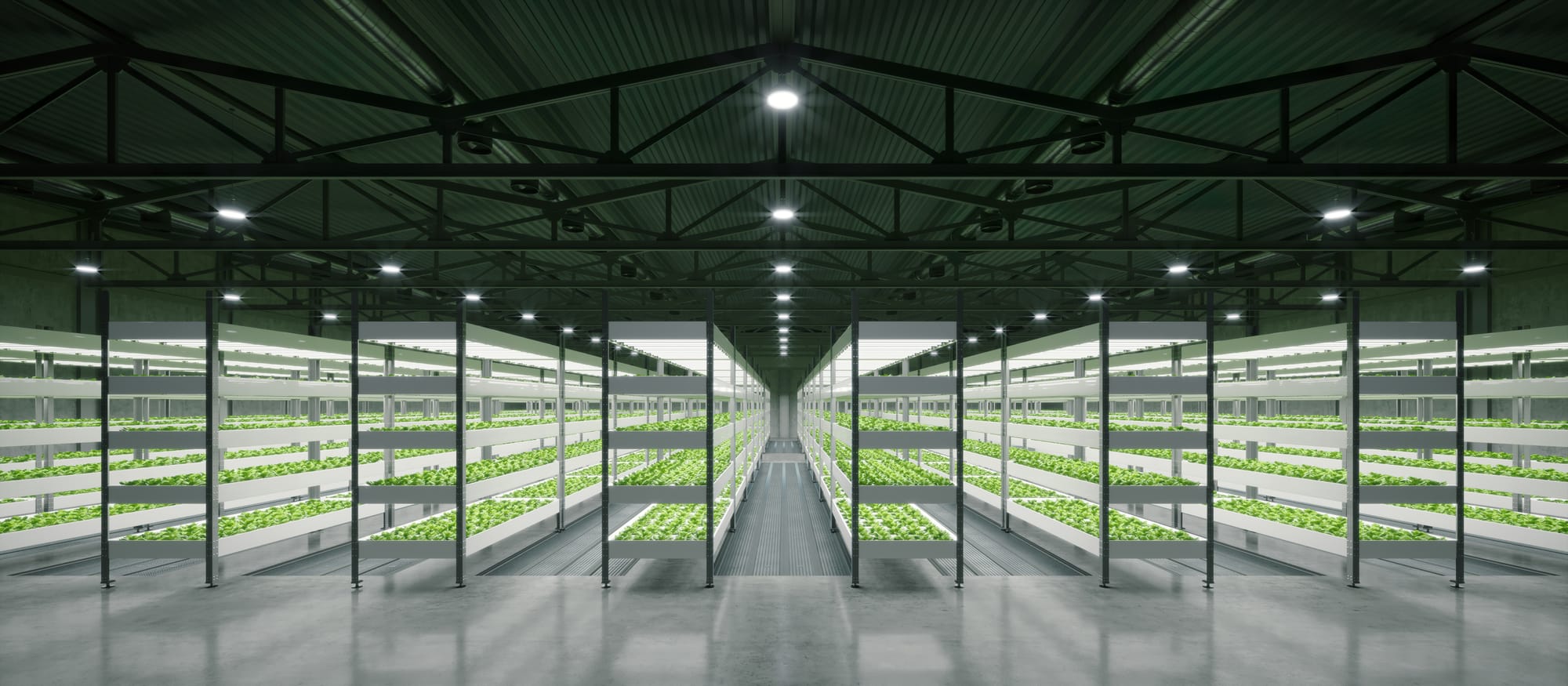
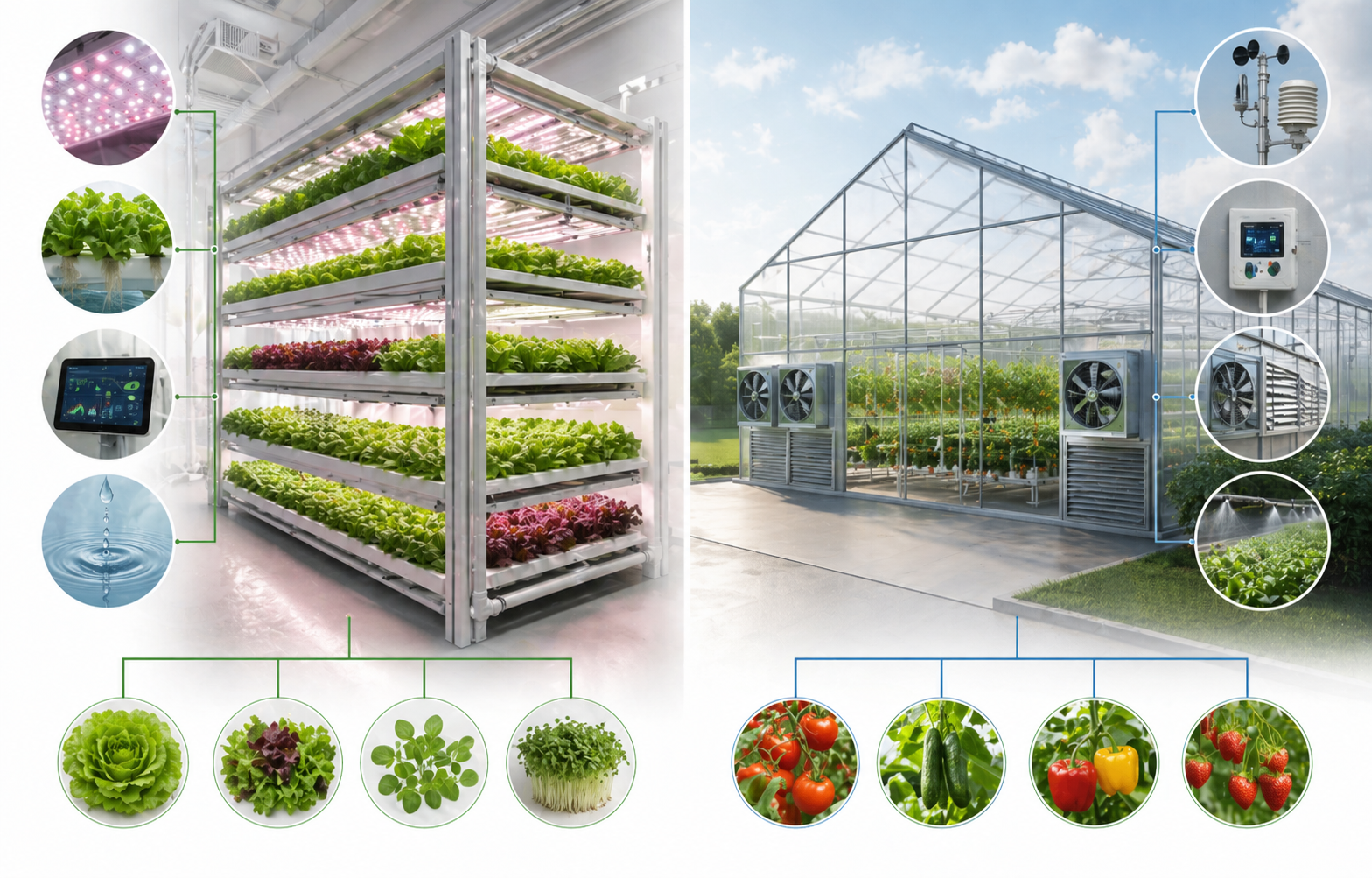
Vertical farming refers to the cultivation of crops in stacked layers, which may be housed in buildings, repurposed shipping containers, or custom-built facilities. These systems can employ hydroponics (growing plants in nutrient-rich water), aeroponics (mist-based delivery of water and nutrients), or aquaponics (integrating fish and plant production), and are typically supported by artificial lighting and climate control. The design is space-efficient and particularly suited to urban or peri-urban locations where arable land is limited or unavailable. By moving upwards rather than outwards, vertical farming offers an alternative to the extensive land use typical of conventional agriculture.
The concept is not entirely new; greenhouse cultivation has long made use of some similar principles. However, vertical farming goes further, integrating automation, data-driven crop management, and closed-loop systems that can recycle water and nutrients. The most advanced operations can manage temperature, humidity, CO₂ levels, and light spectra with high precision to optimise plant growth and nutritional value. This high level of control allows for year-round production and significantly reduces exposure to pests, disease, and extreme weather events.
Controlled Environment Agriculture: The Foundation
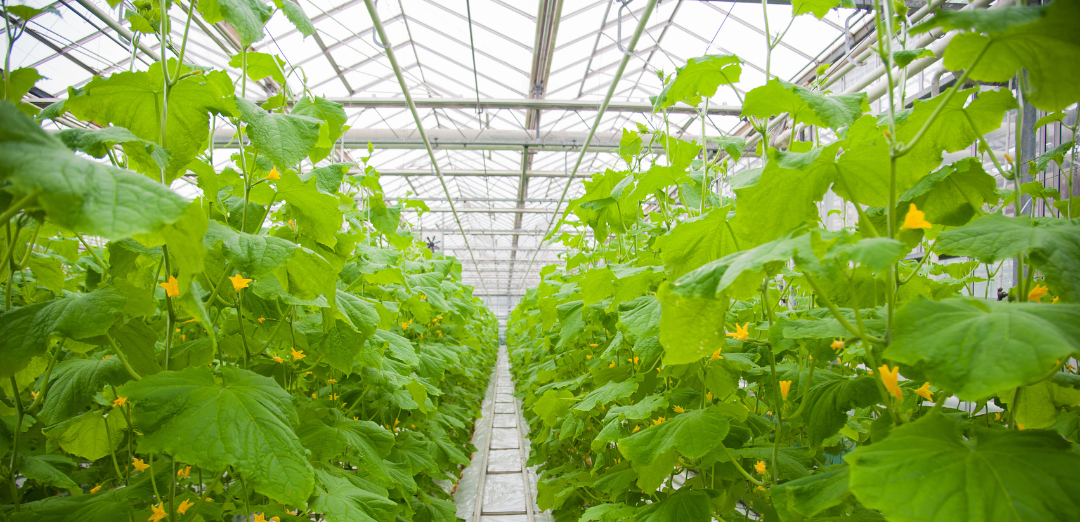
CEA is the broader category under which vertical farming sits. It encompasses any agricultural practice that uses technology to control environmental conditions, whether in greenhouses, vertical farms, or indoor growing chambers. In a CEA system, environmental variables are actively managed to create optimal conditions for plant growth. This includes not only temperature and lighting, but also airflow, water quality, and nutrient composition.
The main benefit of CEA is consistency. Where traditional farming is vulnerable to droughts, floods, pests, and temperature swings, CEA creates a buffer against these uncertainties. It also enables production in regions with poor soil, extreme climates, or dense populations. For example, leafy greens can be grown in central London or Dubai with the same consistency and yield as in temperate agricultural zones.
CEA technologies also contribute to resource efficiency. Water use can be reduced by up to 90% compared with field-grown crops, and fertiliser runoff, which is a major source of environmental pollution, can be virtually eliminated. However, this comes with trade-offs: energy use, particularly for lighting and climate control, remains a significant cost and environmental concern.
Relevance and Future Outlook
The convergence of vertical farming and CEA presents a meaningful opportunity to reimagine how food is produced and distributed. With global food demand expected to increase by 50% by 2050, and climate-related disruptions becoming more frequent, conventional agriculture alone may not be able to meet future needs. Urban populations, in particular, could benefit from localised production that reduces transport emissions and supply chain vulnerability.
Yet questions remain. How can energy consumption be reduced without compromising yield? Will automation and AI integration make these systems more scalable and cost-effective? Can vertical farming diversify beyond leafy greens into staple crops and protein sources?
As research, policy, and private investment continue to converge on these challenges, vertical farming and CEA are likely to play a growing role in the global agricultural landscape. Whether in city centres, arid regions, or areas recovering from environmental degradation, these systems offer a controlled, adaptive approach to producing food in an uncertain world. The path forward will depend on continued innovation, robust regulation, and a careful balance between technology, sustainability, and economics.