Controlled Environment Agriculture (CEA)
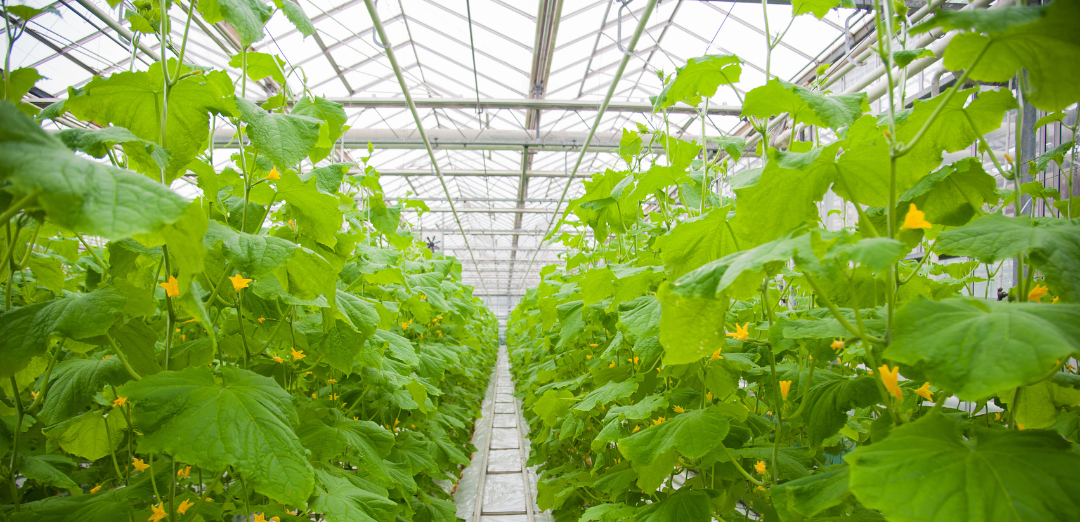
Controlled Environment Agriculture (CEA) refers to a technologically advanced and resource-efficient method of agricultural production. It encompasses a range of systems and practices where environmental conditions are manipulated to optimise plant growth. Parameters such as temperature, humidity, light, carbon dioxide concentration, and nutrient delivery are precisely regulated to maximise yield, minimise inputs, and often reduce the reliance on pesticides or herbicides. CEA enables year-round cultivation, independent of external climatic conditions. It can take place in greenhouses, indoor facilities, or hybrid environments. This approach is increasingly employed in urban areas, in regions with harsh climates, and in efforts to ensure localised, resilient food systems.
Vertical Farming
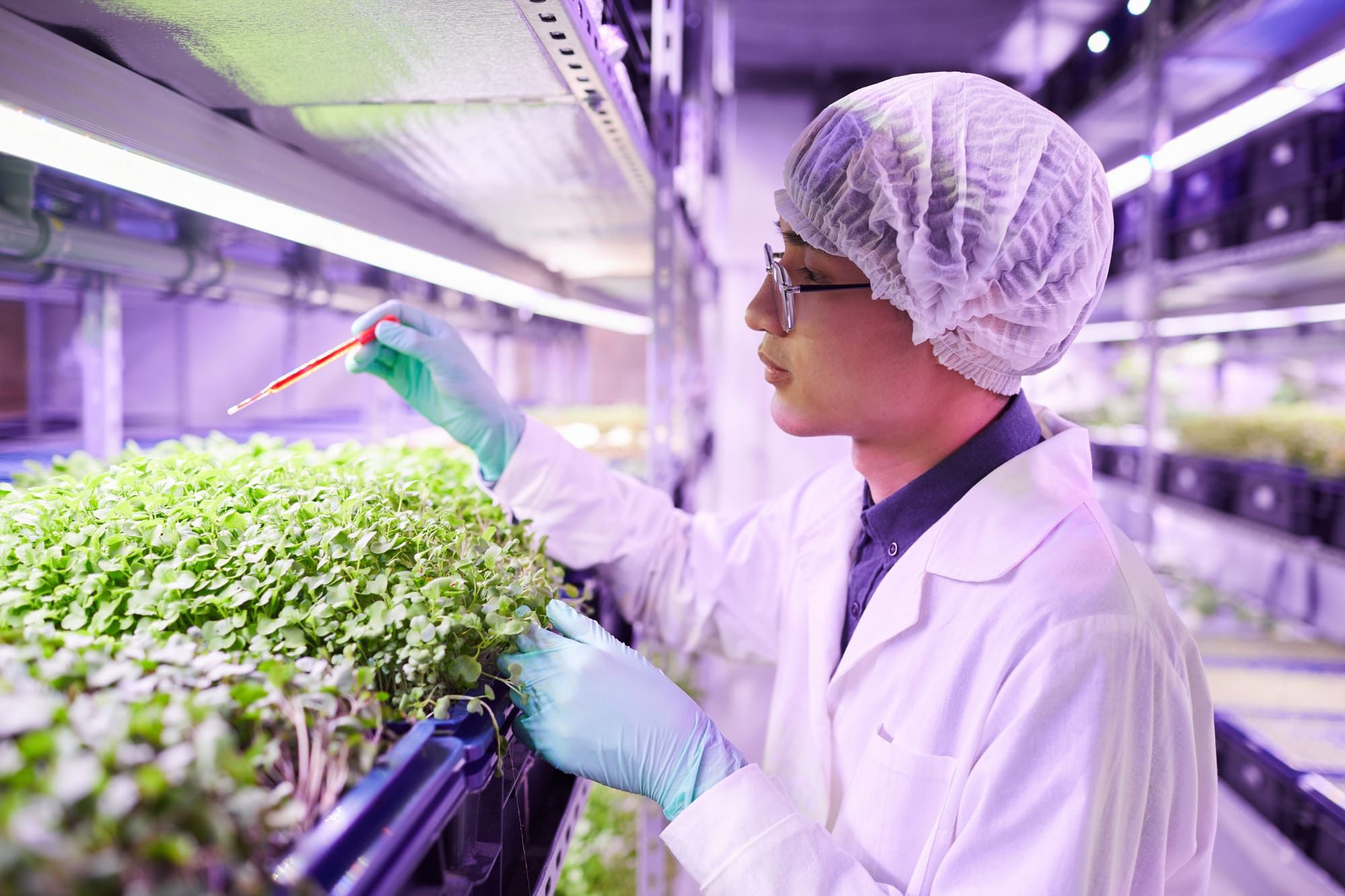
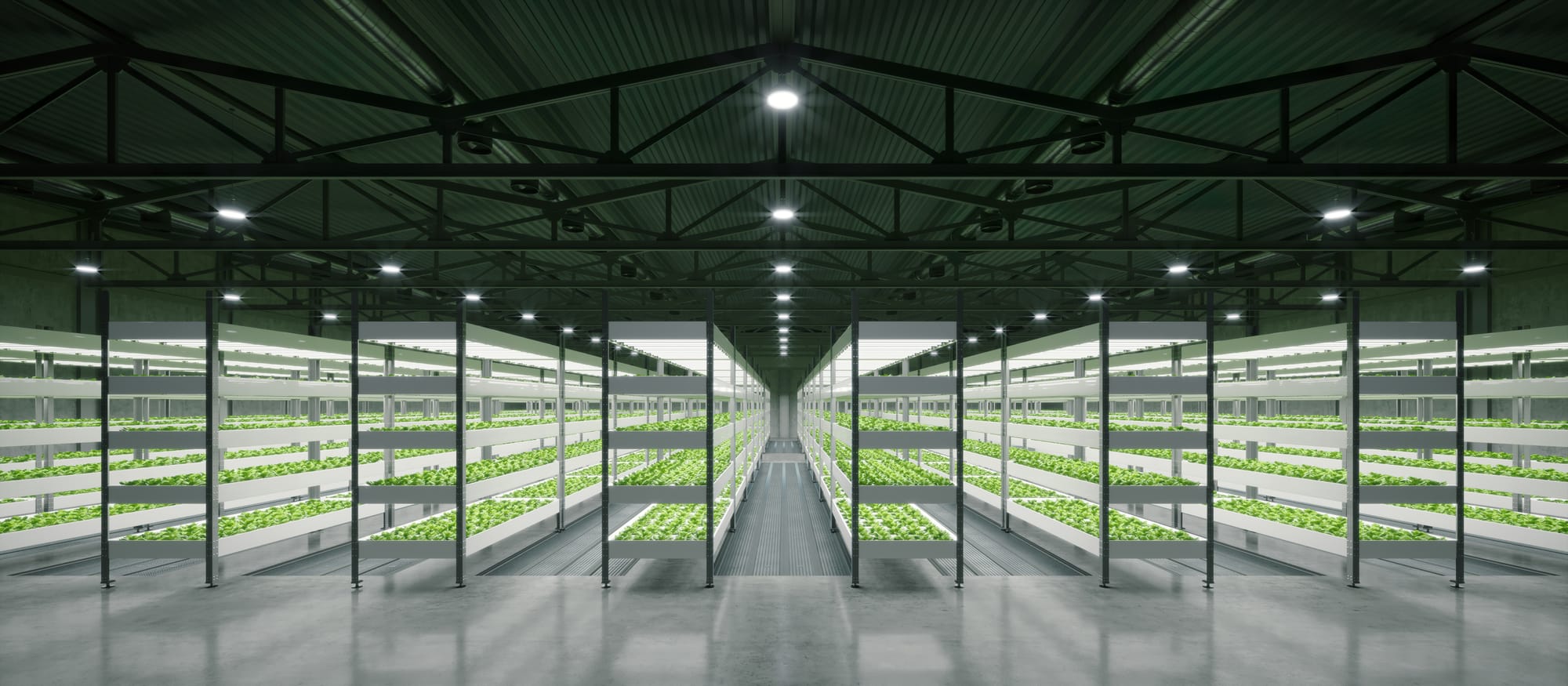
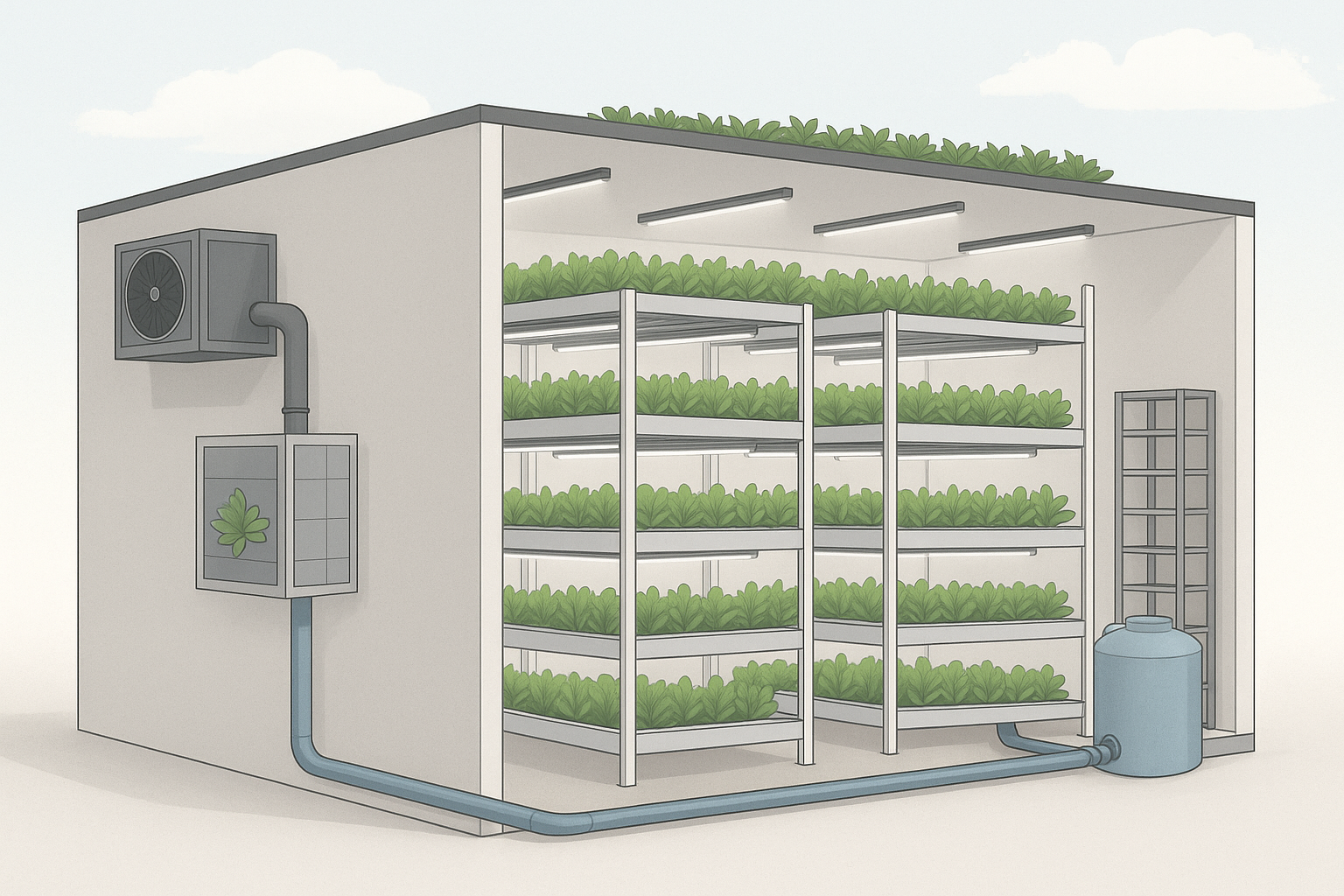
Vertical farming is a subset of CEA in which crops are cultivated in vertically stacked layers, often integrated into structures such as skyscrapers, repurposed warehouses, or shipping containers. The practice optimises space use and is particularly relevant in urban or peri-urban areas where arable land is scarce or expensive. Vertical farms typically employ soilless growing methods such as hydroponics, aeroponics, or aquaponics, and rely heavily on artificial lighting (usually LED), environmental control systems, and automation technologies.
Glossary of Key Terms in CEA and Vertical Farming
General Terms
Term | Definition |
Controlled Environment Agriculture (CEA) | A method of crop production that manipulates the growing environment to achieve optimal conditions. |
Vertical Farming | A method of growing crops in vertically stacked layers, often indoors, using soilless systems and artificial lighting. |
Urban Agriculture | The practice of cultivating, processing and distributing food in or around urban areas. May include CEA systems. |
Indoor Farming | The cultivation of crops inside enclosed spaces such as buildings or containers, typically under fully controlled conditions. |
Smart Farming | The application of digital technology and data analytics to optimise agricultural processes, often integrated with CEA. |
Environmental Control Terms
Term | Definition |
Climate Control System | Technology that regulates temperature, humidity, and air circulation within the growing environment. |
Photoperiod Control | Manipulation of the duration and timing of light exposure to influence plant growth cycles. |
CO₂ Enrichment | The addition of carbon dioxide to the air within a growing environment to enhance photosynthesis and yield. |
HVAC (Heating, Ventilation and Air Conditioning) | Systems used to maintain temperature and air quality in indoor growing spaces. |
Light Intensity/PPFD (Photosynthetic Photon Flux Density) | A measure of the amount of light (in the photosynthetically active range) that plants receive. |
Lighting Technologies
Term | Definition |
LED (Light Emitting Diode) Lighting | Energy-efficient lighting commonly used in CEA to provide specific light spectra required for plant growth. |
Grow Lights | Artificial light sources designed to promote plant growth, including LED, fluorescent, and high-pressure sodium lights. |
Light Spectrum | The range of wavelengths emitted by a light source; different spectra can affect plant morphology and growth rates. |
Horticultural Lighting Terms
Term | Definition / Description |
Photosynthetically Active Radiation (PAR) | The portion of the light spectrum (400–700 nm) that plants use for photosynthesis. Measured in micromoles per square metre per second (μmol/m²/s). |
Photosynthetic Photon Flux Density (PPFD) | A measure of the number of photons in the PAR range that reach a specific area per second. Indicates light intensity available for photosynthesis. |
Daily Light Integral (DLI) | The total amount of PAR received by a given area over the course of a day. Measured in moles of light per square metre per day (mol/m²/day). |
Light Spectrum | The specific wavelengths of light emitted by a source. Plants respond differently to various parts of the spectrum for growth and development. |
Full Spectrum Light | Artificial lighting that closely mimics natural sunlight, often including wavelengths beyond the PAR range. |
Red Light (660 nm) | Stimulates flowering and fruiting. Essential for later stages of plant development. |
Blue Light (450 nm) | Promotes vegetative growth, leaf development and compact morphology. |
Far-Red Light (700–750 nm) | Influences flowering, stem elongation, and shade avoidance responses. |
Green Light (500–570 nm) | Less efficiently used in photosynthesis but contributes to canopy penetration and whole-plant growth. |
UV Light (below 400 nm) | Ultraviolet light; can induce stress responses, secondary metabolite production and disease resistance in small controlled doses. |
Infrared (IR) Radiation | Beyond visible light; mainly contributes to heat and can affect plant morphology and transpiration. |
Light Quality | The spectral composition of light. Determines plant responses such as phototropism, flowering, and leaf expansion. |
Light Intensity | The strength or concentration of light, typically expressed as PPFD in horticulture. |
Photoperiod | The duration of light and dark cycles. Affects plant developmental processes such as flowering (e.g. short-day vs long-day plants). |
Photosynthetic Photon Efficacy (PPE) | A measure of how efficiently a light source converts electrical energy into photons useful for photosynthesis. Measured in μmol/J (micromoles per joule). |
Light-Emitting Diode (LED) | An energy-efficient light source offering precise spectral control and long service life. Widely used in CEA. |
High-Pressure Sodium (HPS) | A traditional lighting technology emitting mostly yellow-red light; effective for flowering but less energy-efficient than LEDs. |
Metal Halide (MH) | Produces a bluish light; often used for vegetative growth but is less efficient than LEDs. |
Fluorescent Lighting | Older technology commonly used for seedlings and microgreens; low heat output but relatively short lifespan. |
Compact Fluorescent Lamp (CFL) | A type of fluorescent light in a compact form; suitable for small-scale or home horticulture. |
Plasma Lighting | High-intensity light source with broad spectrum and high CRI (colour rendering index); less commonly used due to cost. |
OLED (Organic LED) | Emerging light technology with potential for thin, flexible horticultural lighting applications. |
Pulse Width Modulation (PWM) | A method of dimming LEDs by adjusting the duration of voltage pulses; allows for precise light control. |
Dimming Control | The ability to adjust light intensity to meet plant growth stage requirements and conserve energy. |
Spectral Tuning | Adjusting the spectral output of LEDs to match specific plant needs at different growth stages. |
Light Uniformity | The even distribution of light across a growing area. Ensures consistent plant development. |
Canopy Penetration | The extent to which light reaches lower leaves and inner parts of the plant canopy. Influenced by spectrum and intensity. |
Photomorphogenesis | The effect of light quality and duration on plant form and structure. Regulated by specific wavelengths. |
Light Stress / Photoinhibition | Damage or reduced efficiency in photosynthesis caused by excessively high light levels. |
Grow Light | General term for any artificial light designed specifically for plant growth, encompassing a variety of technologies. |
Growing Techniques
Term | Definition |
Hydroponics | A soilless growing method in which plants are cultivated in nutrient-enriched water. |
Aeroponics | A technique where plant roots are suspended in air and intermittently misted with a nutrient solution. |
Aquaponics | An integrated system that combines hydroponics with aquaculture (fish farming), where fish waste supplies plant nutrients. |
Substrate Culture | Plants are grown in inert media (e.g. rockwool, perlite) that support root development and nutrient delivery. |
Deep Water Culture (DWC) | A hydroponic system where roots are suspended in oxygenated water with dissolved nutrients. |
NFT (Nutrient Film Technique) | A hydroponic method where a thin film of nutrient solution flows over the plant roots. |
Technological and Operational Concepts
Term | Definition |
Automation | The use of machinery and control systems to perform tasks such as irrigation, lighting, and nutrient dosing. |
IoT (Internet of Things) | Networked sensors and devices that monitor and control environmental conditions remotely. |
Precision Agriculture | The application of data-driven techniques to optimise resource use and crop performance. |
Digital Twin | A virtual model of a farming system used for monitoring, analysis, and scenario planning. |
Sensor Arrays | Integrated groups of sensors used to measure temperature, humidity, light, pH, EC (electrical conductivity), etc. |
Farm Management System (FMS) | Software platforms that track and control various aspects of production and operations in CEA. |
Production and Sustainability Terms
Term | Definition |
Resource Use Efficiency | A measure of how effectively a system utilises inputs such as water, energy, and nutrients. |
Water Recirculation | Reuse of water within a closed-loop system to reduce waste and improve sustainability. |
Nutrient Management | The monitoring and adjustment of fertiliser inputs to optimise plant nutrition and minimise waste. |
Energy Use Intensity | The amount of energy consumed per unit of crop output; a key metric in assessing sustainability. |
Carbon Footprint | Total greenhouse gas emissions associated with a production system, including energy and input use. |
Food Miles | The distance food travels from producer to consumer; CEA aims to reduce this through local production. |
Design and Infrastructure Terms
Term | Definition |
Growth Chamber | A controlled enclosure used for plant research or production, allowing fine-tuned environmental manipulation. |
Plant Factory | An industrial-scale facility for indoor crop production using vertical farming and CEA principles. |
Modular Farming Unit | A transportable growing unit (e.g. shipping container) designed for rapid deployment and scalability. |
Stacking Systems | Racking structures used in vertical farms to hold plant trays in multiple tiers. |
Reflective Surfaces | Materials used to maximise light distribution and efficiency within a growing space. |
Plant Growth and Development
Term | Definition / Description |
Germination | The process by which a seed begins to grow and develop into a seedling under suitable conditions. |
Vegetative Growth | The phase in which a plant focuses on producing leaves, stems, and roots rather than flowers or fruit. |
Reproductive Phase | The stage of plant development involving flower, fruit, or seed formation. |
Photoperiodism | The physiological reaction of plants to the length of day or night; critical in triggering flowering. |
Photomorphogenesis | Developmental changes in plant structure and form driven by light quality, duration, and intensity. |
Senescence | The process of ageing in plants, often marked by yellowing leaves and a decline in growth or function. |
Dormancy | A temporary suspension of visible growth or metabolic activity in response to environmental cues. |
Anatomy and Physiology
Term | Definition / Description |
Chloroplast | The organelle in plant cells responsible for photosynthesis. Contains chlorophyll. |
Stomata | Pores on leaf surfaces that regulate gas exchange (CO₂, O₂) and water vapour loss. |
Transpiration | The loss of water vapour from plant leaves through stomata; critical for nutrient transport and cooling. |
Photosynthesis | The process by which plants convert light energy, carbon dioxide, and water into glucose and oxygen. |
Respiration | The metabolic breakdown of sugars to release energy for cellular processes. |
Xylem | Vascular tissue that transports water and dissolved minerals from roots to aerial parts of the plant. |
Phloem | Vascular tissue that distributes sugars and other organic compounds from sources (e.g. leaves) to sinks (e.g. roots, fruits). |
Apical Meristem | The growing tip of a plant shoot or root, responsible for primary growth. |
Turgor Pressure | The pressure exerted by water inside the cell against the cell wall, maintaining plant rigidity. |
Cuticle | A waxy protective layer on leaf surfaces that reduces water loss. |
Propagation and Cultivation Techniques
Term | Definition / Description |
Cloning / Vegetative Propagation | Producing genetically identical plants from cuttings, tissue culture, or division. |
Micropropagation | The in vitro culture of plant tissues under sterile conditions to produce clones. |
Hardening Off | Gradual acclimatisation of plants to less controlled conditions before transplanting. |
Spacing Density | The arrangement of plants to optimise light capture, air flow, and nutrient use. |
Pruning / Training | Techniques to manage plant structure for improved light exposure, airflow, or productivity. |
Crop Rotation | Not commonly used in CEA, but in greenhouse systems it may refer to strategic changes in crop types to reduce disease or pest pressure. |
Nutrition and Substrate Terms
Term | Definition / Description |
Macronutrients | Essential elements required in large amounts: nitrogen (N), phosphorus (P), potassium (K), calcium (Ca), magnesium (Mg), sulphur (S). |
Micronutrients | Elements needed in trace amounts: iron (Fe), manganese (Mn), boron (B), zinc (Zn), copper (Cu), molybdenum (Mo), chlorine (Cl). |
pH | A measure of acidity or alkalinity of the nutrient solution or substrate; affects nutrient availability. |
Electrical Conductivity (EC) | An indicator of total dissolved salts (nutrients) in the solution; used to monitor fertiliser strength. |
Chelation | The binding of micronutrients to organic molecules to improve their stability and uptake by plants. |
Cation Exchange Capacity (CEC) | The ability of a substrate to hold and exchange nutrient cations (e.g. K⁺, Ca²⁺). Relevant for soil or media-based systems. |
Substrate / Growing Medium | The material in which plants are grown; may include rockwool, perlite, peat, coir, or other inert media. |
Fertigation | The delivery of nutrients through irrigation systems, common in CEA. |
Environmental Stress and Plant Health
Term | Definition / Description |
Abiotic Stress | Non-living stressors such as drought, salinity, heat, or poor nutrient conditions. |
Biotic Stress | Damage caused by living organisms such as pathogens, insects, or nematodes. |
Pathogen | A microorganism (fungus, bacterium, virus) that causes disease in plants. |
Integrated Pest Management (IPM) | A holistic strategy to control pests and diseases using biological, physical, and chemical methods with minimal environmental impact. |
Physiological Disorder | Growth anomalies caused by non-pathogenic factors, such as nutrient deficiency, pH imbalance or light stress. |
Resistance / Tolerance | The plant’s ability to withstand or mitigate the effects of stressors without significant loss of function or yield. |
Reproductive Biology
Term | Definition / Description |
Pollination | The transfer of pollen from male to female flower parts; can be natural or artificially assisted in CEA systems. |
Self-Pollination | When pollen from a flower fertilises the ovule of the same flower or plant. |
Cross-Pollination | When pollen is transferred between flowers of different plants; promotes genetic diversity. |
Parthenocarpy | The development of fruit without fertilisation; results in seedless fruit. Common in CEA varieties. |
Fruit Set | The process following pollination where fertilised flowers begin to develop fruit. |
Hybrid Vigour (Heterosis) | Increased vigour or performance seen in hybrid offspring due to genetic crossbreeding. |
Key Environmental and Operational Factors in Controlled Horticulture
Factor | Definition / Description |
Temperature (Air and Root Zone) | The ambient air temperature and the temperature of the root zone. Both influence plant metabolic rates, growth, and development. Optimal temperature ranges vary by species and growth stage. |
Relative Humidity (RH) | The percentage of water vapour in the air relative to the maximum it can hold at that temperature. Affects transpiration, disease risk, and nutrient uptake. |
Vapour Pressure Deficit (VPD) | The difference between the actual moisture in the air and the maximum it can hold. VPD influences stomatal activity, transpiration, and plant water stress. |
Carbon Dioxide (CO₂) Concentration | The level of CO₂ in the air (typically measured in ppm). Supplementing CO₂ can increase photosynthetic rate and yield under high light conditions. |
Air Circulation / Air Exchange Rate | Ensures even distribution of CO₂, temperature, and humidity; prevents localised microclimates and reduces fungal disease risk. |
Nutrient Concentration (EC) | Electrical Conductivity (EC) indicates the total dissolved salts in the nutrient solution. Used to gauge fertiliser levels. |
Nutrient Balance / Recipe | The specific ratio of macro- and micronutrients provided to the crop, tailored to species and growth phase. |
Solution pH | The acidity or alkalinity of the nutrient solution. Affects nutrient solubility and uptake. Most crops require a pH range of 5.5–6.5. |
Water Availability and Quality | The quantity and chemical quality (e.g. hardness, pH, contaminants) of water supplied. Clean, balanced water is vital for hydroponic and substrate systems. |
Irrigation Volume and Frequency | Calculated based on evapotranspiration rates, crop needs, and system type. Over- or under-watering can lead to nutrient deficiencies or root disease. |
Oxygen Availability (Root Zone) | Particularly critical in hydroponic systems. Adequate dissolved oxygen in the root zone is necessary for root respiration. |
Transpiration Rate | The rate at which water is lost from plant leaves. Drives nutrient uptake and cooling. Calculated using VPD and leaf area index. |
Plant Density | The number of plants per unit area. Affects light interception, airflow, and yield per m². Requires optimisation for crop type and system design. |
Canopy Management | Refers to practices (e.g. pruning, spacing) aimed at optimising light penetration, air movement, and plant uniformity. |
Pest and Disease Pressure | Requires ongoing monitoring; environmental conditions (e.g. high RH, stagnant air) can increase risk. Predictive models may be used to estimate outbreak risk. |
Growth Rate / Biomass Accumulation | Calculated through non-destructive monitoring (e.g. imaging, sensors) or by sampling. Used to adjust inputs in real time. |
Energy Use and Lighting Efficiency | Measured in kWh and μmol/J; optimisation involves balancing lighting intensity with energy costs. Efficiency is a key sustainability metric. |
System Heat Load | The amount of heat generated by lighting and equipment. Influences cooling requirements and energy consumption. |
Labour and Automation Needs | Determined by crop type, system complexity and throughput. Labour inputs must be balanced against operational efficiency. |
Crop Cycle Duration | The time taken from planting to harvest. Influences scheduling, resource planning, and economic return. Varies with environment and cultivar. |
Yield per Unit Area / per Cycle | A critical output metric. Calculated to assess productivity and economic viability of the system. |
Water Use Efficiency (WUE) | The biomass or yield produced per unit of water used. High WUE is a hallmark of well-managed CEA systems. |
Nutrient Use Efficiency (NUE) | The yield produced per unit of nutrient input. Maximising NUE reduces cost and environmental impact. |
Carbon and Energy Footprint | An assessment of total greenhouse gas emissions and energy use per unit of produce. Increasingly important in sustainable production metrics. |
Conclusion
Controlled Environment Agriculture and Vertical Farming represent a significant evolution in agricultural production, offering enhanced yields, reduced environmental impact, and greater resilience to external shocks. As the global population grows and arable land becomes increasingly constrained, these technologies are poised to play a vital role in sustainable food systems. A clear understanding of the terminology and methods underpinning these systems is essential for practitioners, researchers, and policymakers alike.